
Pheidole blumenauensis
- Sci. Name
- Pheidole blumenauensis
- Tribe
- Attini
- Subfamily
- Myrmicinae
- Author
- Kempf, 1964
- Distribution
- Found in 1 countries
Introduction
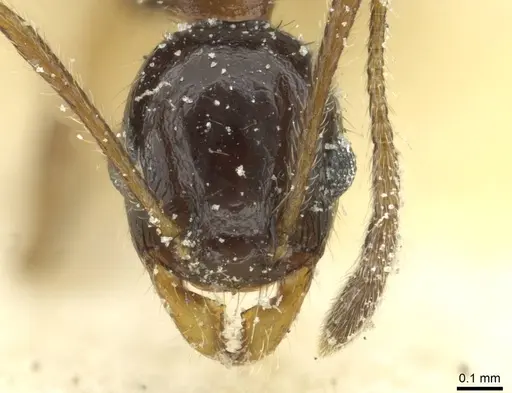
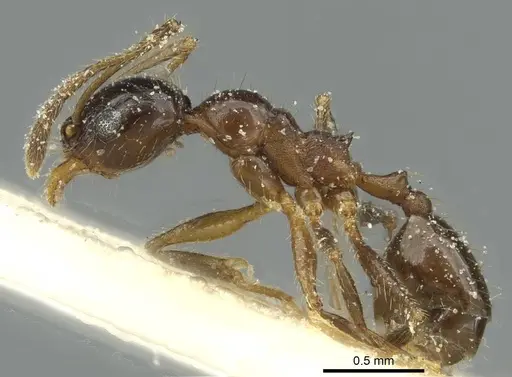
Pheidole blumenauensis is a small, reddish-brown ant in the diligens group of the genus Pheidole. It is known only from its type locality in Blumenau, Santa Catarina, Brazil . Morphological descriptions indicate majors have large heads and minors are smaller, but full body size measurements are unavailable . Almost nothing is known about the biology of this species, including colony structure, founding behavior, or specific care requirements. What is known comes from morphological data and distribution records .
Quick Summary
- Difficulty: Medium
- Origin & Habitat: Endemic to Blumenau, Santa Catarina, Brazil, in the Neotropical region [1][2].
- Colony Type: Colony structure is unconfirmed. No data exists on queen number or social structure.
- Size & Growth:
- Queen: Size data unavailable. No total length measurements are provided in the literature.
- Worker: Size data unavailable. No total length measurements are provided in the literature.
- Colony: Unknown. No data on colony size for this species.
- Growth: Unknown.
- Development: Unknown. No data on development time for this species. (Development time is not documented.)
- Antkeeping:
- Temperature: Unknown. Based on subtropical origin, aim for room temperature around 22-26°C, but no specific data exists.
- Humidity: Unknown. Provide a humidity gradient based on typical ant care, but no species-specific data.
- Diapause: Unknown. Southern Brazil has mild winters, but no data on diapause needs.
- Nesting: Unknown. Typical ant nests like test tubes or formicaria can be used, but no species-specific preferences are known.
- Behavior: Temperament and aggression are unknown. Based on general Pheidole patterns, they may be non-aggressive, but no data exists for this species. Escape risk is moderate due to small size, but no specific observations.
- Common Issues: lack of biological data means care is largely estimated, be prepared to adjust conditions based on observation., small colony size at founding makes them vulnerable to stress, keep founding queens in quiet, dark locations., no specific diet information exists, start with standard ant foods and observe what they accept., humidity balance is tricky, too wet causes mold, too dry causes desiccation.
Nest Preferences and Housing
No specific nest preferences are known for Pheidole blumenauensis. Standard test tube setups can be used for founding colonies, but no species-specific requirements are documented [1]. Once colonies grow, transition to small formicaria like Y-tong or plaster nests, but optimal conditions are unconfirmed. Provide a humidity gradient and ensure proper ventilation.
Feeding and Diet
Diet is unconfirmed for this species. Offer a varied diet including small insects, seeds, and sugar water, but no specific preferences are known. Remove uneaten food to prevent mold. Based on general Pheidole patterns, they may be seed-harvesters, but this is not documented for blumenauensis.
Temperature and Seasonal Care
Temperature requirements are unknown. Aim for room temperature around 22-26°C based on subtropical origin, but no data exists. Diapause needs are unconfirmed, southern Brazil has mild winters, but no species-specific information is available.
Behavior and Colony Dynamics
Behavior is unconfirmed. Based on general Pheidole patterns, majors may handle defense and seed-crushing, while minors forage, but no observations exist for this species. Escape risk is moderate due to small size, but no specific data.
Frequently Asked Questions
How long does it take for Pheidole blumenauensis to have first workers?
Unknown. No data on development time for this species. Based on general ant patterns, it may take several weeks, but specifics are unconfirmed.
What do Pheidole blumenauensis ants eat?
Unconfirmed. Offer a varied diet including small insects, seeds, and sugar water, but no species-specific preferences are known. Experiment to see what your colony accepts.
Can I keep multiple Pheidole blumenauensis queens together?
Not recommended due to lack of data. Colony structure is unconfirmed, so starting with one queen per colony is safest.
How big do Pheidole blumenauensis colonies get?
Unknown. No data on colony size for this species.
What temperature is best for Pheidole blumenauensis?
Unknown. Aim for room temperature around 22-26°C based on subtropical origin, but no specific data exists.
Do Pheidole blumenauensis need hibernation?
Unknown. Southern Brazil has mild winters, but no data on diapause needs for this species.
Are Pheidole blumenauensis good for beginners?
Difficulty is medium due to lack of biological data. Care is largely estimated from genus patterns, so some experimentation is needed.
When should I move Pheidole blumenauensis to a formicarium?
No specific guidance exists. Wait until the colony is crowded in the test tube, but relocation sensitivity is unconfirmed.
Why is my Pheidole blumenauensis colony declining?
Common causes include poor humidity, temperature stress, or insufficient food, but no species-specific data exists. Review basic parameters and adjust gradually.
Report an Issue
The current care sheet is based fully on literature. See inconsistencies, or something that's incorrect? Please , it will be resolved after review from an admin. Contributing to the blogs tab also helps providing information, to make us be able to further improve the caresheets. Thank you for your support!
References

This caresheet is licensed under CC BY-SA 4.0 .
Community Blogs
CASENT0913278
View on AntWeb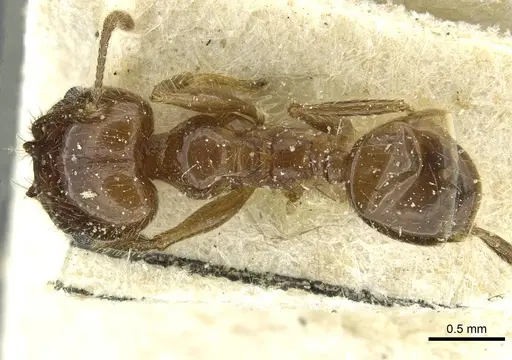
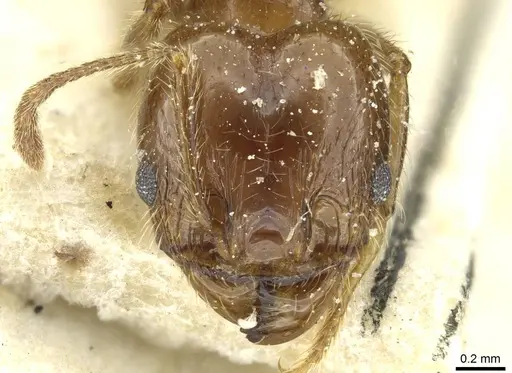
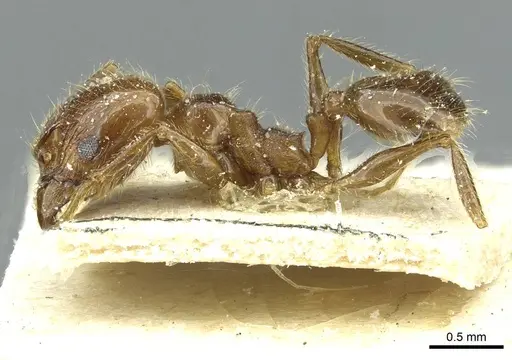
CASENT0913279
View on AntWeb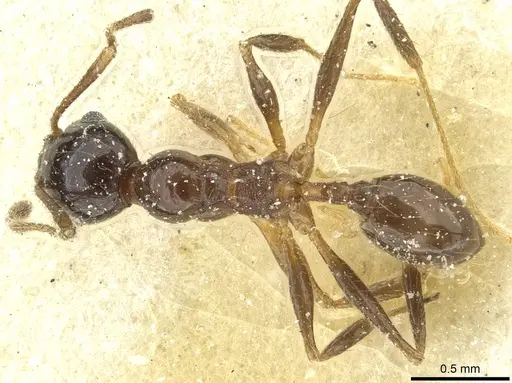
Literature
Loading distribution map...Loading products...