
Pheidole bicornis
- Sci. Name
- Pheidole bicornis
- Tribe
- Attini
- Subfamily
- Myrmicinae
- Author
- Forel, 1899
- Distribution
- Found in 2 countries
Introduction
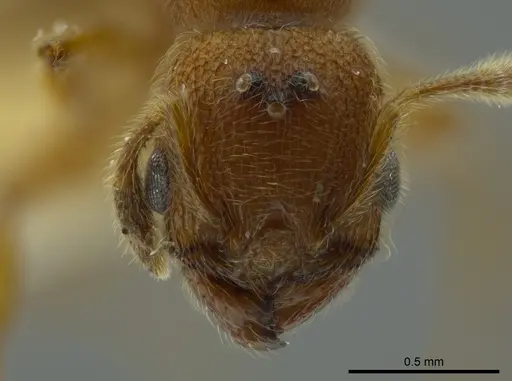
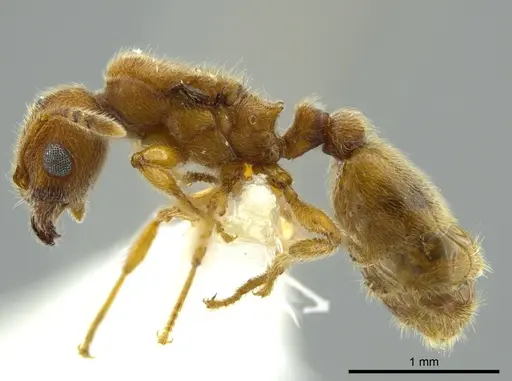
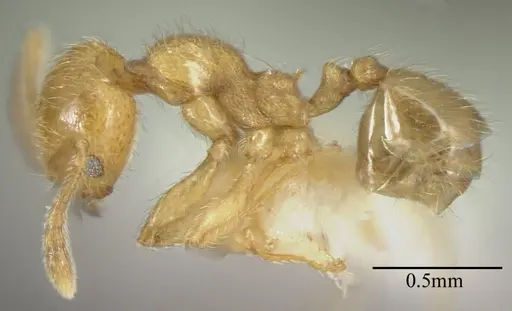
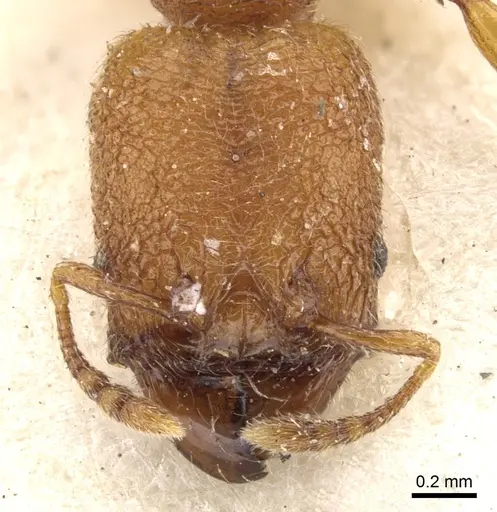
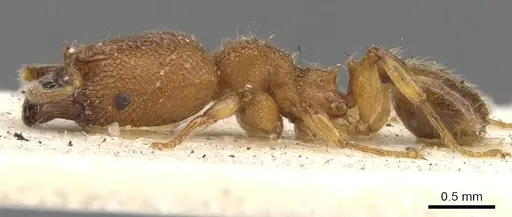
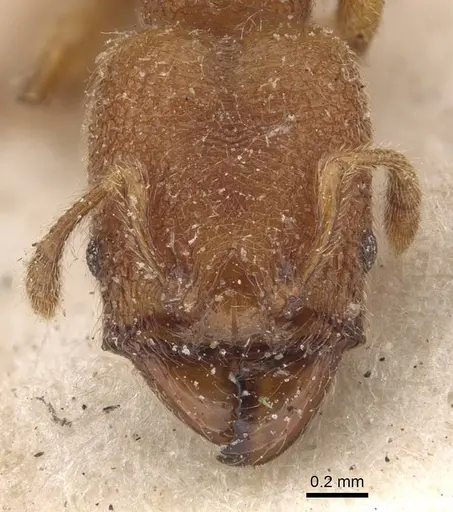
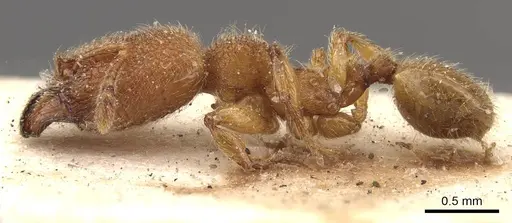
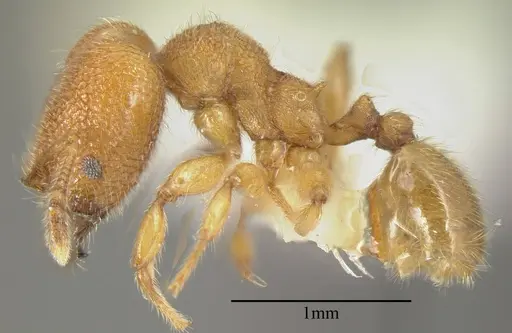
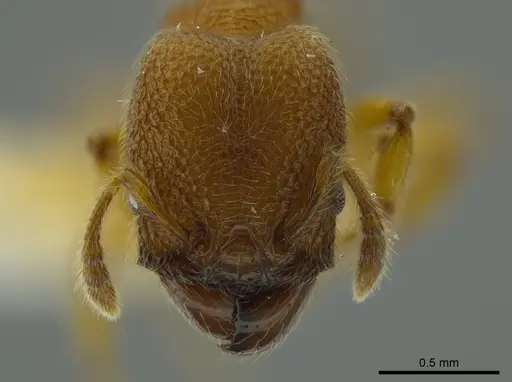
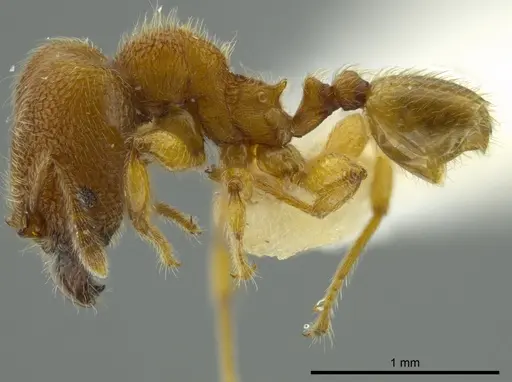
Pheidole bicornis is a dimorphic ant species native to Costa Rica and Panama. Minor workers are yellow, and major workers are light reddish brown with distinctive horn-like frontal lobes . They live exclusively inside the stems and petioles of Piper shrubs in understory rainforests . Research does not provide specific body size measurements, but they are known to be small ants. This species has a obligate mutualistic relationship with Piper plants, where ants feed on specialized food bodies and defend the plant from herbivores .
Quick Summary
- Difficulty: Expert
- Origin & Habitat: Understory rainforest shrubs in Costa Rica and Panama, found in both Atlantic and Pacific lowlands up to 1270m elevation [1]. This species is completely dependent on living inside Piper plants [2][3].
- Colony Type: Polydomous colonies that can inhabit multiple Piper plants. Queen number is unconfirmed from research.
- Size & Growth:
- Queen: Size data unavailable [3][5]
- Worker: Size data unavailable, species is dimorphic with minor and major workers [3]
- Colony: Colonies can occupy most petioles across multiple plants [6]
- Growth: Moderate, inferred from typical Pheidole patterns
- Development: Estimated 5-8 weeks at tropical temperatures, specific data not available (Development time inferred from genus patterns, no species-specific data)
- Antkeeping:
- Temperature: Keep warm, around 24-28°C, to match tropical habitat
- Humidity: Keep substrate consistently moist but not waterlogged, as they live in plant stems [3]
- Diapause: No, tropical species do not require hibernation
- Nesting: Obligate on Piper plant cavities, artificial nests must mimic narrow chambers (2-3mm diameter) [3][5]
- Behavior: Workers show lack of aggressiveness toward host plants [7]. They defend plants by removing herbivores [3]. Minor workers are tiny, so escape prevention is critical. They do not sting and pose no danger to humans.
- Common Issues: extreme difficulty providing suitable housing due to obligate plant dependence, tiny minor workers require excellent escape prevention with fine mesh, slow colony growth may challenge patience, cannot survive without specialized plant-like cavities for nesting
The Piper Ant-Plant Relationship
Pheidole bicornis is an obligate inhabitant of five myrmecophytic Piper species: Piper calcariformis, P. cenocladum, P. fimbriulatum, P. obliquum, and P. sagittifolium [5]. The ants feed on pearl bodies produced inside plant chambers, while defending the plant against herbivores, fungi, and vines [3][4]. Colonies are polydomous, meaning a single colony can spread across multiple plants [2].
Housing and Nesting Challenges
This species is totally dependent on Piper plant cavities for nesting [3]. Queens colonize petiolar chambers, and workers excavate stem pith to create additional space [3]. Average stem cavity diameter is 2.7mm [5], so artificial nests must have narrow chambers. This species is not recommended for most antkeepers due to extreme housing difficulty.
Feeding and Nutrition
In the wild, P. bicornis feeds nearly exclusively on pearl bodies produced by Piper plants [8]. These are lipid-rich food bodies [4]. They also eat soft-bodied insects, eggs, and spores found on leaves [6]. In captivity, replicating this diet is challenging, small live prey may be accepted experimentally.
Defense and Behavior
Workers show lack of aggressiveness toward host plants [7]. They defend plants by removing herbivore eggs and tossing small insects off leaves [3][7]. They respond strongly to stem wounding [2]. They are ineffective against large herbivores like leaf-cutter ants [9].
Colony Structure and Growth
Colonies can become large, with 67% of occupied plants having ants in every petiole [6]. Polydomous colonies occupy multiple plants, with workers moving between them [2]. In captivity, achieving large colonies requires multiple artificial housing units.
Frequently Asked Questions
Can I keep Pheidole bicornis in a test tube?
No. This species cannot survive in standard test tubes or formicaria due to its obligate dependence on Piper plant stems and petioles [3][5].
What do Pheidole bicornis eat?
In the wild, they feed on pearl bodies produced by Piper plants [3][4]. They also eat small insects and eggs found on leaves [6]. In captivity, replicating this diet is difficult.
How long does it take for Pheidole bicornis to develop from egg to worker?
Exact development time is not documented. Based on typical Pheidole patterns at tropical temperatures, estimate approximately 5-8 weeks.
Are Pheidole bicornis good for beginners?
No. This is an expert-level species due to extreme housing requirements [3][5].
How big do Pheidole bicornis colonies get?
Colonies can occupy most petioles across multiple plants [6]. In captivity, size depends on housing availability.
Can I keep multiple queens together?
Queen number is unconfirmed from research. If polygyne, it may be possible, but housing challenges make this impractical.
Do Pheidole bicornis need hibernation?
No. As a tropical species, they do not require diapause.
Why are my Pheidole bicornis dying?
Most likely due to unsuitable housing. They require narrow plant-stem-like cavities [3][5]. Ensure escape prevention for tiny minor workers.
Report an Issue
The current care sheet is based fully on literature. See inconsistencies, or something that's incorrect? Please , it will be resolved after review from an admin. Contributing to the blogs tab also helps providing information, to make us be able to further improve the caresheets. Thank you for your support!
References

This caresheet is licensed under CC BY-SA 4.0 .
Community Blogs
CASENT0625441
View on AntWeb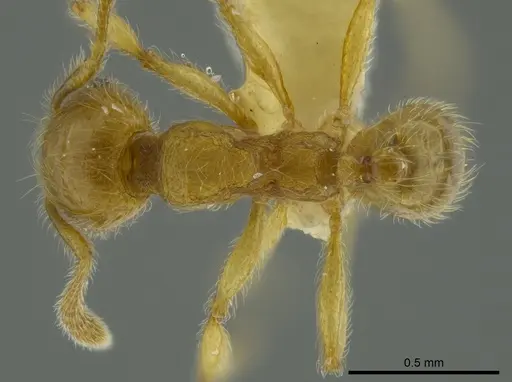
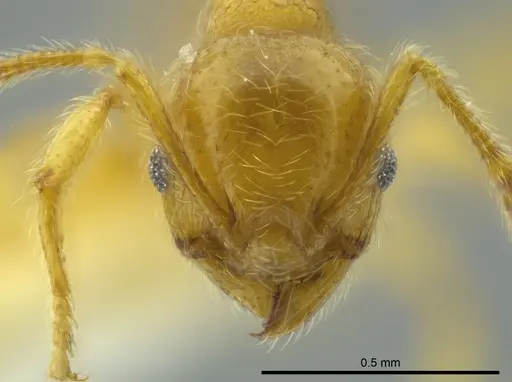
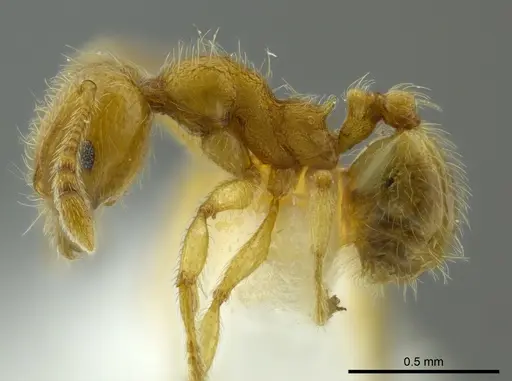
CASENT0625442
View on AntWeb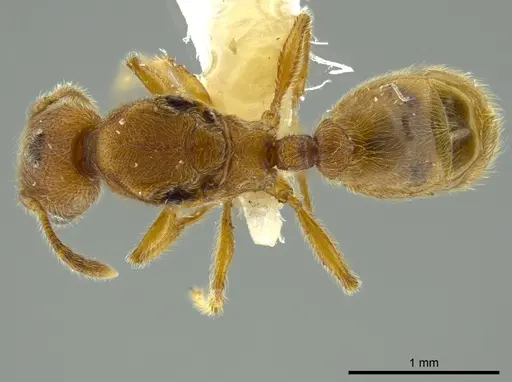
CASENT0635437
View on AntWeb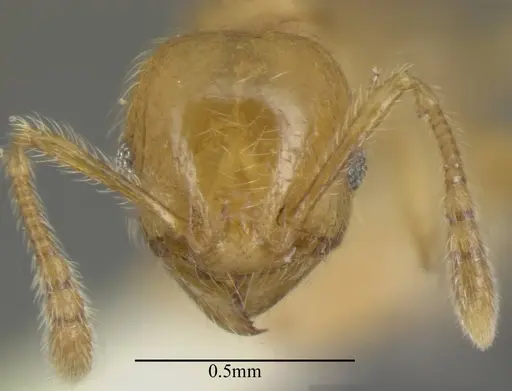
CASENT0901584
View on AntWeb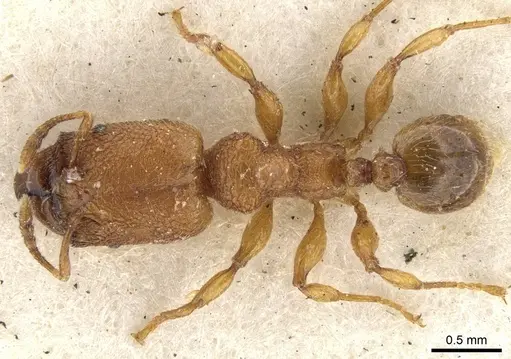
CASENT0908308
View on AntWeb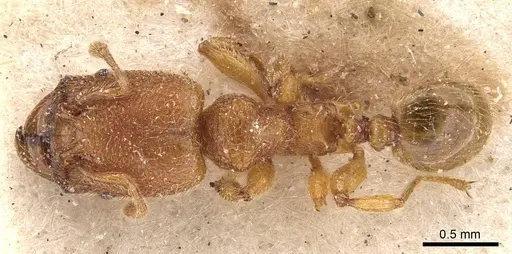
INBIOCRI001281880
View on AntWeb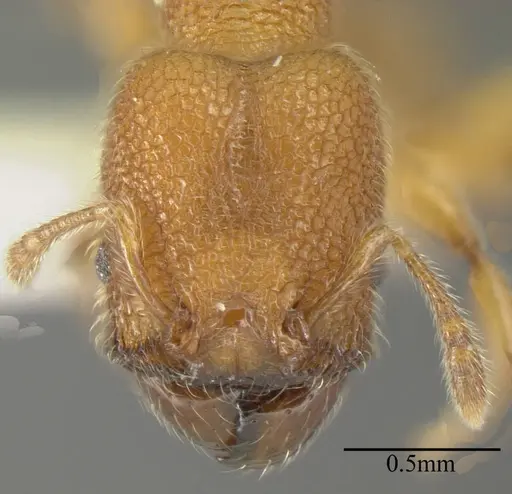
INBIOCRI001281881
View on AntWeb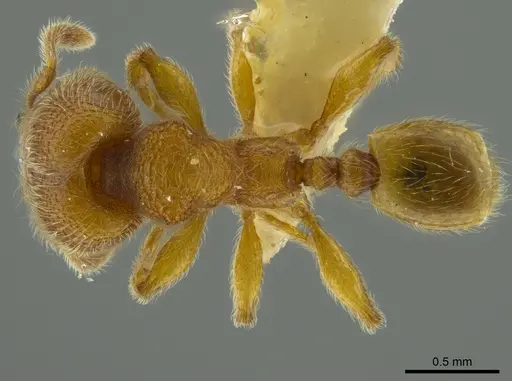
Literature
Loading distribution map...Loading products...