
Pheidole bessonii
- Sci. Name
- Pheidole bessonii
- Tribe
- Attini
- Subfamily
- Myrmicinae
- Author
- Forel, 1891
- Distribution
- Found in 1 countries
Introduction
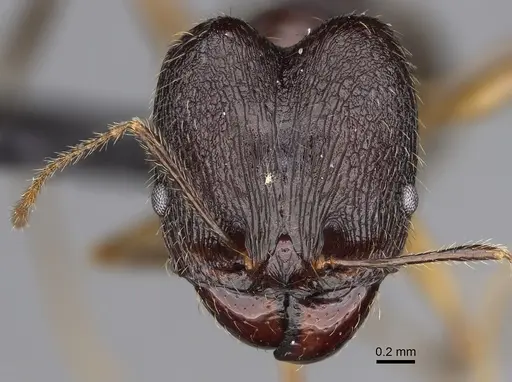
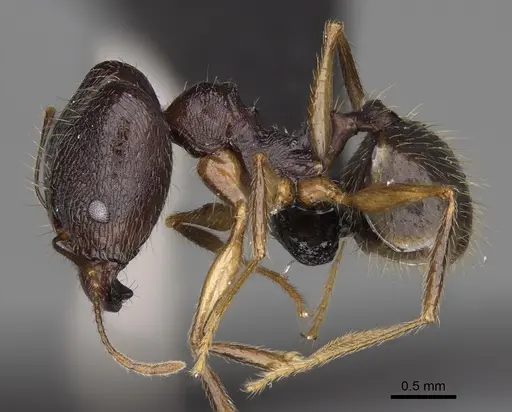
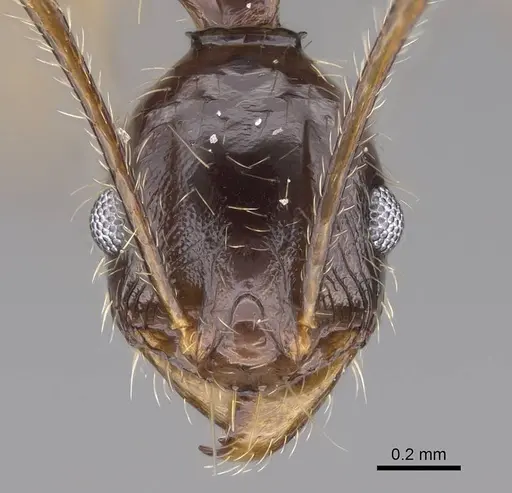
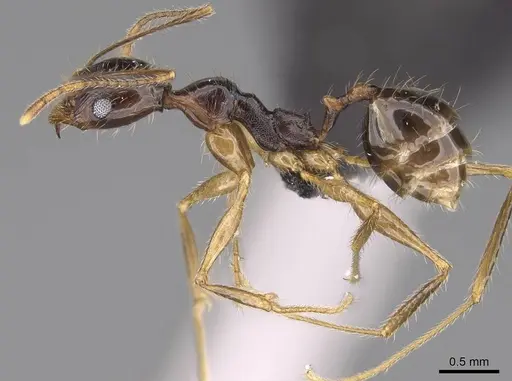
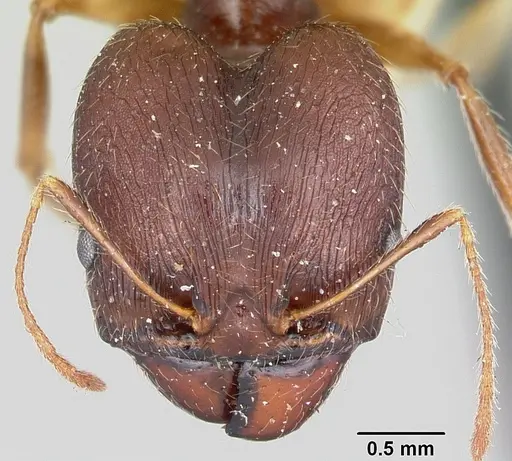
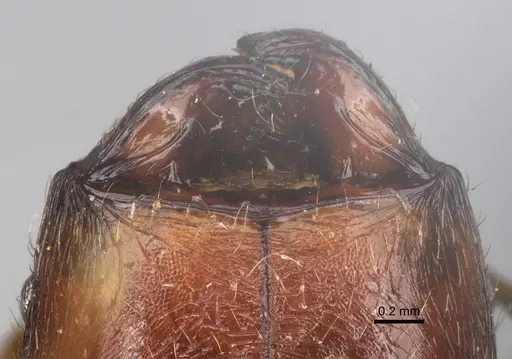
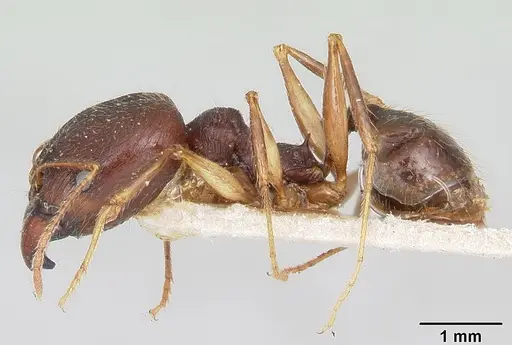
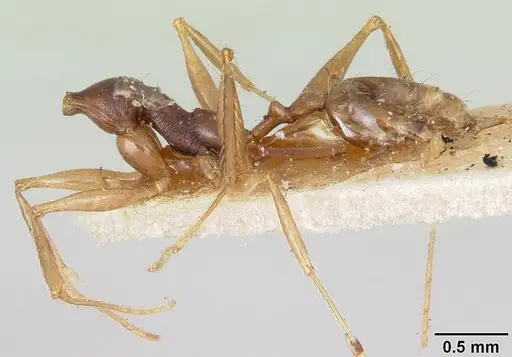
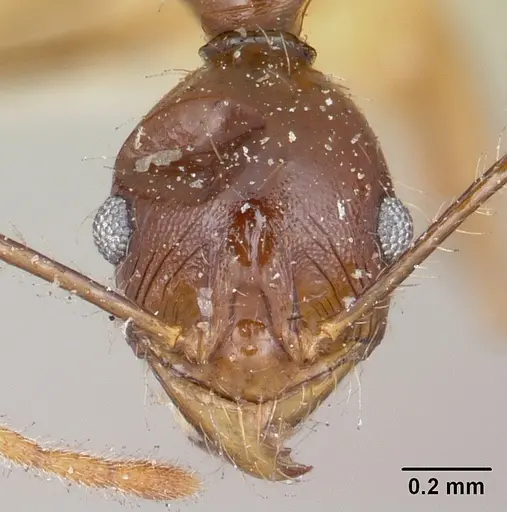
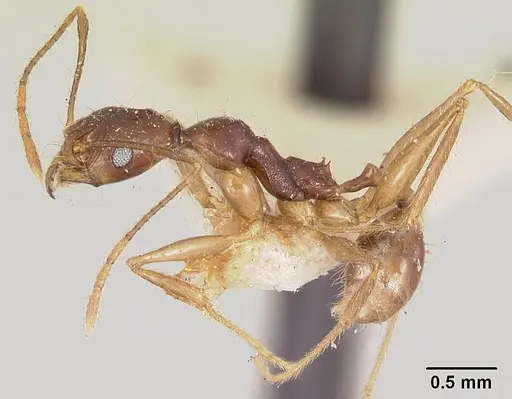
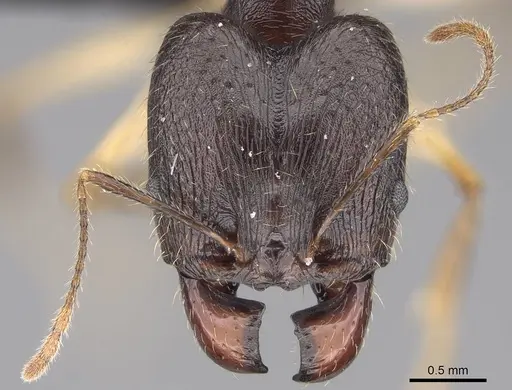
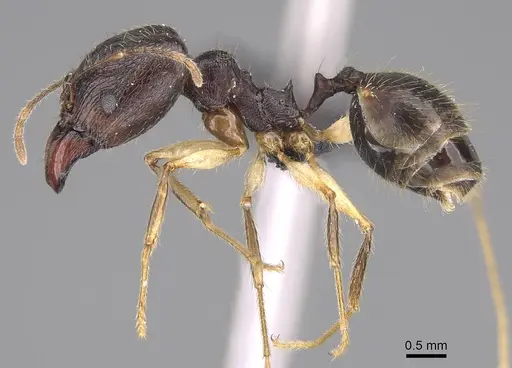
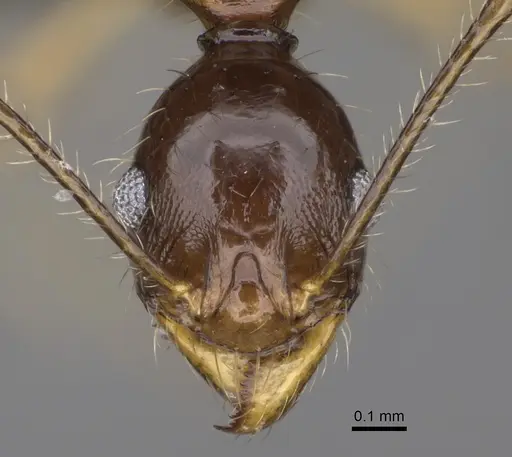
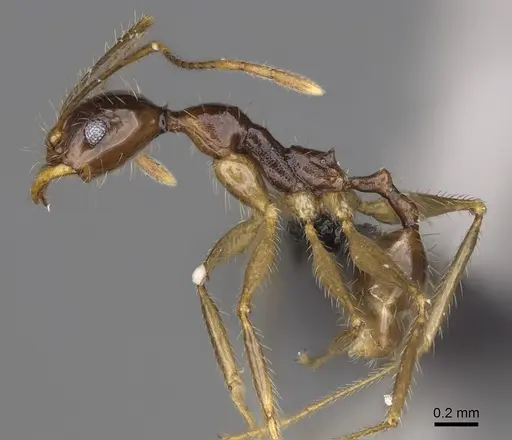
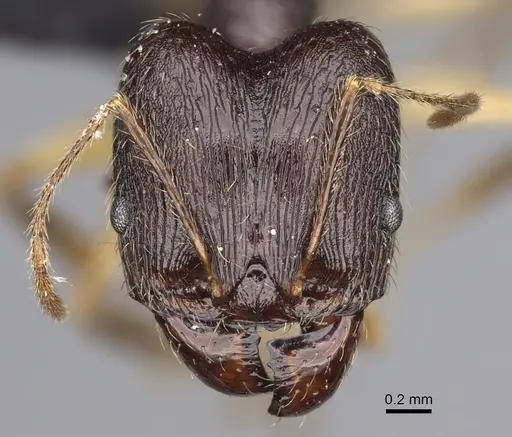
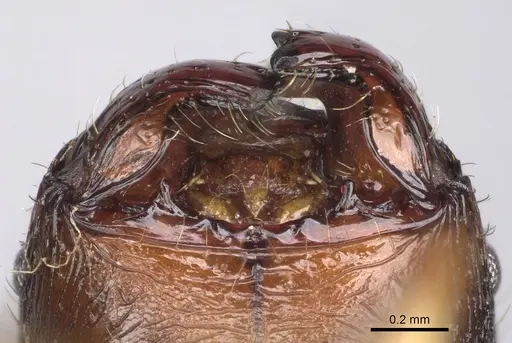
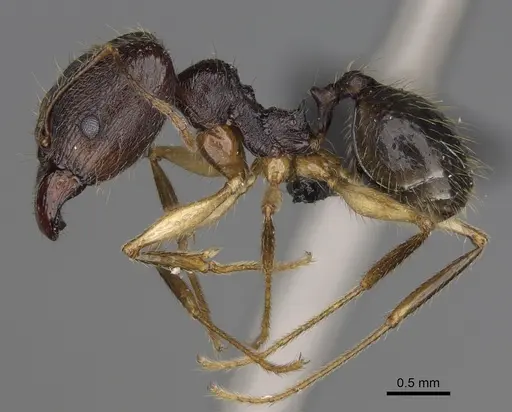
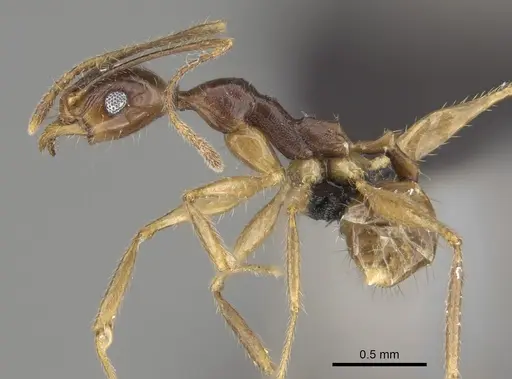
Pheidole bessonii is a small ant species native to Madagascar, belonging to the genus Pheidole, which is known for major workers with enlarged heads. Workers are small, with majors noticeably larger. This species was described in 1891 and inhabits diverse environments across Madagascar, from lowland savanna to montane rainforest . They nest in rotten logs, soil, and under stones, and are found at elevations from 30 to 1732 meters, showing adaptability to various habitats .
Quick Summary
- Difficulty: Medium
- Origin & Habitat: Madagascar only, found in diverse habitats including Uapaca woodland, montane rainforest, tropical dry forest, savanna, gallery forest, and rainforest at elevations of 30-1732m [1].
- Colony Type: Colony structure is unconfirmed, Pheidole species are typically monogyne (single queen), but no specific data exists for P. bessonii.
- Size & Growth:
- Queen: Size data unavailable, inferred from Pheidole genus (~5-7 mm)
- Worker: Size data unavailable, inferred from Pheidole genus (~2-4 mm for minor workers, majors larger)
- Colony: Up to a few thousand workers, inferred from Pheidole genus patterns [1]
- Growth: Moderate, inferred from Pheidole patterns [1]
- Development: Estimated 6-8 weeks, inferred from Pheidole patterns at warm temperatures [1] (Development time is not directly studied, estimates based on related species.)
- Antkeeping:
- Temperature: Keep at 22-26°C as a starting point, based on their natural range in Madagascar [1].
- Humidity: Provide moderate to high humidity, keep nest substrate moist but not waterlogged [1].
- Diapause: Unknown if hibernation is required, Madagascar has mild temperatures, so a slight cooling period may be appropriate [1].
- Nesting: In captivity, use test tube setups for founding, then transition to Y-tong or plaster nests. They naturally nest in soil, rotten logs, and under stones [1].
- Behavior: Pheidole bessonii is generally calm and not aggressive toward keepers. Like other Pheidole, they have major workers for defense and seed processing. Primary defense is stinging, but it is less medically significant to humans. Workers are active foragers through leaf litter [1].
- Common Issues: colonies may fail if humidity drops too low, monitor substrate moisture regularly [1], slow founding phase can cause keepers to abandon colonies before workers emerge [1], wild-caught colonies may contain parasites that can devastate captive populations [1], test tube setups can flood if water reservoirs are overfilled during setup [1], major workers develop later than minors, don't be alarmed if early workers are all small [1]
Housing and Nest Setup
For founding colonies, a simple test tube setup works well. Fill a test tube with water, plug the end with cotton, and place the queen in the tube. The cotton should be damp but not soaking wet, you want moisture without flooding. Cover the tube with a dark cloth and leave it undisturbed for several weeks until the first workers emerge [1]. Once the colony reaches 20-30 workers, you can transition to a more elaborate setup.
For established colonies, Y-tong nests or plaster nests work well. These allow you to control humidity more easily than soil-based setups. If using a naturalistic setup, provide a layer of moist soil or coconut fiber as substrate, with pieces of rotten wood or flat stones as hiding spots. Ensure the outworld is escape-proof, these ants can squeeze through small gaps. A barrier of fluon or petroleum jelly on the rim helps prevent escapes [1].
Feeding and Diet
Pheidole bessonii is omnivorous. In captivity, they readily accept protein sources such as small insects (fruit flies, pinhead crickets, mealworms), and they enjoy seeds which their major workers can process. Offer a varied diet: protein every few days, and a constant sugar source like honey water or sugar water [1].
Their natural diet includes seeds, insects, and honeydew from aphids. Major workers specialize in seed processing. When feeding seeds, ensure they are small enough or already cracked. Remove any uneaten food after 24-48 hours to prevent mold [1].
Temperature and Seasonal Care
Maintain temperatures between 22-26°C for optimal colony development, based on their natural range in Madagascar [1]. If your room temperature falls below this, use a heating cable or mat on one side of the nest to create a gradient. Place heating on top to avoid excessive drying.
Regarding diapause: Madagascar has mild year-round temperatures, so this species may not require true hibernation. However, if activity reduces during winter, provide a slight cooling to 18-20°C. Avoid dramatic temperature drops [1].
Colony Development and Growth
Pheidole colonies grow through a caste system. The queen lays eggs that develop into minor workers (small, foraging ants) or major workers (soldiers with enlarged heads). Major workers typically appear after the colony is established with 50+ workers [1].
The founding phase can be lengthy, queens may take 2-4 weeks to lay eggs, then another 4-8 weeks for eggs to develop into workers. During this time, the queen should not be disturbed. Once workers emerge, the colony can expand rapidly if fed well [1].
Behavior and Observation
These ants are calm and not aggressive toward humans. Minor workers handle foraging and brood care, while major workers specialize in seed processing and defense. Primary defense is stinging, but it is less medically significant, they often flee or retreat [1].
Observe tandem running behavior during food discovery, one worker leads others to food sources, which is interesting to watch in established colonies [1].
Frequently Asked Questions
How long does it take for Pheidole bessonii to have first workers?
Expect 6-10 weeks from egg to first worker at optimal temperatures (22-26°C). The exact timeline is not documented, so be patient during the founding phase [1].
What do Pheidole bessonii ants eat?
They are omnivorous. Offer small insects for protein and a constant sugar source like honey water. They also enjoy seeds, which major workers can process [1].
What temperature do Pheidole bessonii need?
Keep them at 22-26°C, based on their natural range in Madagascar. A slight gradient allowing cooler areas is beneficial [1].
Are Pheidole bessonii good for beginners?
They are moderate difficulty, easier than some exotic species but require attention to humidity and diet. Their slow founding phase tests patience [1].
How big do Pheidole bessonii colonies get?
Colony size is not specifically documented, but typical Pheidole species reach up to a few thousand workers. Expect moderate growth over the first year [1].
Do Pheidole bessonii need hibernation?
Probably not, Madagascar has mild temperatures. However, a slight cooling period during winter may be appropriate if activity decreases [1].
When should I move my colony to a formicarium?
Keep them in a test tube setup until you have 20-30 workers and the water reservoir is running low. Transition to a Y-tong or plaster nest when the colony outgrows the tube [1].
Can I keep multiple Pheidole bessonii queens together?
Not recommended unless documented for this species. While some Pheidole can be polygyne, combining unrelated queens typically leads to fighting. Start with a single queen [1].
Why are my Pheidole bessonii dying?
Common causes include low humidity, mold from overfeeding, stress from disturbance during founding, or parasites from wild-caught colonies. Ensure proper humidity and avoid overfeeding [1].
Report an Issue
The current care sheet is based fully on literature. See inconsistencies, or something that's incorrect? Please , it will be resolved after review from an admin. Contributing to the blogs tab also helps providing information, to make us be able to further improve the caresheets. Thank you for your support!
References

This caresheet is licensed under CC BY-SA 4.0 .
Community Blogs
CASENT0008991
View on AntWeb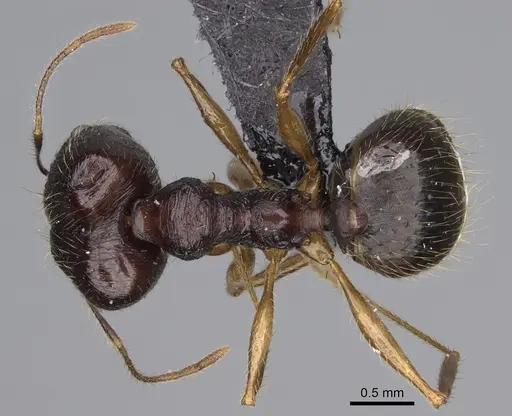
CASENT0008997
View on AntWeb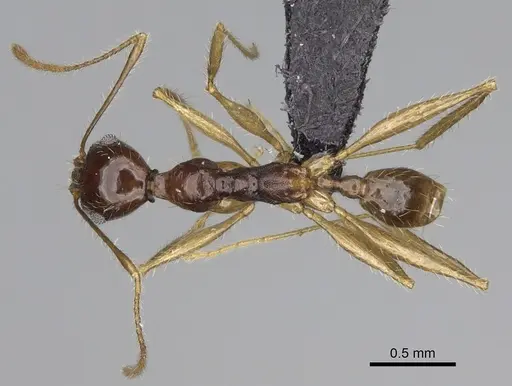
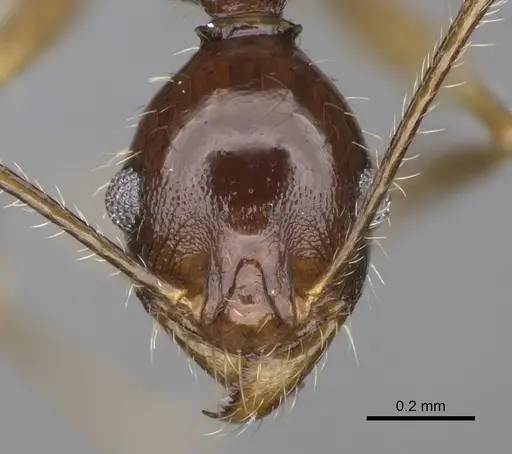
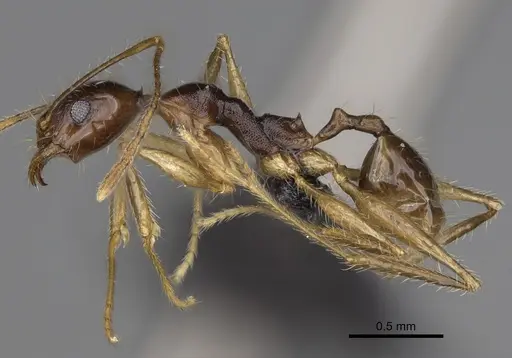
CASENT0014782
View on AntWeb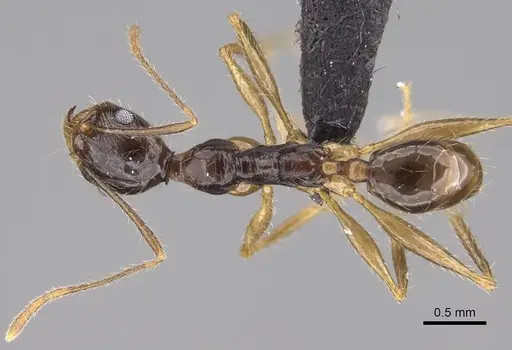
CASENT0101328
View on AntWeb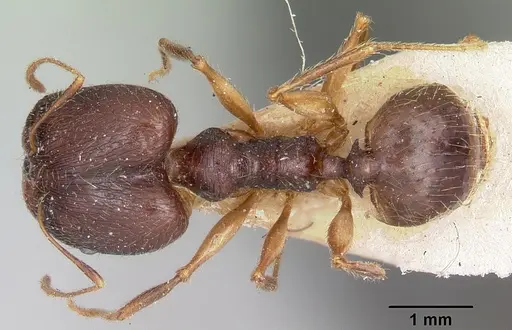
CASENT0101329
View on AntWeb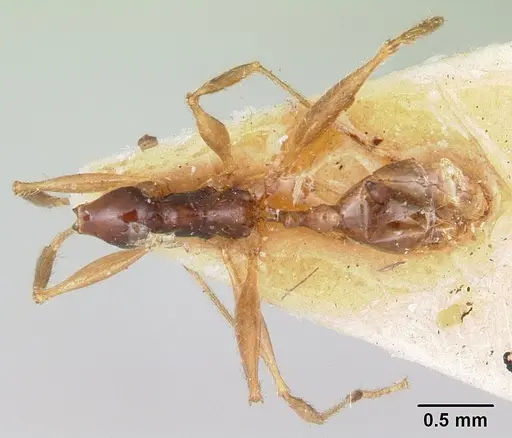
CASENT0101838
View on AntWeb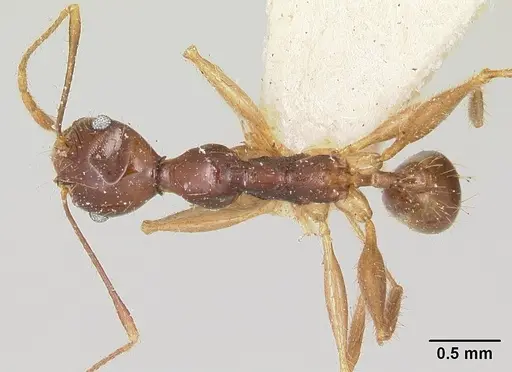
CASENT0432108
View on AntWeb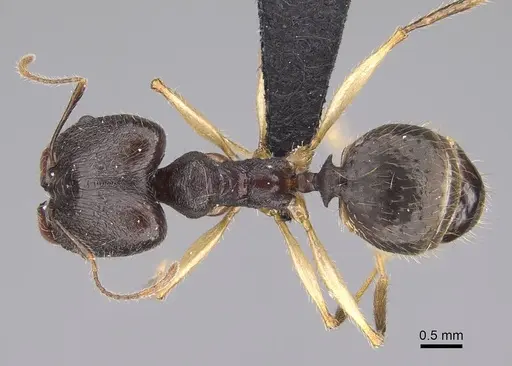
CASENT0450042
View on AntWeb
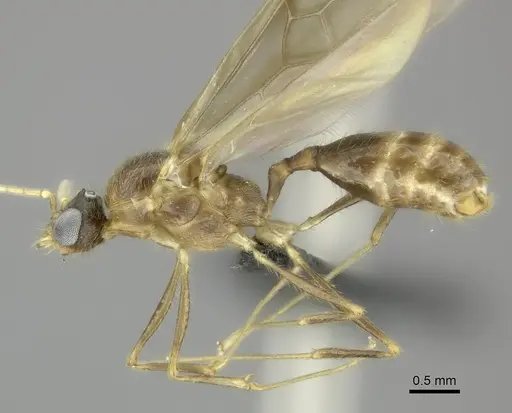
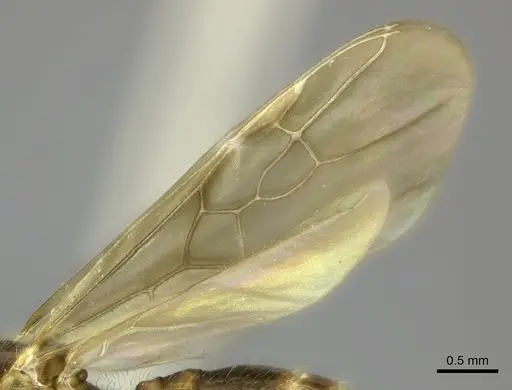
CASENT0450089
View on AntWeb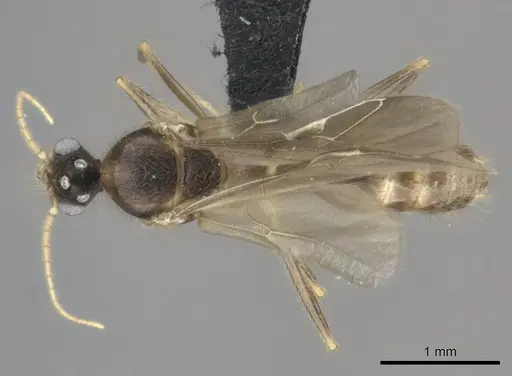
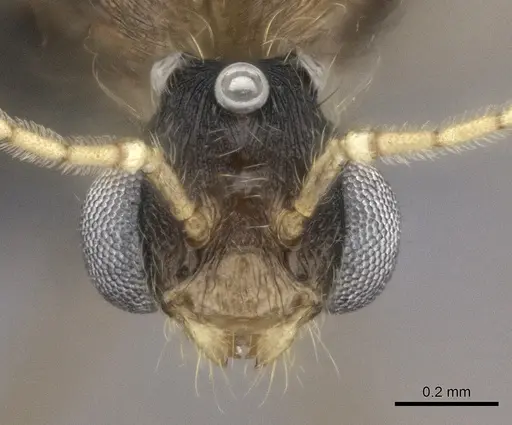
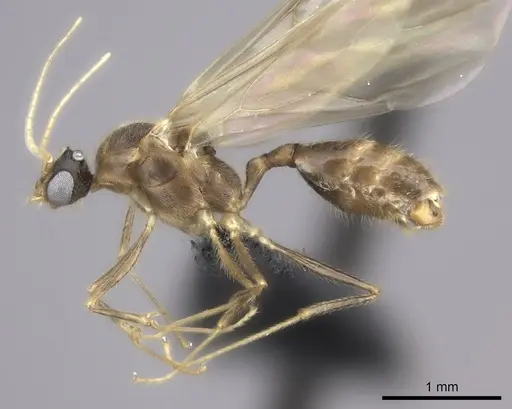
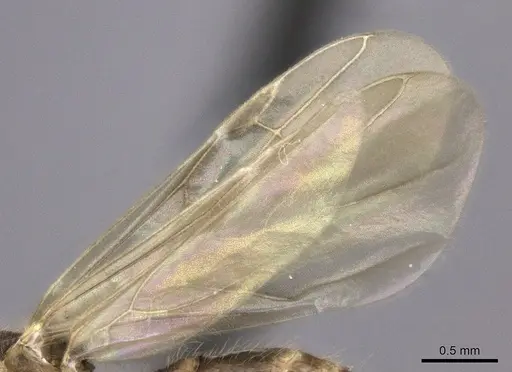
CASENT0450093
View on AntWeb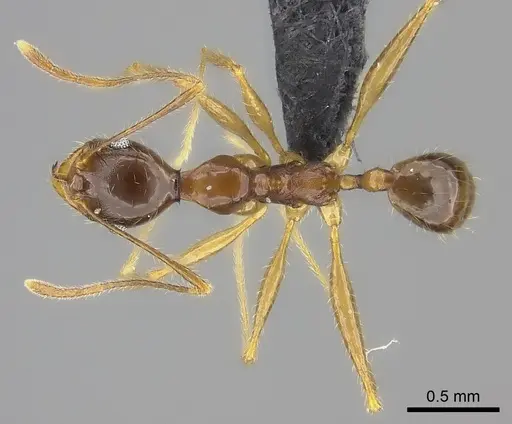
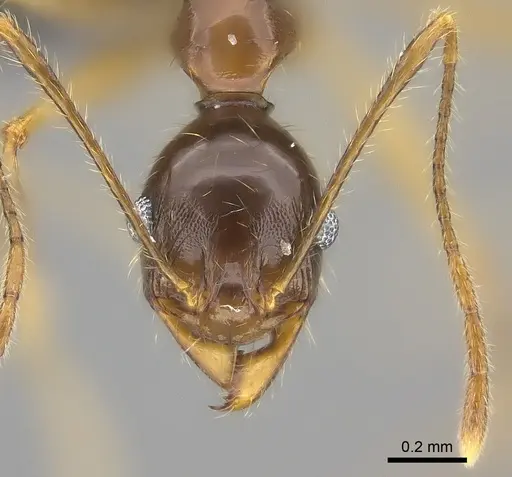
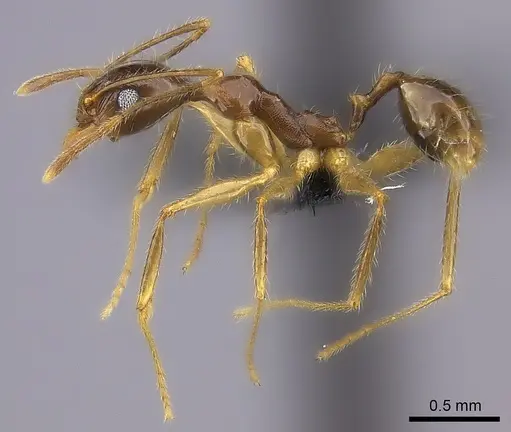
CASENT0457533
View on AntWeb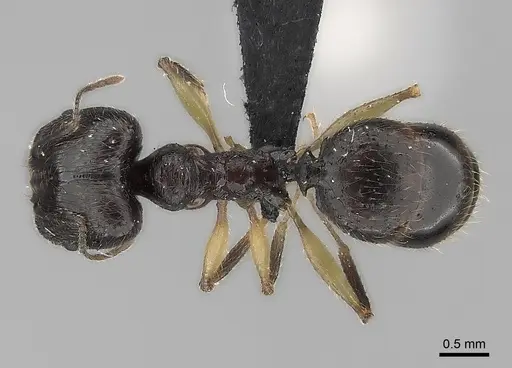
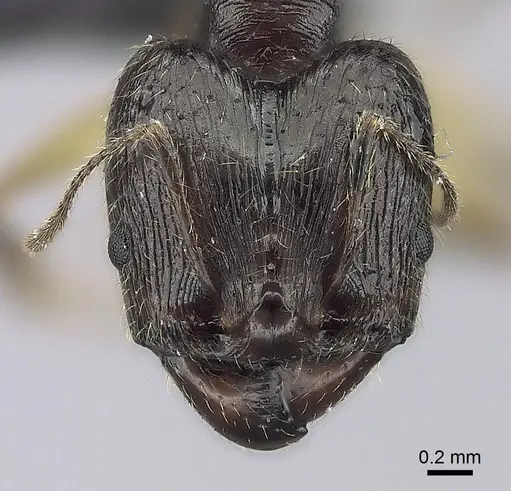
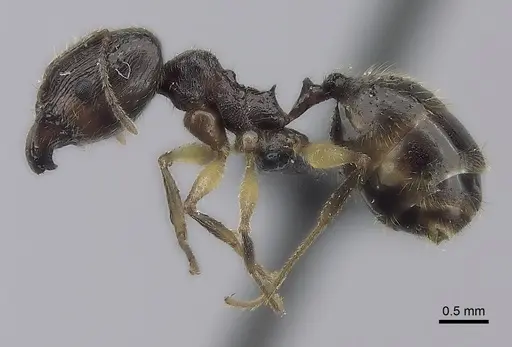
CASENT0491424
View on AntWeb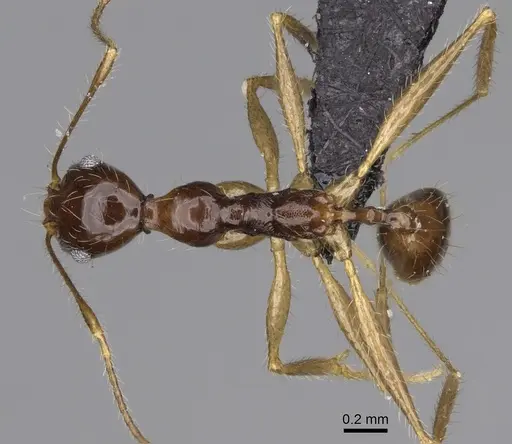
CASENT0491427
View on AntWeb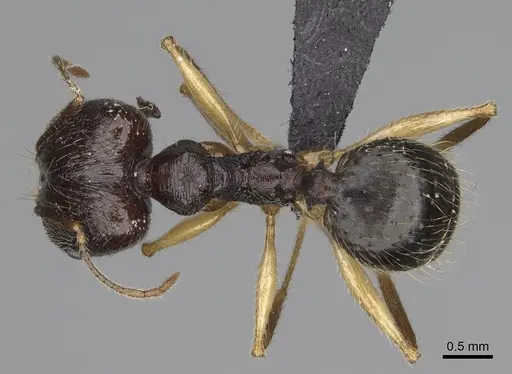
CASENT0496974
View on AntWeb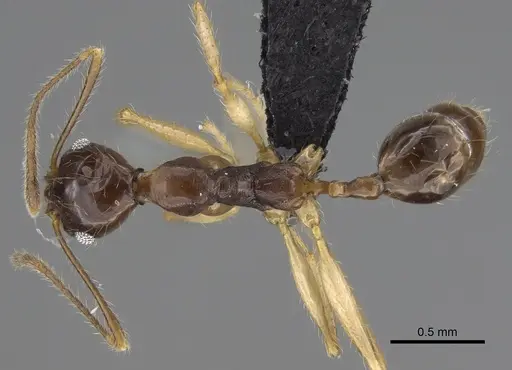
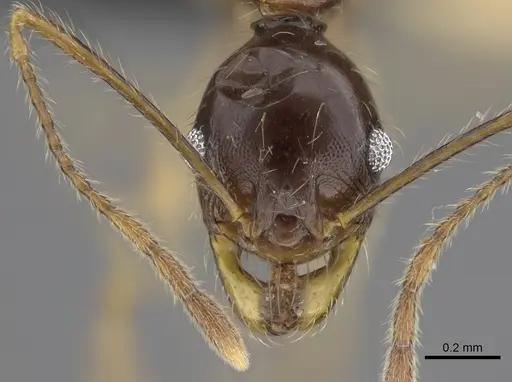
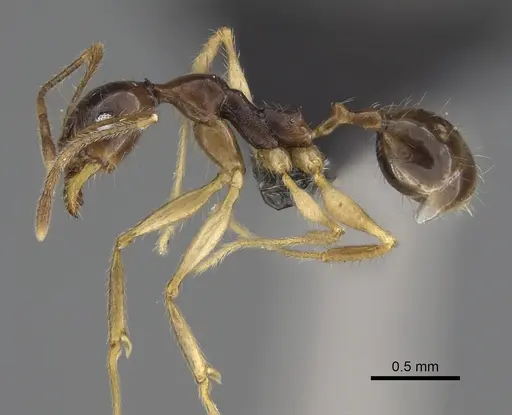
CASENT0496976
View on AntWeb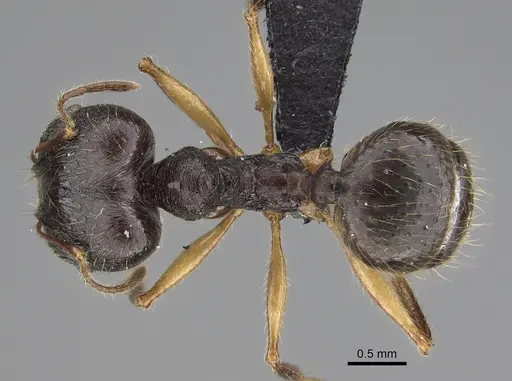
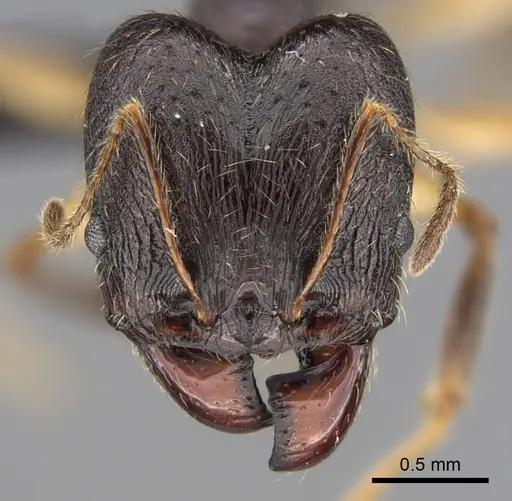
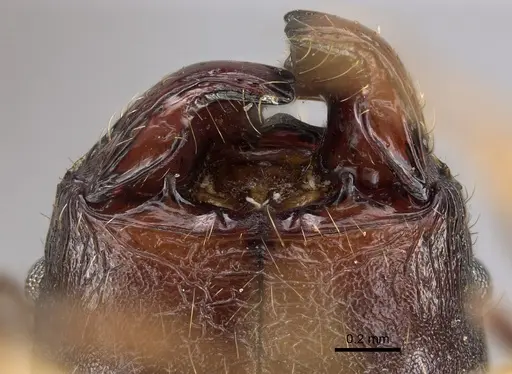
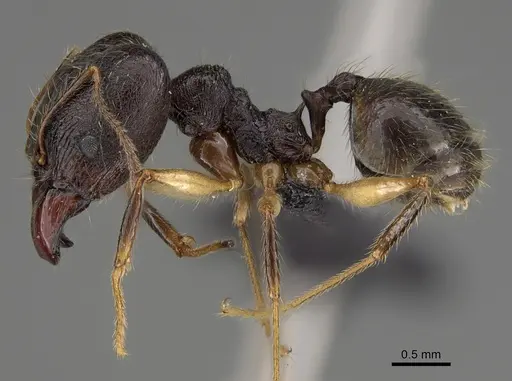
CASENT0923201
View on AntWeb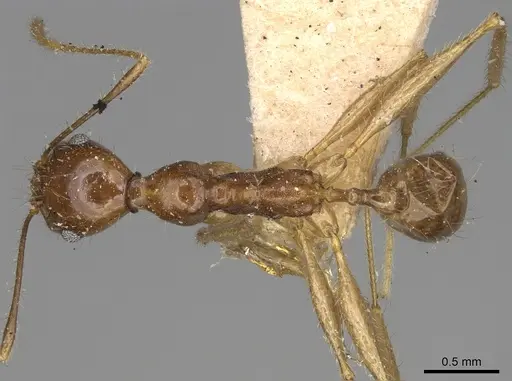
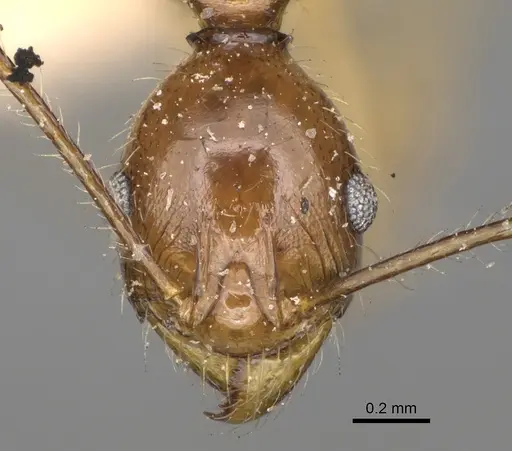
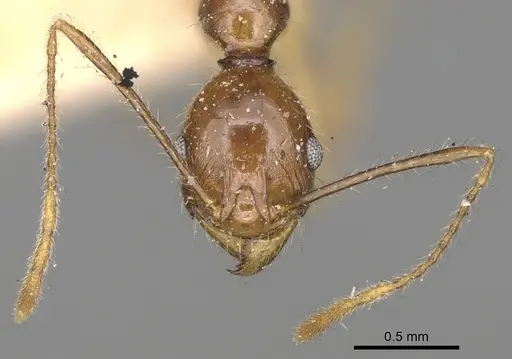
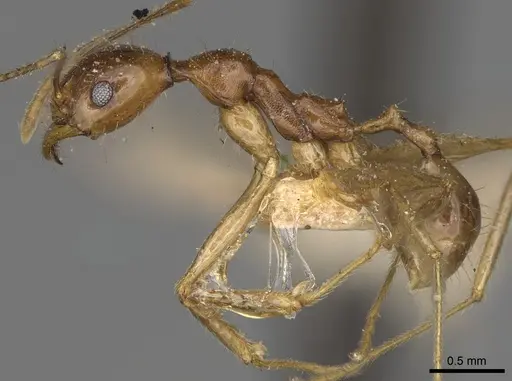
CASENT0923300
View on AntWeb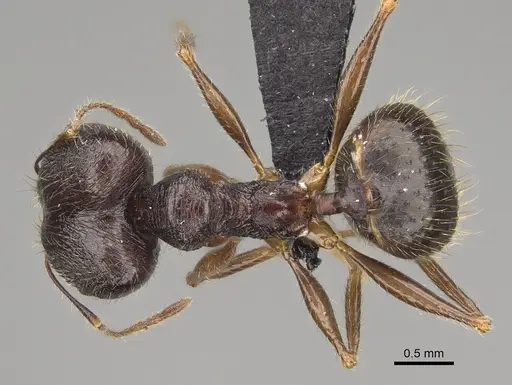
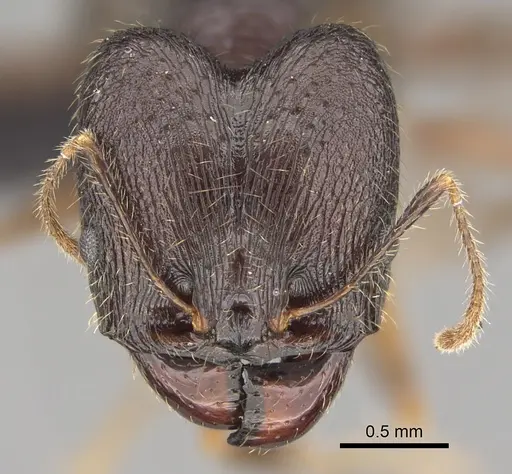
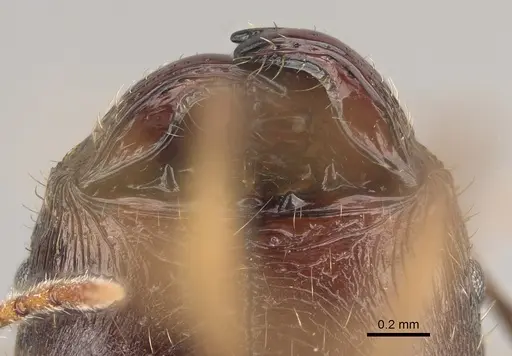
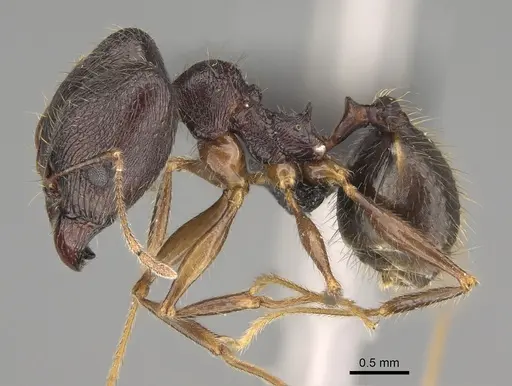
CASENT0923301
View on AntWeb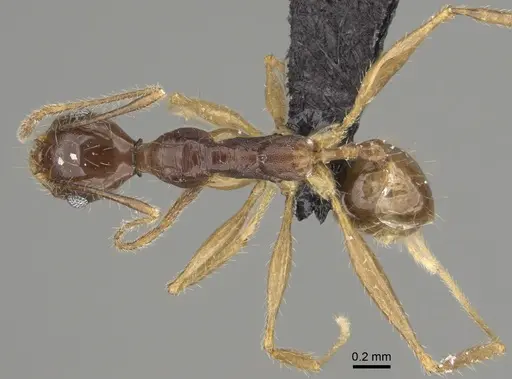
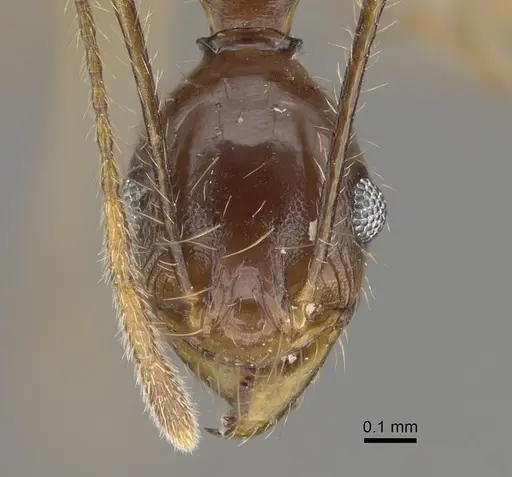
Literature
Loading distribution map...Loading products...