
Pheidole bergi
- Sci. Name
- Pheidole bergi
- Tribe
- Attini
- Subfamily
- Myrmicinae
- Author
- Mayr, 1887
- Distribution
- Found in 2 countries
Introduction
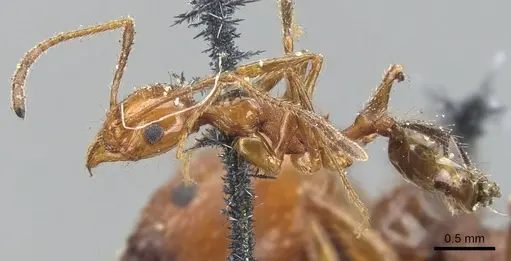
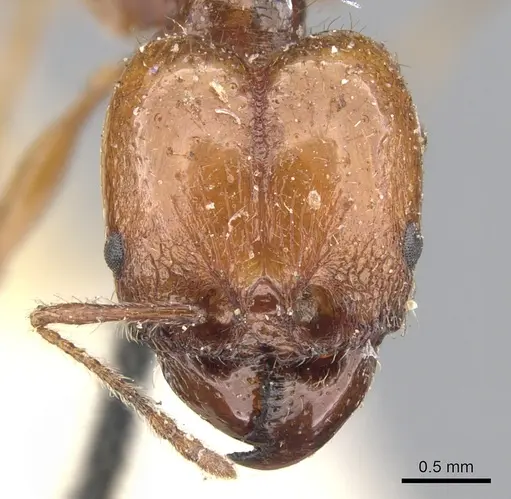
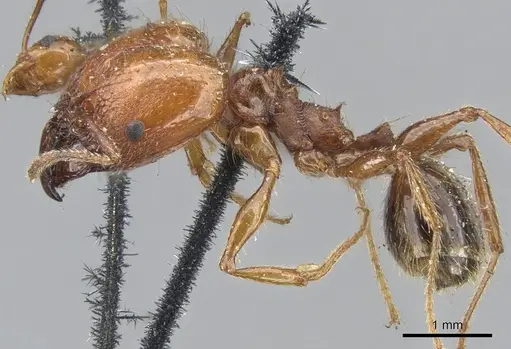
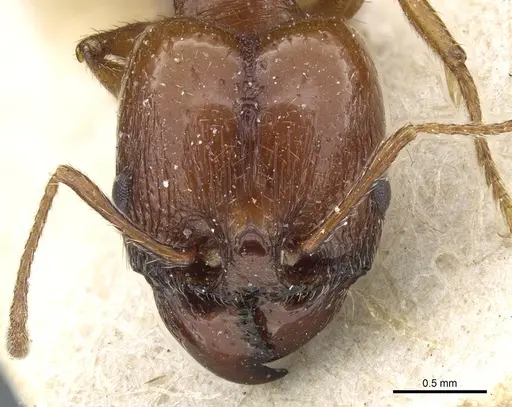
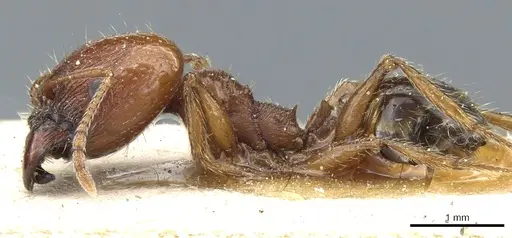
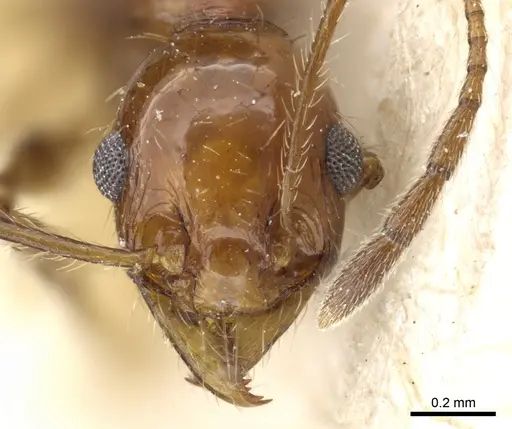
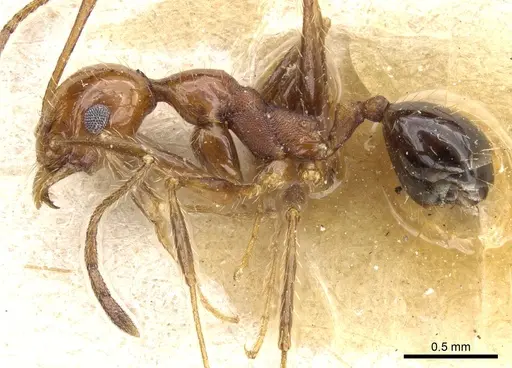
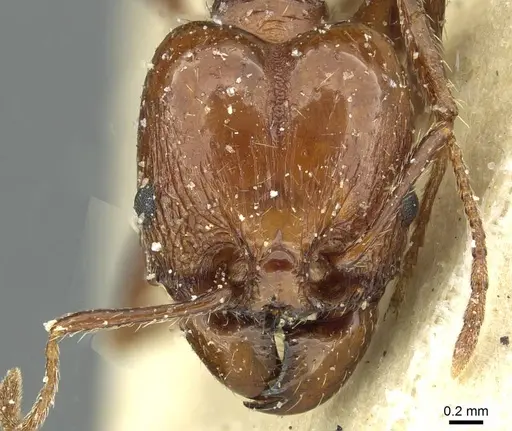
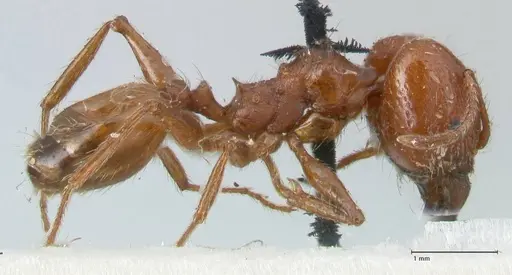
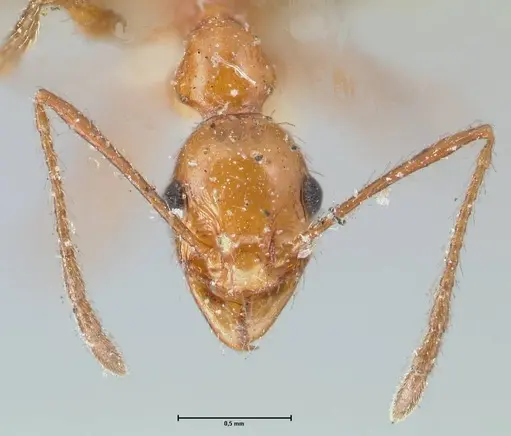
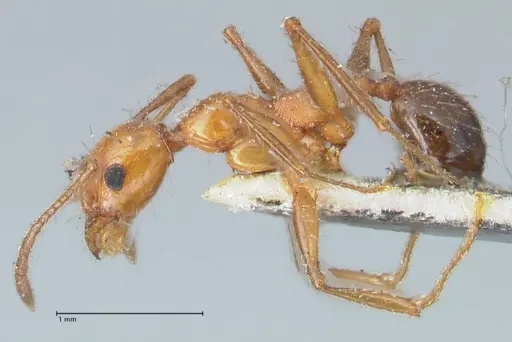
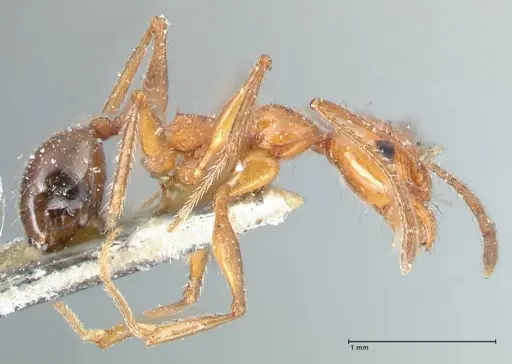
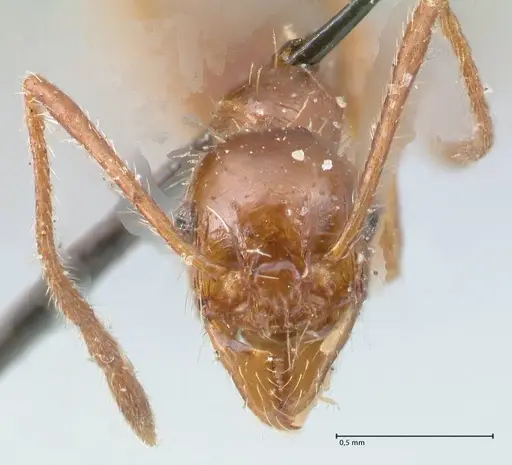
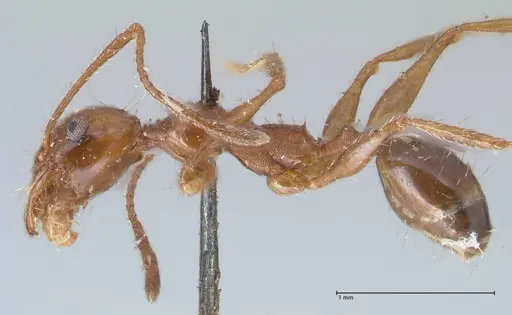
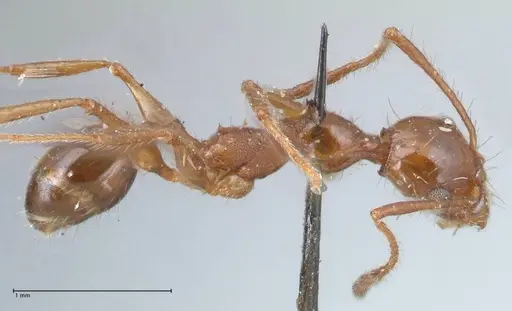
Pheidole bergi is a medium-sized ant native to South America, found in Argentina, Uruguay, Brazil, and Paraguay . Minor workers are about 3.0-3.6 mm long, while majors have larger heads and are reddish-brown . They build subterranean nests with craters or soil mounds around the entrance, often in soil in various ecosystems . This species is aggressive and exclusively insectivorous, but it also plays a role in seed dispersal by cooperatively transporting seeds to nests .
Quick Summary
- Difficulty: Medium
- Origin & Habitat: Native to the Neotropical region, including Argentina, Uruguay, Brazil, and Paraguay [1]. Found in ecosystems like the Monte desert and agricultural areas, building soil nests with single entrances [1][3].
- Colony Type: Unconfirmed, research does not specify queen number or social structure.
- Size & Growth:
- Queen: Size data unavailable, no total length measurements in context.
- Worker: ~3.0-3.6 mm for minor workers [2]. Major workers are larger but size data unavailable.
- Colony: Up to thousands of workers, as they are a dominant species in some areas [3].
- Growth: Moderate to fast, inferred from Pheidole genus patterns.
- Development: Estimated 6-8 weeks at optimal temperature. (Development time may vary with temperature, first workers are smaller than mature workers.)
- Antkeeping:
- Temperature: Keep at 22-26°C, with a gradient for self-regulation.
- Humidity: Keep nest substrate consistently moist but not waterlogged, as they build deep nests [1].
- Diapause: Yes, requires winter diapause of 2-3 months at 15-18°C.
- Nesting: Y-tong (AAC) or plaster nests work well, providing vertical space for deep nesting [1].
- Behavior: Highly aggressive and territorial, using mass recruitment for foraging [4]. They cooperate in groups to transport seeds [2]. Escape risk is high due to small size, use fine mesh barriers.
- Common Issues: escape prevention is critical, minors are tiny and can squeeze through gaps, aggressive nature requires isolation from other ant colonies, exclusively insectivorous, feed protein regularly, not sugar water, colonies grow large quickly, needing expansion space, founding queens are vulnerable to disturbance
Housing and Nest Setup
For founding colonies, use a test tube setup with humid but not flooded conditions, kept in darkness [1]. Once the colony has 20-30 workers, move to a Y-tong or plaster formicarium with vertical space for deep nesting [1]. Connect to an outworld for foraging. Use fine mesh (0.5mm or smaller) and fluon barriers to prevent escapes, as minors are tiny [1].
Feeding and Diet
Feed exclusively insectivorous diet: small live insects, frozen bloodworms, or other protein sources [3][2]. Offer protein 2-3 times per week, adjusting for colony size. They may accept seeds occasionally due to seed dispersal behavior, but do not rely on them as food [2]. Remove uneaten prey after 24-48 hours to prevent mold.
Temperature and Seasonal Care
Maintain 22-26°C during active season with a temperature gradient. During winter, reduce to 15-18°C for 2-3 months diapause, mimicking natural temperate cycles. Gradually warm after diapause to prevent shock.
Behavior and Colony Dynamics
This species is aggressive and uses mass recruitment for foraging [4]. Majors defend the colony and process large prey. They cooperate in groups for seed transport [2]. House separately from other ants to avoid conflicts.
Growth and Development
Queens raise first workers alone using stored reserves. Development from egg to worker takes about 6-8 weeks at optimal temperature. Growth accelerates after nanitics emerge, with majors appearing as colony matures.
Frequently Asked Questions
Can I keep Pheidole bergi in a test tube?
Yes, for founding colonies. Keep humid and dark, then move to larger setup when colony has 20-30 workers [1].
How long until first workers appear?
About 6-8 weeks at 22-26°C.
What do Pheidole bergi ants eat?
Exclusively insectivorous, feed small insects like fruit flies or bloodworms [3][2].
Are Pheidole bergi good for beginners?
Medium difficulty due to escape risk, diet needs, and aggression [3].
Do Pheidole bergi need hibernation?
Yes, require winter diapause at 15-18°C for 2-3 months.
How big do Pheidole bergi colonies get?
Up to thousands of workers, as they are dominant in some areas [3].
Can I keep multiple queens together?
Unconfirmed, research does not specify if multiple queens can coexist.
Why are my Pheidole bergi dying?
Common causes: escapes, starvation from insufficient protein, dryness, or disturbance [1].
When should I move them to a formicarium?
At 20-30 workers, using Y-tong or plaster nests [1].
Report an Issue
The current care sheet is based fully on literature. See inconsistencies, or something that's incorrect? Please , it will be resolved after review from an admin. Contributing to the blogs tab also helps providing information, to make us be able to further improve the caresheets. Thank you for your support!
References

This caresheet is licensed under CC BY-SA 4.0 .
Community Blogs
CASENT0178008
View on AntWeb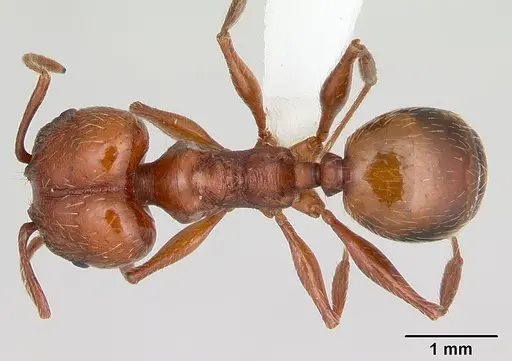
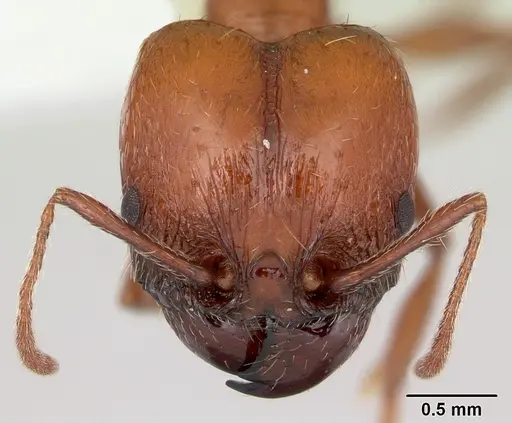
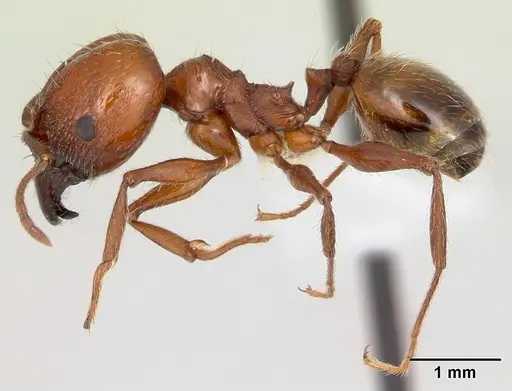
CASENT0178009
View on AntWeb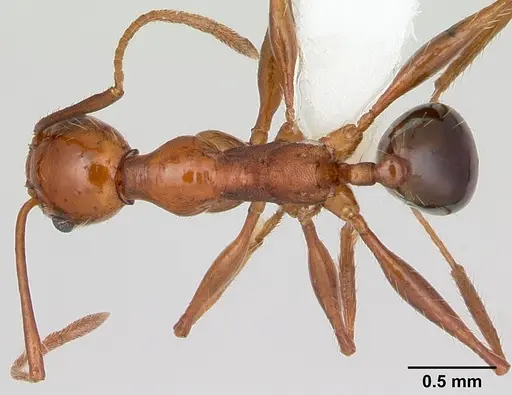
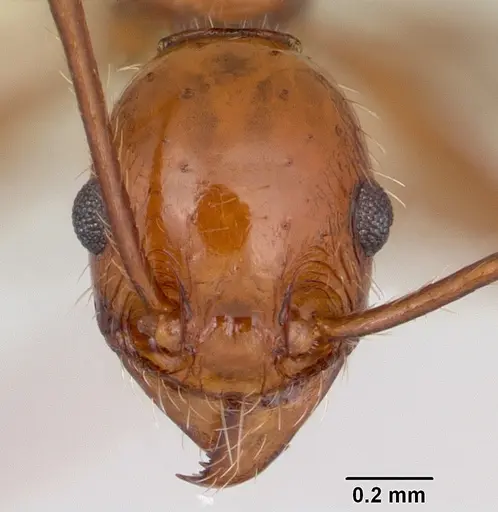
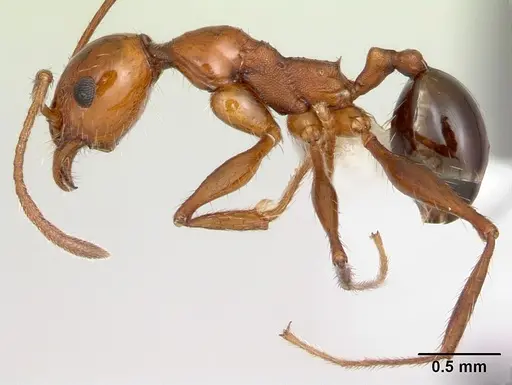
CASENT0901567
View on AntWeb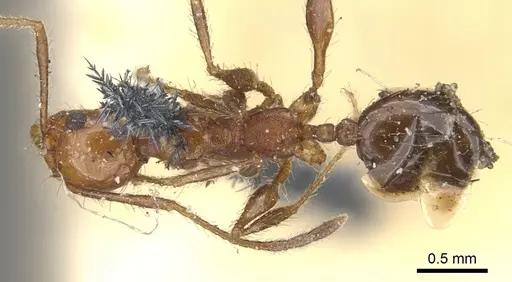
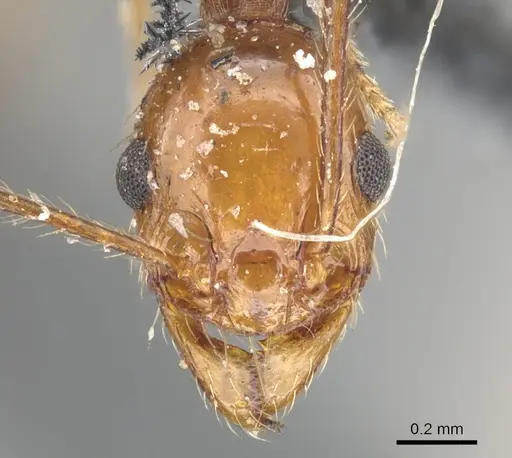
CASENT0901568
View on AntWeb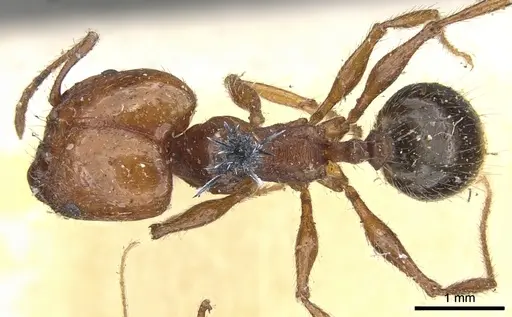
CASENT0904330
View on AntWeb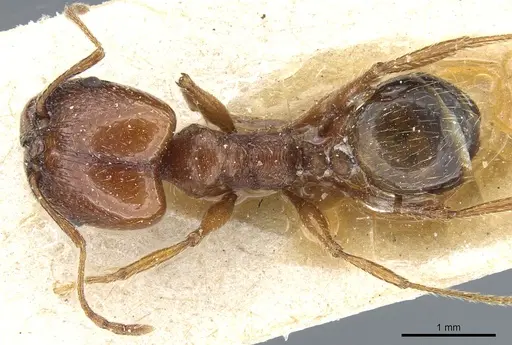
CASENT0904331
View on AntWeb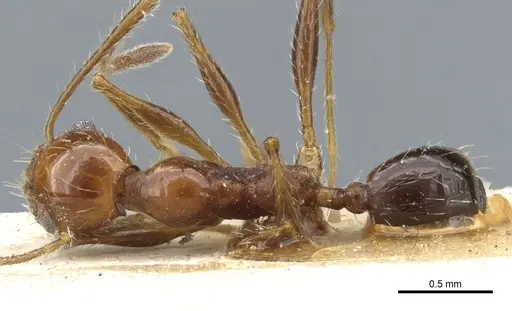
CASENT0913277
View on AntWeb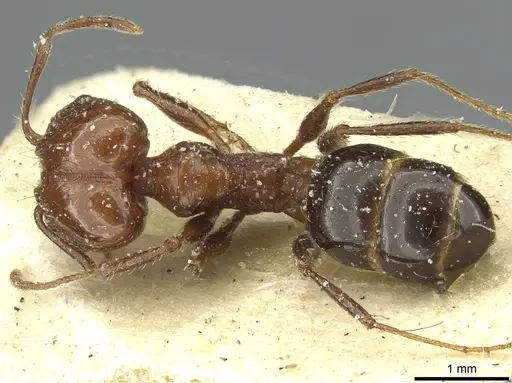
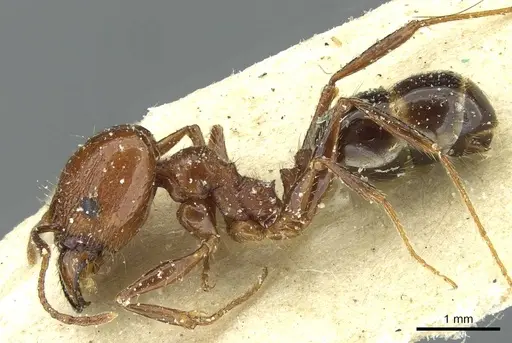
FOCOL1546
View on AntWeb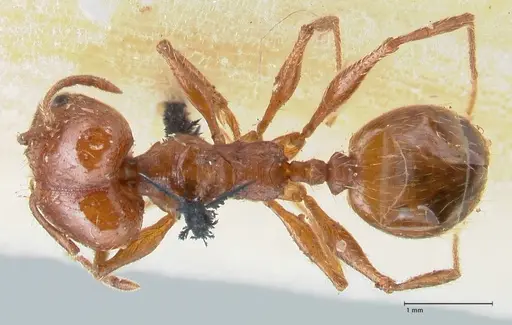
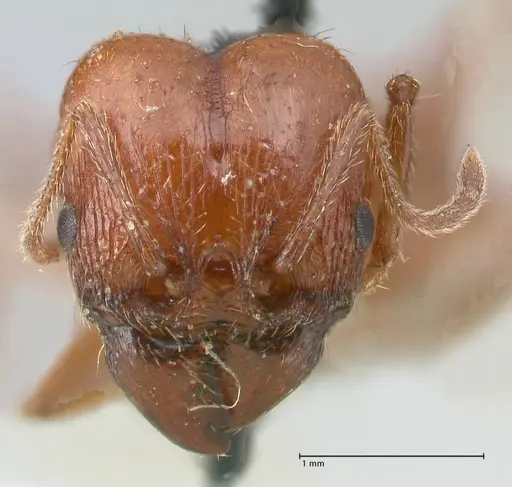
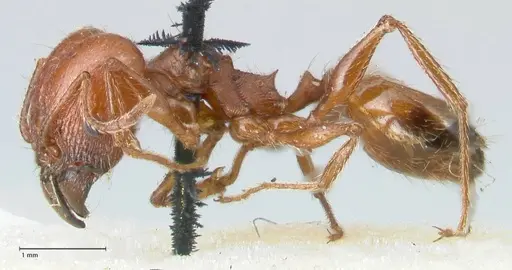
FOCOL1547
View on AntWeb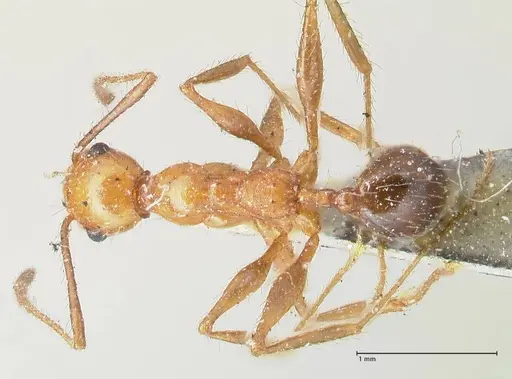
FOCOL1548
View on AntWeb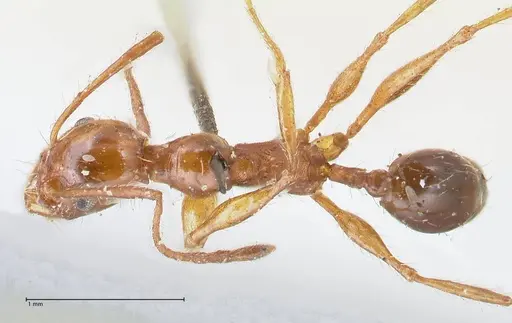
Literature
Loading distribution map...Loading products...