
Pheidole belonorte
- Sci. Name
- Pheidole belonorte
- Tribe
- Attini
- Subfamily
- Myrmicinae
- Author
- Longino, 2019
- Distribution
- Found in 4 countries
Introduction
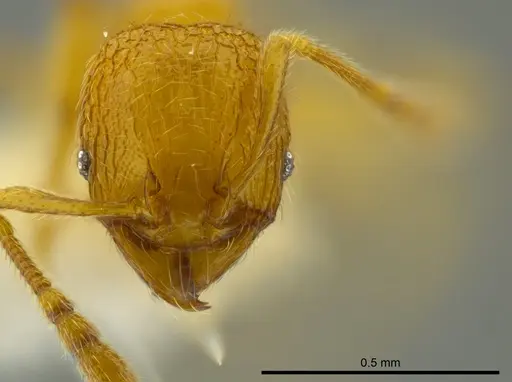
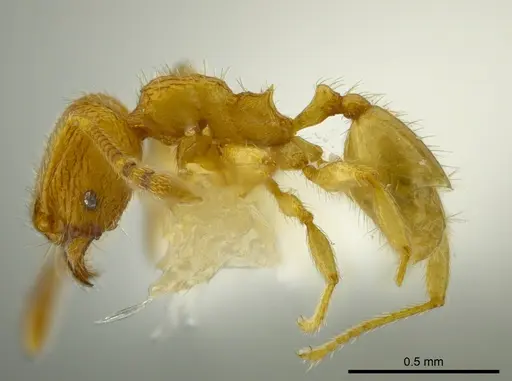
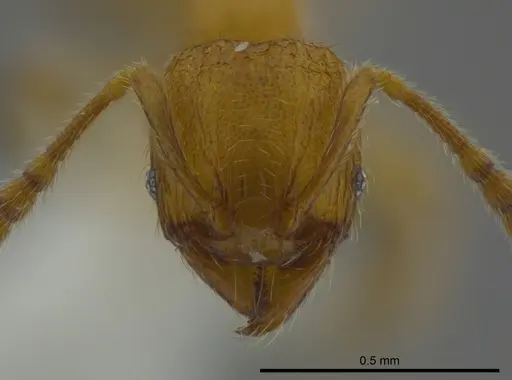
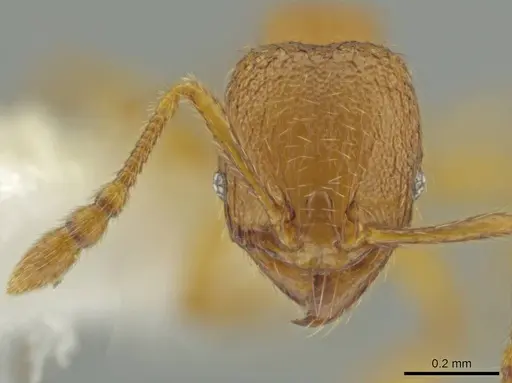
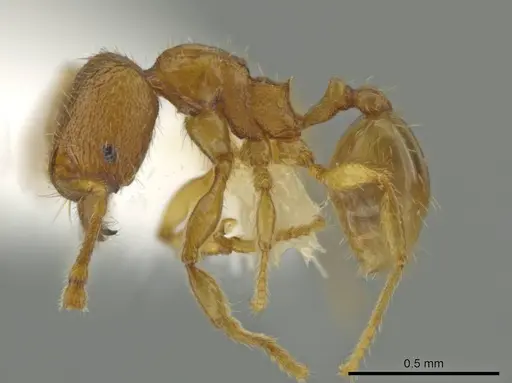
Pheidole belonorte is an ant speciesof the genusPheidole , belonging to the subfamily Myrmicinae and tribe Attini . It is documented in 4 countries , including Costa Rica, Honduras, Mexico .
Frequently Asked Questions
What's the best way to start a Pheidole belonorte colony?
Starting your Pheidole belonorte colony in a test tube setup is generally recommended. Queens are claustral, meaning they seal themselves off to raise their first nanitics without needing to forage. This method provides a secure, humid environment for the founding queen and her initial brood, making the early stages of colony development less stressful for both you and the queen.
How big do Pheidole belonorte colonies get?
These ants are known for their impressive colony sizes! While specific numbers for Pheidole belonorte can vary, other Pheidole species often reach tens of thousands, or even hundreds of thousands of workers. Be prepared for rapid growth and plan for larger formicarium upgrades as your colony flourishes. This supercolony potential is part of their allure in antkeeping.
What should I feed my Pheidole belonorte ants?
Pheidole belonorte are omnivores with a hearty appetite! For protein, offer small feeder insects like crickets, mealworms, or roaches, ensuring they are appropriately sized for your colony. For carbohydrates, provide sugar water or honey. A varied diet is key to a thriving colony. You'll love watching their minor and major workers collaborate on breaking down and transporting food back to the nest.
Do Pheidole belonorte need to hibernate?
No, Pheidole belonorte are tropical ants and do not require diapause (often mistakenly called hibernation). Maintaining a consistent warm temperature throughout the year will promote continuous growth and activity in your colony. Attempting to hibernate them could be detrimental to their health and the colony's long-term success.
What kind of nest is best for Pheidole belonorte?
Given their high humidity requirements and nesting habits in rotting wood and leaf litter, formicaria that retain moisture well are ideal. Acrylic, 3D printed nests, or grout/Ultracal setups with good hydration systems work great. If you prefer a more natural setup, a tank with soil can also be very successful, allowing them to dig their own tunnels and chambers, mimicking their natural ant habitats.
Are Pheidole belonorte aggressive?
Pheidole belonorte are not typically aggressive towards handlers, tending to flee when disturbed. However, they can be quite assertive when it comes to defending their food resources or their nest from other ant species. Their major workers, with their large heads and powerful mandibles, are well-equipped for colony defense, so it’s wise to keep them isolated from other colonies.
How fast do Pheidole belonorte colonies grow?
These ants are known for their fast colony growth rates, especially when provided with optimal temperature and a consistent food supply. You can expect their numbers to increase quite quickly, with eggs developing into workers in about 4-6 weeks. This rapid expansion makes them a very dynamic and exciting species to observe.
What are the major workers used for?
The large-headed major workers, or 'soldiers,' in Pheidole belonorte colonies serve multiple vital roles. They are primarily responsible for colony defense, using their strong mandibles to protect the nest. Additionally, they are crucial for processing larger food items, crushing seeds, or dismembering insects into smaller pieces that the minor workers can then transport. They are truly the colony's heavy lifters!
Do Pheidole belonorte sting?
No, Pheidole belonorte do not possess a sting. While some ants can sting, these 'Big-Headed Ants' rely on biting and chemical defense if threatened. This makes them a relatively safe species to keep for antkeepers, though handling should still be minimized to avoid stressing the colony.
How do I prevent mold in their nest?
Preventing mold is crucial for humid-loving species like Pheidole belonorte. The best approach is proactive: only feed what the colony can consume within a day or two, and promptly remove any uneaten food from the outworld. Ensuring good ventilation in the outworld also helps. If using a naturalistic setup, periodic spot cleaning of moldy areas can be beneficial, but avoiding overfeeding is the primary defense.
What's the ideal temperature range for Pheidole belonorte?
For optimal health and accelerated development of their brood, Pheidole belonorte thrive in warmer temperatures. While room temperature can be tolerated, aiming for a range between 21°C to 28°C will encourage faster growth and more active foraging. Consistent heat is especially beneficial for their rapid life cycle.
Can I keep multiple Pheidole belonorte queens together?
Pheidole belonorte are generally considered monogyne, meaning they prefer a single queen in a mature colony. While some Pheidole species might temporarily engage in pleometrosis (multiple queens founding together), usually one queen will eventually assert dominance, often at the expense of the others. For long-term success, a single-queen setup is typically recommended.
How long does it take for eggs to hatch into workers?
The development from egg to adult worker for Pheidole belonorte is relatively quick, typically taking about 4-6 weeks. This timeframe can be influenced by factors like temperature and the availability of protein, so maintaining optimal conditions will help ensure a steady supply of new workers joining the colony.
What kind of substrate do they prefer for nesting?
In their natural habitats, Pheidole belonorte are found nesting in sifted leaf litter, rotten wood, and soil. When setting up a captive nest, incorporating a substrate that mimics these conditions, such as a mix of sand and loam or using a wood-based nest, can encourage natural behaviors and provide a comfortable environment for your colony.
How often should I feed my colony?
Due to their fast growth and active foraging, Pheidole belonorte colonies will benefit from frequent feeding. For smaller colonies, offer food every 1-2 days, adjusting the quantity based on how quickly they consume it. Larger colonies may require daily feeding to sustain their growing numbers and high metabolism. Always remove uneaten food to prevent mold.

This caresheet is licensed under CC BY-SA 4.0 .
Community Blogs
CASENT0609313
View on AntWeb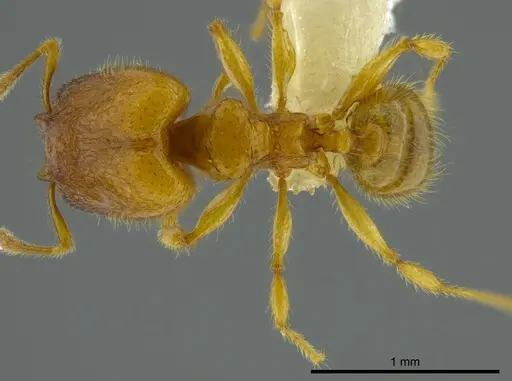
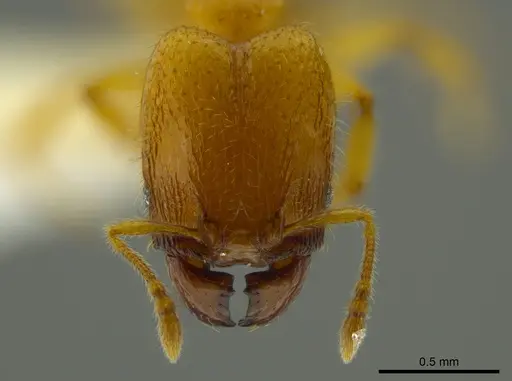
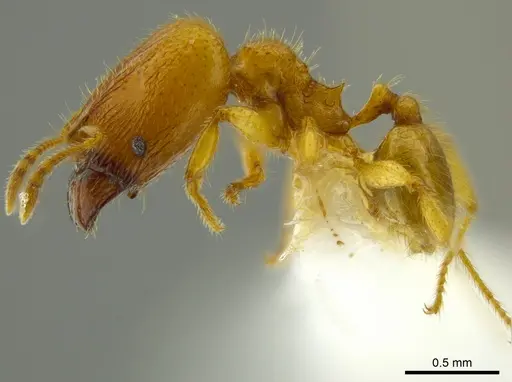
CASENT0609314
View on AntWeb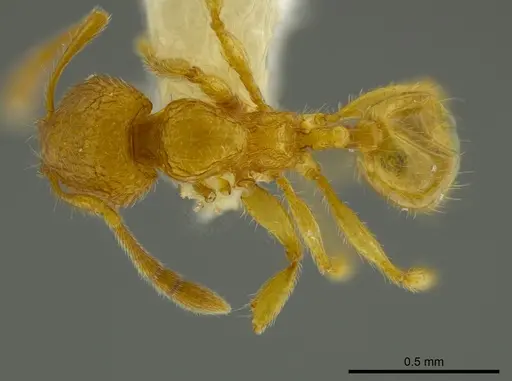
CASENT0613793
View on AntWeb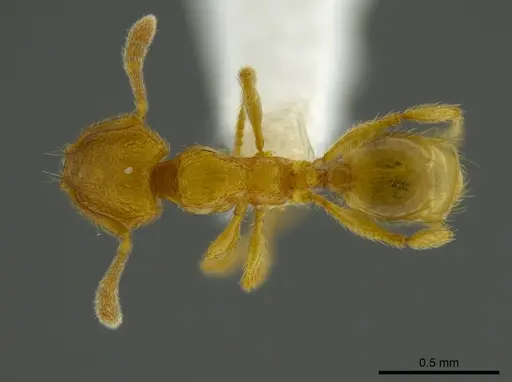
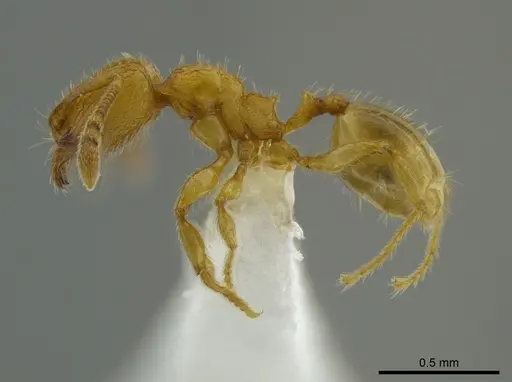
CASENT0613794
View on AntWeb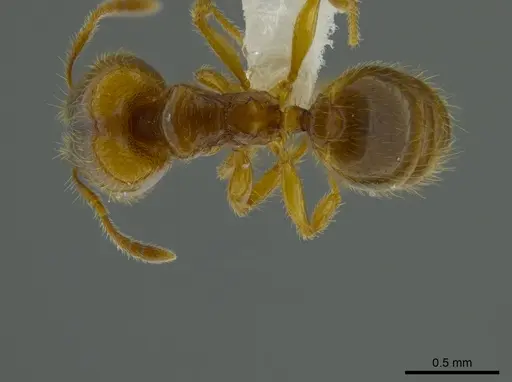
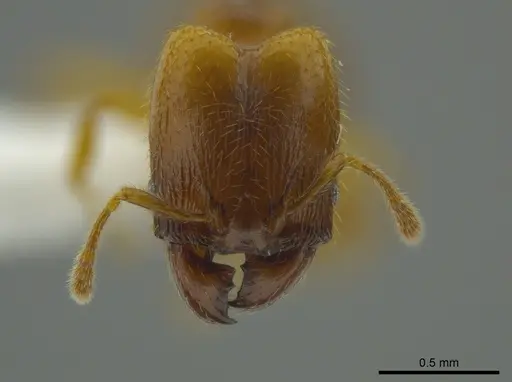
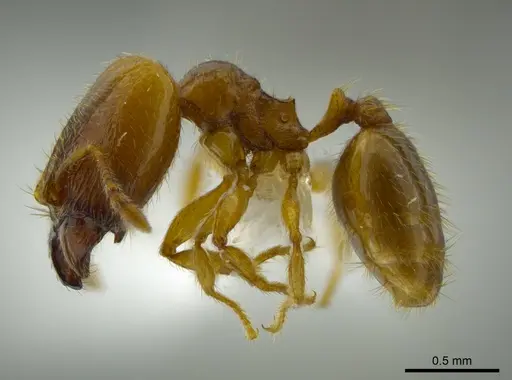
CASENT0645126
View on AntWeb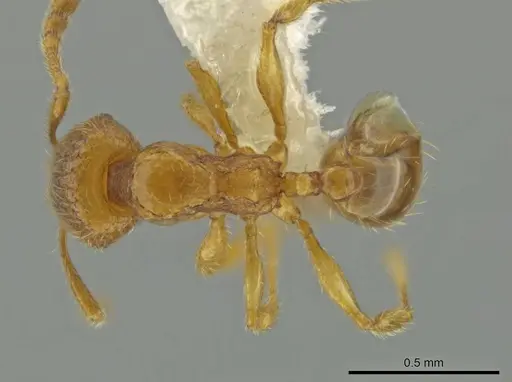
CASENT0646629
View on AntWeb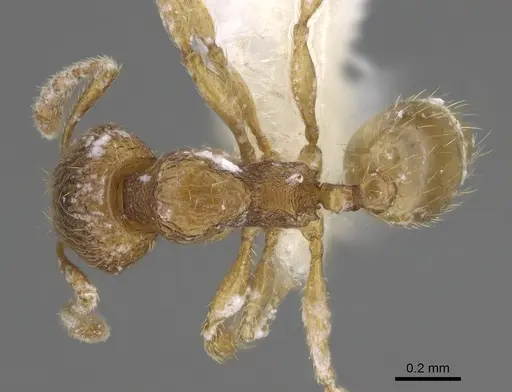
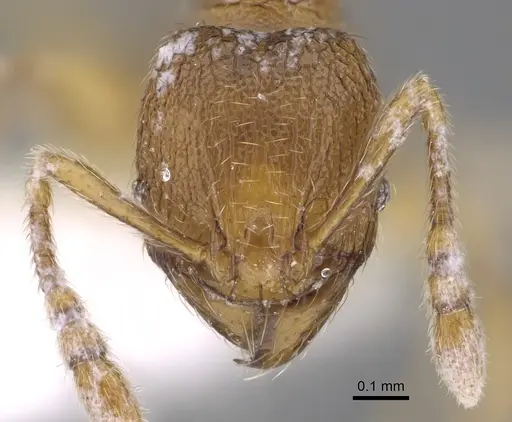
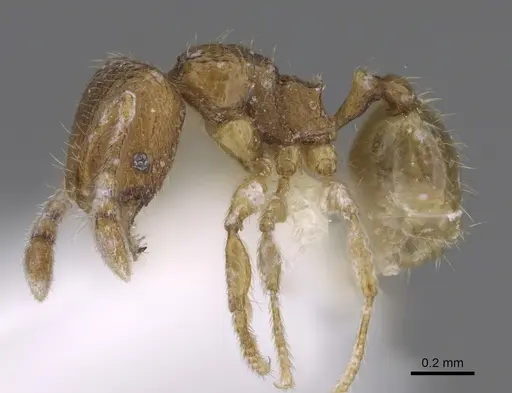
CASENT0646630
View on AntWeb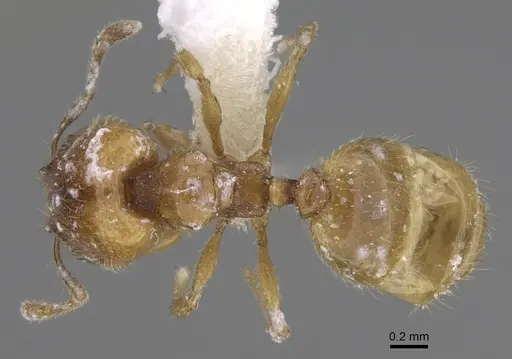
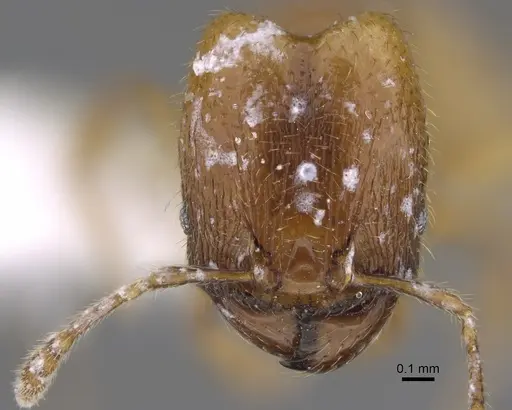
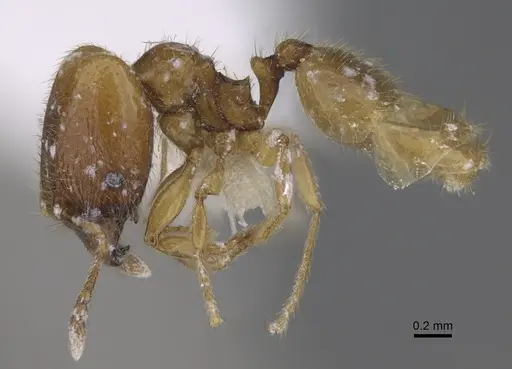
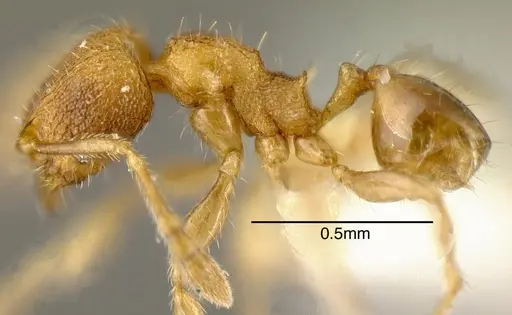
INBIOCRI001281941
View on AntWeb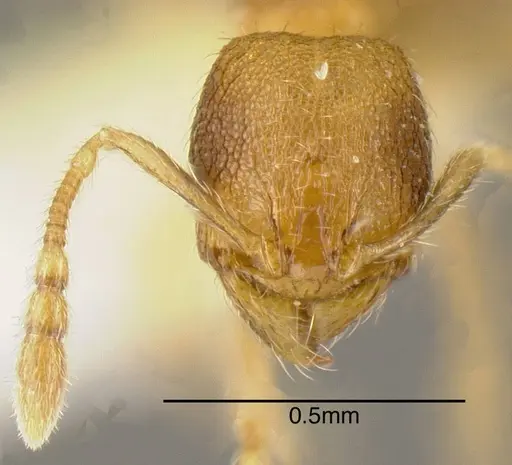
Literature
Loading distribution map...Loading products...