
Pheidole beloceps
- Sci. Name
- Pheidole beloceps
- Tribe
- Attini
- Subfamily
- Myrmicinae
- Author
- Wilson, 2003
- Distribution
- Found in 3 countries
Introduction
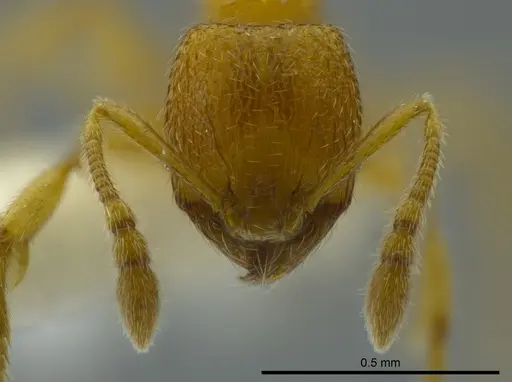
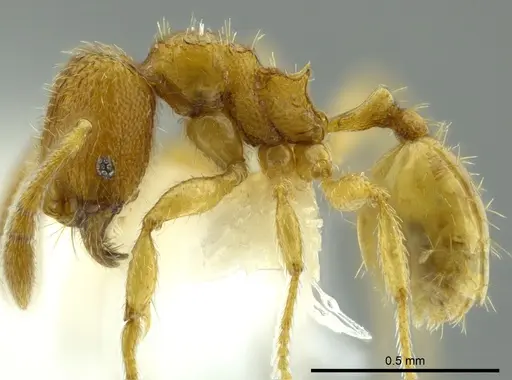
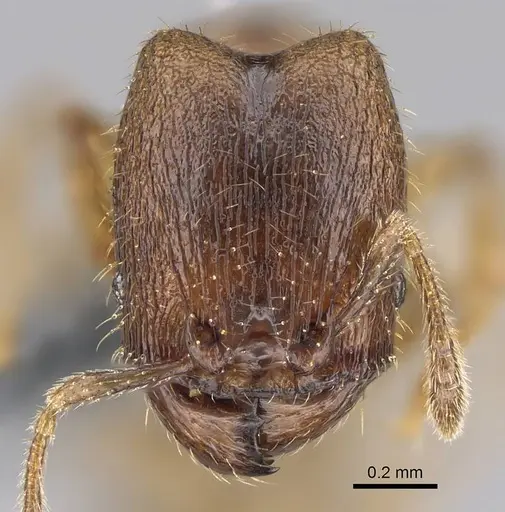
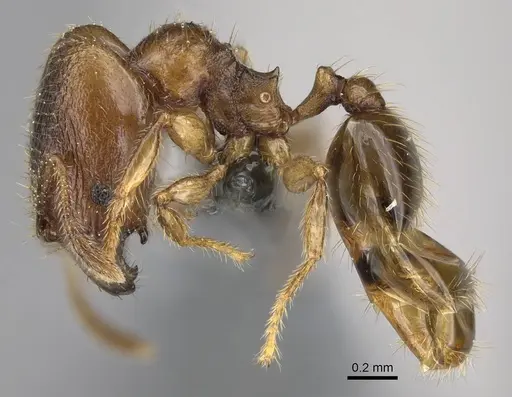
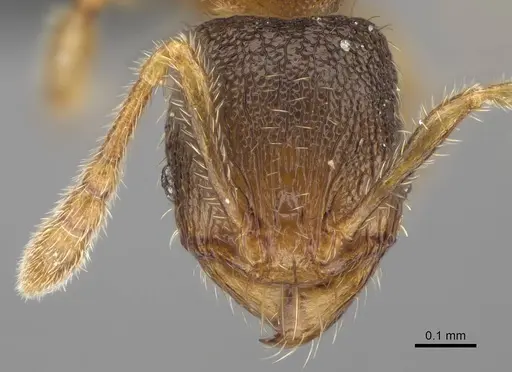
Pheidole beloceps is an ant speciesof the genusPheidole , belonging to the subfamily Myrmicinae and tribe Attini . It is documented in 3 countries , including Costa Rica, Mexico, Nicaragua . This species has Polygynous colony traits.
Frequently Asked Questions
What makes Pheidole beloceps special for antkeeping?
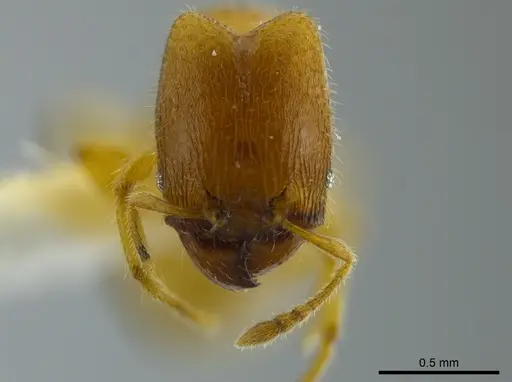
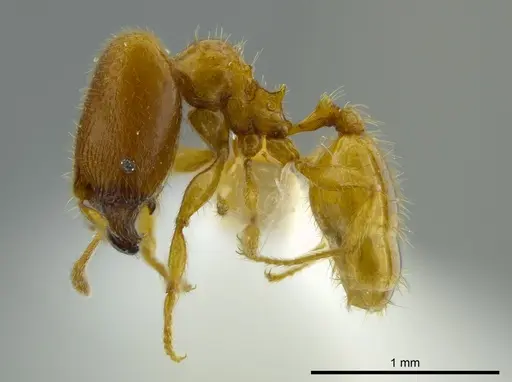
Pheidole beloceps is particularly captivating due to its unique worker dimorphism, featuring distinct minor and arrow-headed major workers. This specialized caste system provides a fascinating insight into ant colony organization and division of labor, making them a truly engaging species to observe in your formicarium.
Are Pheidole beloceps difficult to keep for a beginner?
While Pheidole beloceps isn't considered an 'easy' beginner species due to specific temperature and humidity needs, they are manageable for hobbyists with some experience. Maintaining stable environmental conditions and a consistent feeding schedule is key to their success.
What's the best type of nest for Pheidole beloceps?
Pheidole beloceps thrive in setups that mimic their natural rainforest leaf litter habitat. Acrylic or ytong nests with good humidity control, or even naturalistic soil/sand setups within an outworld, are highly recommended to provide them with the right environment.
How often should I feed my Pheidole beloceps colony?
These ants are active foragers and omnivores. You should aim to feed your colony small amounts daily, adjusting the quantity based on their consumption. Always remove any uneaten food promptly to prevent mold growth, especially in a humid nest setup.
Do Pheidole beloceps major workers really have a specific role?
Absolutely! The major workers, often referred to as 'soldiers,' are essential to the colony. Their disproportionately large heads are used for defense, breaking down harder food items like seeds, and sometimes even blocking nest entrances. Observing their specialized tasks is a highlight of keeping Pheidole.
What kind of food do Pheidole beloceps eat?
In captivity, Pheidole beloceps do well on a varied diet. Offer protein sources like small feeder insects (crickets, mealworms) and carbohydrate sources such as honey water or sugar water. They are scavengers and appreciate a diverse nutritional intake.
Do Pheidole beloceps need hibernation (diapause)?
Pheidole beloceps, being a tropical species from Central America, typically do not require a diapause period. Consistent warmth and humidity throughout the year will support their continuous growth and activity.
How large can a Pheidole beloceps colony get?
While specific numbers for P. beloceps aren't widely documented, Pheidole colonies in general can grow quite large, often reaching thousands of individuals. Prepare for expansion and consider upgrading their formicarium as your colony thrives and multiplies.
Are Pheidole beloceps aggressive towards keepers?
Pheidole species are generally not aggressive towards keepers and are more likely to flee when disturbed. While they can be defensive towards rival ant species, their aggression is typically low concerning human interaction.
What are common issues to watch out for when keeping Pheidole beloceps?
The main concerns for Pheidole beloceps colonies are maintaining stable humidity to prevent mold, ensuring adequate ventilation, and avoiding overfeeding which can lead to waste and potential pest issues. Consistent conditions are crucial for a healthy colony.

This caresheet is licensed under CC BY-SA 4.0 .
Community Blogs
CASENT0625437
View on AntWeb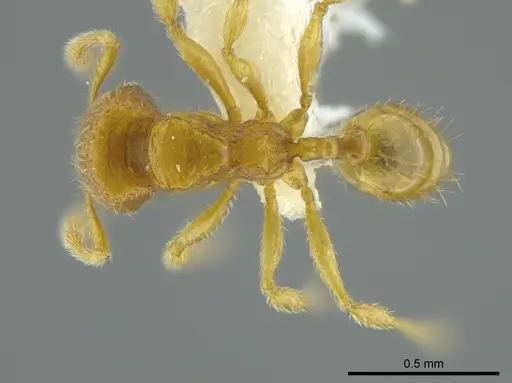
CASENT0807788
View on AntWeb
CASENT0807790
View on AntWeb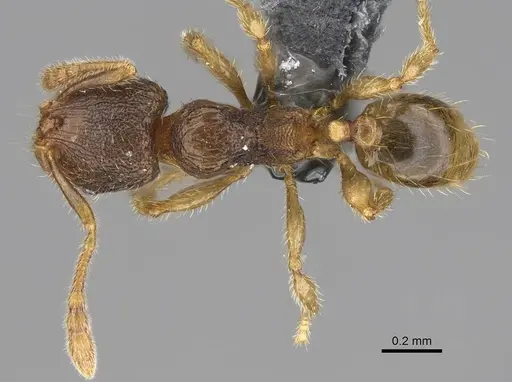
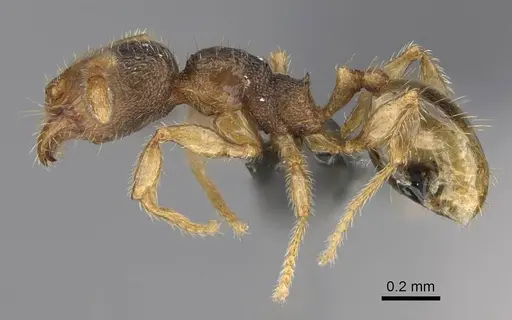
INB0003618275
View on AntWeb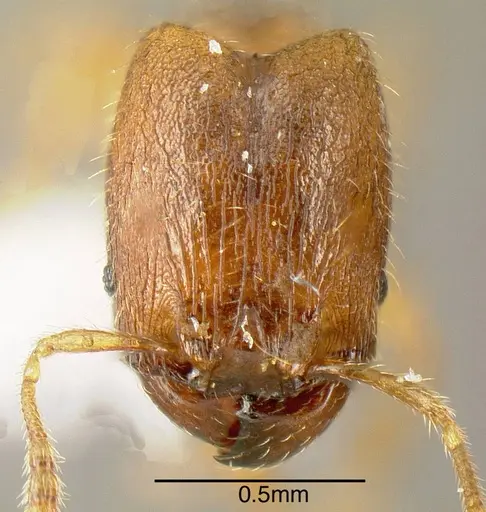
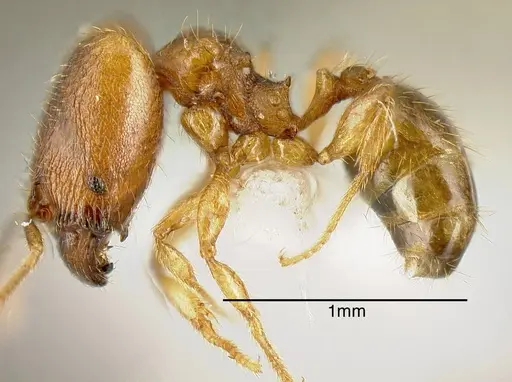
INBIOCRI001282094
View on AntWeb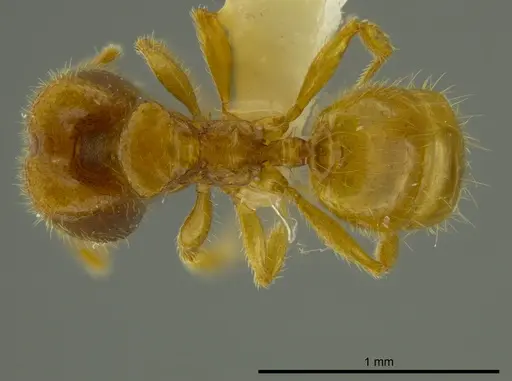
Literature
Loading distribution map...Loading products...