
Pheidole befotaka
- Sci. Name
- Pheidole befotaka
- Tribe
- Attini
- Subfamily
- Myrmicinae
- Author
- Salata & Fisher, 2020
- Distribution
- Found in 1 countries
Introduction
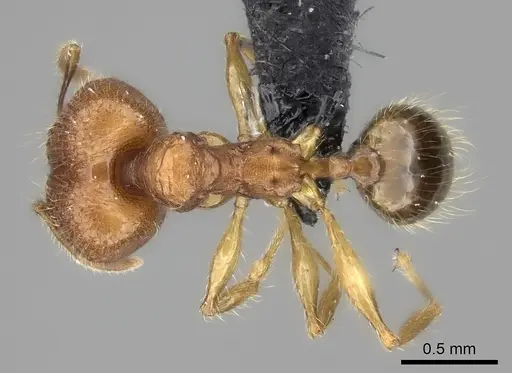
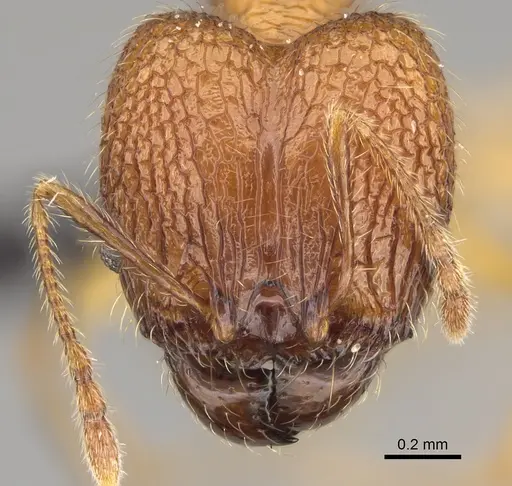
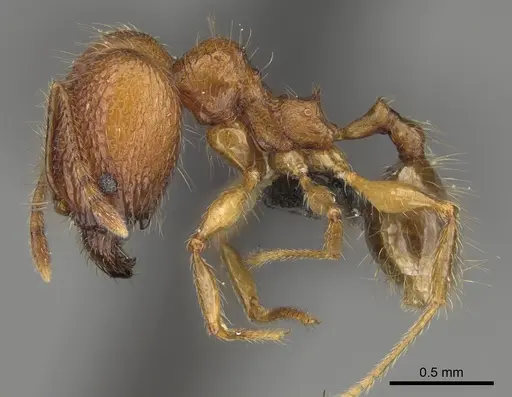
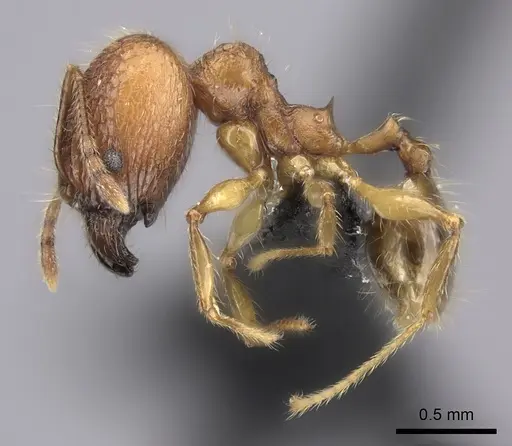
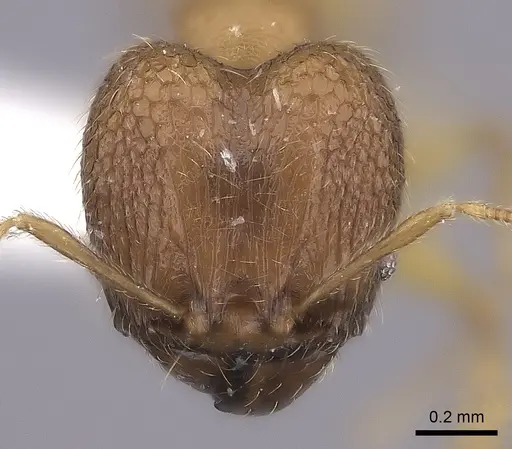
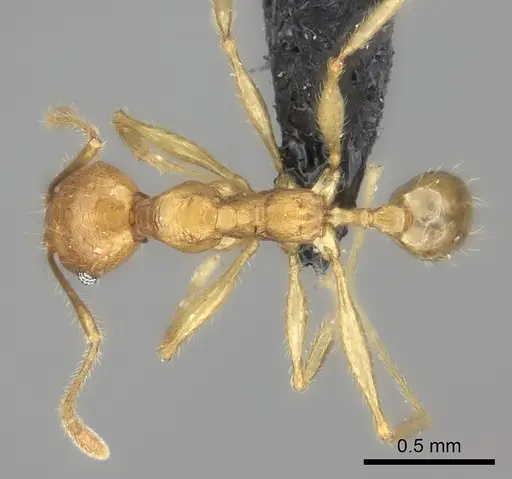
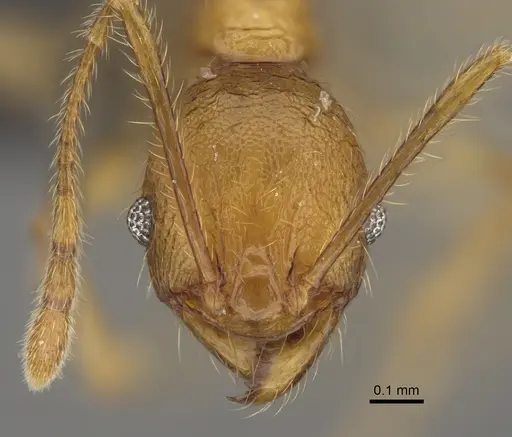
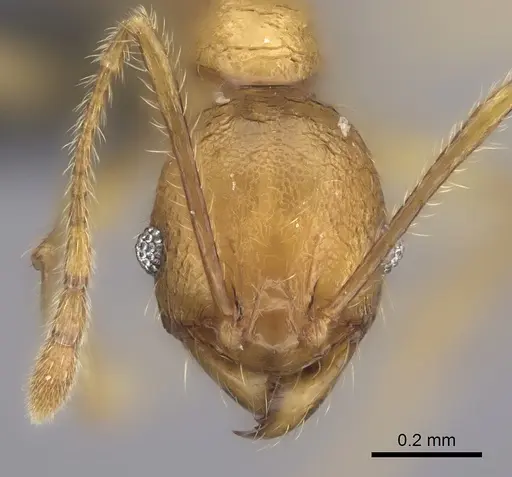
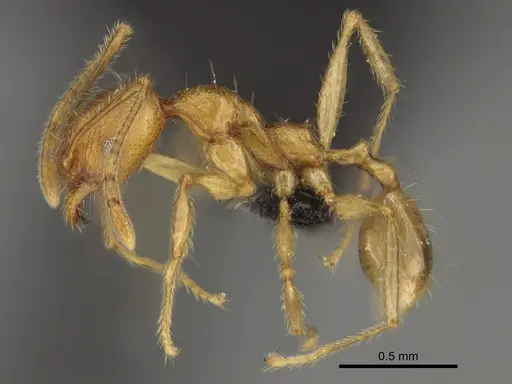
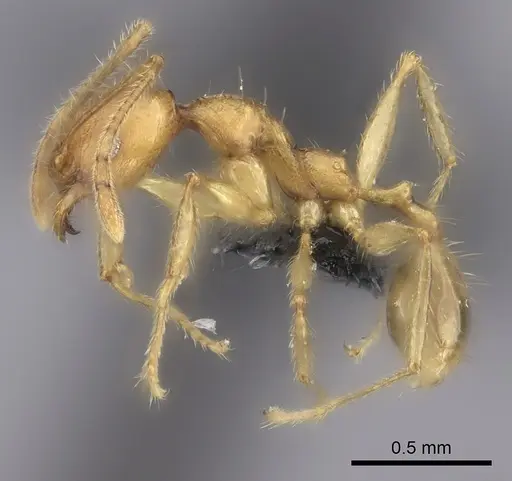
Pheidole befotaka is an ant species endemic to Madagascar, described in 2020 . Major workers have an orange body, while minor workers are yellow . The species is found in rainforest and montane rainforest habitats at elevations of 940-1250 meters . Nests are located in rotten logs and dead twigs above ground . Full body size measurements are not available in the literature. This species is part of the Pheidole sikorae group and is only known from Parc National Befotaka-Midongy.
Quick Summary
- Difficulty: Medium
- Origin & Habitat: Endemic to Madagascar, specifically Parc National Befotaka-Midongy in Fianarantsoa. Found in rainforest and montane rainforest habitats at 940-1250m elevation [1]. Nests in rotten logs and dead twigs above ground [1].
- Colony Type: Colony structure is unconfirmed for this species. Based on typical Pheidole patterns, likely single-queen colonies.
- Size & Growth:
- Queen: Size data unavailable. Estimated around 5-7mm based on Pheidole genus patterns.
- Worker: Full body size data unavailable. Inferred to be small based on Pheidole genus patterns.
- Colony: Colony size is not documented in the literature.
- Growth: Moderate, based on typical Pheidole development patterns.
- Development: 6-10 weeks, estimated based on typical Pheidole development at warm temperatures. (Development time is inferred from genus patterns since specific data is unavailable for this species.)
- Antkeeping:
- Temperature: Keep at 24-28°C, based on genus patterns for tropical species.
- Humidity: Keep the nest substrate consistently moist but not waterlogged, as they are from humid habitats [1].
- Diapause: Unknown for this species.
- Nesting: In nature, they nest in rotten logs and dead twigs above ground [1]. In captivity, use naturalistic setups with rotting wood or moist plaster nests.
- Behavior: Pheidole species are generally calm and non-aggressive. Based on genus patterns, they are not particularly defensive and may sting if threatened, but stingers are small. Escape risk is moderate due to small size.
- Common Issues: high humidity must be maintained or colonies decline quickly [1], wild-caught colonies may have parasites that are difficult to treat, limited availability since the species was only recently described, rotting wood in naturalistic setups can mold if ventilation is poor
Nest Preferences
In the wild, Pheidole befotaka nests in rotten logs and dead twigs above ground, typically in humid rainforest environments [1]. This means they prefer nest materials that retain moisture well, rotting wood, cork, or moist plaster setups work best. Avoid completely dry environments or fully artificial nests without moisture provision. A naturalistic setup with pieces of rotting wood or bark mimics their natural conditions closely.
Feeding and Diet
Pheidole species are generalist omnivores that collect seeds and tend honeydew-producing insects. In captivity, offer a varied diet: protein sources like small insects and seeds, and carbohydrates from sugar water or honey [2]. Feed protein 2-3 times per week and keep a constant sugar source available. Remove uneaten food promptly to prevent mold.
Temperature and Care
As a species from montane rainforest, keep temperatures in the 24-28°C range based on genus patterns. They need warmth and humidity together, one without the other leads to colony decline. A heating cable placed on top of the nest helps maintain warmth while allowing the nest material to retain moisture. Monitor colony activity to ensure suitability.
Behavior and Temperament
Pheidole befotaka is a calm, non-aggressive species typical of the genus. Major workers have enlarged heads for seed-crushing, and the colony will have distinct major and minor worker castes. They are not particularly defensive and rarely sting. Foraging activity is moderate. Use standard escape prevention methods due to small size.
Frequently Asked Questions
How long does it take for Pheidole befotaka to have first workers?
Based on typical Pheidole development, expect first workers around 6-10 weeks after the queen lays eggs, assuming temperatures around 25°C. This is an estimate since specific development data for this species is not available.
What do Pheidole befotaka ants eat?
They are generalist omnivores. Offer small insects, seeds, and occasional sugar water or honey [2]. Protein should be provided 2-3 times weekly with a constant carbohydrate source available.
What temperature do Pheidole befotaka ants need?
Keep them at 24-28°C, based on genus patterns for tropical species. A gentle heat gradient allows the colony to regulate its temperature.
Are Pheidole befotaka ants good for beginners?
This species is rated as medium difficulty. They require high humidity and warm temperatures, which may require more attention than easier species. Their small size also requires careful feeding and observation.
How big do Pheidole befotaka colonies get?
Colony size is not documented for this species in the literature.
What type of nest is best for Pheidole befotaka?
A naturalistic setup with rotting wood or cork works best, mimicking their natural nesting in dead twigs and logs above ground [1]. Y-tong or plaster nests with good moisture retention are also suitable.
Do Pheidole befotaka ants need hibernation?
Diapause requirements are unknown for this species. As a Madagascar tropical species, they likely do not need true hibernation but may reduce activity during cooler periods.
Can I keep multiple queens together?
Pheidole species are typically single-queen colonies. Combining unrelated queens is not recommended as they will likely fight.
Where is Pheidole befotaka found in the wild?
This species is endemic to Madagascar, specifically Parc National Befotaka-Midongy in Fianarantsoa province. It lives in rainforest and montane rainforest at 940-1250m elevation [1].
Report an Issue
The current care sheet is based fully on literature. See inconsistencies, or something that's incorrect? Please , it will be resolved after review from an admin. Contributing to the blogs tab also helps providing information, to make us be able to further improve the caresheets. Thank you for your support!
References

This caresheet is licensed under CC BY-SA 4.0 .
Community Blogs
CASENT0119590
View on AntWeb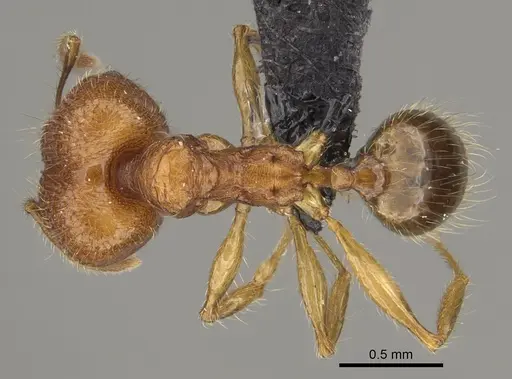
CASENT0198023
View on AntWeb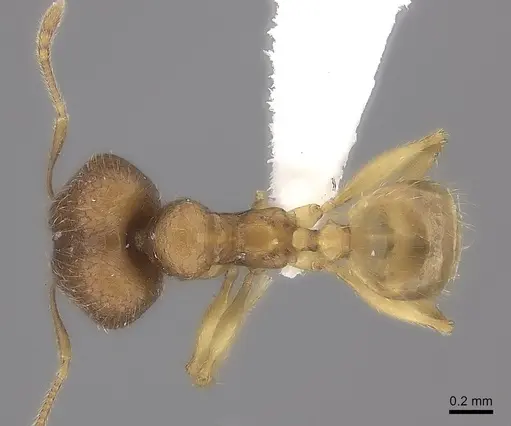
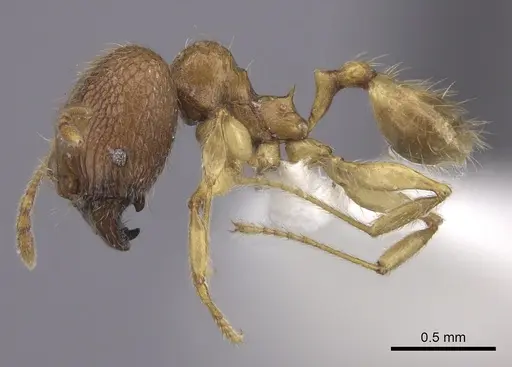
CASENT0198026
View on AntWeb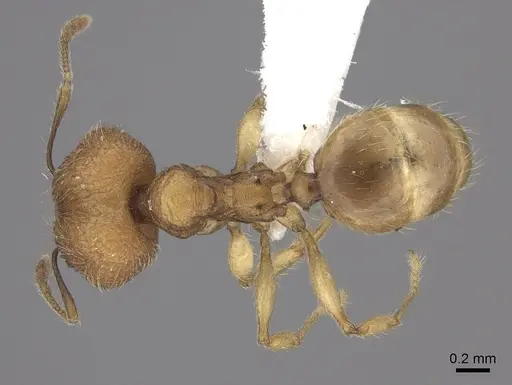
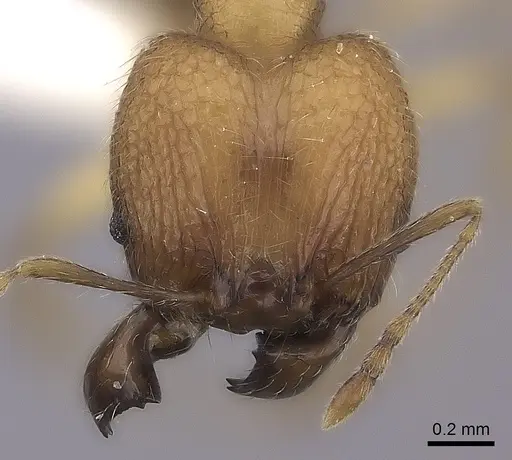
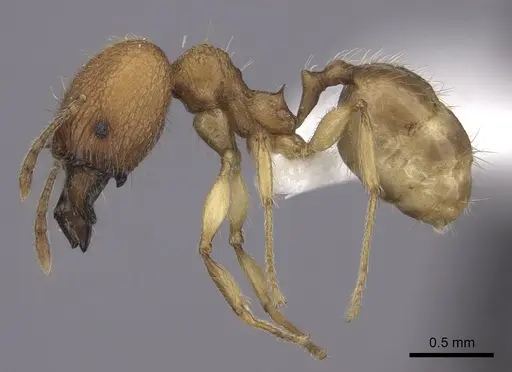
CASENT0235125
View on AntWeb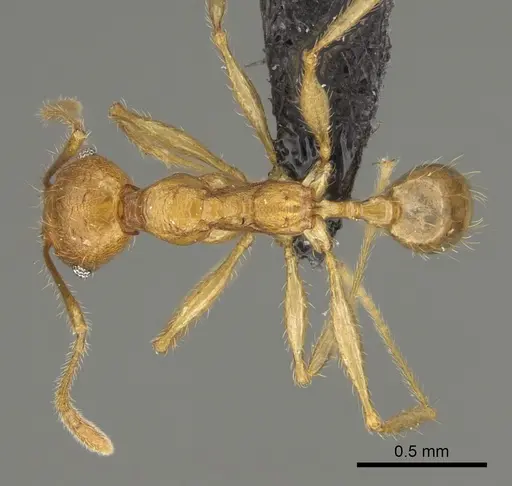
Literature
Loading distribution map...Loading products...