
Pheidole beanka
- Sci. Name
- Pheidole beanka
- Tribe
- Attini
- Subfamily
- Myrmicinae
- Author
- Salata & Fisher, 2020
- Distribution
- Found in 1 countries
Introduction
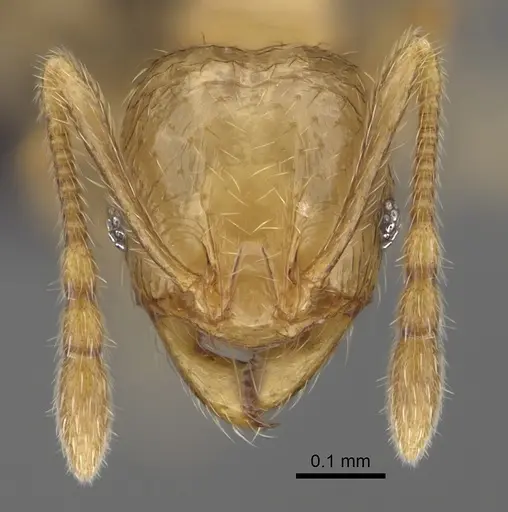
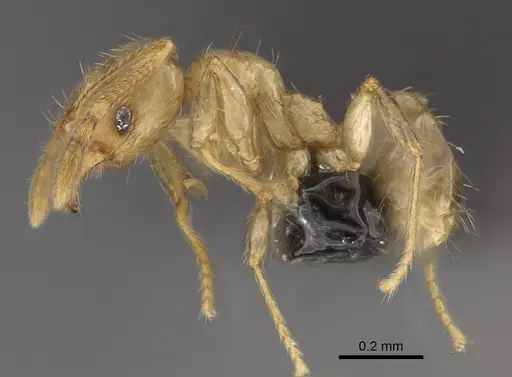
Pheidole beanka is a minute ant species from the sikorae species group, native to Madagascar. Major workers have head lengths of approximately 0.86mm, while minors have head lengths of 0.44mm . Body size data is not available. They were discovered in 2020 from the Beanka Reserve in western Madagascar, where they nest in rotting logs in tropical dry forest at 272 meters elevation . This species is notable for its newly described status and nesting behavior in rotten logs within tropical dry forest habitats .
Quick Summary
- Difficulty: Medium
- Origin & Habitat: Western Madagascar, Beanka Reserve near Maintirano. Tropical dry forest on tsingy at 272m elevation. Nests in rotting logs [1][2].
- Colony Type: Colony structure is unconfirmed for this species. No data on queen number or social structure [1].
- Size & Growth:
- Queen: size data unavailable
- Worker: size data unavailable
- Colony: Unknown, no data available
- Growth: Unknown, no direct data
- Development: Unknown, no direct studies. Based on typical Pheidole patterns, estimated 6-10 weeks at optimal temperature. (Development time is unconfirmed for this species.)
- Antkeeping:
- Temperature: Keep at 24-28°C, based on their tropical dry forest origin [1]. A gentle heat gradient is beneficial.
- Humidity: Keep nest substrate consistently moist but not waterlogged, as they nest in rotting wood which retains moisture [1].
- Diapause: Unknown, no data on diapause requirements. As a tropical species, they may not require hibernation, but this is unconfirmed.
- Nesting: They naturally nest in rotting wood. In captivity, Y-tong (AAC) nests or plaster nests with small chambers work well [1].
- Behavior: Pheidole species typically have majors that defend the nest and minors that forage. Based on genus patterns, they are not aggressive but will defend if threatened. Escape prevention is critical due to their tiny size.
- Common Issues: escape prevention is critical, their minute size means they can squeeze through tiny gaps, overheating risk, small colonies are vulnerable to temperature fluctuations, drowning risk, their tiny size makes even shallow water dangerous, slow founding phase, queens may take months to produce first workers, wild-caught colonies may harbor parasites
Housing and Nest Setup
Pheidole beanka nests in rotting logs in the wild [1]. In captivity, use Y-tong (AAC) nests or plaster nests with small chambers appropriately scaled to their size. For founding colonies, a small test tube setup can work. Ensure all connections are sealed due to their tiny size [1].
Feeding and Diet
Like other Pheidole species, they are generalist omnivores. Offer small protein sources like fruit flies or tiny crickets, and sugar water or honey [3]. Feed small amounts 2-3 times per week for established colonies, and remove uneaten food to prevent mold.
Temperature and Seasonal Care
Maintain temperatures between 24-28°C, reflecting their tropical origin in Madagascar's dry forests [1]. Avoid temperatures below 20°C or above 32°C. A heat gradient is beneficial for self-regulation.
Handling and Observation
These ants are very small and quick, making observation challenging but rewarding. Use good lighting and a magnifying glass if possible. They are not aggressive toward keepers but majors will defend the colony if the nest is disturbed.
Growth and Development
As a newly described species, there are no published studies on their development timeline. Based on typical Pheidole patterns, expect slow growth during the founding phase, with first workers taking several months to emerge [1].
Frequently Asked Questions
How long does it take for Pheidole beanka to produce first workers?
No direct data, but based on typical Pheidole patterns, estimated 6-10 weeks at optimal temperature.
What do I feed Pheidole beanka?
Offer small protein sources like fruit flies or tiny crickets, and sugar water or honey [3].
What temperature do Pheidole beanka need?
Keep them at 24-28°C, based on their tropical dry forest origin [1].
Are Pheidole beanka good for beginners?
This species is rated Medium difficulty. Their tiny size makes escape prevention challenging, and they have specific humidity needs. Beginners may want to start with larger, more forgiving species first.
How big do Pheidole beanka colonies get?
Colony size is unknown, no data available for this species.
Can I keep multiple Pheidole beanka queens together?
Not recommended. Colony structure is unconfirmed, but Pheidole are typically monogyne (single queen) based on genus patterns. Combining unrelated queens often results in fighting.
What nest type is best for Pheidole beanka?
A Y-tong (AAC) nest with small chambers, plaster nest, or naturalistic setup with rotting wood works well [1].
Why are my Pheidole beanka escaping?
Their minute size means they can squeeze through tiny gaps. Use fine mesh, seal all connections, and use fluon or other barriers on container rims [1].
Do Pheidole beanka need hibernation?
Unknown, no data on diapause requirements. As a tropical species, they may not require hibernation, but this is unconfirmed.
Report an Issue
The current care sheet is based fully on literature. See inconsistencies, or something that's incorrect? Please , it will be resolved after review from an admin. Contributing to the blogs tab also helps providing information, to make us be able to further improve the caresheets. Thank you for your support!
References

This caresheet is licensed under CC BY-SA 4.0 .
Community Blogs
CASENT0923276
View on AntWeb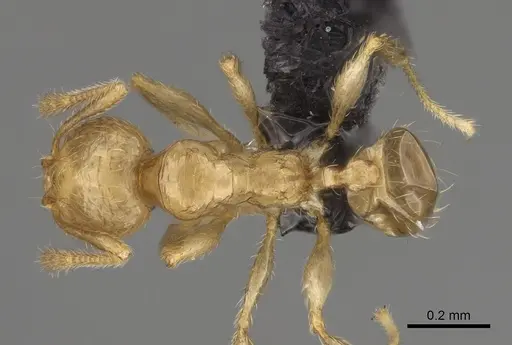
Literature
Loading distribution map...Loading products...