
Pheidole bambusarum
- Sci. Name
- Pheidole bambusarum
- Tribe
- Attini
- Subfamily
- Myrmicinae
- Author
- Forel, 1908
- Distribution
- Found in 1 countries
Introduction
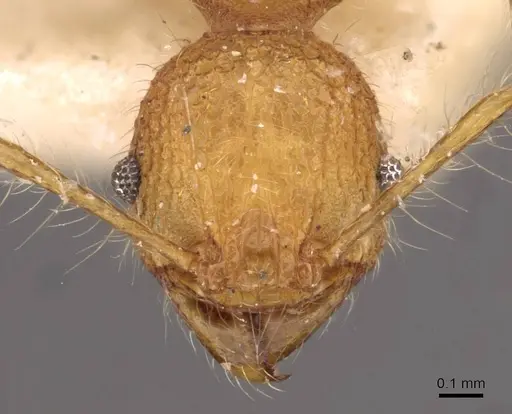
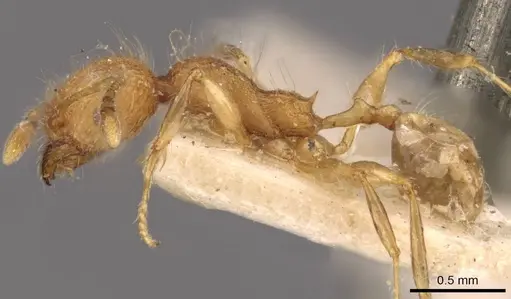
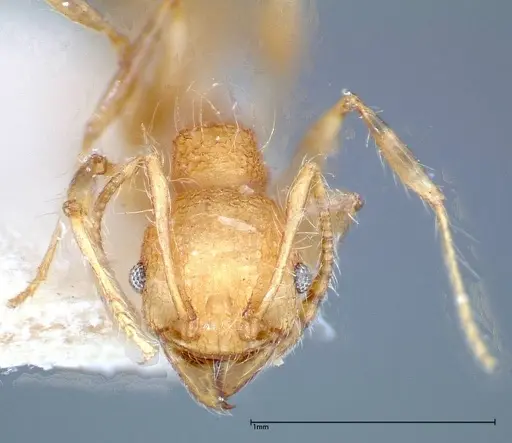
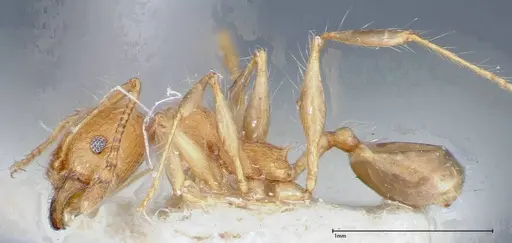
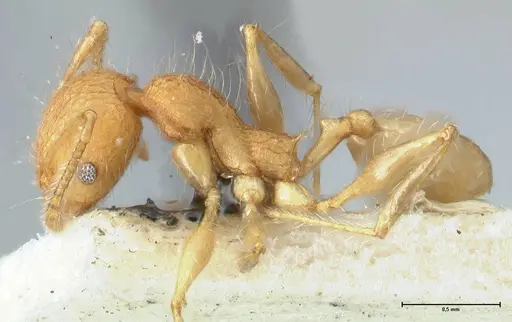
Pheidole bambusarum is a small Neotropical ant native to southern Brazil and northern Argentina. The species nests exclusively in large hollow bamboos in forest environments . Size data unavailable - head width measurements from literature are not body size, and total length data is not provided. It has been recorded in the Argentine provinces of Misiones and the Caldenal district .
Quick Summary
- Difficulty: Medium
- Origin & Habitat: Southern Brazil (Espírito Santo, Rio de Janeiro, São Paulo) and north-central Argentina (Misiones), nesting in hollow bamboos in forests [1][2][3].
- Colony Type: Unconfirmed, based on Pheidole genus patterns, likely single-queen colonies.
- Size & Growth:
- Queen: Size data unavailable, no total length measurements provided.
- Worker: Size data unavailable, no total length measurements provided.
- Colony: Up to several hundred workers.
- Growth: Moderate
- Development: Estimated 6-8 weeks at 25-28°C. (Development time is inferred from typical Pheidole genus patterns.)
- Antkeeping:
- Temperature: Keep warm, around 24-28°C.
- Humidity: Keep nest substrate moist but not waterlogged.
- Diapause: No, tropical species do not require hibernation.
- Nesting: Prefer enclosed spaces like hollow bamboo. Start with test tubes, then move to Y-tong or plaster nests with tight chambers. Avoid acrylic nests.
- Behavior: Generalist foragers assigned to the Generalized Myrmicinae functional group [3]. Moderately active with typical Pheidole behavior, escape risk is moderate due to size.
- Common Issues: humidity control can be tricky, too wet causes mold, too dry causes desiccation., temperatures below 20°C can slow colony development significantly., major workers may take time to appear, this is normal for Pheidole colonies., ensure proper escape barriers as the colony grows to prevent escapes.
Housing and Nest Setup
Pheidole bambusarum naturally nests inside hollow bamboo stems, so your setup should mimic this tight, enclosed environment. For founding colonies, a standard test tube setup works well. Once the colony reaches 20-30 workers, transition to a Y-tong or plaster nest with appropriately sized chambers. Avoid acrylic nests, instead, use materials that retain moisture well. Provide a small outworld connected to the nest for foraging [1].
Feeding and Diet
Pheidole bambusarum is a generalist omnivore. Offer protein sources like small insects 2-3 times per week and a constant sugar supply like honey water. Remove uneaten prey after 24-48 hours to prevent mold [3].
Temperature and Seasonal Care
As a tropical species, keep temperatures around 24-28°C. Use a heating cable on one side of the nest to create a gradient if room temperature is too low. Avoid prolonged temperatures below 20°C.
Colony Development and Castes
The first workers are typically minors that the queen raises alone. Major workers appear once the colony reaches several dozen workers. Colony growth is moderate, with majors serving as defenders and food processors.
Behavior and Observation
Workers are active foragers that recruit nestmates to food sources. The species is in the Generalized Myrmicinae group, indicating balanced behavior without extreme aggression [3]. Major workers use their enlarged heads for defense and processing larger food items.
Frequently Asked Questions
How long does it take for Pheidole bambusarum to have first workers?
Expect first workers around 6-8 weeks after queen lays eggs at optimal temperatures of 25-28°C.
What do Pheidole bambusarum ants eat?
They are generalist omnivores. Offer protein like small insects 2-3 times per week and constant sugar supply [3].
What temperature do Pheidole bambusarum ants need?
Keep them warm at 24-28°C.
Are Pheidole bambusarum ants good for beginners?
They are rated medium difficulty due to humidity and temperature needs.
How big do Pheidole bambusarum colonies get?
Colonies can reach up to several hundred workers.
Do Pheidole bambusarum need hibernation?
No, as a tropical species, they do not require hibernation.
What type of nest is best for Pheidole bambusarum?
Prefer enclosed spaces like hollow bamboo, use test tubes initially, then Y-tong or plaster nests [1].
Why are my Pheidole bambusarum majors not appearing?
This is normal, majors typically appear after the colony reaches several dozen workers.
Can I keep multiple Pheidole bambusarum queens together?
Unconfirmed, based on genus patterns, likely monogyne, so not recommended.
Report an Issue
The current care sheet is based fully on literature. See inconsistencies, or something that's incorrect? Please , it will be resolved after review from an admin. Contributing to the blogs tab also helps providing information, to make us be able to further improve the caresheets. Thank you for your support!
References

This caresheet is licensed under CC BY-SA 4.0 .
Community Blogs
CASENT0281748
View on AntWeb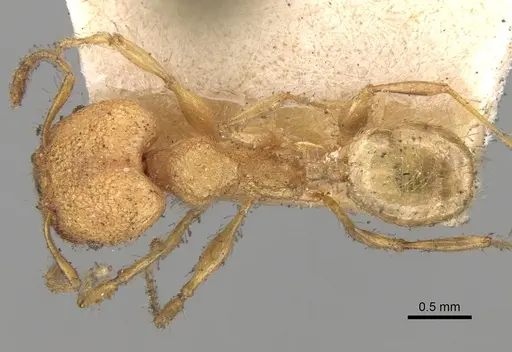
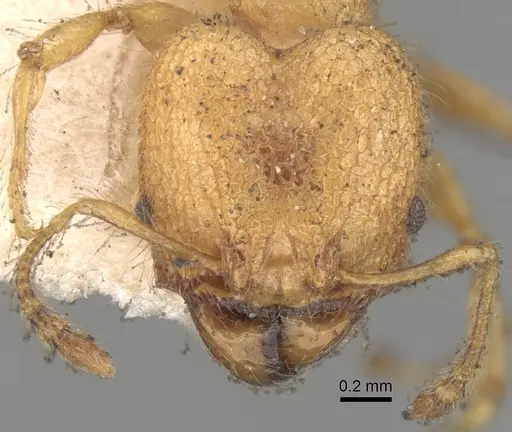
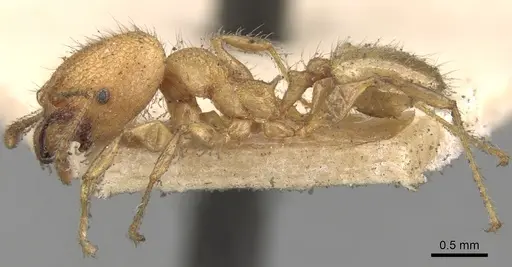
CASENT0904445
View on AntWeb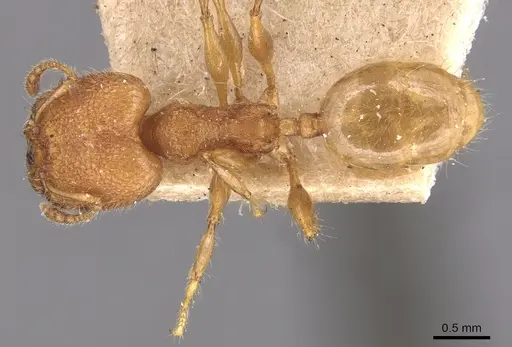
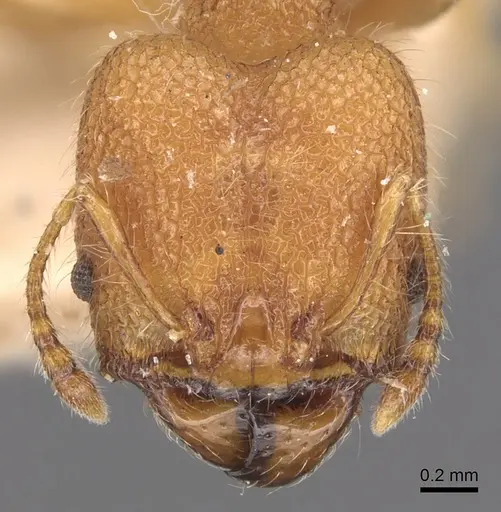
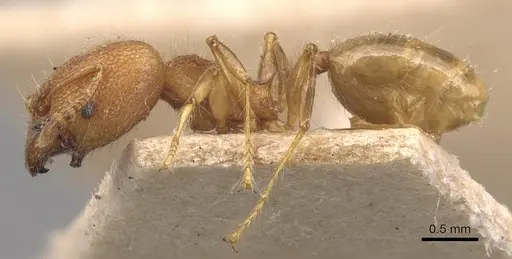
CASENT0904446
View on AntWeb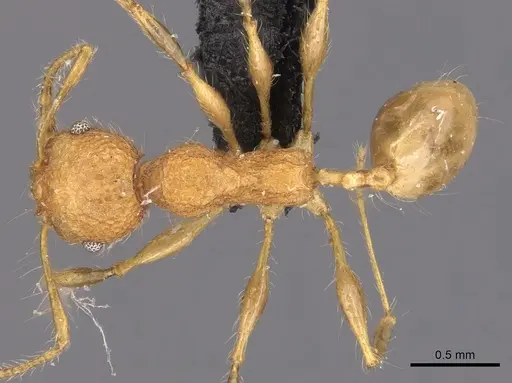
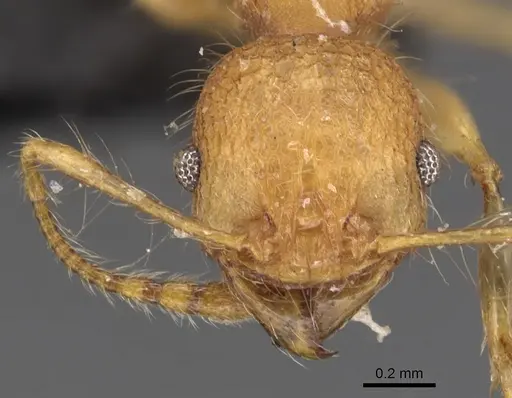
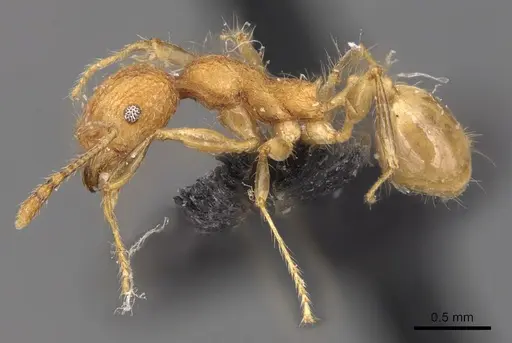
CASENT0908256
View on AntWeb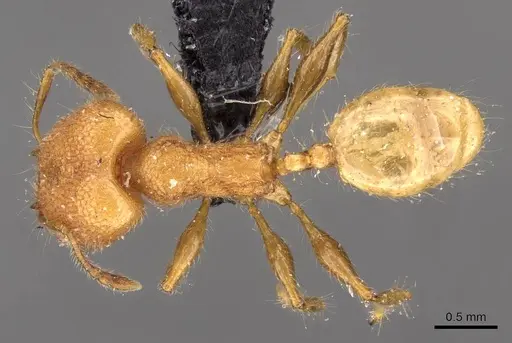
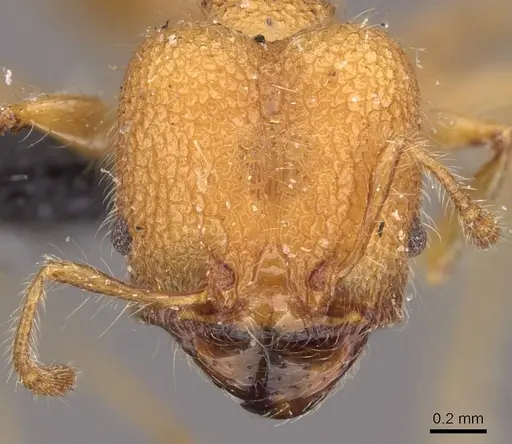
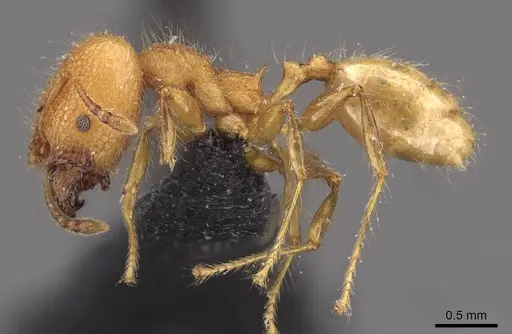
CASENT0908257
View on AntWeb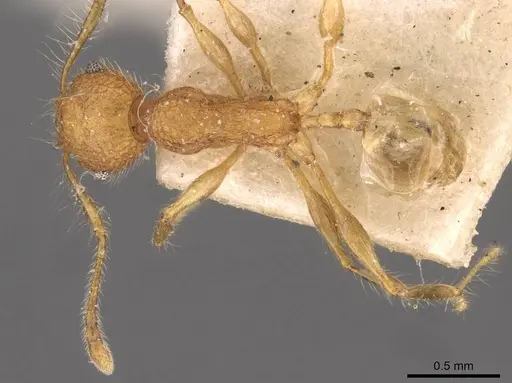
CASENT0922220
View on AntWeb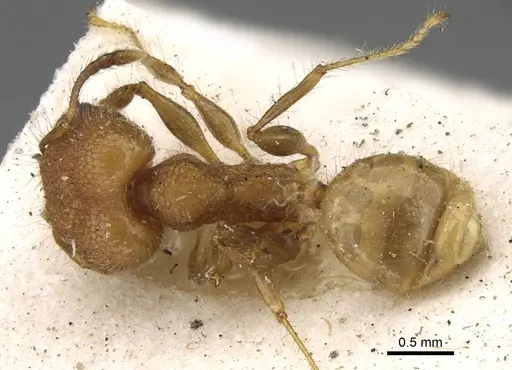
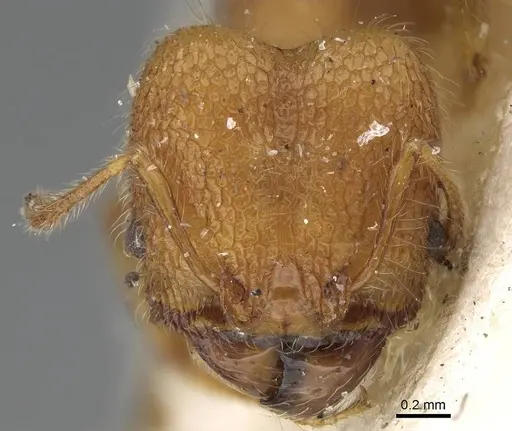
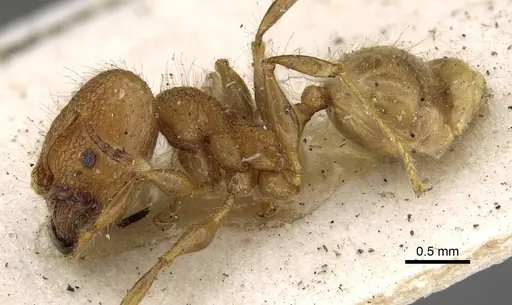
FOCOL0059
View on AntWeb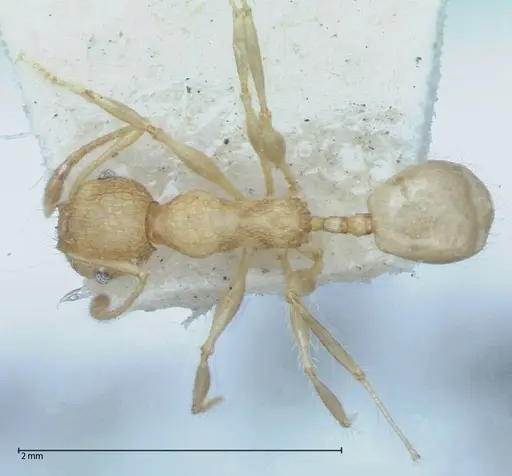
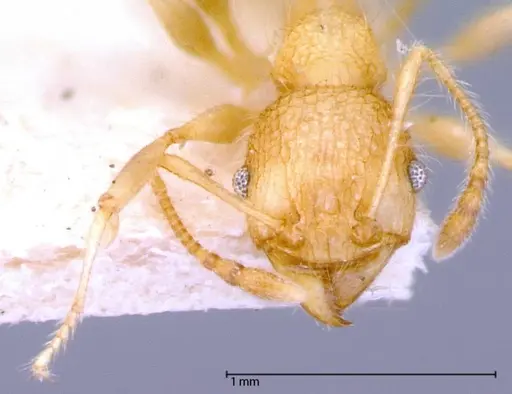
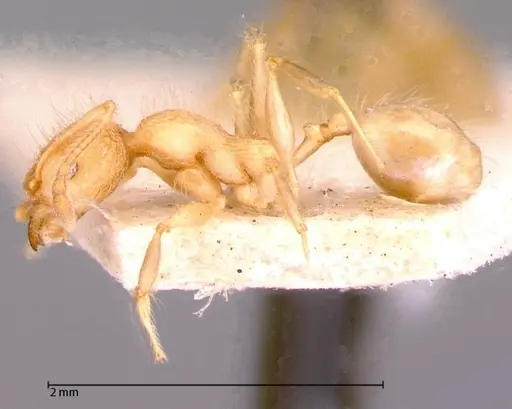
FOCOL0250-1
View on AntWeb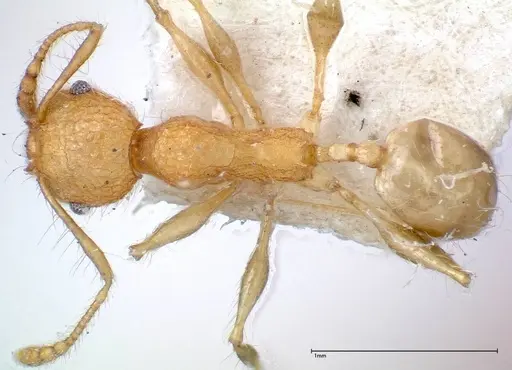
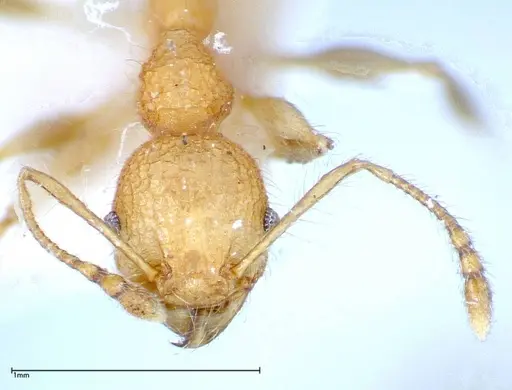
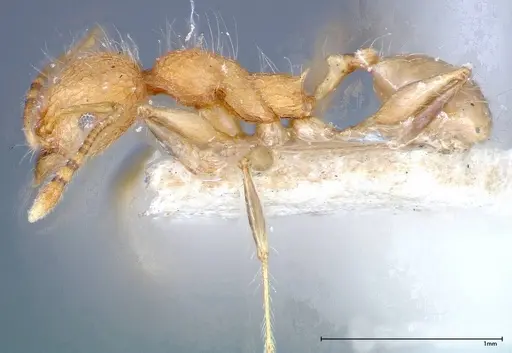
FOCOL0250-2
View on AntWeb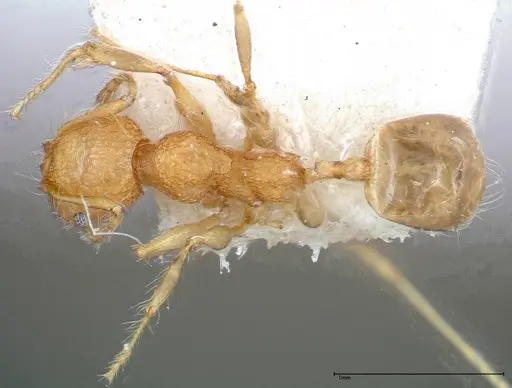
FOCOL0692
View on AntWeb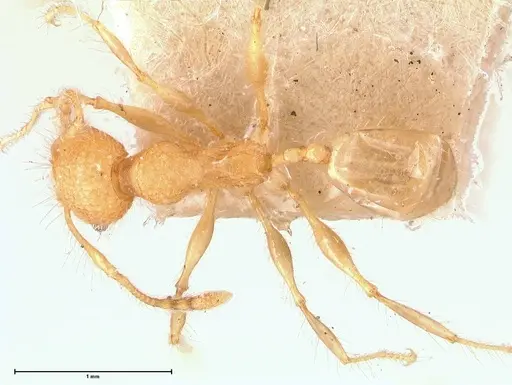
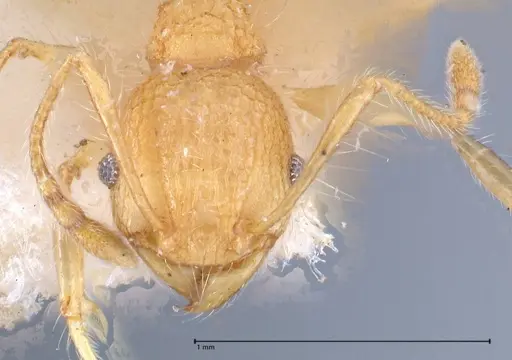
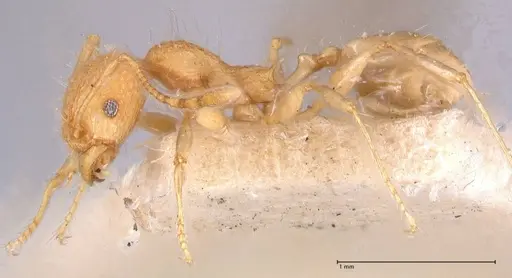
FOCOL1562
View on AntWeb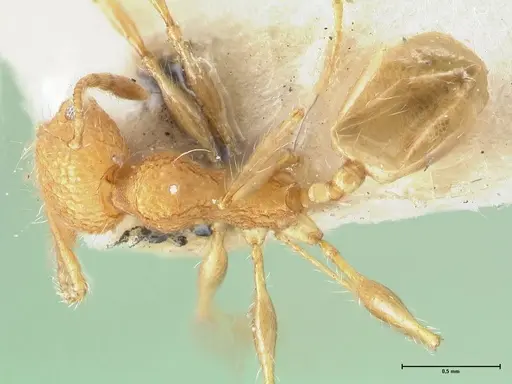
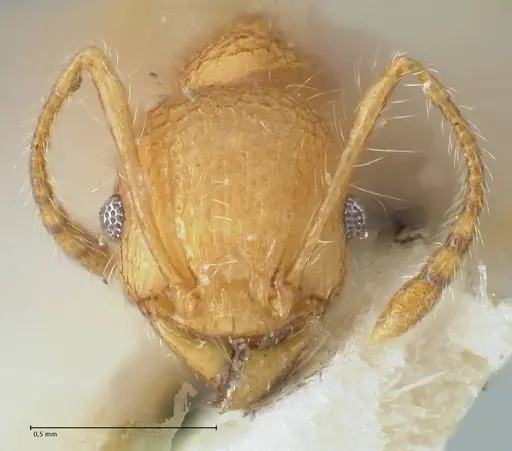
Literature
Loading distribution map...Loading products...