
Pheidole balcanica
- Sci. Name
- Pheidole balcanica
- Tribe
- Attini
- Subfamily
- Myrmicinae
- Author
- Seifert, 2016
- Distribution
- Found in 5 countries
Introduction
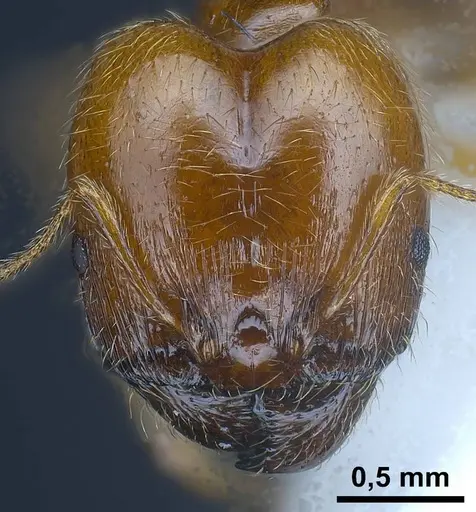
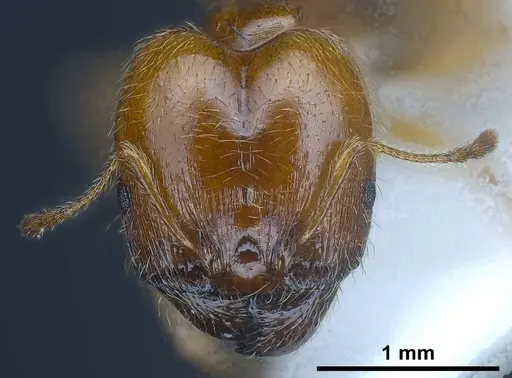
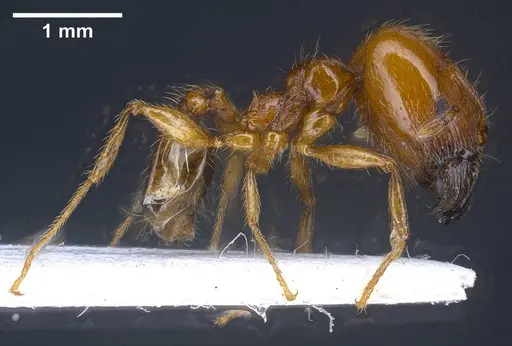
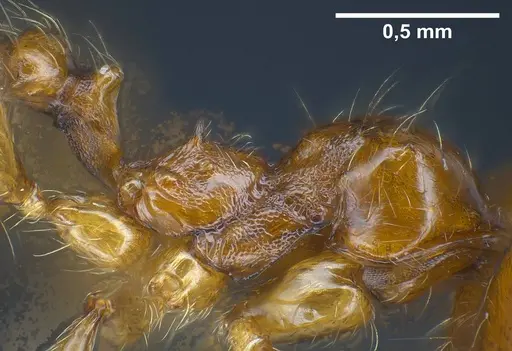
Pheidole balcanica is a medium-sized ant recently separated from the Pheidole pallidula species complex in 2016 based on morphological analysis . Major workers have a head size (cephalic size) of 1.106-1.457 mm, but full body length data is unavailable . The species ranges from northwest Croatia across the Balkans to central Turkey, covering approximately 2000 km, and is found in Mediterranean habitats . This species was only recently recognized, and its biology remains unstudied. Unlike many Pheidole species, no data on colony foundation, diet, or behavior is available for P. balcanica .
Quick Summary
- Difficulty: Medium
- Origin & Habitat: Mediterranean and Balkan regions, from Bosnia and Herzegovina, Bulgaria, Croatia, Greece, Montenegro, and Turkey [1][2][3].
- Colony Type: Unconfirmed, no data on queen number or social structure [3].
- Size & Growth:
- Queen: Size data unavailable, no total length measurements provided in research.
- Worker: Size data unavailable, head size measurements exist, but full body length is not provided.
- Colony: Unknown, no data on colony size.
- Growth: Unknown, no data on growth rate.
- Development: Unknown, no data on development time. (No specific data available for this species.)
- Antkeeping:
- Temperature: Temperature needs are unclear, start around 22-25°C and observe, based on typical Mediterranean conditions [1][2].
- Humidity: Provide a humidity gradient, mostly dry nest with a small moist area, as Mediterranean species often tolerate dry conditions.
- Diapause: Unknown, based on Mediterranean distribution, winter diapause might be required, but no specific data.
- Nesting: Unknown, based on genus patterns, might accept standard nests, but no specific preferences.
- Behavior: Unknown, no data on temperament, aggression, or escape risk [3].
- Common Issues: limited species-specific care information available due to recent description, unknown diapause requirements may affect colony health if not managed, escape risk is uncertain due to lack of behavior data, use standard barriers, test tube flooding can drown founding queens, ensure proper water reservoir sizing
Nest Preferences and Housing
No specific nest preferences are known for Pheidole balcanica [3]. Based on genus patterns, it might adapt to standard formicarium setups, but this is unconfirmed. For founding colonies, test tube setups can be used, but ensure proper water reservoir sizing to prevent flooding. Escape prevention is important due to unknown behavior [3].
Feeding and Diet
No dietary data is available for this species [3]. General antkeeping advice suggests offering varied foods, but specific preferences for P. balcanica are unknown.
Temperature and Seasonal Care
Temperature needs are unclear, start around 22-25°C and observe, based on typical Mediterranean conditions [1][2]. Diapause requirements are unknown, if needed, a winter rest at 10-15°C might be inferred, but no data confirms this.
Colony Development and Castes
No data on colony development or caste systems for P. balcanica [3]. Pheidole species typically have major and minor workers, but this is unconfirmed for this species.
Behavior and Temperament
No data on behavior or temperament [3]. Escape risk is uncertain, use standard barrier methods as a precaution.
Frequently Asked Questions
How long does it take for Pheidole balcanica to have first workers?
Unknown, no data on development time for this species [3].
What do Pheidole balcanica ants eat?
No dietary data is available [3]. General antkeeping advice suggests offering insects and seeds, but specific preferences are unconfirmed.
What temperature do Pheidole balcanica need?
Temperature needs are unclear, start around 22-25°C and observe, based on Mediterranean distribution [1][2].
Do Pheidole balcanica need hibernation?
Unknown, based on Mediterranean distribution, winter diapause might be required, but no specific data.
Is Pheidole balcanica good for beginners?
This species is rated as medium difficulty, but due to lack of species-specific data, it may pose challenges for beginners [3].
How big do Pheidole balcanica colonies get?
Unknown, no data on colony size [3].
Can I keep multiple Pheidole balcanica queens together?
Unknown, no data on social structure [3].
When should I move Pheidole balcanica to a formicarium?
Unknown, no data on colony growth or timing [3].
Why was Pheidole balcanica separated from Pheidole pallidula?
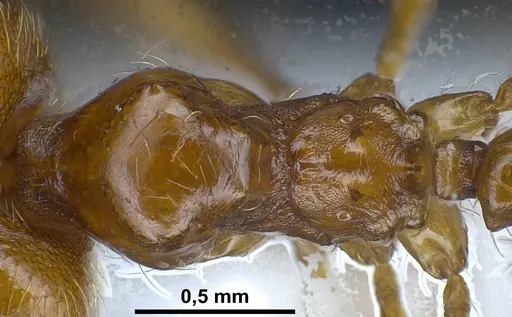
Researchers used detailed morphological measurements to identify consistent differences, such as smaller eyes and different head proportions [1].
Report an Issue
The current care sheet is based fully on literature. See inconsistencies, or something that's incorrect? Please , it will be resolved after review from an admin. Contributing to the blogs tab also helps providing information, to make us be able to further improve the caresheets. Thank you for your support!
References

This caresheet is licensed under CC BY-SA 4.0 .
Community Blogs
ANTWEB1038022
View on AntWeb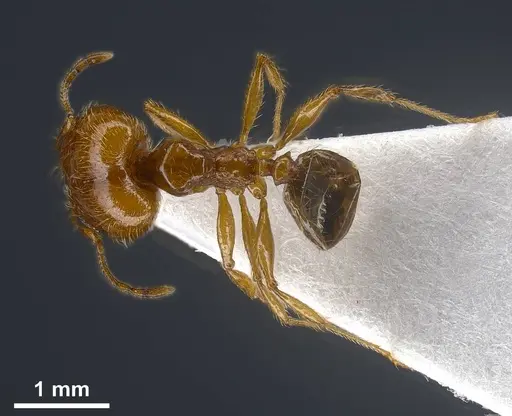
Literature
Loading distribution map...Loading products...