
Pheidole aurivillii
- Sci. Name
- Pheidole aurivillii
- Tribe
- Attini
- Subfamily
- Myrmicinae
- Author
- Mayr, 1896
- Distribution
- Found in 9 countries
Introduction
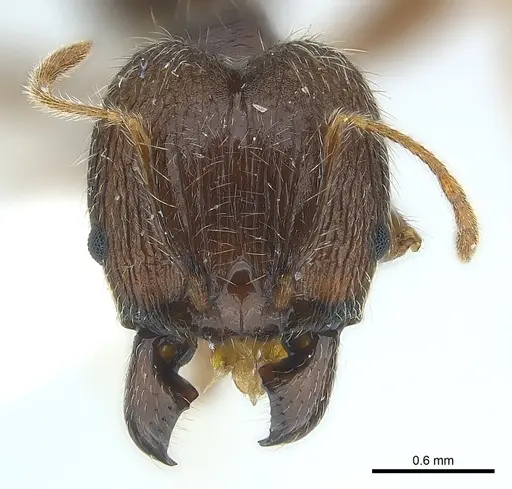
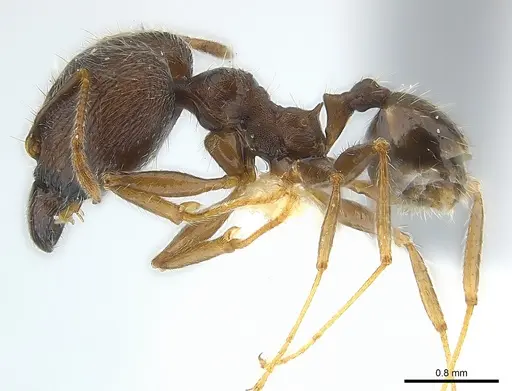
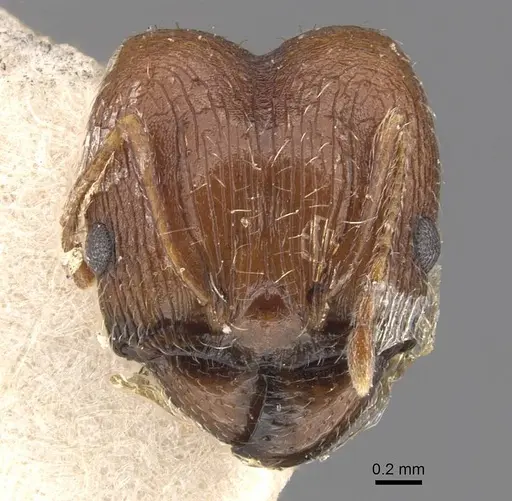
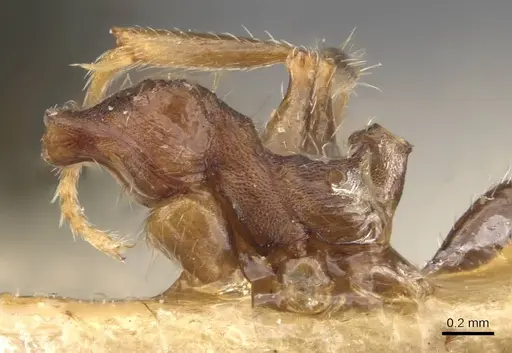
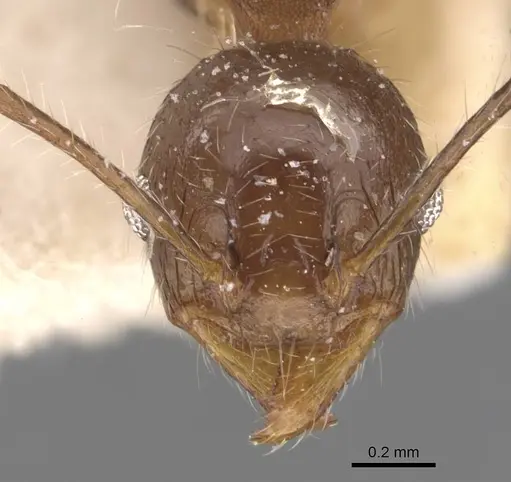
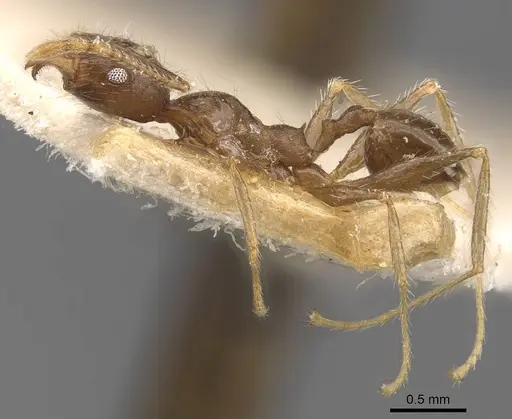
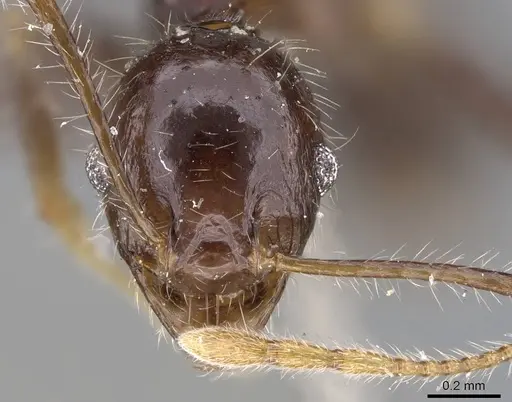
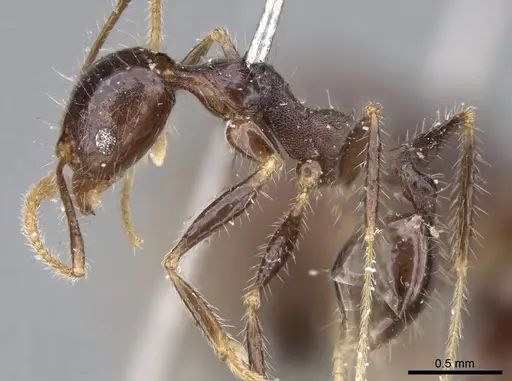
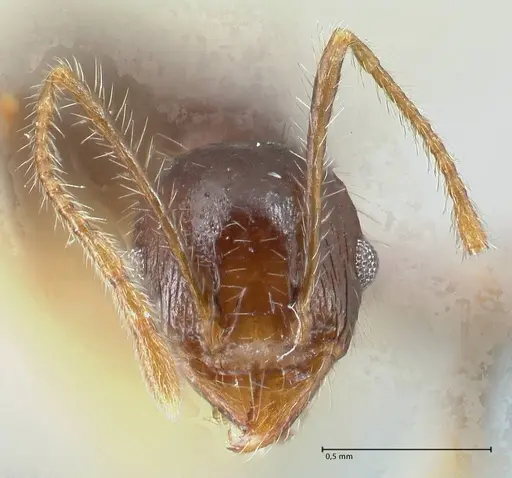
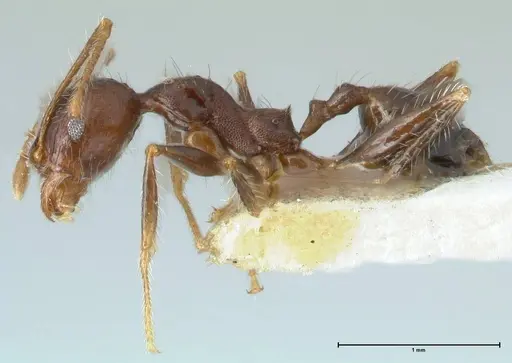
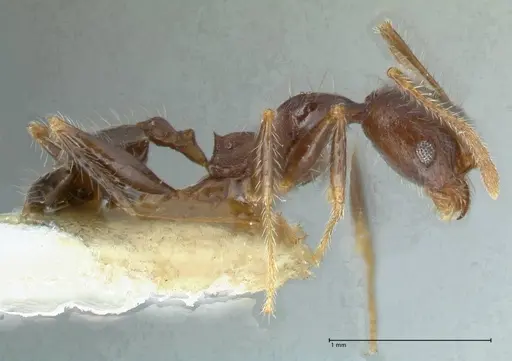
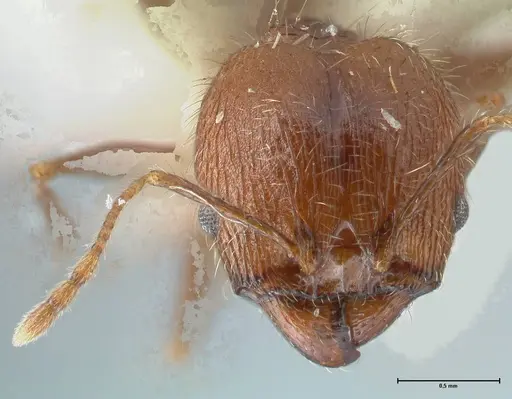
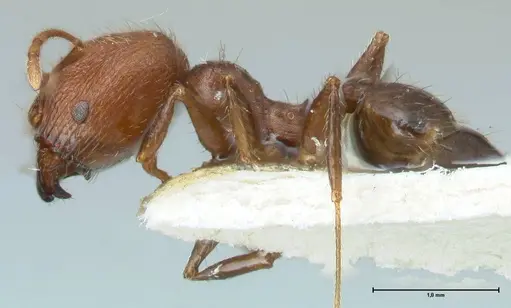
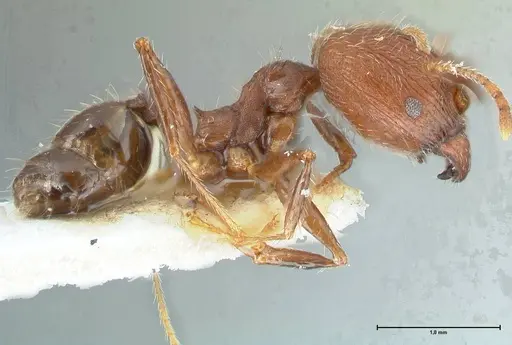
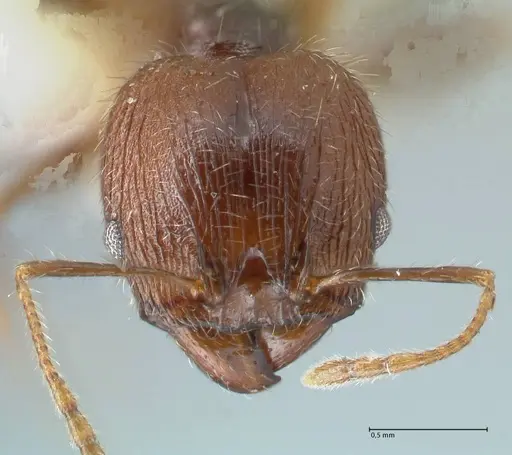
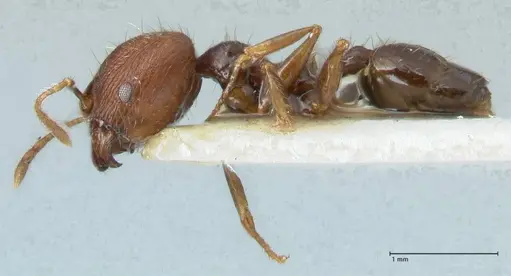
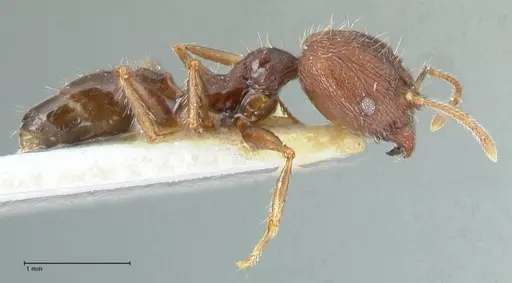
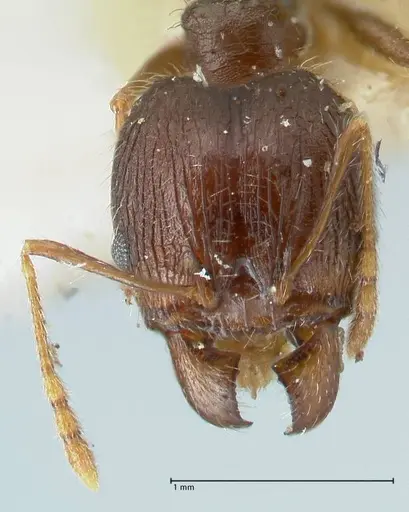
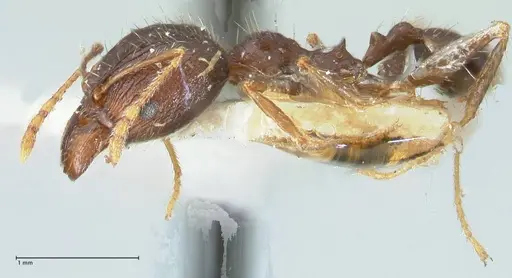
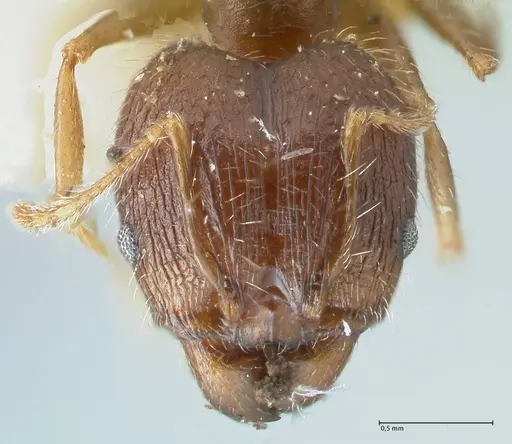
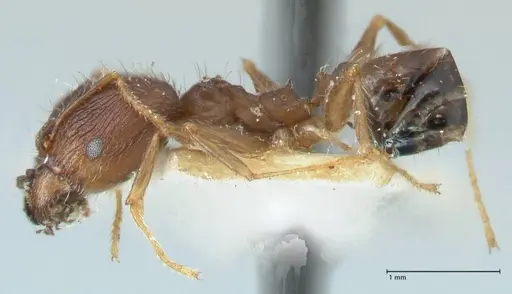
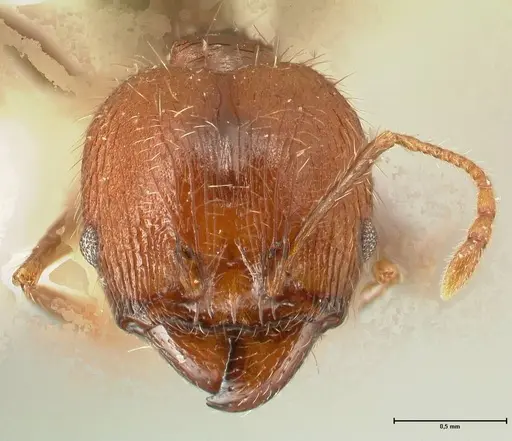
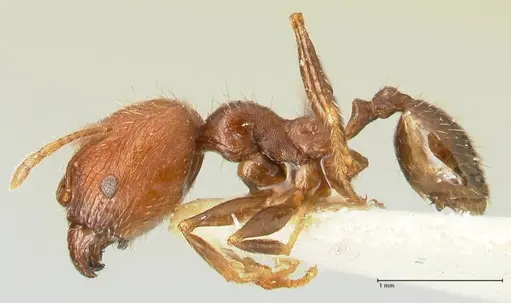
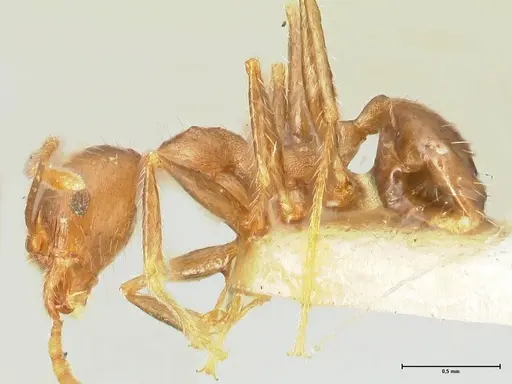
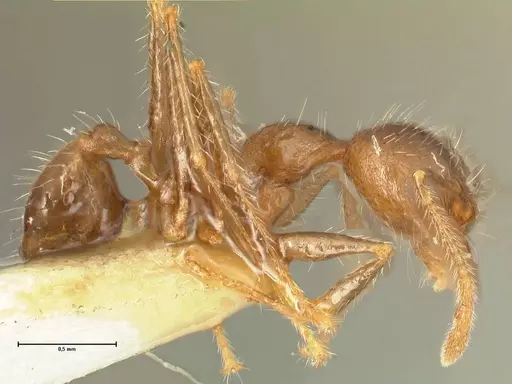
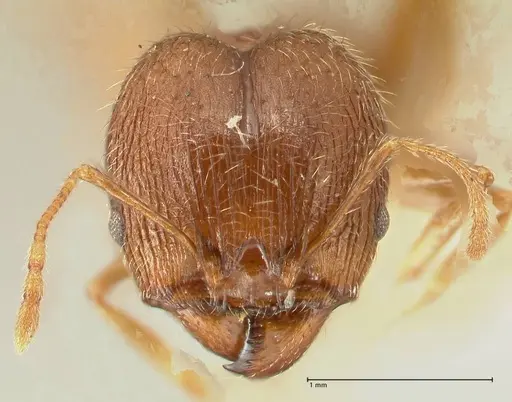
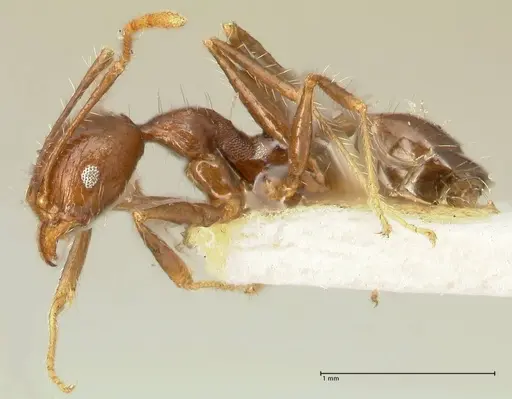
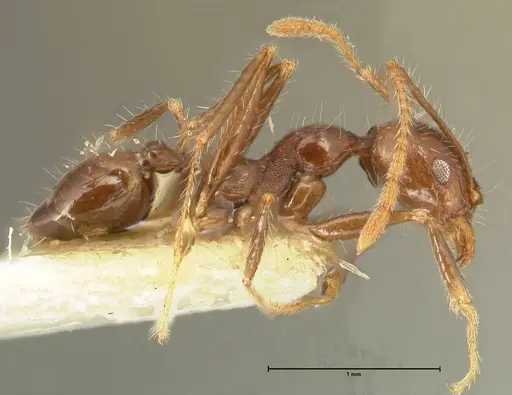
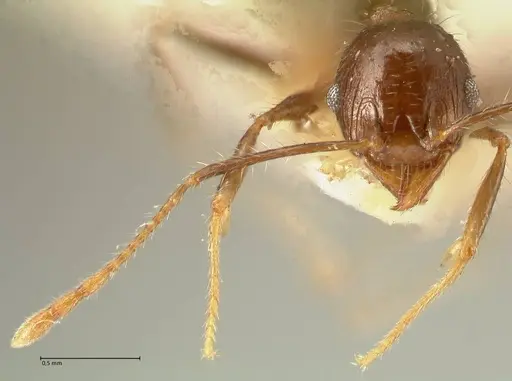
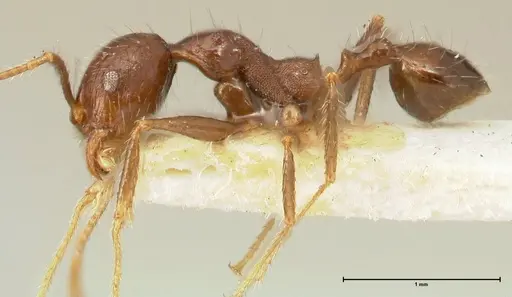
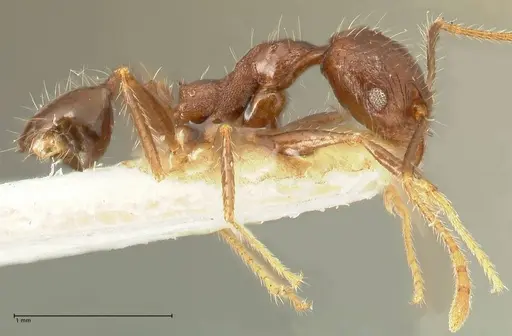
Pheidole aurivillii is a small to medium-sized ant belonging to the genus Pheidole, native to West Africa and the Congo Basin . Workers have two castes: major workers with enlarged heads and minor workers that handle foraging tasks . This species is part of the aurivillii species group and has been recorded in Benin, Cameroon, Democratic Republic of Congo, Guinea, Kenya, and Uganda . In the wild, these ants nest in the ground in agricultural areas like mango orchards, where they serve as prey for weaver ants (Oecophylla longinoda) . The species has three described subspecies: P. a. attenuata, P. a. kasaiensis, and P. a. rubricalva . This species is notable for its ground-nesting behavior in human-modified habitats, such as mango orchards, where it interacts with other ant species .
Quick Summary
- Difficulty: Easy
- Origin & Habitat: West Africa and Congo Basin, found in ground nests in agricultural settings like mango orchards in Benin [1].
- Colony Type: Unconfirmed, no specific data on queen number for this species. Based on Pheidole genus patterns, likely monogyne (single queen) [1].
- Size & Growth:
- Queen: Size data unavailable, no total length measurements provided for this species.
- Worker: Size data unavailable, no total length measurements provided for this species.
- Colony: Up to several hundred workers, estimated from genus patterns [1].
- Growth: Moderate, inferred from genus patterns.
- Development: Unknown, no species-specific data available. (Development time is unknown for this species.)
- Antkeeping:
- Temperature: Keep warm, roughly 24-28°C, based on tropical habitat [1]. Provide a temperature gradient.
- Humidity: Keep substrate consistently moist but not waterlogged, as this species nests in ground in humid areas [1].
- Diapause: No, tropical species, no hibernation needed [1].
- Nesting: Ground-nesting species [1]. In captivity, use test tubes for founding, then Y-tong, plaster, or soil nests.
- Behavior: No specific behavior data available for this species. Defense mechanism: possesses a functional stinger, but less medically significant than fire ants. Escape risk is moderate due to small size, standard barrier methods recommended.
- Common Issues: mold growth in overly wet nests, ensure proper ventilation and avoid waterlogging the substrate., colonies can stall if temperatures drop below 22°C, maintain warmth consistently., test tube flooding if water reservoir is too large, use appropriate-sized test tubes for founding colonies.
Housing and Nest Setup
Pheidole aurivillii is a ground-nesting species [1]. In captivity, test tubes can be used for founding queens, but no specific nest preferences are documented for this species. Once the colony grows, transition to Y-tong, plaster, or soil nests, ensuring dark, humid chambers [1].
Feeding and Diet
No specific diet data is available for this species. Pheidole ants are generally omnivorous, but no species-specific feeding habits are documented [1].
Temperature and Humidity
Based on tropical distribution, keep temperatures around 24-28°C with a gradient [1]. Humidity should be maintained with moist substrate, as this species nests in ground in humid areas [1].
Colony Development
No species-specific development data is available. Colony growth is estimated to be moderate based on genus patterns [1].
Behavior and Temperament
No specific behavior data is available for this species. Defense mechanism includes a functional stinger, but it is less medically significant. Escape risk is moderate due to small size.
Frequently Asked Questions
How long does it take for Pheidole aurivillii to get first workers?
No species-specific data is available on development time [1].
Can I keep Pheidole aurivillii in a test tube?
Test tubes can be used for founding, but no specific recommendations are documented [1].
What do Pheidole aurivillii eat?
No specific diet data is available [1].
Do Pheidole aurivillii need hibernation?
No, they are tropical species and do not require hibernation [1].
How big do Pheidole aurivillii colonies get?
Up to several hundred workers, estimated from genus patterns [1].
Are Pheidole aurivillii good for beginners?
Difficulty is set to Easy, but no specific behavior data is available. General care requires warmth and humidity [1].
When should I move my colony to a formicarium?
No species-specific data is available. General advice is to move when the test tube becomes crowded or dirty.
Can I keep multiple Pheidole aurivillii queens together?
No specific data on queen number is available. Based on genus patterns, likely single-queen colonies [1].
Why is my colony not growing?
Check temperature, humidity, and food. No species-specific data on growth issues is available.
Report an Issue
The current care sheet is based fully on literature. See inconsistencies, or something that's incorrect? Please , it will be resolved after review from an admin. Contributing to the blogs tab also helps providing information, to make us be able to further improve the caresheets. Thank you for your support!
References

This caresheet is licensed under CC BY-SA 4.0 .
Community Blogs
CASENT0217102
View on AntWeb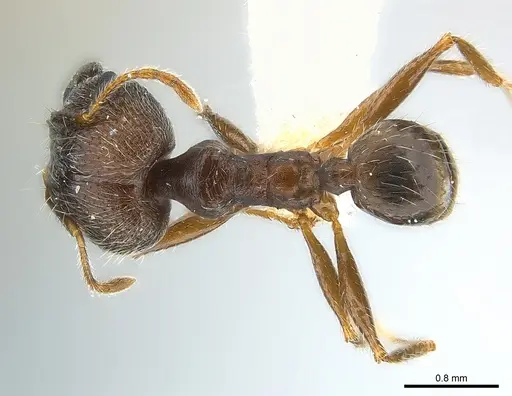
CASENT0217103
View on AntWeb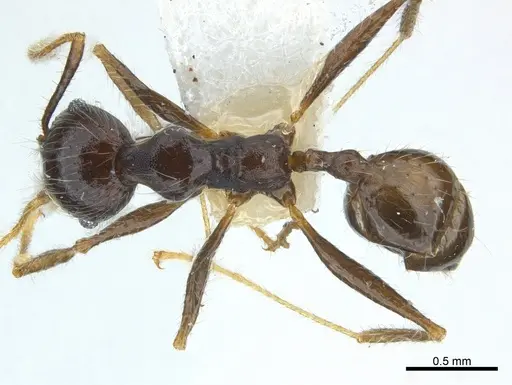
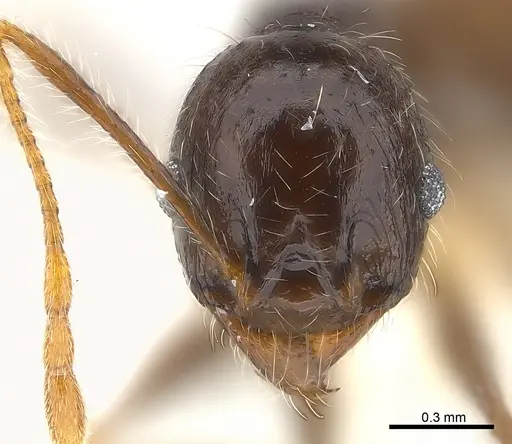
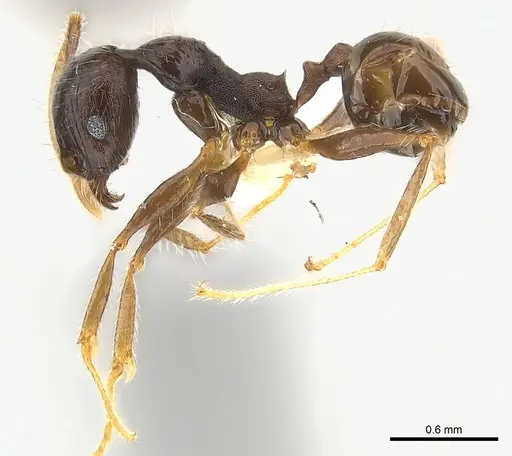
CASENT0283192
View on AntWeb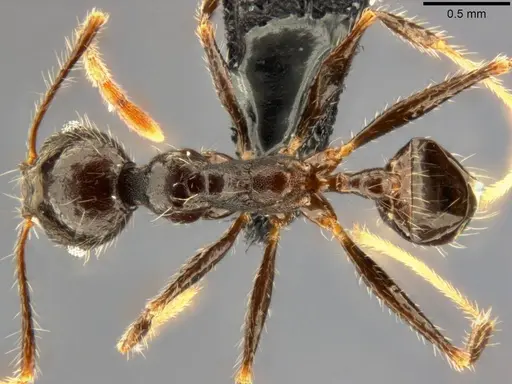
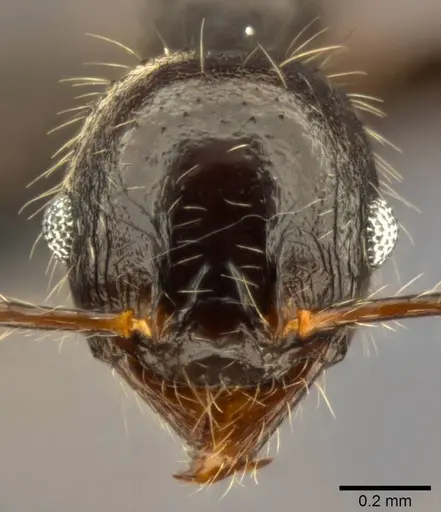
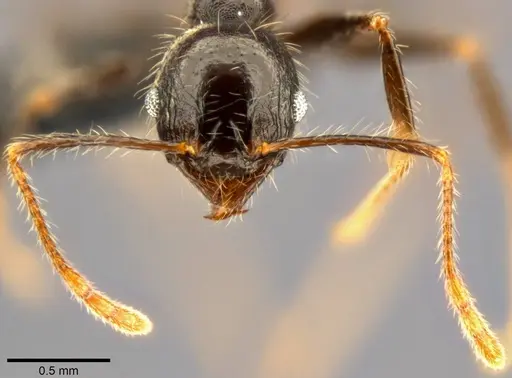
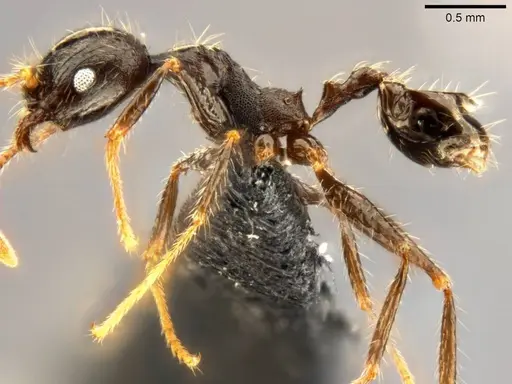
CASENT0815689
View on AntWeb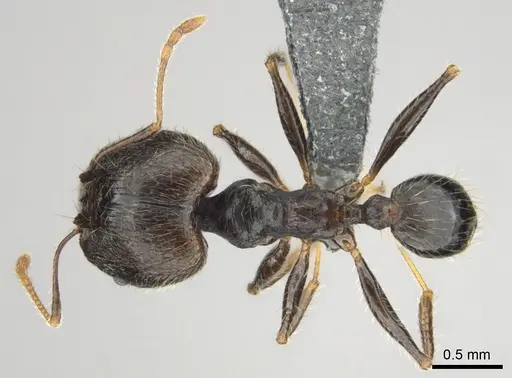
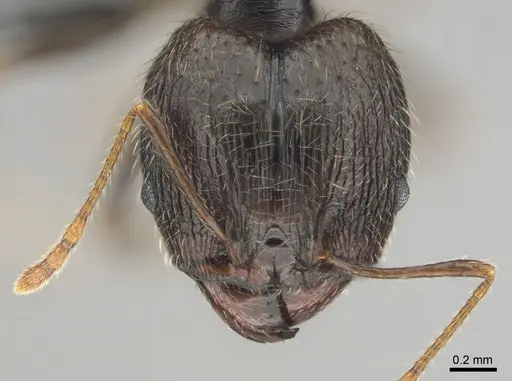
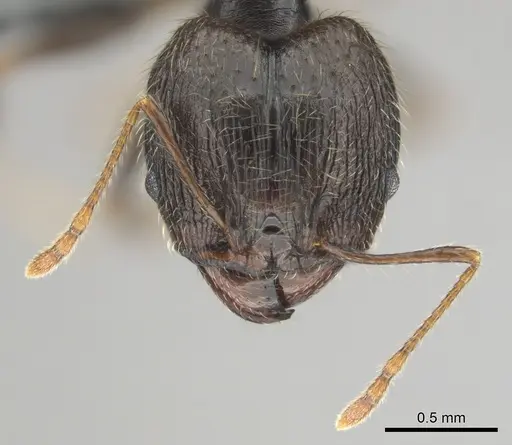
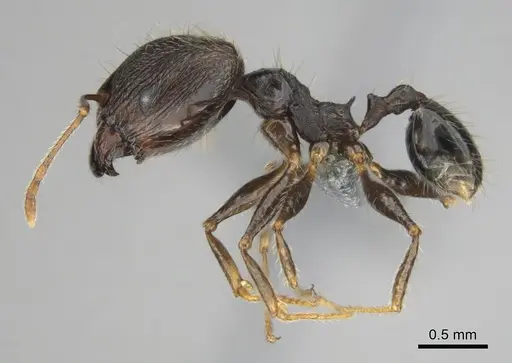
CASENT0815696
View on AntWeb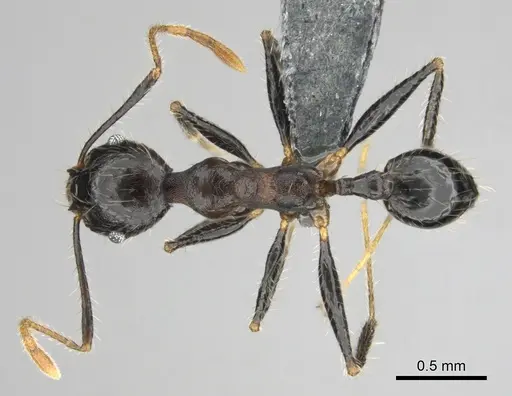
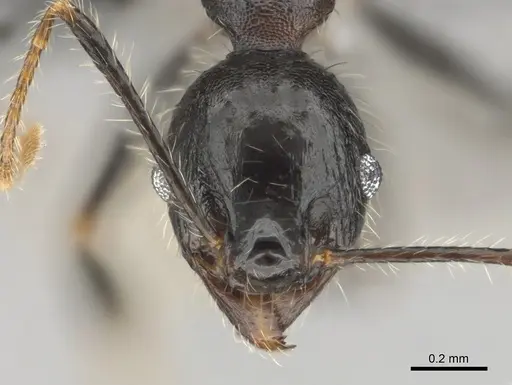
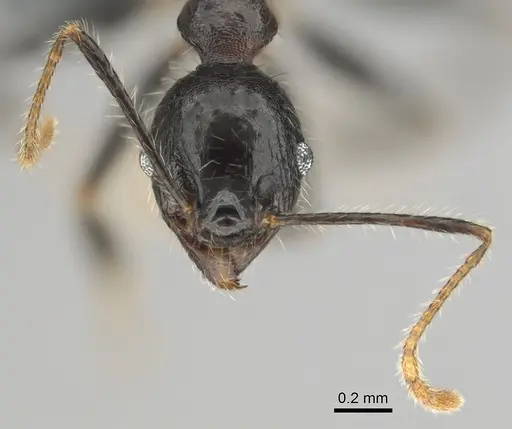
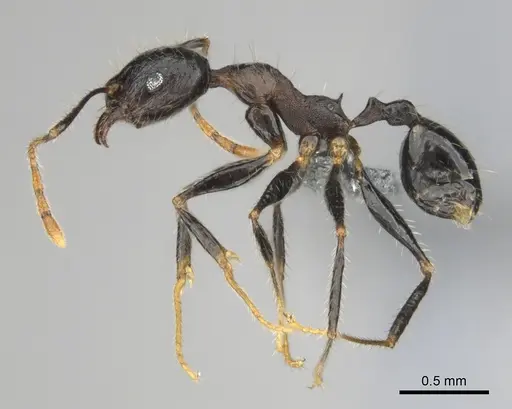
CASENT0901298
View on AntWeb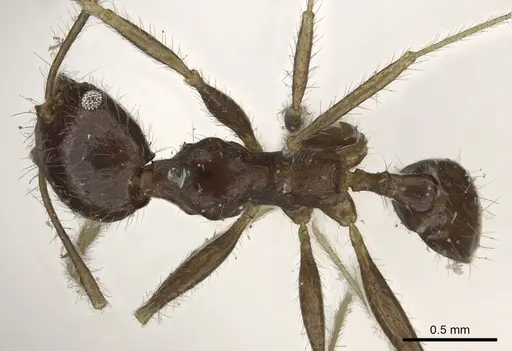
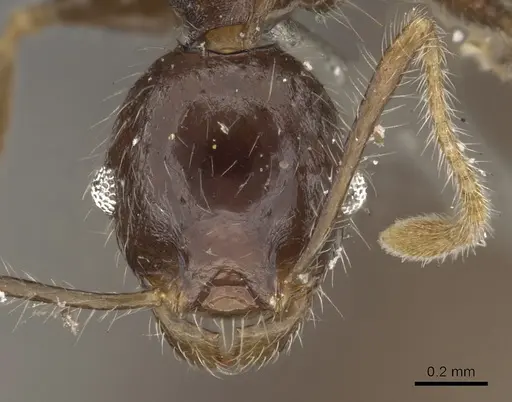
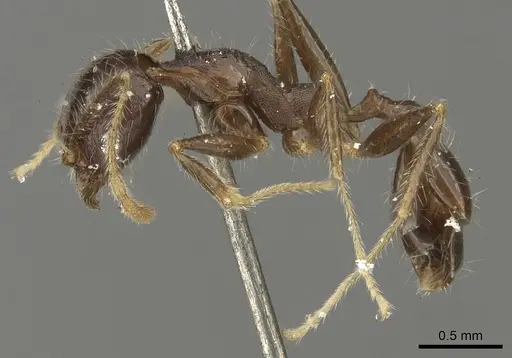
CASENT0901299
View on AntWeb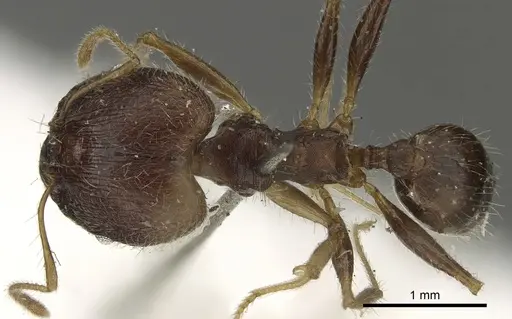
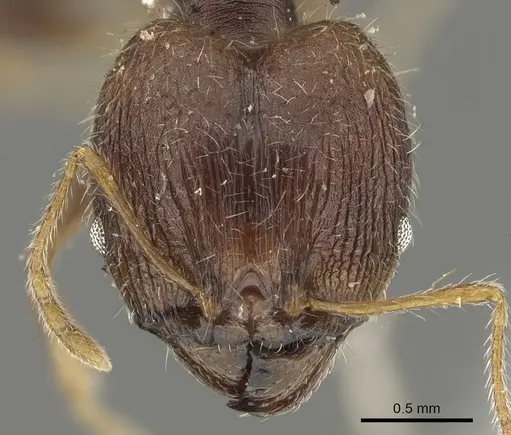
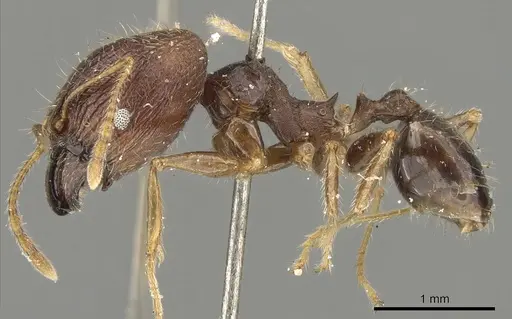
CASENT0907807
View on AntWeb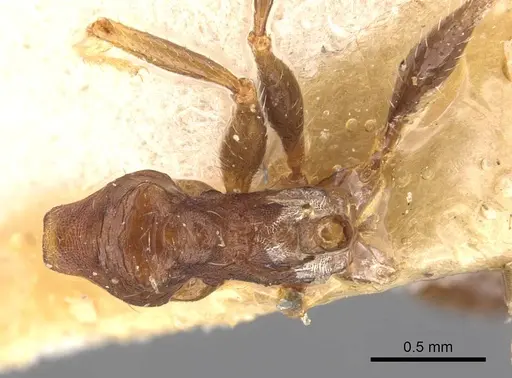
CASENT0907808
View on AntWeb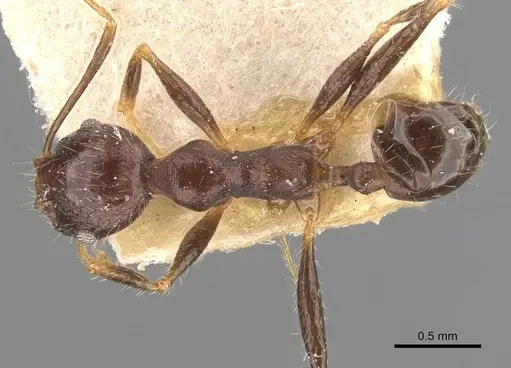
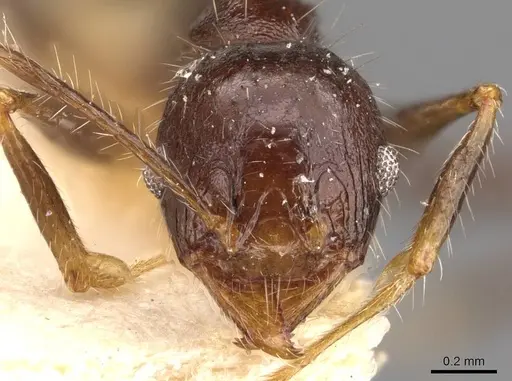
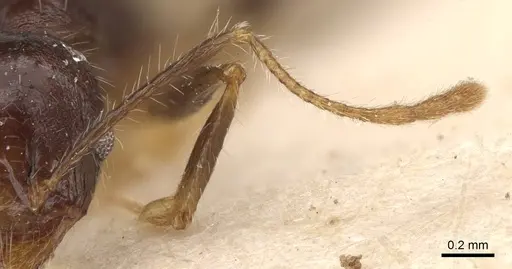
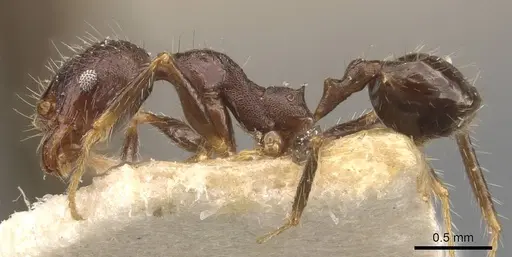
CASENT0907809
View on AntWeb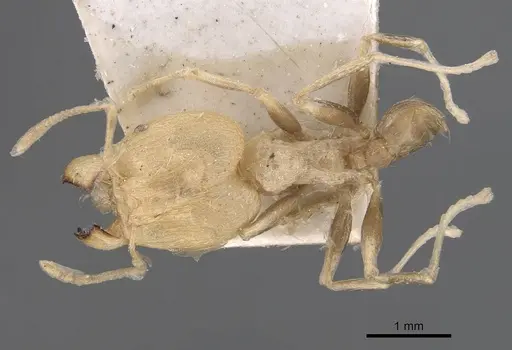
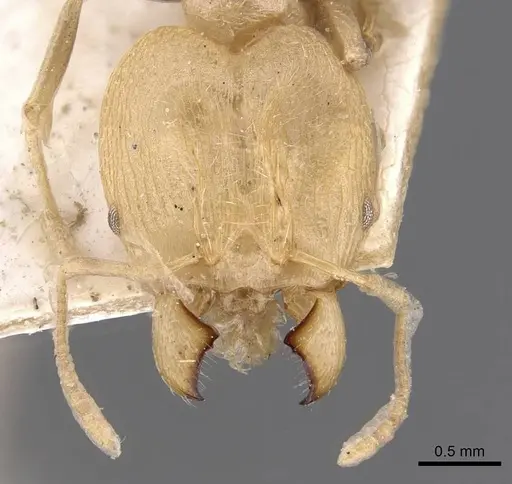
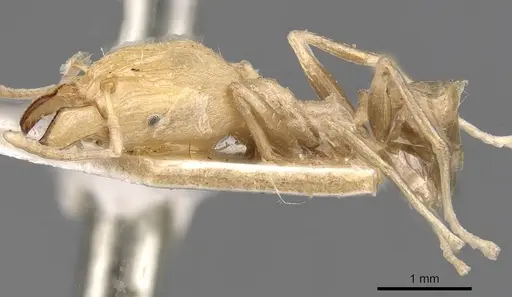
CASENT0907810
View on AntWeb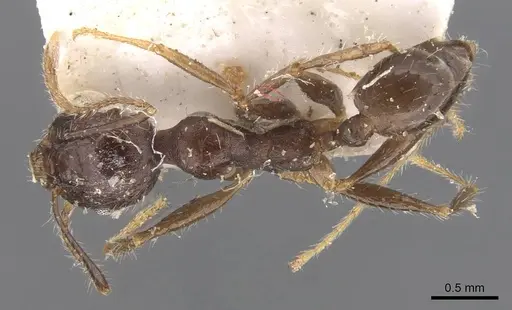
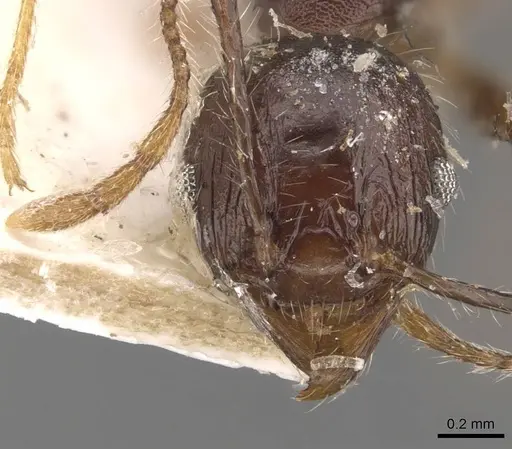
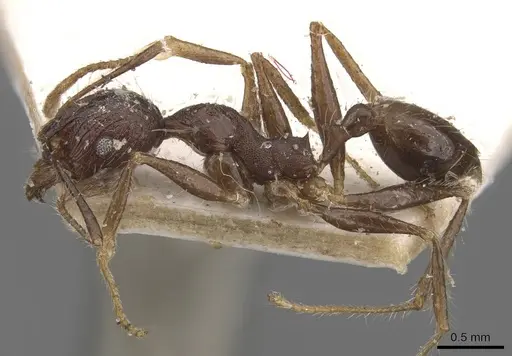
CASENT0907811
View on AntWeb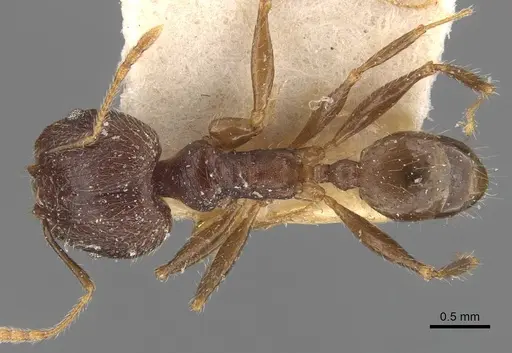
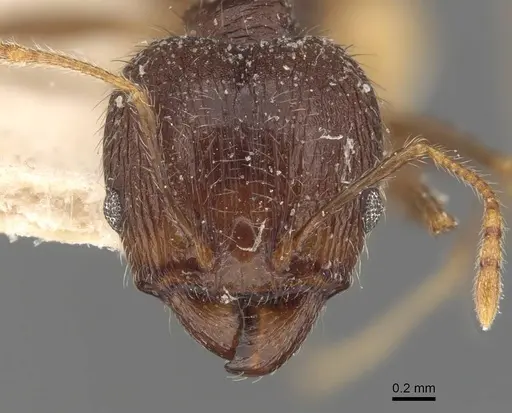
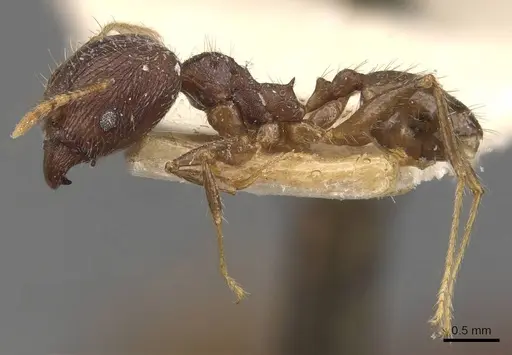
CASENT0907812
View on AntWeb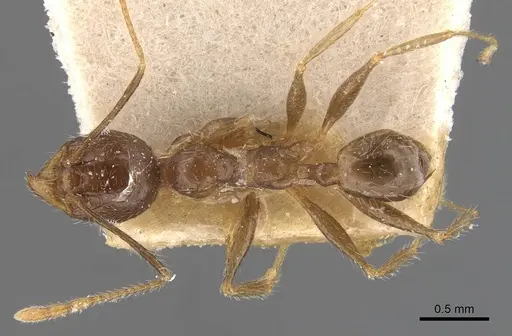
CASENT0913274
View on AntWeb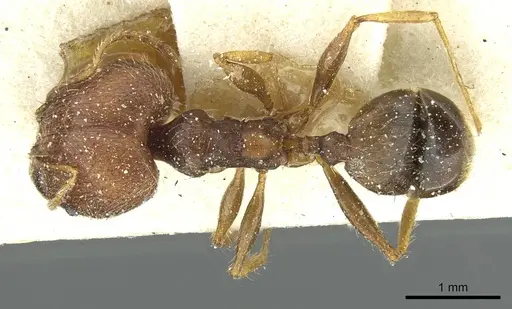
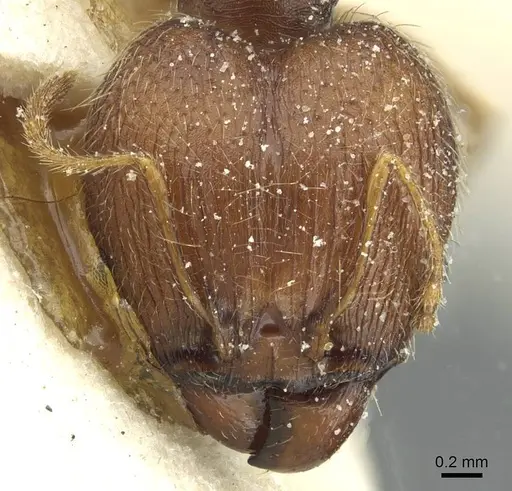
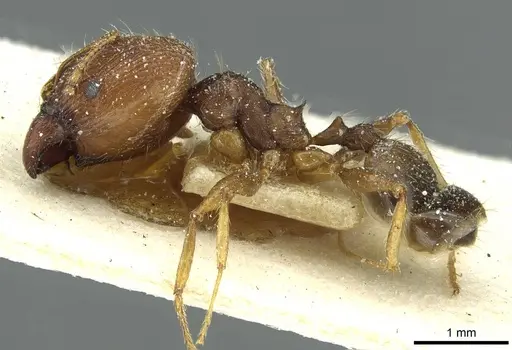
CASENT0913275
View on AntWeb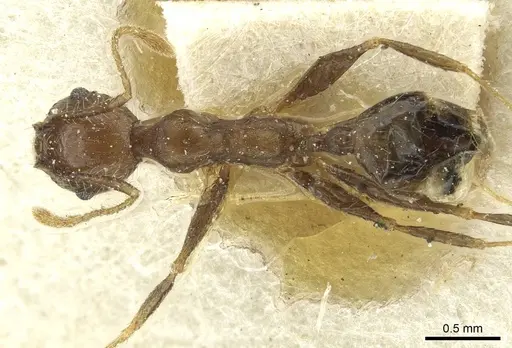
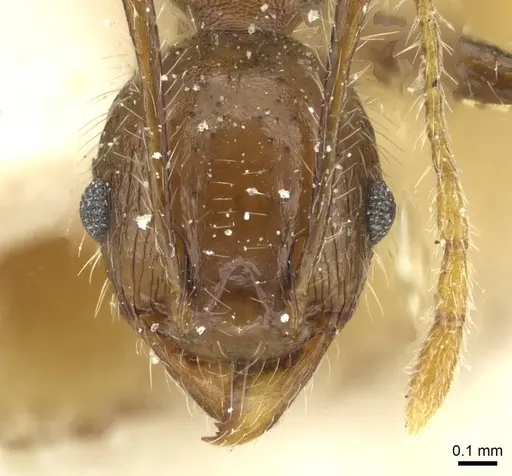
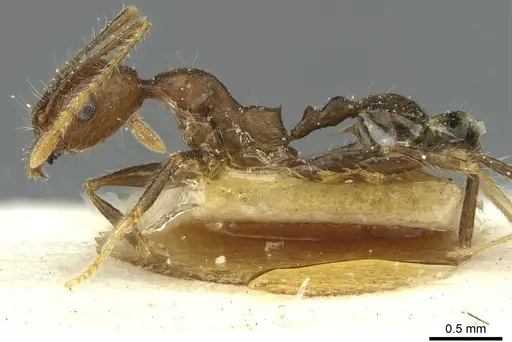
CASENT0922187
View on AntWeb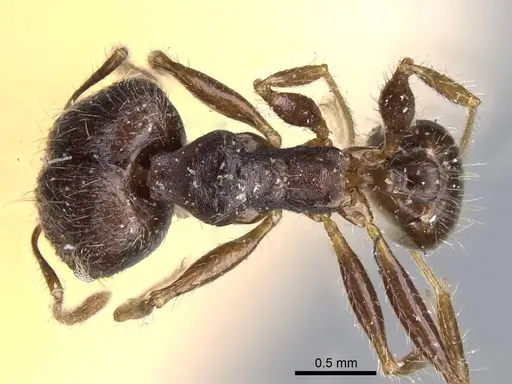
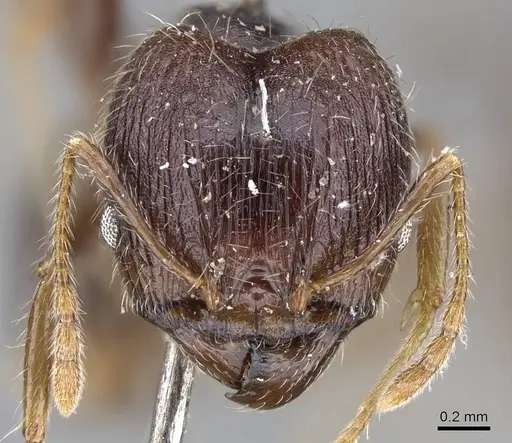
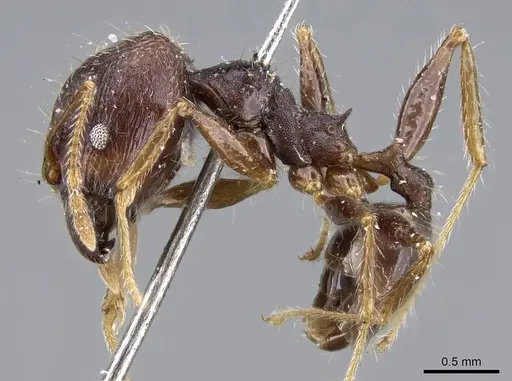
CASENT0922188
View on AntWeb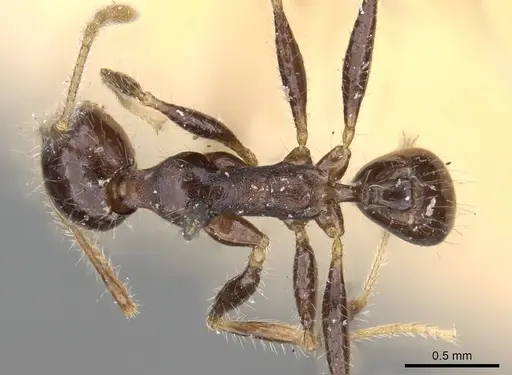
FOCOL1323
View on AntWeb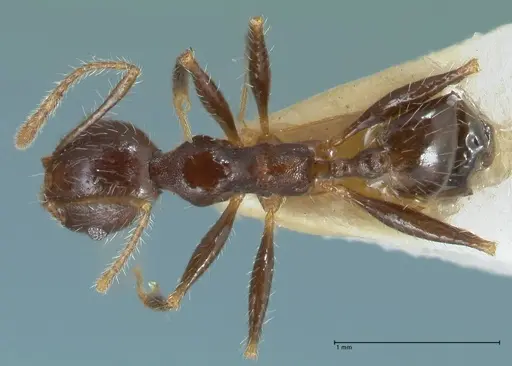
FOCOL1324
View on AntWeb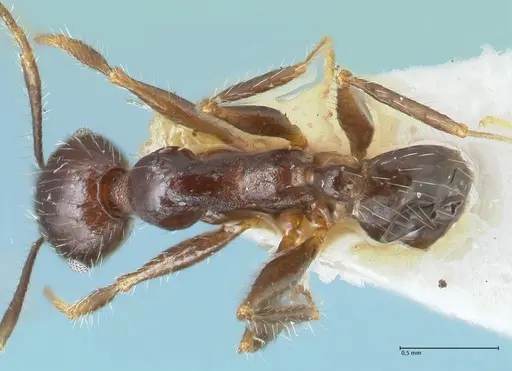
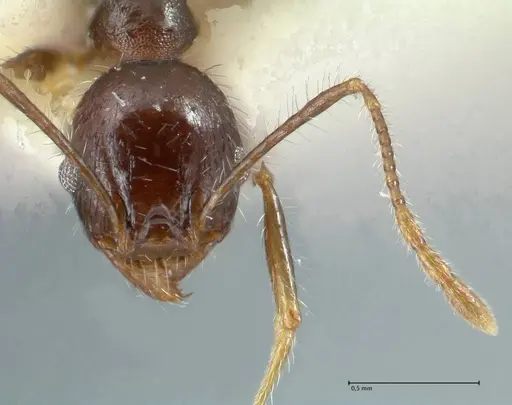
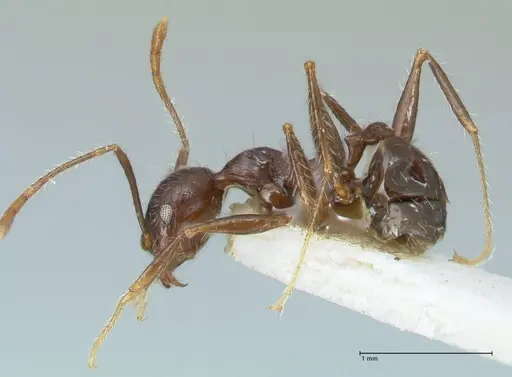
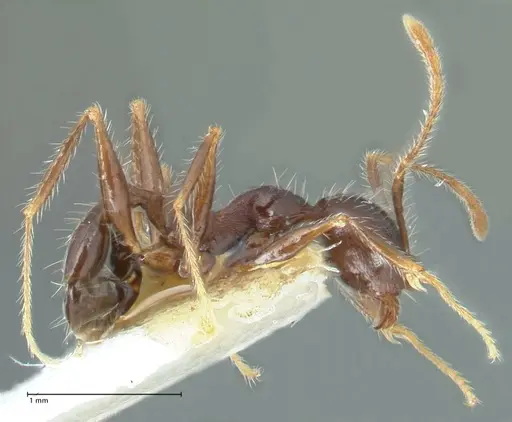
FOCOL1325
View on AntWeb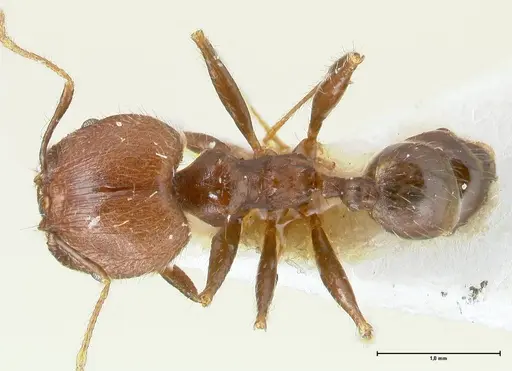
FOCOL1326
View on AntWeb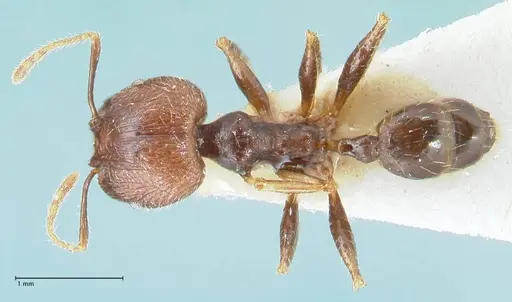
FOCOL1327
View on AntWeb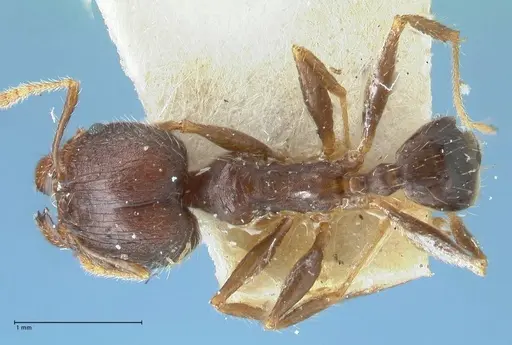
FOCOL1328
View on AntWeb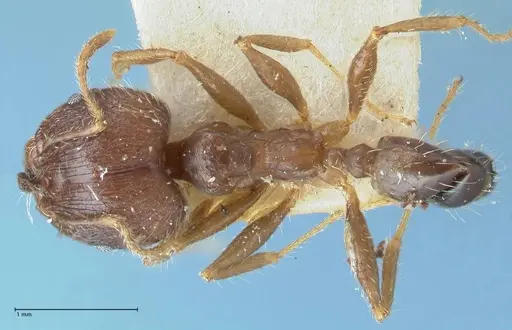
FOCOL1329
View on AntWeb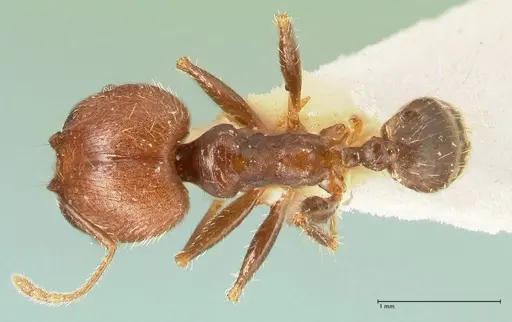
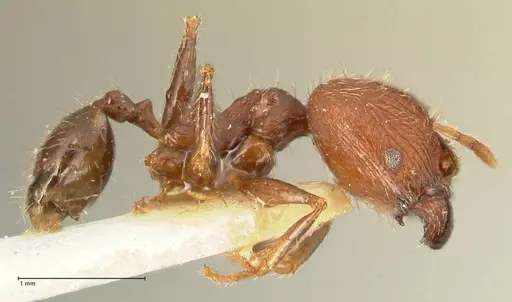
FOCOL1330
View on AntWeb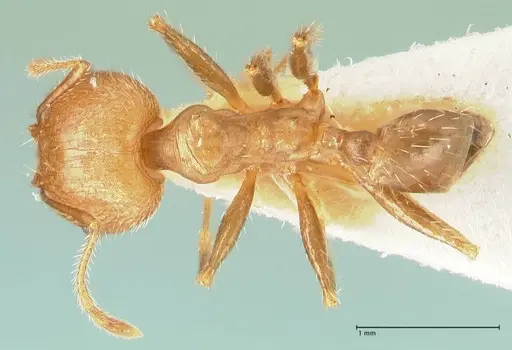
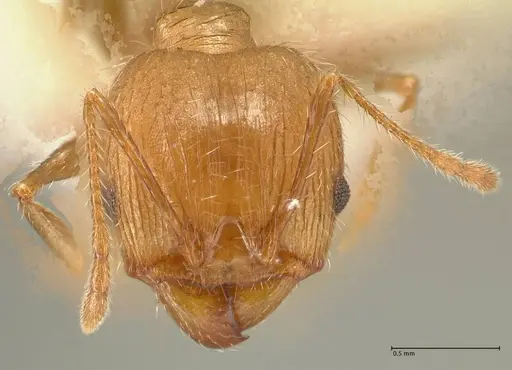
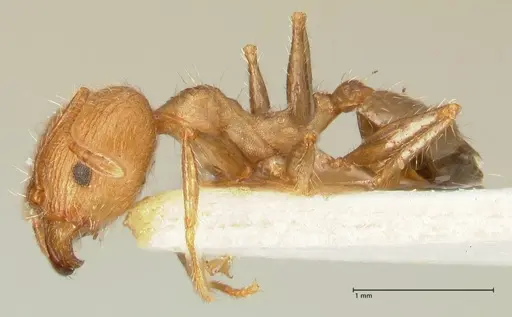
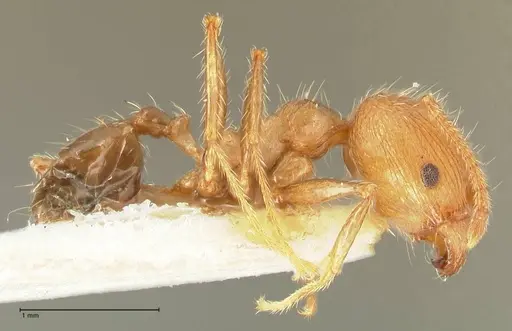
FOCOL1331
View on AntWeb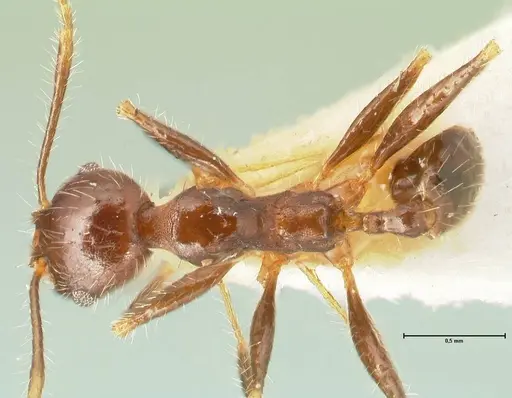
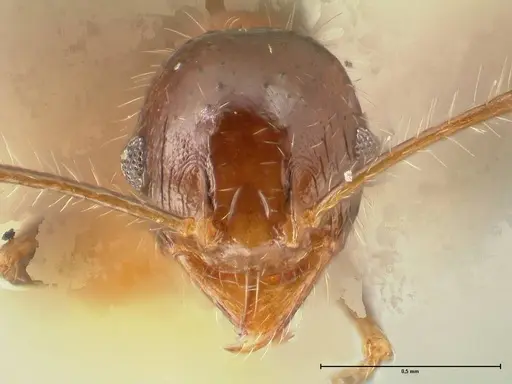
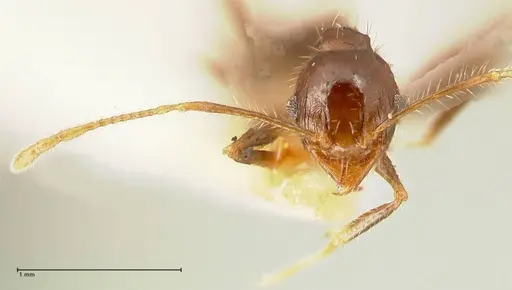
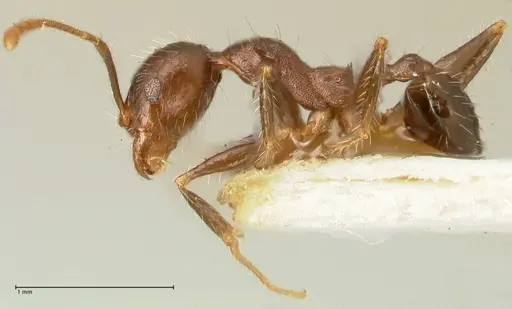
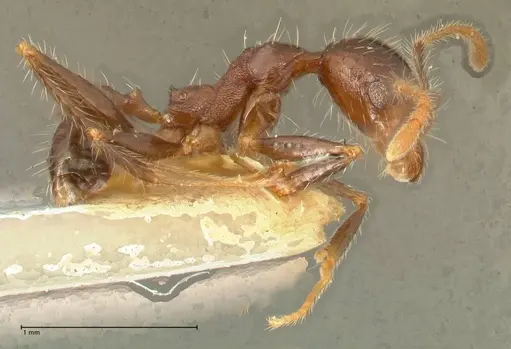
FOCOL1332
View on AntWeb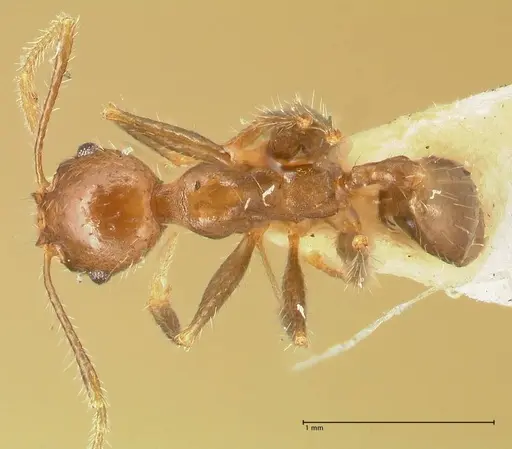
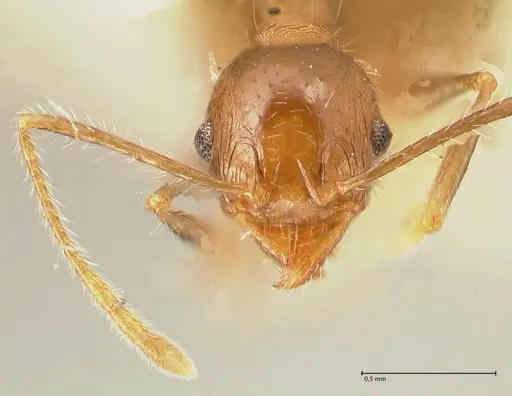
FOCOL1334
View on AntWeb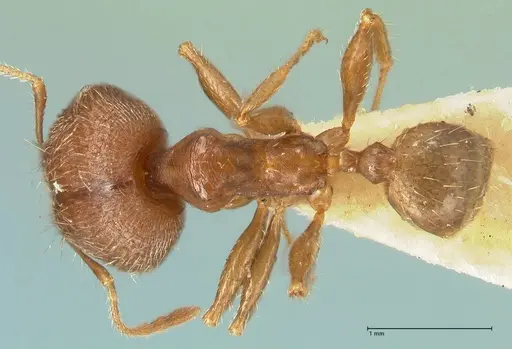
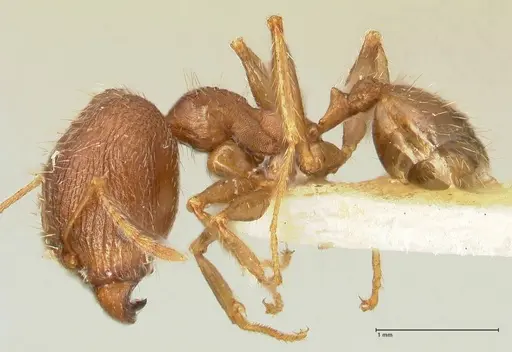
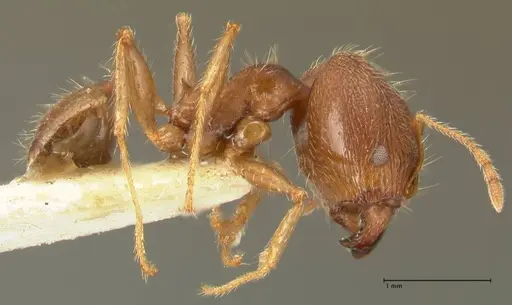
FOCOL1335
View on AntWeb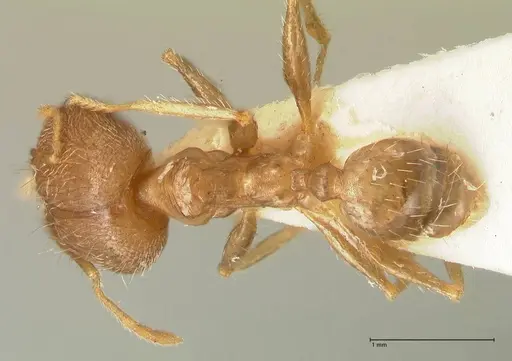
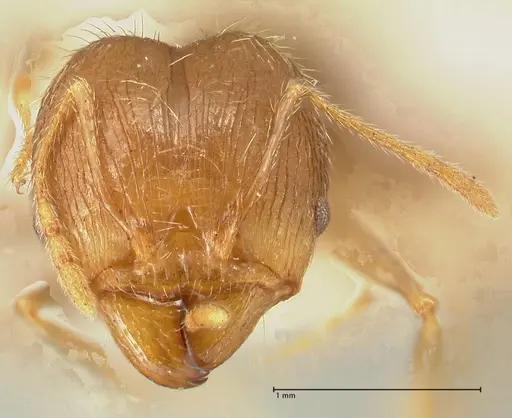
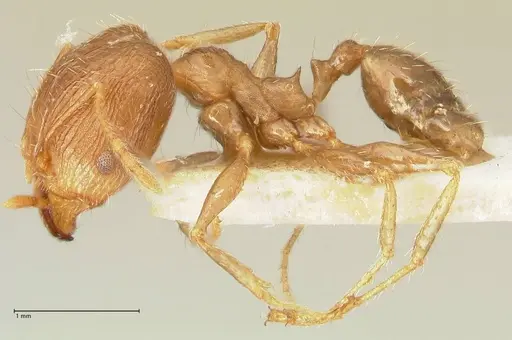
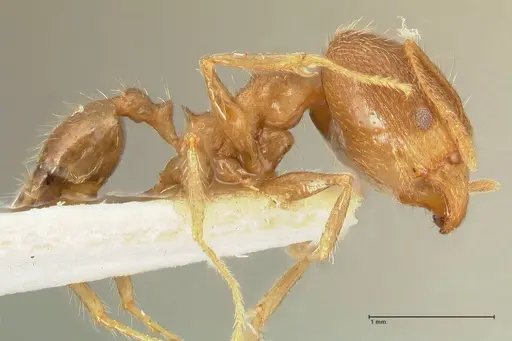
FOCOL1336
View on AntWeb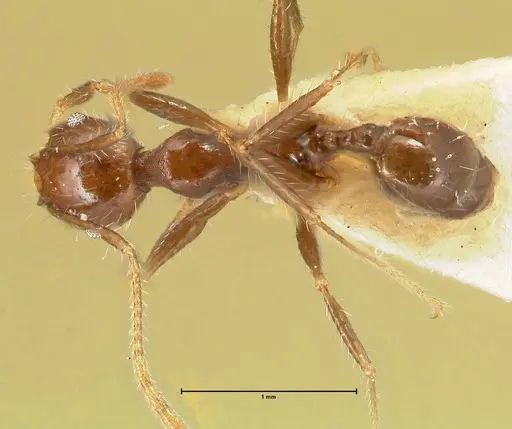
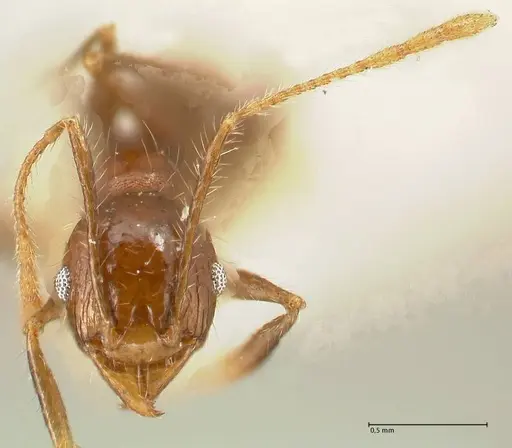
FOCOL1337
View on AntWeb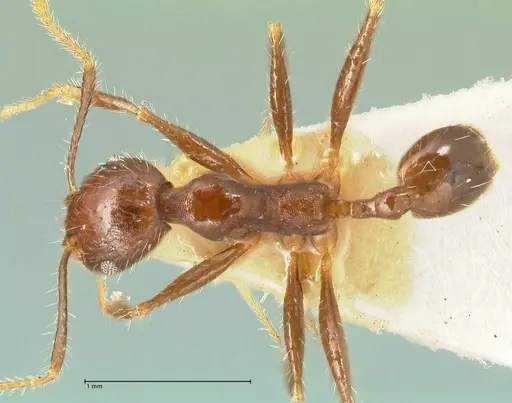
Literature
Loading distribution map...Loading products...