
Pheidole astur
- Sci. Name
- Pheidole astur
- Tribe
- Attini
- Subfamily
- Myrmicinae
- Author
- Wilson, 2003
- Distribution
- Found in 6 countries
Introduction
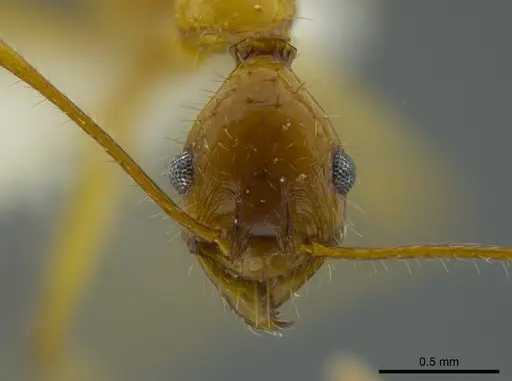
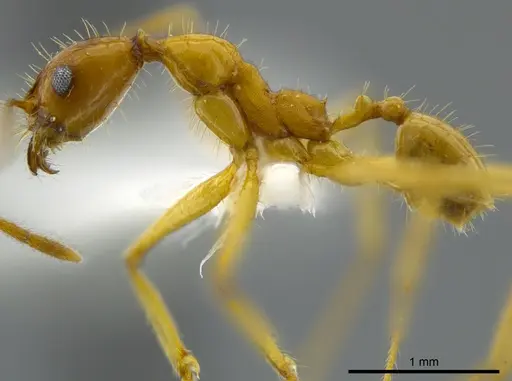
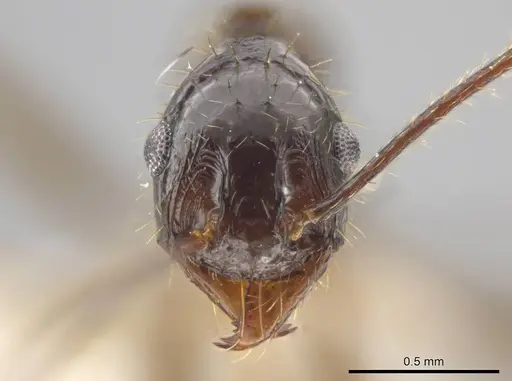
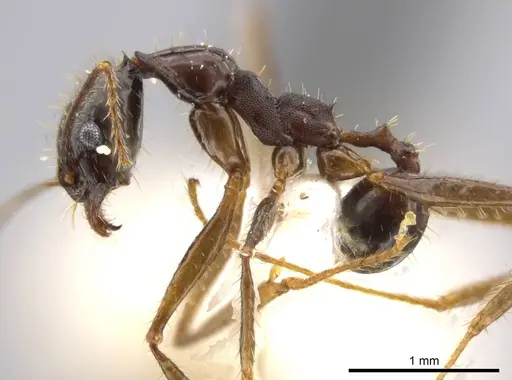
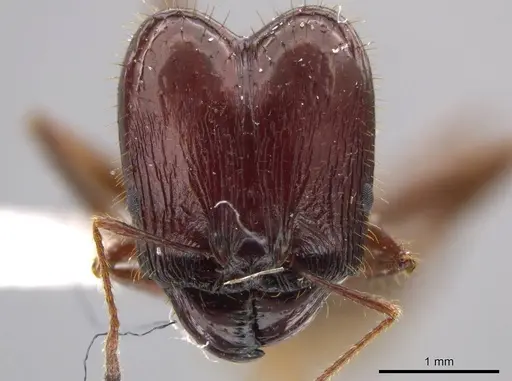
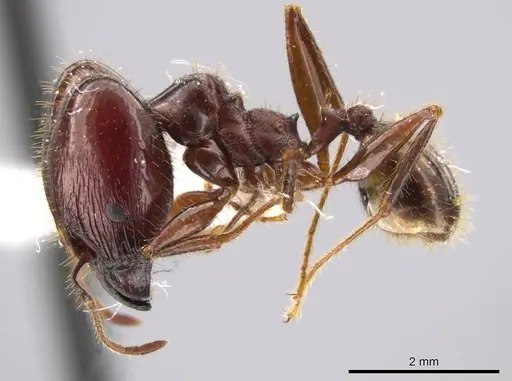
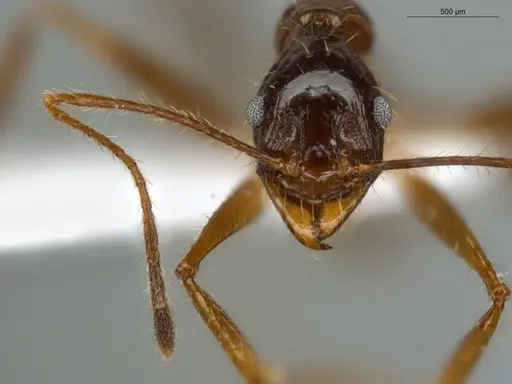
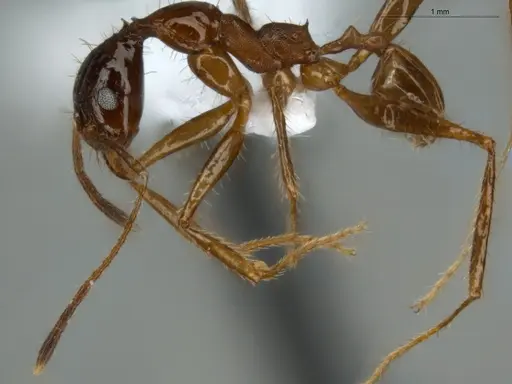
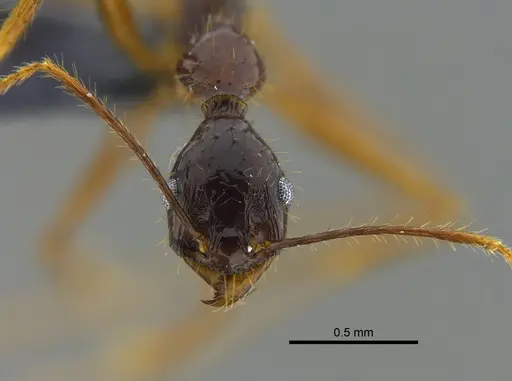
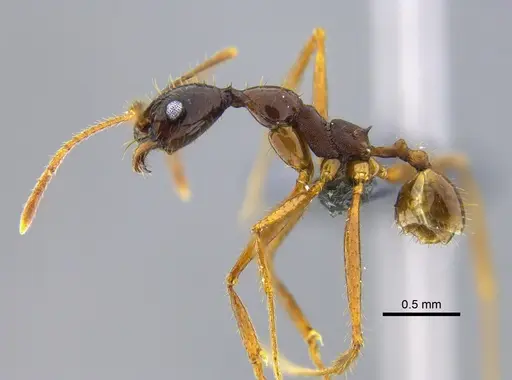
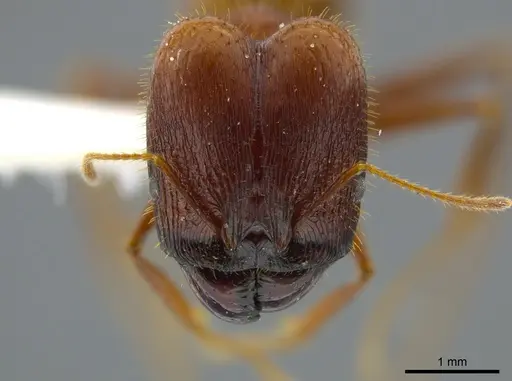
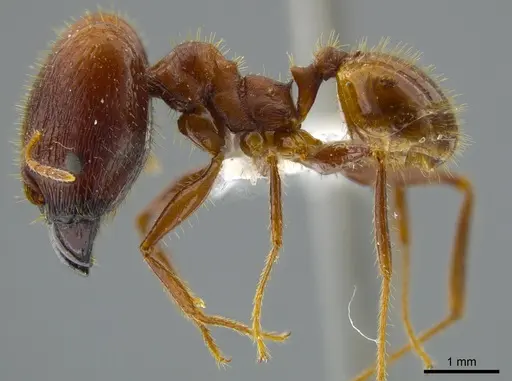
Pheidole astur is a large ant species native to the lowland rainforests of South America, found across the Amazon basin from Peru to French Guiana. Colonies nest in soil in terra firme forest, with minor workers foraging on the surface and through leaf litter . The species is flood-intolerant, living only in never-flooded forest areas . This species belongs to the fallax group, known for having giant major workers among the largest in the Pheidole genus. Major workers have reddish-brown coloration, while minors are uniform yellow .
Quick Summary
- Difficulty: Medium
- Origin & Habitat: Lowland rainforest of the Amazon basin in South America, found in Peru, Ecuador, Bolivia, Colombia, French Guiana, Suriname, Guyana, and Brazil. Colonies nest in soil in terra firme forest [1][2].
- Colony Type: Colony structure is unconfirmed, Pheidole species are typically single-queen (monogyne) colonies, but this has not been specifically documented for Pheidole astur.
- Size & Growth:
- Queen: Size data unavailable, no total length measurements are provided in the research context.
- Worker: Based on Pheidole genus patterns, worker body length is approximately 1-3 mm [3].
- Colony: Unknown for this specific species.
- Growth: Moderate, inferred from typical Pheidole development patterns.
- Development: Estimated 6-10 weeks based on tropical conditions. (Development time is estimated as this species has not been specifically studied. Tropical temperature ranges likely accelerate development.)
- Antkeeping:
- Temperature: Keep warm, roughly 24-28°C, based on tropical rainforest habitat.
- Humidity: Keep the nest substrate consistently moist but not waterlogged, as this species is flood-intolerant [2]. Provide a water source via test tube setup.
- Diapause: No diapause required, as a tropical species, Pheidole astur does not require hibernation.
- Nesting: Ground-nesting species that naturally excavates chambers in soil. In captivity, a Y-tong (AAC) nest or plaster nest works well. Provide soil or a soil-like substrate [1][2].
- Behavior: Pheidole astur is a ground-dwelling species that forages primarily on soil surfaces and through leaf litter. Minor workers do most of the foraging, while majors stay near the nest [2]. They have a small foraging range and low recruitment behavior. The species is not particularly aggressive but will defend the nest if threatened. Escape risk is moderate due to small minor workers [2].
- Common Issues: humidity control is critical, being a rainforest species, dry conditions will stress the colony., flood sensitivity, never allow water to accumulate in the nest, but keep substrate consistently moist., slow founding stage, claustral founding queens may take months to produce first workers, patience is essential., tiny minor workers can escape through standard test tube barriers, use fine mesh and fluon.
Nest Preferences and Housing
Pheidole astur is a ground-nesting species that naturally excavates chambers in soil. In captivity, you have several good options. For founding colonies, a standard test tube setup works well, fill one end with water trapped behind a cotton ball, and place the queen in the dark portion. The queen will seal herself in and raise her first brood in the chamber. For established colonies, a Y-tong (AAC) nest or plaster formicarium with soil chambers works excellently. The key is providing a diggable substrate, these ants naturally excavate, so giving them soil or a soil-like medium satisfies their nesting instincts. Avoid completely artificial nests without substrate. Keep the nest humid but ensure no standing water accumulates, this species is flood-sensitive [1][2].
Feeding and Diet
Like most Pheidole species, Pheidole astur is omnivorous with a preference for protein. In their natural habitat, minor workers forage through leaf litter searching for small arthropods, seeds, and other organic matter. In captivity, offer protein sources like small insects (fruit flies, small crickets, mealworms) regularly, twice weekly is a good starting point. They will also accept sugar sources like honey water or sugar water, though protein is more important for colony growth. Minor workers do most of the foraging, so place food where they can easily access it. Remove uneaten food after 24-48 hours to prevent mold. The species has been occasionally recorded collecting seeds in the wild, so seed offerings may be accepted [4][2].
Temperature and Seasonal Care
As a tropical rainforest species from the Amazon basin, Pheidole astur requires warm, stable temperatures. Aim for 24-28°C in the nest area. You can achieve this with a heating cable placed on top of the nest (never under it, as that causes excessive drying). Room temperature may be sufficient if your home is naturally in this range, but monitor with a thermometer. This species does not require hibernation or diapause, maintain year-round warm conditions. Activity may slow slightly during cooler periods, but they should remain active throughout the year. Avoid temperature fluctuations and cold drafts. The species is flood-intolerant (found only in terra firme forest), so ensure excellent drainage and never overwater [2].
Understanding Major and Minor Workers
One of the key aspects of Pheidole astur is the dramatic size difference between castes. Minor workers are very small, while major workers are among the largest in the entire Pheidole genus. This species is part of the fallax group, known for having giant majors covered in short bristly hairs. Despite their impressive size, major workers rarely participate in foraging, studies show less than 1% of foragers at baits were majors [2]. The majors serve primarily as soldiers and nest defenders, while minors handle all the day-to-day foraging and colony maintenance. When you see a major, it will typically be near the nest or defending resources. This is normal behavior and not a sign of problems. The majors' large heads are equipped with powerful mandibles for defense [3].
Colony Development and Growth
Pheidole colonies start with a single queen who seals herself in a chamber and raises her first brood entirely on stored fat reserves. The first workers (nanitics) will be smaller than normal workers, this is normal as the queen has limited resources. After the first workers emerge, the colony enters a growth phase. The development time from egg to worker is estimated at 6-10 weeks based on typical Pheidole patterns in tropical conditions. Once established, colonies grow moderately, not as fast as some tropical ants but steady. Pheidole astur colonies likely reach several thousand workers at maturity based on related species. Growth is faster in warmer conditions within their preferred range. Be patient during founding, it can take several months before you see your first workers, and the colony may seem dormant during this time. This is normal.
Behavior and Foraging
Pheidole astur is a ground-dwelling species that forages primarily on soil surfaces and through leaf litter. Unlike some aggressive Pheidole species, this one shows low dominance at food baits and has a small foraging range [2]. Minor workers do virtually all the foraging work, while majors stay near the nest. They use simple individual foraging rather than the mass recruitment some other ant species display. When you feed your colony, you may notice minors discovering food first, then slowly recruiting nestmates. This is normal and reflects their low recruitment behavior. The species is not particularly aggressive toward keepers but will defend the nest if disturbed. Major workers have powerful mandibles and can deliver a nippy bite if handled roughly. Overall, this is a calm species to observe [2].
Frequently Asked Questions
How long does it take for Pheidole astur queens to produce first workers?
Development time is estimated at 6-10 weeks from egg to first worker based on typical Pheidole patterns in tropical conditions. However, founding can take several months total as the queen needs time to lay eggs after establishing her chamber. Patience is essential, do not disturb the queen during claustral founding.
What should I feed my Pheidole astur colony?
Offer protein sources like small insects (fruit flies, small crickets, mealworms) twice weekly. They will also accept sugar water or honey water. Remove uneaten food after 24-48 hours to prevent mold. Protein is more important than sugar for colony growth [4][2].
What temperature do Pheidole astur ants need?
Keep the nest at 24-28°C. This is a tropical rainforest species that thrives in warm, stable conditions. A heating cable on top of the nest can help maintain warmth if your room temperature is lower.
Can I keep multiple Pheidole astur queens together?
Pheidole species are typically single-queen (monogyne) colonies. Combining unrelated queens has not been documented for this species and is not recommended. A single queen will establish a healthy colony on her own.
Why don't major workers of Pheidole astur forage?
This is normal behavior for the species. Studies show less than 1% of foragers at baits were majors [2]. Major workers serve primarily as soldiers and nest defenders, while minor workers handle all foraging and colony maintenance. This is characteristic of the fallax group that Pheidole astur belongs to.
Do Pheidole astur ants need hibernation?
No, this is a tropical species from the Amazon rainforest. They do not require hibernation or diapause. Maintain year-round warm conditions at 24-28°C. Activity may slow slightly during cooler periods, but they should remain active throughout the year.
What size do Pheidole astur colonies reach?
Colony size is not specifically documented for this species, but based on related Pheidole and its abundance in Amazonian ecosystems, colonies likely reach several thousand workers at maturity.
What makes Pheidole astur majors special?
Pheidole astur belongs to the fallax group, a complex of Pheidole species known for having giant major workers among the largest in the entire genus. Major workers are large, while minors are very small. The majors have distinctive reddish-brown coloration and short bristly hairs [3].
Are Pheidole astur ants good for beginners?
This species is rated as Medium difficulty. While not the hardest species, it does require attention to humidity and temperature. The main challenge is patience during founding, claustral queens can take months to produce first workers. Experienced antkeepers will have more success with this species.
Where is Pheidole astur found in the wild?
Pheidole astur is found across the Amazon basin in South America: Peru (type locality), Ecuador, Bolivia, Colombia, French Guiana, Suriname, Guyana, and Brazil. They live in lowland rainforest terra firme (never-flooded) forest, nesting in soil [1][2].
Why are my Pheidole astur ants dying?
Common causes include: dry conditions (rainforest species need high humidity), flooding/water accumulation (they are flood-intolerant), temperatures too cold (need 24-28°C), or disturbance during claustral founding. Check your setup and ensure consistent warmth and humidity without overwatering [2].
Report an Issue
The current care sheet is based fully on literature. See inconsistencies, or something that's incorrect? Please , it will be resolved after review from an admin. Contributing to the blogs tab also helps providing information, to make us be able to further improve the caresheets. Thank you for your support!
References

This caresheet is licensed under CC BY-SA 4.0 .
Community Blogs
CASENT0625434
View on AntWeb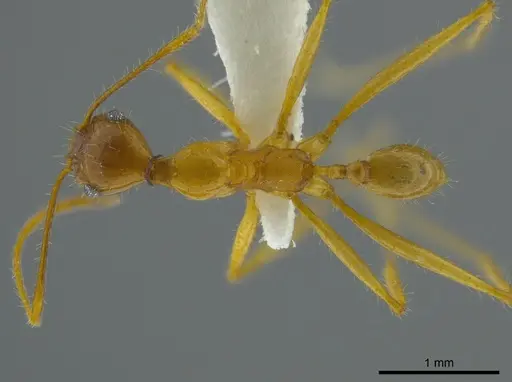
CASENT0639450
View on AntWeb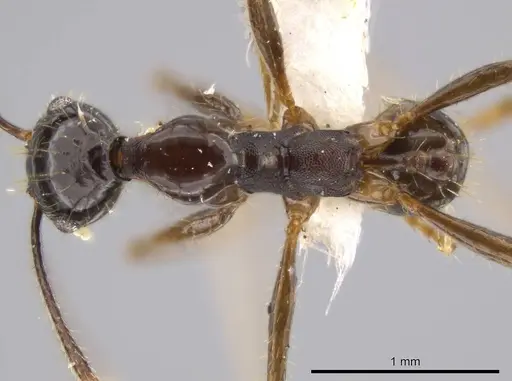
CASENT0639451
View on AntWeb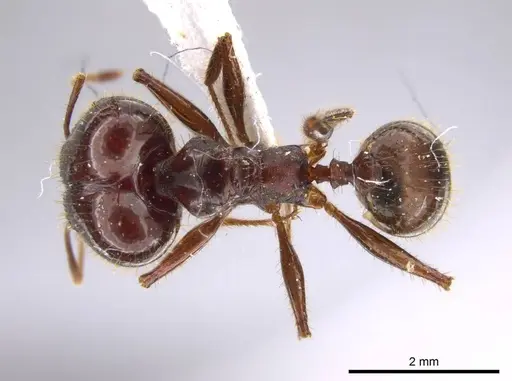
ECOFOG-MI15-0146-17
View on AntWeb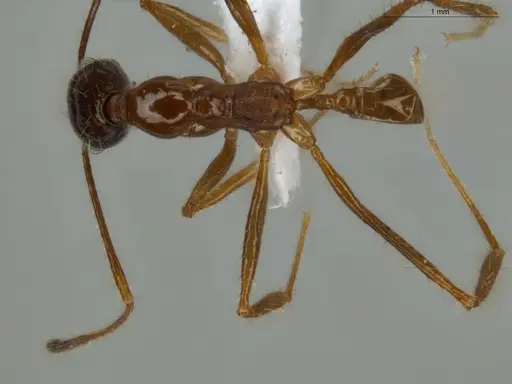
IAVH-E-222602
View on AntWeb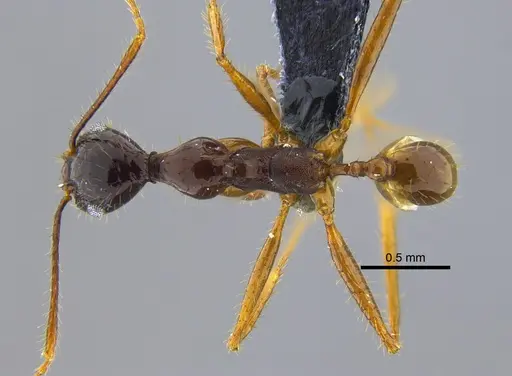
JTLC000016324
View on AntWeb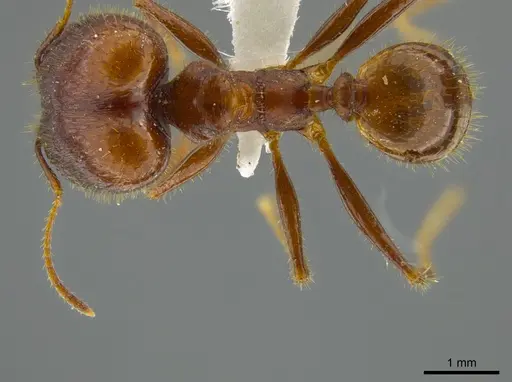
Literature
Loading distribution map...Loading products...