
Pheidole asperithorax
- Sci. Name
- Pheidole asperithorax
- Tribe
- Attini
- Subfamily
- Myrmicinae
- Author
- Emery, 1894
- Distribution
- Found in 3 countries
Introduction
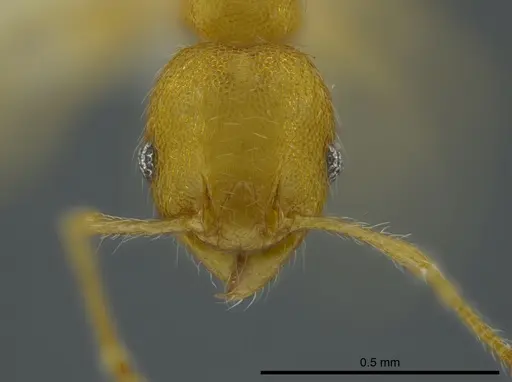
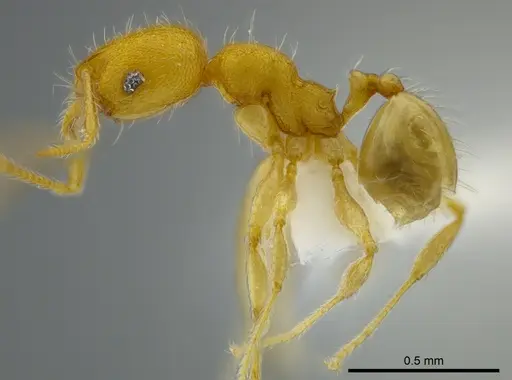
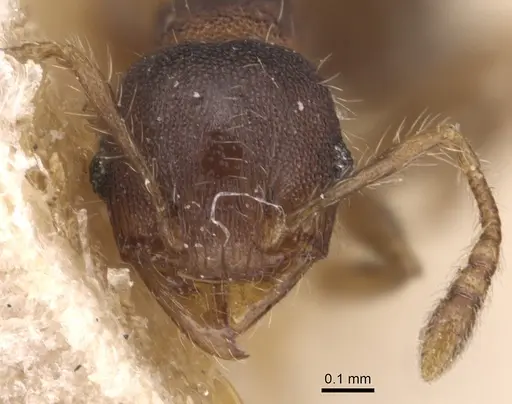
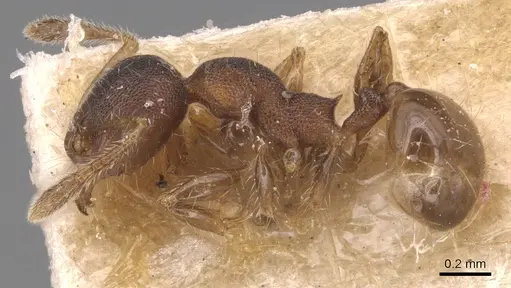
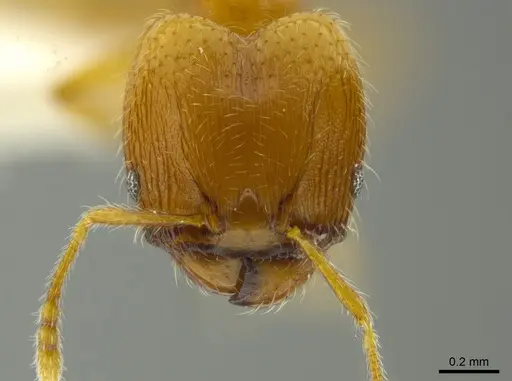
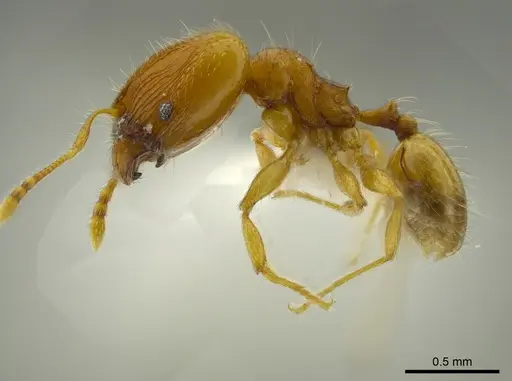
Pheidole asperithorax is a small Neotropical ant species in the Myrmicinae subfamily. It is found in the Amazon basin, including Bolivia, Brazil, French Guiana, and Peru . The species inhabits rainforest environments, nesting in rotten logs, under bark, and in bromeliads . A notable aspect is their arboreal nesting behavior, often in bromeliads, which distinguishes them from many ground-nesting Pheidole species .
Quick Summary
- Difficulty: Medium
- Origin & Habitat: Amazon basin in South America, including Peru [1], Colombia [3], and other countries [2]. They inhabit terra firme and seasonally flooded rainforest, nesting in rotting wood and bromeliads [2].
- Colony Type: Unconfirmed, no specific data on queen number for this species.
- Size & Growth:
- Queen: Size data unavailable, inferred from Pheidole genus that queens are typically 5-7mm long.
- Worker: Size data unavailable, minor and major workers are small, but exact body length not measured.
- Colony: Unknown for this species.
- Growth: Moderate, inferred from related Pheidole species.
- Development: Estimated 6-8 weeks at optimal temperatures, inferred from genus patterns. (Development time is inferred, no direct measurements available for this species.)
- Antkeeping:
- Temperature: Keep at 24-28°C, mimicking tropical conditions, inferred from habitat [2].
- Humidity: Keep nest substrate consistently moist but not waterlogged, inferred from rainforest habitat [2].
- Diapause: No, tropical species do not require hibernation [2].
- Nesting: Prefers wood-based nests such as cork or Y-tong with wooden inserts, from AntWiki observations [2].
- Behavior: Typical Pheidole behavior: majors defend the nest with strong mandibles, minors handle foraging and brood care. Not aggressive towards keepers, but minors are small and can escape through gaps [2].
- Common Issues: tropical species requires consistent warmth, cold can stress or kill colonies., arboreal nesting means they need wood-based materials, plain acrylic may not be accepted., small workers can escape if nest gaps are not sealed., wild-caught colonies may have parasites., slow founding phase, queens may take time to lay eggs.
Nest Preferences and Housing
Pheidole asperithorax naturally nests in rotting wood, under bark, and in bromeliads [2]. In captivity, they do best with wood-based nesting options such as cork nests or Y-tong nests with wooden inserts [2]. Avoid plain acrylic nests, as these ants prefer woody materials [2]. The nest should be kept humid but not wet, with condensation visible but no standing water.
Feeding and Diet
As members of the tribe Attini, Pheidole asperithorax are likely omnivorous with a preference for protein-rich foods. In captivity, offer small live insects, protein paste or gel, and sugar sources like honey water [2]. Feed protein 2-3 times per week and keep sugar water available at all times.
Temperature and Humidity Requirements
Being a tropical Amazon species, Pheidole asperithorax requires warm conditions year-round. Maintain temperatures between 24-28°C with minimal fluctuation [2]. Humidity should be moderate to high, keep the nest substrate consistently moist but not saturated [2].
Behavior and Colony Structure
Pheidole asperithorax exhibits the typical Pheidole caste system with distinct major and minor workers. Major workers defend the colony, while minors handle daily tasks [2]. Colonies are likely monogyne, but this is unconfirmed for this species.
Growth and Development
Development from egg to worker takes approximately 6-8 weeks at optimal tropical temperatures, based on patterns in related Pheidole species [2]. Colony growth is moderate, with no specific data on size for this species.
Frequently Asked Questions
How long does it take for Pheidole asperithorax to produce first workers?
First workers typically emerge 6-8 weeks after the queen lays eggs, assuming optimal temperatures around 26-28°C. This timeline is inferred from related Pheidole species, as specific development data for P. asperithorax is not available [2].
What do Pheidole asperithorax ants eat?
They are omnivorous with a protein focus. Offer small live insects, protein paste or gel, and sugar sources like honey water [2]. Feed protein 2-3 times weekly with sugar water always available.
Can I keep multiple Pheidole asperithorax queens together?
Not recommended, as this species is likely monogyne, but queen number is unconfirmed. Combining unrelated queens typically results in fighting [2].
What temperature do Pheidole asperithorax need?
Keep them at 24-28°C (75-82°F). As a tropical species, they require consistent warmth year-round [2].
Do they need hibernation or diapause?
No. As a tropical species from the Amazon basin, they do not require hibernation or winter cooling [2].
What type of nest is best for Pheidole asperithorax?
They prefer wood-based nesting materials such as cork nests or Y-tong nests with wooden inserts [2]. Plain acrylic nests are often rejected.
Are Pheidole asperithorax good for beginners?
They are moderate difficulty, not the easiest but not challenging. The main requirements are maintaining warm, humid conditions and providing appropriate wood-based nesting [2].
How big do Pheidole asperithorax colonies get?
Colony size is not specifically documented, but growth is moderate. No exact numbers are available for this species [2].
Why are my Pheidole asperithorax dying?
Common causes include temperatures below 22°C, nest too dry or too wet, using inappropriate nest materials, or stress from disturbance. Ensure consistent warmth and appropriate humidity [2].
Report an Issue
The current care sheet is based fully on literature. See inconsistencies, or something that's incorrect? Please , it will be resolved after review from an admin. Contributing to the blogs tab also helps providing information, to make us be able to further improve the caresheets. Thank you for your support!
References

This caresheet is licensed under CC BY-SA 4.0 .
Community Blogs
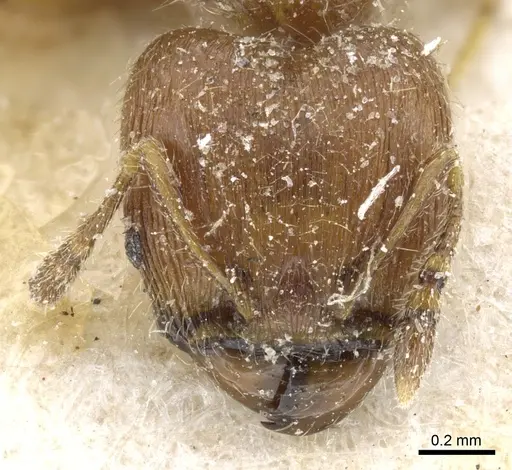
CASENT0625433
View on AntWeb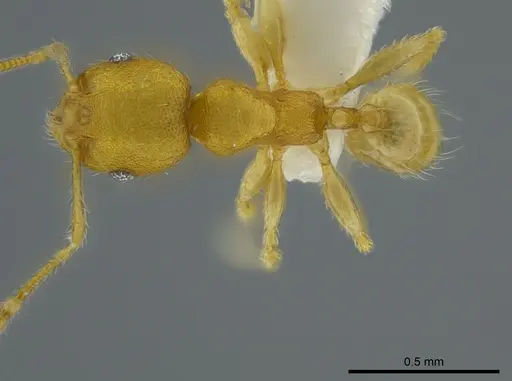
CASENT0904404
View on AntWeb
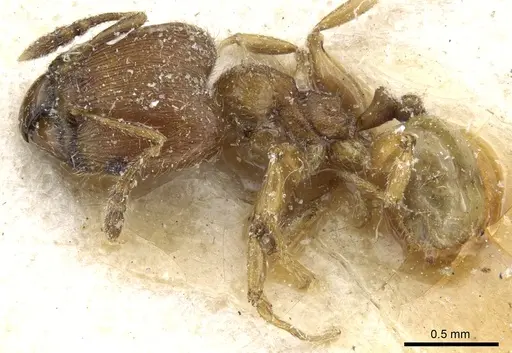
CASENT0904405
View on AntWeb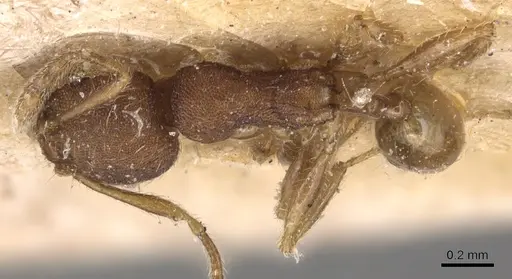
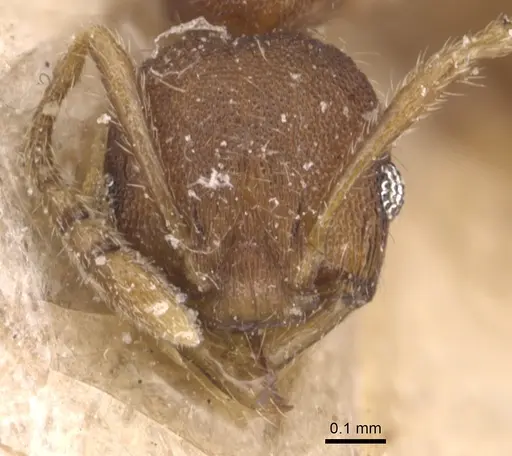
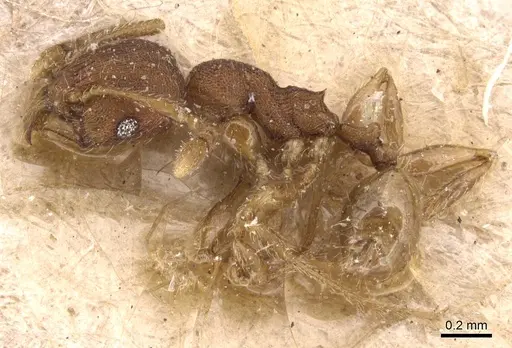
CASENT0904406
View on AntWeb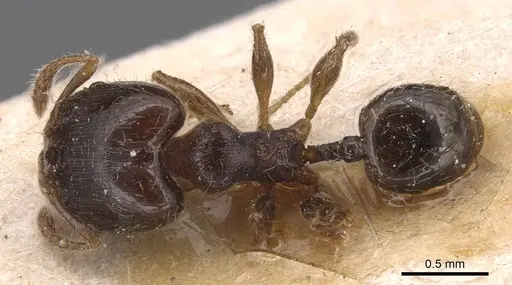
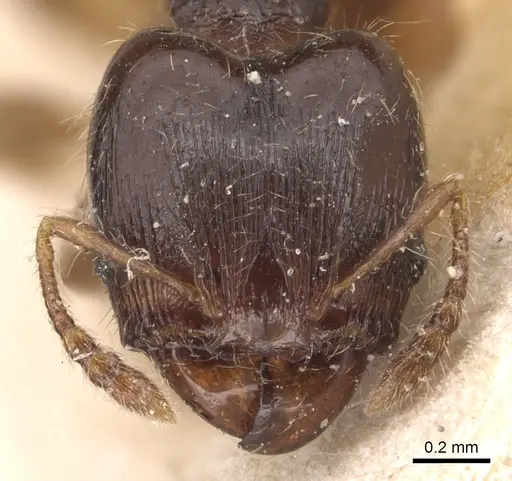
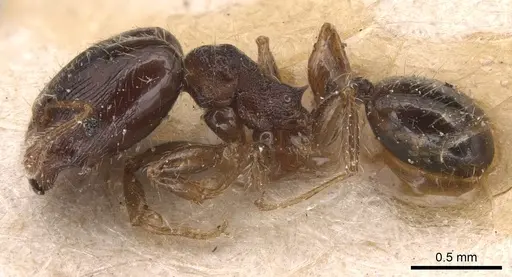
CASENT0904407
View on AntWeb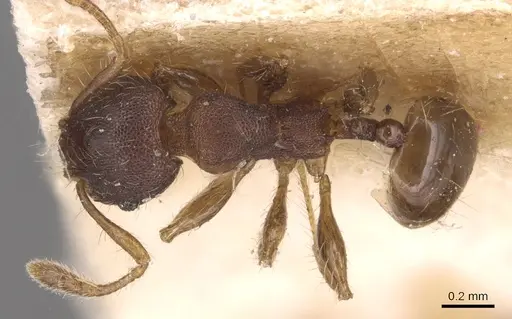
CASENT0908263
View on AntWeb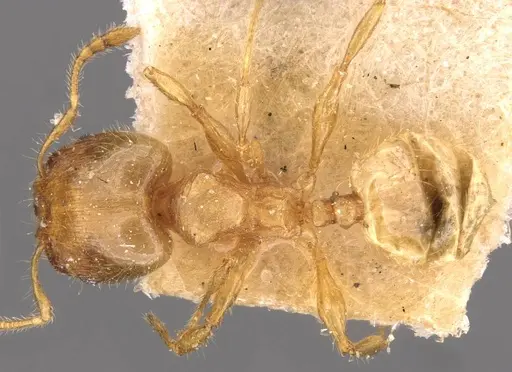
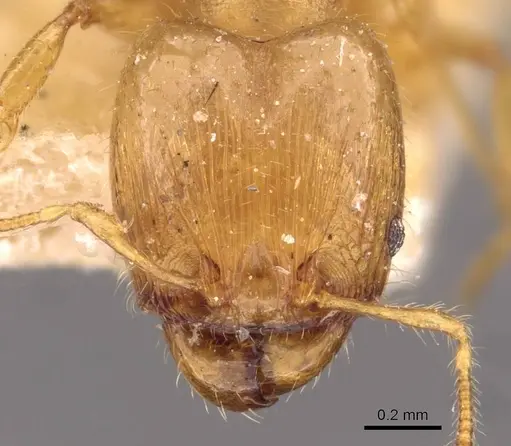
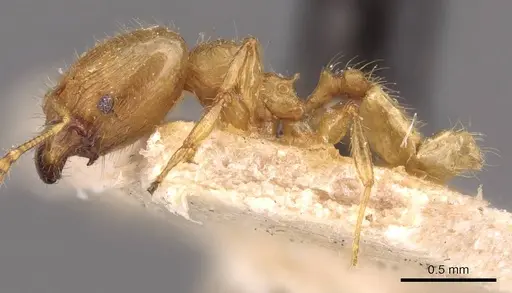
CASENT0908264
View on AntWeb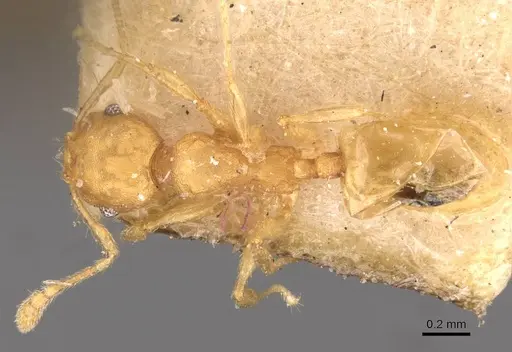
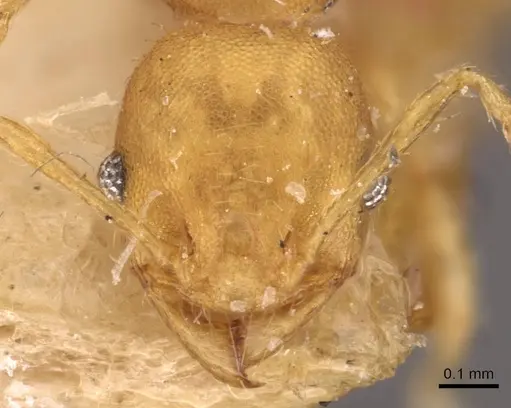
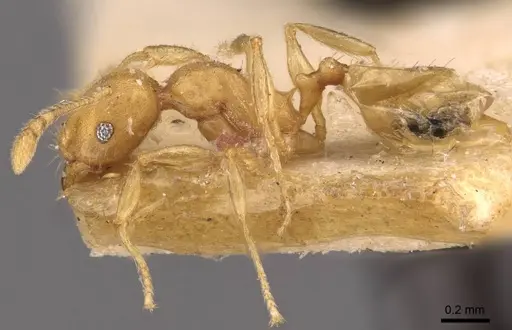
ECOFOG-CSG15-0064-09
View on AntWeb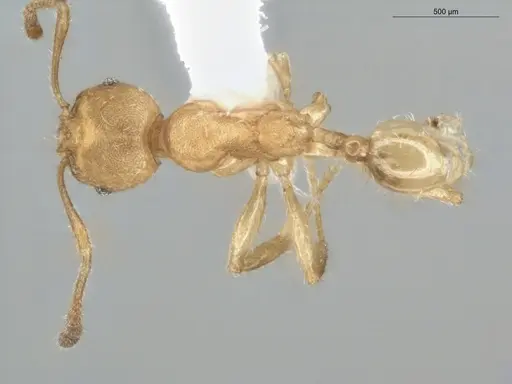
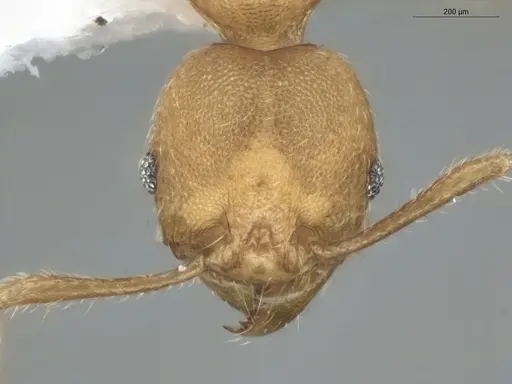
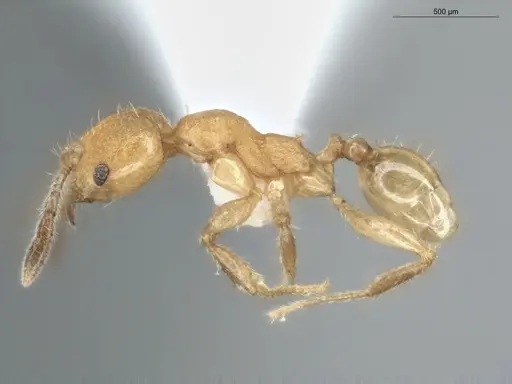
JTLC000016323
View on AntWeb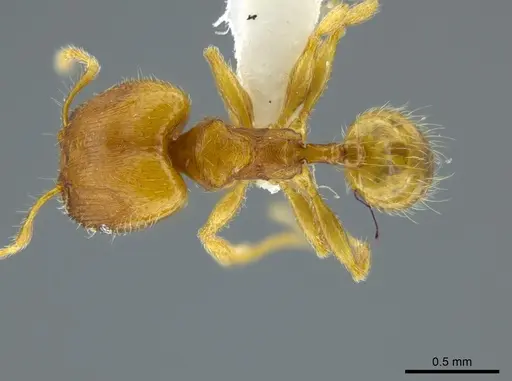
Literature
Loading distribution map...Loading products...