
Pheidole arnoldi
- Sci. Name
- Pheidole arnoldi
- Tribe
- Attini
- Subfamily
- Myrmicinae
- Author
- Forel, 1913
- Distribution
- Found in 1 countries
Introduction
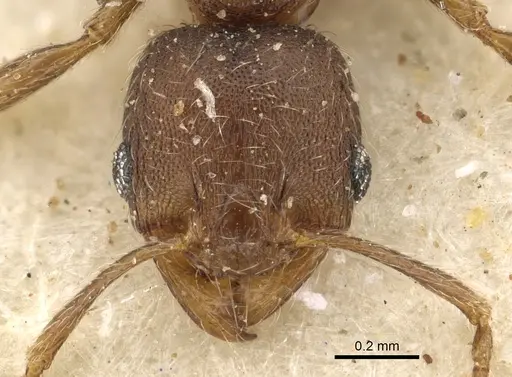
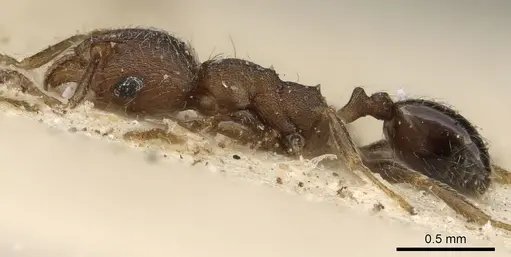
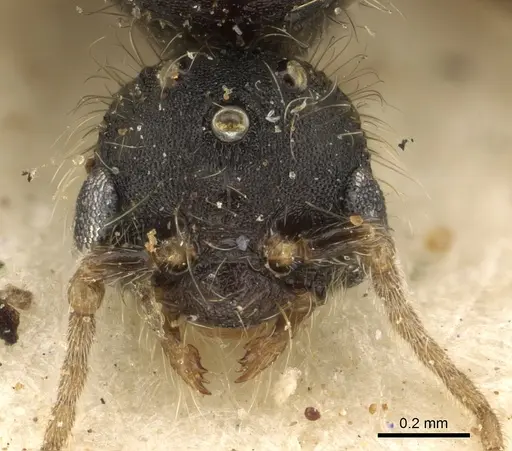
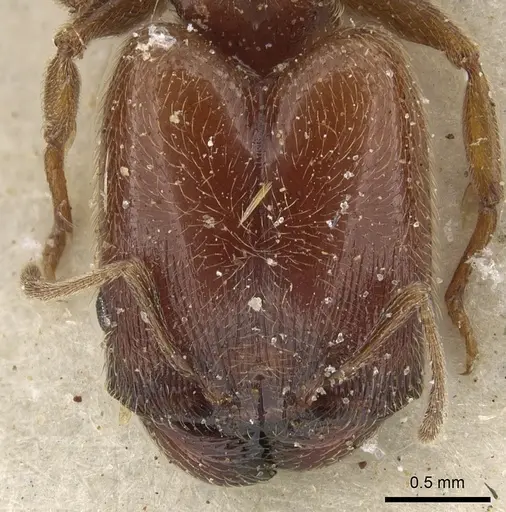
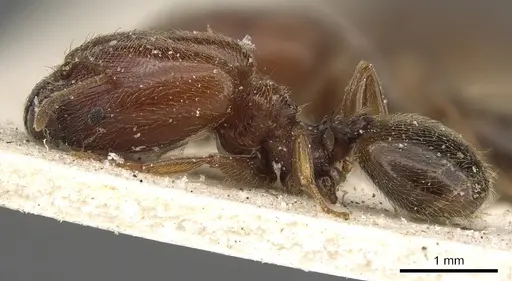
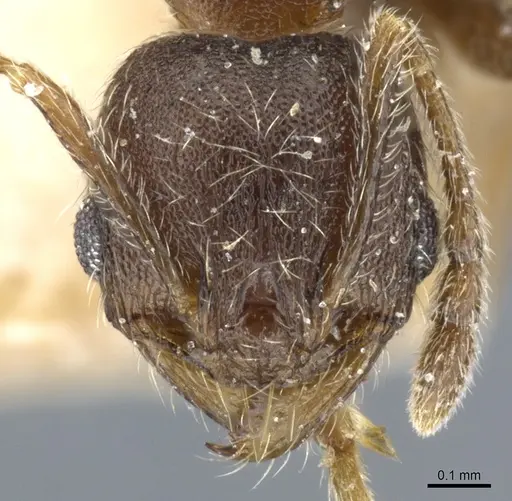
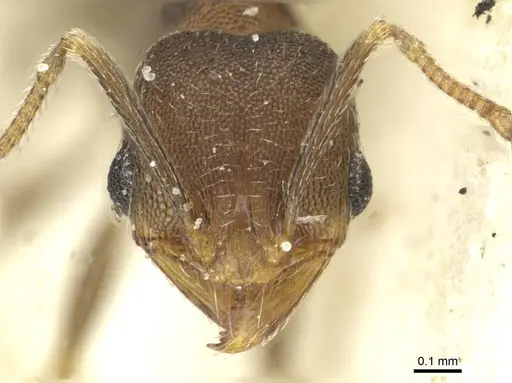
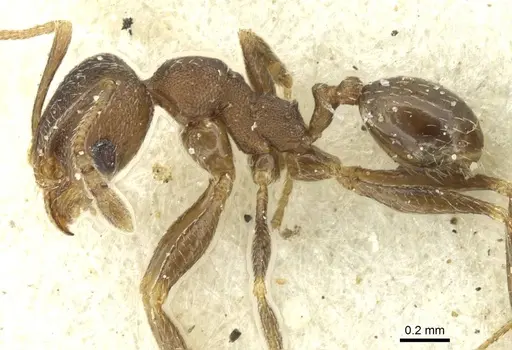
Pheidole arnoldi is a small ant species native to Zimbabwe, Africa, with type locality in Sipapoma . Like all Pheidole species, it exhibits polymorphism with major workers having oversized heads and minor workers handling foraging tasks. The species was originally described as Pheidole rufescens before being renamed due to a naming conflict and is included in phylogenetic studies on worker caste evolution . Body size data is not available from the research; inferred sizes from the Pheidole genus suggest minor workers around 2-3 mm and major workers around 4-5 mm, but this is not confirmed. The most notable aspect of this species is its taxonomic history and role in scientific studies, highlighting the dynamic nature of ant classification and evolution.
Quick Summary
- Difficulty: Easy
- Origin & Habitat: Zimbabwe, Africa, specifically recorded from Sipapoma in southern Zimbabwe [1]. Inhabits subtropical savanna and woodland habitats.
- Colony Type: Based on Pheidole patterns, likely monogyne (single queen colonies).
- Size & Growth:
- Queen: Size data unavailable, inferred from Pheidole genus ~7-8 mm
- Worker: Size data unavailable, inferred from Pheidole genus: minor workers ~2-3 mm, major workers ~4-5 mm
- Colony: Up to several hundred workers (inferred from Pheidole genus)
- Growth: Moderate (inferred)
- Development: 6-10 weeks (inferred from typical Pheidole development) (Development time is temperature-dependent, faster in warmer conditions.)
- Antkeeping:
- Temperature: Keep nest area at 24-28°C. A heating cable on one side creates a gradient for self-regulation [3].
- Humidity: Keep nest substrate consistently moist but not waterlogged, with a humidity gradient [3].
- Diapause: Yes, a mild winter rest period is recommended. Reduce temperature to 15-18°C for 8-12 weeks during winter [3].
- Nesting: Test tubes work well for founding colonies. Once established, move to Y-tong or plaster nests with small chambers [3].
- Behavior: Pheidole arnoldi is docile and not persistently aggressive. Major workers defend the colony with bites, they possess a stinger but it is less medically significant to humans, as typical for Myrmicinae. Escape risk is low due to small size, but standard precautions are needed [3].
- Common Issues: colonies may stall if temperatures drop below 18°C for extended periods., major workers can get stuck in narrow connections, use appropriately sized connectors., overfeeding can lead to mold in nest setups, remove uneaten food promptly., test tube water reservoirs can flood if filled too full, leave adequate air space., wild-caught colonies may contain parasites that affect captive survival.
Housing and Nest Setup
For founding colonies, use a test tube setup: fill one-third with water, plug with cotton, and place the queen inside. The cotton creates a humid chamber. Cover the tube with a dark cloth during founding, queens prefer dark, quiet conditions. Once workers emerge, offer food near the entrance. When the colony reaches 50-100 workers, move to a formicarium like Y-tong or plaster nests, which provide humidity control and visibility. Ensure chambers are appropriately sized for Pheidole preference for snug spaces [3].
Feeding and Diet
Pheidole arnoldi is omnivorous with a preference for seeds and protein. Offer small seeds like millet or sesame constantly. Provide protein sources like fruit flies or mealworms twice weekly. Sugars like honey water can be offered occasionally. Remove uneaten food within 24-48 hours to prevent mold [3].
Temperature and Seasonal Care
As a subtropical species, keep nest area at 24-28°C for optimal growth. Use a heating cable to create a gradient. In winter, reduce temperature to 15-18°C for 8-12 weeks for diapause, mimicking natural cycles. During diapause, keep water available but reduce feeding [3].
Colony Development and Growth
Queens likely seal themselves in during claustral founding, laying eggs and feeding brood through stored reserves. First workers (nanitics) are smaller but help immediately. Growth is moderate, major workers appear when colony reaches 30-50 workers. Colony size peaks at several hundred workers [3].
Behavior and Observation
Minor workers handle foraging and brood care, while majors defend and process seeds. When disturbed, majors raise heads defensively but quickly settle. Foraging peaks in evening, with visible trails to food sources. This division of labor is observable in captivity [3].
Frequently Asked Questions
How long does it take for Pheidole arnoldi to produce first workers?
Expect 6-10 weeks from egg to first worker at optimal temperature, inferred from typical Pheidole development [3].
What do Pheidole arnoldi ants eat?
They are omnivorous, preferring seeds and protein. Offer small seeds and insects like fruit flies twice weekly [3].
Can I keep multiple Pheidole arnoldi queens together?
This species is likely monogyne, so only keep one queen per colony to avoid fights [3].
What temperature do Pheidole arnoldi need?
Keep nest area at 24-28°C with a gradient, avoid below 18°C for extended periods [3].
Do Pheidole arnoldi need hibernation?
Yes, a mild winter rest at 15-18°C for 8-12 weeks is recommended [3].
When should I move my colony to a formicarium?
Move once the colony reaches 50-100 workers, using Y-tong or plaster nests [3].
Are Pheidole arnoldi good for beginners?
Yes, they are docile and have straightforward care requirements [3].
How big do Pheidole arnoldi colonies get?
Colonies typically reach up to several hundred workers [3].
Why are my Pheidole arnoldi dying?
Common causes include low temperatures, mold from overfeeding, or parasites from wild-caught colonies. Ensure proper care [3].
Report an Issue
The current care sheet is based fully on literature. See inconsistencies, or something that's incorrect? Please , it will be resolved after review from an admin. Contributing to the blogs tab also helps providing information, to make us be able to further improve the caresheets. Thank you for your support!
References

This caresheet is licensed under CC BY-SA 4.0 .
Community Blogs
CASENT0901284
View on AntWeb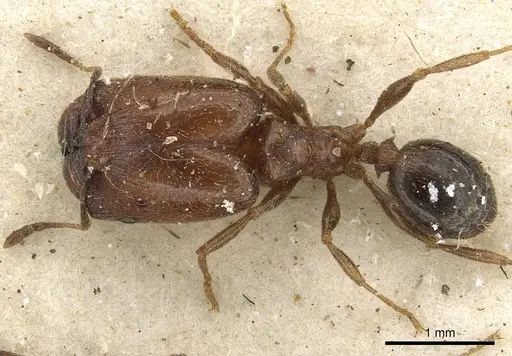
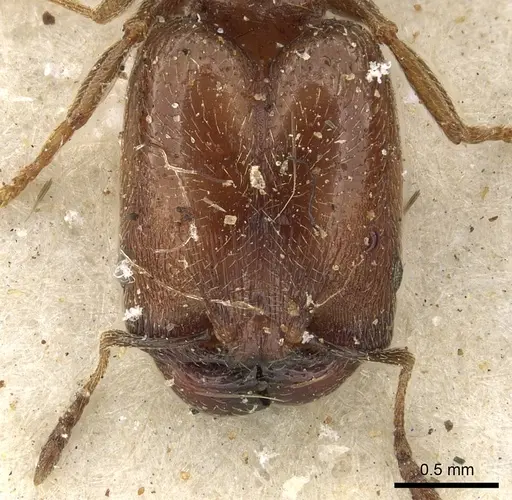
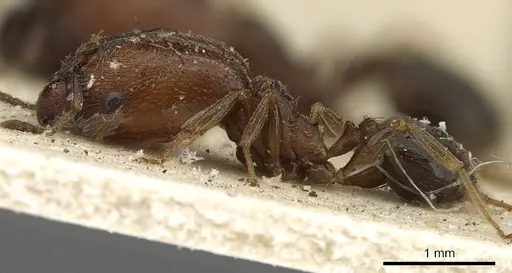
CASENT0901285
View on AntWeb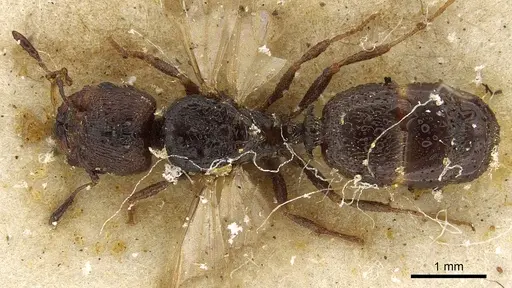
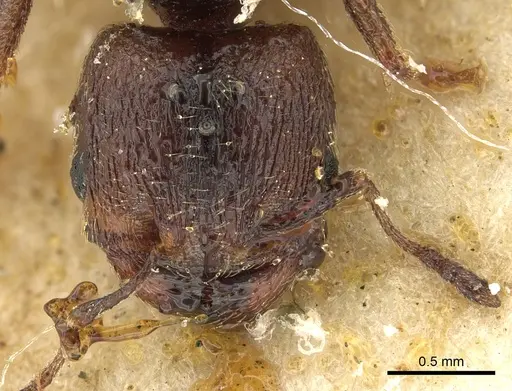
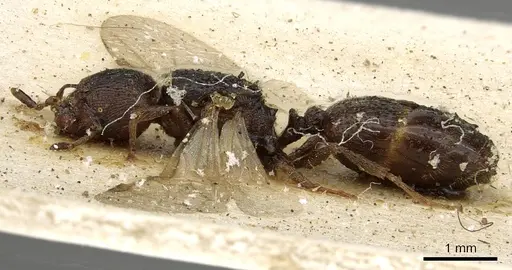
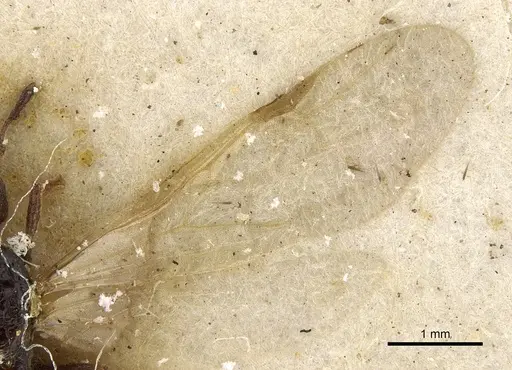
CASENT0901286
View on AntWeb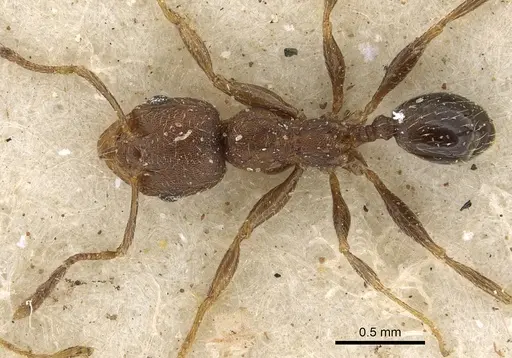
CASENT0901287
View on AntWeb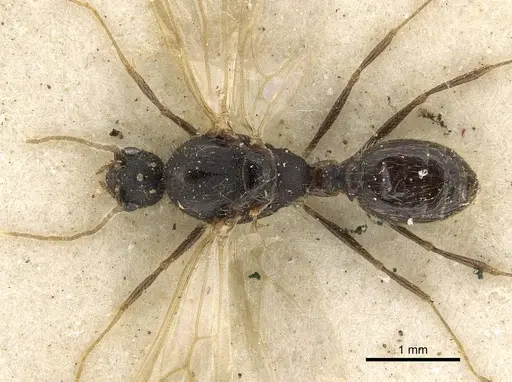
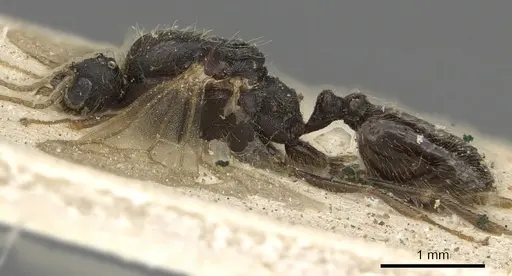
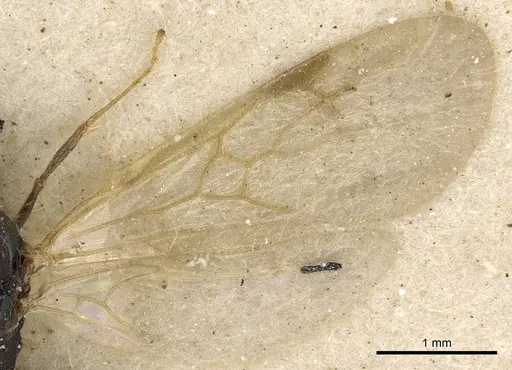
CASENT0901288
View on AntWeb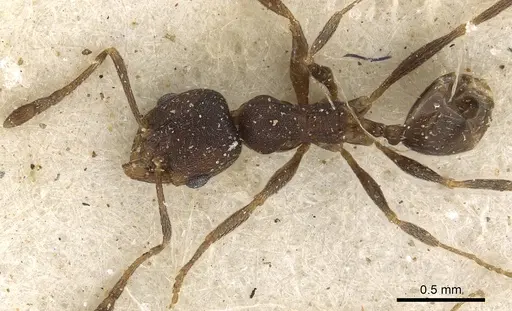
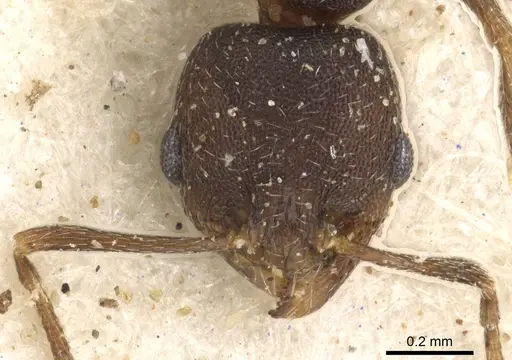
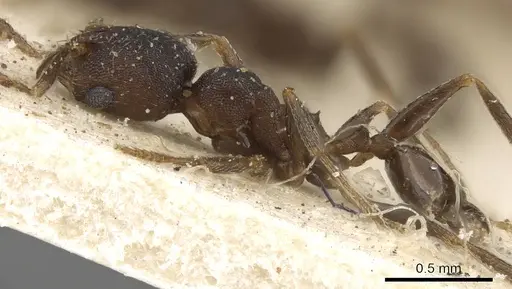
CASENT0901289
View on AntWeb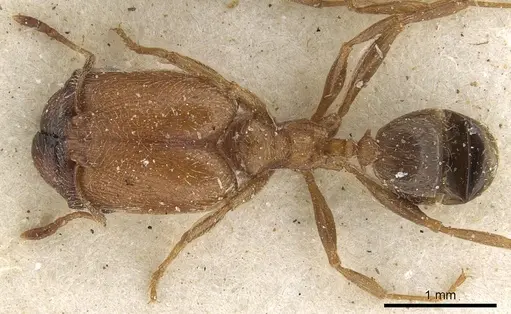
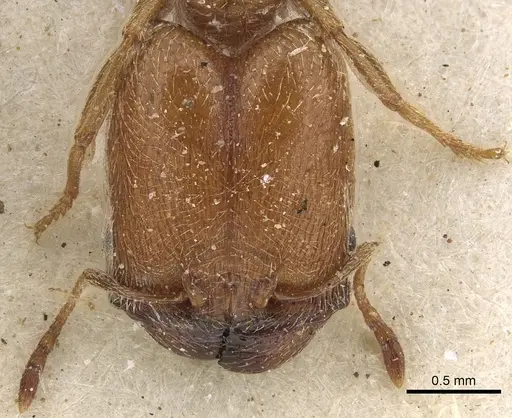
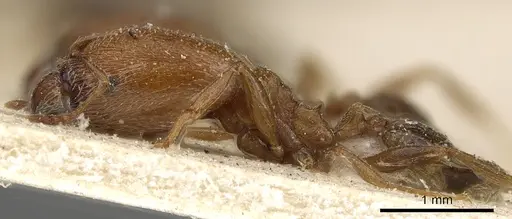
CASENT0901290
View on AntWeb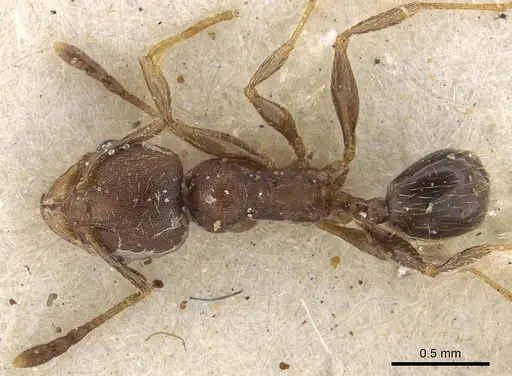
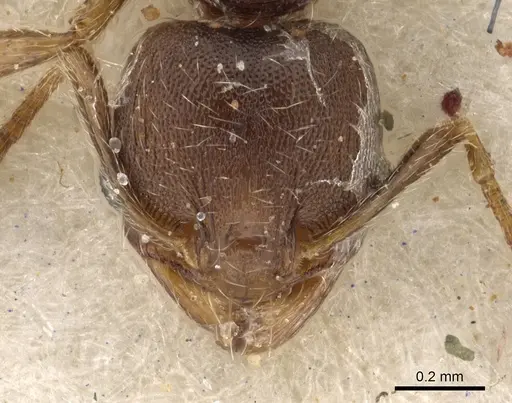
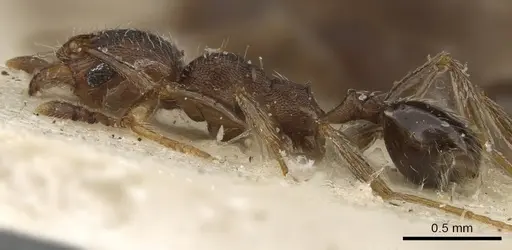
CASENT0901291
View on AntWeb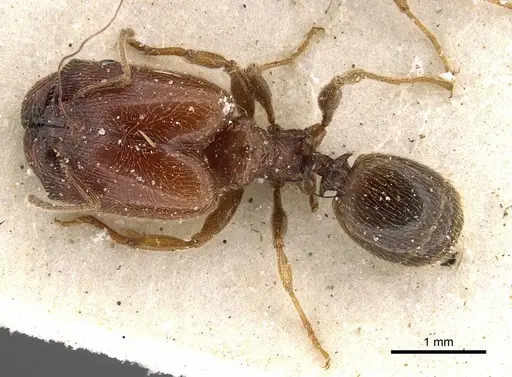
CASENT0904219
View on AntWeb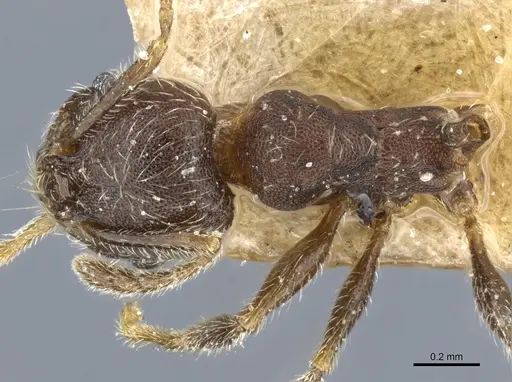
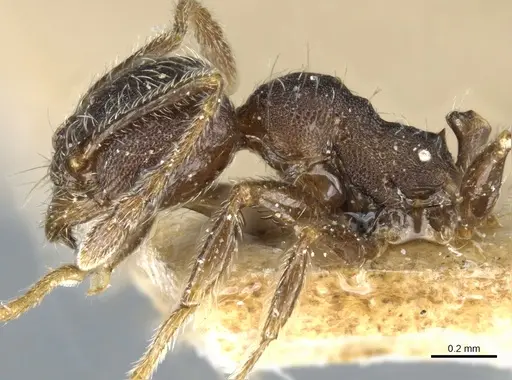
CASENT0907843
View on AntWeb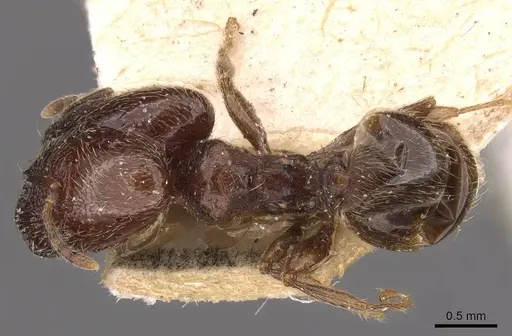
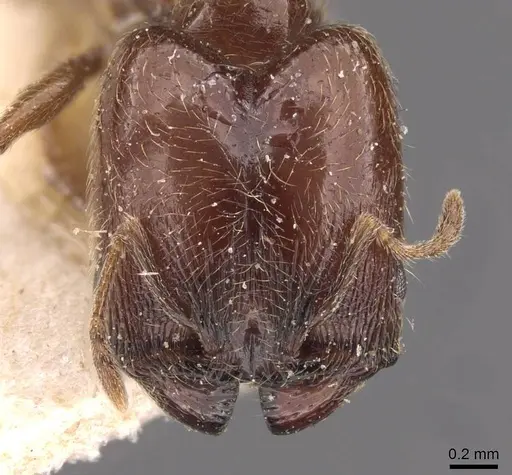
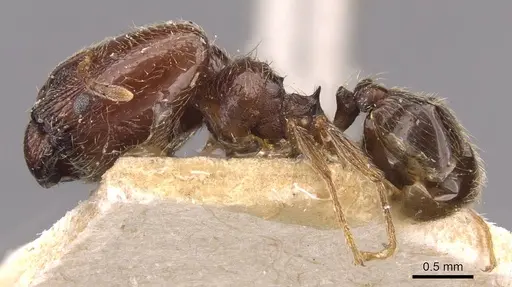
CASENT0907844
View on AntWeb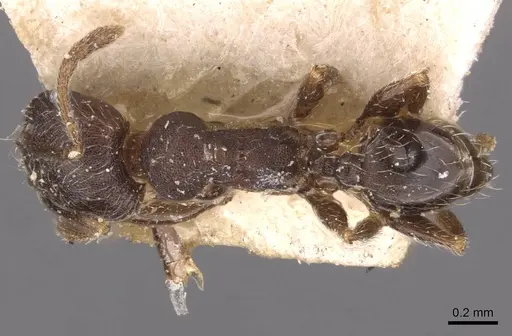
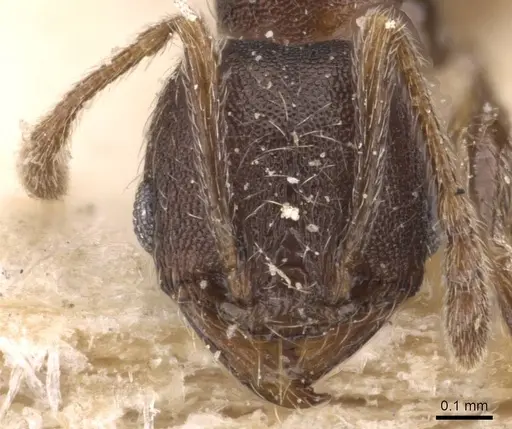
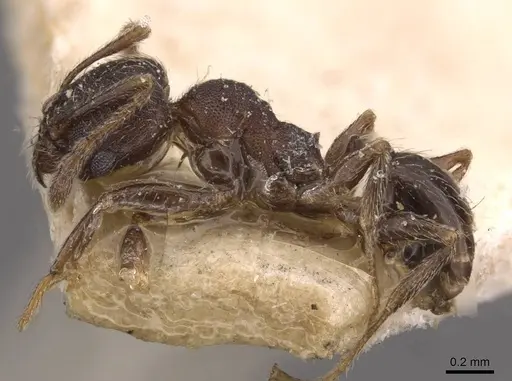
CASENT0913270
View on AntWeb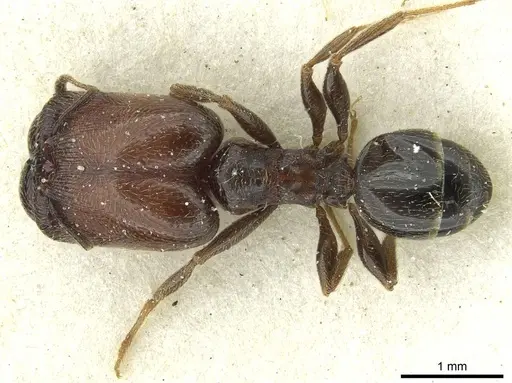
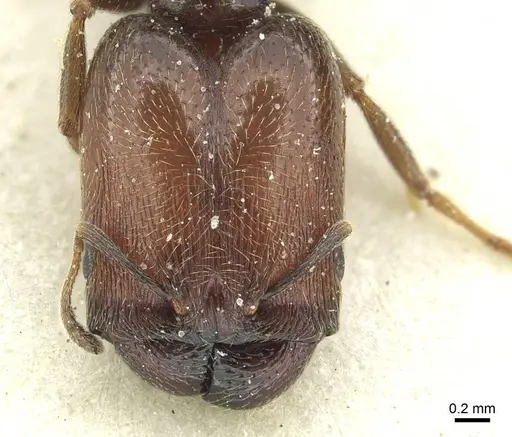
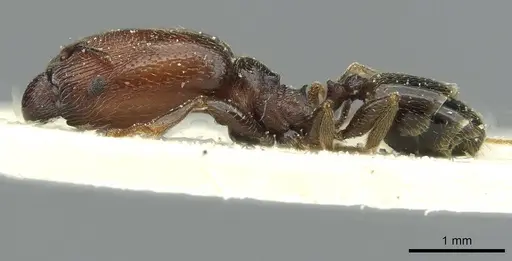
CASENT0913271
View on AntWeb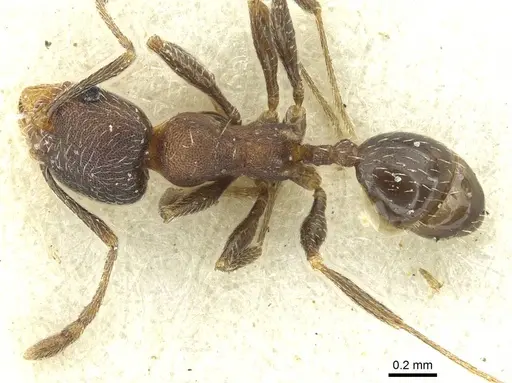
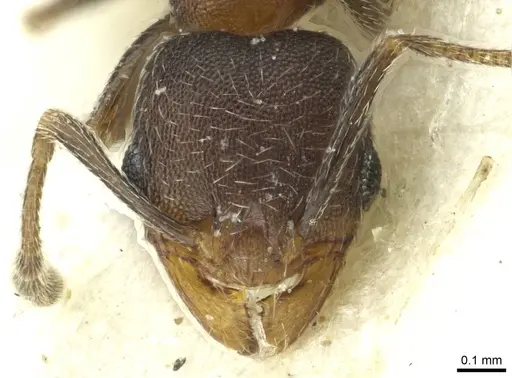
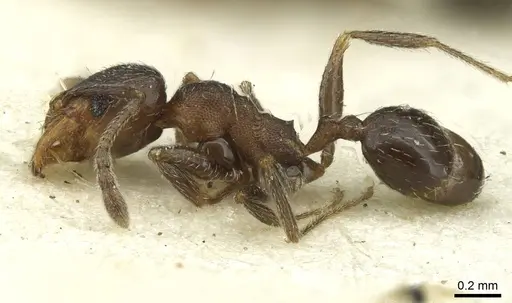
CASENT0913272
View on AntWeb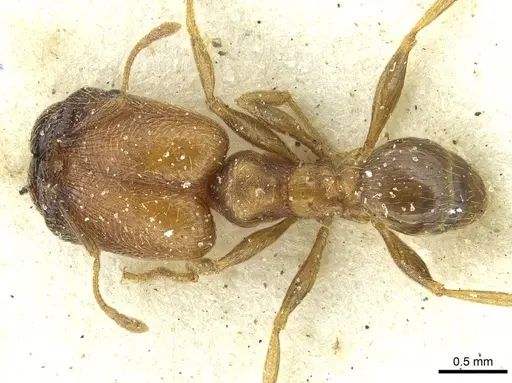
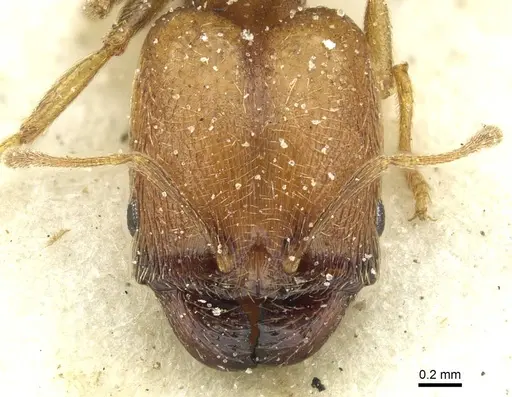
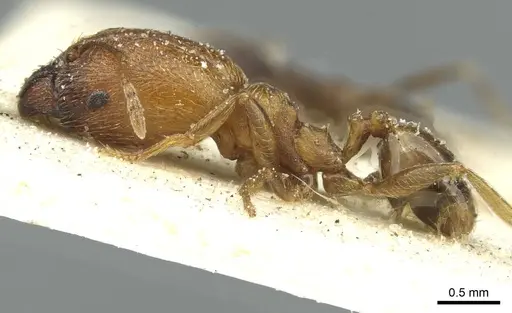
CASENT0913273
View on AntWeb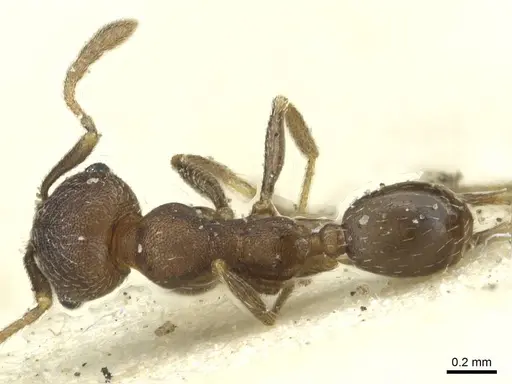
Literature
Loading distribution map...Loading products...