
Pheidole aristotelis
- Sci. Name
- Pheidole aristotelis
- Tribe
- Attini
- Subfamily
- Myrmicinae
- Author
- Forel, 1911
- Distribution
- Found in 3 countries
Introduction
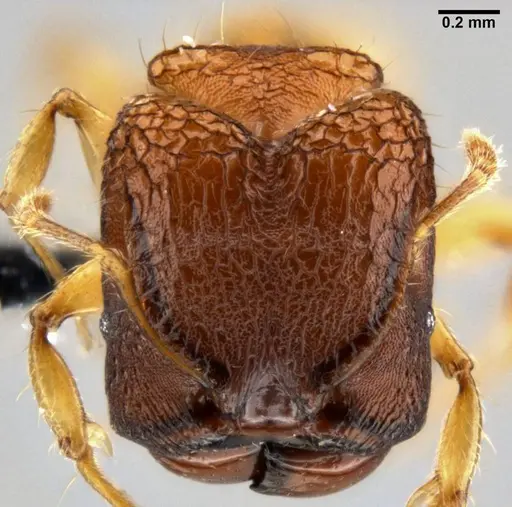
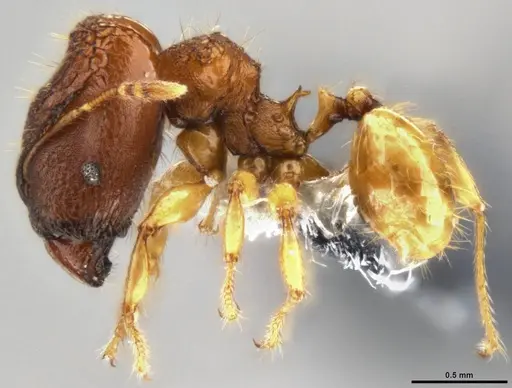
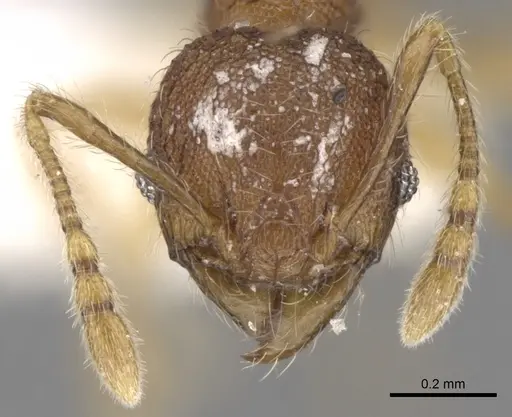
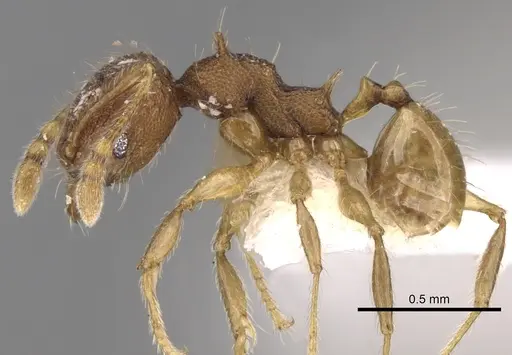
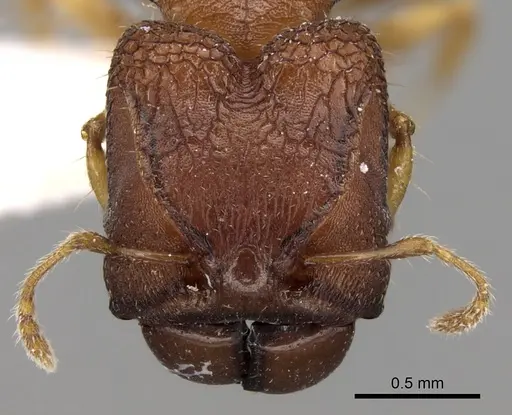
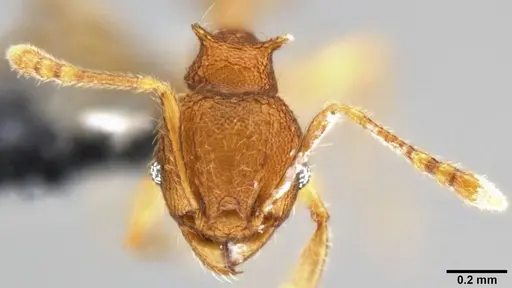
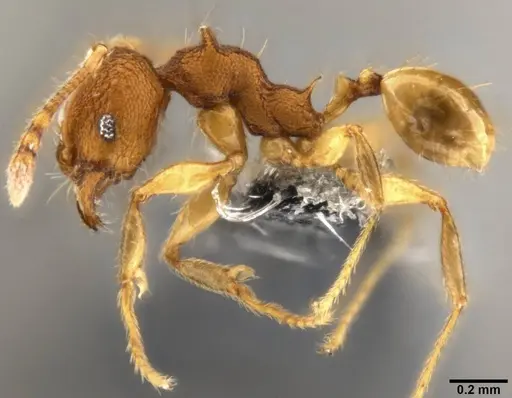
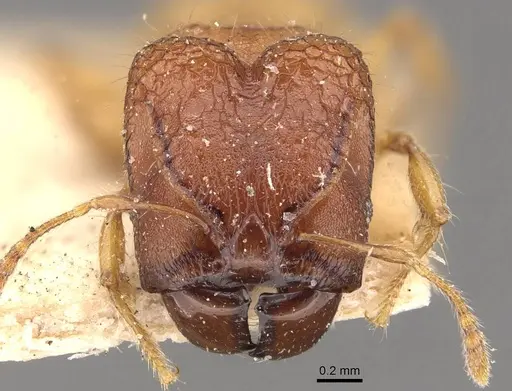
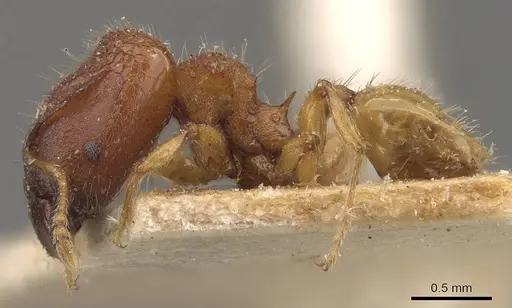
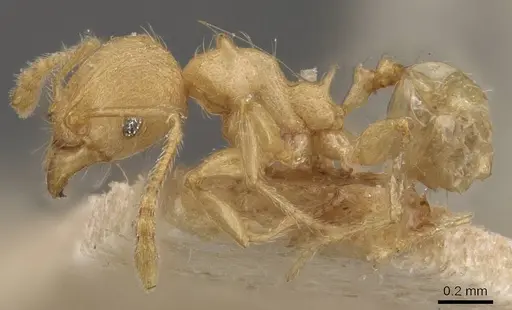
Pheidole aristotelis is a small leaf-litter ant native to Southeast Asia, found across Borneo, Indonesia, Malaysia, the Philippines, Singapore, and southern Thailand . Workers come in two color forms: a brown form and a dark form, which can appear together in the same areas . The major workers have distinctive blunt spines on the promesonotum and an irregularly reticulate frons, while minors are equipped with a pair of blunt spines on the promesonotum . This species is notable for its seed-harvesting behavior - it collects and stores tiny seeds inside its nest, making it one of the few Pheidole species that practices myrmecochory . It inhabits well-developed primary forests from lowlands to hill areas up to about 1000 meters altitude .
Quick Summary
- Difficulty: Medium
- Origin & Habitat: Southeast Asian primary rainforests, Borneo, Indonesia, Malaysia, Philippines, Singapore, and Thailand. Found in well-developed forests from lowlands to hill areas, nesting in rotting twigs and wood blocks on the forest floor [1][2].
- Colony Type: Monogyne (single-queen colonies). The researcher Eguchi noted he never encountered colonies with more than one dealate queen [1].
- Size & Growth:
- Antkeeping:
- Behavior: This is a shy, non-aggressive species that forages in leaf litter [1]. Majors have large heads but are not particularly aggressive, they use them for seed processing and defense [1]. They are escape artists due to their small size and will squeeze through tiny gaps.
- Common Issues: escape prevention is critical, their tiny size means they can squeeze through standard barriers., sensitive to drying out, forest-floor species need consistently moist conditions [1]., primary forest specialist, may struggle in disturbed or secondary habitats [4]., slow to establish, founding colonies can take months before first workers appear., wild-caught colonies may have parasites that are difficult to treat.
Housing and Nest Setup
For founding colonies, use a standard test tube setup with a water reservoir. The queen will seal herself in and raise her first brood in the chamber. Once you have 10-20 workers, you can move them to a more elaborate setup. These ants do well in Y-tong nests or naturalistic setups that include rotting wood pieces, since that's their natural nesting material [1]. The chambers should be small and tight-fitting, these are tiny ants that feel exposed in large open spaces. Include a shallow water tube for drinking and keep the nesting area consistently moist. A small outworld for foraging completes the setup.
Feeding and Diet
Pheidole aristotelis is unusual among Pheidole species because it stores seeds in its nest, this is called myrmecochory [3]. In captivity, offer small seeds appropriate to their size, along with protein sources. They have a higher trophic position (δ15Ncor=5.74) indicating they eat other small invertebrates [5]. Feed small live prey like fruit flies, pinhead crickets, and micro-worms. They will also accept sugar water or honey occasionally. Offer protein 2-3 times per week, and keep a sugar source available at all times. Remove uneaten prey after 24 hours to prevent mold.
Temperature and Humidity
As a tropical species from Southeast Asian rainforests, Pheidole aristotelis needs warm and humid conditions. Keep the nest at 24-28°C year-round, they do not tolerate cool temperatures well [5]. Humidity should be high, around 70-85%. The substrate should feel damp to the touch but never waterlogged. These forest-floor ants are adapted to stable conditions, so avoid temperature fluctuations and dry air. A heating cable on one side of the nest can help maintain warmth, but always provide a temperature gradient so ants can move to cooler areas if needed.
Colony Growth and Development
Colony growth is moderate. The claustral queen will lay eggs after sealing herself in, and the first brood develops through the typical ant stages: egg, larva, pupa, then worker. Based on typical Pheidole development, expect first workers (nanitics) to emerge in 5-8 weeks at optimal temperatures. These first workers are smaller than normal workers. The colony will grow slowly at first, then accelerate as more workers are produced. Colony size data is unavailable for this species. The presence of majors (soldier ants) typically appears once the colony reaches around 50 workers.
Behavior and Temperament
This is a shy, non-aggressive species that avoids confrontation [1]. Majors have large heads but are primarily used for seed processing and colony defense, not offensive attacks [1]. Workers forage in leaf litter and upper soil layers, using their small size to navigate through tight spaces. They are most active during the day and night in the humid forest environment. Their small size makes them excellent escape artists, use fine mesh and tight-fitting barriers. They are not territorial or aggressive toward humans and rarely sting [1].
Seasonal Care
As a tropical species, Pheidole aristotelis does not require hibernation or diapause. Maintain consistent warm temperatures and high humidity year-round. There is no seasonal slowdown in their native habitat. Keep conditions stable throughout the year, sudden changes in temperature or humidity can stress the colony. This species is adapted to the constant conditions of the rainforest floor and does not experience winter-like conditions in its natural range.
Field Collection Notes
In the wild, this species is found primarily in primary (undisturbed) forests. It is considered a habitat specialist restricted to primary forest, it is not found in secondary forests or disturbed areas like rubber plantations [4]. It nests in rotting twigs and wood on the forest floor and has been collected using Winkler extraction from leaf litter and subterranean probes at various depths (12.5-50cm) [6][5]. If collecting from the wild, focus on primary forest areas and look for nests in rotting wood debris on the ground.
Frequently Asked Questions
How long does it take for Pheidole aristotelis to have first workers?
Based on typical Pheidole development, expect first workers in 5-8 weeks at optimal temperatures (24-28°C). The claustral queen seals herself in and raises the first brood alone, so be patient during founding, it can take 2-3 months before you see workers.
What do Pheidole aristotelis ants eat?
They are unusual among Pheidole species because they store seeds. Feed small live prey (fruit flies, micro-worms, pinhead crickets) 2-3 times per week, along with small seeds and occasional sugar water or honey [3][5]. Their higher trophic position indicates they primarily eat small invertebrates.
Can I keep multiple Pheidole aristotelis queens together?
No. This species is monogyne, colonies have only a single queen. Multiple unrelated queens will fight. Only keep one queen per colony [1].
What temperature do Pheidole aristotelis need?
Keep them warm at 24-28°C year-round. As a tropical rainforest species, they do not tolerate cool temperatures well [5]. Avoid temperatures below 20°C.
Are Pheidole aristotelis good for beginners?
They are rated as medium difficulty. They require stable warm and humid conditions, which can be challenging to maintain. Their small size also makes escape prevention important. They are not the best choice for complete beginners, but experienced antkeepers should find them manageable [4].
How big do Pheidole aristotelis colonies get?
Colony size data is unavailable for this species. These are not large colonies, similar to other leaf-litter Pheidole species. Colonies grow moderately and may take a year or more to reach maximum size.
Do they need hibernation?
No. As a tropical species from Southeast Asia, they do not require hibernation or any cold period. Maintain warm conditions year-round.
What type of nest should I use?
Start with a test tube for the founding colony. Once established with 10-20 workers, move to a Y-tong or naturalistic setup with rotting wood pieces, since that's their natural nesting material [1]. Keep chambers small and tight-fitting.
Why are my Pheidole aristotelis dying?
Common causes include: drying out (they need consistently moist substrate), temperatures too cool (below 20°C), escape through tiny gaps, or stress from disturbance during founding. Check that humidity is high, temperature is warm, and barriers are secure [4][6].
Where is Pheidole aristotelis found in the wild?
They inhabit primary (undisturbed) rainforests across Southeast Asia: Borneo, Indonesia, Malaysia, Philippines, Singapore, and southern Thailand [1][2]. They are specialists found only in primary forests, not disturbed areas [4].
Report an Issue
The current care sheet is based fully on literature. See inconsistencies, or something that's incorrect? Please , it will be resolved after review from an admin. Contributing to the blogs tab also helps providing information, to make us be able to further improve the caresheets. Thank you for your support!
References

This caresheet is licensed under CC BY-SA 4.0 .
Community Blogs
CASENT0219465
View on AntWeb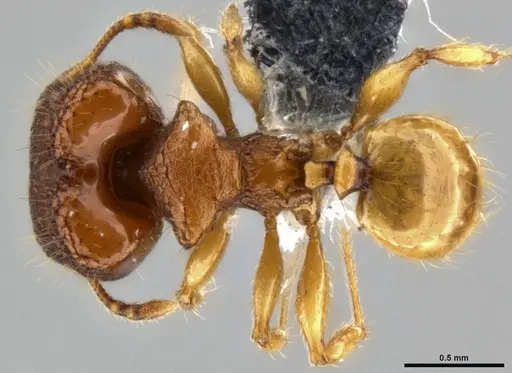
CASENT0281627
View on AntWeb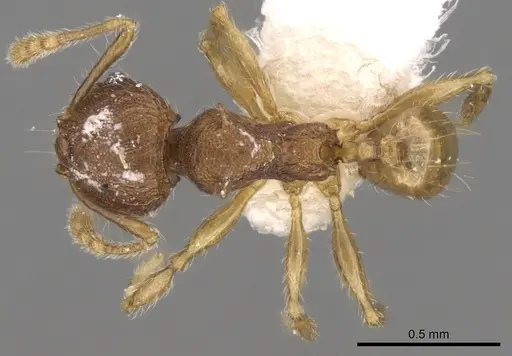
CASENT0281632
View on AntWeb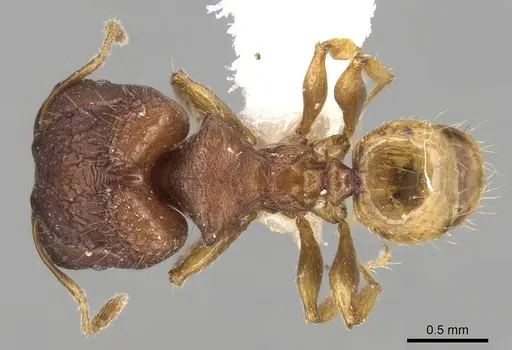
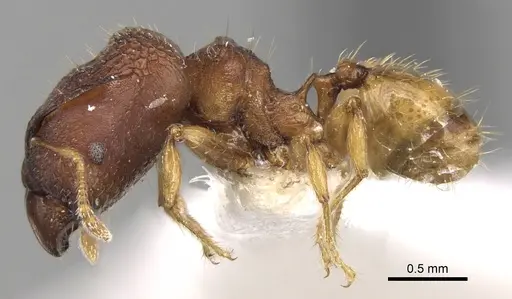
CASENT0281633
View on AntWeb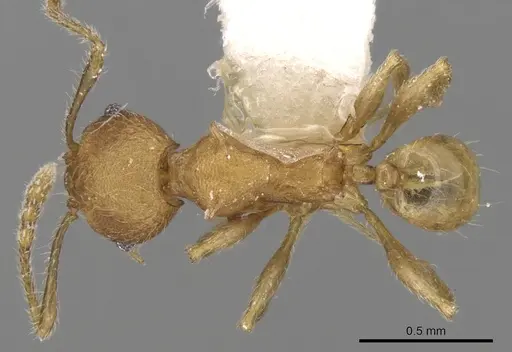
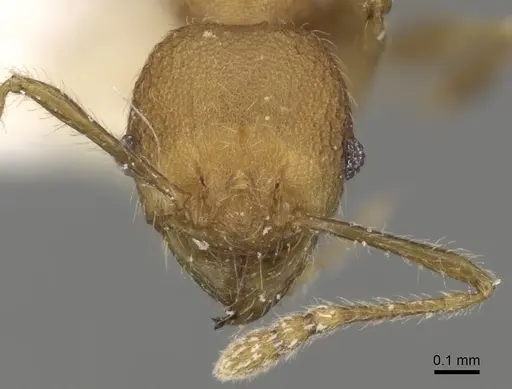
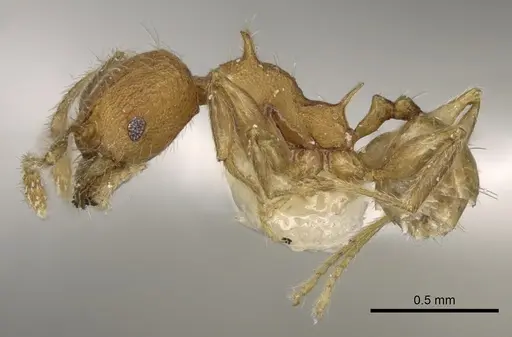
CASENT0282388
View on AntWeb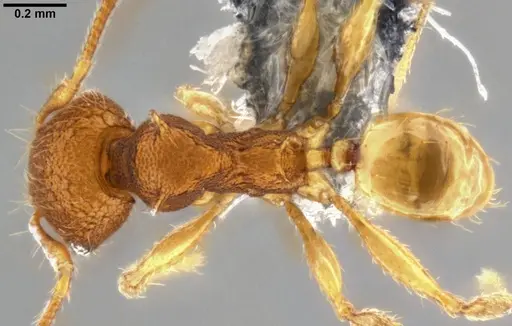
CASENT0907971
View on AntWeb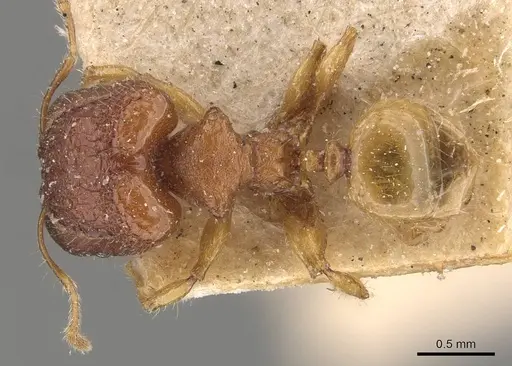
CASENT0907972
View on AntWeb
Literature
Loading distribution map...Loading products...