
Pheidole arachnion
- Sci. Name
- Pheidole arachnion
- Tribe
- Attini
- Subfamily
- Myrmicinae
- Author
- Wilson, 2003
- Distribution
- Found in 3 countries
Introduction
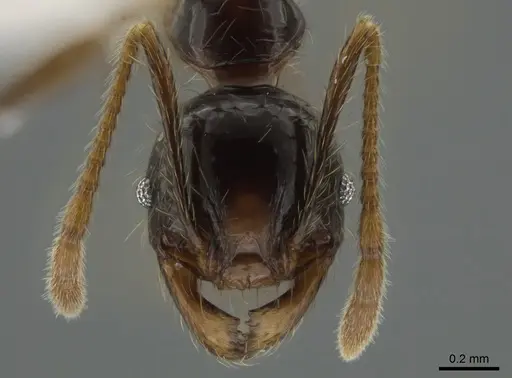
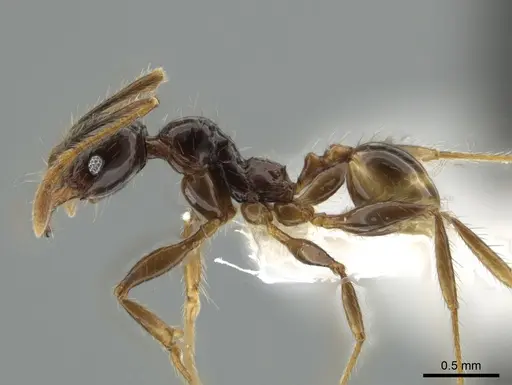
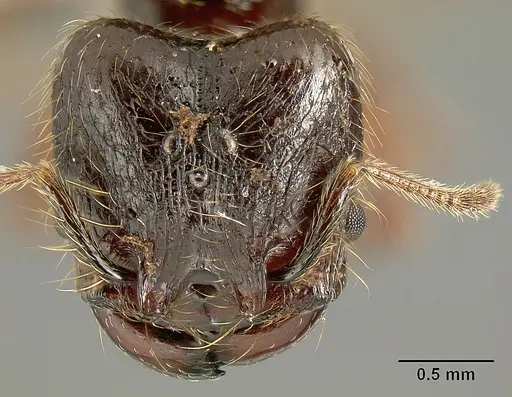
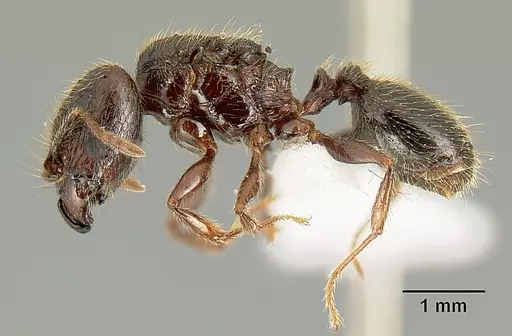
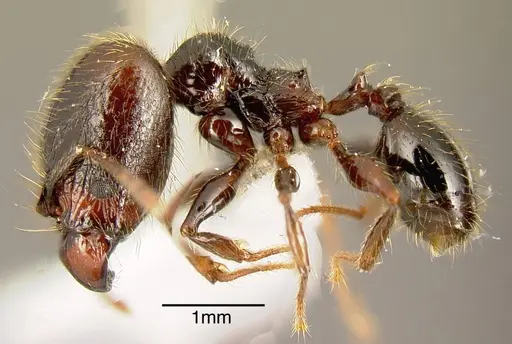
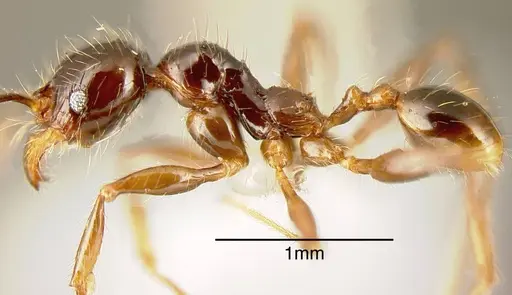
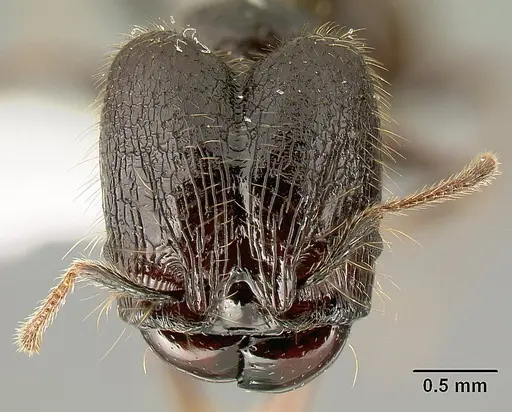
Pheidole arachnion is a Neotropical ant species native to Central America, found in Costa Rica, Nicaragua, and recently documented in Colombia . The species name comes from the Greek word for cobweb, referring to the loose rugoreticulum on the major worker's head . Body size data is unavailable for this species. It belongs to the Pheidole tristis group and the Attini tribe . This species is known for its cryptic foraging behavior. Workers are rarely found at baits, suggesting they forage mainly at night or stay hidden beneath leaf litter and inside rotten wood . The only documented nest was in rotten wood on the forest floor .
Quick Summary
- Difficulty: Medium
- Origin & Habitat: Wet forest habitats in Costa Rica, Nicaragua, and Colombia, from sea level to 1100m elevation [3][1].
- Colony Type: Unconfirmed, no specific data on queen number or social structure.
- Size & Growth:
- Queen: size data unavailable
- Worker: size data unavailable
- Colony: Unknown
- Growth: Unknown
- Development: Unknown, no data available (Development time is unconfirmed for this species.)
- Antkeeping:
- Temperature: Keep at 24-28°C, based on tropical habitat [3].
- Humidity: Keep nest substrate consistently moist but not waterlogged, as this species comes from wet forests [3].
- Diapause: No, tropical species do not require hibernation.
- Nesting: Natural nesting is in rotten wood on the forest floor [3]. In captivity, use Y-tong nests or naturalistic setups with rotting wood.
- Behavior: Workers are largely nocturnal and secretive, foraging hidden beneath litter or in wood [3]. They are not aggressive and will flee from disturbance. Escape prevention is important due to small size.
- Common Issues: high humidity can lead to mold if ventilation is poor., nocturnal behavior may make observation challenging during daytime., limited wild data makes captive care less predictable.
Housing and Nest Setup
Pheidole arachnion naturally nests in rotten wood on the forest floor, so captive colonies do well with setups that mimic this. Use a Y-tong nest with narrow chambers or a naturalistic setup with rotting wood pieces in moist substrate. Maintain high humidity with good ventilation to prevent mold. Since workers are small, use fine mesh for escape barriers. Provide a dark outworld area because they prefer low-light conditions [3].
Feeding and Diet
In the wild, these ants are rarely collected at baits, suggesting they forage hidden beneath leaf litter or in rotten wood [3]. In captivity, offer small live prey like fruit flies or springtails. Provide protein sources 2-3 times per week and keep sugar water or honey available. Remove uneaten food promptly to avoid mold.
Temperature and Seasonal Care
As a tropical species from wet forests, Pheidole arachnion requires warm temperatures year-round. Keep the nest at 24-28°C [3]. Use a gentle heat gradient if needed, but avoid temperatures above 32°C. No hibernation is required.
Observing Nocturnal Behavior
This species is largely nocturnal, so you may see more activity in the evening or overnight [3]. Use a red light for nighttime observations, as ants cannot see red light well.
Colony Establishment
Founding behavior is unconfirmed for this species. If you obtain a queen, provide a moist test tube setup and keep it warm and undisturbed. Based on typical Pheidole patterns, queens may seal themselves in a chamber, but this is not confirmed for P. arachnion.
Frequently Asked Questions
How long does it take for Pheidole arachnion to produce first workers?
The exact development time is unknown for this species. No data is available on egg-to-worker development.
What do Pheidole arachnion ants eat?
Based on their cryptic foraging behavior, they likely accept small live prey like fruit flies or springtails. Offer protein sources regularly and keep sugar water available [3].
Can I keep multiple Pheidole arachnion queens together?
This has not been documented. Based on typical Pheidole behavior, they likely form single-queen colonies, but combining queens is not recommended.
Are Pheidole arachnion good for beginners?
This species is not ideal for beginners due to limited information and specific humidity requirements. Consider starting with more common species.
Do Pheidole arachnion need hibernation?
No, they are tropical ants and do not require hibernation. Keep them warm year-round [3].
Why don't I see my Pheidole arachnion ants during the day?
This species is largely nocturnal or stays hidden beneath leaf litter and inside rotten wood [3]. You will likely see more activity in the evening.
What size colony do Pheidole arachnion reach?
The maximum colony size is unknown, this is a rarely studied species with only one documented nest in the wild.
When should I move Pheidole arachnion to a formicarium?
Wait until the colony has a stable number of workers, but no specific threshold is documented. Ensure the formicarium has appropriate humidity and a dark outworld.
What is the best nest type for Pheidole arachnion?
A Y-tong nest with narrow chambers or a naturalistic setup with rotting wood pieces works well. Maintain high humidity with good ventilation [3].
Report an Issue
The current care sheet is based fully on literature. See inconsistencies, or something that's incorrect? Please , it will be resolved after review from an admin. Contributing to the blogs tab also helps providing information, to make us be able to further improve the caresheets. Thank you for your support!
References

This caresheet is licensed under CC BY-SA 4.0 .
Community Blogs
CASENT0628423
View on AntWeb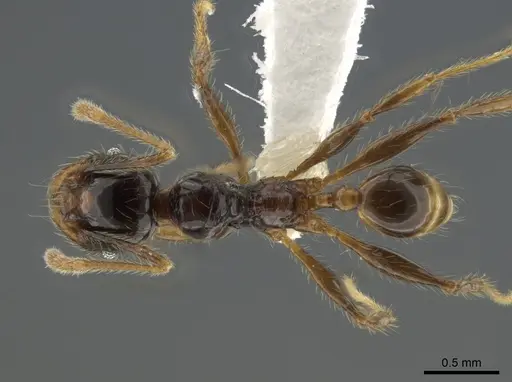
INB0003212178
View on AntWeb
INB0003213755
View on AntWeb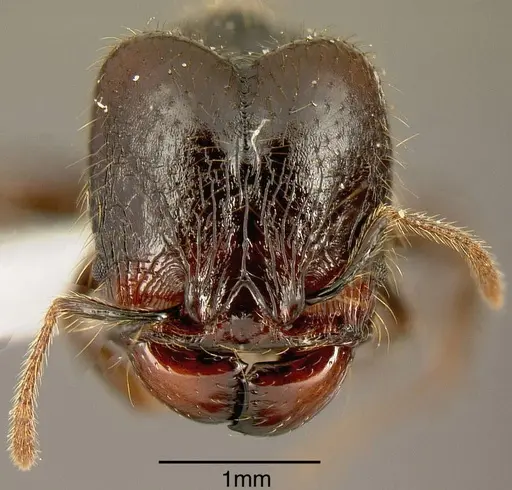
INB0003213761
View on AntWeb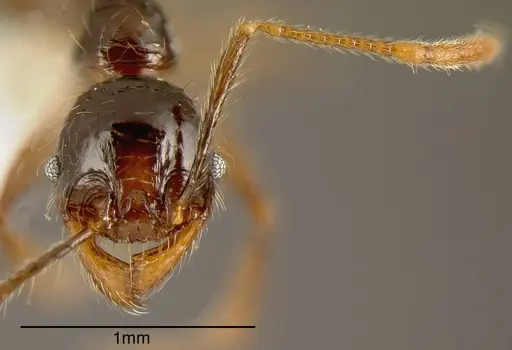
INB0003622434
View on AntWeb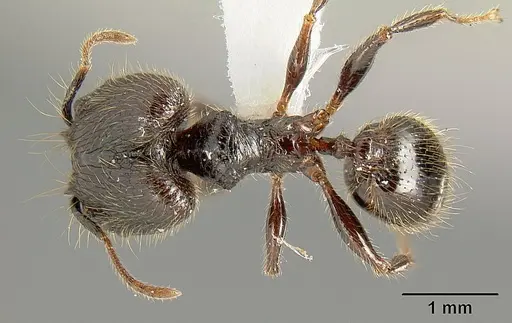
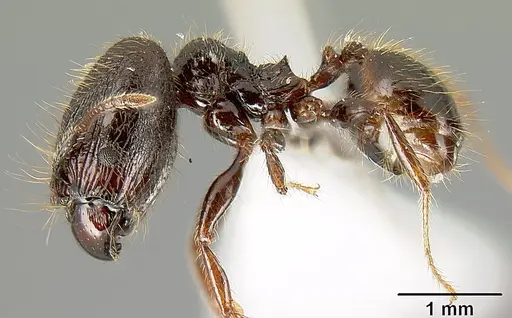
INBIOCRI001253863
View on AntWeb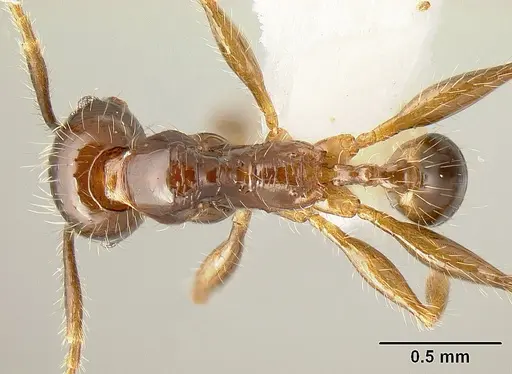
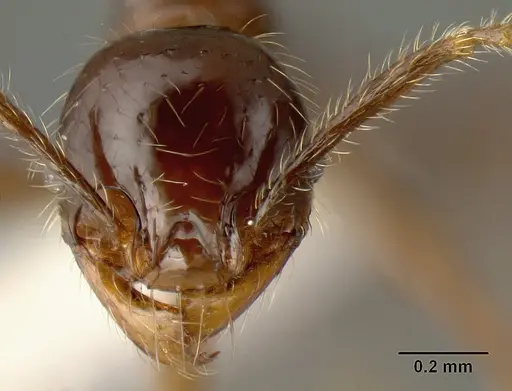
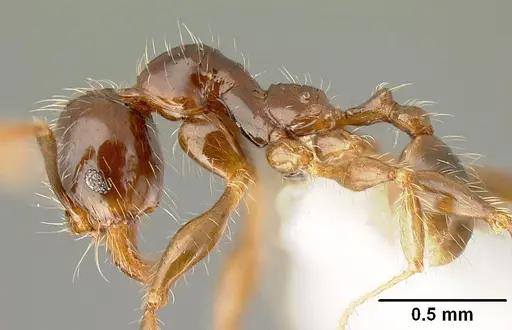
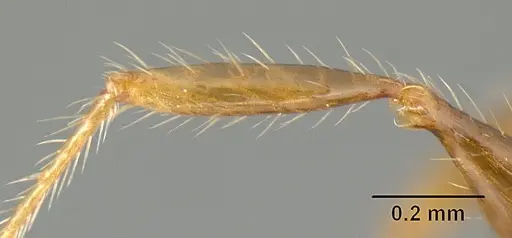
INBIOCRI001253864
View on AntWeb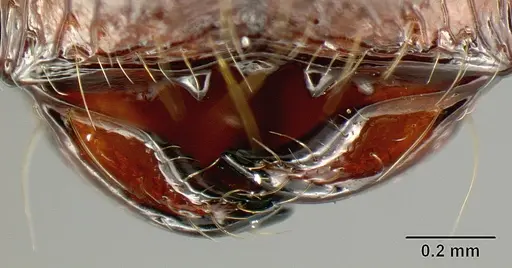
Literature
Loading distribution map...Loading products...