
Pheidole aper
- Sci. Name
- Pheidole aper
- Tribe
- Attini
- Subfamily
- Myrmicinae
- Author
- Forel, 1912
- Distribution
- Found in 1 countries
Introduction
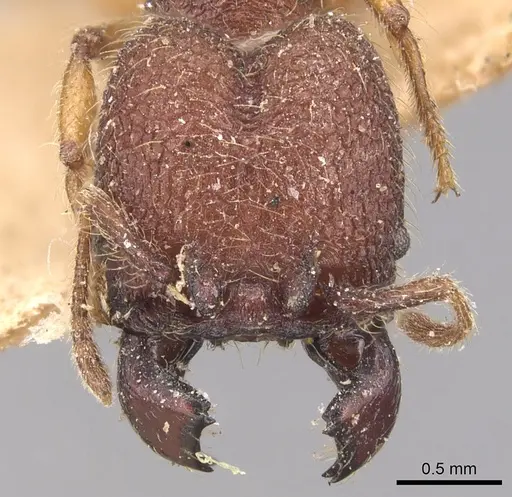
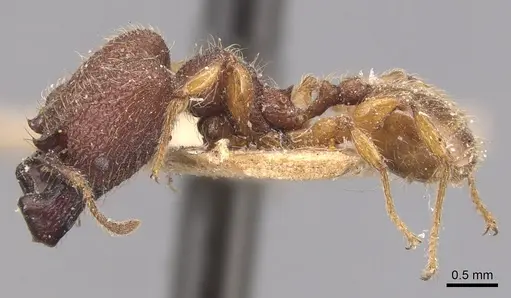
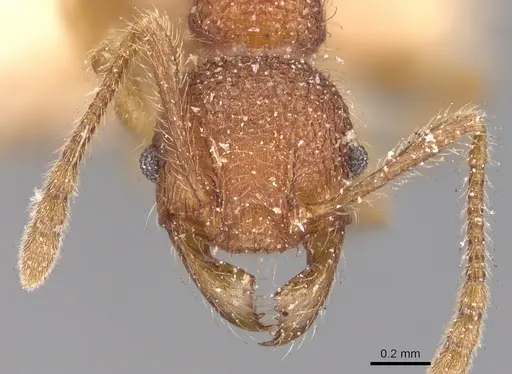
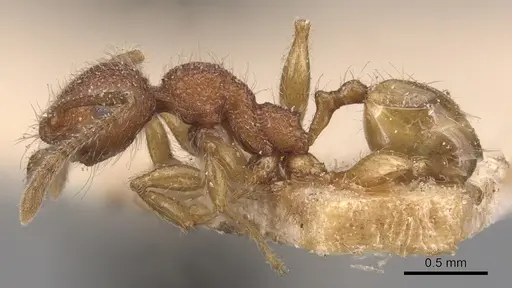
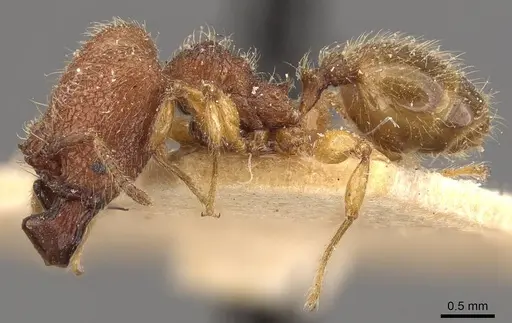
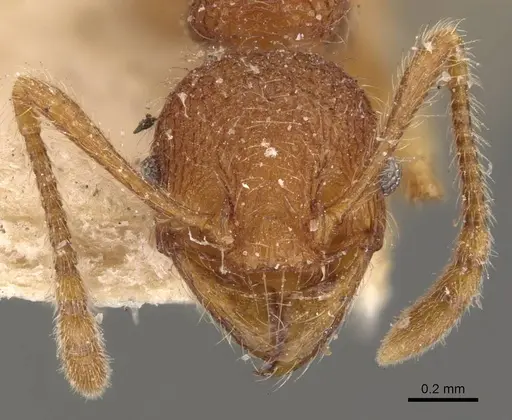
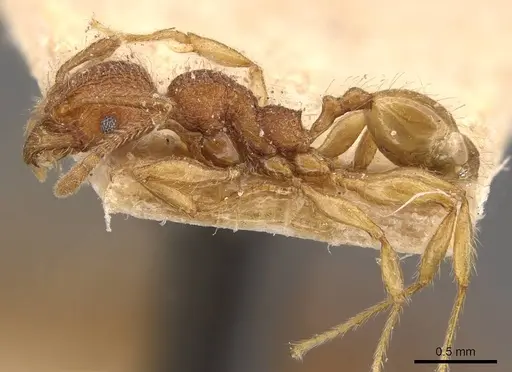
Pheidole aper is a small ant species native to the Atlantic forest regions of Brazil, specifically Rio de Janeiro and Minas Gerais . Major workers have a rugoreticulate head pattern and triangular processes, while minors are smaller . Colonies are omnivorous with major workers specialized for seed crushing and defense . The species prefers melezitose from honeydew, indicating interactions with sap-sucking insects .
Quick Summary
- Difficulty: Medium
- Origin & Habitat: Atlantic forest in Rio de Janeiro and Minas Gerais, Brazil [1]. Found more commonly in native forest than eucalyptus plantations [5][6].
- Colony Type: Colony structure is unconfirmed, no specific data on queen number [1].
- Size & Growth:
- Queen: size data unavailable
- Worker: Minor workers: ~0.6-1mm, major workers: ~1-2mm, inferred from Pheidole genus patterns
- Colony: Unknown, no specific data on colony size
- Growth: Unknown
- Development: Unconfirmed, based on Pheidole genus patterns, typically 6-10 weeks at warm temperatures (Development timeline has not been directly studied. Estimates based on genus-level patterns for tropical Pheidole species.)
- Antkeeping:
- Temperature: Keep warm, roughly 24-28°C, based on tropical habitat [1].
- Humidity: Keep substrate moderately moist, as Atlantic forest is humid [1].
- Diapause: Unlikely required, tropical species from southeastern Brazil [1].
- Nesting: Prefer dark, humid nests, Y-tong, plaster, or soil nests work well [1].
- Behavior: This species is omnivorous with clear division of labor. Major workers have powerful mandibles for seed crushing and defense [2][3]. Minor workers handle foraging. They prefer melezitose from honeydew [4]. Escape risk is moderate, minors are small but standard barriers work.
- Common Issues: tropical species may struggle in cool, dry environments without heating, honeydew preference means sugar sources should be regularly available, major workers are powerful biters but rarely aggressive toward keepers, colonies may be slow to establish initially, patience is key, native forest preference suggests they need hiding spots and humid conditions
Housing and Nest Setup
Pheidole aper does well in a variety of captive setups. For founding colonies, a simple test tube setup with a water reservoir works well, the queen will seal herself in a chamber and raise her first brood alone. Once the colony reaches a small size, you can move them to a more permanent formicarium. Y-tong (AAC) nests, plaster nests, or naturalistic setups with moist soil all work effectively. This species prefers dark, humid nest chambers, so cover the nest with an opaque cover to reduce stress. They appreciate some clutter and hiding spots in the outworld [1].
Feeding and Diet
This is an omnivorous species with some interesting dietary preferences. Research shows they strongly prefer melezitose, a sugar compound found in honeydew from sap-sucking insects [4]. In captivity, offer sugar water, honey, or diluted maple syrup regularly. They also accept protein sources like small insects (fruit flies, pinhead crickets, mealworms), and notably, major workers are specialized for crushing seeds [2][3]. You can offer small seeds as enrichment, the majors will process them for the colony. A varied diet with constant sugar access and protein 2-3 times weekly works well.
Temperature and Humidity
As a tropical species from Brazil's Atlantic forest, Pheidole aper needs warm and humid conditions. Keep the nest area at roughly 24-28°C, use a heating cable on one side of the nest to create a gentle gradient if your room temperature is below this range. Humidity should be moderate to high, the substrate should feel damp but not waterlogged. Mist the outworld occasionally and keep the water reservoir filled [1].
Colony Development
Specific development timelines for this species are not documented. Based on typical Pheidole patterns, expect the queen to remain sealed in her founding chamber for several weeks before the first workers emerge. Colonies grow moderately fast once established, with major workers appearing as the colony size increases. The division of labor is clear: minor workers handle most tasks including foraging, while major workers specialize in seed processing, large prey handling, and defense. Patience is important, Pheidole colonies can take time to establish a strong population.
Behavior and Defense
Pheidole aper shows clear task specialization between worker castes. Minor workers are the primary foragers and handle most daily activities. Major workers have powerful, stout mandibles designed for crushing seeds and processing large prey items [2][3]. They also serve as colony defenders, though they are not particularly aggressive toward keepers. When threatened, majors may rush out with their mandibles displayed but rarely deliver meaningful bites. This species is not known for stinging. They are relatively calm in captivity and do not exhibit extreme escape artist behavior, though standard barriers are still recommended.
Frequently Asked Questions
How long does it take for Pheidole aper to raise first workers?
The exact timeline is unconfirmed for this species, but based on typical Pheidole patterns, expect several weeks from egg to first worker at warm temperatures (around 26°C). The queen seals herself in during founding and lives off her stored reserves until the first workers emerge.
What do Pheidole aper ants eat?
They are omnivorous. Offer sugar sources (honey, sugar water, maple syrup) regularly as they prefer melezitose, a honeydew sugar [4]. Also provide protein (small insects, mealworms) and seeds which majors can crush with their powerful mandibles [2][3].
What temperature do Pheidole aper colonies need?
Keep them warm at roughly 24-28°C. As a tropical Atlantic forest species from Brazil, they need consistent warmth. A heating cable on one side of the nest creates a suitable gradient [1].
Are Pheidole aper ants good for beginners?
They are intermediate in difficulty. They need warm, humid conditions and specific dietary preferences (honeydew/sugar), but are not overly aggressive or difficult to keep. Expect some patience during the founding phase.
How big do Pheidole aper colonies get?
Colony size is not documented specifically. Typical Pheidole species can vary widely, and without specific data, it is unknown for this species.
Do Pheidole aper queens need hibernation?
Unlikely. As a tropical species from southeastern Brazil, they probably do not require true diapause. They may show reduced activity in cooler months but a full hibernation is not necessary [1].
What type of nest is best for Pheidole aper?
They do well in Y-tong (AAC) nests, plaster nests, or naturalistic setups with moist substrate. They prefer dark, humid chambers. Test tubes work fine for founding colonies [1].
Why are my Pheidole aper majors dying?
Major worker turnover is normal in Pheidole species, majors are task specialists and may have shorter lifespans due to demanding work. However, if majors are dying in large numbers, check temperature (too cold?), humidity (too dry?), or stress from excessive disturbance.
Can I keep multiple Pheidole aper queens together?
Not recommended without further research. Pheidole colony structures vary, and combining unrelated foundresses has not been documented for this species. Start with a single queen colony.
Report an Issue
The current care sheet is based fully on literature. See inconsistencies, or something that's incorrect? Please , it will be resolved after review from an admin. Contributing to the blogs tab also helps providing information, to make us be able to further improve the caresheets. Thank you for your support!
References

This caresheet is licensed under CC BY-SA 4.0 .
Community Blogs
CASENT0904451
View on AntWeb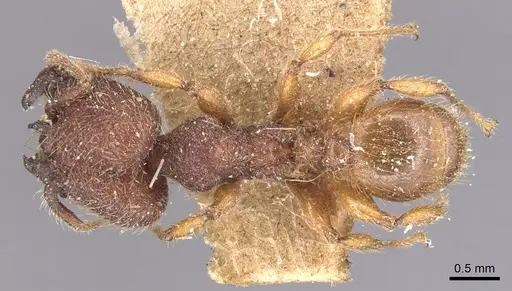
CASENT0904452
View on AntWeb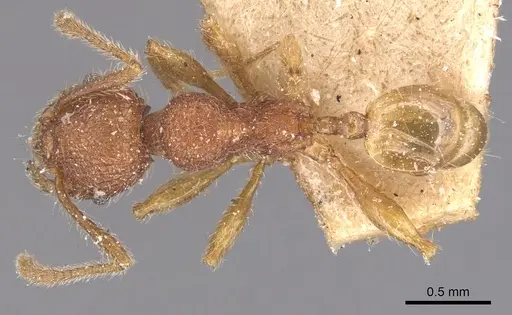
CASENT0908306
View on AntWeb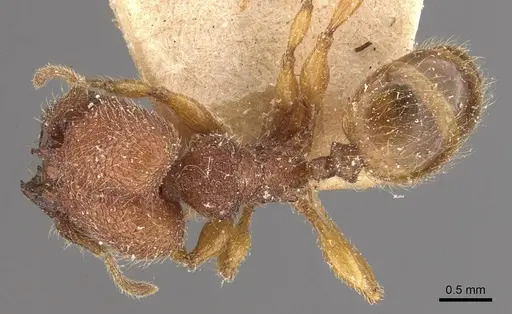
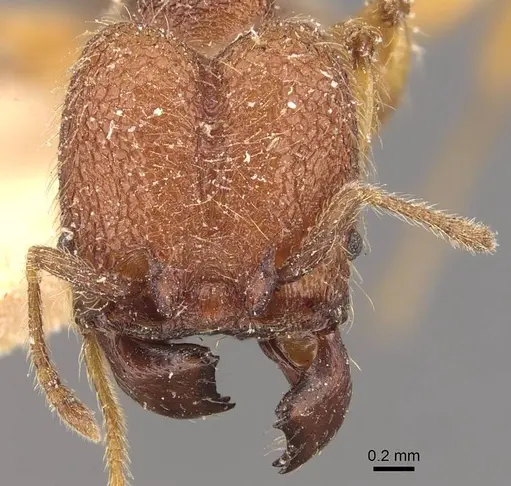
CASENT0908307
View on AntWeb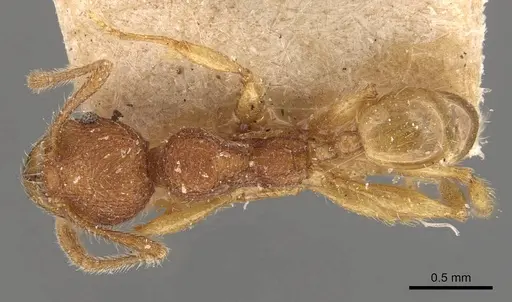
Literature
Loading distribution map...Loading products...