
Pheidole angusticeps
- Sci. Name
- Pheidole angusticeps
- Tribe
- Attini
- Subfamily
- Myrmicinae
- Author
- Wilson, 2003
- Distribution
- Found in 4 countries
Introduction
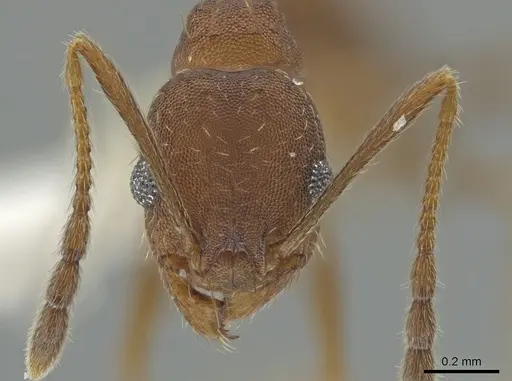
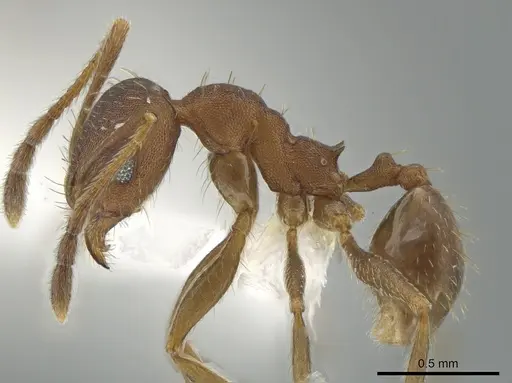
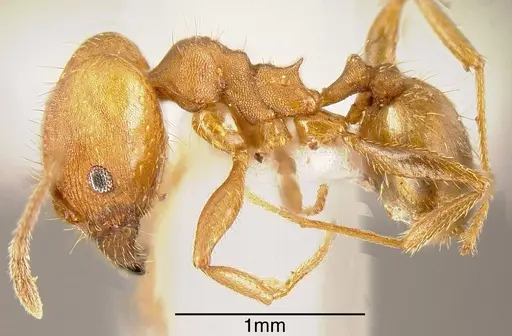
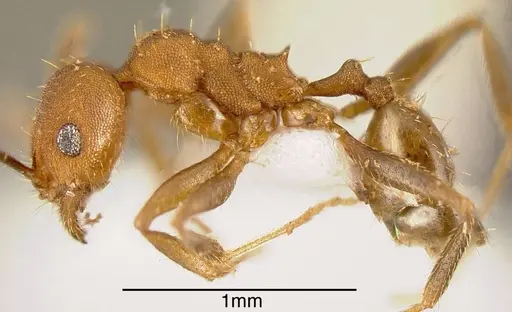
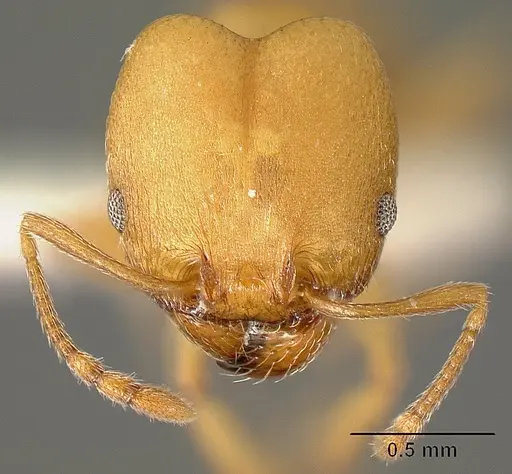
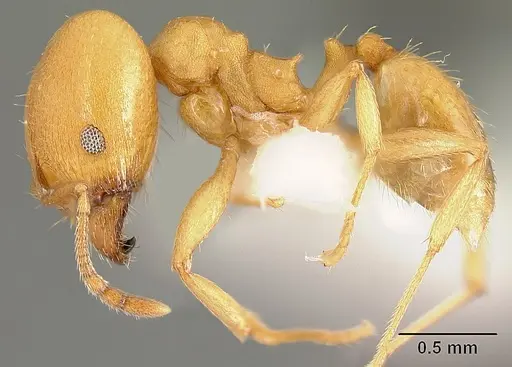
Pheidole angusticeps is a small Neotropical ant native to northwestern Costa Rica, where it inhabits second growth dry forests in the Guanacaste region . The species was described by Wilson in 2003 and is a senior synonym of Pheidole gradifer . Majors are yellow with a faint reddish tint, while minors are uniform medium yellow. Minor workers have a distinctive narrow head, which is reflected in the species name 'angusticeps' meaning narrow-headed . This species has been collected from leaf litter and at tuna baits, and it serves as prey for the army ant Neivamyrmex alfaroi .
Quick Summary
- Difficulty: Medium
- Origin & Habitat: Northwestern Costa Rica, specifically the Guanacaste region including Santa Rosa National Park and the Islas Murciélago. They live in second growth dry forest habitats [1][2].
- Colony Type: Unconfirmed. Pheidole species can vary in queen number, but specific colony structure for P. angusticeps is not documented.
- Size & Growth:
- Queen: Size data unavailable, no total length measurements in research
- Worker: Size data unavailable, no total length measurements in research
- Colony: Unknown for this species
- Growth: Moderate, inferred from Pheidole genus patterns
- Development: Estimated 6-8 weeks at tropical temperatures, inferred from Pheidole genus patterns (Development time is inferred, specific data for P. angusticeps is not available)
- Antkeeping:
- Temperature: Keep warm, roughly 24-28°C, based on tropical dry forest habitat [1]. Provide a temperature gradient.
- Humidity: Moderate humidity, allow nest substrate to dry partially between water additions, as this species is adapted to dry forests [1].
- Diapause: No, tropical species from Costa Rica does not require hibernation [1].
- Nesting: Use Y-tong or plaster nests with excellent escape prevention due to small size. Provide a shallow water setup for humidity control.
- Behavior: Minor workers are foragers and likely collect food, while majors defend the colony, typical Pheidole behavior. They are scavengers and will accept protein baits. Not particularly aggressive, but majors may defend if threatened. Escape risk is high due to very small size.
- Common Issues: very small size makes escape likely without fine mesh barriers., tropical species requires warm temperatures year-round, cold can kill them., dry forest habitat means they prefer drier conditions, overhumidity can cause problems., slow colony development may frustrate beginners who overfeed and cause mold., wild-caught colonies may have parasites that kill them in captivity.
Housing and Nest Setup
Pheidole angusticeps is a small ant that requires careful attention to escape prevention. Use a Y-tong or plaster nest with appropriately scaled chambers. Test tube setups can work for founding colonies but monitor for flooding. Apply Fluon or similar barrier to all edges. Because they are so small, even standard test tube setups need excellent sealants around the cotton. Provide an outworld area for foraging that is easy to clean [1][2].
Feeding and Diet
In the wild, P. angusticeps has been collected at tuna baits on the ground, showing they are scavengers that will accept protein baits [1]. Feed a mix of protein (small insects like fruit flies or commercial ant food) and sugar sources (honey water, sugar water). For minors, crush prey items into smaller pieces. Remove uneaten food promptly to prevent mold.
Temperature and Heating
As a tropical species from Costa Rica, Pheidole angusticeps requires warm conditions year-round. Keep the nest area at roughly 24-28°C. A heating cable can maintain these temperatures. Room temperature may be sufficient in warm homes but monitor with a thermometer. Avoid temperatures below 22°C as this species is not adapted to cool conditions [1].
Humidity and Water
This species comes from tropical dry forest habitat, which is relatively drier than rainforest environments [1]. Keep humidity moderate rather than wet. Allow the nest substrate to dry out partially between water additions. Provide a shallow water dish in the outworld for drinking. Watch for condensation buildup and ventilate if needed to prevent the nest from becoming too damp.
Colony Development
Pheidole colonies develop major workers once the colony reaches a certain size, triggered by population and resources. Growth rate is moderate, expect several months to reach a colony of 100+ workers. Be patient and do not overfeed during the founding stage as excess food causes mold problems [2].
Frequently Asked Questions
How long does it take for Pheidole angusticeps to have first workers?
Based on typical Pheidole development, expect first workers approximately 6-8 weeks after the queen lays eggs, when kept at 25-28°C. This is an estimate since specific development data for this species is not available.
Can I keep multiple Pheidole angusticeps queens together?
The colony structure of this species is unconfirmed. Some Pheidole species are monogyne (single queen) while others are polygyne (multiple queens). Until more is known, it is best to start with a single queen colony.
What do Pheidole angusticeps eat?
They accept protein baits, as they have been collected at tuna baits in the wild [1]. In captivity, offer small insects like fruit flies plus sugar water or honey. Crush food into small pieces for the tiny minor workers.
Are Pheidole angusticeps good for beginners?
This species is rated as Medium difficulty. They are small and require excellent escape prevention. They need warm, relatively dry conditions year-round. Their specific biology is not well-documented, which may make troubleshooting more challenging.
What temperature should I keep Pheidole angusticeps at?
Keep them at roughly 24-28°C. This is a tropical species from Costa Rica that does not tolerate cool temperatures [1].
Do Pheidole angusticeps need hibernation?
No, they do not require hibernation. As a tropical species from Costa Rica, they need warm conditions year-round [1].
Why are my Pheidole angusticeps escaping?
This species is very small, minor workers are tiny. They can squeeze through small gaps. Use fine mesh on all ventilation, apply Fluon to barrier edges, and ensure all connections are sealed.
How big do Pheidole angusticeps colonies get?
The maximum colony size for this specific species is unknown. Typical Pheidole colonies can vary widely, but no data is available for P. angusticeps.
When will my colony develop major workers?
Major workers typically appear once a Pheidole colony reaches a moderate size, triggered by population and resources. This is inferred from genus patterns.
Report an Issue
The current care sheet is based fully on literature. See inconsistencies, or something that's incorrect? Please , it will be resolved after review from an admin. Contributing to the blogs tab also helps providing information, to make us be able to further improve the caresheets. Thank you for your support!
References

This caresheet is licensed under CC BY-SA 4.0 .
Community Blogs
CASENT0610101
View on AntWeb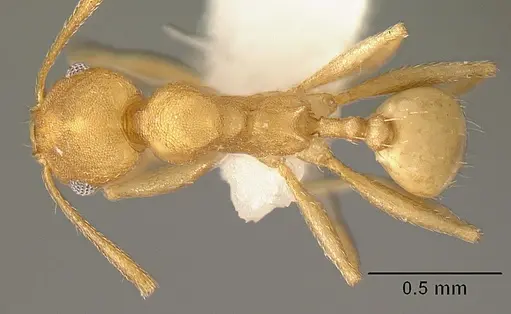
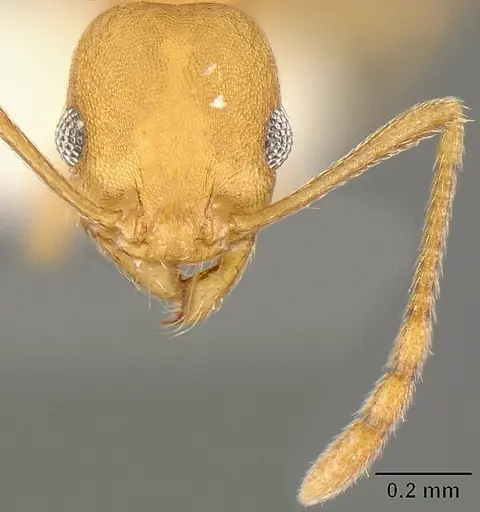
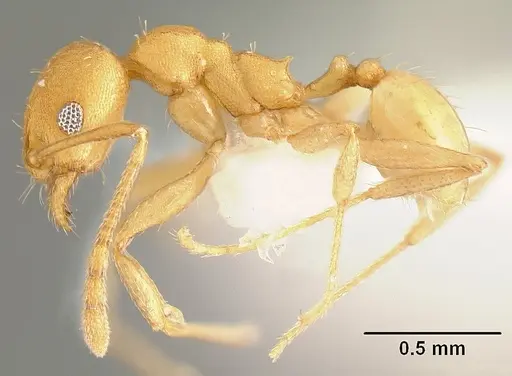
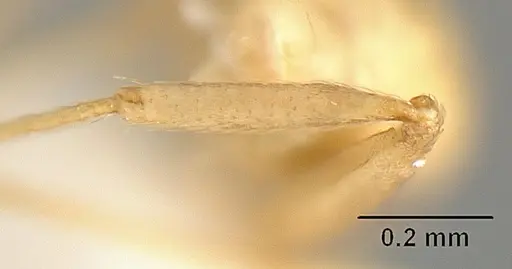
CASENT0612245
View on AntWeb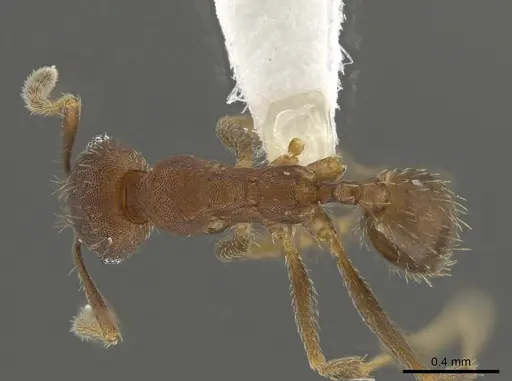
JTLC000003293
View on AntWeb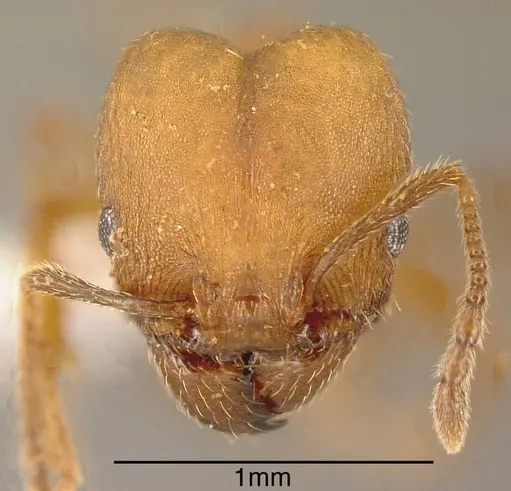
JTLC000003294
View on AntWeb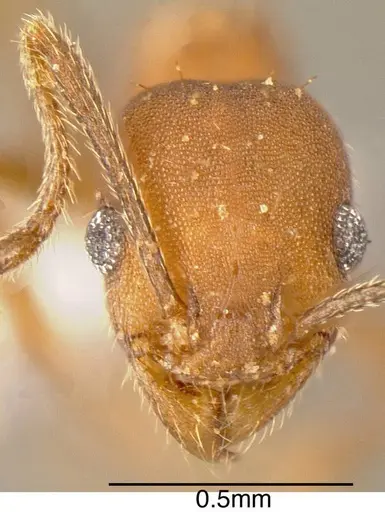
JTLC000016320
View on AntWeb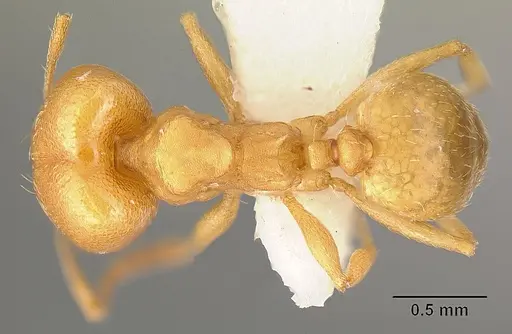
Literature
Loading distribution map...Loading products...