
Pheidole andohahela
- Sci. Name
- Pheidole andohahela
- Tribe
- Attini
- Subfamily
- Myrmicinae
- Author
- Salata & Fisher, 2020
- Distribution
- Found in 1 countries
Introduction
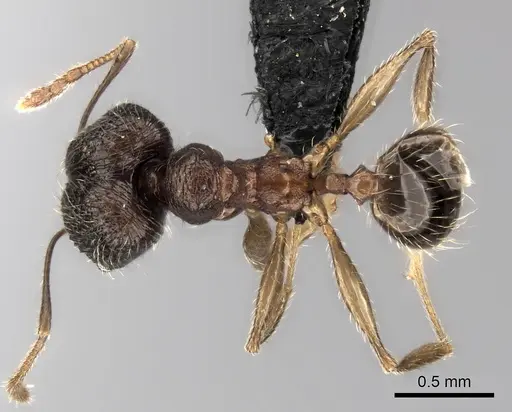
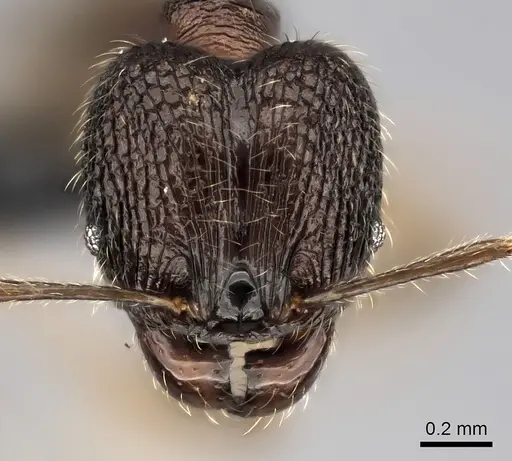
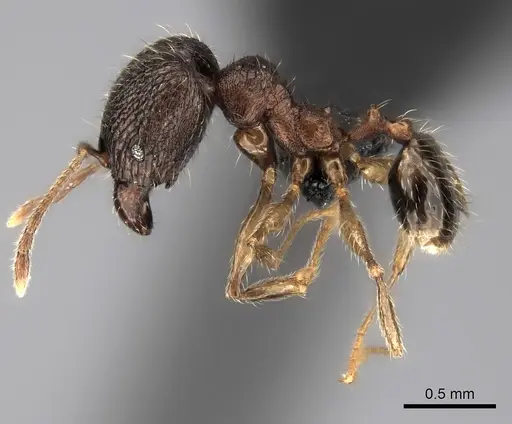
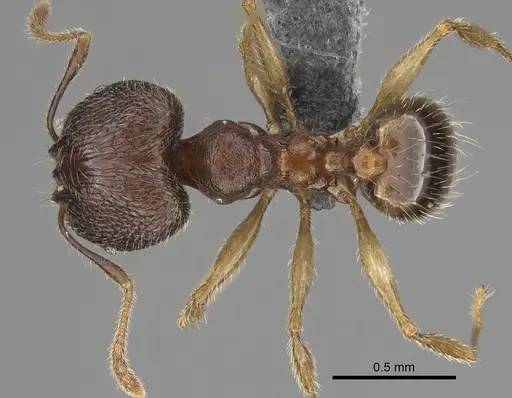
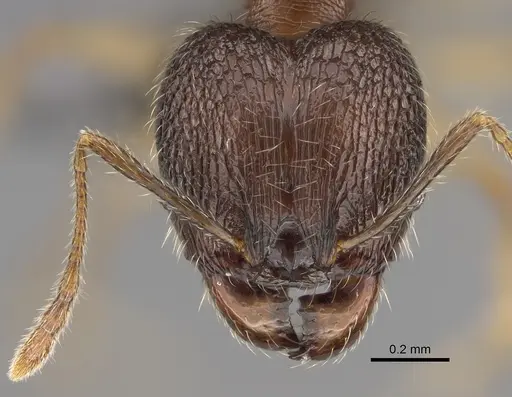
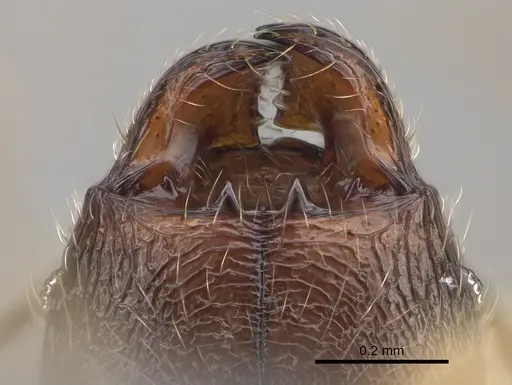
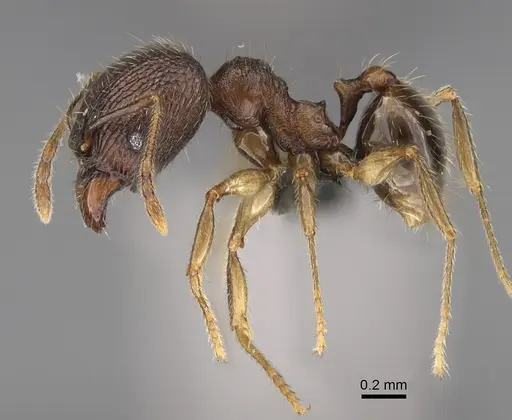
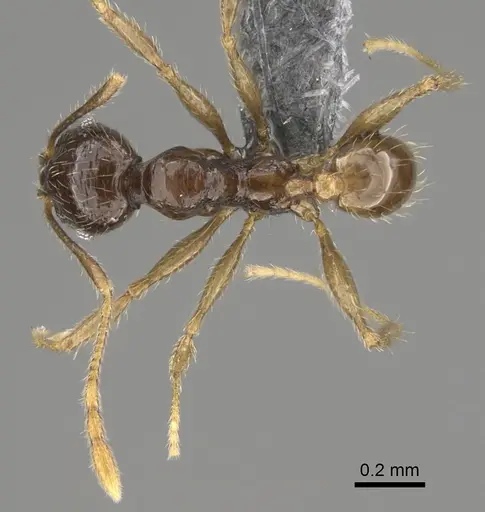
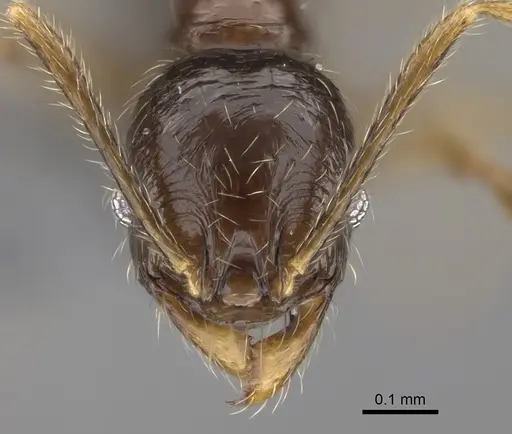
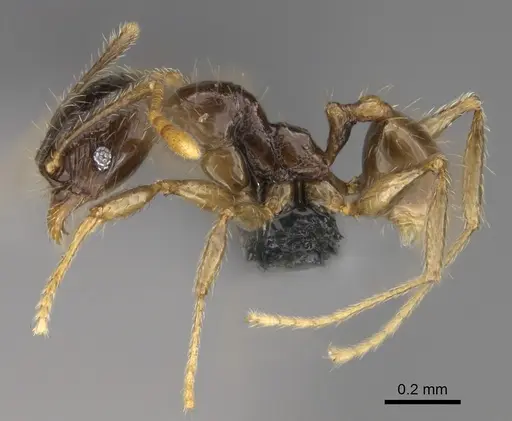
Pheidole andohahela is a minute ant species from Madagascar, described in 2020. It belongs to the Pheidole sikorae species group and is found in rainforest habitats at elevations between 400-775 meters. Nests are located in rotten logs and sticks on the forest floor . This species is notable for its very small size, but exact body size measurements are not available from the research .
Quick Summary
- Difficulty: Medium
- Origin & Habitat: Found in Parc National Andohahela, Madagascar, in rainforest at 400-775m elevation, nesting in rotten logs and sticks [1].
- Colony Type: Unconfirmed, no specific data on colony structure.
- Size & Growth:
- Queen: Size data unavailable, no total length measurements provided in research.
- Worker: Size data unavailable, no total length measurements provided in research.
- Colony: Maximum colony size is unconfirmed.
- Growth: Unconfirmed, based on genus patterns, likely moderate.
- Development: Unconfirmed, no specific data available. (Development likely temperature-dependent.)
- Antkeeping:
- Temperature: Keep warm and stable, roughly 22-26°C, as inferred from tropical rainforest habitat.
- Humidity: Keep nest substrate consistently moist but not waterlogged, as they nest in rotten wood in rainforest [1].
- Diapause: No, as a tropical species, diapause is not required.
- Nesting: Provide moist nest materials like Y-tong, plaster, or rotten wood pieces to mimic natural habitat [1].
- Behavior: Workers are small and non-aggressive. Escape risk is high due to tiny size, use fine mesh barriers. They have a sting, as typical for Myrmicinae, but no specific aggression data available.
- Common Issues: escape prevention critical due to very small size., high humidity requirements may lead to mold if ventilation is poor., colony founding may be challenging with limited data., nest humidity balance is important to prevent drying or waterlogging., slow growth may lead to impatience and overfeeding.
Housing and Nest Setup
You need to provide a humid nest that mimics their natural habitat. Since they nest in rotten logs and sticks in rainforest, use materials like Y-tong, plaster, or rotten wood pieces that hold moisture [1]. Keep the nest substrate consistently moist but not waterlogged. For the outworld, a simple foraging area with fine mesh ventilation is essential due to their tiny size. Avoid acrylic nests, use breathable materials.
Feeding and Diet
You can offer sugar sources like honey water or diluted maple syrup as a constant carbohydrate source. For protein, provide small insects such as fruit flies or pinhead crickets, appropriate for their size. Feed protein 2-3 times per week and remove uneaten prey to prevent mold. This diet is inferred from typical Pheidole species behavior.
Temperature and Humidity
Keep temperatures between 22-26°C, as they are from a tropical rainforest [1]. Maintain high humidity by keeping the nest substrate moist, use a water reservoir or mist occasionally. Avoid temperatures below 20°C or above 30°C.
Colony Development and Growth
Colony development data is unconfirmed. Based on genus patterns, expect moderate growth once established. Founding may take several months, and colonies remain small initially. Be patient and avoid overfeeding.
Behavior and Temperament
Workers are non-aggressive but have a sting typical for Myrmicinae. Escape risk is high due to their small size, use fine mesh (0.5mm or smaller) on all barriers. Check connections regularly to prevent escapes.
Frequently Asked Questions
How long does it take for Pheidole andohahela to produce first workers?
Direct data is unavailable. Based on genus patterns, it may take several months during claustral founding, but no specific timeline is confirmed.
What do Pheidole andohahela ants eat?
They are omnivorous. Offer sugar sources like honey water and protein such as small insects. Prey should be very small due to their size.
Do Pheidole andohahela ants need hibernation?
No, as a tropical species from Madagascar, diapause is not required.
Are Pheidole andohahela good for beginners?
This species is rated medium difficulty due to small size and humidity needs. It is best for antkeepers with some experience.
How big do Pheidole andohahela colonies get?
Maximum colony size is unconfirmed. Based on related species, they may reach several hundred workers, but no data is available.
What temperature should I keep Pheidole andohahela at?
Keep them at 22-26°C, as inferred from their tropical rainforest habitat [1].
Why are my Pheidole andohahela escaping?
Their very small size makes them excellent escape artists. Use fine mesh barriers and check all connections regularly.
Can I keep multiple queens together?
Colony structure is unconfirmed. Most Pheidole species are single-queen, but combining queens is not recommended without data.
What humidity level do Pheidole andohahela need?
High humidity is essential. Keep the nest substrate moist but not waterlogged, as they nest in rotten wood in rainforest [1].
Report an Issue
The current care sheet is based fully on literature. See inconsistencies, or something that's incorrect? Please , it will be resolved after review from an admin. Contributing to the blogs tab also helps providing information, to make us be able to further improve the caresheets. Thank you for your support!
References

This caresheet is licensed under CC BY-SA 4.0 .
Community Blogs
Literature
Loading distribution map...Loading products...