
Pheidole analavelona
- Sci. Name
- Pheidole analavelona
- Tribe
- Attini
- Subfamily
- Myrmicinae
- Author
- Salata & Fisher, 2020
- Distribution
- Found in 1 countries
Introduction
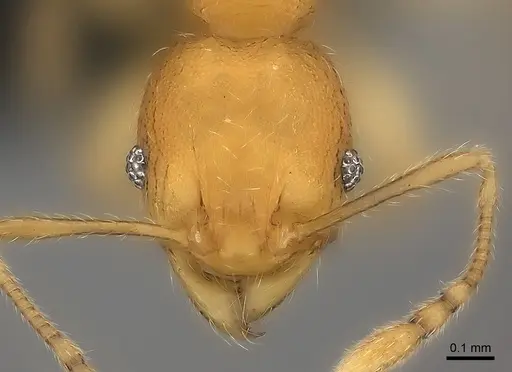
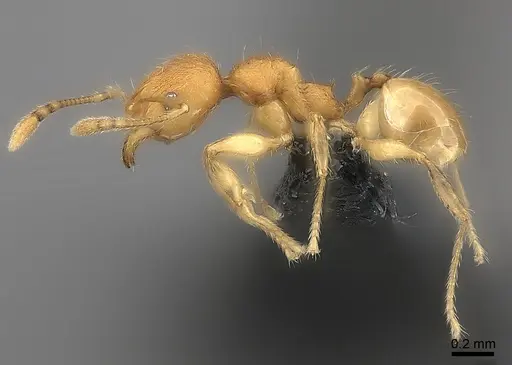
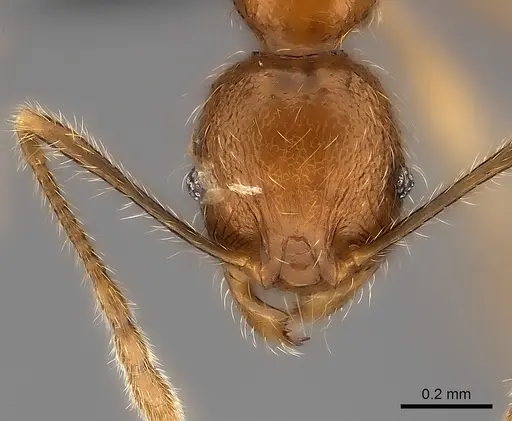
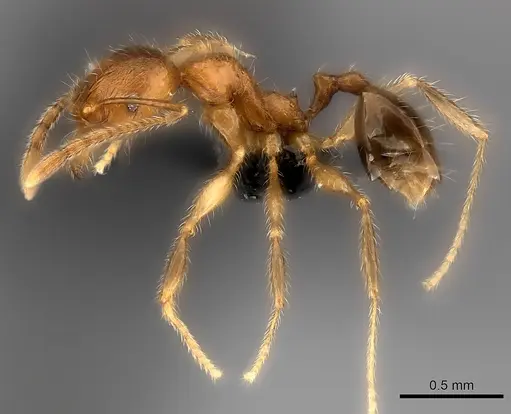
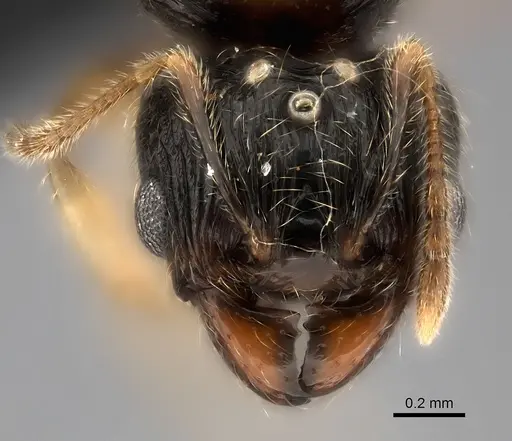
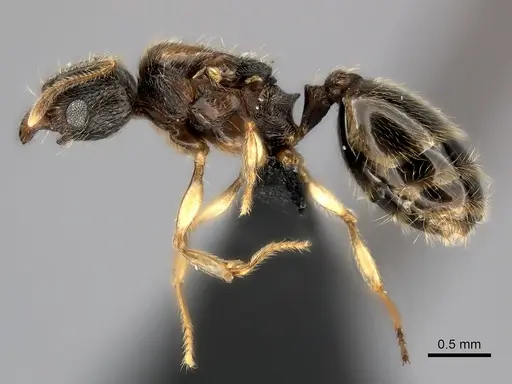
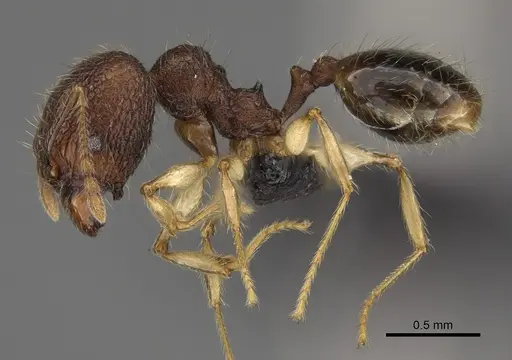
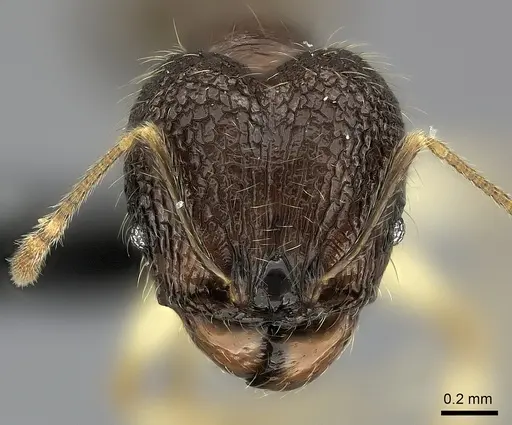
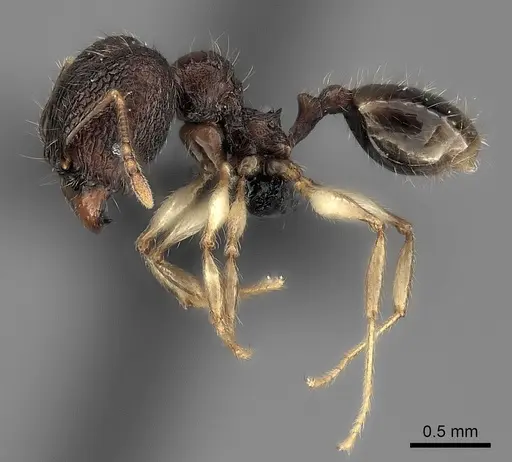
Pheidole analavelona is a species with major workers dark brown and minor workers dark orange. Full body size data is unavailable. It is endemic to southwestern Madagascar, found in montane rainforest at 1100-1300 meters elevation, nesting in rotten logs and under stones . This species belongs to the sikorae group, with distinct major and minor worker castes. It is known only from the Fort Classée d'Analavelona region, making it a rare endemic .
Quick Summary
- Difficulty: Medium
- Origin & Habitat: Montane rainforest in southwestern Madagascar at 1100-1300 meters elevation. Nests are located in rotten logs and under stones [1].
- Colony Type: Colony structure is unconfirmed. Based on typical Pheidole patterns, likely single-queen with major and minor worker castes.
- Size & Growth:
- Queen: size data unavailable
- Worker: size data unavailable, inferred from Pheidole genus to be small
- Colony: Unknown
- Growth: Unknown
- Development: Unknown, no specific data. Based on related Pheidole species, development may take 6-10 weeks at warm temperatures. (Development timeline is unconfirmed for this species.)
- Antkeeping:
- Temperature: Based on montane rainforest origin, aim for moderate temperatures around 20-24°C. Avoid overheating [1].
- Humidity: Keep nest substrate consistently moist but not waterlogged. Provide a humidity gradient for self-regulation [1].
- Diapause: Unknown, no specific data on overwintering requirements.
- Nesting: In captivity, use a naturalistic setup with moist soil or a Y-tong/plaster nest. Retain moisture while providing dry areas [1].
- Behavior: Pheidole ants have a stinger, but the sting is mild. Colonies have major and minor workers, with majors defending the nest. Escape risk is moderate due to small worker size.
- Common Issues: difficulty sourcing colonies due to limited availability, lack of species-specific care data may lead to improper husbandry, inadequate humidity can cause colony death, escape of workers can lead to colony loss
Nest Preferences
In their natural habitat, Pheidole analavelona colonies nest in rotting logs and under stones within montane rainforest at elevations of 1100-1300 meters. This indicates a preference for humid, shaded microhabitats. For captive care, a naturalistic setup with moist soil or a Y-tong style nest works well. The nest material should retain moisture without becoming waterlogged [1].
Feeding and Diet
Pheidole ants are typically omnivorous. Offer small insects, protein jelly, and sugar sources like honey water. Feed protein 2-3 times per week with constant sugar water access. Remove uneaten food to prevent mold [2].
Temperature and Care
Based on montane rainforest origin, keep ants at moderate temperatures of 20-24°C. Avoid temperatures above 28°C. A temperature gradient allows workers to self-regulate [1].
Behavior and Colony Structure
Pheidole analavelona has distinct major and minor workers. Major workers defend the colony, while minors handle foraging and brood care. The species is not aggressive toward keepers, but majors can sting if threatened [1].
Acquisition and Availability
This species was described in 2020 and is known only from a limited region in Madagascar. Wild-caught colonies are difficult to obtain, and prospective keepers should expect limited availability [1].
Growth and Development
No specific development timing data exists for this species. Based on related Pheidole ants, egg-to-worker development may take 6-10 weeks at warm temperatures. Colony growth is gradual [2].
Frequently Asked Questions
How long does it take for Pheidole analavelona to produce first workers?
The exact timeline is unconfirmed. Based on related species, expect approximately 6-10 weeks from egg to first worker at warm temperatures [2].
What do Pheidole analavelona ants eat?
They are omnivorous. Offer small insects, protein jelly, and sugar sources like honey water [2].
What temperature do Pheidole analavelona ants need?
Keep them at moderate temperatures of 20-24°C, based on their montane origin [1].
Are Pheidole analavelona ants good for beginners?
This species is rated Medium difficulty due to limited care data and humidity requirements.
How big do Pheidole analavelona colonies get?
Colony size data is unavailable for this species.
Can I keep multiple queens together?
Colony structure is unconfirmed. Based on typical Pheidole patterns, single-queen colonies are most common.
What humidity level do Pheidole analavelona ants need?
As montane rainforest inhabitants, they need moderate to high humidity. Keep nest substrate moist but not waterlogged [1].
What type of nest is best for Pheidole analavelona?
In captivity, use a naturalistic setup with moist soil or a Y-tong/plaster nest [1].
Where is Pheidole analavelona found?
This species is endemic to southwestern Madagascar, specifically Fort Classée d'Analavelona, at 1100-1300 meters elevation [1].
Is Pheidole analavelona available in the antkeeping hobby?
This is a newly described species known only from a limited region. It is likely extremely rare or unavailable [1].
Do Pheidole analavelona ants need hibernation?
Diapause requirements are unknown for this species. They may have reduced activity during cooler months.
Report an Issue
The current care sheet is based fully on literature. See inconsistencies, or something that's incorrect? Please , it will be resolved after review from an admin. Contributing to the blogs tab also helps providing information, to make us be able to further improve the caresheets. Thank you for your support!
References

This caresheet is licensed under CC BY-SA 4.0 .
Community Blogs
CASENT0024064
View on AntWeb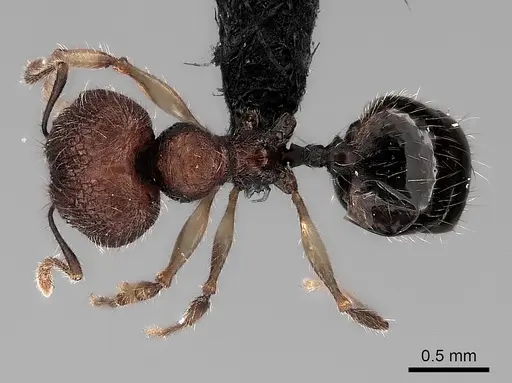
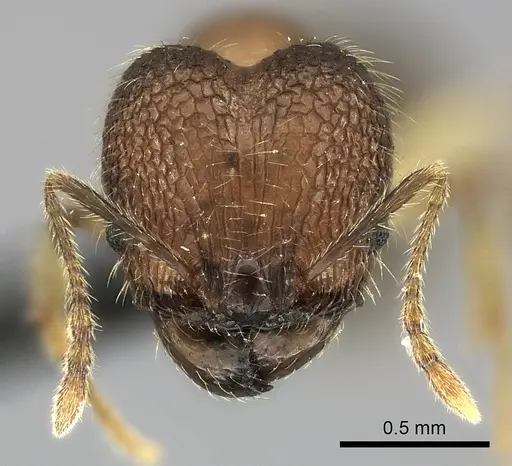
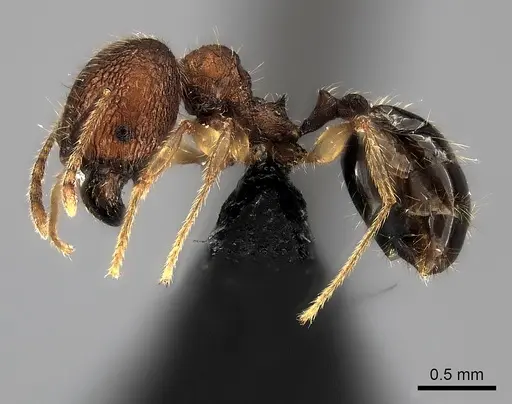
CASENT0032137
View on AntWeb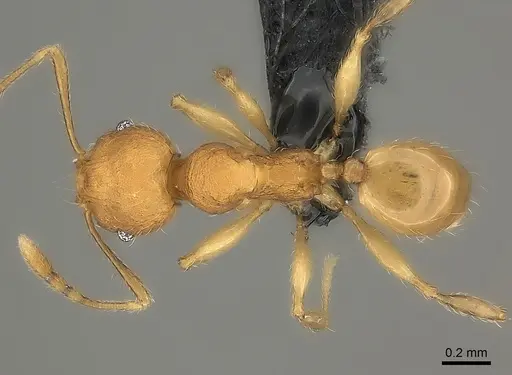
CASENT0032140
View on AntWeb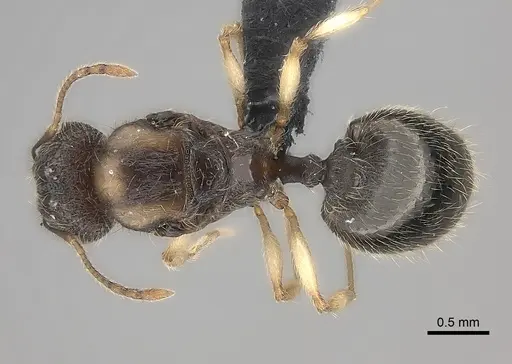
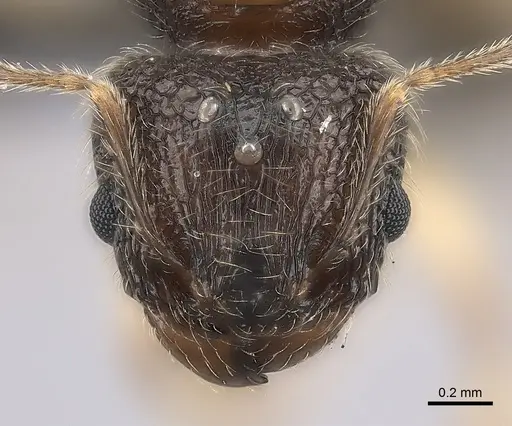
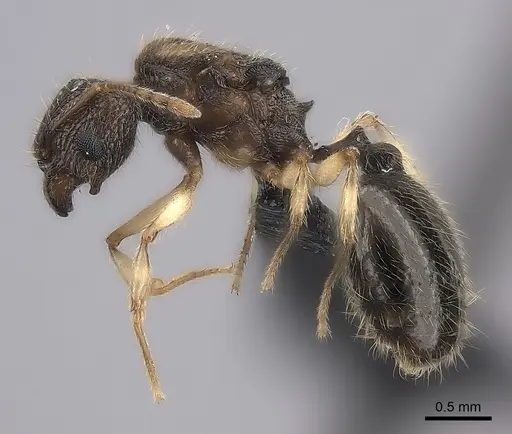
CASENT0235056
View on AntWeb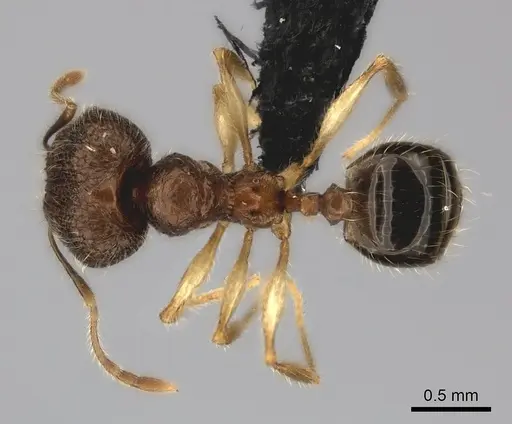
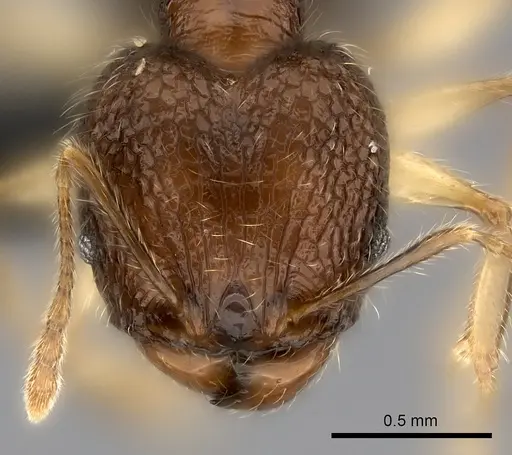
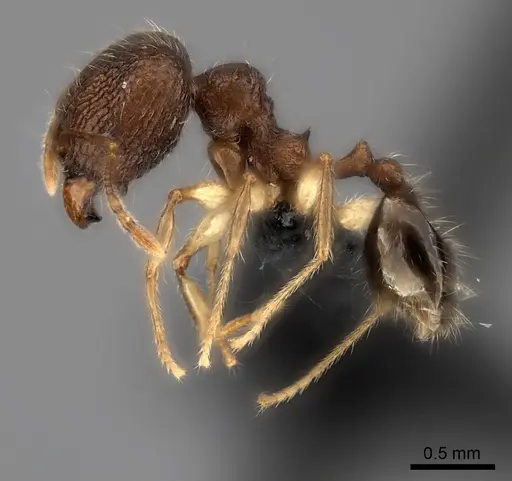
CASENT0491705
View on AntWeb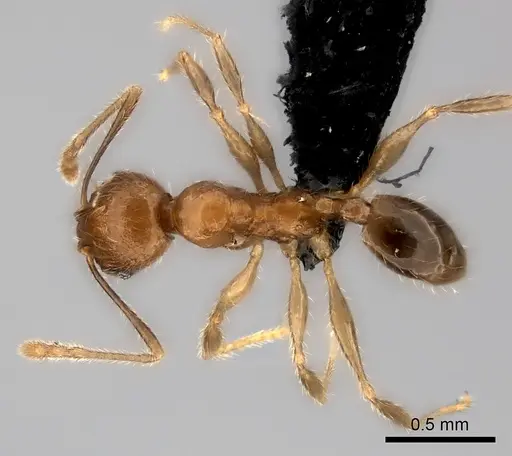
CASENT0491707
View on AntWeb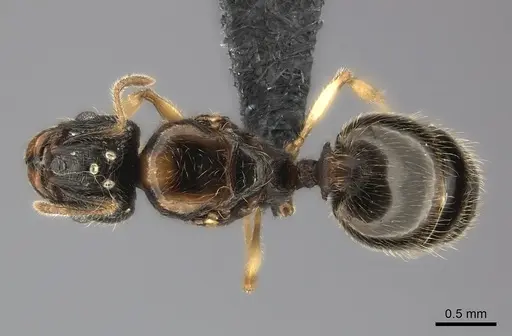
CASENT0491709
View on AntWeb
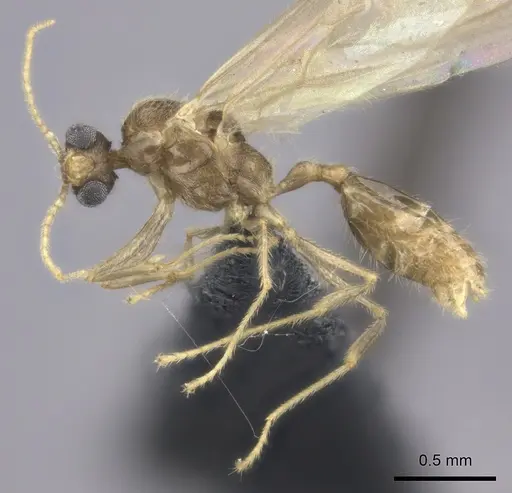
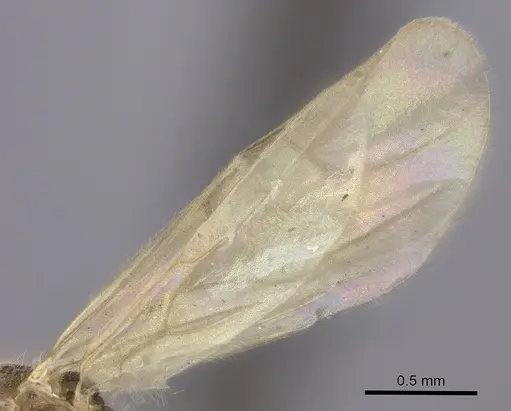
CASENT0491846
View on AntWeb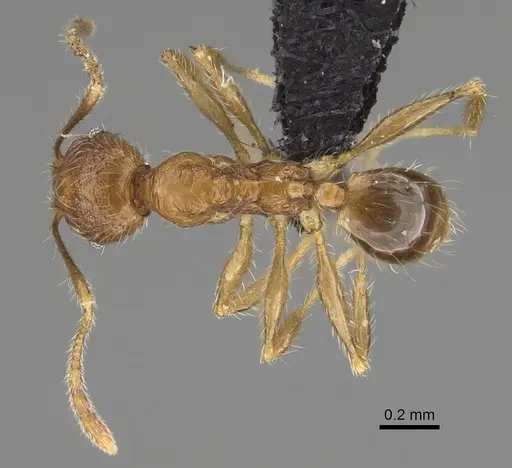
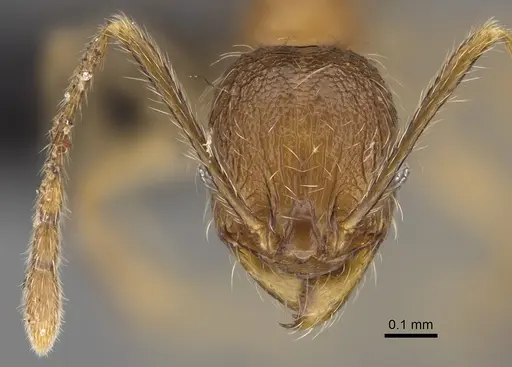
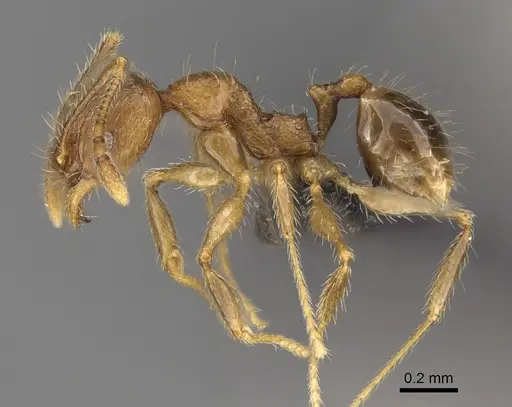
CASENT0491849
View on AntWeb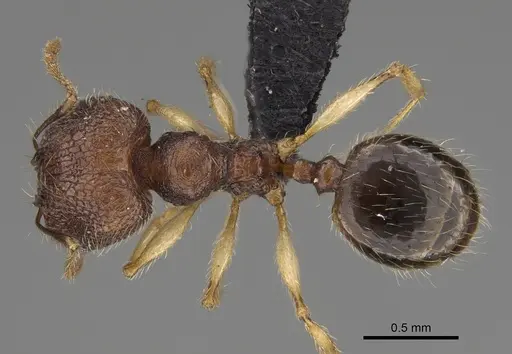
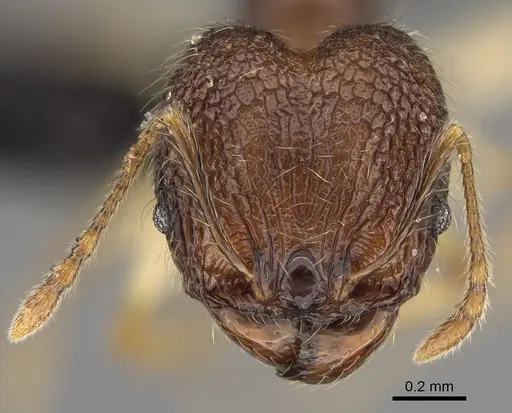
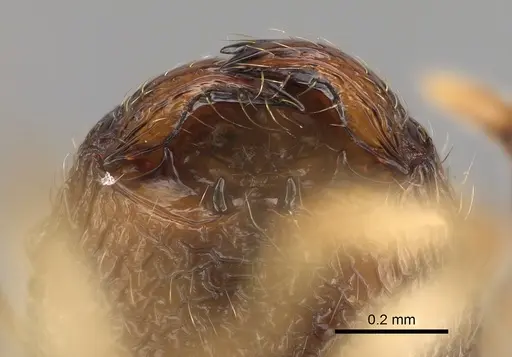
CASENT0498215
View on AntWeb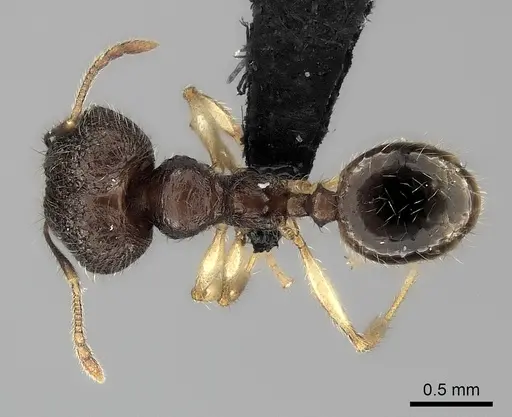
Literature
Loading distribution map...Loading products...