
Pheidole ampla
- Sci. Name
- Pheidole ampla
- Tribe
- Attini
- Subfamily
- Myrmicinae
- Author
- Forel, 1893
- Distribution
- Found in 1 countries
Introduction
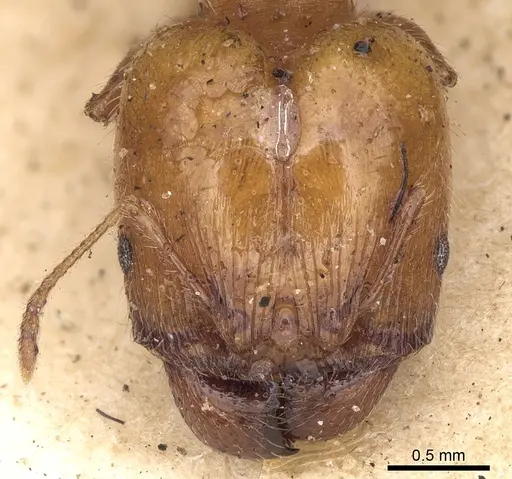
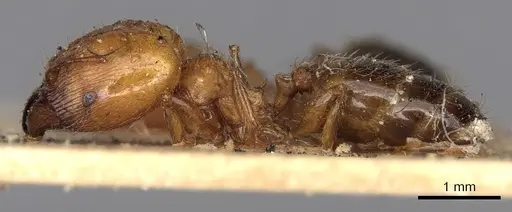
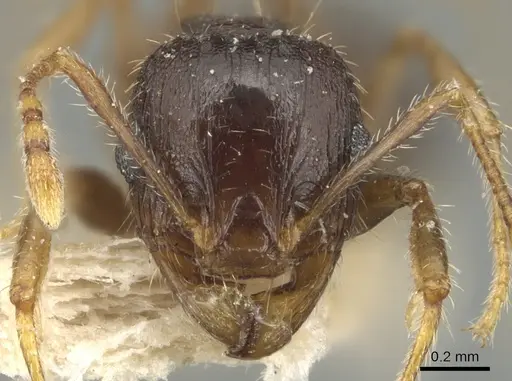
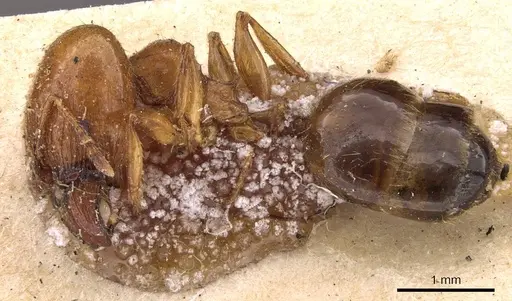
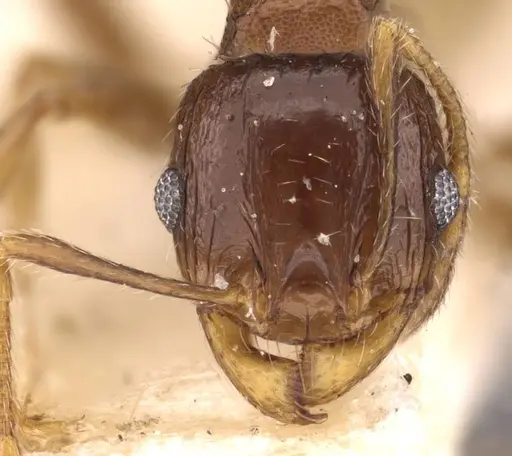
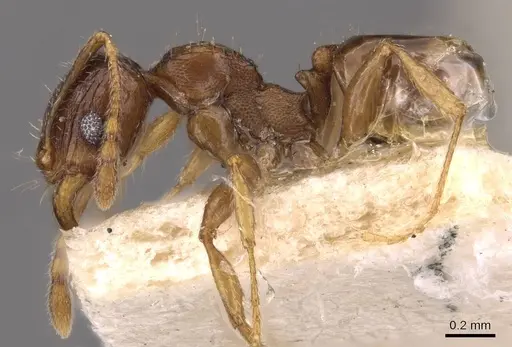
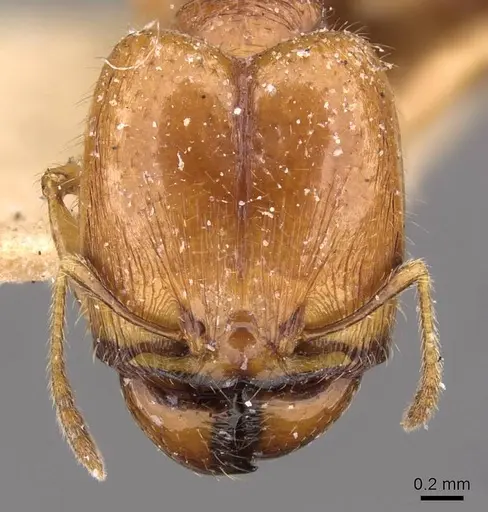
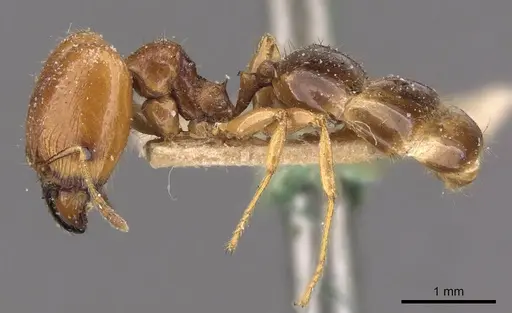
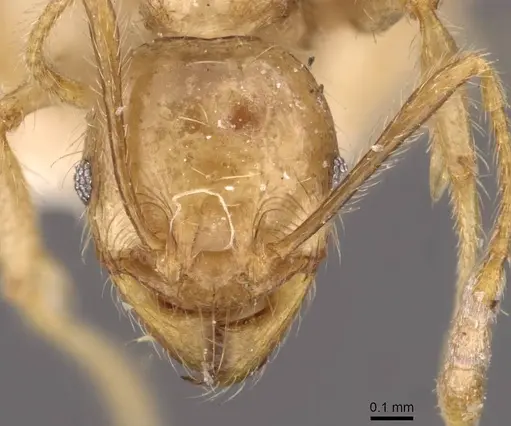
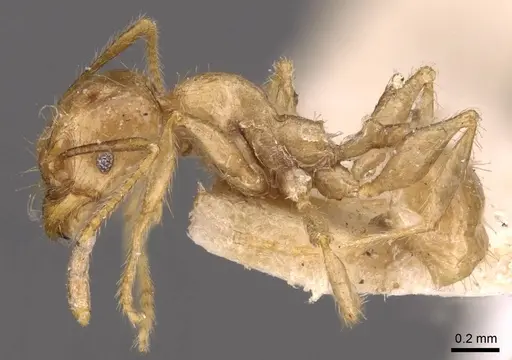
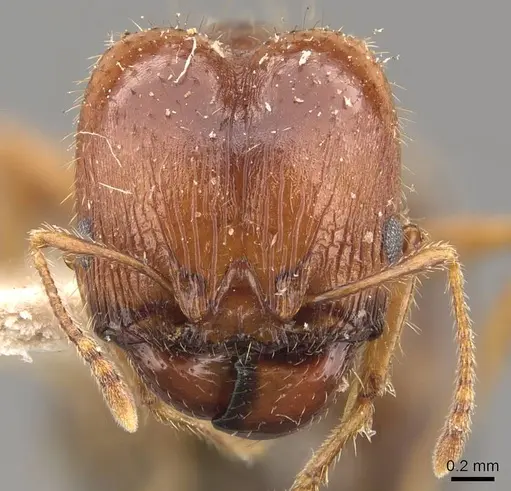
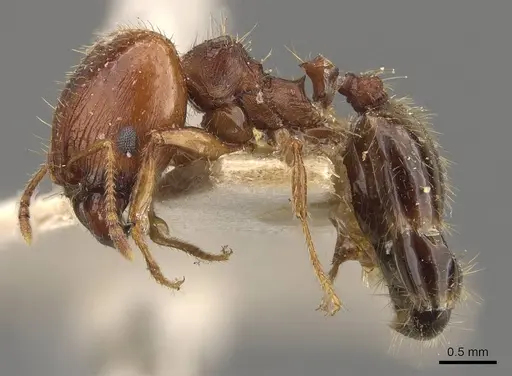
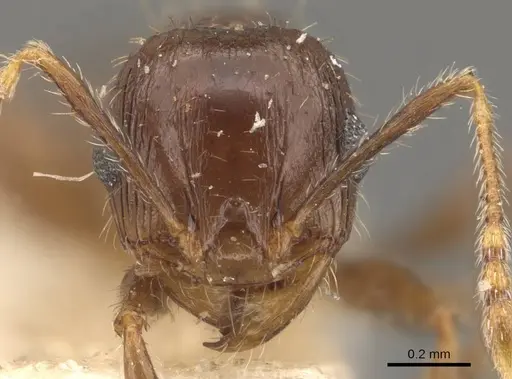
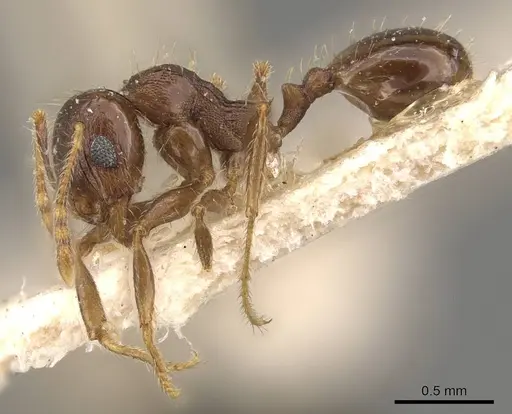
Pheidole ampla is an Australian big-headed ant species. It has a two-caste system. Minor workers handle daily tasks. Major workers (soldiers) have enlarged heads for seed processing and colony defense. The species is a true harvester. It collects and stores seeds in underground nest chambers. Pheidole ampla is found across Western Australia, including Rottnest Island and the Abrolhos Islands. Populations also exist on Norfolk Island . The species nests under stones in grassy areas and forms small to medium-sized colonies .
Quick Summary
- Difficulty: Medium
- Origin & Habitat: Western Australia and surrounding islands, including Rottnest Island and the Abrolhos Islands. They nest under stones in grassy areas [1].
- Colony Type: Single-queen colonies (monogyne), though this is unconfirmed. Colonies feature distinct major and minor worker castes.
- Size & Growth:
- Queen: size data unavailable
- Worker: ~5-10mm, inferred from Pheidole genus
- Colony: up to several hundred workers [1]
- Growth: Moderate
- Development: Unknown, likely several weeks to months based on Pheidole patterns (Development speed depends on temperature and food availability.)
- Antkeeping:
- Temperature: Keep between 22-26°C for active foraging. Room temperature works fine. Provide a gradient with a heat source on one side.
- Humidity: Provide a humidity gradient. Keep the nest substrate mostly dry with one small moist area. These ants nest under stones in dry grassy areas, so high humidity causes mold.
- Diapause: Unknown. Australian temperate origin suggests a winter rest period, but exact requirements are unconfirmed. If you notice reduced activity in cooler months, try a 2-3 month rest at 15-18°C.
- Nesting: Plaster nests, soil nests, or 3D-printed nests work well. Provide a small container of dry sand or soil in the outworld for seed storage behavior.
- Behavior: Generally peaceful. Major workers use their large heads to crack seeds and block nest entrances rather than to attack. They possess a functional stinger, but it is rarely used and less medically significant than fire ants. Foragers are active during warm daylight hours. Escape risk is moderate due to small worker size.
- Common Issues: seed storage behavior means they may ignore fresh protein if well-fed on stored seeds, colonies can be slow to establish during the founding phase, major workers take time to appear after the colony grows, wild-caught colonies may carry parasites that affect survival in captivity, overheating is more dangerous than cold, avoid temperatures above 30°C
Nest Preferences and Housing
Pheidole ampla adapts well to various captive setups. Plaster nests work well because they hold moisture gradients and provide secure chambers. Soil nests also work fine, especially if you add a small dish of dry sand or soil where they can store seeds. 3D-printed nests are another good option. In the wild, they nest under stones in grassy areas, so providing some cover or a dark nesting chamber helps them feel secure. The key is giving them space to store seeds. A small container of dry sand or soil in the outworld lets them exhibit their natural harvesting behavior. Do not use acrylic nests, as these ants can escape through microscopic gaps. [1]
Feeding and Diet
Pheidole ampla is primarily a seed harvester. Offer a mix of grass seeds, bird seed, or specially formulated ant seeds. They will collect and store these in nest chambers, just like in the wild. Beyond seeds, they need protein. Offer small insects like fruit flies, pinhead crickets, or mealworms. Minor workers will crack larger seeds and insects using their mandibles. Sugar water or honey can be offered occasionally, but seeds should be the staple food. Fresh protein should be offered two to three times per week. Remove uneaten seeds periodically to prevent mold. [1]
Temperature and Seasonal Care
Keep your colony at 22-26°C for optimal activity and growth. Australian species are adaptable. Room temperature around 20-22°C is usually fine. A heating cable on one side of the nest creates a gradient so ants can choose their preferred temperature. During the cooler months, reduce temperatures to 15-18°C for a two to three month rest period. This mimics their natural seasonal cycle and helps maintain colony health long-term. Avoid temperatures above 30°C as this can stress or kill the colony. If your room is naturally cool in winter, no additional heating is needed during the rest period.
Colony Development and Castes
One of the most interesting aspects of keeping Pheidole ampla is watching the colony develop its distinct worker castes. Founding colonies start with just the queen and her first brood. These early workers are always minor workers. Major workers (soldiers) with their characteristic large heads typically appear after the colony grows. The ratio of majors to minors varies by colony. Majors specialize in seed processing and colony defense. Be patient during founding. It can take several months for the first workers to emerge. This slow start is normal for Pheidole species. [1]
Behavior and Temperament
Pheidole ampla is a peaceful species that rarely shows aggression toward keepers. Majors use their enlarged heads to block nest entrances and crack seeds rather than to attack. They are diurnal foragers, most active during warm daylight hours. Workers communicate through chemical trails and will recruit nestmates to good food sources. They possess a functional stinger, though it is rarely used and less medically significant than fire ants. Their small size and peaceful nature make them suitable for observation. Watch for their interesting seed-sorting behavior in the outworld.
Frequently Asked Questions
How long does it take for Pheidole ampla to raise first workers?
Expect several weeks to months from egg to first worker at optimal temperature. Founding can be slow. Be patient and avoid disturbing the queen during this critical period.
When will major workers appear in my colony?
Majors typically appear once the colony grows past the initial founding stage. The exact timing depends on colony health, feeding, and temperature. Some colonies may take longer. This is normal for Pheidole species.
Can I keep multiple Pheidole ampla queens together?
Not recommended. Pheidole ampla is likely monogyne, meaning single-queen colonies. Combining unrelated queens typically results in fighting. If you acquire a colony, assume it has one reproductive queen.
What do Pheidole ampla eat?
They are seed harvesters. Offer grass seeds, bird seed, or ant seeds as a staple. Supplement with small insects like fruit flies, pinhead crickets, or mealworms two to three times per week. Occasional sugar water or honey is also accepted.
Do they need hibernation?
Unknown. Australian temperate origin suggests a winter rest period, but exact requirements are unconfirmed. If you notice reduced activity in cooler months, try a two to three month rest at 15-18°C.
Are Pheidole ampla good for beginners?
Yes, they are considered easy to keep. They are peaceful, rarely sting, and adapt well to various nest types. The main challenges are their slow founding phase and the wait for major workers to appear. Patience is key.
When should I move them to a formicarium?
You can keep them in test tubes indefinitely. Moving to a plaster or soil nest when the colony grows lets you observe their seed-storage behavior. Make sure the outworld has space for a seed-storage area.
Why are my seeds being stored instead of eaten?
This is normal behavior. Pheidole ampla is a true seed harvester. They collect and store seeds in nest chambers, similar to granary ants. This is instinctive and not a sign of problems. Offer fresh protein separately if you are concerned about nutrition.
How big do Pheidole ampla colonies get?
They form small to medium colonies. They reach up to several hundred workers at maturity. This is smaller than some tropical Pheidole species. Their size makes them suitable for compact setups.
Report an Issue
The current care sheet is based fully on literature. See inconsistencies, or something that's incorrect? Please , it will be resolved after review from an admin. Contributing to the blogs tab also helps providing information, to make us be able to further improve the caresheets. Thank you for your support!
References

This caresheet is licensed under CC BY-SA 4.0 .
Community Blogs
CASENT0281734
View on AntWeb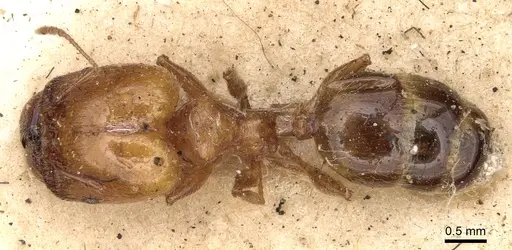
CASENT0904278
View on AntWeb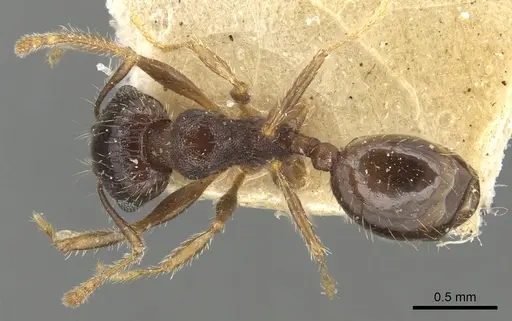
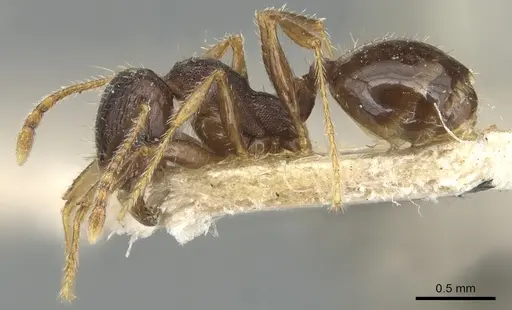
CASENT0908009
View on AntWeb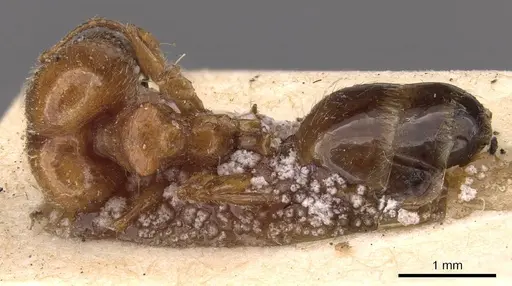
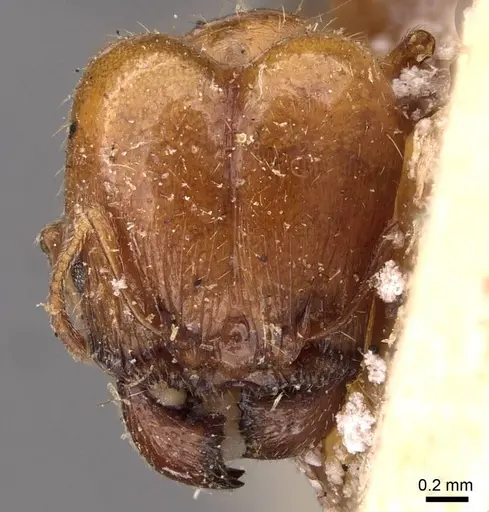
CASENT0908010
View on AntWeb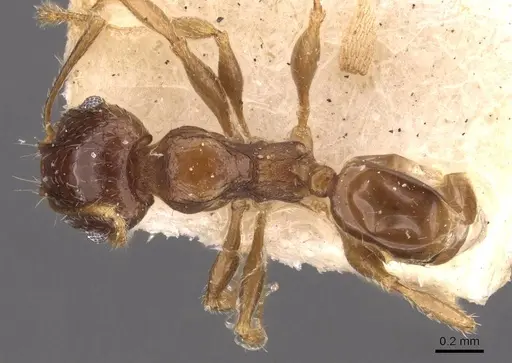
CASENT0908013
View on AntWeb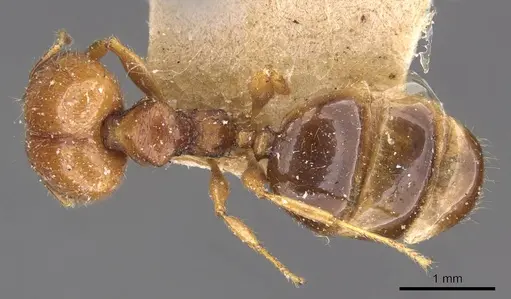
CASENT0908014
View on AntWeb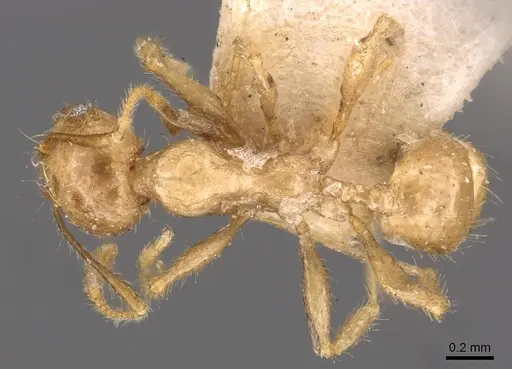
CASENT0908064
View on AntWeb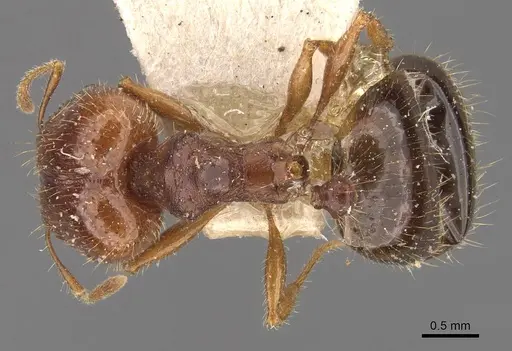
CASENT0908065
View on AntWeb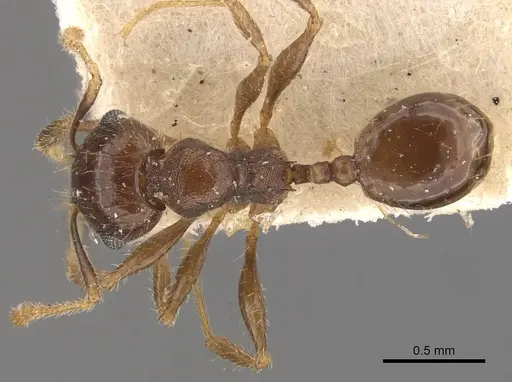
Literature
Loading distribution map...Loading products...