
Pheidole ambohimanga
- Sci. Name
- Pheidole ambohimanga
- Tribe
- Attini
- Subfamily
- Myrmicinae
- Author
- Salata & Fisher, 2020
- Distribution
- Found in 1 countries
Introduction
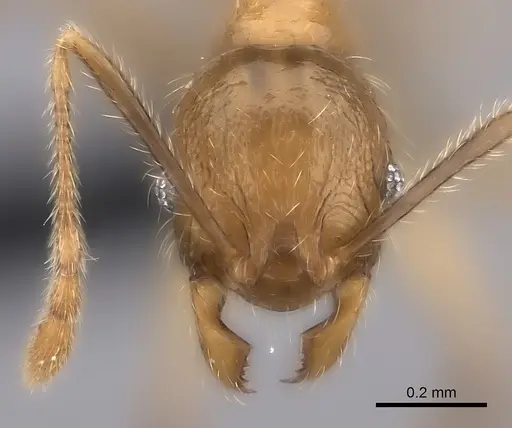
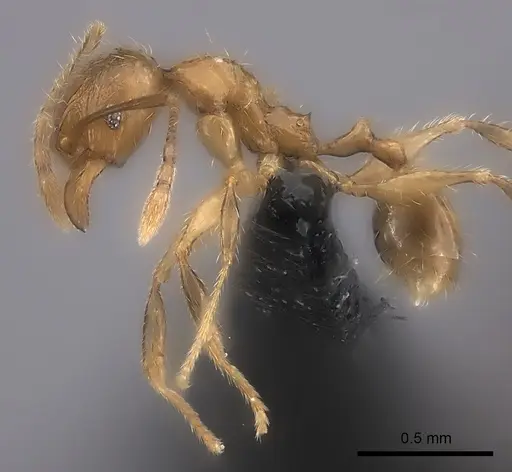
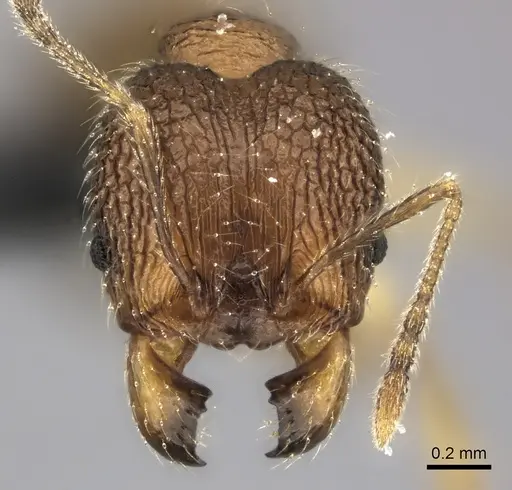
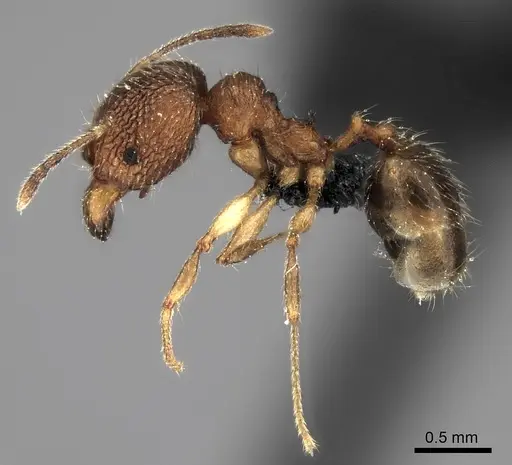
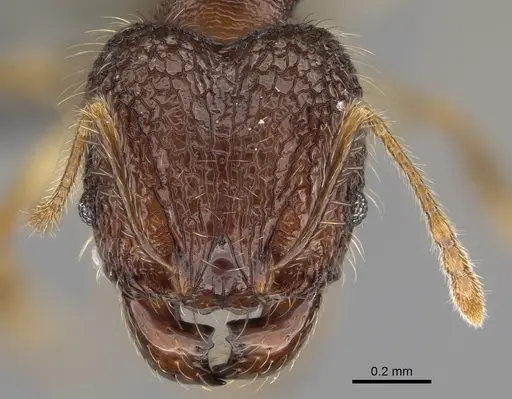
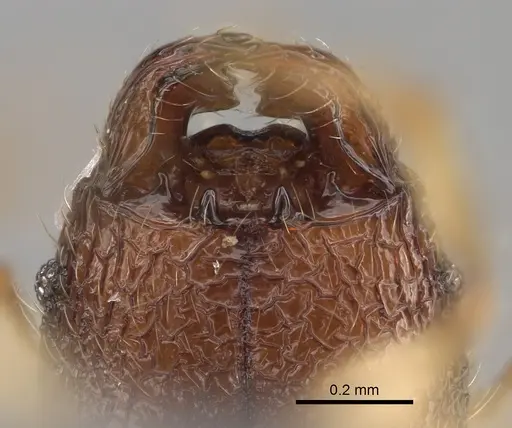
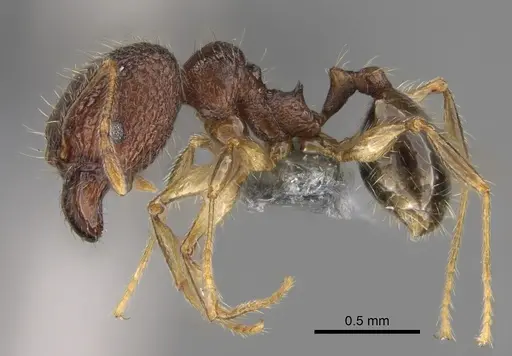
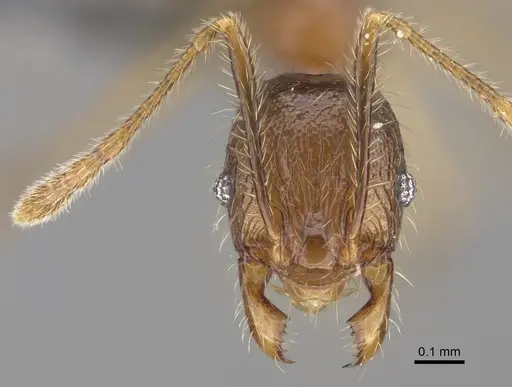
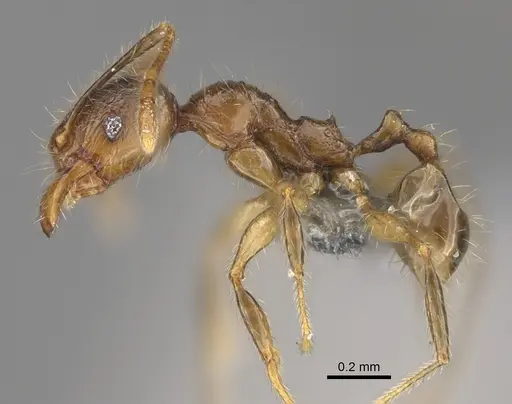
Pheidole ambohimanga is an ant species from the sikorae group, endemic to montane rainforests in central Madagascar. Major workers have an oval head that does not widen posteriorly, dark brown coloration, and dense long hairs on the head sides. Minor workers are smaller with a brown body and a short, moderately high promesonotum. This species was described in 2020 and nests under rootmats on rocks, in soil, or in rotten logs at elevations of 1294-1460 m . Size data for this species is unavailable, as no total length measurements are documented in the research.
Quick Summary
- Difficulty: Medium
- Origin & Habitat: Endemic to central Madagascar, found in montane rainforest and park habitats at 1294-1460 m elevation [1].
- Colony Type: Unconfirmed, no specific study on colony structure exists for this species.
- Size & Growth:
- Queen: Size data unavailable [1].
- Worker: Size data unavailable [1].
- Colony: Unknown, no colony size data exists for this species.
- Growth: Unknown
- Development: Unconfirmed, based on typical Pheidole patterns, estimate 6-10 weeks from egg to first worker at optimal temperature. (This is a newly described species with no captive breeding data, estimates are inferred from genus-level patterns.)
- Antkeeping:
- Temperature: Based on montane habitat, prefer cooler temperatures around 18-24°C, with 20-22°C ideal [1]. Avoid overheating.
- Humidity: Keep nest substrate consistently moist but not waterlogged, reflecting montane rainforest conditions [1].
- Diapause: Unknown, montane habitats may have seasonal changes, but no specific diapause data exists.
- Nesting: In nature, nests under rootmats on rocks, in soil, or in rotten logs [1]. In captivity, use soil-based nests with hiding spots and connect to an outworld.
- Behavior: Based on typical Pheidole patterns, this species is generally non-aggressive and focuses on seed collection and small prey. Escape risk is low due to small size, but standard barriers apply.
- Common Issues: new species means no established care protocols, you are pioneering captive breeding, lack of colony size data makes growth patterns unpredictable, montane origin means sensitivity to overheating, keep away from direct heat sources, wild-caught colonies may carry unidentified parasites or diseases, humidity control is critical, too dry harms brood, too wet causes mold
Discovery and Taxonomy
Pheidole ambohimanga was described in 2020 by Salata and Fisher, belonging to the Pheidole sikorae species group. It is morphologically similar to P. analavelona but distinguished by smoother head sculpture in majors and reduced foveolae in minors [1].
Natural Nesting Habits
In the wild, this species nests under rootmats on rocks, in soil, or in rotten logs at 1294-1460 m elevation, indicating a preference for humid, protected microhabitats [1].
Housing Recommendations
Use a naturalistic setup with moist soil substrate and hiding structures like cork or leaf litter. A Y-tong (AAC) nest with moisture chambers can work, connected to an outworld. Keep substrate moist but allow drying between waterings to prevent mold [1].
Feeding and Diet
Based on typical Pheidole patterns, this species likely eats seeds, small insects, and honeydew. In captivity, offer small live or frozen insects, seeds, and sugar sources. Feed protein 2-3 times weekly with sugar available constantly.
Temperature and Seasonal Care
Keep temperatures between 18-24°C, with 20-22°C ideal, based on their montane habitat [1]. Avoid direct heat sources. A slight cooling period in winter may be beneficial if colony activity reduces.
Colony Development Expectations
No captive breeding data exists. Based on typical Pheidole patterns, expect 6-10 weeks from egg to first worker at optimal temperature. Initial growth will be slow, and you may contribute to the first records for this species.
Frequently Asked Questions
How do I keep Pheidole ambohimanga ants?
Keep them in a naturalistic setup with moist soil and hiding spots. Room temperature (18-24°C) is ideal, and provide protein, seeds, and sugar water [1].
What do Pheidole ambohimanga ants eat?
They likely eat seeds, small insects, and honeydew. Offer small insects, seeds, and sugar sources in captivity.
How long does it take for Pheidole ambohimanga to have first workers?
No data exists, but based on typical Pheidole patterns, estimate 6-10 weeks from egg to first worker at optimal temperature.
What temperature do Pheidole ambohimanga ants need?
Keep them at 18-24°C, with 20-22°C ideal, based on their montane habitat [1].
Do Pheidole ambohimanga ants need hibernation?
Unknown, no specific data exists. Based on montane habitat, diapause may not be required, but a cooling period could be beneficial.
Are Pheidole ambohimanga ants good for beginners?
Not ideal for beginners due to lack of established care protocols, you will be pioneering captive breeding.
How big do Pheidole ambohimanga colonies get?
Unknown, no colony size data exists for this species.
Where is Pheidole ambohimanga found?
Only in central Madagascar, specifically Ambohimanga area, in montane rainforest at 1294-1460 m elevation [1].
Can I keep multiple Pheidole ambohimanga queens together?
Not recommended, no data on founding behavior, Pheidole are typically single-queen colonies, and combining queens risks fighting.
Report an Issue
The current care sheet is based fully on literature. See inconsistencies, or something that's incorrect? Please , it will be resolved after review from an admin. Contributing to the blogs tab also helps providing information, to make us be able to further improve the caresheets. Thank you for your support!
References

This caresheet is licensed under CC BY-SA 4.0 .
Community Blogs
CASENT0128390
View on AntWeb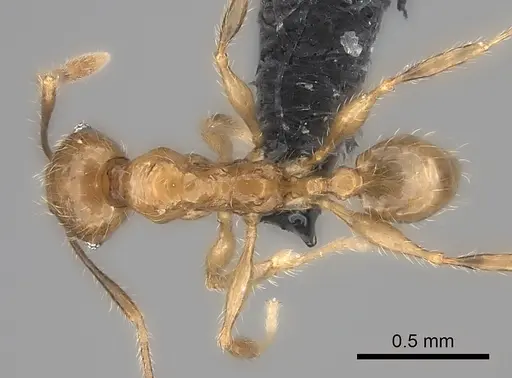
CASENT0480265
View on AntWeb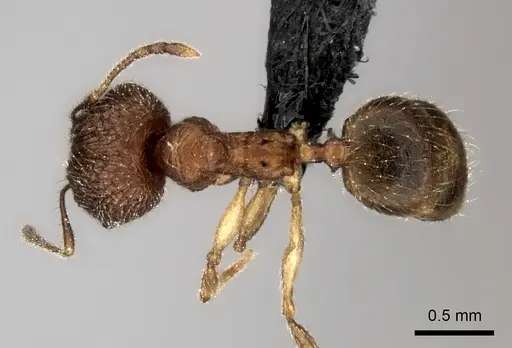
CASENT0720924
View on AntWeb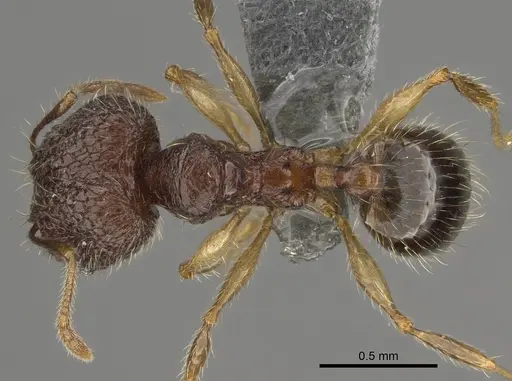
CASENT0923279
View on AntWeb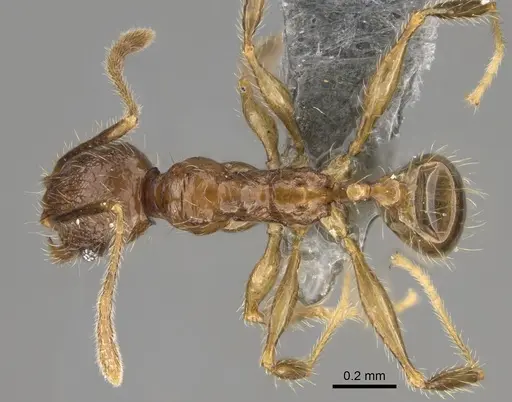
Literature
Loading distribution map...Loading products...