
Pheidole ambigua
- Sci. Name
- Pheidole ambigua
- Tribe
- Attini
- Subfamily
- Myrmicinae
- Author
- Wilson, 2003
- Distribution
- Found in 1 countries
Introduction
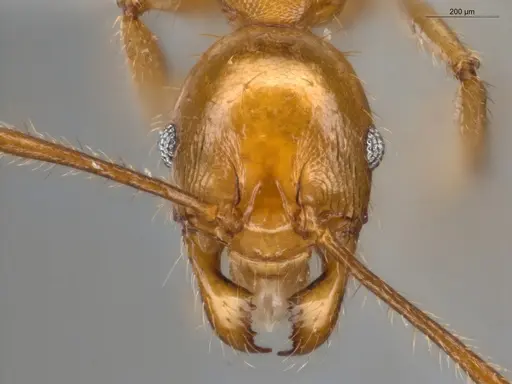
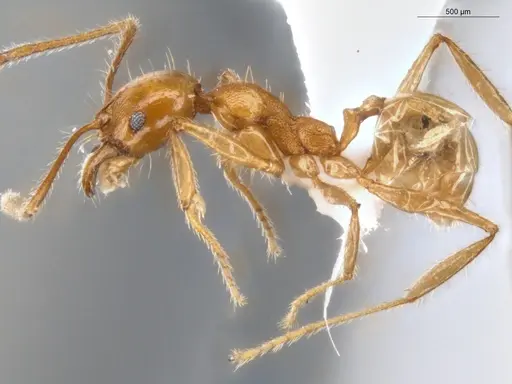
Pheidole ambigua is a medium-sized ant species in the tristis group, native to Brazil. It is only known from the Caraguatatuba Forest Reserve in São Paulo State, with records from Paraná in forest habitats . Major workers are light reddish-yellow, and minor workers are light yellowish-brown with yellow appendages . Size data is unavailable for this species. This is one of the least studied Pheidole species, with no known biology or captive care data, making it a challenge for antkeepers.
Quick Summary
- Difficulty: Unknown
- Origin & Habitat: Known from Caraguatatuba Forest Reserve, São Paulo, Brazil, and forest habitats in Paraná [1][2].
- Colony Type: Unconfirmed, colony structure has not been documented for this species.
- Size & Growth:
- Queen: Size data unavailable [2].
- Worker: Size data unavailable.
- Colony: Unknown, no colony size data exists.
- Growth: Unknown
- Development: Unknown, no development data exists. (No specific timeline available.)
- Antkeeping:
- Temperature: Unconfirmed, based on Neotropical origin, start around 24-28°C and observe colony activity.
- Humidity: Unconfirmed, forest habitat suggests moderate humidity, keep nest substrate moist but not waterlogged.
- Diapause: Unknown, Neotropical species may not require hibernation.
- Nesting: No specific data, based on Pheidole behavior, prefer soil-based nests.
- Behavior: Undocumented for this species. Based on general Pheidole behavior, minor workers handle foraging and brood care, while majors may specialize in defense. Escape risk is moderate due to small worker size.
- Common Issues: Unknown founding behavior may lead to high queen mortality., Lack of species-specific care data can result in colony failure., Escape risk due to small worker size requires careful barrier setup., Unknown diapause requirements may cause stress if not managed.
Species Background and Discovery
Pheidole ambigua was described by E.O. Wilson in 2003 based on specimens from Caraguatatuba Forest Reserve, Brazil [2]. The species name means 'uncertain', reflecting taxonomic uncertainty. It has also been recorded in Paraná State [1]. No biological research has been conducted, making it one of the least known ants in the hobby.
Identification and Morphology
Pheidole ambigua is a medium-sized species in the tristis group. Major workers have light reddish-yellow coloration, and minor workers are light yellowish-brown with yellow appendages [2]. Distinctive features include diamond-shaped postpetiole in majors and reduced propodeal spines in minors [2].
General Pheidole Husbandry
Since no specific care data exists, rely on general Pheidole practices. Pheidole ants are typically granivorous and opportunistic omnivores. They are claustral founders, but this is unconfirmed for P. ambigua. Colonies should be started in test tubes with water reservoirs.
Housing and Nest Setup
For founding, use test tube setup with water reservoir. Once workers emerge, provide a small outworld. For established colonies, use soil-based or Y-tong nests. Keep nest humid but not saturated. Escape prevention should be moderate due to small worker size.
Feeding Guidelines
Offer varied diet: protein sources like small insects, seeds, and sugar water. Pheidole majors are specialized for seed processing. Feed protein 2-3 times per week and maintain sugar source.
Temperature and Seasonal Care
Temperature requirements unconfirmed, start at 24-28°C and observe. Provide temperature gradient. Diapause unknown, Neotropical species may have reduced activity in cooler months.
Frequently Asked Questions
How do I care for Pheidole ambigua ants?
No specific care information exists since it has never been studied in captivity. Start with general Pheidole husbandry: claustral founding in test tubes, temperatures around 24-28°C, moderate humidity, and a diet of protein, seeds, and sugar. You will be pioneering the captive care of this species.
What do Pheidole ambigua eat?
The specific diet is unknown. Based on typical Pheidole behavior, offer small insects, seeds, and sugar water. Major workers are specialized for seed processing, so seeds should be accepted.
How long does it take for Pheidole ambigua to develop from egg to worker?
This is completely unknown, no development data exists for this species.
How big do Pheidole ambigua colonies get?
Unknown, no colony size data exists for this species.
What temperature should I keep Pheidole ambigua at?
Unconfirmed, start around 24-28°C as a baseline and observe colony activity. Neotropical origin suggests warmth tolerance, but specific requirements are unknown.
Can I keep multiple Pheidole ambigua queens together?
Unknown, colony structure has not been documented for this species. Most Pheidole are monogyne (single queen), but some species can be polygynous. Do not combine unrelated foundress queens without supervision.
Is Pheidole ambigua a good species for beginners?
Difficulty level is unknown since no captive husbandry information exists. This species is not recommended for beginners due to the complete lack of species-specific care data.
Do Pheidole ambigua need hibernation?
Unknown, no seasonal data exists. Neotropical species typically do not require true hibernation but may have reduced activity during cooler months.
Where is Pheidole ambigua found?
Only known from the Caraguatatuba Forest Reserve in São Paulo State, Brazil. Also recorded from Paraná State in southern Brazil [1][2].
Report an Issue
The current care sheet is based fully on literature. See inconsistencies, or something that's incorrect? Please , it will be resolved after review from an admin. Contributing to the blogs tab also helps providing information, to make us be able to further improve the caresheets. Thank you for your support!
References

This caresheet is licensed under CC BY-SA 4.0 .
Community Blogs
ECOFOG-PA14-0070-02
View on AntWeb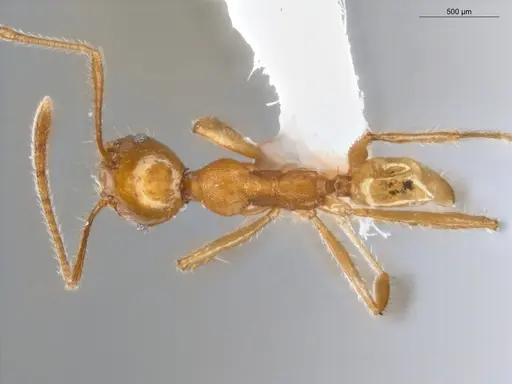
Literature
Loading distribution map...Loading products...