
Pheidole amazonica
- Sci. Name
- Pheidole amazonica
- Tribe
- Attini
- Subfamily
- Myrmicinae
- Author
- Wilson, 2003
- Distribution
- Found in 3 countries
Introduction
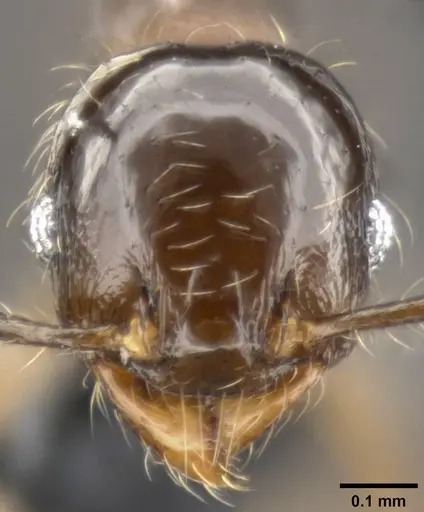
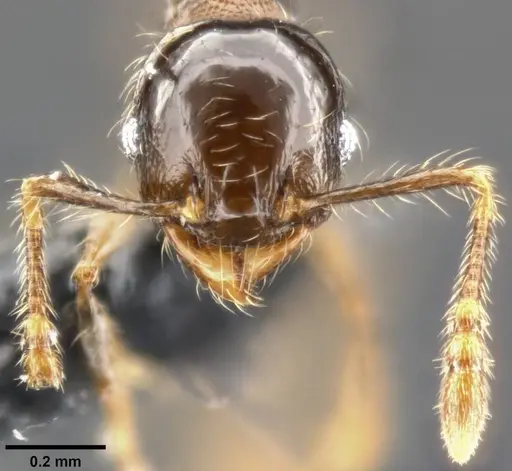
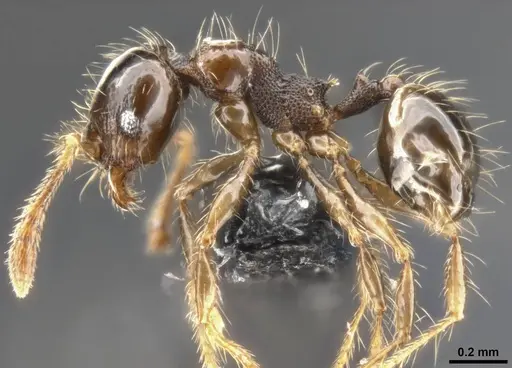
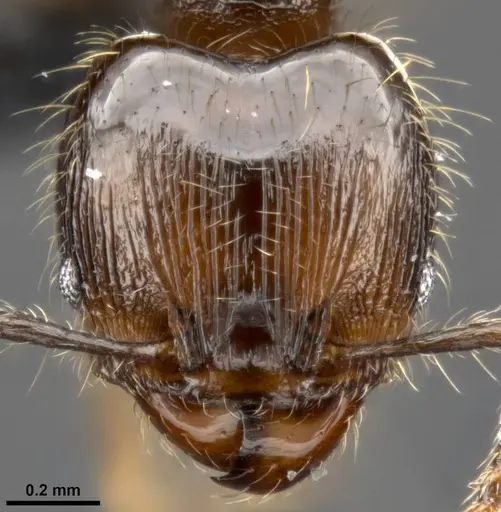
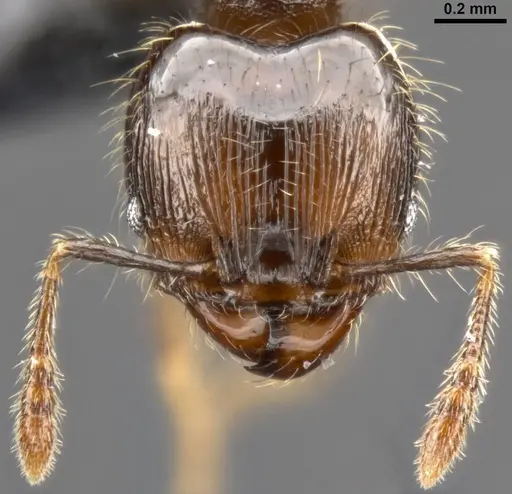
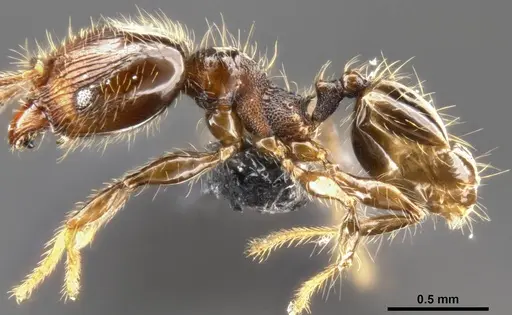
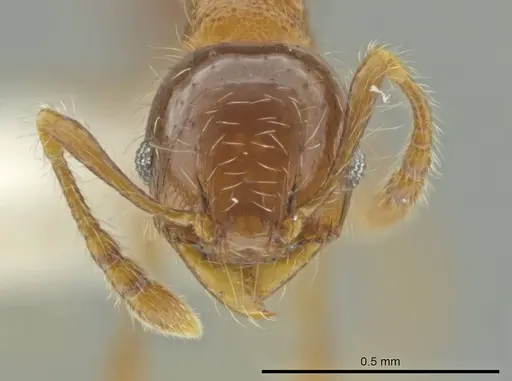
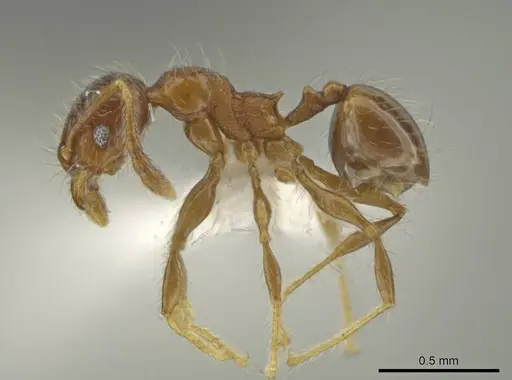
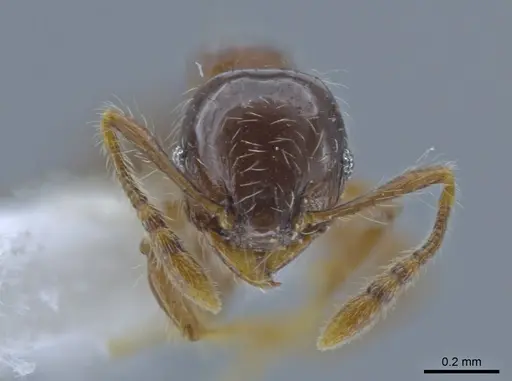
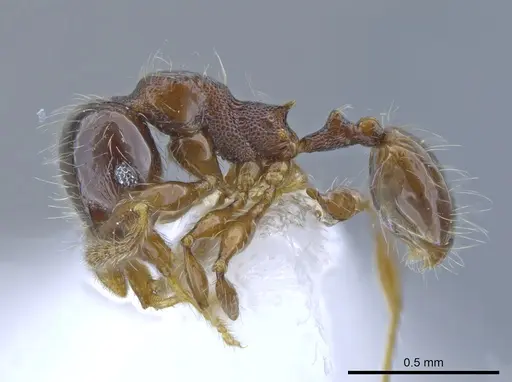
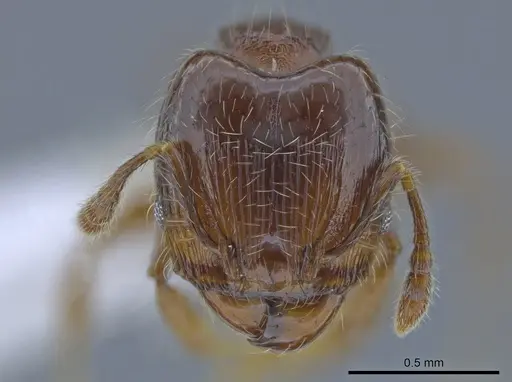
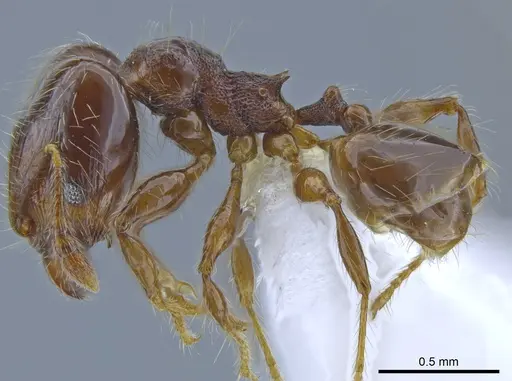
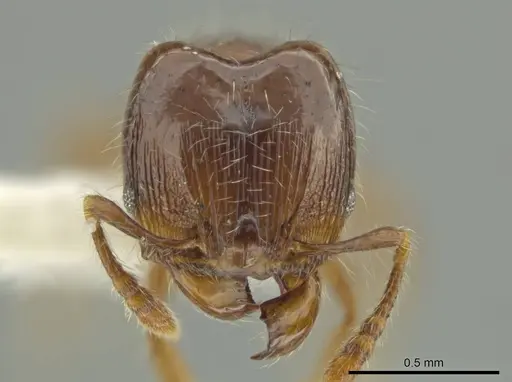
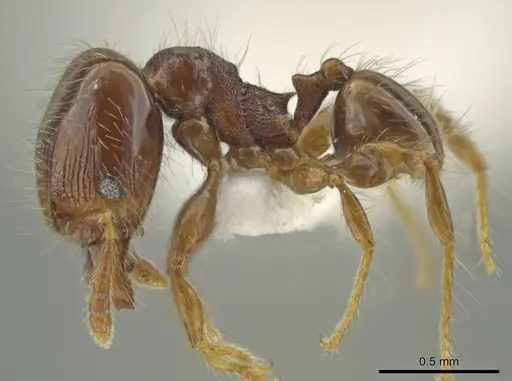
Pheidole amazonica is a small brown ant native to the Amazon basin in Peru and Ecuador. It belongs to the flavens group and has two worker castes: majors (soldiers) and minors (workers). Colonies are monogyne with several hundred workers, nesting in rotten sticks and branches on the forest floor from terra firme into seasonally flooded areas . Body size data is unavailable from the literature, but it is a small species typical of the Pheidole genus. A notable behavior is that major workers make up over 11% of foragers at food sources, which is higher than typical for Pheidole species where majors often stay in the nest .
Quick Summary
- Difficulty: Medium
- Origin & Habitat: Amazon basin in Peru and Ecuador, from terra firme forest into seasonally flooded forest, at elevations of 200-600 m [1][2].
- Colony Type: Monogyne colonies with a single queen [1].
- Size & Growth:
- Queen: Size data unavailable
- Worker: Size data unavailable
- Colony: Up to several hundred workers [1]
- Growth: Moderate, inferred from tropical Pheidole patterns [1]
- Development: Estimated 5-8 weeks at tropical temperatures, based on typical Pheidole development [1] (Development time may vary with temperature.)
- Antkeeping:
- Temperature: Keep at 24-28°C. As a tropical species, they prefer warm conditions. Provide a gentle gradient with heating on one side
- Humidity: Keep nest substrate consistently moist but not waterlogged, with a humidity gradient
- Diapause: No, tropical species do not require hibernation
- Nesting: Twig-nesting species. Use small nests with narrow chambers, such as Y-tong or test tubes with appropriate sizing [2][1]
- Behavior: These ants are ground-foraging and forage very close to their nest (within 0.5 meters). Major workers are active foragers, comprising over 11% of foragers. They are not aggressive but can sting if provoked, though the sting is not medically significant. Escape risk is moderate due to small size [2][1].
- Common Issues: low flood tolerance, avoid waterlogging the nest [2], require warm temperatures year-round, cool temperatures can be fatal, small size increases escape risk, use fine mesh barriers, twig-nesting behavior requires appropriately sized nests to prevent stress
Housing and Nest Preferences
Pheidole amazonica is a twig-nesting species, meaning in the wild they colonize small decaying branches, rotting seed pods, and palm seeds on the forest floor. In captivity, use small nests with narrow chambers, such as Y-tong nests or test tubes with appropriately sized compartments. Provide a small outworld connected to the nest for foraging, but since they forage close to the nest, a large area is not needed [2][1].
Feeding and Diet
In the wild, Pheidole amazonica forages for small insects, honeydew, and other protein sources. No seed caches were found in field studies, so they do not store seeds. In captivity, offer small protein like fruit flies or mealworm pieces 2-3 times per week, along with sugar water or honey. Place food near the nest entrance since they forage close by [2][1].
Temperature and Humidity
As a tropical Amazon species, keep the nest at 24-28°C year-round. Use a heating cable on one side to create a gentle gradient, but avoid overheating. Humidity should be high, keep the substrate moist but not waterlogged, with a humidity gradient to mimic their natural habitat. [1]
Colony Structure and Castes
Colonies are monogyne with a single queen. They grow to several hundred workers, including minor workers and major workers. Major workers make up over 11% of foragers, which is unusual for Pheidole species. During founding, the queen likely seals herself in a chamber, but founding behavior is unconfirmed [2][1].
Behavior and Foraging
These ants are ground-foraging and forage very close to their nest, typically within 0.5 meters. Major workers are active foragers, comprising over 11% of foragers at baits. They are not aggressive but can sting if provoked. Escape risk is moderate due to their small size, so ensure tight-fitting lids [2][1].
Frequently Asked Questions
How long does it take for Pheidole amazonica to raise first workers?
Based on typical Pheidole development patterns, expect first workers in about 5-8 weeks at tropical temperatures [1].
Can I keep multiple Pheidole amazonica queens together?
No. This species is monogyne, meaning colonies have a single queen. Multiple queens will fight [1].
What do I feed Pheidole amazonica?
Feed small protein sources like fruit flies or mealworm pieces 2-3 times per week, along with sugar water or honey. No seeds are needed [2][1].
Do Pheidole amazonica need hibernation?
No. As a tropical species from the Amazon, they do not require hibernation and should be kept warm year-round.
What size nest do I need for Pheidole amazonica?
They are twig-nesting ants, so use small nests with narrow chambers, such as Y-tong or test tubes with appropriate sizing [2][1].
Are Pheidole amazonica good for beginners?
They are intermediate in difficulty due to specific temperature and nesting requirements, but they are not aggressive and colonies are manageable in size.
How big do Pheidole amazonica colonies get?
Colonies reach up to several hundred workers in the wild [1].
Why are my Pheidole amazonica dying?
Common causes include temperatures below 24°C, too dry conditions, or waterlogging the nest due to low flood tolerance [2].
When should I move Pheidole amazonica to a formicarium?
Wait until the colony has at least 50-100 workers. They do well in test tubes during founding and early growth [1].
Report an Issue
The current care sheet is based fully on literature. See inconsistencies, or something that's incorrect? Please , it will be resolved after review from an admin. Contributing to the blogs tab also helps providing information, to make us be able to further improve the caresheets. Thank you for your support!
References

This caresheet is licensed under CC BY-SA 4.0 .
Community Blogs
CASENT0282041
View on AntWeb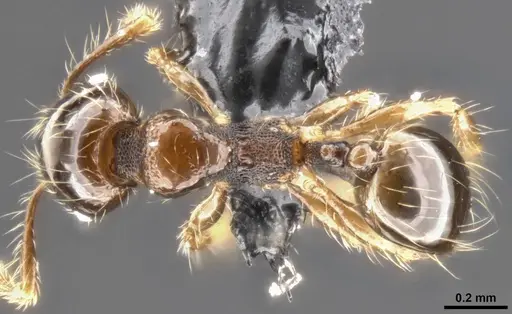
CASENT0282933
View on AntWeb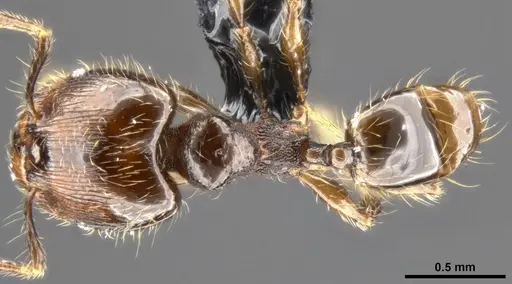
CASENT0645794
View on AntWeb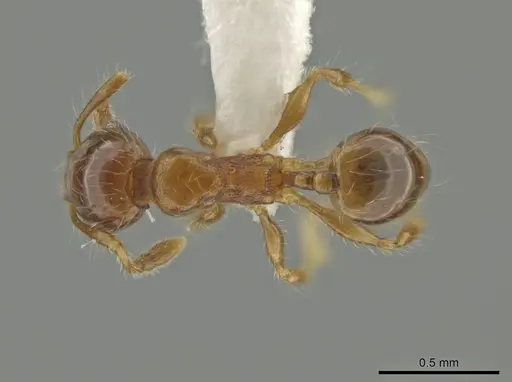
CASENT0650604
View on AntWeb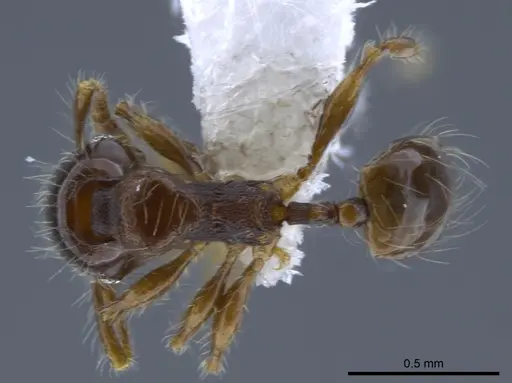
CASENT0650605
View on AntWeb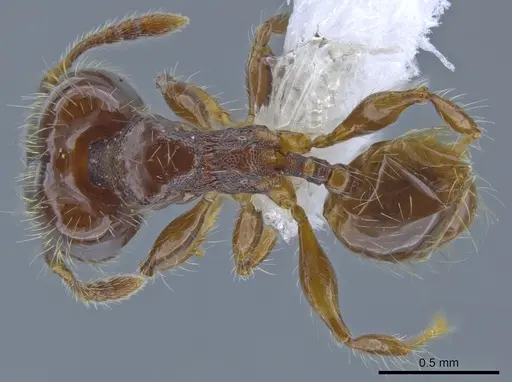
JTLC000016319
View on AntWeb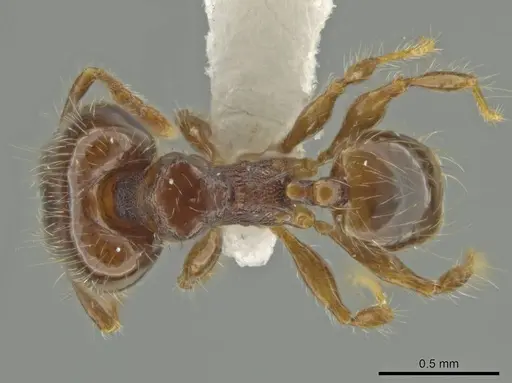
Literature
Loading distribution map...Loading products...