
Pheidole alpinensis
- Sci. Name
- Pheidole alpinensis
- Tribe
- Attini
- Subfamily
- Myrmicinae
- Author
- Forel, 1912
- Distribution
- Found in 2 countries
Introduction
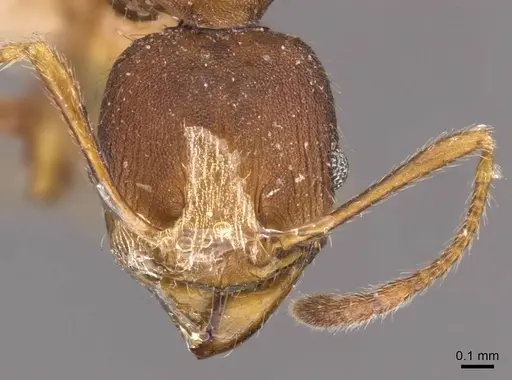
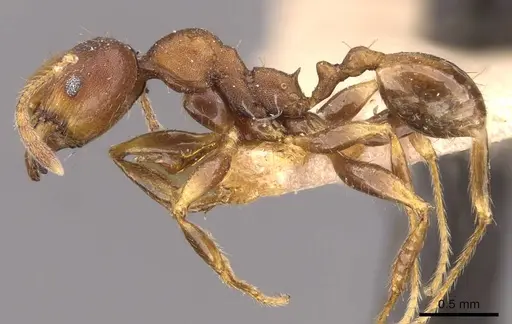
Pheidole alpinensis is a small Neotropical ant from the genus Pheidole, known for major workers with enlarged heads. Majors are reddish brown, and minors are reddish yellow. The species is only found in the Atlantic Forest of Brazil, including the type locality in Teresopolis, Rio de Janeiro, and has been recorded in forest understory habitats in southern Brazil . Body size data is unavailable, but workers are typically small based on genus patterns. This species is poorly studied, with no specific biological data available . Due to the lack of research, little is known about its biology or behavior.
Quick Summary
- Difficulty: Hard
- Origin & Habitat: Atlantic Forest of Brazil (Teresopolis, Rio de Janeiro) and southern Brazil. Found in forest understory and leaf litter habitats [1][2].
- Colony Type: Unconfirmed, no specific data on queen number or social structure.
- Size & Growth:
- Queen: ~5-7 mm, inferred from Pheidole genus [2]
- Worker: ~3-5 mm, inferred from Pheidole genus [2]
- Colony: Unknown, likely up to several hundred workers based on typical Pheidole colonies [2].
- Growth: Unknown, likely moderate based on genus patterns [2].
- Development: Unknown, estimate 6-10 weeks at warm temperatures, based on typical Pheidole development [2]. (Development speed depends on temperature.)
- Antkeeping:
- Temperature: Keep between 22-27°C, based on Neotropical habitat [2]. Avoid extremes below 18°C or above 30°C.
- Humidity: Keep nest substrate consistently moist but not waterlogged, as Atlantic Forest is humid [1][2].
- Diapause: Unknown, Neotropical species may not require hibernation [2].
- Nesting: Prefer humid nests. Use Y-tong or plaster nests with good humidity retention [2].
- Behavior: Not specifically documented. Pheidole majors defend the colony and crack seeds, while minors forage. Expect moderate activity and escape risk due to small size [2].
- Common Issues: no biological data means care is based on genus assumptions rather than species-specific research., slow growth may frustrate keepers expecting rapid development., humidity control is critical, too dry and colonies fail, too wet and mold becomes a problem., wild-caught colonies may have parasites or diseases since health in captivity is unknown., limited availability in the antkeeping hobby.
Nest Preferences
Pheidole alpinensis likely nests in humid environments such as soil, under stones, or in rotting wood. In captivity, use Y-tong or plaster nests that retain moisture. Provide a humidity gradient so ants can choose their preferred zone [2].
Feeding and Diet
Pheidole species are typically granivores, eating seeds and small insects. Offer millet, sesame, and cracked sunflower seeds, supplemented with fruit flies or mealworms. Provide sugar water occasionally, but protein is preferred [2].
Temperature and Seasonal Care
Keep temperatures between 22-27°C based on Neotropical habitat. Use a heating cable for a gradient. Diapause is unknown, but monitor colony activity for slowdowns [1][2].
Behavior and Colony Structure
Major workers defend the colony and crack seeds, while minors handle foraging and brood care. Colonies grow slowly initially during founding [2].
Frequently Asked Questions
How long does it take for Pheidole alpinensis to get first workers?
Unknown, estimate 6-10 weeks from egg to worker at warm temperatures (24-27°C) based on typical Pheidole development [2].
What do Pheidole alpinensis ants eat?
They likely eat seeds and small insects, typical for Pheidole. Offer a mix of seeds and protein sources like fruit flies [2].
Can I keep multiple queens together?
Not documented for this species. Most Pheidole are monogyne (single queen), so keep queens in separate setups until known [2].
What temperature do Pheidole alpinensis need?
Aim for 22-27°C based on their Neotropical habitat. Avoid temperatures below 18°C or above 30°C [2].
Do Pheidole alpinensis need hibernation?
Unknown, Neotropical species often do not require true hibernation but may slow activity in cooler months [2].
Are Pheidole alpinensis good for beginners?
Not recommended due to the complete lack of documented care information. This species is better suited for experienced keepers [2].
How big do Pheidole alpinensis colonies get?
Unknown, likely up to several hundred workers based on typical Pheidole colonies [2].
What type of nest should I use for Pheidole alpinensis?
Use humid nests like Y-tong or plaster formicariums that retain moisture well [2].
Where is Pheidole alpinensis found?
Only known from the Atlantic Forest region of Brazil, including Teresopolis, Rio de Janeiro, and southern Brazil [1][2].
Report an Issue
The current care sheet is based fully on literature. See inconsistencies, or something that's incorrect? Please , it will be resolved after review from an admin. Contributing to the blogs tab also helps providing information, to make us be able to further improve the caresheets. Thank you for your support!
References

This caresheet is licensed under CC BY-SA 4.0 .
Community Blogs
CASENT0908093
View on AntWeb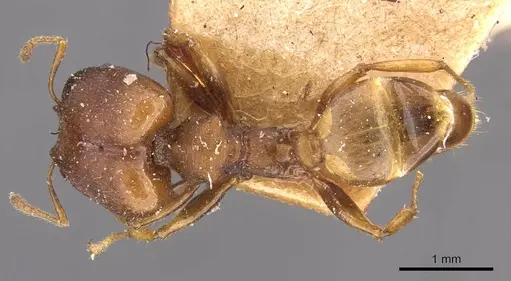
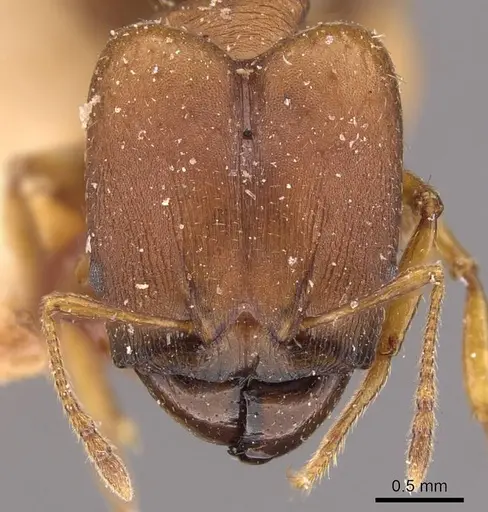
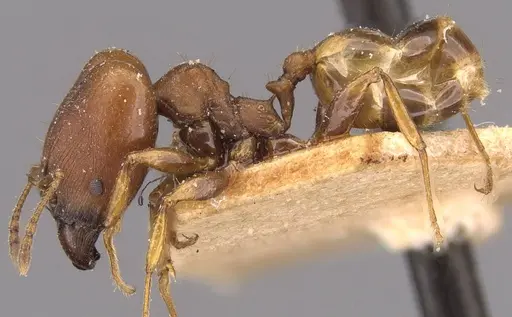
CASENT0908094
View on AntWeb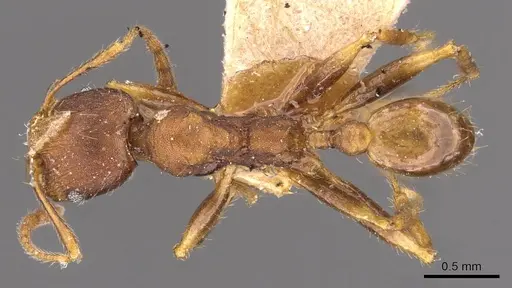
Literature
Loading distribution map...Loading products...