
Pheidole alfaroi
- Sci. Name
- Pheidole alfaroi
- Tribe
- Attini
- Subfamily
- Myrmicinae
- Author
- Emery, 1896
- Distribution
- Found in 3 countries
Introduction
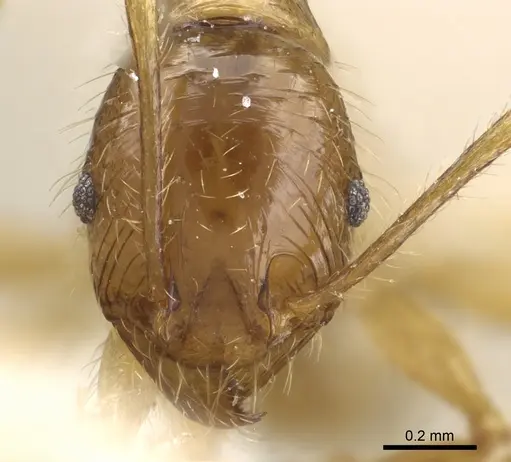
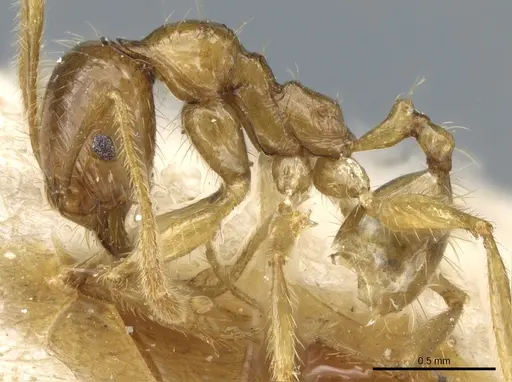
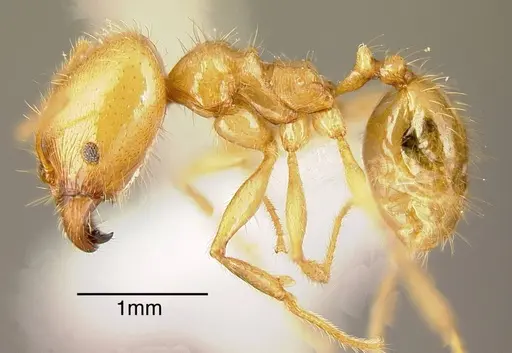
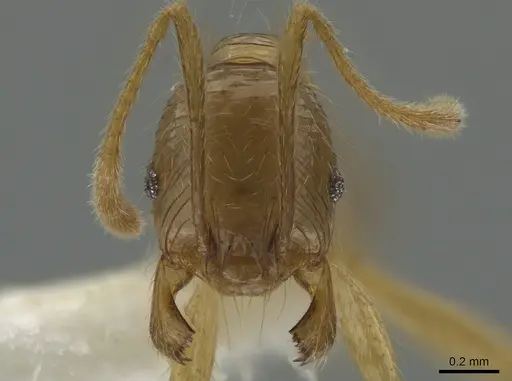
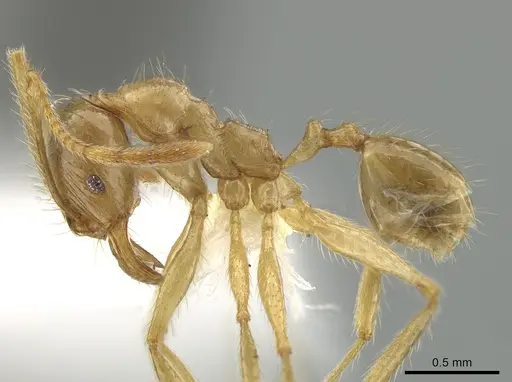
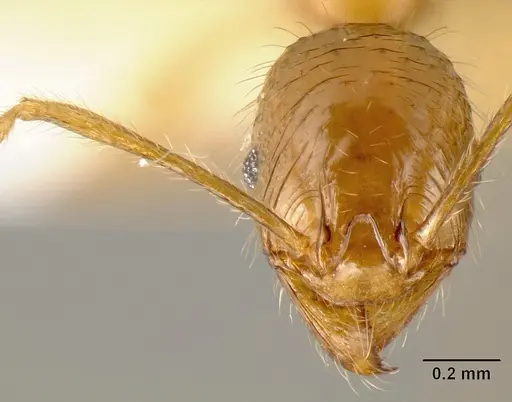
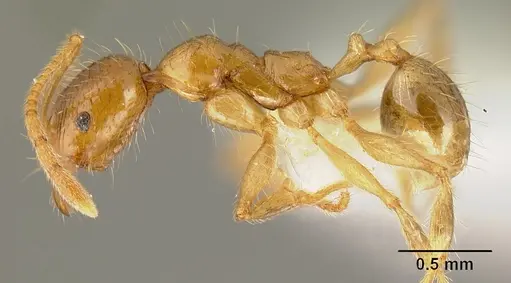
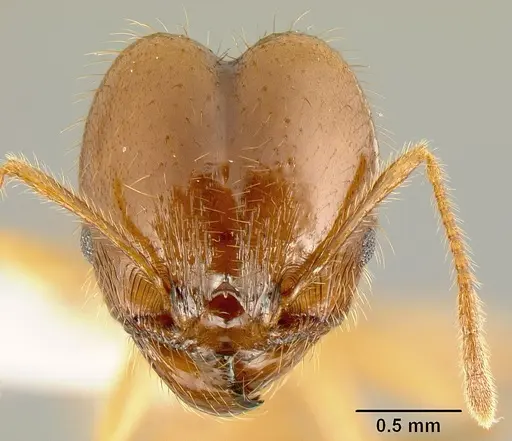
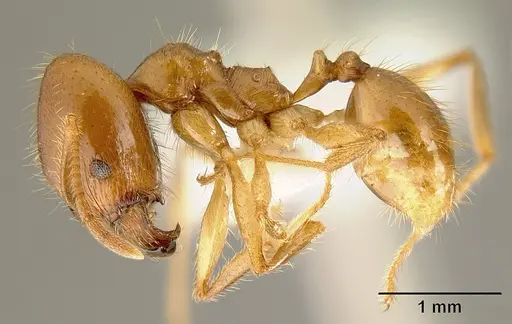
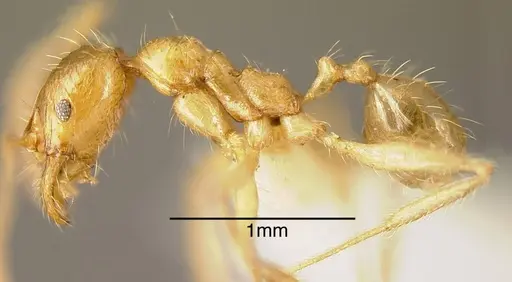
Pheidole alfaroi is a small Neotropical ant with two worker castes: majors have enlarged heads for defense and seed processing, while minors are smaller and handle most tasks. The species is light orange-brown to clear yellow in color. It is found in Costa Rica, Panama, Colombia, and parts of Mexico, typically nesting under dead wood on the ground in cloud forest and second growth habitats at elevations around 1100-1500m . What makes P. alfaroi interesting is its ecological relationship with Pheidole innupta - they appear to be ecological replacements where P. innupta is arboreal and adapted to colder high elevations while P. alfaroi is ground-nesting and prefers slightly warmer, lower, more disturbed habitats .
Quick Summary
- Difficulty: Medium
- Origin & Habitat: Cloud forests and second growth forests in Central America (Costa Rica, Panama, Colombia, Mexico) at 1100-1500m elevation. Nests under dead wood on the ground [1][2].
- Colony Type: Based on typical Pheidole patterns, likely monogyne (single queen colonies). Colonies contain both major and minor workers [1].
- Size & Growth:
- Queen: Size data unavailable, no body length measurements in literature. Inferred from Pheidole genus (~5-7mm)
- Worker: Size data unavailable, no body length measurements in literature. Inferred from Pheidole genus (~2-5mm)
- Colony: Unknown, no specific colony size data available for this species.
- Growth: Moderate, inferred from typical Pheidole development patterns.
- Development: Unknown, no species-specific data available. (Development time inferred from genus-level data.)
- Antkeeping:
- Temperature: Keep around 22-26°C, they inhabit cloud forests so prefer moderate, stable temperatures. A gentle gradient allowing them to choose their preferred spot works well [2].
- Humidity: High humidity matching their cloud forest origin. Keep the nest substrate consistently moist but not waterlogged. Provide a water source [2].
- Diapause: Unknown, no data on diapause requirements for this species.
- Nesting: Ground-nesting species that naturally nests under dead wood. In captivity, a naturalistic setup with soil/substrate and hiding spots works well, or a Y-tong/plaster nest with moisture retention [2].
- Behavior: Generally peaceful but majors will defend the colony aggressively if threatened. Foraging occurs primarily at night. As typical Pheidole, they are seed-harvesters and will also collect small insects and honeydew. Escape risk is moderate due to small size, ensure gaps are sealed. They have a stinger, but due to small size, it rarely penetrates human skin [2].
- Common Issues: humidity control is critical, too dry and colonies fail quickly in captivity., colonies may struggle if kept too cold, their cloud forest origin means they need warmth., wild-caught colonies may have parasites that cause problems in captivity., slow founding phase means beginners often give up too early., major workers may block nest entrances, ensure passages are wide enough.
Nest Preferences and Housing
Pheidole alfaroi is a ground-nesting species that naturally lives under dead wood in cloud forest habitats. In captivity, they do well in naturalistic setups with a soil-based substrate that allows them to nest under pieces of wood, bark, or other hiding spots. You can also use Y-tong (AAC) nests or plaster nests with good moisture retention, the key is providing damp substrate that stays consistently moist without becoming waterlogged. Because they are small ants, ensure all connections and passages are properly sealed to prevent escapes. A shallow water reservoir or moist cotton in a test tube works well for humidity. Avoid completely dry setups, these ants need moisture to survive [2].
Feeding and Diet
Like other Pheidole species, P. alfaroi is a generalist forager that collects seeds, small insects, and honeydew from aphids or scale insects. In captivity, offer a varied diet: protein sources like small crickets, mealworms, or fruit flies 2-3 times per week, and a constant sugar source like honey water or sugar water. They will also accept seeds, especially smaller seeds they can process with their major workers' enlarged heads. Remove uneaten prey after 24-48 hours to prevent mold. A varied diet helps promote healthy colony growth, don't rely solely on sugar, as they need protein for brood development [2].
Temperature and Seasonal Care
Given their cloud forest origin at 1100-1500m elevation in Costa Rica, these ants prefer moderate temperatures around 22-26°C with good humidity. They are not heat-loving like some tropical ants, too hot and dry conditions will stress them. Room temperature in most homes should work well, but you may need a small heating mat on one side of the nest during cooler months. Since diapause requirements are unknown, no specific winter rest period is recommended [2].
Colony Structure and Growth
Pheidole alfaroi colonies have the classic Pheidole structure with two worker castes: minor workers handle most tasks inside the nest and foragers, while major workers (soldiers) have enlarged heads for seed processing and colony defense. Founding behavior is unconfirmed. Growth is moderate, but specific timelines are unknown due to lack of species-specific data [2][1].
Frequently Asked Questions
How long does it take for Pheidole alfaroi to produce first workers?
The exact timeline is unknown for this species, as no species-specific data is available. Development time is inferred from typical Pheidole genus patterns [2].
What do Pheidole alfaroi ants eat?
They are generalists, offer small insects (crickets, fruit flies, mealworms) as protein 2-3 times weekly, plus a constant sugar source like honey water or sugar water. They will also collect small seeds. A varied diet is important for colony health [2].
Can I keep multiple Pheidole alfaroi queens together?
Not recommended, Pheidole species are typically single-queen (monogyne) colonies. Combining unrelated queens has not been documented for this species and would likely result in fighting [2].
Do Pheidole alfaroi need hibernation?
Diapause requirements are unknown for this species, as no data is available. Based on their cloud forest origin, a mild winter rest might be beneficial, but this is unconfirmed [2].
What is the best nest type for Pheidole alfaroi?
A naturalistic setup with soil substrate and hiding spots (pieces of wood, bark) mimics their natural nesting under dead wood. Y-tong or plaster nests with good moisture retention also work well. The key is maintaining high humidity without waterlogging [2].
Are Pheidole alfaroi good for beginners?
They are moderate difficulty, not the easiest but not challenging once you understand their humidity and temperature needs. The main challenges are maintaining proper humidity and being patient through the slow founding phase [2].
Why is my Pheidole alfaroi colony dying?
The most common causes are: too dry conditions (cloud forest ants need humidity), temperatures too cold or too hot, overfeeding leading to mold, or parasites from wild-caught colonies. Check humidity levels first, substrate should feel consistently moist [2].
How big do Pheidole alfaroi colonies get?
Colony size is unknown for this species, as no specific data is available. Typical Pheidole colonies can reach several hundred workers, but this is not confirmed for P. alfaroi [2].
When should I move Pheidole alfaroi to a formicarium?
Wait until the colony has at least 50-100 workers and is actively foraging in the outworld. Moving too early can stress the colony. A good rule is when the test tube setup becomes crowded and workers are frequently outside the nest area [2].
Report an Issue
The current care sheet is based fully on literature. See inconsistencies, or something that's incorrect? Please , it will be resolved after review from an admin. Contributing to the blogs tab also helps providing information, to make us be able to further improve the caresheets. Thank you for your support!
References

This caresheet is licensed under CC BY-SA 4.0 .
Community Blogs
CASENT0904396
View on AntWeb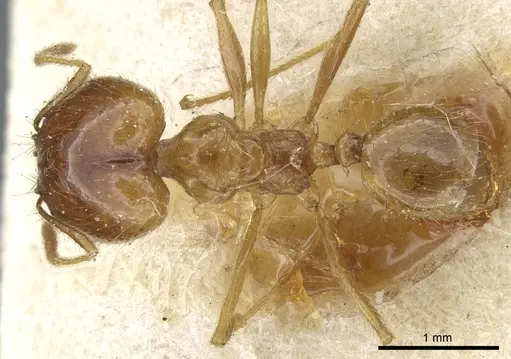
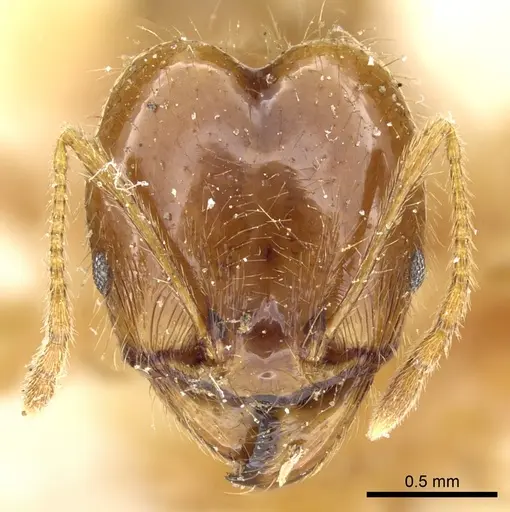
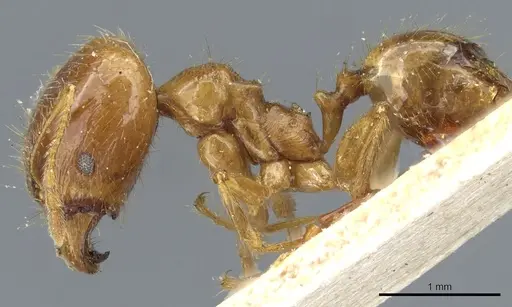
CASENT0904397
View on AntWeb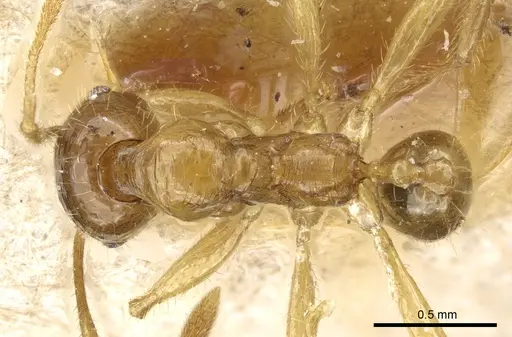
INB0003213947
View on AntWeb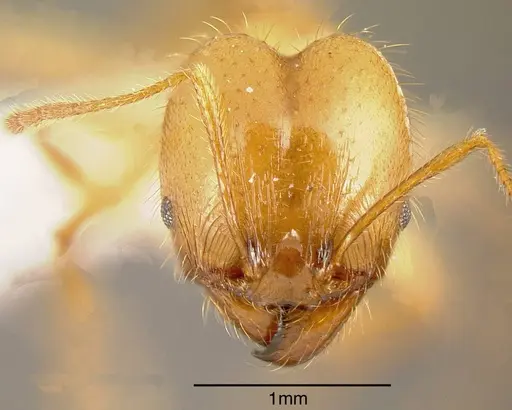
INB0003659296
View on AntWeb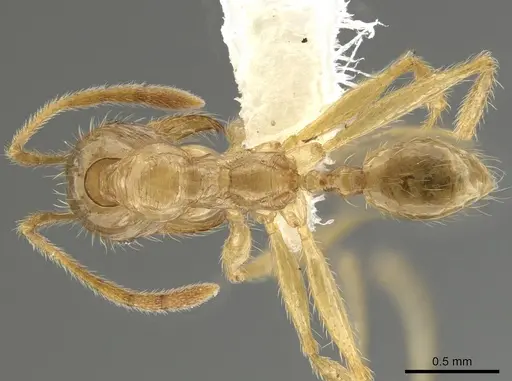
INB0003659308
View on AntWeb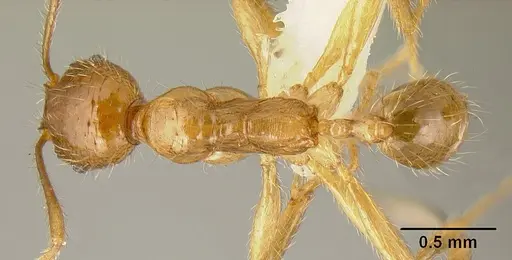
INB0003665062
View on AntWeb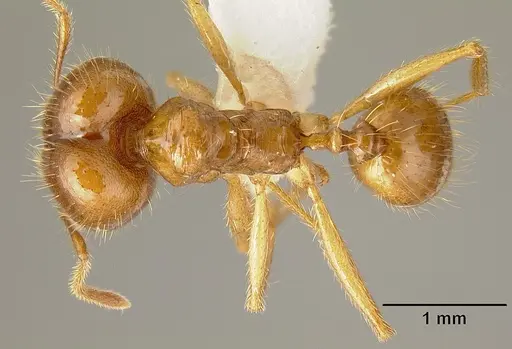
INBIOCRI002279386
View on AntWeb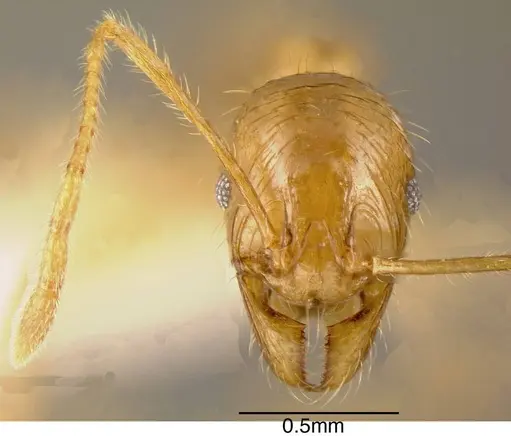
Literature
Loading distribution map...Loading products...