
Pheidole aglae
- Sci. Name
- Pheidole aglae
- Tribe
- Attini
- Subfamily
- Myrmicinae
- Author
- Forel, 1913
- Distribution
- Found in 5 countries
Introduction
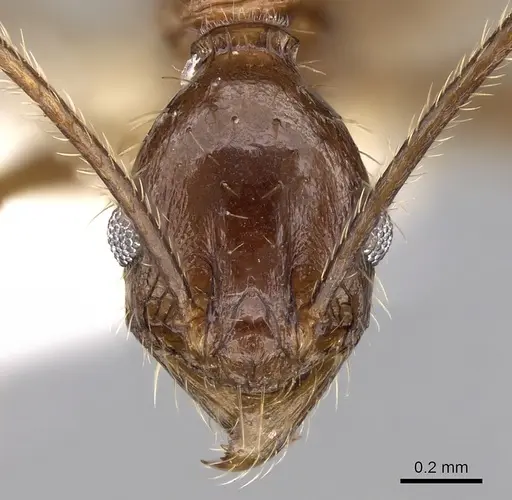
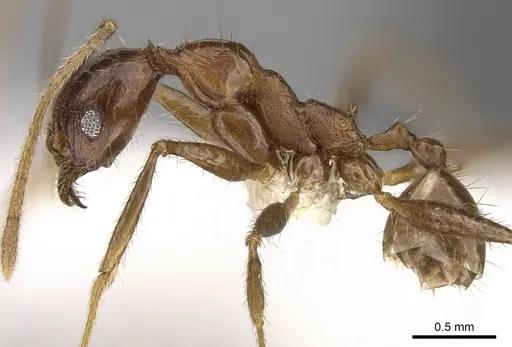
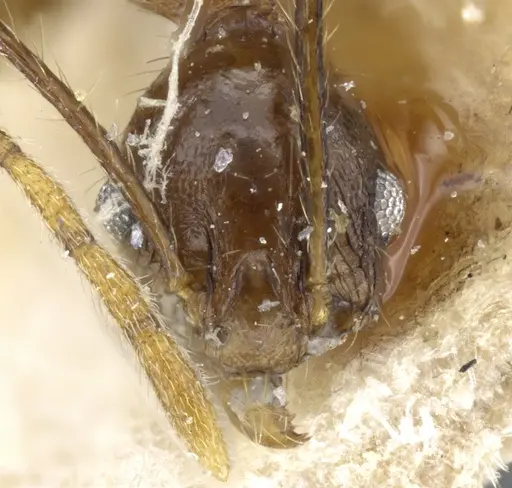
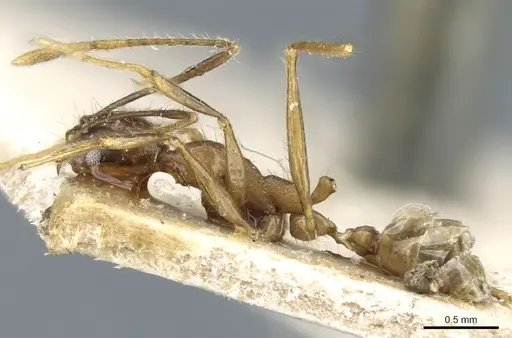
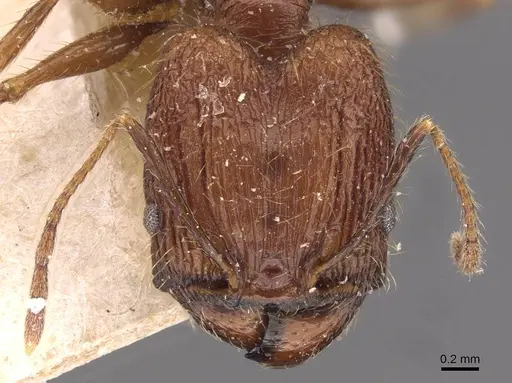
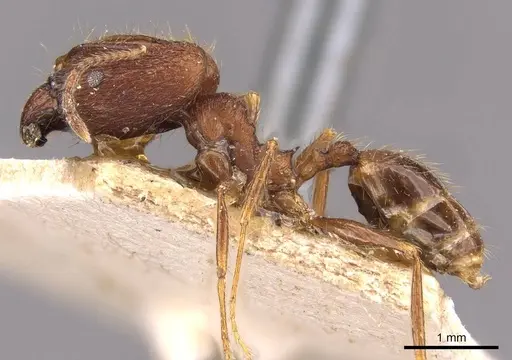
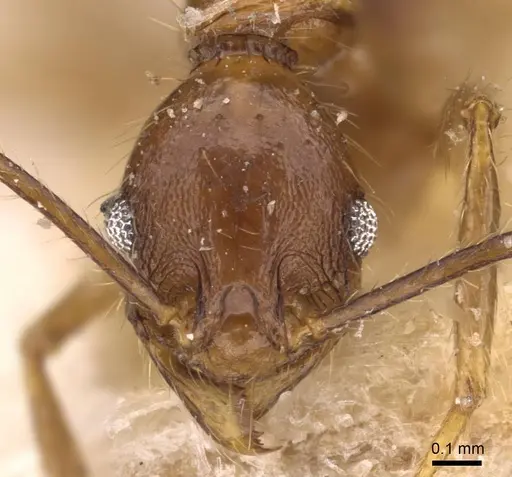
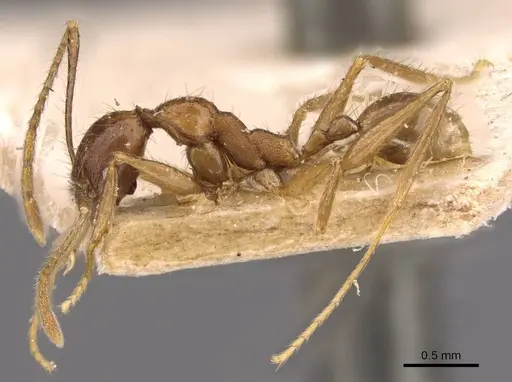
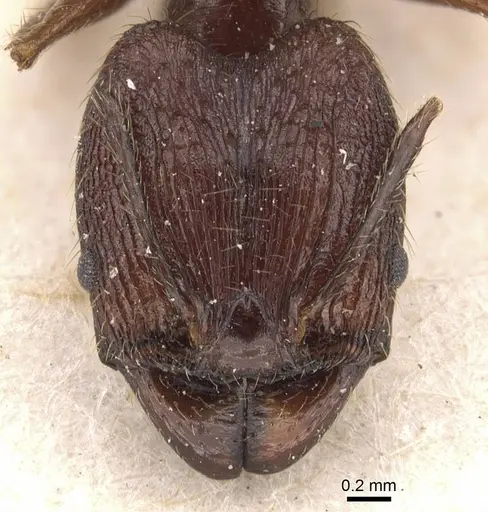
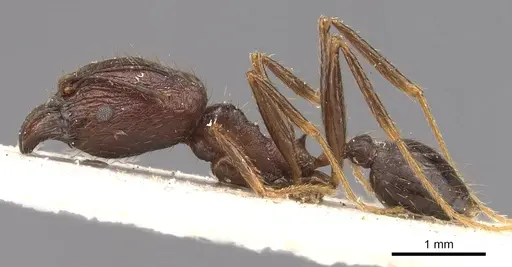
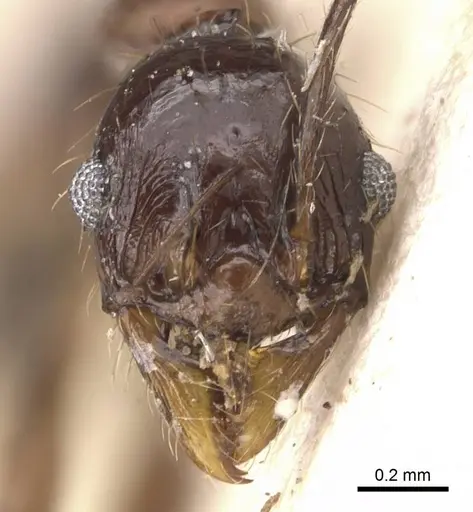
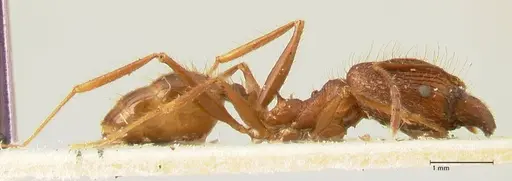
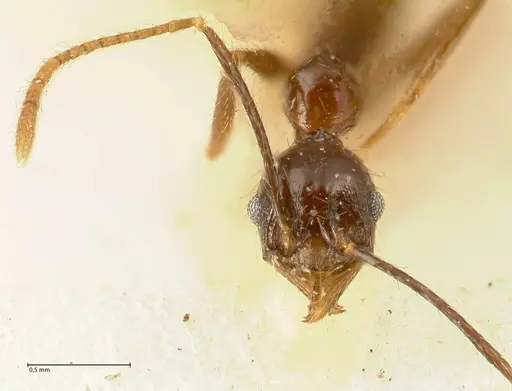
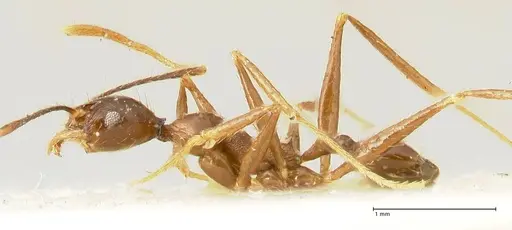
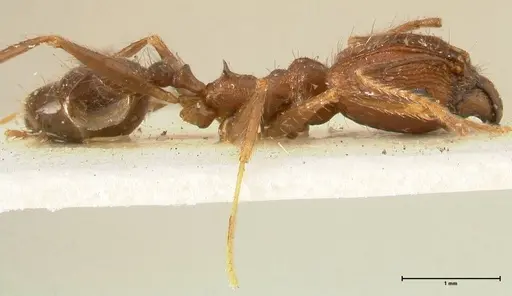
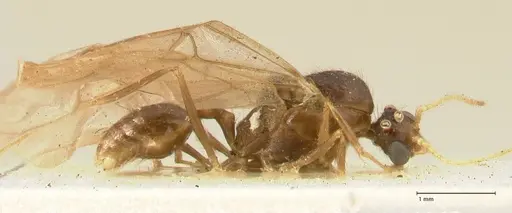
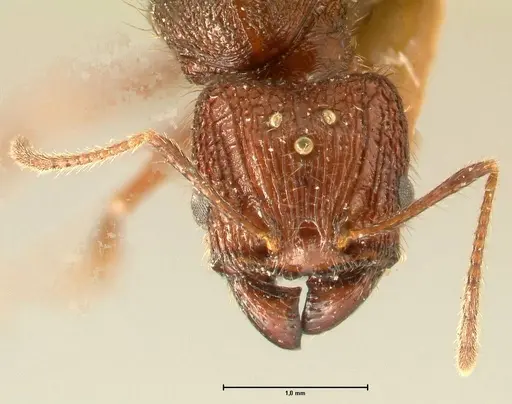
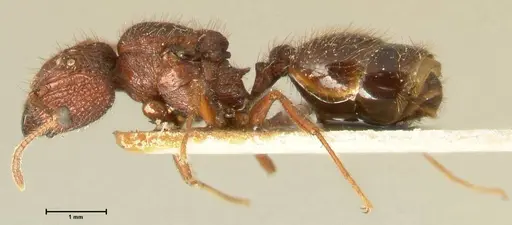
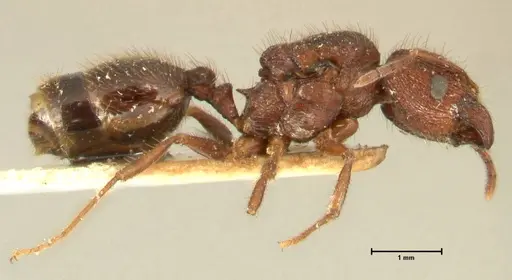
Pheidole aglae is a relatively large Pheidole species native to Southeast Asia and the Australasian region. Minor workers are 2.7-3.0 mm total length, majors are 3.5-4.6 mm total length . They have a 3-segmented antennal club and a well-developed occipital carina in minors. Body color ranges from brown to dark reddish-brown. This species inhabits well-developed primary forests from lowlands to hill areas, nesting in rotting wood on the forest floor . Philippine populations show ergatoid (wingless) queens, the first documented case in Pheidole, replacing winged queens in some island populations .
Quick Summary
- Difficulty: Medium
- Origin & Habitat: Southeast Asia, including Borneo, Brunei, Indonesia, Malaysia, Philippines, Singapore, Thailand, and New Guinea. Inhabits primary forests from lowlands to hill areas, nesting in rotting wood [1][2][4].
- Colony Type: Monogyne colonies with a single queen. However, some Philippine island populations have ergatoid (wingless) queens instead of winged queens [3].
- Size & Growth:
- Queen: Size data unavailable, no total length measurements for queens in available literature.
- Worker: Minors: 2.7-3.0 mm TL, majors: 3.5-4.6 mm TL [1].
- Colony: Up to a few hundred workers [3].
- Growth: Moderate (estimated based on tropical Pheidole patterns).
- Development: Estimated 6-8 weeks, no species-specific data available. (Development time is estimated, tropical Pheidole species typically develop faster.)
- Antkeeping:
- Temperature: Keep warm, around 24-28°C, based on their tropical forest habitat.
- Humidity: Keep nest substrate consistently moist but not waterlogged, mimicking rotting wood habitat [1].
- Diapause: No, tropical species do not require hibernation [2].
- Nesting: Prefer rotting wood or moist substrate nests. Y-tong, plaster, or soil nests work well [1].
- Behavior: Docile and not aggressive. Forage in leaf litter day and night [5]. Majors can defend but are not particularly aggressive. Standard escape prevention needed.
- Common Issues: drying out due to high humidity requirements, monitor moisture levels regularly., habitat specialist, may do poorly in disturbed environments [7]., wild-caught colonies may be stressed from collection and may have parasites., cannot tolerate cool temperatures, keep away from air conditioning or cold drafts.
Housing and Nest Setup
Pheidole aglae nests in rotting wood in nature, so use a naturalistic setup with moist substrate and wood pieces. You can use a Y-tong nest with tight chambers, or a plaster or soil nest that holds moisture well. Maintain high humidity without flooding by placing a water reservoir or moisture chamber connected to the nest area. A layer of moist soil or peat mixed with rotting wood chips mimics their natural environment [1].
Feeding and Diet
These ants are omnivorous. You can feed them small protein prey like fruit flies, small crickets, or chopped mealworms 2-3 times per week. Keep a constant source of sugar water or honey available. In the wild, they forage in leaf litter and have a largely predatory/scavenging diet [6]. Remove uneaten prey after 24 hours to prevent mold.
Temperature and Humidity
Keep your colony warm at 24-28°C, as they come from tropical forests. Room temperature in most homes should work, but you may need a heating cable in cooler climates. Humidity is critical, keep the nest substrate consistently moist but not waterlogged. Mist the nest area regularly and ensure the substrate does not dry out.
Behavior and Colony Dynamics
This species forms monogyne colonies with a single queen. Philippine island populations have ergatoid (wingless) queens that can reproduce but cannot fly [3]. Workers are polymorphic with majors and minors. Majors have large heads for defense. The species is active in leaf litter both day and night [5].
Field Collection and Ecology
Pheidole aglae is a habitat specialist restricted to primary forest and is not found in secondary forest or rubber plantations [7]. It is collected using Winkler extraction, pitfall traps, and by breaking open rotting wood [2][6]. If you encounter this species, look for colonies in rotting wood logs on the forest floor.
Seasonal Care
As a tropical species, Pheidole aglae does not require hibernation. Maintain consistent warm and humid conditions year-round. Avoid temperatures below 20°C or sudden changes [2].
Frequently Asked Questions
Can I keep Pheidole aglae in a test tube?
Test tubes can work for founding colonies, but this species prefers higher humidity. Place a cotton ball with water at the far end and keep the setup in a humid container. However, a naturalistic setup with rotting wood or a moist plaster nest is more suitable for long-term keeping [1].
How long does it take for Pheidole aglae to produce first workers?
Estimated 6-8 weeks after the queen lays eggs, based on tropical Pheidole patterns. No species-specific study exists.
Are Pheidole aglae good for beginners?
This species is rated as medium difficulty due to specific humidity and temperature requirements. Beginners might have success with more common species first.
What do I feed Pheidole aglae?
Feed them small protein prey like fruit flies or crickets 2-3 times per week, with constant sugar water or honey. Their wild diet is largely predatory/scavenging [6].
How big do Pheidole aglae colonies get?
Wild colonies reach up to a few hundred workers [3].
Can I keep multiple queens together?
No, this species is monogyne, meaning colonies have a single queen. Multiple unrelated queens will fight. Philippine populations naturally have ergatoid queens, but this is not something to replicate by combining queens [3].
Do Pheidole aglae need hibernation?
No, as a tropical species, they do not require hibernation. Keep them warm and humid year-round [2].
Why are my Pheidole aglae dying?
Common causes include low humidity, cool temperatures, stress from collection, or poor nutrition. Check moisture levels, ensure warmth, and provide protein food.
When should I move them to a formicarium?
Wait until the colony has at least 50-100 workers. Create a smooth transition with similar humidity levels.
Is Pheidole aglae invasive?
No, this species is native to Southeast Asia and is not known to be invasive. Never release ant colonies outside their native range.
What makes Pheidole aglae special?
It has the first documented ergatoid (wingless) queens in Pheidole, found in Philippine island populations [3]. It is also a habitat specialist restricted to primary forest [7].
Report an Issue
The current care sheet is based fully on literature. See inconsistencies, or something that's incorrect? Please , it will be resolved after review from an admin. Contributing to the blogs tab also helps providing information, to make us be able to further improve the caresheets. Thank you for your support!
References

This caresheet is licensed under CC BY-SA 4.0 .
Community Blogs
CASENT0281668
View on AntWeb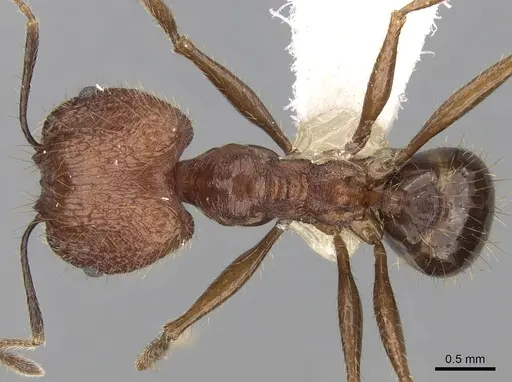
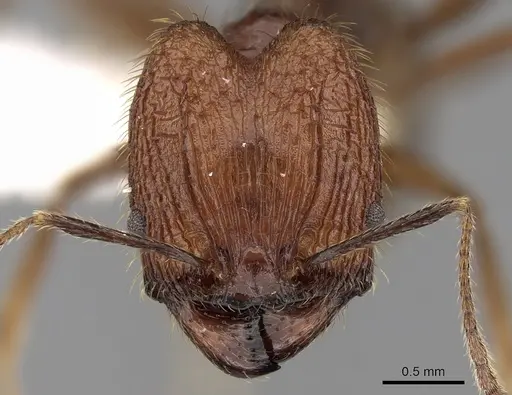
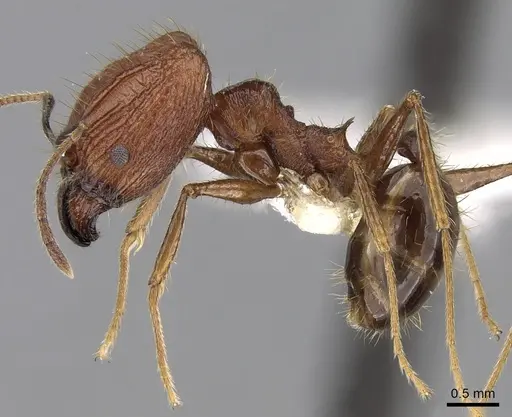
CASENT0281669
View on AntWeb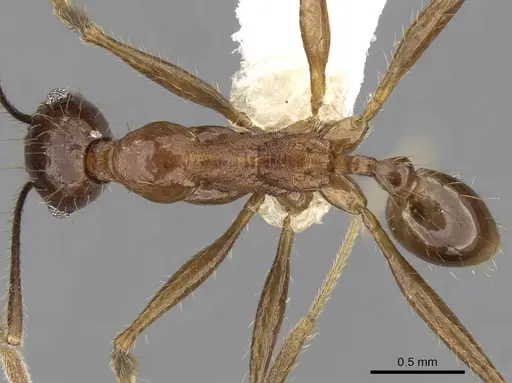
CASENT0904253
View on AntWeb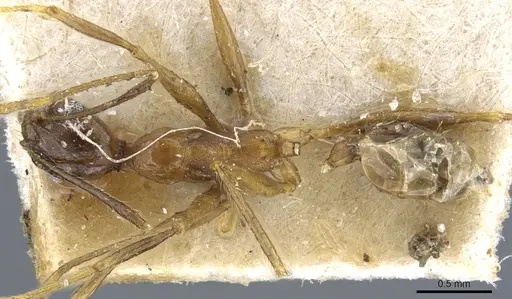
CASENT0907856
View on AntWeb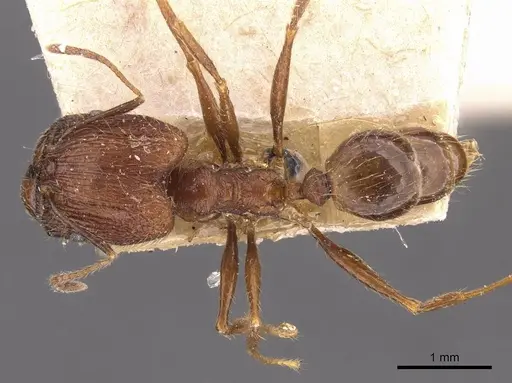
CASENT0907857
View on AntWeb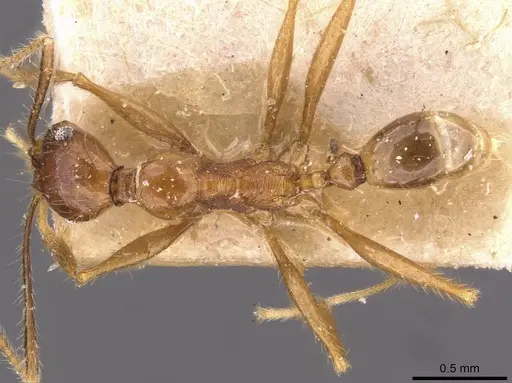
CASENT0907875
View on AntWeb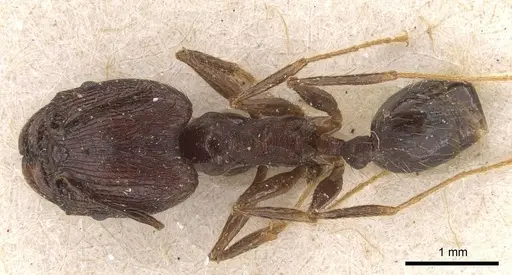
CASENT0907876
View on AntWeb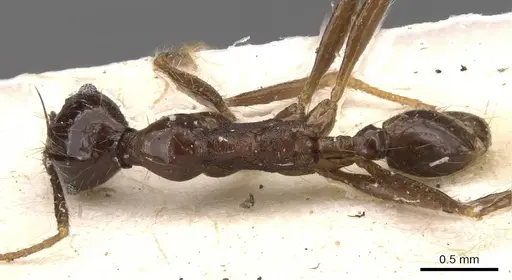
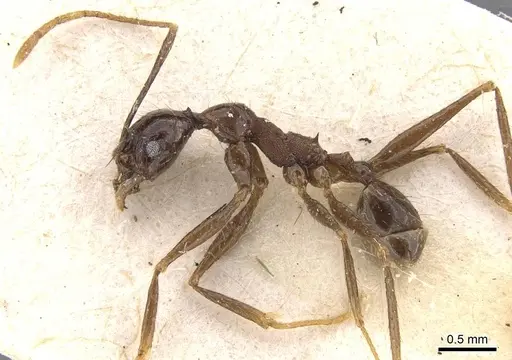
FOCOL1356
View on AntWeb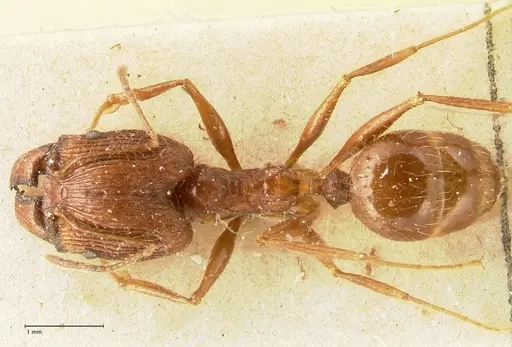
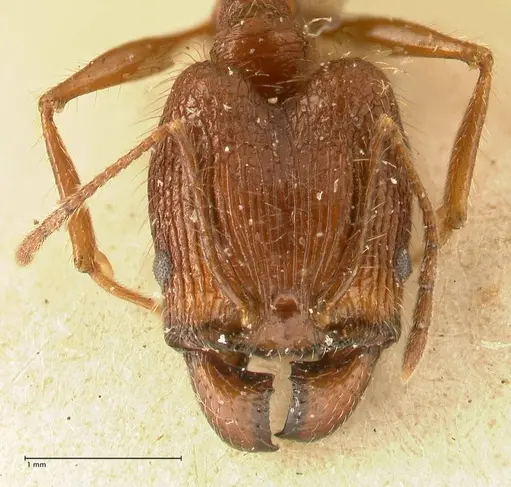
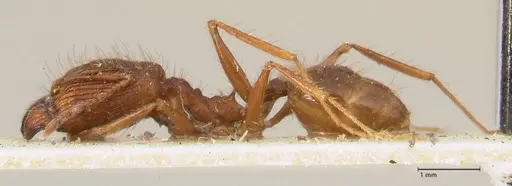
FOCOL1357
View on AntWeb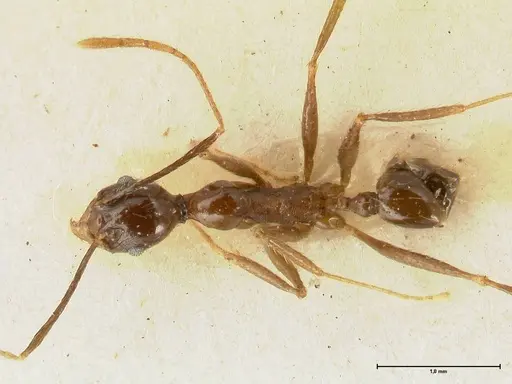
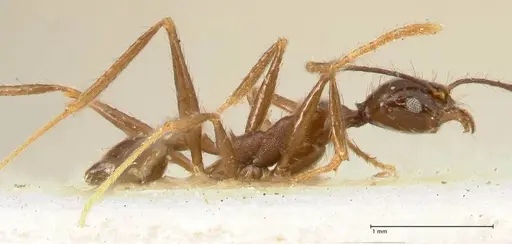
FOCOL1358
View on AntWeb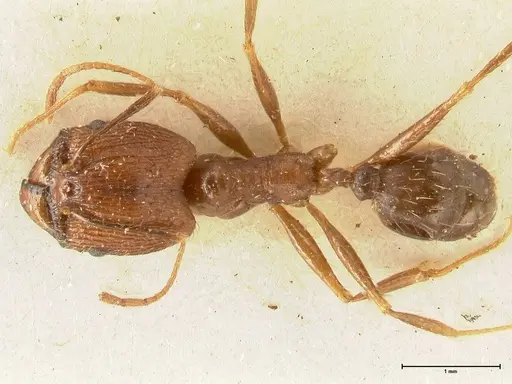
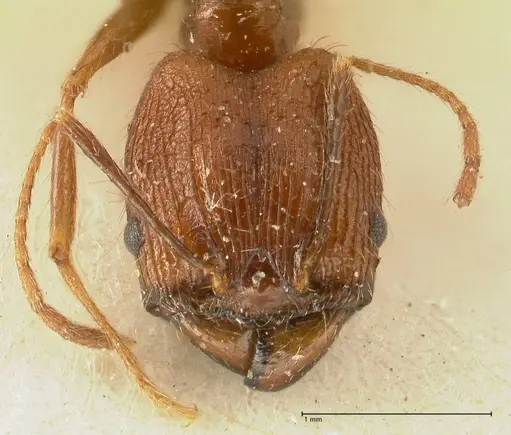
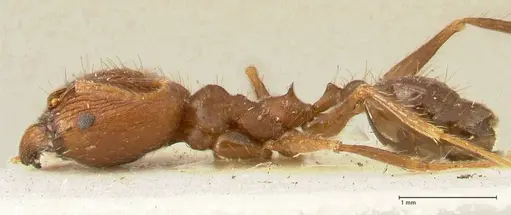
FOCOL1359
View on AntWeb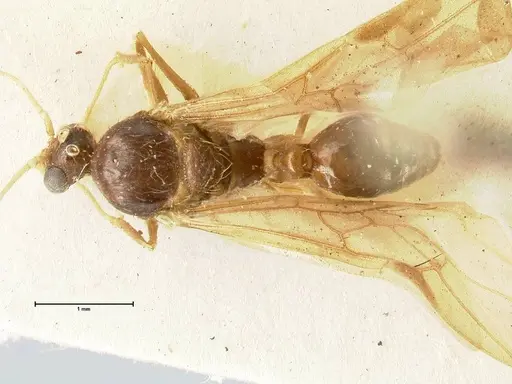
FOCOL1401
View on AntWeb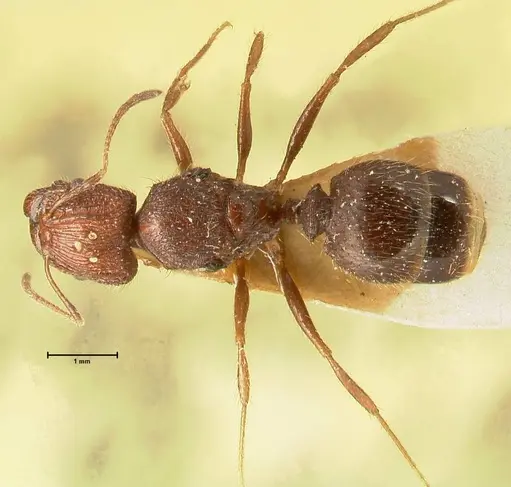
Literature
Loading distribution map...Loading products...