
Pheidole aelloea
- Sci. Name
- Pheidole aelloea
- Tribe
- Attini
- Subfamily
- Myrmicinae
- Author
- Salata & Fisher, 2020
- Distribution
- Found in 1 countries
Introduction
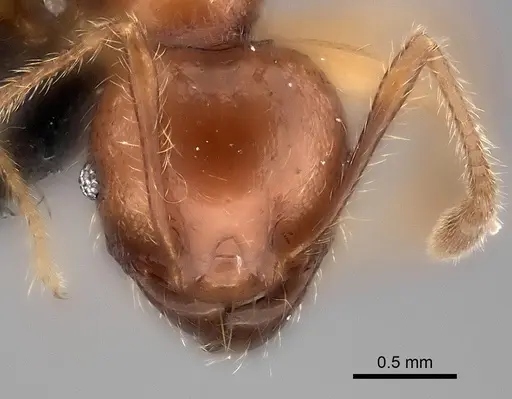
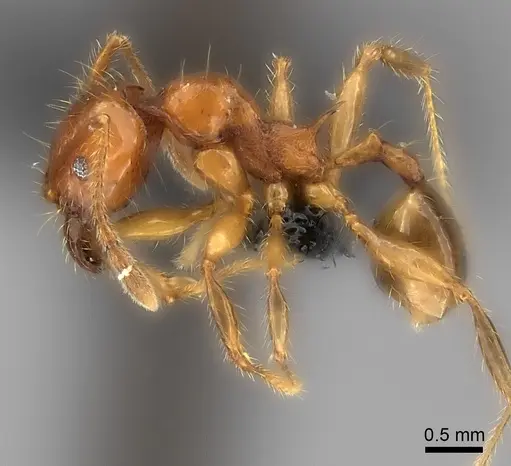
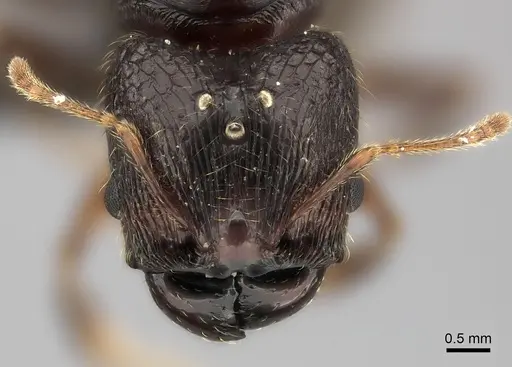
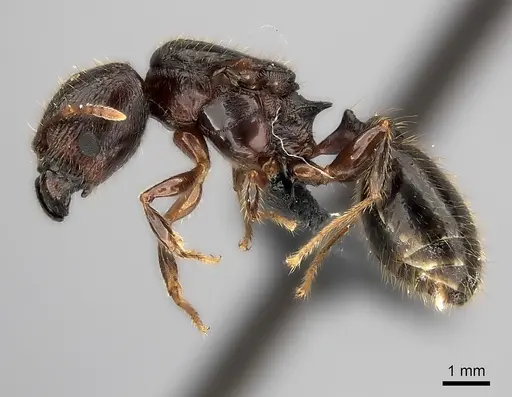
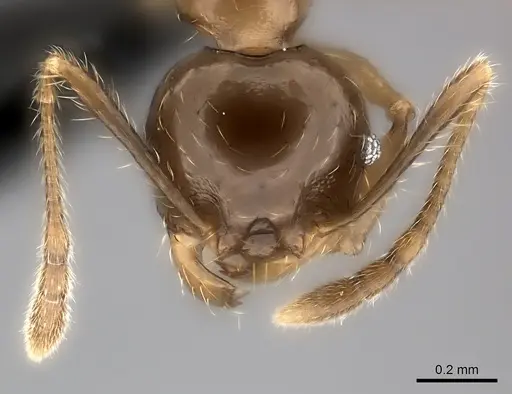
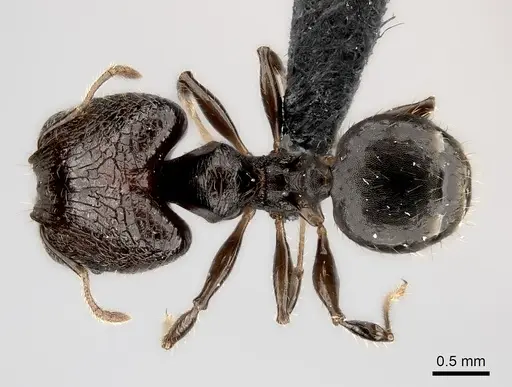
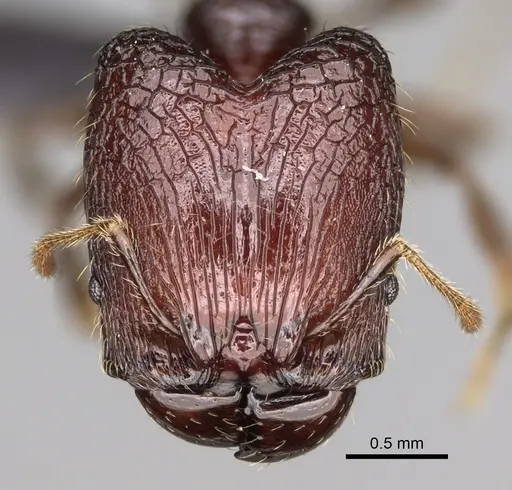
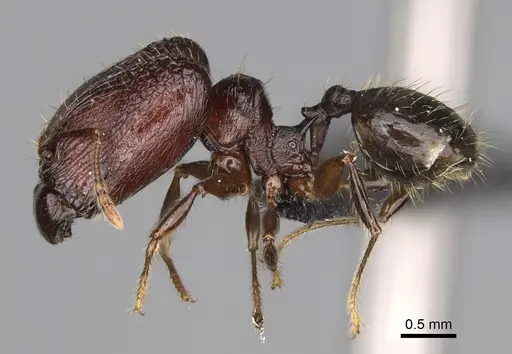
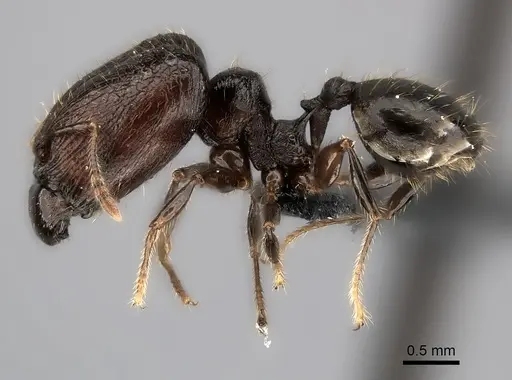
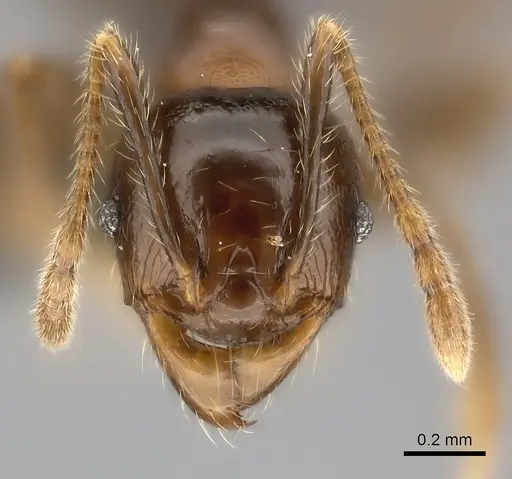
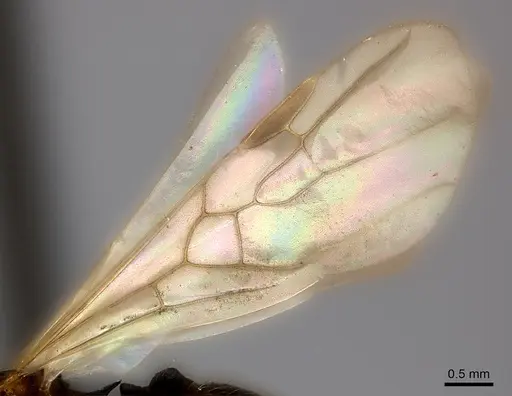
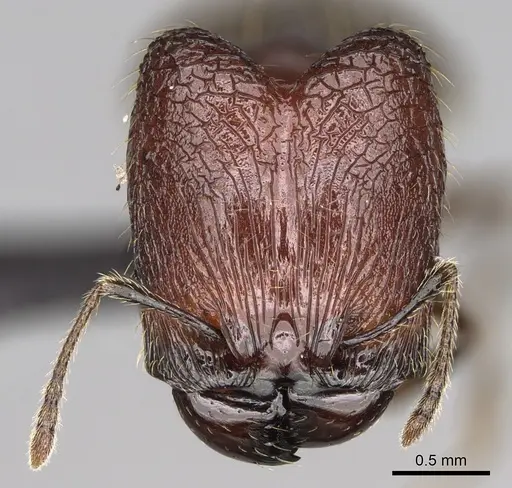
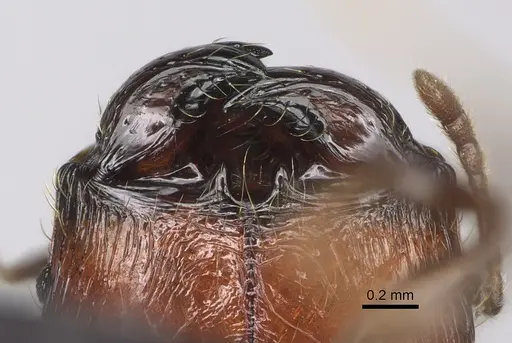
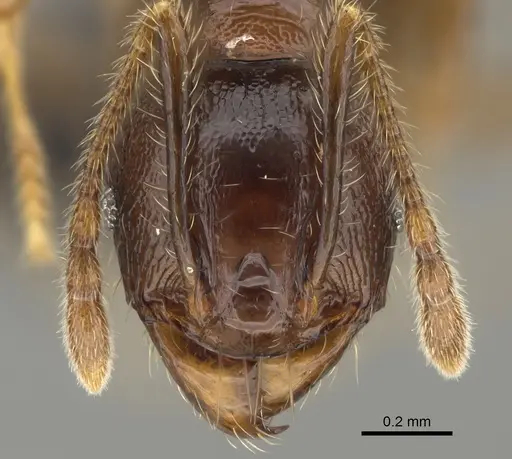
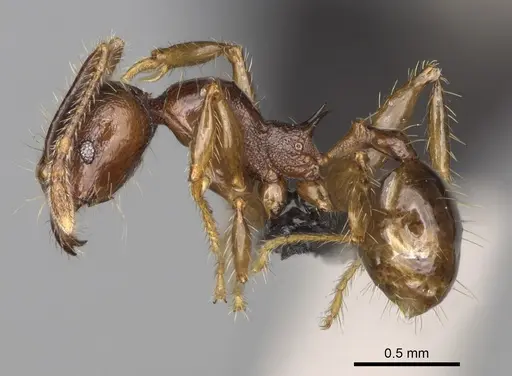
Pheidole aelloea is a small ant species native to Madagascar, belonging to the *Pheidole ensifera* species group. Major workers have a head length of 1.85-2.45 mm and a distinctive rectangular head with very long propodeal spines, while minor workers have a head length of 0.63-0.78 mm and also share those elongated spines. The species gets its name from Aello, a harpy from Greek mythology, because the spines resemble claws . Their body color ranges from ochreous to reddish-brown in majors and brown to dark brown in minors. This species was described only in 2020 and inhabits diverse forest types across Madagascar from sea level up to 2100 m elevation, nesting in rotting logs, dead twigs, and soil .
Quick Summary
- Difficulty: Medium
- Origin & Habitat: Madagascar, specifically the Antsiranana region including Makirovana Forest. Found in rainforest, tropical dry forest, littoral rainforest, montane rainforest, and montane shrubland at elevations between 10-2100 meters [1][2].
- Colony Type: Unconfirmed colony structure, *Pheidole* species are typically monogyne (single queen) but this species has not been studied for colony organization.
- Size & Growth:
- Queen: Not described in literature, estimated ~6-8 mm based on related *Pheidole* species (unconfirmed).
- Worker: Data unavailable, total body length not recorded in the primary literature (only head length measurements are available).
- Colony: Unknown, typical *Pheidole* colonies reach up to a few thousand workers (estimated).
- Growth: Moderate (estimated based on genus patterns).
- Development: Estimated 6-8 weeks at optimal temperature based on related *Pheidole* species. (Development time is inferred from genus patterns since specific data for this newly described species is not available.)
- Antkeeping:
- Temperature: Keep around 22-26°C, they inhabit warm Madagascar forests and prefer stable temperatures within this range.
- Humidity: Moderate to high, they nest in rotting wood and forest floor microhabitats. Keep substrate slightly moist but allow some drying between waterings.
- Diapause: Likely minimal or no true diapause, Madagascar species experience mild seasonal changes rather than harsh winters. Some reduced activity in cooler months may occur.
- Nesting: Provide rotting wood pieces, dead twigs, or a naturalistic setup. Y-tong or plaster nests work well. They prefer humid conditions but need ventilation to prevent mold.
- Behavior: This is a peaceful *Pheidole* species with typical minor workers that forage for food while majors defend the colony and help process larger prey. They are not aggressive toward keepers and rarely sting. Their very small minor workers (head length under 0.8 mm) mean escape prevention must be excellent, they can squeeze through standard mesh. Foraging activity is moderate, and they will collect seeds, small insects, and sugary liquids. Major workers are relatively large compared to minors and serve as soldiers for the colony.
- Common Issues: escape prevention is critical due to tiny minor workers that slip through standard barriers., newly described species means limited captive breeding information, start with wild-caught colonies., rotting wood nesting preference requires careful humidity management to prevent mold., slow colony establishment in early stages is normal for *Pheidole*, don't overfeed or disturb founding queens., temperature fluctuations can stress colonies since they come from stable forest environments.
Nest Preferences and Housing
In the wild, Pheidole aelloea nests in rotting logs, rotten sticks on the ground, dead twigs above ground, and soil [1][2]. This preference for decaying wood makes them well-suited to naturalistic setups with wood pieces or cork bark. For captive care, Y-tong nests or plaster nests with moisture reservoirs work well. The key is maintaining consistently humid conditions inside the nest while allowing the outworld to be drier. Avoid completely sealed nests, they need some ventilation to prevent mold. A small water tube or cotton reservoir connected to the nest chamber keeps humidity stable. Because minor workers are so tiny (head length under 0.8 mm), ensure any connecting tubes are not too large or wide, or use fluon barriers on tube rims to prevent escapes.
Feeding and Diet
Pheidole species are omnivorous, collecting seeds, tending aphids for honeydew, and hunting small insects. For this species, offer a varied diet: small live prey like fruit flies or pinhead crickets for protein, and sugar water or honey for carbohydrates. They will likely accept seeds but may need them cracked or offered already broken. Feed protein sources 2-3 times per week and keep sugar water available constantly. Remove uneaten prey after 24-48 hours to prevent mold. Start with small portions and observe how quickly workers consume them, overfeeding is a common mistake that leads to mold problems in the nest.
Temperature and Seasonal Care
As a Madagascar species from warm forest habitats, keep Pheidole aelloea at 22-26°C. They tolerate the lower end of this range but grow and forage more actively in warmer conditions. A heating cable on one side of the nest creates a temperature gradient so workers can choose their preferred zone. Avoid temperatures below 18°C or above 30°C. Unlike temperate species, they likely do not require a true hibernation period. In cooler months, you may notice reduced activity and slower brood development, which is normal. Room temperature within the 22-26°C range is often suitable without additional heating. [2]
Behavior and Colony Dynamics
Pheidole aelloea displays the classic Pheidole social structure with distinct major and minor worker castes. Minor workers handle most foraging, nursing, and general colony tasks, while major workers serve as soldiers defending the colony and helping process larger food items. Majors have notably large heads compared to their body size, adapted for defensive duties. The colony will grow from a founding queen through nanitic (first) workers to eventually produce larger normal workers. Major workers typically appear once the colony reaches several dozen workers. They are not aggressive toward keepers and rarely attempt to sting, making them manageable even for intermediate antkeepers.
Frequently Asked Questions
How long does it take for Pheidole aelloea to produce first workers?
Expect first workers (nanitics) around 6-8 weeks after the queen lays eggs, assuming temperatures around 24-26°C. This estimate is based on typical Pheidole development since this newly described species lacks specific study data.
Can I keep multiple Pheidole aelloea queens together?
Not recommended. While Pheidole colony structures vary, combining unrelated founding queens typically leads to fighting. Start with a single queen for the best chance of success.
What size formicarium is best for Pheidole aelloea?
Start with a test tube setup for the founding queen. Once the colony reaches 50+ workers, you can move to a small Y-tong or plaster nest. They prefer tight, humid chambers over large open spaces.
How often should I feed Pheidole aelloea?
Offer protein (small insects) 2-3 times per week. Keep sugar water or honey available constantly. Remove uneaten prey after 24-48 hours to prevent mold.
What temperature range is ideal for Pheidole aelloea?
Keep them between 22-26°C. A gradient allowing workers to choose warmer or cooler areas is ideal. Avoid temperatures below 18°C or above 30°C.
Why are my Pheidole aelloea workers dying?
Common causes include: mold from overfeeding or excessive humidity, temperature stress from being too cold or too hot, escape-related losses due to their tiny size, or poor nutrition. Check each factor systematically.
When should I move from test tube to formicarium?
Move when the colony reaches 30-50 workers and the water tube shows signs of drying or mold. Make sure the new nest offers appropriate humidity and is escape-proof.
Are Pheidole aelloea good for beginners?
They are moderate difficulty, harder than simple species like Lasius but easier than exotic predators. Their small size and escape risk make attention to detail important.
Do they need hibernation or diapause?
Likely no true diapause required. As a Madagascar species, they experience mild seasonal changes rather than harsh winters. Some reduced activity in cooler months is normal.
Report an Issue
The current care sheet is based fully on literature. See inconsistencies, or something that's incorrect? Please , it will be resolved after review from an admin. Contributing to the blogs tab also helps providing information, to make us be able to further improve the caresheets. Thank you for your support!
References

This caresheet is licensed under CC BY-SA 4.0 .
Community Blogs
CASENT0041906
View on AntWeb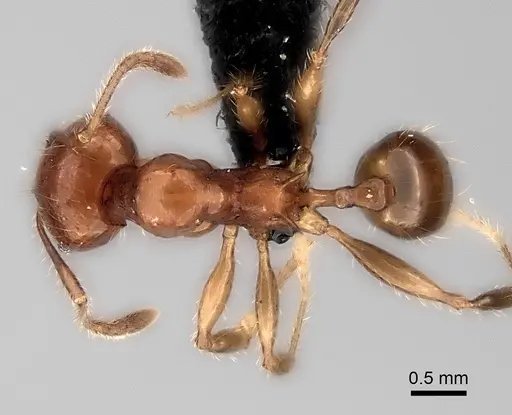
CASENT0041909
View on AntWeb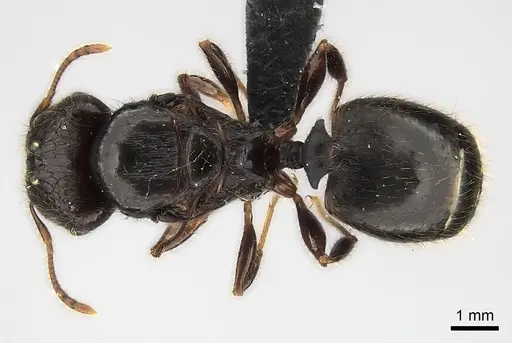
CASENT0056536
View on AntWeb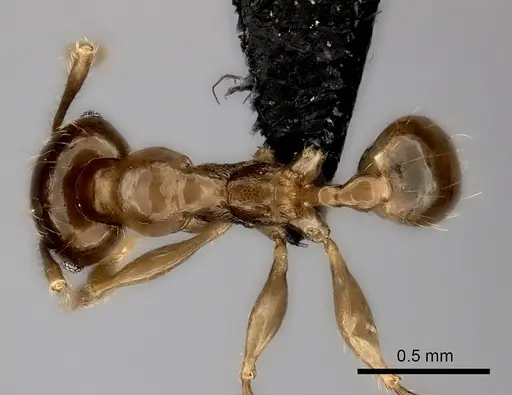
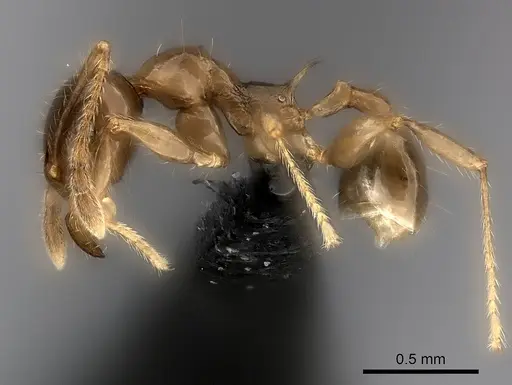
CASENT0076807
View on AntWeb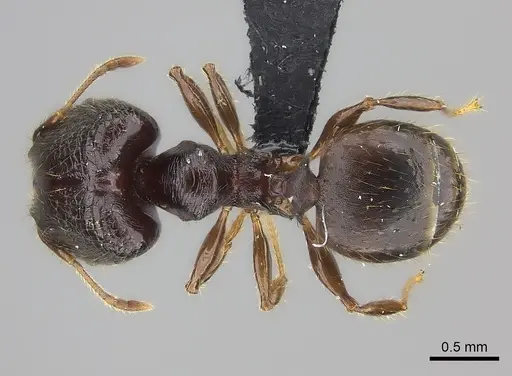
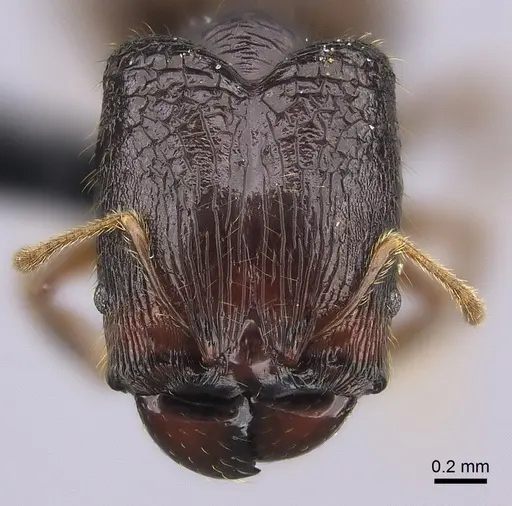
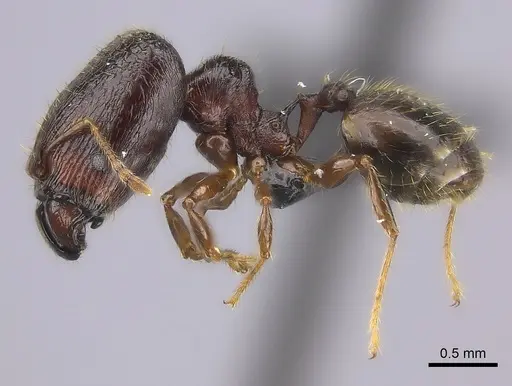
CASENT0110497
View on AntWeb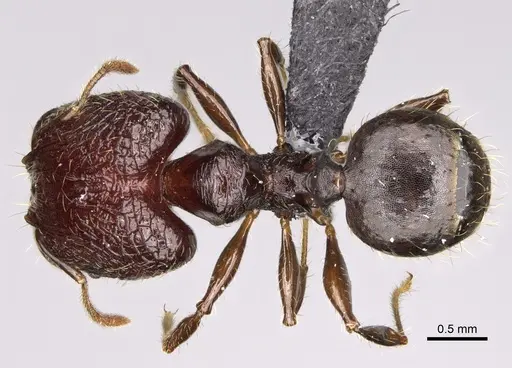
CASENT0110498
View on AntWeb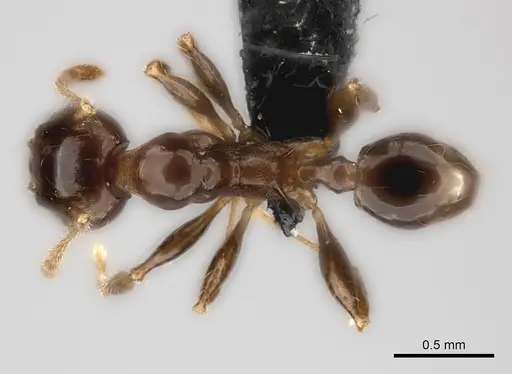
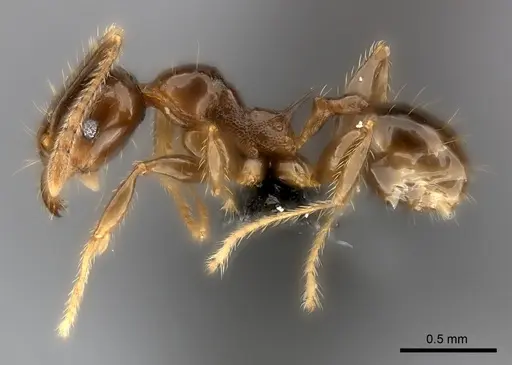
CASENT0235068
View on AntWeb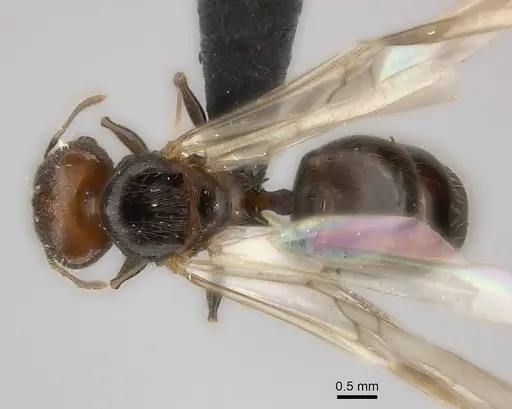
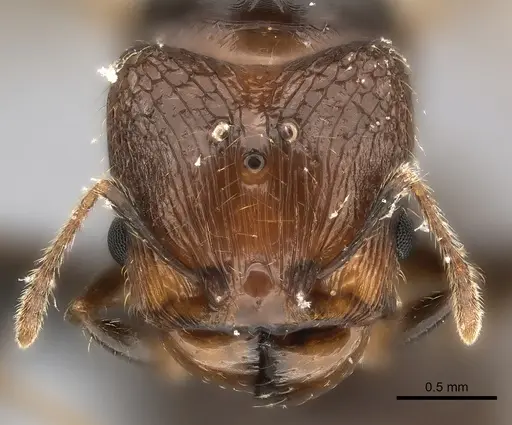
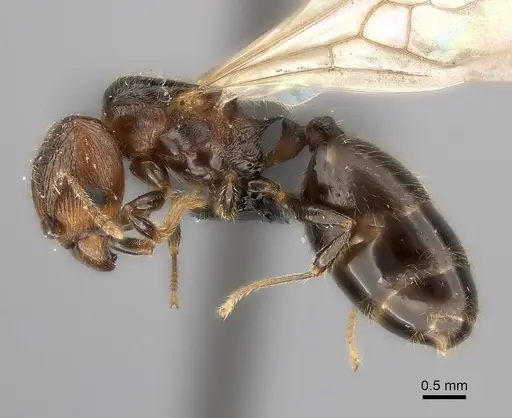
CASENT0236213
View on AntWeb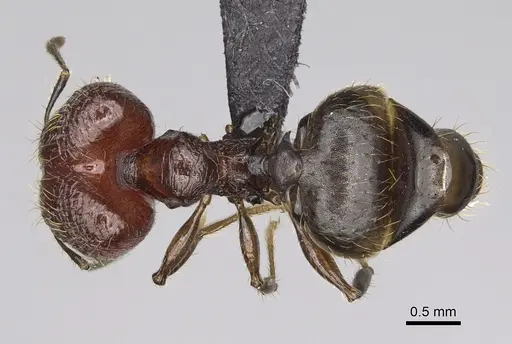
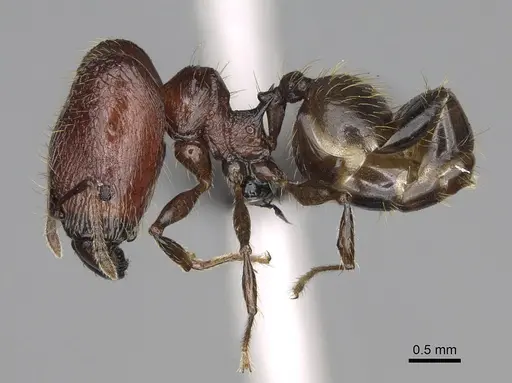
CASENT0923221
View on AntWeb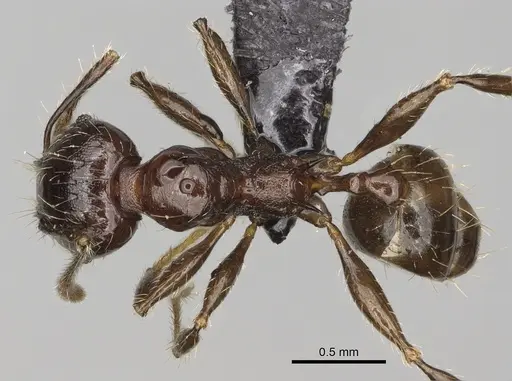
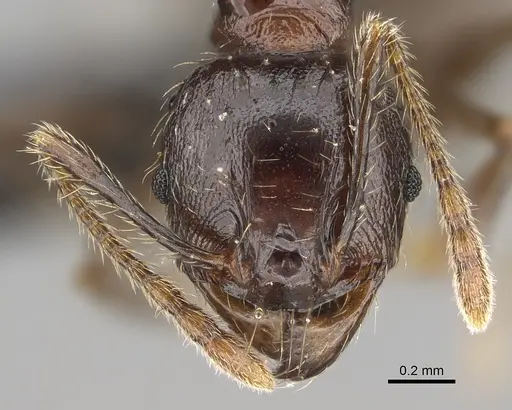
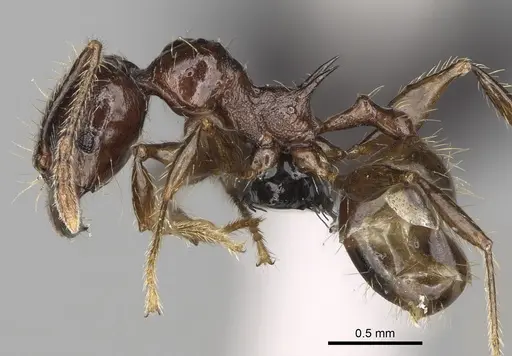
CASENT0923222
View on AntWeb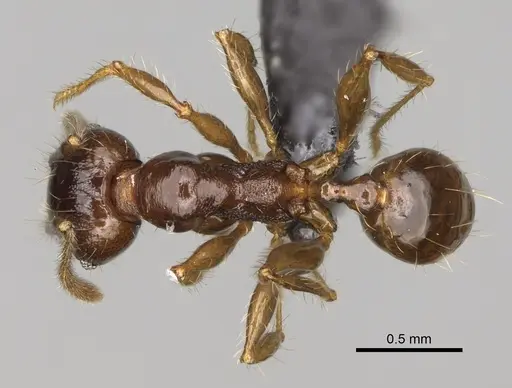
Literature
Loading distribution map...Loading products...