
Pheidole aeberlii
- Sci. Name
- Pheidole aeberlii
- Tribe
- Attini
- Subfamily
- Myrmicinae
- Author
- Forel, 1894
- Distribution
- Found in 0 countries
Introduction
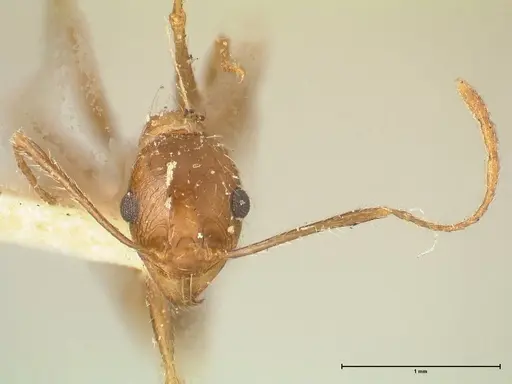
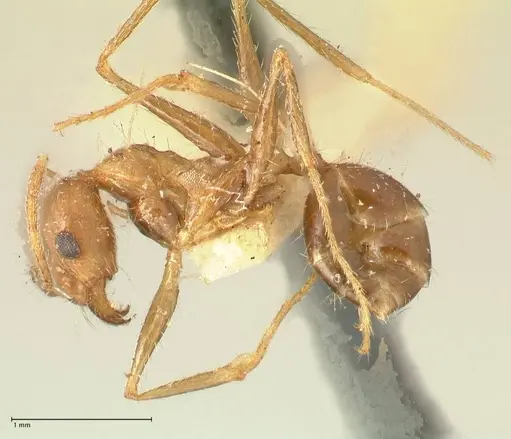
Pheidole aeberlii is a small ant species native to West Africa, documented in Senegal, Mauritania, and Eritrea . The genus Pheidole is known for dimorphic workers, with majors having enlarged heads for seed-crushing and minors handling foraging tasks. This species was described by Forel in 1894 from Senegal specimens . A notable feature is their functional sting, typical of Myrmicinae ants, though less medically significant to humans.
Quick Summary
- Difficulty: Medium
- Origin & Habitat: West Africa, Senegal, Mauritania, Eritrea [1][2]. Habitat likely savanna or open woodland with well-drained soils.
- Colony Type: Unconfirmed, no specific literature on queen number for this species.
- Size & Growth:
- Queen: Size data unavailable, no total length measurements in literature.
- Worker: Size data unavailable, no total length measurements in literature.
- Colony: Unknown maximum colony size, estimated up to several hundred workers based on genus patterns.
- Growth: Moderate
- Development: Estimated 6-10 weeks based on related Pheidole species. (Development time is temperature dependent, warmer conditions accelerate development.)
- Antkeeping:
- Temperature: Keep warm, around 24-28°C, based on tropical habitat inference.
- Humidity: Moderate humidity, avoid overly damp conditions.
- Diapause: No, tropical species do not require hibernation.
- Nesting: Ground-nesting species. In captivity, use test tube setups for founding colonies, then transition to Y-tong or plaster nests with small chambers.
- Behavior: Generally peaceful and non-aggressive. They have a sting but it is not medically significant to humans. Escape risk is high due to their small size, use standard barrier methods.
- Common Issues: slow colony growth can lead to overfeeding and mold., test tube setups can flood if water reservoirs are overfilled., wild-caught colonies may harbor parasites., poor temperature management can stall brood development., overly humid conditions can cause fungal issues.
Housing and Nest Setup
For founding colonies, a standard test tube setup can be used. Fill a test tube with water and cotton, and place the queen inside. Founding behavior is unconfirmed for this species, but if claustral, she may seal herself in. Once the colony has workers, transition to a small formicarium with narrow chambers suitable for their small size. Provide a water test tube as a moisture source and a separate outworld area for feeding.
Feeding and Diet
Pheidole aeberlii is omnivorous, like most Pheidole species. Offer a varied diet including small seeds, protein sources like small insects, and sugar water or honey. Feed protein 2-3 times per week and keep sugar available constantly. Remove uneaten food after 24 hours to prevent mold.
Temperature and Seasonal Care
As a tropical species, maintain nest temperatures between 24-28°C for optimal brood development. Temperatures below 20°C can stall development. Use a heating cable on top of the nest to create a gradient. No hibernation is required, keep temperatures consistent year-round.
Colony Growth and Development
Colony growth is moderate. The first workers emerge within 6-10 weeks under optimal conditions. After workers arrive, the queen focuses on egg-laying while workers handle foraging and care. Patience is key, as reaching several hundred workers may take a year or more.
Frequently Asked Questions
How long does it take for Pheidole aeberlii to produce first workers?
Expect 6-10 weeks from egg to first worker at optimal temperature (24-28°C). This is estimated from related Pheidole species.
What do Pheidole aeberlii ants eat?
They are omnivorous. Offer small seeds, protein like small insects, and sugar water or honey. Feed protein 2-3 times per week and keep sugar available constantly.
Can I keep multiple queen Pheidole aeberlii together?
This has not been studied for this specific species. Most Pheidole are monogyne, so it is not recommended to combine unrelated foundresses as they typically fight.
What temperature do Pheidole aeberlii need?
Keep them warm at 24-28°C. This is a tropical species that does not tolerate cool conditions. Brood development stalls below 20°C.
Do Pheidole aeberlii need hibernation?
No. As a tropical species from West Africa, they do not require hibernation or winter rest. Maintain warm temperatures year-round.
How big do Pheidole aeberlii colonies get?
Unknown maximum colony size, estimated up to several hundred workers based on genus patterns.
When should I move Pheidole aeberlii to a formicarium?
Wait until the colony has workers and the test tube is becoming crowded. Moving too early can stress the colony. Ensure the formicarium has appropriately sized chambers for their small size.
Are Pheidole aeberlii good for beginners?
This species is moderate difficulty. While not aggressive, specific care information is limited, and their slow growth requires patience. They are better suited for keepers with some experience.
Why are my Pheidole aeberlii dying?
Common causes include temperatures below 20°C, overly damp conditions causing fungal growth, mold from uneaten food, or parasites from wild-caught colonies. Check your temperature and humidity levels first.
Report an Issue
The current care sheet is based fully on literature. See inconsistencies, or something that's incorrect? Please , it will be resolved after review from an admin. Contributing to the blogs tab also helps providing information, to make us be able to further improve the caresheets. Thank you for your support!
References

This caresheet is licensed under CC BY-SA 4.0 .
Community Blogs
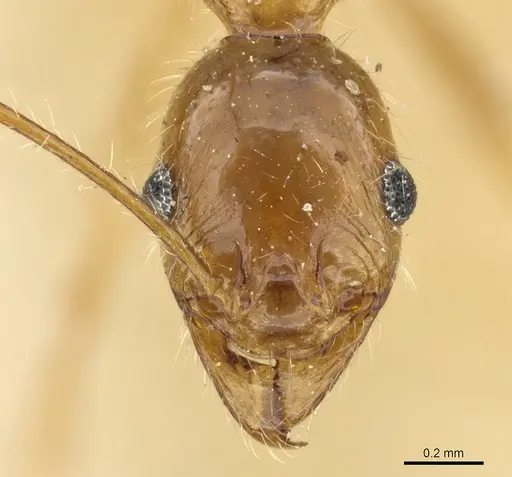
CASENT0904202
View on AntWeb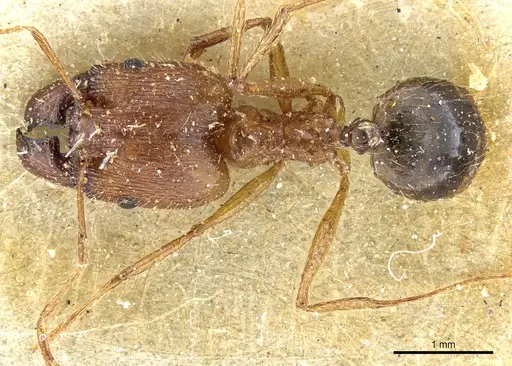
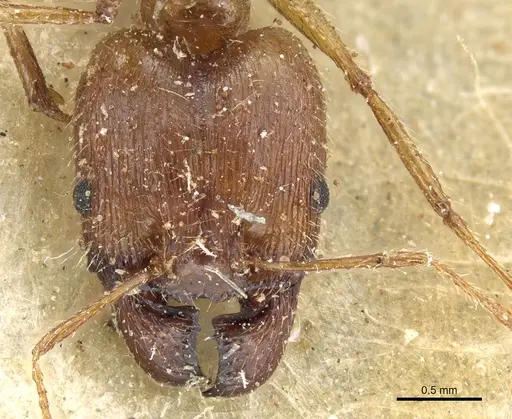
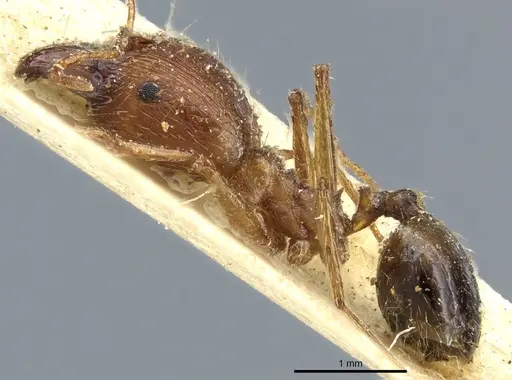
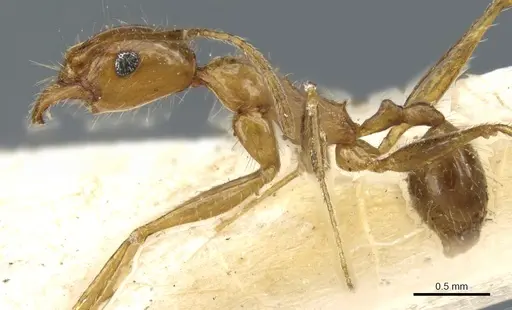
CASENT0904203
View on AntWeb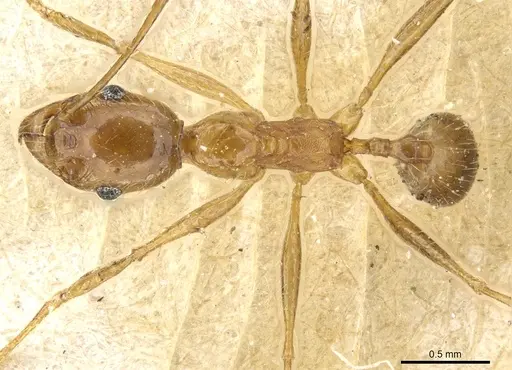
CASENT0907803
View on AntWeb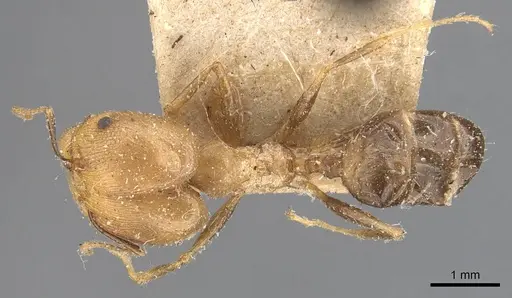
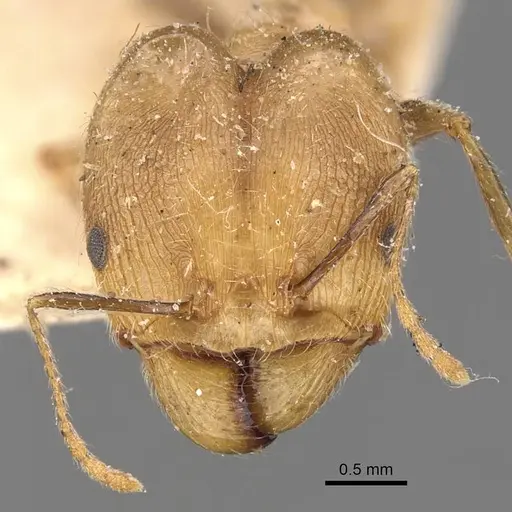
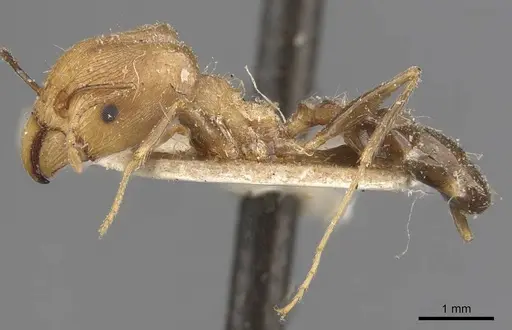
CASENT0907804
View on AntWeb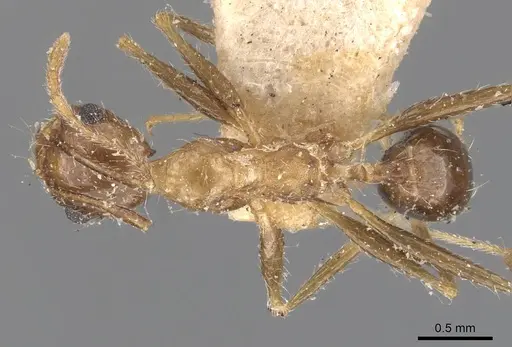
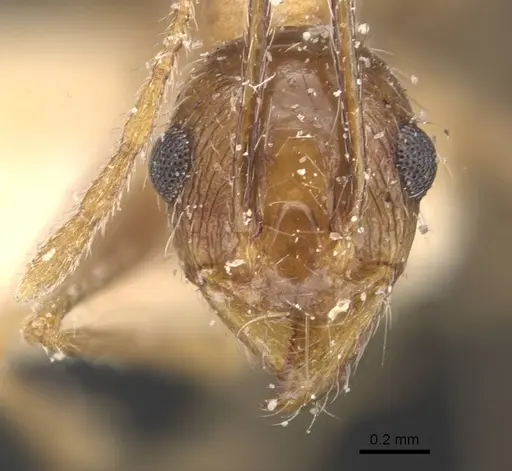
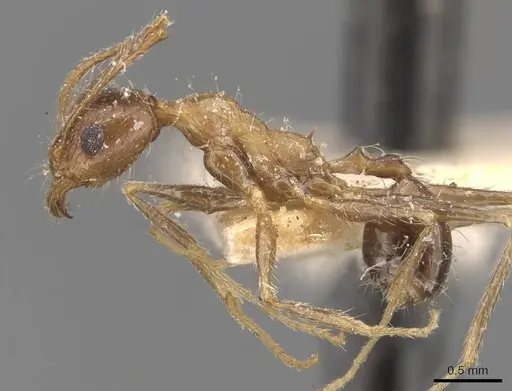
FOCOL1346
View on AntWeb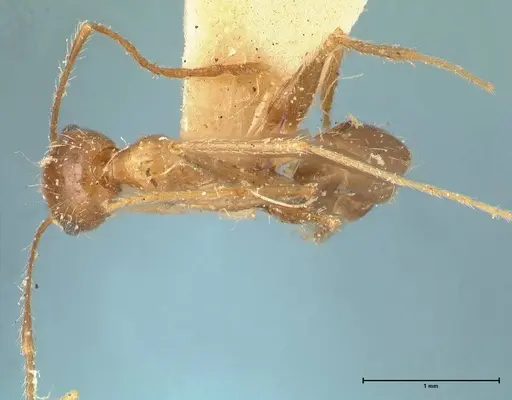
Literature
Loading distribution map...Loading products...