
Petalomyrmex phylax
- Sci. Name
- Petalomyrmex phylax
- Tribe
- Plagiolepidini
- Subfamily
- Formicinae
- Author
- Snelling, 1979
- Distribution
- Found in 2 countries
Introduction
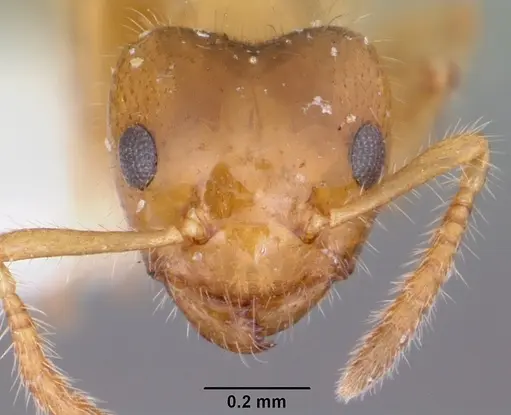
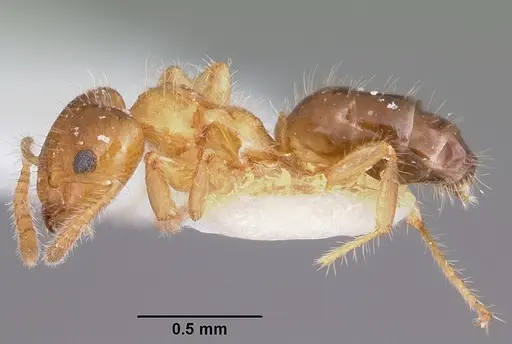
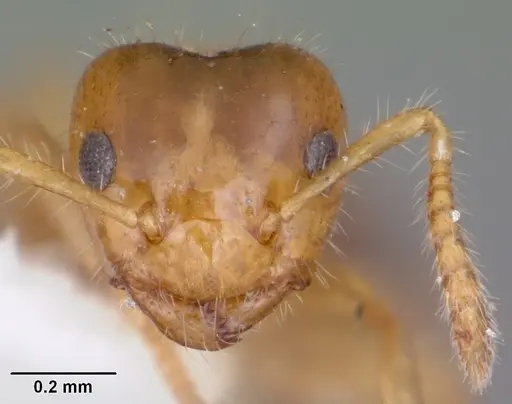
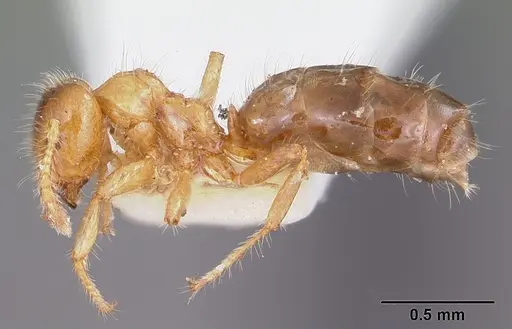
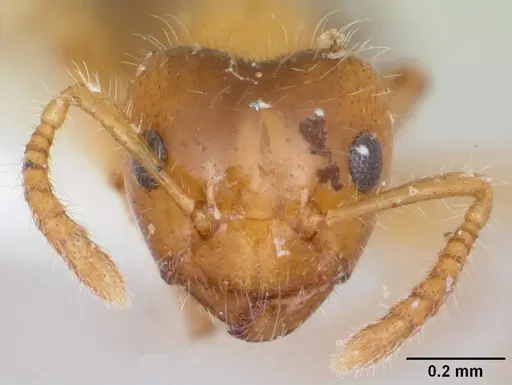
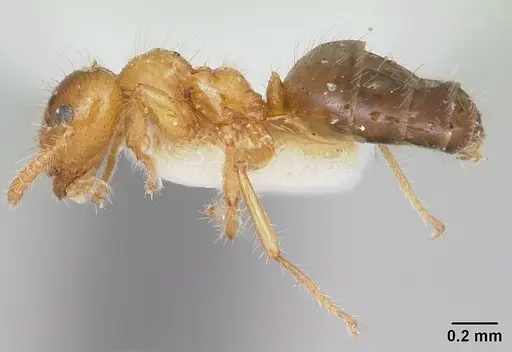
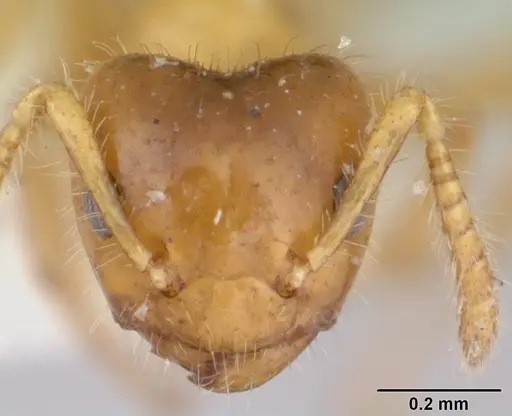
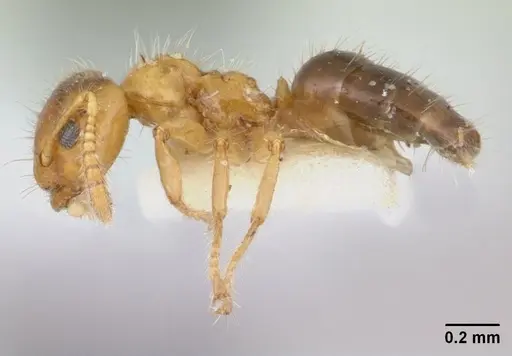
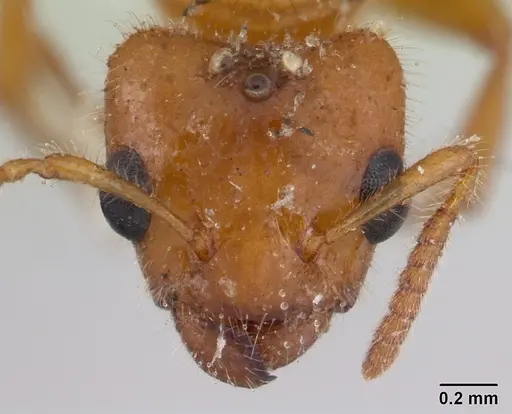
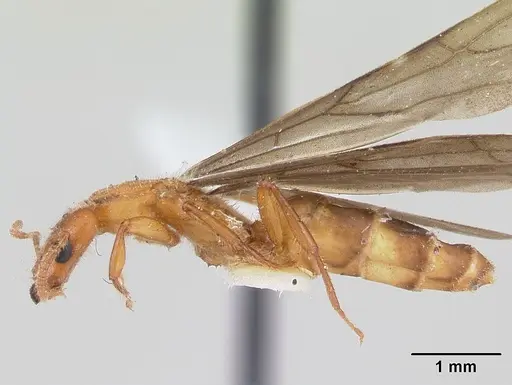
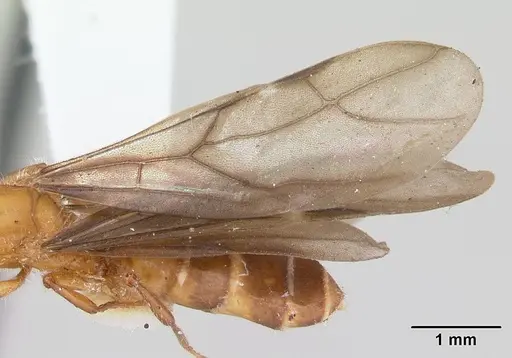
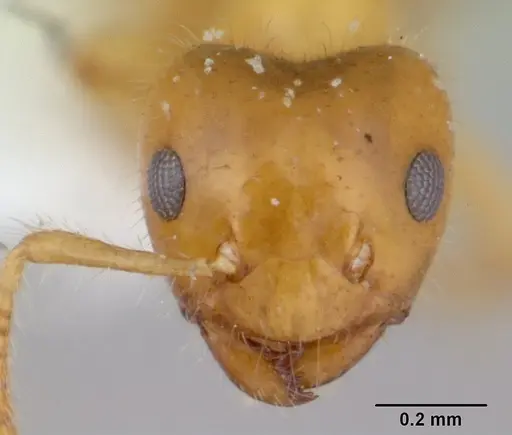
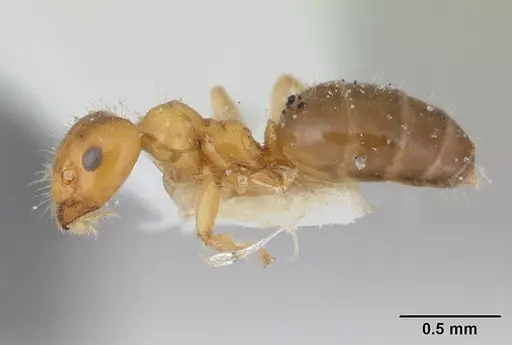
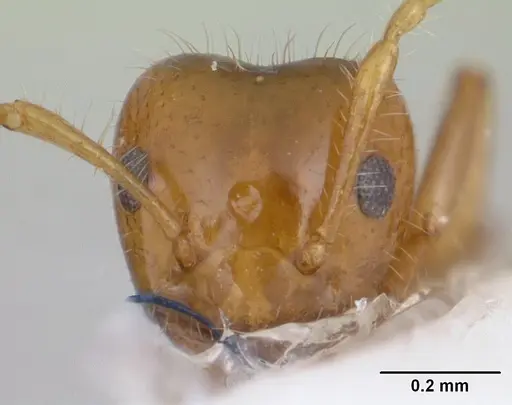
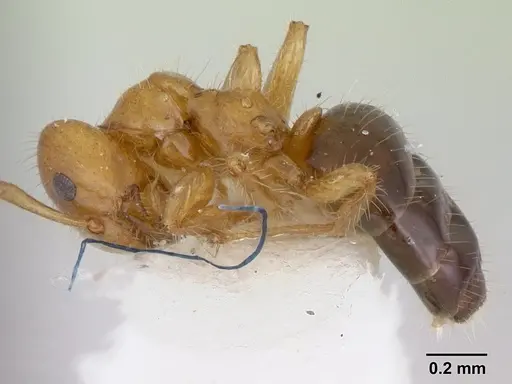
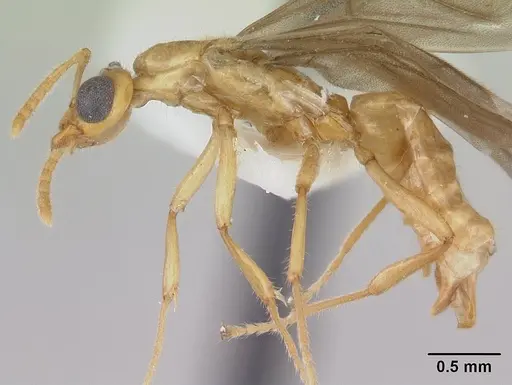
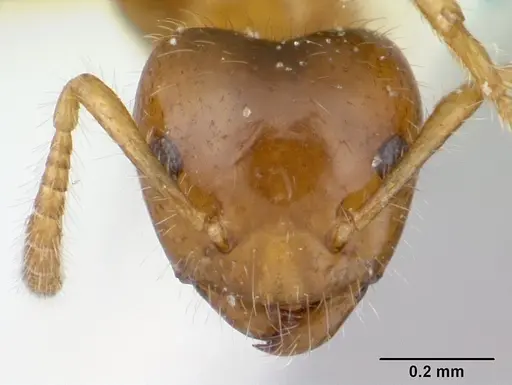
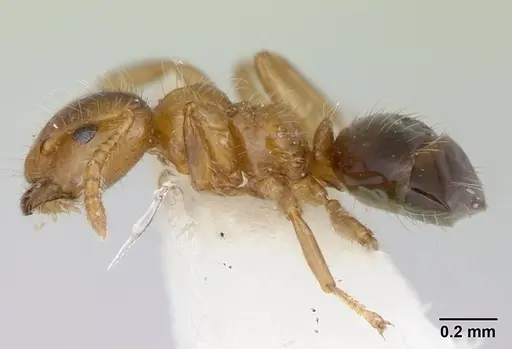
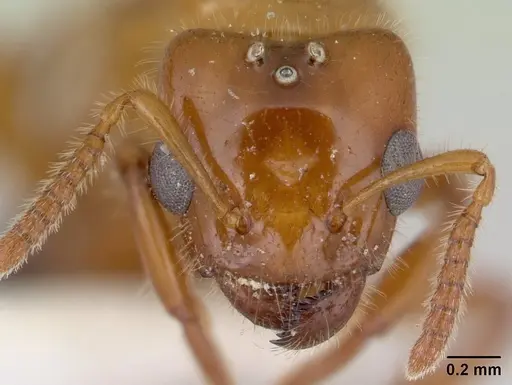
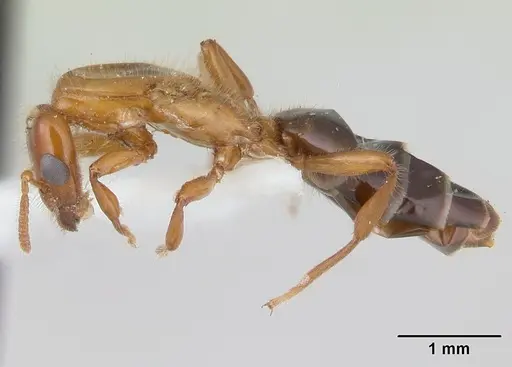
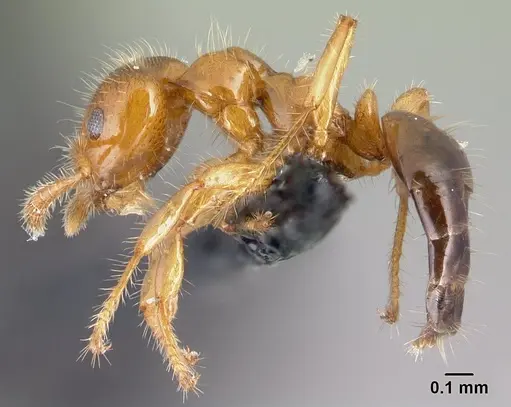
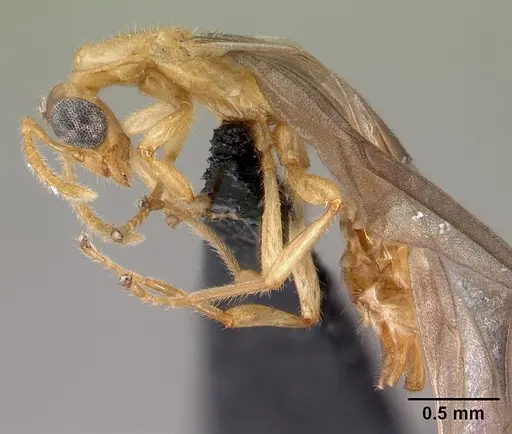
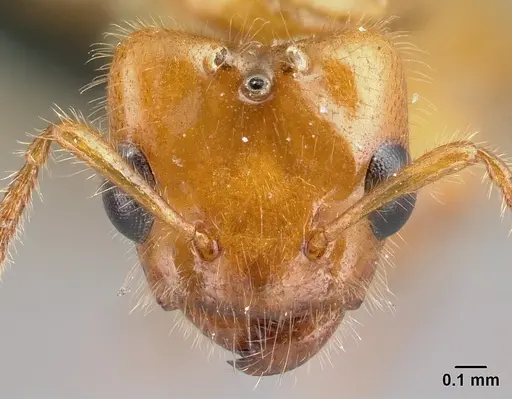
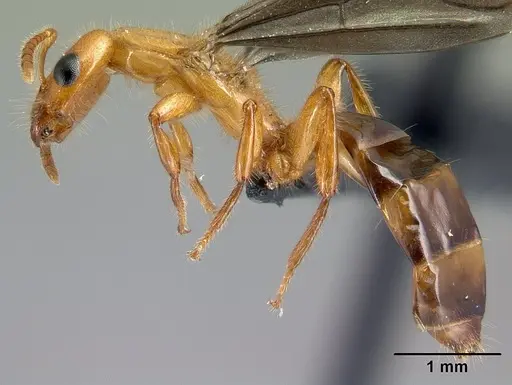
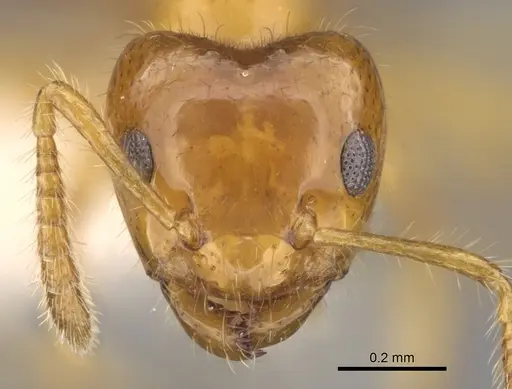
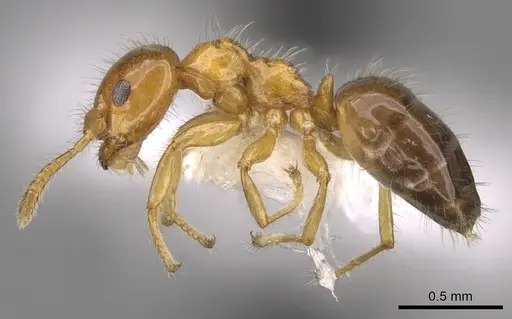
Petalomyrmex phylax is a tiny ant species with workers around 2-3 mm in total length , native to coastal rainforests of Cameroon in Africa . This species is an obligate plant-ant, living exclusively inside the domatia (swollen hollow stems) of the tree Leonardoxa africana subsp. africana . The ants protect the tree's young leaves from herbivores and receive shelter and extrafloral nectar in return . This ant farms fungi inside the domatia, tending and consuming specialized fungi that grow on the nest walls . This three-way symbiosis between ant, plant, and fungus provides essential nitrogen to the ants .
Quick Summary
- Difficulty: Expert
- Origin & Habitat: Coastal rainforests of Cameroon, West Africa, associated with the myrmecophytic tree Leonardoxa africana subsp. africana [6].
- Colony Type: Facultatively polygynous, some populations have single-queen colonies while others accept multiple queens (supernumerary queens) [6]. Colonies can be polydomous, with subunits located up to 5.52 meters apart [2].
- Size & Growth:
- Queen: Size data unavailable, no total length measurements provided in research.
- Worker: ~1.78-2.46 mm total length [1].
- Colony: Up to 10,000 workers [7].
- Growth: Moderate
- Development: Unknown, no direct studies on development time. (Colony growth is tied to fungal cultivation, which is essential for larval nutrition.)
- Antkeeping:
- Temperature: Keep warm at 24-28°C, based on tropical rainforest conditions [2].
- Humidity: Keep nest substrate consistently moist but not waterlogged, mimicking humid rainforest understory [2].
- Diapause: No diapause required, tropical species remains active year-round [1].
- Nesting: This species requires domatia from its host plant Leonardoxa africana. Standard formicaria cannot provide the necessary environment, making captive keeping essentially impossible [2].
- Behavior: Workers are highly active patrollers, continuously guarding young leaves [3]. They are aggressive toward herbivores and hunt insects like chrysomelid beetles [8]. Workers respond rapidly to chemical alarm signals like methyl salicylate [9]. Colonies are populous, with up to 10,000 workers [7]. Escape risk is moderate due to small size, but they typically remain within host plant structure.
- Common Issues: this species cannot be kept without its host plant Leonardoxa africana, they are obligate myrmecophytes., fungal cultivation is essential, larvae feed on farmed fungi, not typical ant food., the specialized domatia environment cannot be replicated with standard formicaria., wild-caught colonies will likely die without proper host plant conditions., this is not a species for typical antkeeping, consider it a specialist observation subject.
The Obligate Plant-Ant Relationship
Petalomyrmex phylax is an obligate symbiont of the African tree Leonardoxa africana subsp. africana. The ants cannot survive without their host plant, and the plant relies on them for protection [2]. The tree produces swollen hollow stems called domatia that serve as ready-made nesting chambers, plus extrafloral nectaries that provide a sugar source [8]. The ants actively defend young leaves against herbivorous insects, dedicating 60 times more workers to protecting new growth compared to a competing parasitic ant species [10]. On average,75% of available trees are occupied by P. phylax, demonstrating the success of this mutualism [7]. The tree produces entry holes just large enough for P. phylax queens to enter but too small for larger competing ants [1].
Fungal Cultivation - The Ant-Fungus Symbiosis
P. phylax farms fungi inside the domatia. The domatia contain a specific fungus (Chaetothyriales) that grows on the inner walls [11]. This fungus is nearly ubiquitous, found in 95% of domatia occupied by P. phylax but never in domatia occupied by parasitic ants [2]. The ants display cultivation behaviors: they feed the fungus, protect it, and transport fungal material [5]. Workers chew fungal hyphae, chop pieces, and defecate on the fungus [2]. Both workers and larvae consume the fungus, confirmed by calcofluor staining and nitrogen-15 labeling experiments [2]. The fungus provides essential nitrogen through this three-way symbiosis [5].
Defense Behavior and Chemical Communication
Workers are dedicated bodyguards for their host plant, continuously patrolling young leaves [12]. They are strictly diurnal, most active during early afternoon when older leaves produce nectar [3]. Workers respond within seconds to damaged leaves, mediated by methyl salicylate [9]. This compound serves as an induced signal in mature leaves and constitutive signal in young shoots [12]. Ants respond strongly to synthetic methyl salicylate, similar to damaged leaves [9]. Workers hunt herbivores like chrysomelid beetles and small moths, providing effective protection [8].
Why This Species Cannot Be Kept in Captivity
P. phylax is an obligate myrmecophyte that requires three things that cannot be replicated: the specific host plant Leonardoxa africana with its domatia, the specific Chaetothyriales fungus, and the tropical rainforest environment [2]. Larvae specifically consume the farmed fungus, not typical ant food [2]. Without the host plant structure, colonies cannot form proper nest chambers. Without the fungus, larvae will starve. This species is best appreciated through research and field observation rather than as a captive ant.
Colony Structure and Reproduction
P. phylax shows flexibility in social structure. Some populations are monogynous (single queen) while others are polygynous (multiple queens) [6]. This variation is tied to dispersal patterns, northern populations have secondary polygyny due to lack of queen dispersal, while southern populations are nearly exclusively monogynous [13]. Colonies can be polydomous, with subunits spread 0.40-5.52 meters apart [2]. Relatedness among workers is high (r = 0.65 ± 0.14) [2]. Colonies can grow up to 10,000 workers, and worker production increases with colony size.
Frequently Asked Questions
Can I keep Petalomyrmex phylax in a formicarium?
No. Petalomyrmex phylax is an obligate plant-ant that requires the specific host tree Leonardoxa africana with its domatia. Standard formicaria cannot provide the fungal cultivation environment these ants need to survive.
What do Petalomyrmex phylax ants eat?
Unlike typical ants, P. phylax larvae feed primarily on farmed fungi that grow inside the domatia of their host plant. Workers and larvae consume the Chaetothyriales fungus that they cultivate [2]. This is not a species that accepts standard ant food like sugar water or insects.
How big do Petalomyrmex phylax colonies get?
Colonies can reach up to 10,000 workers [7]. They are populous ant-plant mutualists that maintain extensive networks within their host tree.
Is Petalomyrmex phylax a good species for beginners?
No. This is an expert-only species that is essentially impossible to keep in captivity due to its obligate dependence on a specific host plant and fungus. It is not a species for antkeeping at all, consider it a research subject rather than a captive pet [2].
Do Petalomyrmex phylax need hibernation?
No. As a tropical species from Cameroon's coastal rainforests, they remain active year-round and do not require any diapause or winter rest period [1].
Can I keep multiple Petalomyrmex phylax queens together?
Some wild populations are polygynous (multiple queens) while others are monogynous (single queen), depending on the population [6]. However, this is irrelevant for captive keeping since this species cannot be kept in captivity at all.
Where does Petalomyrmex phylax live in the wild?
This species is found only in the coastal rainforests of Cameroon, West Africa, where it lives exclusively inside the swollen stems (domatia) of the myrmecophytic tree Leonardoxa africana subsp. africana.
Report an Issue
The current care sheet is based fully on literature. See inconsistencies, or something that's incorrect? Please , it will be resolved after review from an admin. Contributing to the blogs tab also helps providing information, to make us be able to further improve the caresheets. Thank you for your support!
References

This caresheet is licensed under CC BY-SA 4.0 .
Community Blogs
CASENT0101210
View on AntWeb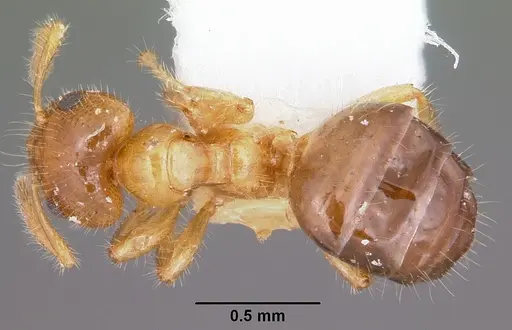
CASENT0101211
View on AntWeb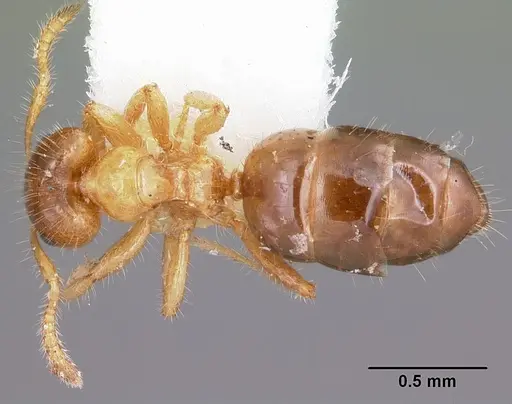
CASENT0104918
View on AntWeb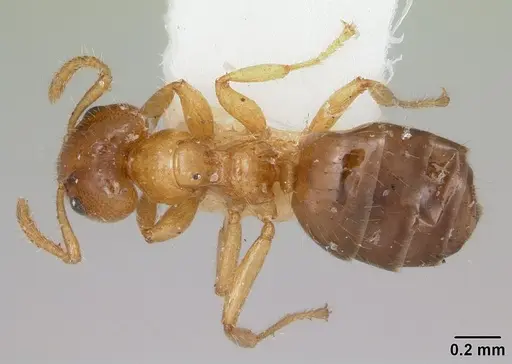
CASENT0178507
View on AntWeb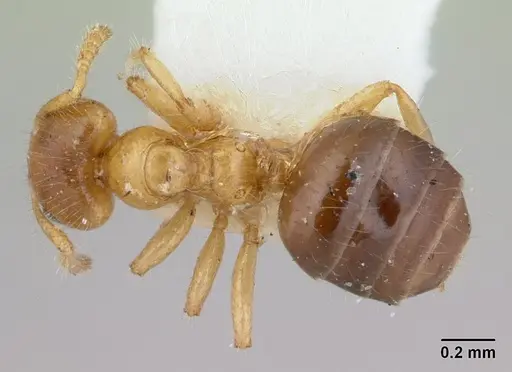
CASENT0178508
View on AntWeb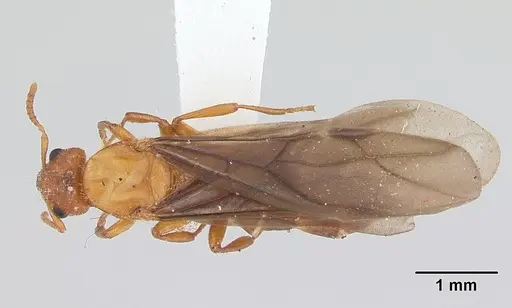
CASENT0178509
View on AntWeb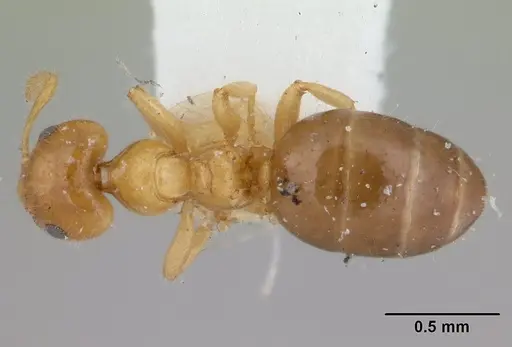
CASENT0178510
View on AntWeb
CASENT0178511
View on AntWeb
CASENT0178512
View on AntWeb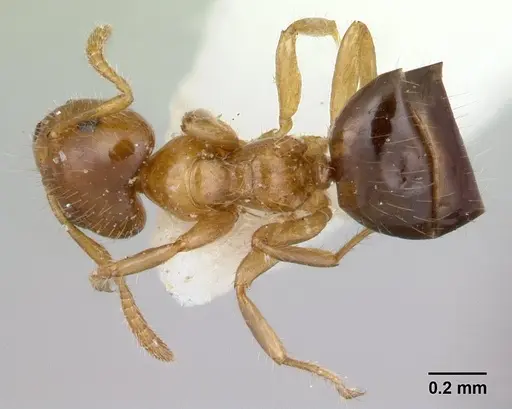
CASENT0178513
View on AntWeb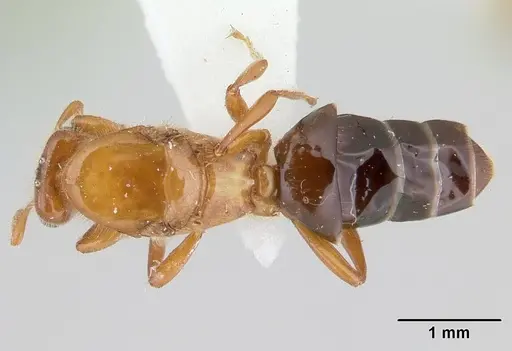
CASENT0217048
View on AntWeb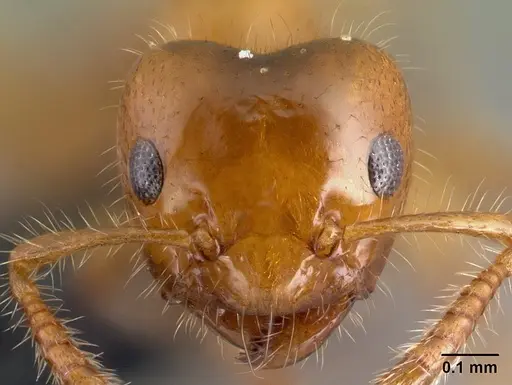
CASENT0217053
View on AntWeb
CASENT0217054
View on AntWeb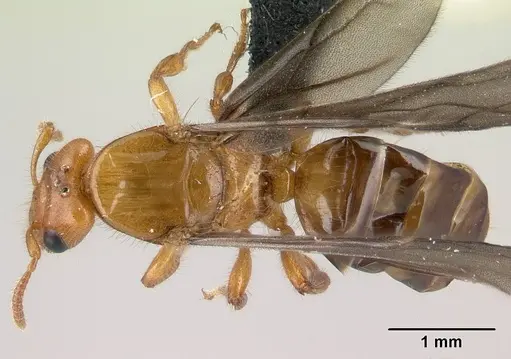
CASENT0281158
View on AntWeb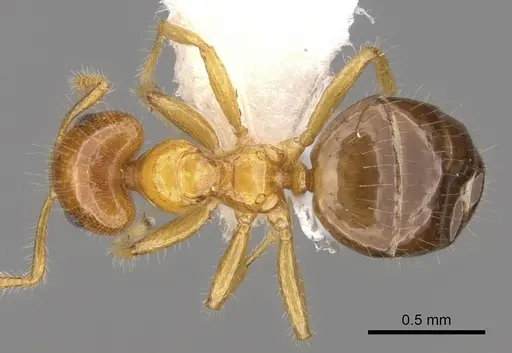
Literature
Loading distribution map...Loading products...