
Patagonomyrmex odoratus
- Sci. Name
- Patagonomyrmex odoratus
- Tribe
- Pogonomyrmecini
- Subfamily
- Myrmicinae
- Author
- Kusnezov, 1949
- Distribution
- Found in 2 countries
Introduction
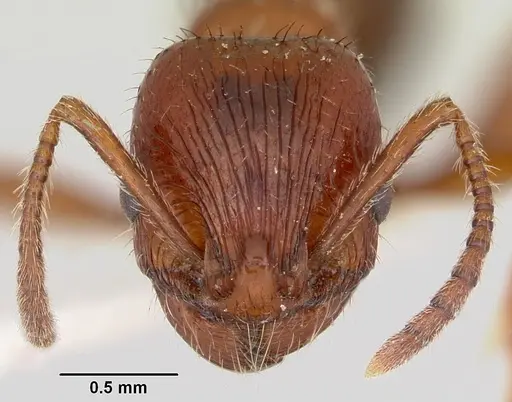
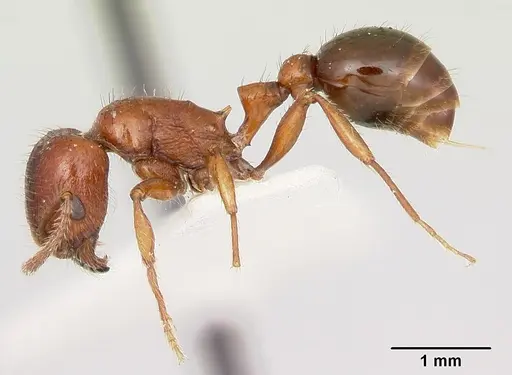
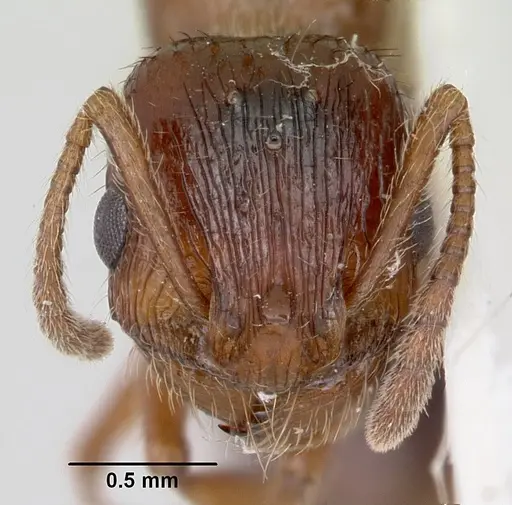
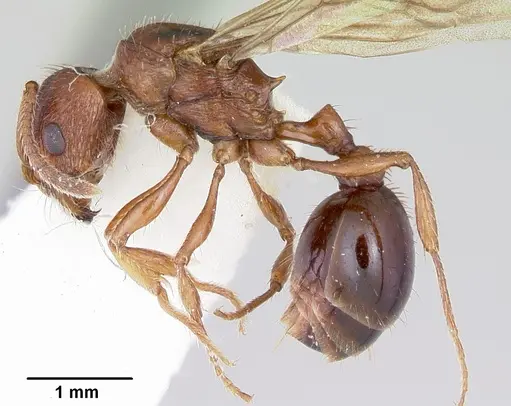
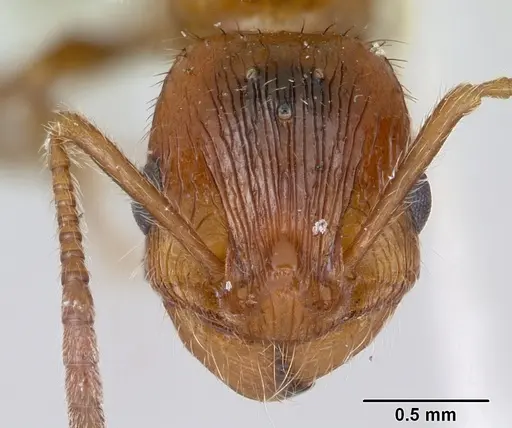
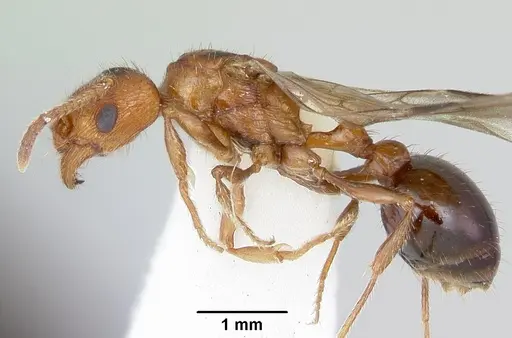
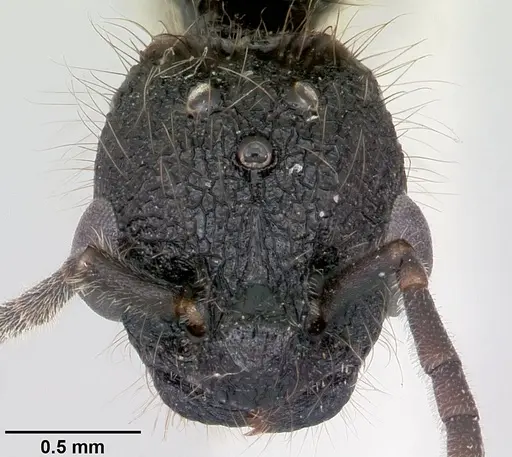
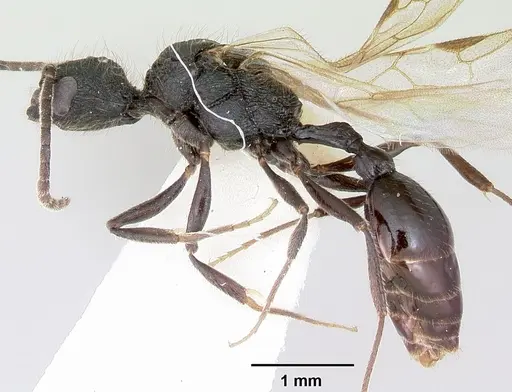
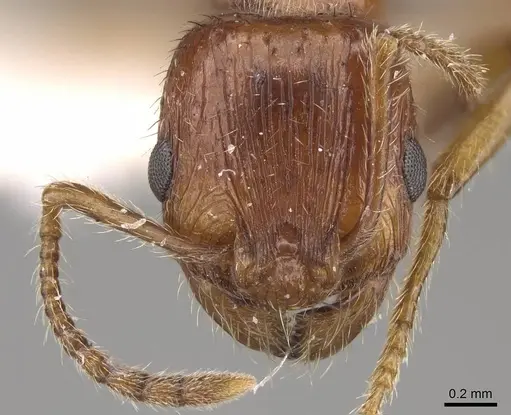
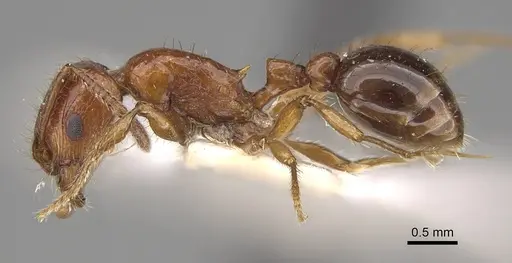
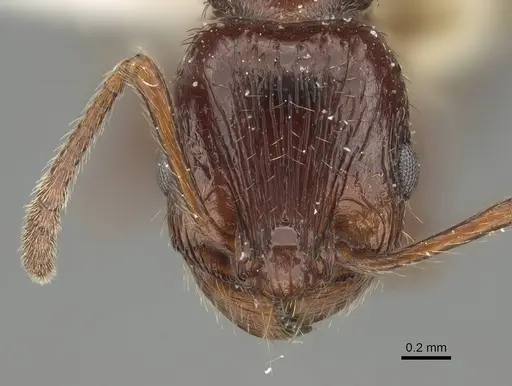
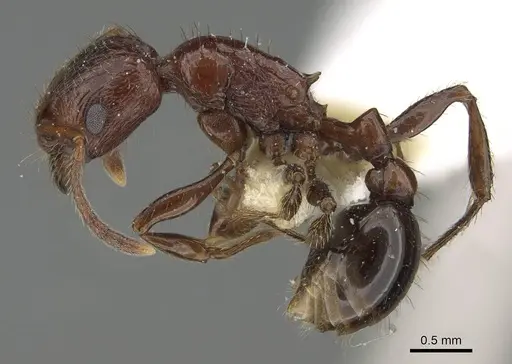
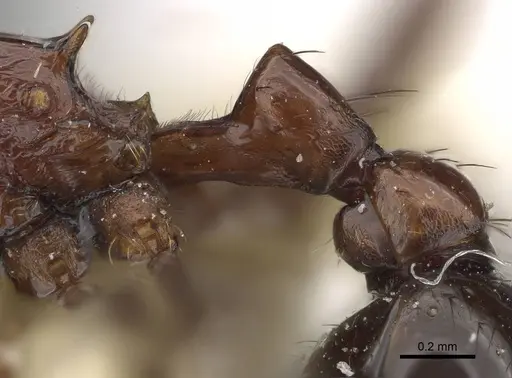
Patagonomyrmex odoratus is a small ant native to southern Argentina and Chile . Workers have head and mesosoma amber-orange to brownish-orange, with gaster darker orangish-black . They nest under stones or in open areas, with nest entrances from simple holes to mounds up to 12 cm in diameter . The species is named for the distinctive odor it emits when disturbed .
Quick Summary
- Difficulty: Medium
- Origin & Habitat: Southern Argentina (Chubut, Neuquén, Río Negro) and southern Chile (La Araucanía, Metropolitan, O'Higgins regions) in cool, humid Nothofagus forests and exposed areas with Chilean cedar at elevations of 540-1700 m in Argentina and 1000-1940 m in Chile [1].
- Colony Type: Colonies typically contain 1-2 reproductive queens [1]. Social structure is unconfirmed.
- Size & Growth:
- Queen: size data unavailable
- Worker: size data unavailable
- Colony: Up to 400 workers [1]
- Growth: Moderate, inferred from related species in the tribe
- Development: Estimated 6-10 weeks, inferred from genus-level data (Development time is inferred, specific data for P. odoratus is not available)
- Antkeeping:
- Temperature: Keep cool, around 18-22°C, based on their temperate habitat [1].
- Humidity: Keep nest substrate consistently moist but not waterlogged, with some drier areas [1].
- Diapause: Yes, provide a winter rest period of 2-3 months at 5-10°C, inferred from temperate habitat [1].
- Nesting: Naturalistic setup with soil for digging or Y-tong/plaster nests with moisture chambers [1].
- Behavior: Workers are diurnal, slow-moving, solitary foragers that are timid and non-aggressive [1]. Escape risk is moderate due to small size.
- Common Issues: temperature fluctuations can stress colonies and prevent development., improper humidity can lead to mold or dehydration., small size makes them vulnerable to drowning in water sources., wild-caught colonies may struggle to adapt to captive conditions.
Nest Preferences and Housing
In the wild, Patagonomyrmex odoratus nests under stones or in open areas, with nest entrances from simple holes to mounds up to 12 cm in diameter [1]. For captive care, use a naturalistic setup with soil for digging or a Y-tong/plaster nest with moisture chambers [1]. They prefer tight, enclosed spaces. Provide a small water source with a cotton wick to prevent drowning.
Feeding and Diet
These ants are granivores, meaning seeds form their primary diet [1]. Offer small seeds like sesame, millet, or flax. They also accept small insects for protein and occasional sugar water. Feed seeds constantly and protein 1-2 times per week, removing uneaten food to prevent mold.
Temperature and Seasonal Care
Patagonomyrmex odoratus comes from cool, temperate habitats [1]. Keep them at 18-22°C, avoiding overheating in summer. In winter, provide a diapause period of 2-3 months at 5-10°C to simulate natural cycles, which is important for colony health.
Behavior and Temperament
Workers are diurnal, slow-moving, solitary foragers that are timid and non-aggressive [1]. They forage individually for seeds and are peaceful toward keepers. Escape risk is moderate due to their small size, standard barrier methods should work.
Colony Development
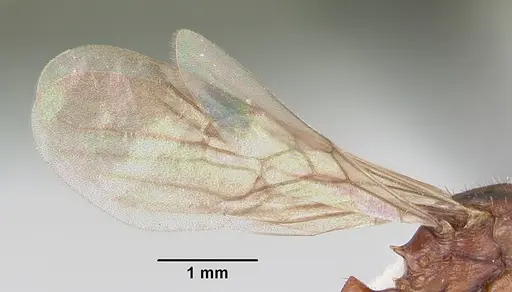
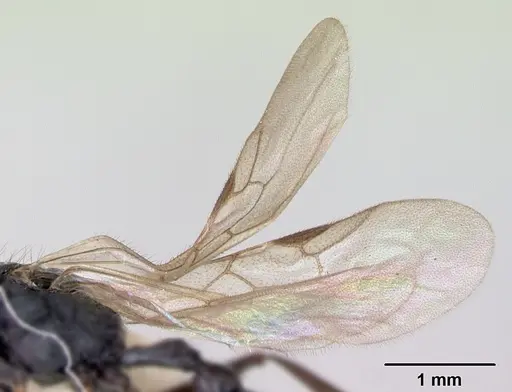
Colonies are small, with up to 400 workers at maturity [1]. Each colony typically has 1-2 reproductive queens. Alate sexuals are collected from January to February, suggesting mating flights in late summer [1]. Growth is moderate, with several months to first workers and slow steady growth over years.
Frequently Asked Questions
How long does it take for Patagonomyrmex odoratus to produce first workers?
Based on related species in the tribe, estimated 6-10 weeks from egg to worker at optimal temperature, but specific data for P. odoratus is not available.
What do Patagonomyrmex odoratus ants eat?
They are granivores, seeds are their primary food [1]. Offer small seeds and occasional protein insects.
What temperature should I keep Patagonomyrmex odoratus at?
Keep them cool at 18-22°C, based on their temperate habitat [1]. Avoid temperatures above 25°C.
Do Patagonomyrmex odoratus need hibernation?
Yes, provide a winter rest period of 2-3 months at 5-10°C, inferred from their temperate habitat [1].
How big do Patagonomyrmex odoratus colonies get?
Colonies reach up to 400 workers [1].
Can I keep multiple Patagonomyrmex odoratus queens together?
In the wild, colonies typically have 1-2 queens [1]. For captive founding, start with a single queen for best success.
Are Patagonomyrmex odoratus good for beginners?
They are rated Medium difficulty. They are peaceful but have specific diet and temperature needs that may challenge beginners.
When do Patagonomyrmex odoratus have nuptial flights?
Alates are collected from January to February, suggesting flights in late summer [1].
What type of nest should I use for Patagonomyrmex odoratus?
A naturalistic soil setup or Y-tong/plaster nest with moisture chambers works well [1].
Report an Issue
The current care sheet is based fully on literature. See inconsistencies, or something that's incorrect? Please , it will be resolved after review from an admin. Contributing to the blogs tab also helps providing information, to make us be able to further improve the caresheets. Thank you for your support!
References

This caresheet is licensed under CC BY-SA 4.0 .
Community Blogs
CASENT0103395
View on AntWeb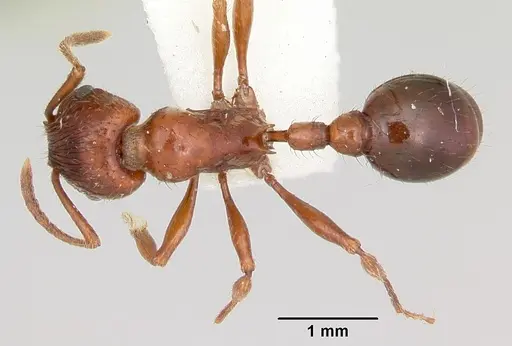
CASENT0103396
View on AntWeb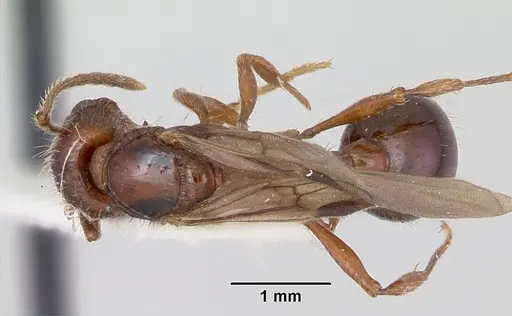
CASENT0103397
View on AntWeb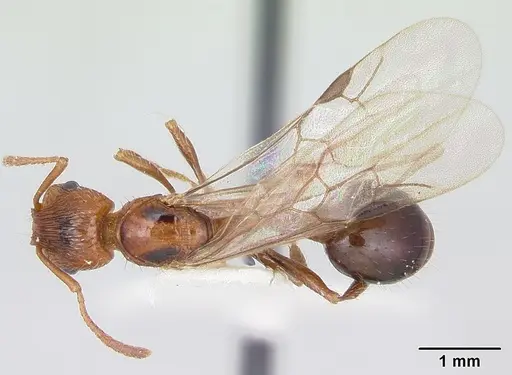
CASENT0103405
View on AntWeb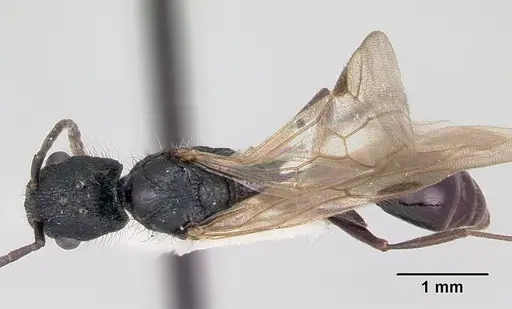
CASENT0914807
View on AntWeb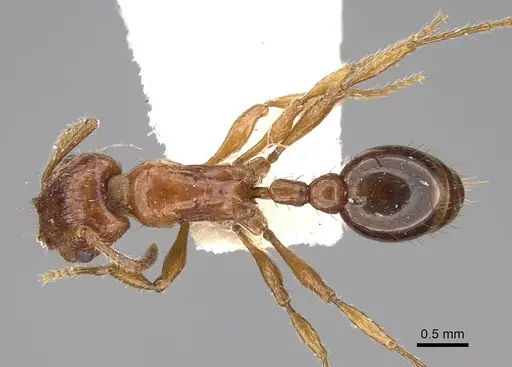
CASENT0919842
View on AntWeb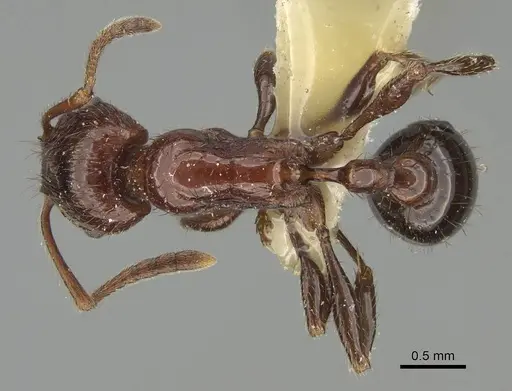
Literature
Loading distribution map...Loading products...