
Patagonomyrmex laevigatus
- Sci. Name
- Patagonomyrmex laevigatus
- Tribe
- Pogonomyrmecini
- Subfamily
- Myrmicinae
- Author
- Santschi, 1921
- Distribution
- Found in 1 countries
Introduction
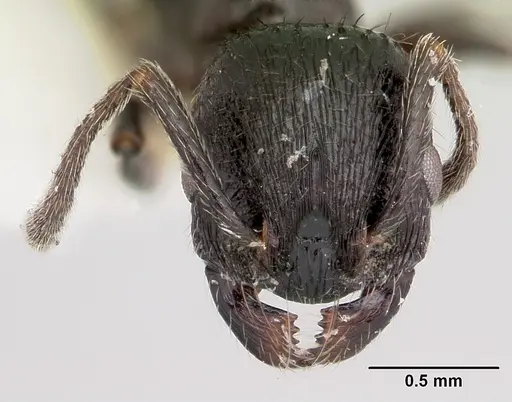
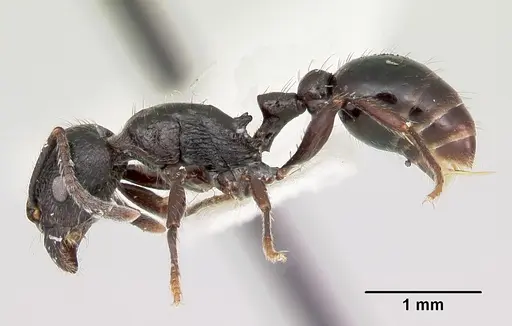
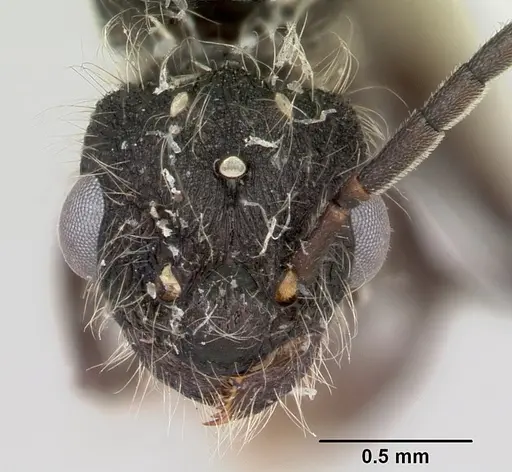
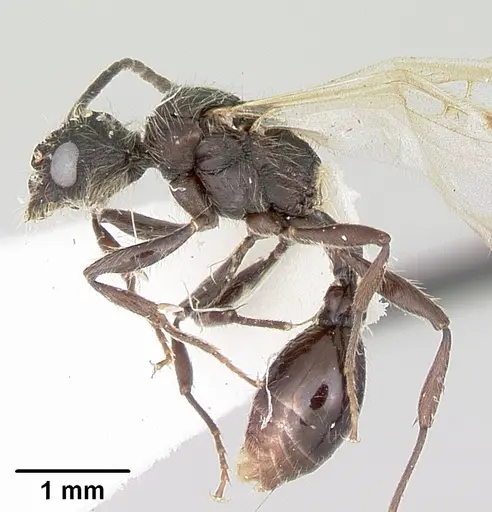
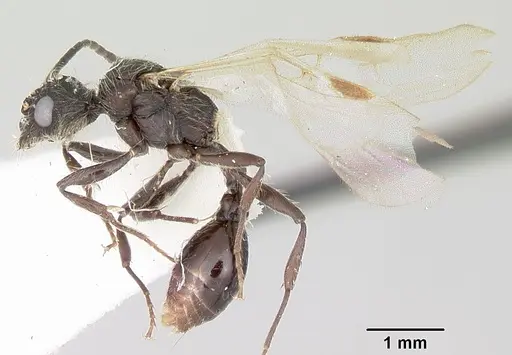
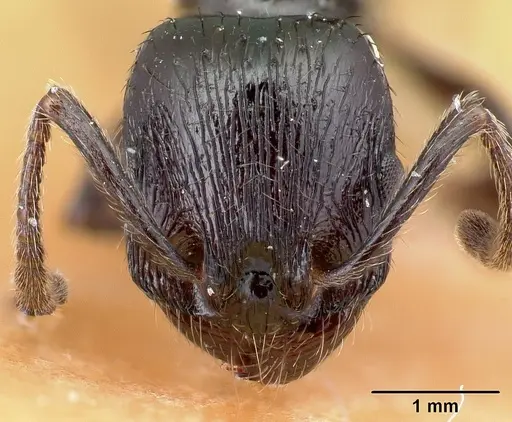
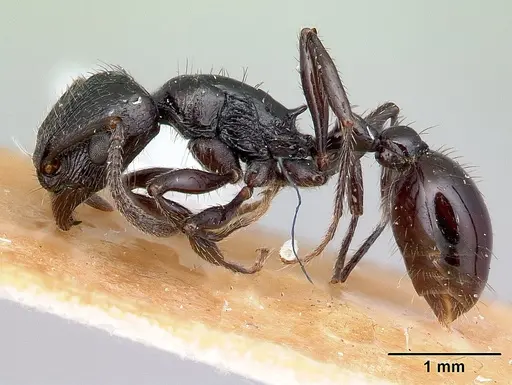
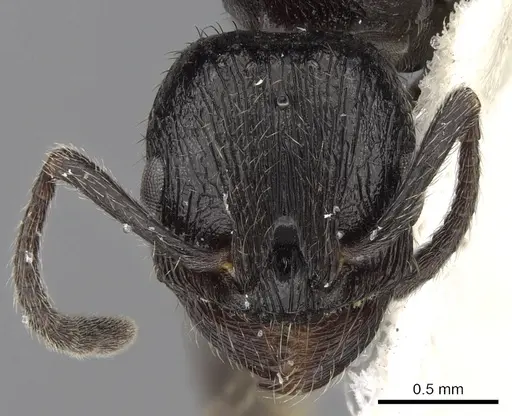
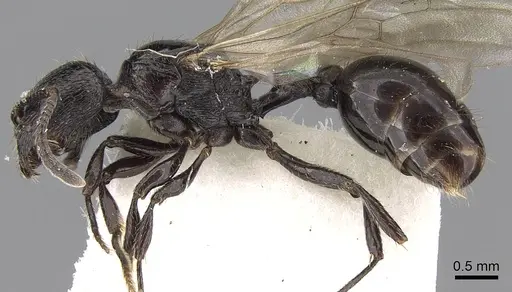
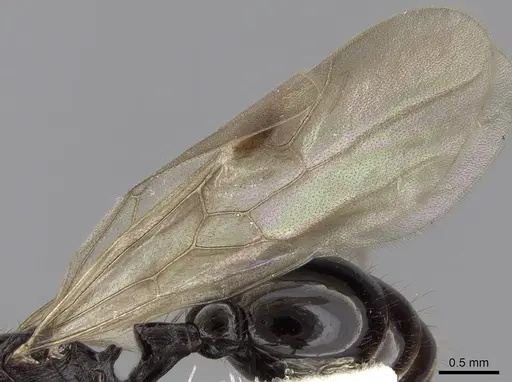
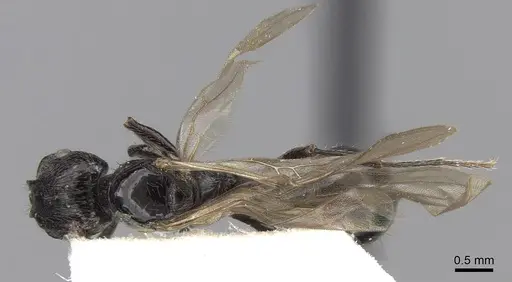
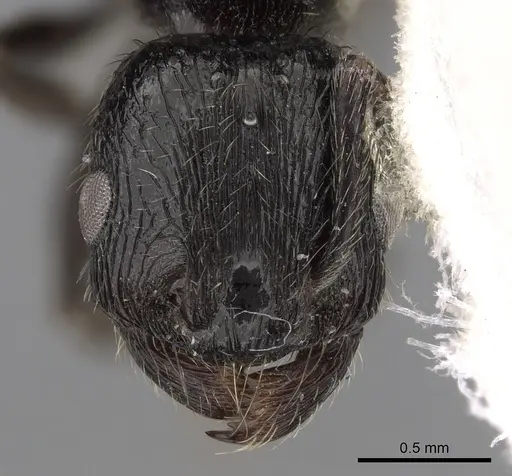
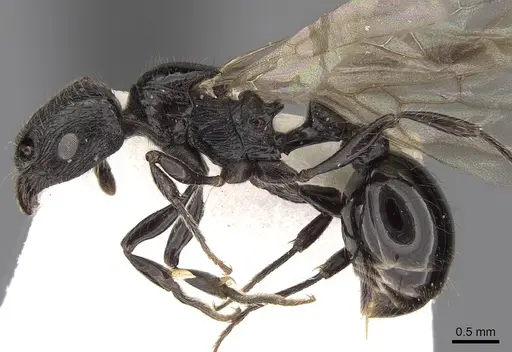
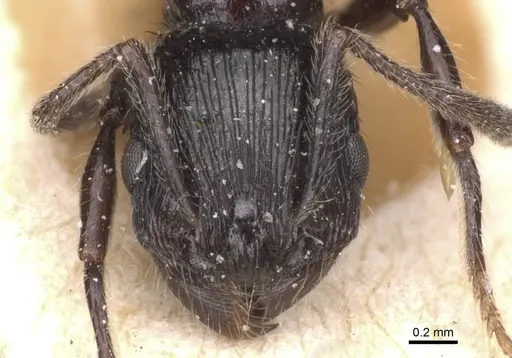
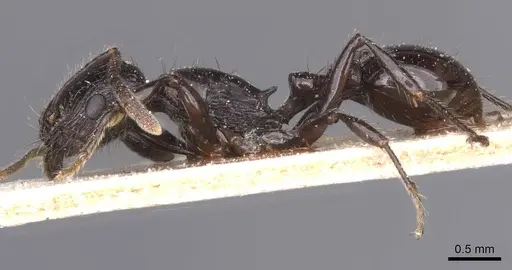
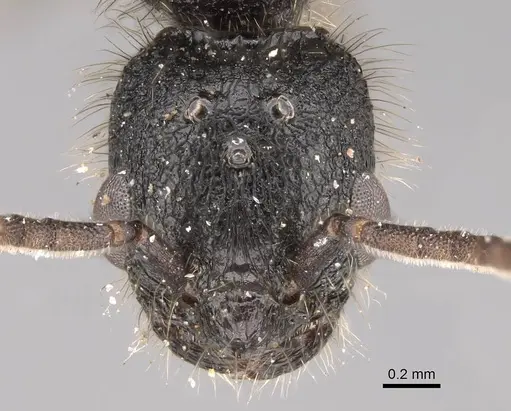
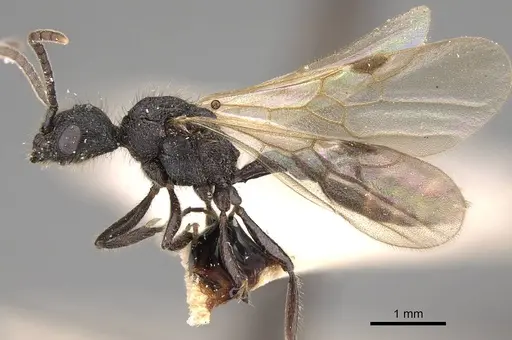
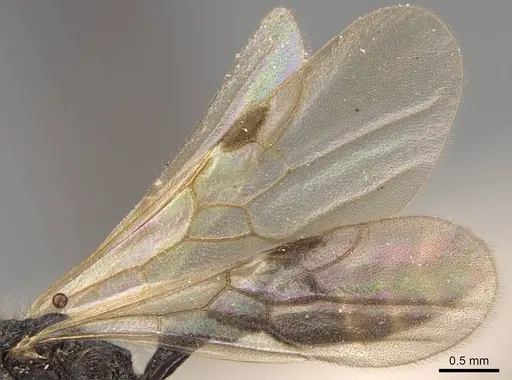
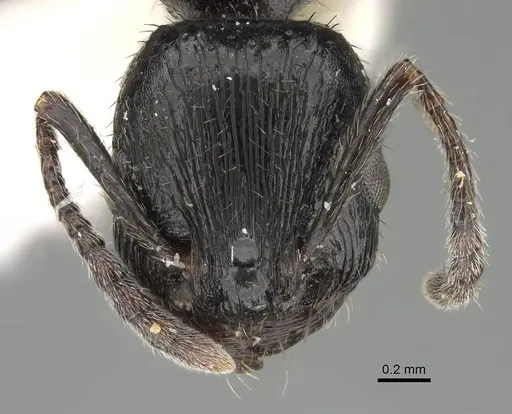
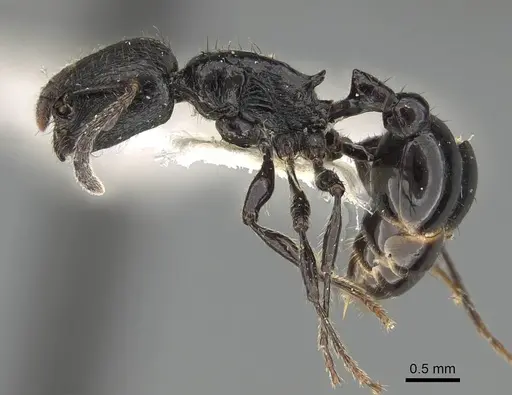
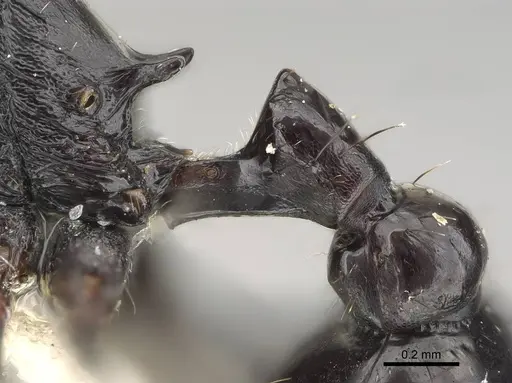
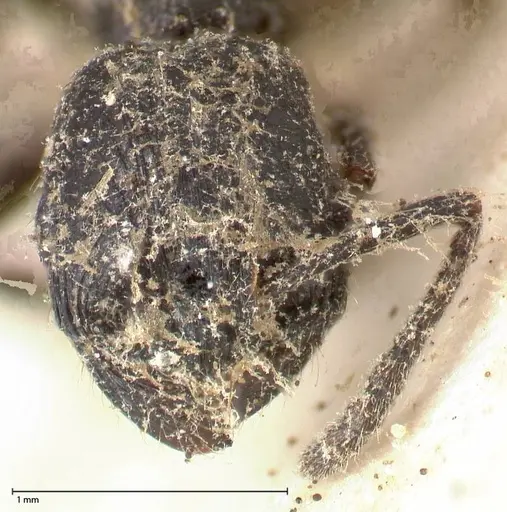
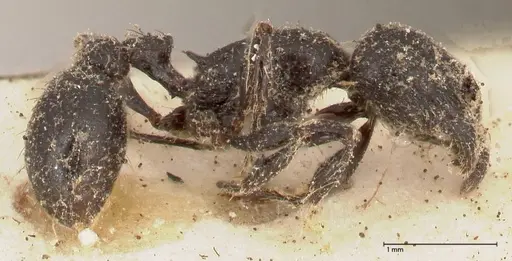
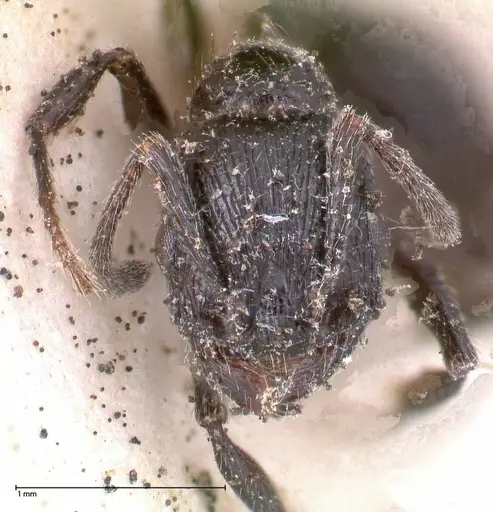
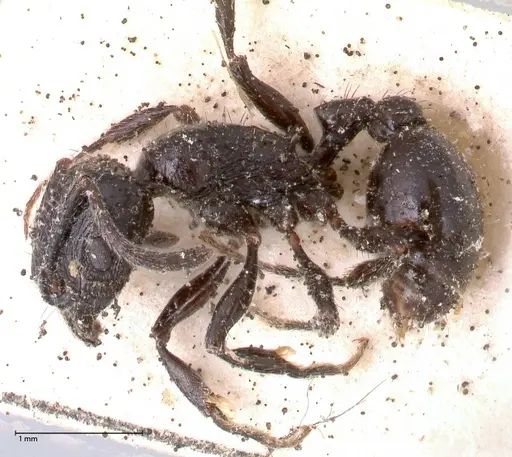
Patagonomyrmex laevigatus is a small, dark brownish-black to black harvester ant from the cool temperate forests of southern Argentina and Chile. It has a smooth, shiny body and short, triangular inferior propodeal spines. This species is restricted to shady, humid coihue (Nothofagus dombeyi) forests in the Valdivian Temperate Forest ecoregion . Unlike many other Pogonomyrmecini, these ants are timid and slow-moving, foraging solitarily during the day. They are granivores, and colonies remain small, typically with fewer than 300-400 workers .
Quick Summary
- Difficulty: Medium
- Origin & Habitat: Southern Argentina (Chubut, Río Negro, Neuquén) and southern Chile (La Araucanía, Los Lagos). Found exclusively in shady, well-developed mesophilic coihue (Nothofagus dombeyi) forests in the Valdivian Temperate Forest ecoregion, at elevations of 220-1000 m in Chile and 560-950 m in Argentina. Absent from arid and semi-arid habitats [1].
- Colony Type: Monogyne, single queen colonies. Observations of this species show typically one dealate queen per nest [1].
- Size & Growth:
- Queen: size data unavailable (head length is 1.25-1.30 mm, but total body length not published) [1]
- Worker: size data unavailable (head length is 1.11-1.24 mm, but total body length not published) [1]
- Colony: Up to 300-400 workers [1]
- Growth: Slow to moderate, colony size is naturally small
- Development: Unknown for this species, based on related harvester ants, an estimate of 8-12 weeks at optimal cool temperatures is reasonable (Development time not directly studied)
- Antkeeping:
- Temperature: Keep cool at 15-20 °C, they inhabit cool temperate forests and cannot tolerate heat above 22 °C. Provide a slight thermal gradient [1].
- Humidity: Moderate to high, from humid forest habitat. Keep nest substrate moist but not waterlogged. Ensure good ventilation [1].
- Diapause: Likely required, their native region has cold winters. Provide a winter rest period at 10-15 °C for 2-3 months (May-September in Southern Hemisphere) [1].
- Nesting: In nature, they nest under stones or in open areas with variable entrance sizes. In captivity, use a naturalistic setup with a flat stone over moist substrate, or a Y‑tong/plaster nest with small chambers. Maintain stable humidity [1].
- Behavior: Workers are diurnal, slow-moving, solitary foragers. They are timid and non-aggressive, posing minimal sting risk. Escape risk is moderate due to small size, use fine mesh and tight seals [1].
- Common Issues: escape prevention is critical due to their small size., colonies grow slowly and remain small, requiring patience., overheating can kill them quickly, they need cool temperatures., dry conditions cause decline, keep substrate consistently moist., wild-caught colonies may have parasites.
Nest Preferences and Housing
In the wild, Patagonomyrmex laevigatus nests under stones or in open areas with variable entrance sizes, some nests have no mound while others have tumuli 10-12 cm in diameter. They prefer shady, humid microhabitats in Nothofagus forests [1]. For captive care, a naturalistic setup works best: use a container with moist soil or sand substrate topped with a flat stone or piece of bark to maintain darkness and humidity. Alternatively, a small Y‑tong or plaster formicarium with tight chambers provides excellent humidity control. Keep nest chambers small and snug, these are small ants that feel secure in compact spaces. Always provide an outworld for foraging [1].
Feeding and Diet
These ants are granivores, meaning they primarily eat seeds [1]. In captivity, offer a variety of small seeds such as sesame, millet, flax, or commercial ant seed mixes. They will also accept small amounts of protein like tiny pieces of mealworm or fruit flies, though seeds should form the bulk of their diet. Provide a constant source of water, a small test tube with a cotton plug works well. Place seeds in the outworld and give them time to retrieve them. Remove uneaten seeds after a few days to prevent mold [1].
Temperature and Seasonal Care
This is the most critical aspect of keeping Patagonomyrmex laevigatus. They inhabit cool temperate forests and absolutely cannot tolerate heat. Keep them at 15-20 °C, room temperature is often ideal, but monitor during summer months. Never place their enclosure in direct sunlight or near heat sources [1]. During winter (Southern Hemisphere: roughly May-September), reduce temperatures to 10-15 °C for 2-3 months to simulate their natural seasonal cycle. This rest period is important for colony health and likely triggers reproductive development. If you cannot provide cool temperatures year-round, a brief hibernation period of 2-3 months at refrigerator temperatures (but not freezing) may help [1].
Behavior and Colony Dynamics
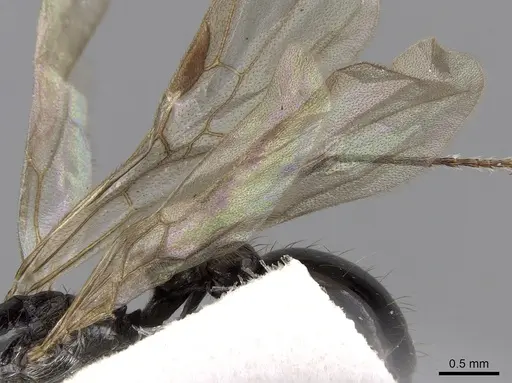
Workers are diurnal, active during the day. They forage solitarily and move slowly, which is characteristic of their genus [1]. Unlike many Pogonomyrmex species that are defensive and can deliver painful stings, Patagonomyrmex laevigatus is timid and non-aggressive. They pose no threat to keepers [1]. Colonies grow slowly, typically reaching only 300-400 workers even at maturity. The queen lays eggs seasonally, with alate (winged) queens and males produced from January through May. Mating flights likely occur during late austral summer (February-March), though this has not been directly observed [1].
Escape Prevention
Despite their small size, these ants are not particularly aggressive escape artists compared to some other Myrmicinae. However, their tiny stature means they can still slip through small gaps. Use tight-fitting lids on any container, apply fluon or barrier gel around the edges of the outworld, and ensure any tubing connections are secure. A fine mesh barrier (at least 0.5 mm mesh) on any ventilation holes is essential. Given their slow movement, escape attempts are usually easy to spot and intercept [1].
Frequently Asked Questions
Can I keep Patagonomyrmex laevigatus in a test tube?
Yes, test tubes work well for founding colonies. Use a small test tube with a water reservoir sealed with cotton, placed in a dark container to simulate nesting sites. Keep the tube moist but not flooded, and provide a small outworld for seed storage once workers emerge [1].
How long does it take for the first workers to appear?
The exact time is unknown for this species. Based on related harvester ants, it likely takes 8-12 weeks from egg to worker at optimal cool temperatures (around 18 °C). Development is slower than many tropical ants. Be patient, colonies grow slowly and remain small.
What temperature do they need?
Keep them cool at 15-20 °C. They cannot tolerate heat and will die if temperatures exceed 22-25 °C for extended periods. Room temperature is often ideal. During winter, reduce to 10-15 °C for a 2-3 month rest period [1].
Are they good for beginners?
They are moderate difficulty. While they are peaceful and small, their specific temperature requirements (cool, humid) and slow growth make them better suited for keepers who can provide stable, cool conditions. Beginners might find their slow development frustrating [1].
How big do colonies get?
Colonies reach a maximum of around 300-400 workers. This is relatively small compared to many common pet ants and is a key characteristic of the genus [1].
Can I keep multiple queens together?
No. This species is monogyne, meaning colonies naturally have only one queen. Multiple unrelated queens will fight. If you capture a colony, it already has its single queen [1].
Do they need hibernation?
Yes, they require a winter rest period. Reduce temperatures to 10-15 °C for 2-3 months during winter (May-September in the Southern Hemisphere) to mimic their natural cycle in the cool temperate forests of Patagonia [1].
What do they eat?
They are granivores, seeds form their primary diet. Offer small seeds like sesame, millet, or ant seed mixes. They may occasionally accept tiny protein items like fruit flies or small mealworm pieces, but seeds should be the main food source [1].
Why are my ants dying?
The most common causes are: overheating (they need cool temperatures), dry conditions (they need humid substrate), or stress from disturbance. Check that temperatures stay below 22 °C, substrate remains moist, and minimize colony disturbances during founding [1].
When should I move them to a formicarium?
You can keep them in a test tube setup long-term since colonies stay small. If you want to upgrade, wait until the colony has at least 50-100 workers. A small naturalistic setup with a stone over moist substrate works well [1].
Where are they found in the wild?
Southern Argentina (Chubut, Río Negro, Neuquén) and southern Chile (La Araucanía, Los Lagos). They live exclusively in shady, humid coihue (Nothofagus dombeyi) forests in the Valdivian Temperate Forest ecoregion, at elevations between 220-1000 m [1].
Report an Issue
The current care sheet is based fully on literature. See inconsistencies, or something that's incorrect? Please , it will be resolved after review from an admin. Contributing to the blogs tab also helps providing information, to make us be able to further improve the caresheets. Thank you for your support!
References

This caresheet is licensed under CC BY-SA 4.0 .
Community Blogs
CASENT0103393
View on AntWeb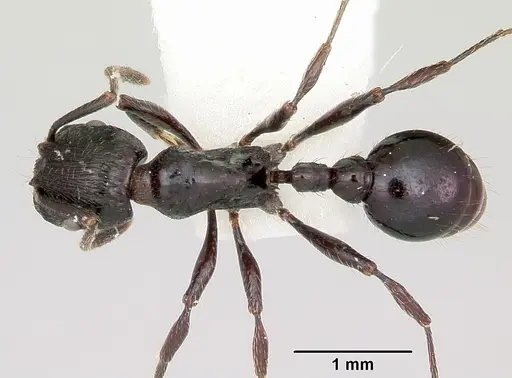
CASENT0103394
View on AntWeb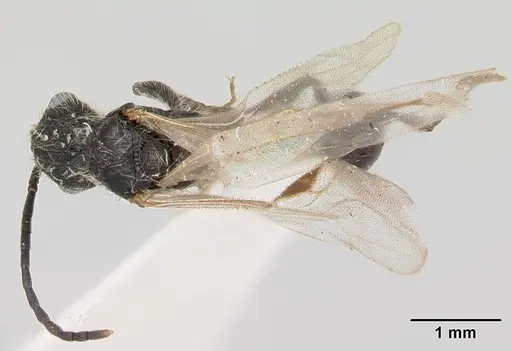
CASENT0217258
View on AntWeb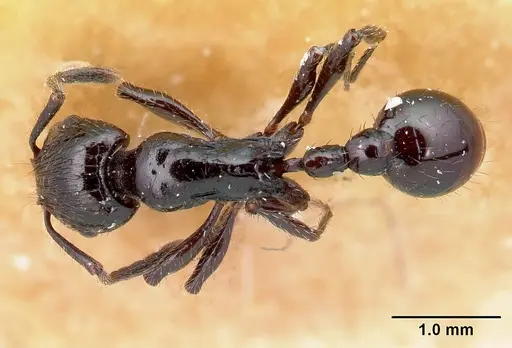
CASENT0280991
View on AntWeb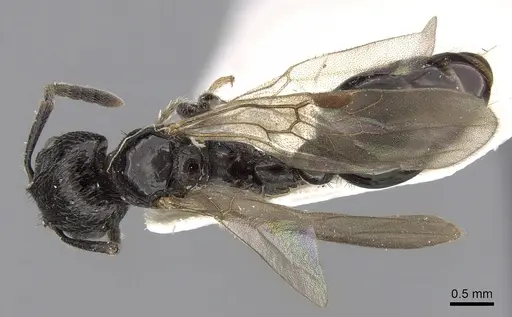
CASENT0280992
View on AntWeb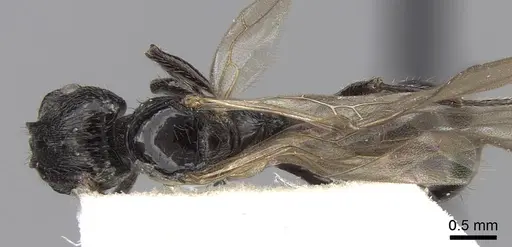
CASENT0913096
View on AntWeb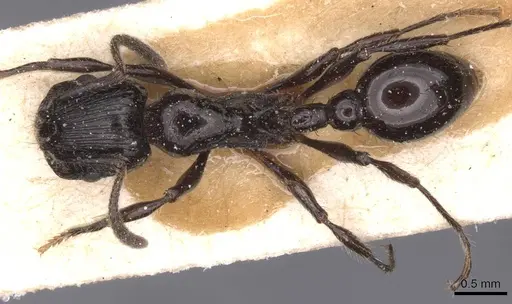
CASENT0914809
View on AntWeb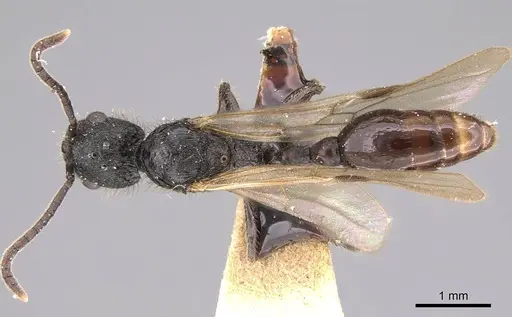
CASENT0919843
View on AntWeb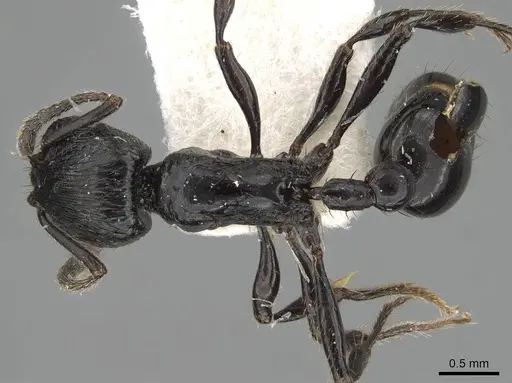
FOCOL0600-1
View on AntWeb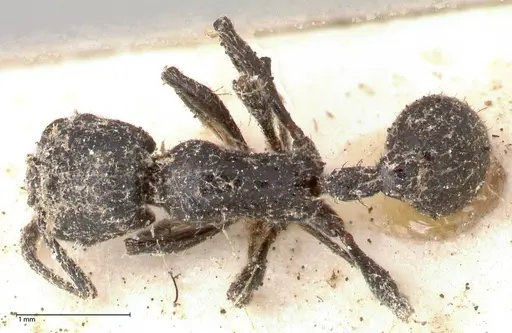
FOCOL0600-2
View on AntWeb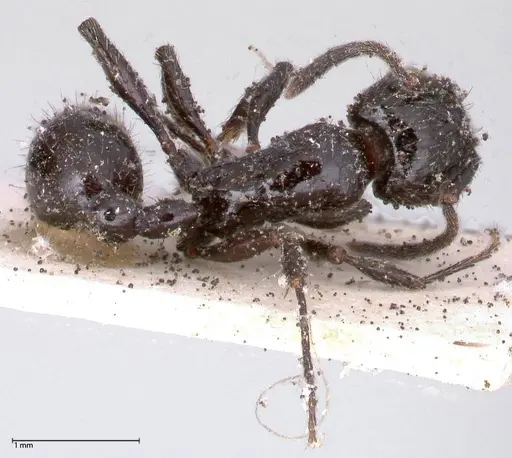
Literature
Loading distribution map...Loading products...