
Patagonomyrmex angustus
- Sci. Name
- Patagonomyrmex angustus
- Tribe
- Pogonomyrmecini
- Subfamily
- Myrmicinae
- Author
- Mayr, 1870
- Distribution
- Found in 2 countries
Introduction
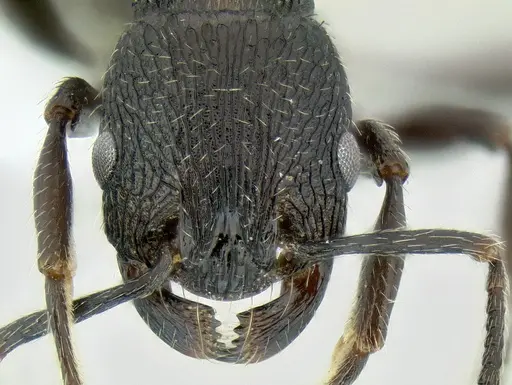
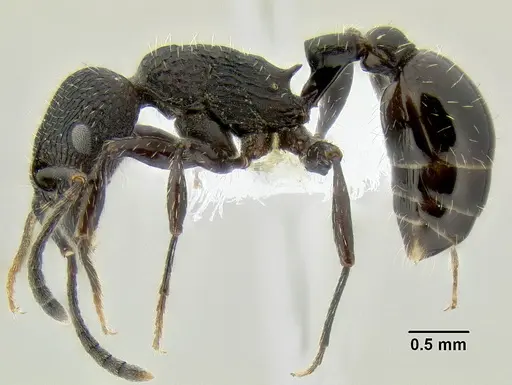
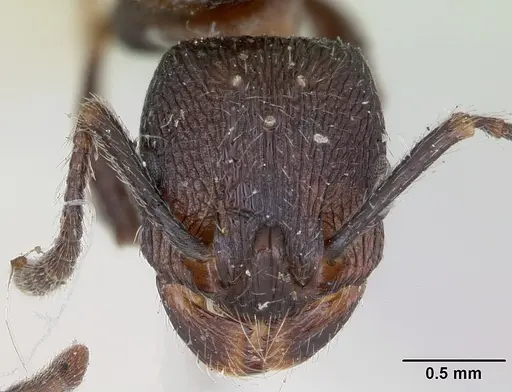
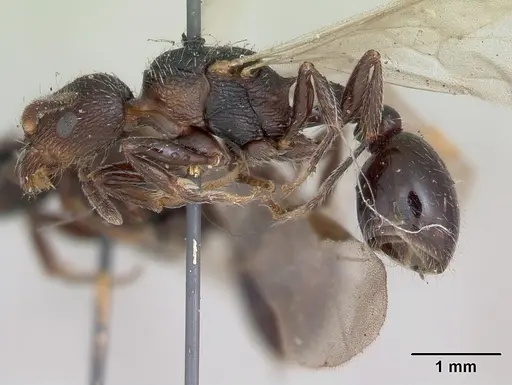
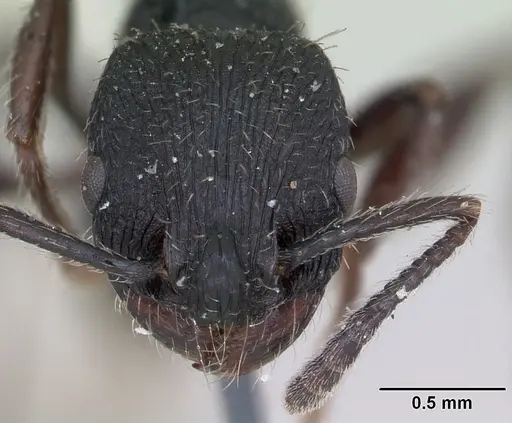
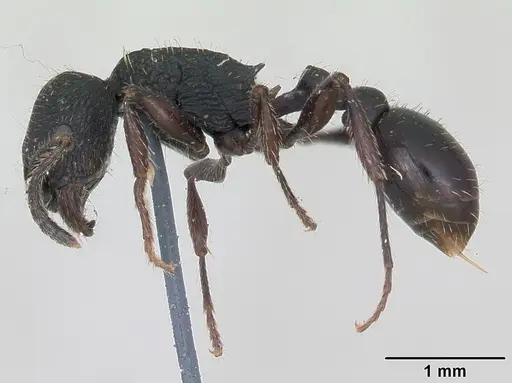
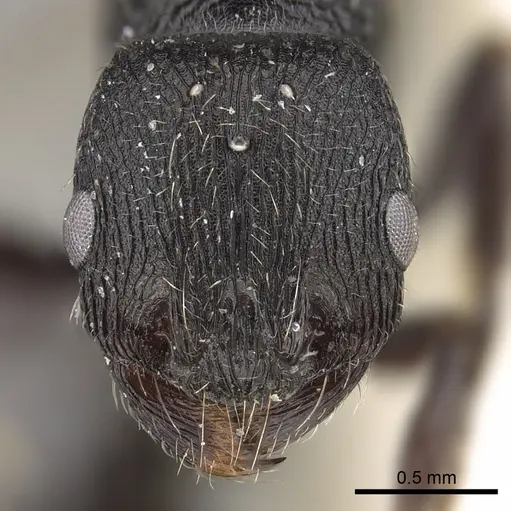
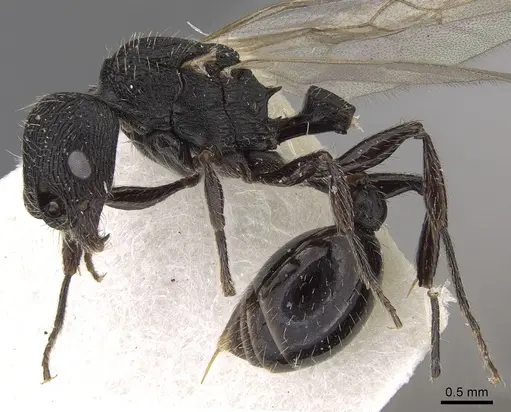
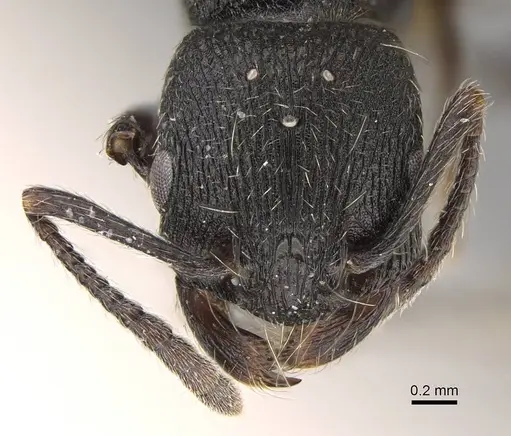
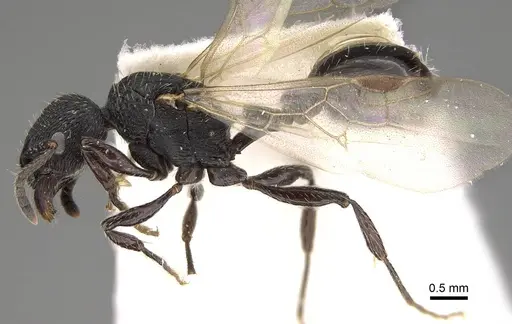
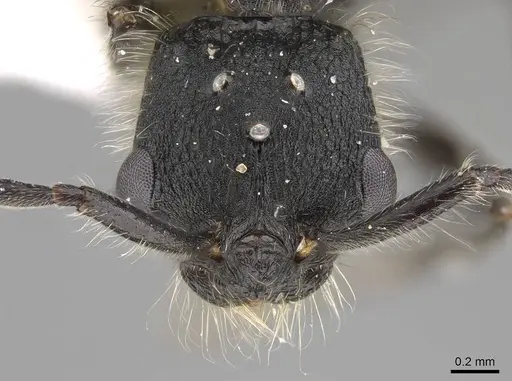
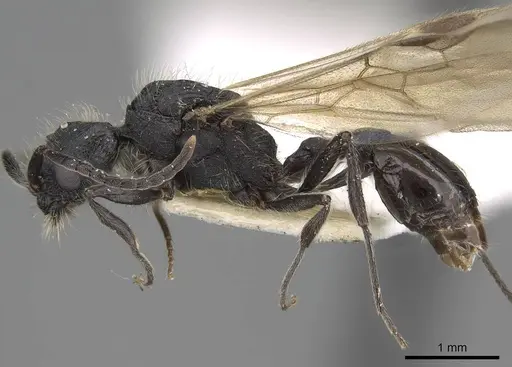
Patagonomyrmex angustus is a small, dark ant native to southern Argentina and Chile. Workers measure 5.4mm in body length and have a dark brownish-black to black body with brown legs . They have long inferior propodeal spines that are about as long as the superior spines, and their body surface is dull and grainy (granulate-punctate) . This species is part of the Pogonomyrmex angustus complex, which is the sister group to all other pogonomyrmecines. Unlike most other Pogonomyrmex, they are not specialist seed-harvesters . They live in cool, humid forests of southern South America, often in habitats dominated by southern beech (Nothofagus) or Chilean cedar (Austrocedrus) .
Quick Summary
- Difficulty: Medium
- Origin & Habitat: Southern Argentina (Neuquén, Río Negro, Chubut) and southern to southcentral Chile (Valparaíso to Chiloé). They inhabit cool, relatively humid climates with short growing seasons, typically in Nothofagus or Austrocedrus forests, ranging from the Valdivian Temperate Forest to Chilean Matorral ecoregions [3].
- Colony Type: Colonies usually have 1-2 queens (oligogyne). This is not a strictly single-queen species, multiple queens can coexist [3].
- Size & Growth:
- Queen: size data unavailable (workers are 5.4mm, queens likely similar or slightly larger) [1]
- Worker: 5.4 mm body length [1]
- Colony: Probably under 300-400 workers [3]
- Growth: Moderate
- Development: Unknown, no direct data. Based on typical Myrmicinae patterns and their cool habitat, expect at least 8-12 weeks at 20°C, and longer if cooler. (Development is temperature-dependent. Cooler temperatures will slow things down significantly.)
- Antkeeping:
- Temperature: Keep at 18-22°C. Avoid temperatures above 25°C. These ants come from cool southern latitudes and do poorly in heat [3].
- Humidity: Moderate to high. Keep the nest substrate moist but not waterlogged. Provide a gradient with a damp area and a slightly drier area so workers can choose [3].
- Diapause: Yes, they need a winter rest period. Reduce temperatures to 10-15°C for 3-4 months during winter. This mimics their natural cycle in the cool southern hemisphere and is essential for long-term colony health.
- Nesting: Soil-nesting species. In captivity, start with a test tube for the founding queen. Once the colony grows, move them to a naturalistic nest with moist soil, plaster, or Y-tong blocks. In the wild, nests are variable: from a simple entrance hole with no mound to a 10–12 cm wide opening, often under stones or in open areas [3].
- Behavior: Workers are diurnal, slow-moving, solitary foragers. They are timid and non-aggressive [3]. They eat seeds (granivores) but are not specialized seed-harvesters [4][5]. Escape risk is moderate for their size (5.4mm). Use standard barriers. They have a stinger but rarely use it on humans.
- Common Issues: overheating is a common killer, they need cool temperatures, never above 25°C., lack of winter dormancy can cause colony decline over time., slow colony growth may tempt keepers to overfeed or disturb too often, patience is key., wild-caught colonies may die from parasites or stress., they need a seed-based diet with protein, don't rely on sugar water alone.
Housing and Nest Setup
Patagonomyrmex angustus is a soil-nesting ant. In the wild, nests range from a simple entrance with no mound to a 10–12 cm wide hole, often under stones or in open areas [3]. For captive care, start with a standard test tube setup for the founding queen. Once the colony has a decent number of workers, you can move them to a naturalistic nest with moist soil, plaster, or Y-tong block. The nest material should hold moisture well. Provide a water tube for drinking and keep the substrate damp but not waterlogged. Use a small outworld for foraging. These ants are not strong climbers, so standard barriers (like fluon or talcum powder) should work fine.
Feeding and Diet
In the wild, they eat seeds (granivores) but are not specialized seed-harvesters like other Pogonomyrmex species [4][5]. In captivity, offer a mix of seeds (millet, grass seeds, cracked sunflower seeds) as a staple, plus small insects for protein (fruit flies, small mealworms, crickets). They are timid foragers, so place food in the outworld and give them time to find it. Sugar water or honey can be given occasionally but shouldn't be the main food. Feed every 2-3 days, remove leftovers to prevent mold. Always provide fresh water.
Temperature and Seasonal Care
Temperature is critical for this species. They come from cool southern latitudes and do poorly in heat. Keep the nest area at 18-22°C, never above 25°C. If your room is cooler, you can use a heating cable on one side of the nest to create a gradient, but many keepers find room temperature in temperate climates is ideal. They also need a winter dormancy period. During the austral winter (roughly May to September), reduce temperatures to 10-15°C and cut back on feeding. This mimics their natural cycle and is essential for long-term health. If you can't provide this cooling, the colony may decline over time [3].
Behavior and Colony Dynamics
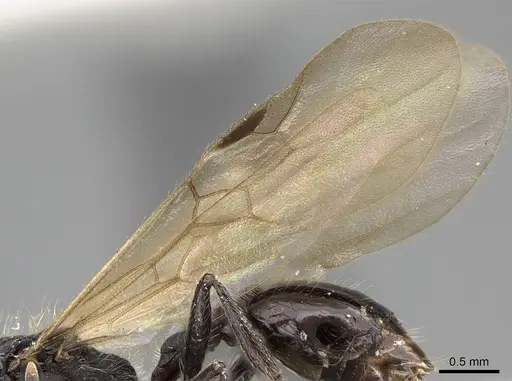
Workers are diurnal, slow-moving, and forage alone rather than in groups [3]. They are timid and non-aggressive, they won't attack or sting readily. This makes them peaceful to observe but not very exciting for keepers who want aggressive foraging. Colonies stay small, usually under 300-400 workers [3]. Slow growth is normal for this species, so don't think something is wrong. In the wild, sexuals (winged queens and males) have been collected from October to May, and mating flights likely happen during the austral summer (late January through March or later) [3]. Colonies can have 1-2 reproductive queens at the same time [3].
Frequently Asked Questions
How long does it take for Patagonomyrmex angustus to produce first workers?
The exact egg-to-worker timeline is unknown for this species. Based on typical Myrmicinae patterns and their cool native habitat, expect at least 8-12 weeks at 20°C. Cooler temperatures will slow development significantly.
Can I keep multiple Patagonomyrmex angustus queens together?
This species can have more than one queen in the same colony (oligogyne). In the wild, nests typically contain 1-2 reproductive queens [3]. However, it's not guaranteed that two unrelated queens will accept each other in captivity, if you try, introduce them carefully.
What temperature is best for Patagonomyrmex angustus?
Keep them at 18-22°C. Avoid temperatures above 25°C. Room temperature in temperate climates is often ideal. If your room is warmer, you may need to cool the nest area.
Do Patagonomyrmex angustus need hibernation?
Yes, they need a winter rest period. Reduce temperatures to 10-15°C for 3-4 months during winter. This mimics their natural cycle in the cool southern hemisphere and is essential for long-term colony health.
How big do Patagonomyrmex angustus colonies get?
Colonies usually stay under 300-400 workers [3]. That's smaller than many common pet ant species.
What do Patagonomyrmex angustus eat?
They are granivores (seed eaters) but not specialists [3][4][5]. Offer seeds as a staple along with small insects for protein. They will also occasionally accept sugar water or honey.
Are Patagonomyrmex angustus good for beginners?
They are rated as medium difficulty. The main challenges are their need for cool temperatures and annual winter dormancy. If you can provide these conditions and are patient with their slow growth, they can be rewarding.
When should I move Patagonomyrmex angustus to a formicarium?
Wait until the colony has a decent number of workers (at least 10-15). Before that, a test tube setup is less disruptive. When moving, transfer the entire setup including the queen and brood into pre-moistened substrate.
Why is my Patagonomyrmex angustus colony declining?
Common causes: temperatures too high (above 25°C), lack of winter dormancy, too dry or too wet substrate, overfeeding causing mold, or parasites from wild-caught colonies. Check your temperature and seasonal care first.
Report an Issue
The current care sheet is based fully on literature. See inconsistencies, or something that's incorrect? Please , it will be resolved after review from an admin. Contributing to the blogs tab also helps providing information, to make us be able to further improve the caresheets. Thank you for your support!
References

This caresheet is licensed under CC BY-SA 4.0 .
Community Blogs
CASENT0106125
View on AntWeb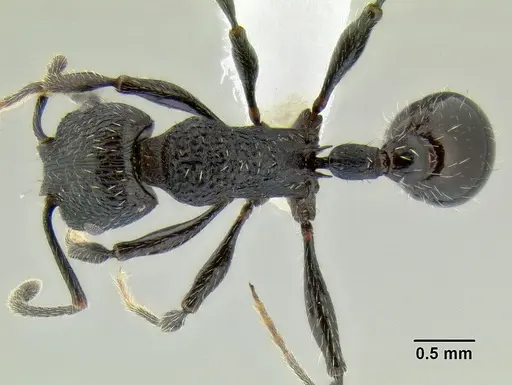
CASENT0173371
View on AntWeb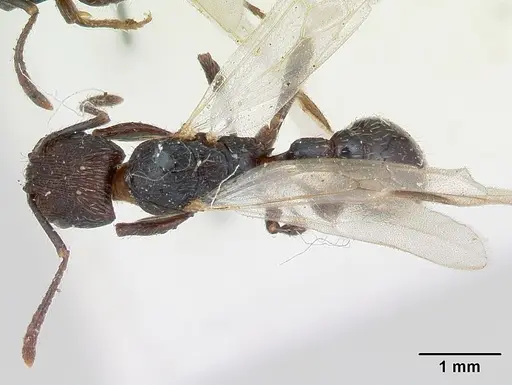
CASENT0173374
View on AntWeb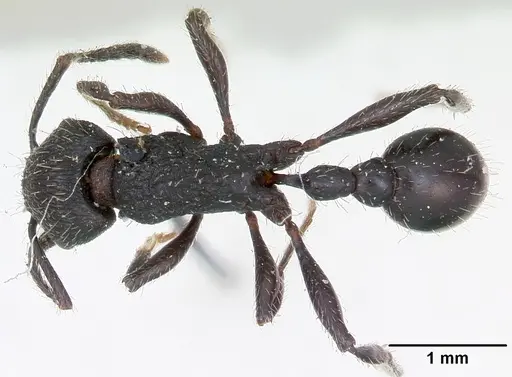
CASENT0280993
View on AntWeb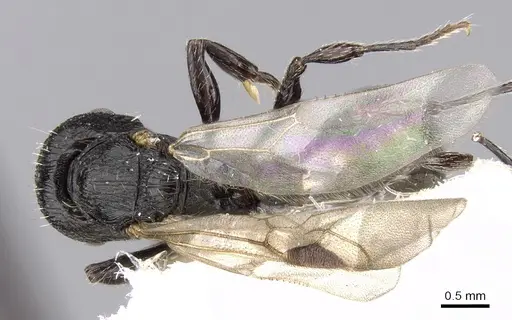
CASENT0914808
View on AntWeb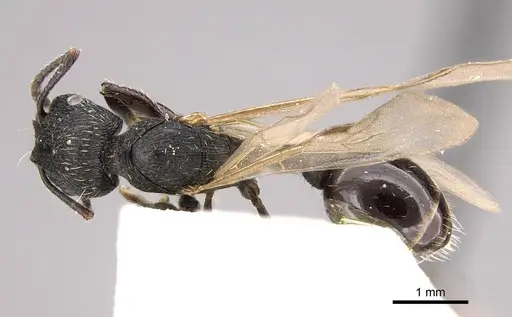
LACMENT273603
View on AntWeb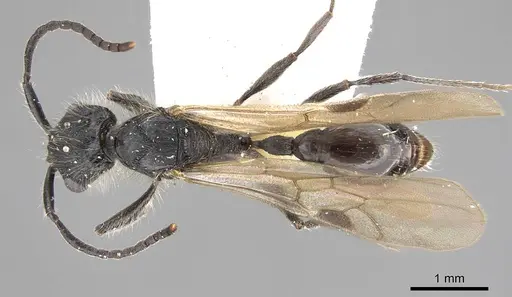
Literature
Loading distribution map...Loading products...