
Paratrechina umbra
- Sci. Name
- Paratrechina umbra
- Tribe
- Lasiini
- Subfamily
- Formicinae
- Author
- Zhou & Zheng, 1998
- Distribution
- Found in 1 countries
Introduction
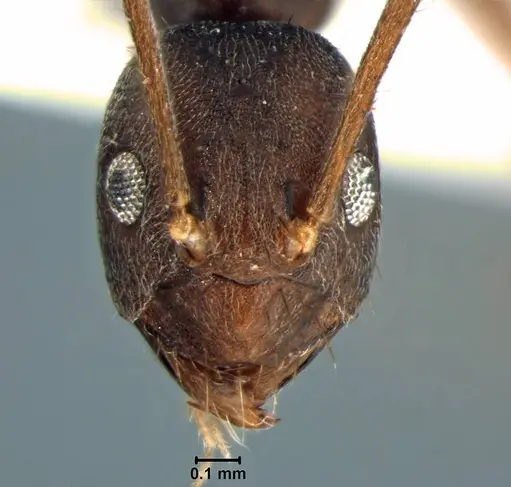
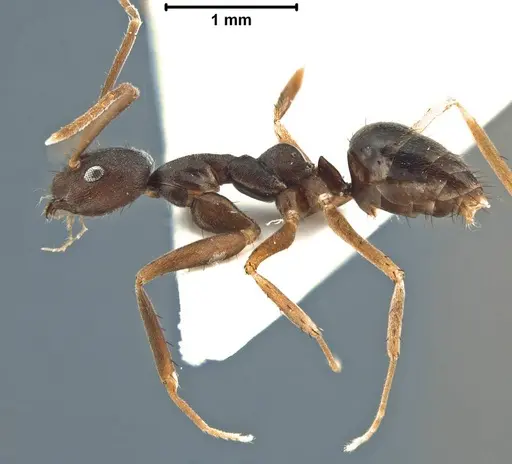
Paratrechina umbra is a small ant species native to China, originally described in 1998 as Prenolepis umbra before being transferred to the Paratrechina genus in 2016 . Workers measure 3.08-3.77 mm in total length and have a dark brown to black body with yellow to light brown legs and antennae . The species is characterized by an elongate head, very long antennae scapes, and deep sutures on the mesosoma . The biology of Paratrechina umbra is completely unstudied in scientific literature. No data exists on colony structure, founding behavior, diet, or development .
Quick Summary
- Difficulty: Expert
- Origin & Habitat: Native to China [1]. Habitat preferences are unconfirmed, but related Paratrechina species typically inhabit forest leaf-litter, rotten logs, or vegetation [1].
- Colony Type: Unconfirmed, no research exists on colony structure for this species.
- Size & Growth:
- Antkeeping:
- Temperature: Unconfirmed, no thermal studies exist. As a Chinese species from temperate regions, they likely tolerate cooler temperatures. Start at room temperature (18-24°C) and observe colony behavior.
- Humidity: Unconfirmed, no humidity data exists. Related Paratrechina species prefer moderate to high humidity. Keep nest substrate consistently moist but not waterlogged.
- Diapause: Likely yes, as a species from China's temperate climate, they probably require winter dormancy, but unconfirmed.
- Nesting: Based on genus patterns, they likely prefer moist leaf-litter or rotting wood. Use a naturalistic setup or moisture-retaining nest like Y-tong or plaster.
- Behavior: Not studied in captivity. Based on related species, they are likely generalist feeders. Escape prevention should be taken seriously, at 3+ mm, they are not tiny but standard precautions apply.
- Common Issues: unknown founding behavior may result in queen death if not cared for properly, unconfirmed colony structure may lead to conflict if multiple queens are combined, unknown development timeline may cause delays in colony growth, uncertain diapause requirements may lead to colony failure in winter, experimental diet determination may result in malnutrition
Identification and Appearance
Paratrechina umbra workers are small ants measuring 3.08-3.77 mm in total length [1]. They have a bicolored appearance with dark brown to black body and yellow to light brown legs and antennae [1]. The head is elongate, and the antennae scapes are very long, surpassing the posterior margin of the head [1]. The mesosoma has deep sutures, distinguishing it from similar species [1].
Why This Species Is Challenging
This species is challenging because its biology is completely unstudied [1]. No research exists on colony structure, founding, diet, or development. Every care aspect must be learned through experimentation. Only experienced antkeepers should consider this species.
Housing and Nest Setup
Since nesting preferences are unconfirmed, use a setup that matches related Paratrechina species. A naturalistic terrarium with moist substrate like soil and leaf litter works well. Alternatively, a Y-tong or plaster nest with good moisture retention provides visibility and humidity control. Include a water tube or moisture reservoir. Use standard escape prevention, while not tiny, they can still escape through small gaps.
Feeding and Diet
Diet is unconfirmed, but based on genus patterns, they are generalist feeders. Offer sugar water or honey for energy and small insects like fruit flies for protein. Start with sugar water and observe acceptance, then add protein. Remove uneaten food after 24-48 hours to prevent mold.
Temperature and Seasonal Care
No thermal data exists. As a Chinese species from temperate regions, they likely experience seasonal variations. Start with room temperature (18-24°C) and monitor activity. For winter, a cool period around 5-10°C may be appropriate, but this is unconfirmed. Adjust based on colony behavior.
Colony Establishment
Founding behavior is unconfirmed. If you obtain a founding queen, provide a small test tube setup with water reservoir and keep her in darkness. Offer a tiny drop of sugar water after 1-2 weeks, but she may not need it if claustral. Do not combine multiple unrelated queens, as pleometrosis is unconfirmed and could cause fighting. Be patient, as development timeline is unknown.
Frequently Asked Questions
How long does it take for Paratrechina umbra to produce first workers?
This is completely unknown. No scientific research has documented the development timeline for this species.
Can I keep multiple Paratrechina umbra queens together?
We don't know. No research exists on colony structure for this species. Do not attempt to combine unrelated foundress queens, as the outcome is unpredictable and could result in fighting.
What do Paratrechina umbra ants eat?
Diet is unconfirmed, but based on related species, they are generalist feeders. Offer sugar water or honey for energy and small insects for protein. Experiment to see what your colony prefers.
Do Paratrechina umbra ants need hibernation?
Likely yes, as a species from China's temperate climate, but unconfirmed. If your colony shows reduced activity in winter, provide a cool period around 5-10°C.
Are Paratrechina umbra ants good for beginners?
No. This species is not recommended for beginners due to completely unstudied biology. Only experienced antkeepers should consider it.
What size nest should I use for Paratrechina umbra?
Since colony size is unknown, start with a small setup like a test tube or small Y-tong nest for a founding colony. Be prepared to upgrade as the colony grows.
Where does Paratrechina umbra live in the wild?
This species is known only from China [1]. Exact habitat is unconfirmed, but related species typically nest in leaf-litter or rotting logs.
How big do Paratrechina umbra colonies get?
Unknown. No research has documented maximum colony size for this species.
What temperature is best for Paratrechina umbra?
Unconfirmed. Start with room temperature (18-24°C) as a safe baseline and observe colony activity.
Report an Issue
The current care sheet is based fully on literature. See inconsistencies, or something that's incorrect? Please , it will be resolved after review from an admin. Contributing to the blogs tab also helps providing information, to make us be able to further improve the caresheets. Thank you for your support!
References

This caresheet is licensed under CC BY-SA 4.0 .
Community Blogs
USNMENT00755067
View on AntWeb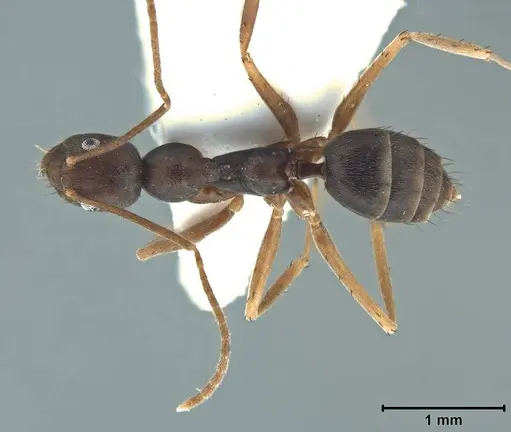
Literature
Loading distribution map...Loading products...