Paratrechina longicornis exhibits a clear seasonal activity window. Peak activity is concentrated in August, with the overall period spanning January to December. This extended season suggests multiple flight events or varying conditions across its range.
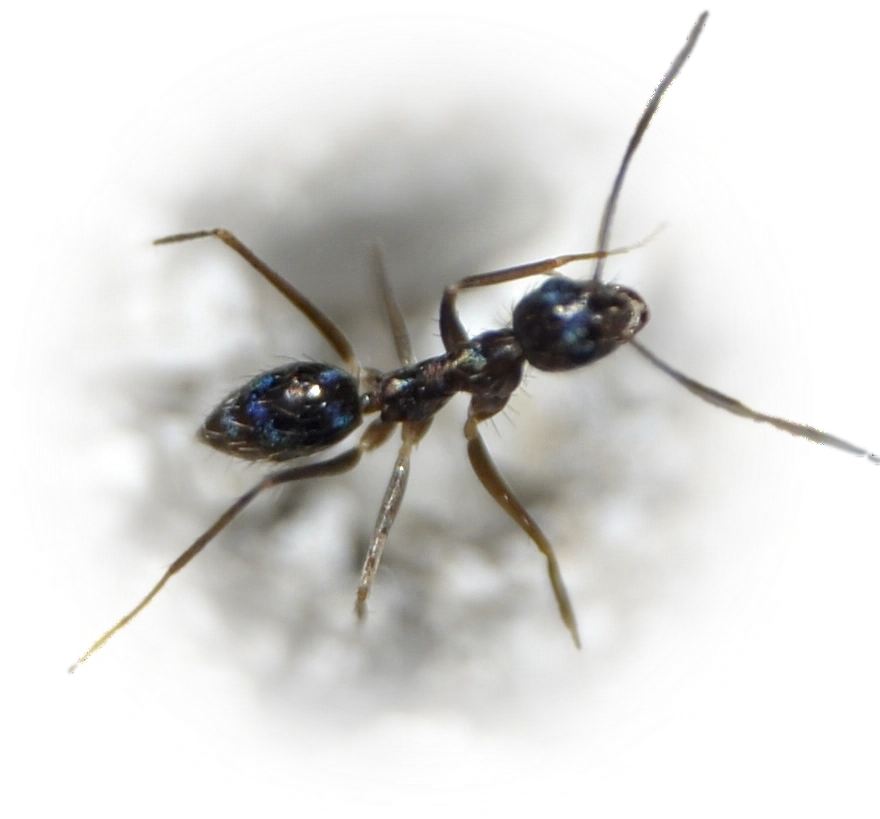
Longhorn Crazy Ant
Paratrechina longicornis
- Sci. Name
- Paratrechina longicornis
- Tribe
- Lasiini
- Subfamily
- Formicinae
- Author
- Latreille, 1802
- Common Name
- Longhorn Crazy Ant
- Distribution
- Found in 16 countries
- Queen Activity
- From January to December
- Peak Time
- 12:00
AI Identifiable
try →
Introduction
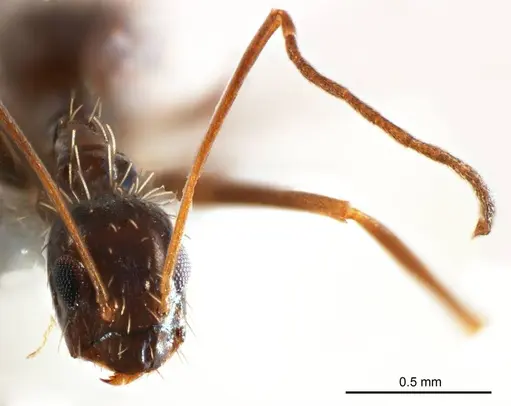
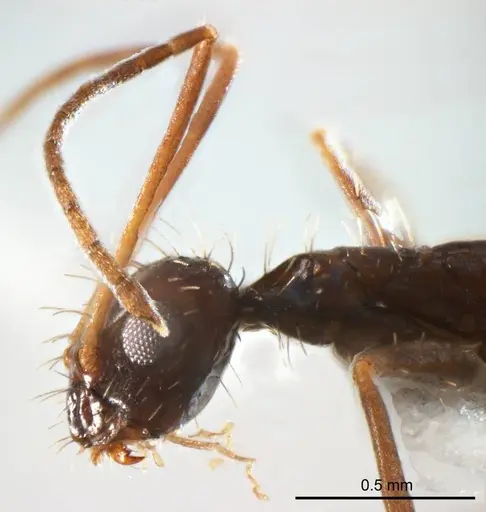
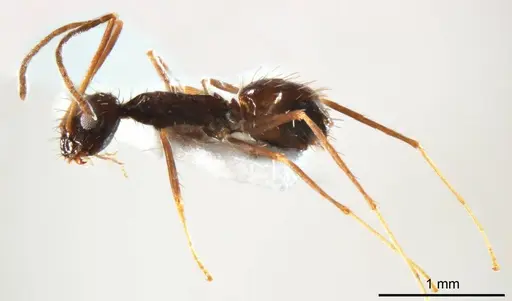
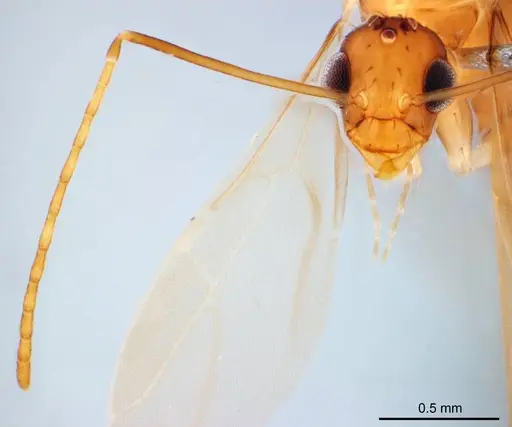
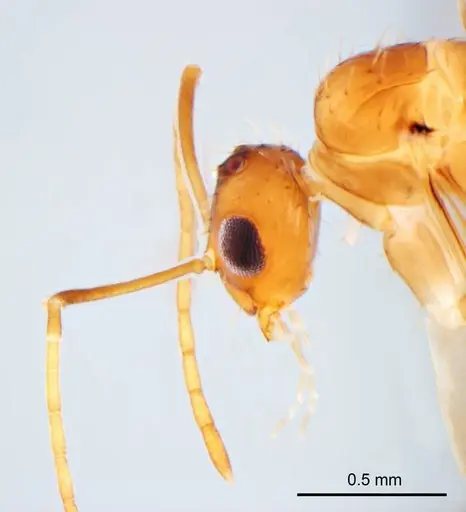
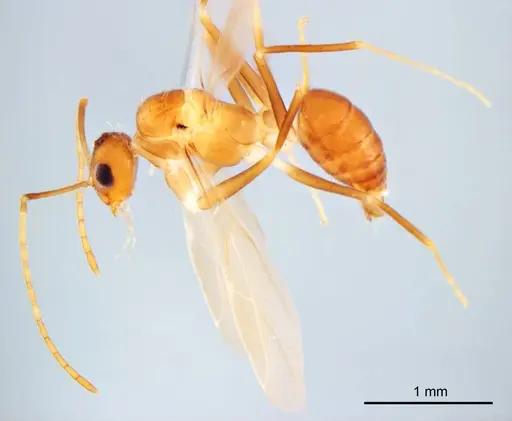
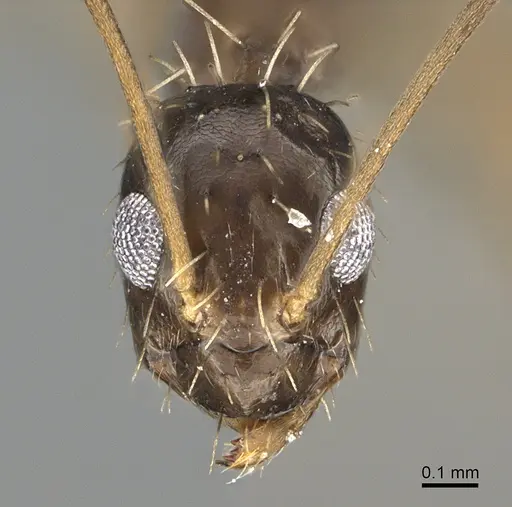
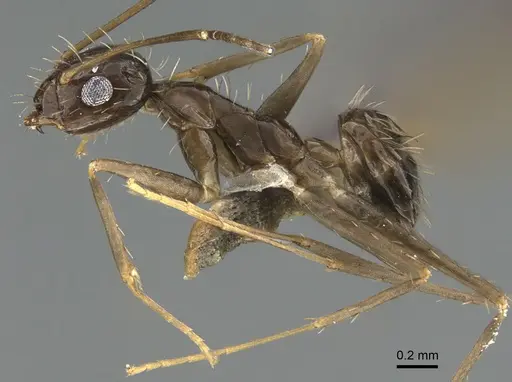
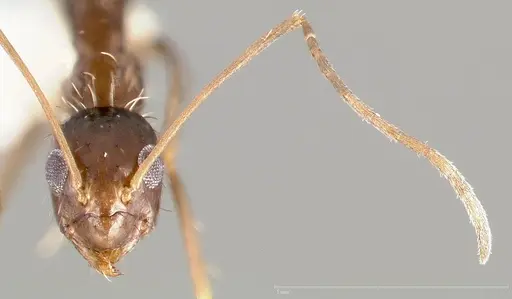
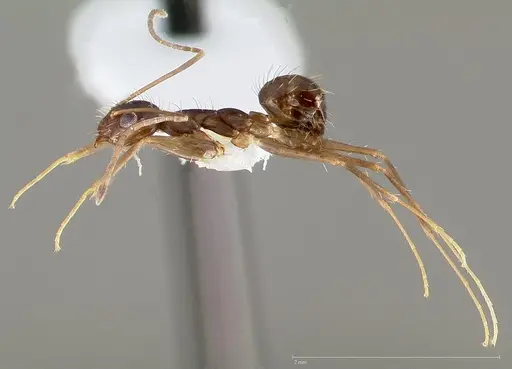
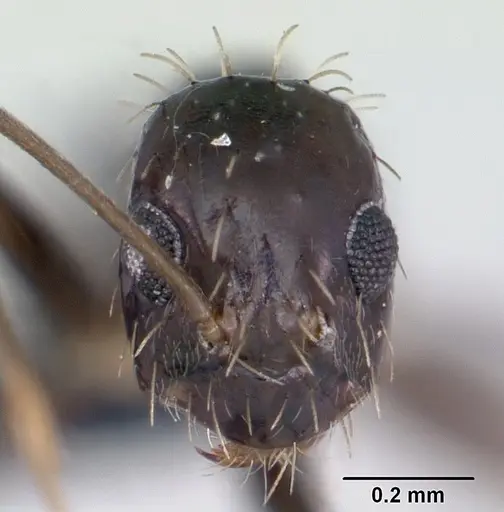
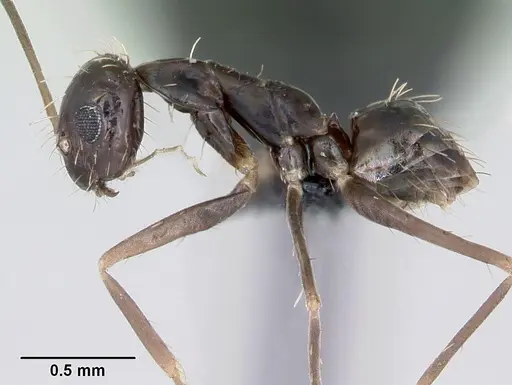
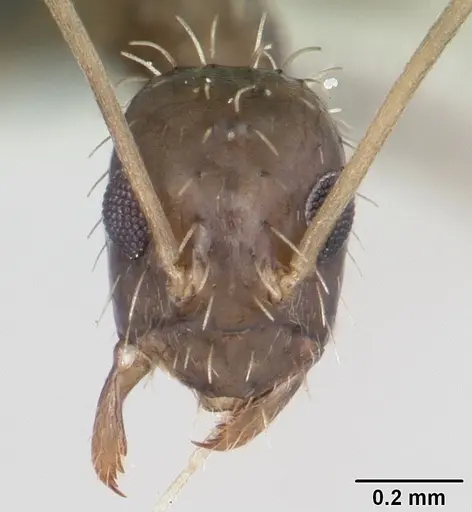
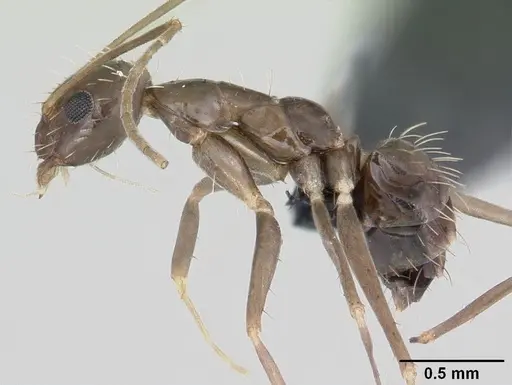
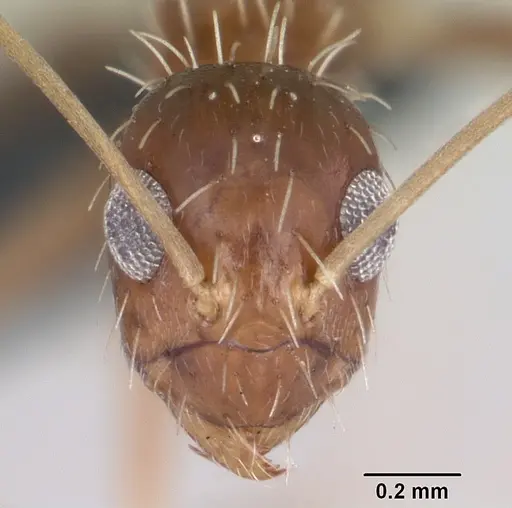
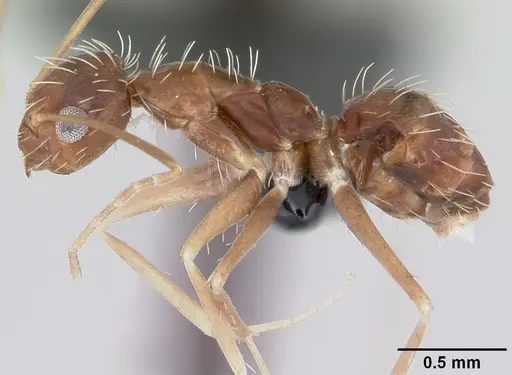
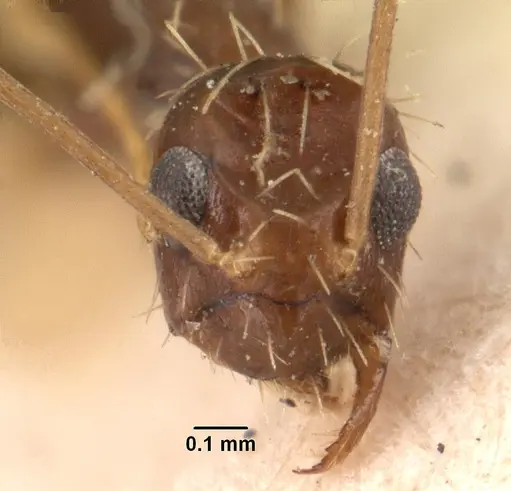
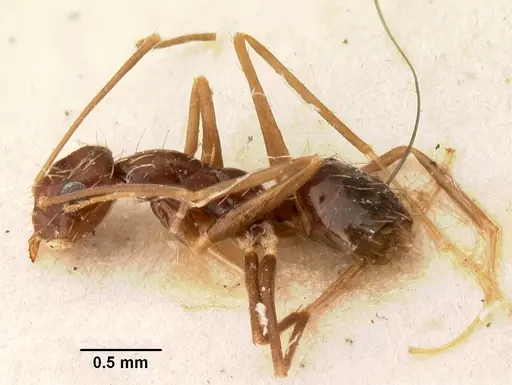
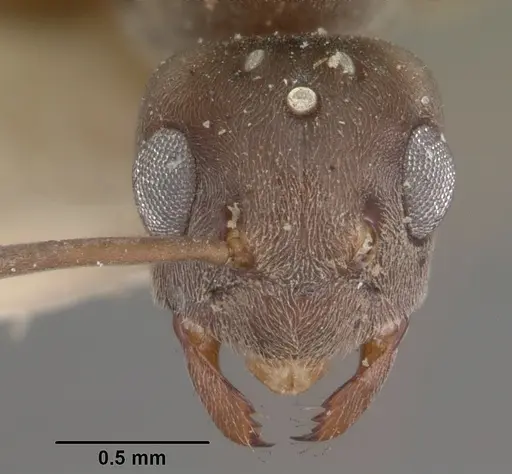
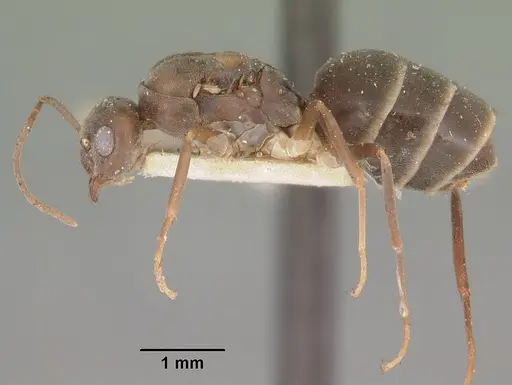
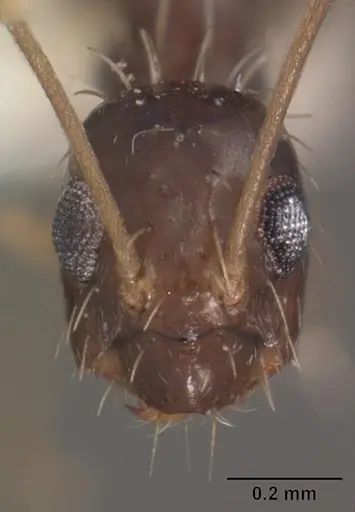
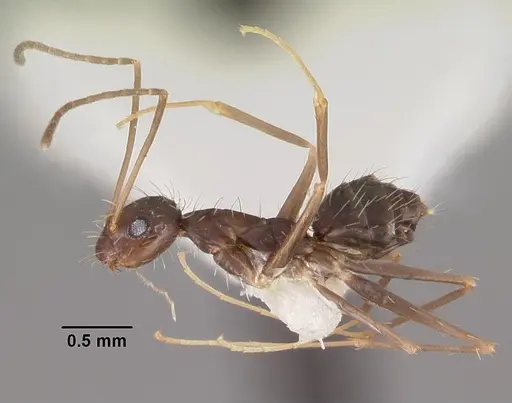
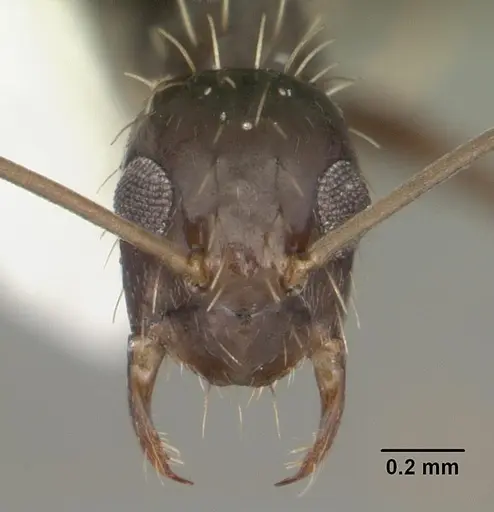
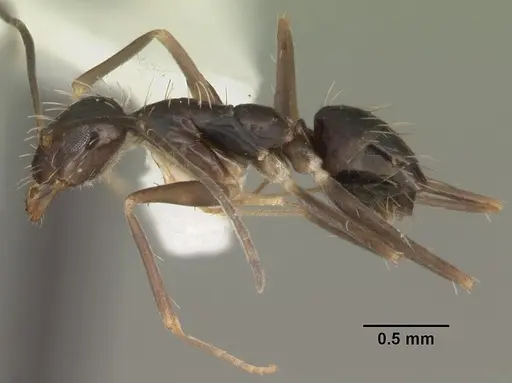
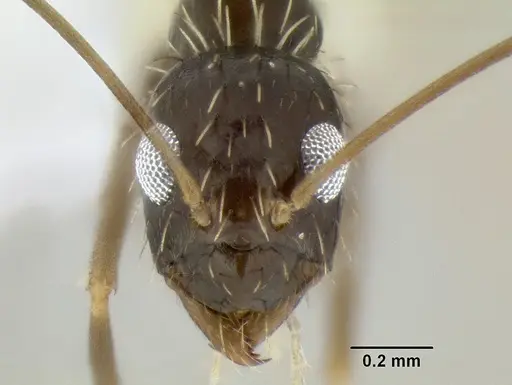
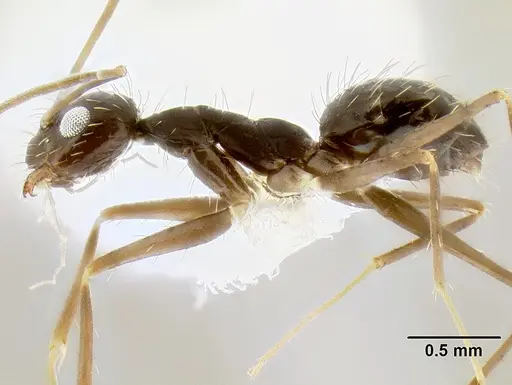
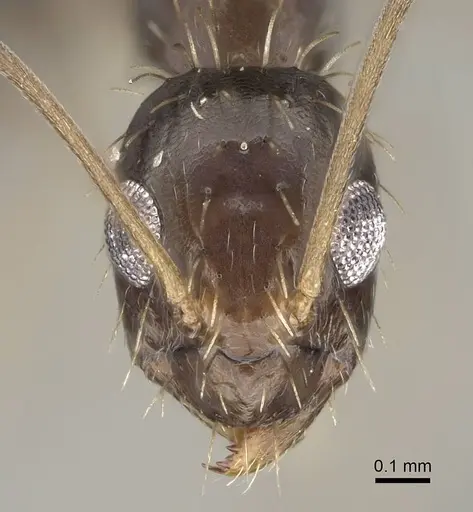
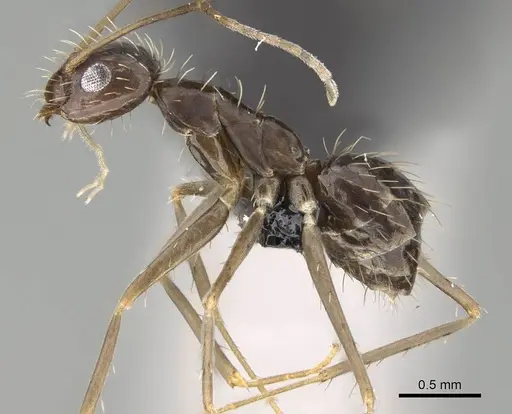
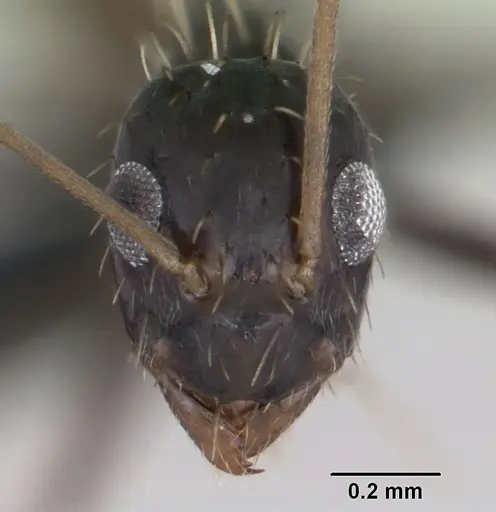
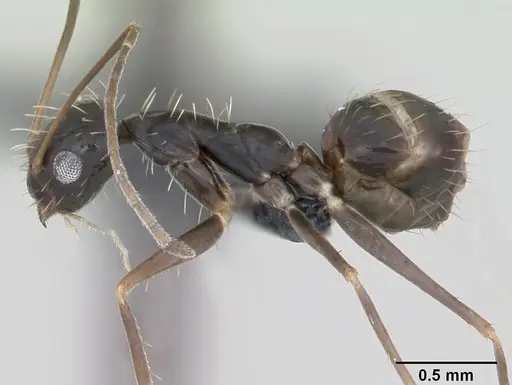
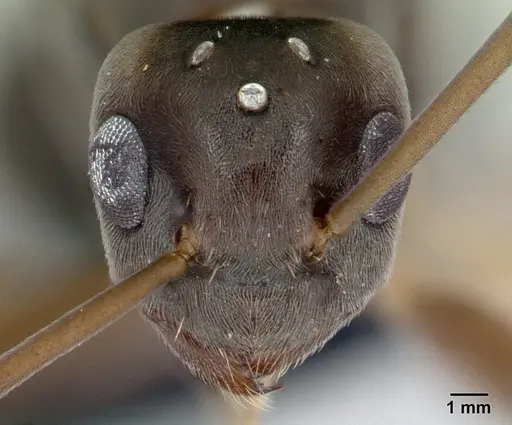
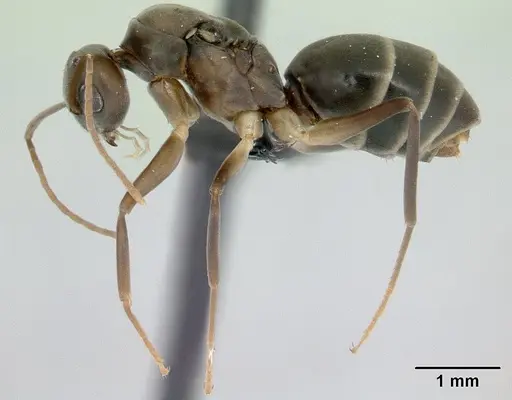
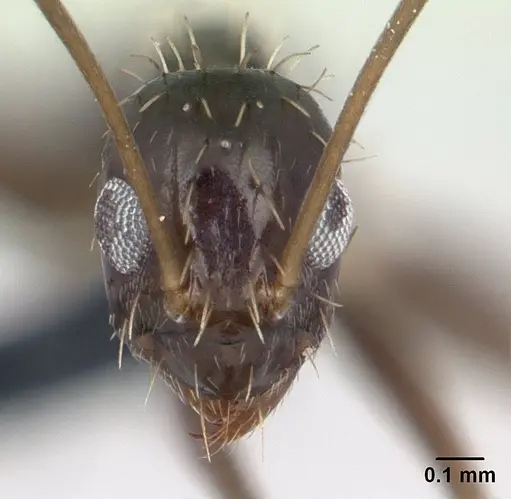
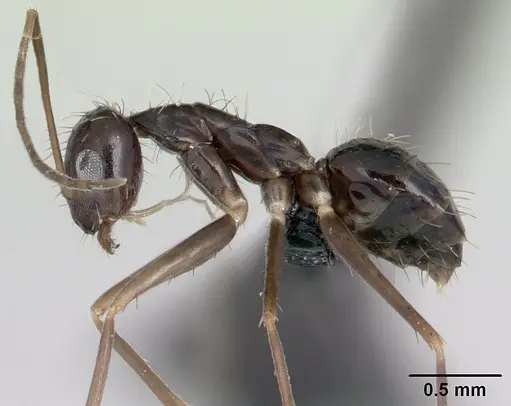
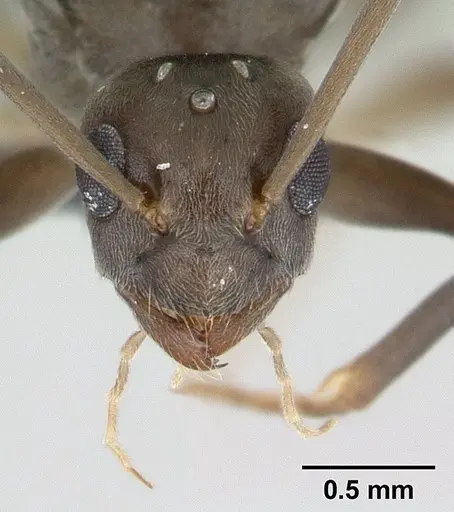
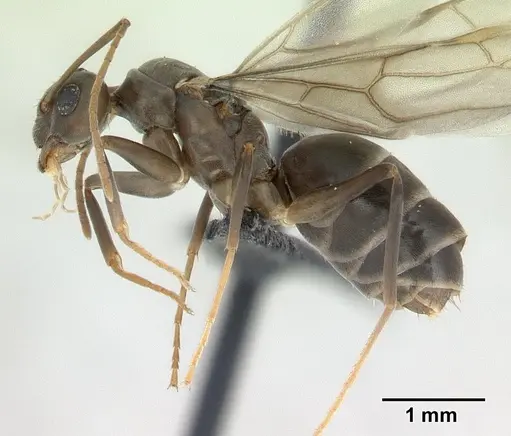
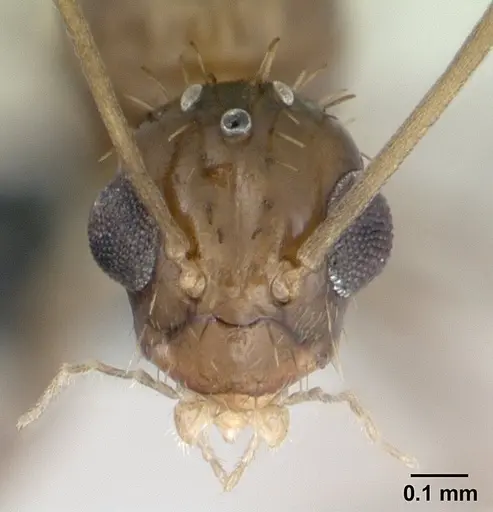
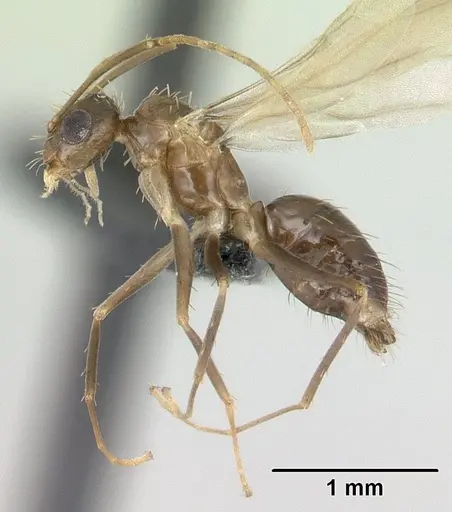
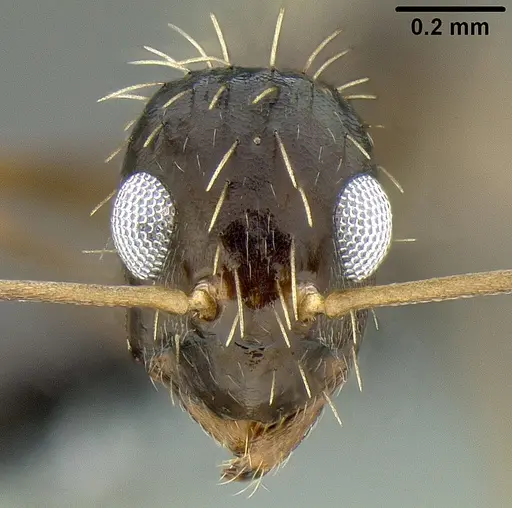
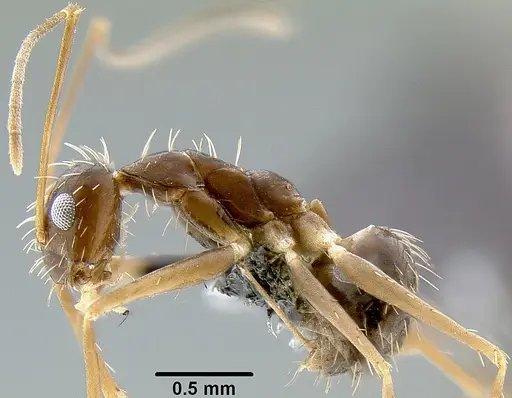
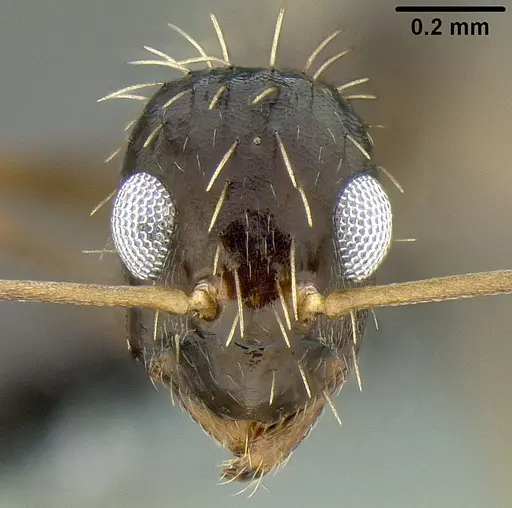
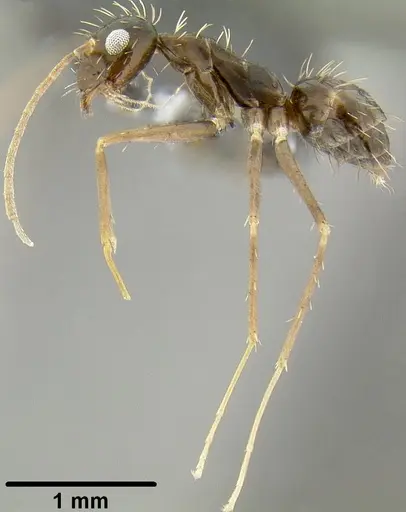
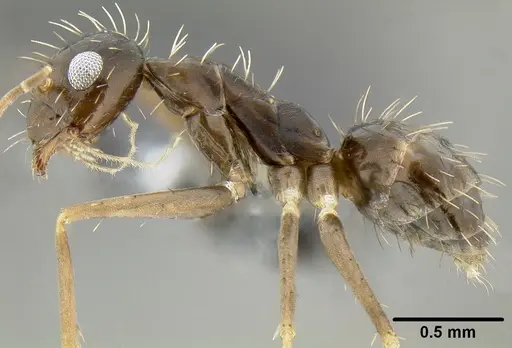
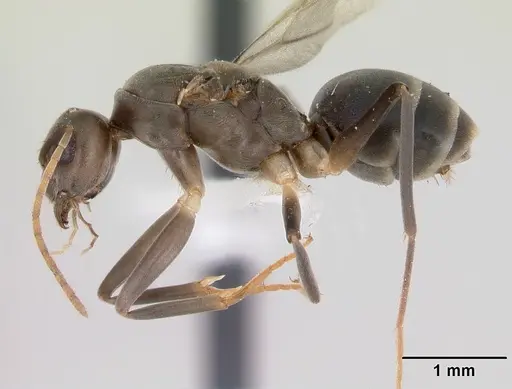
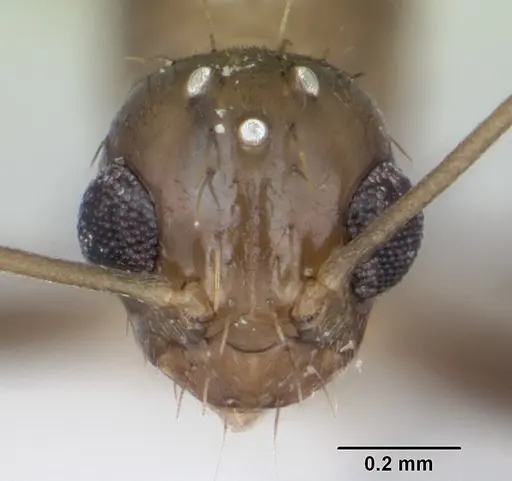
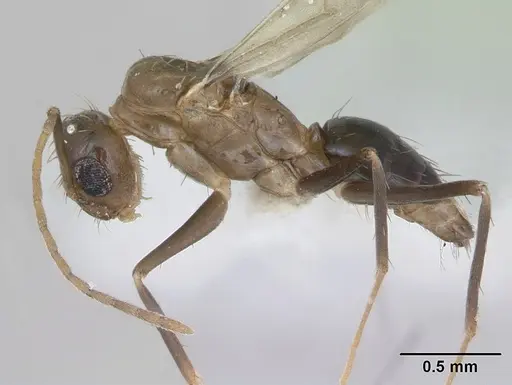
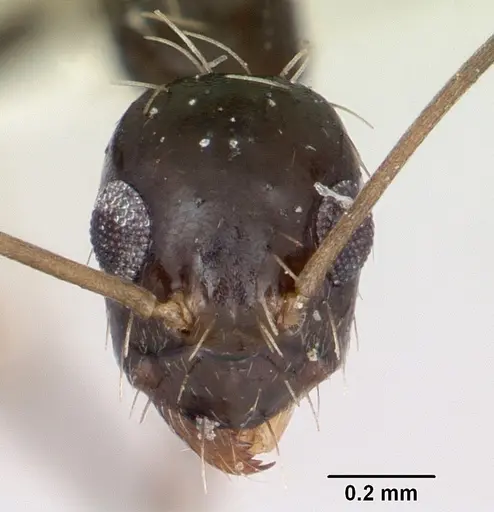
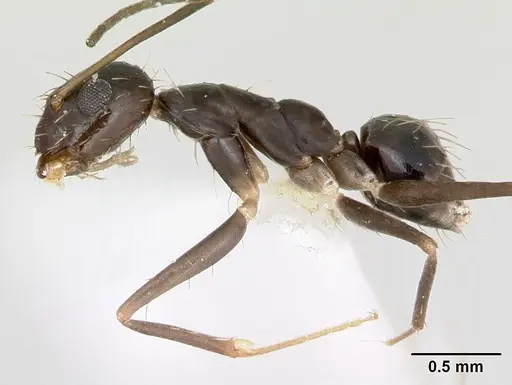
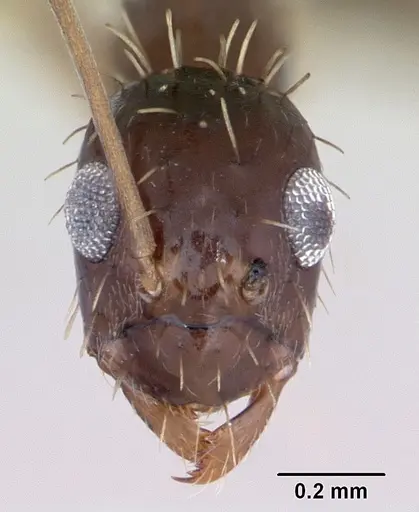
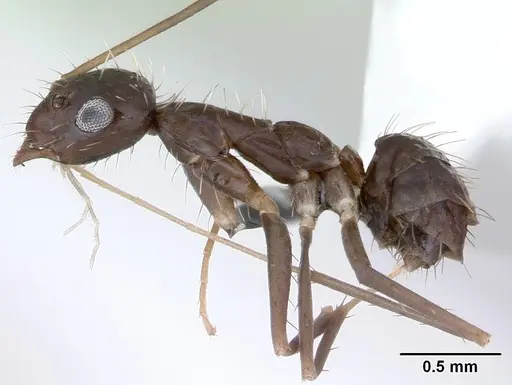
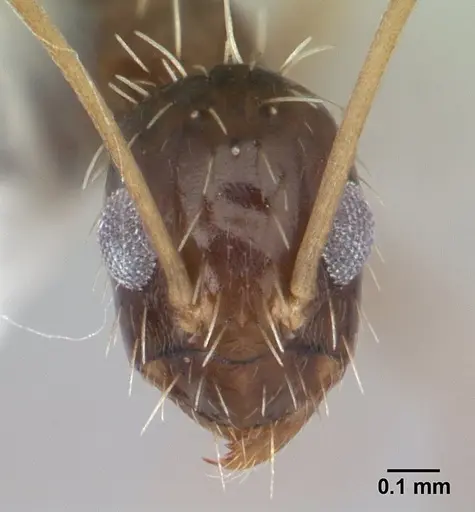
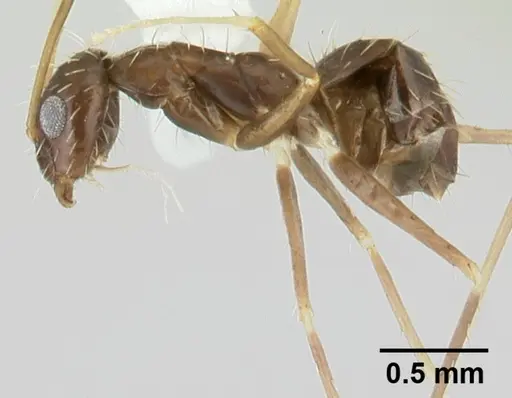
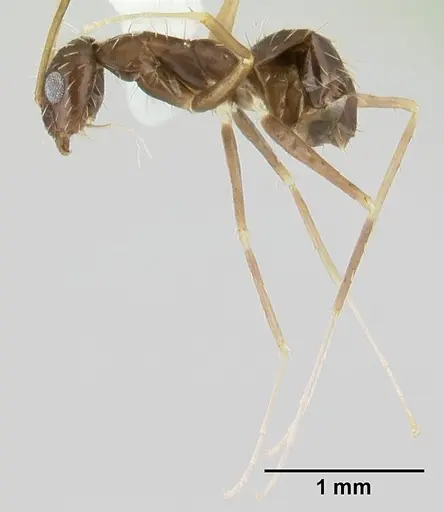
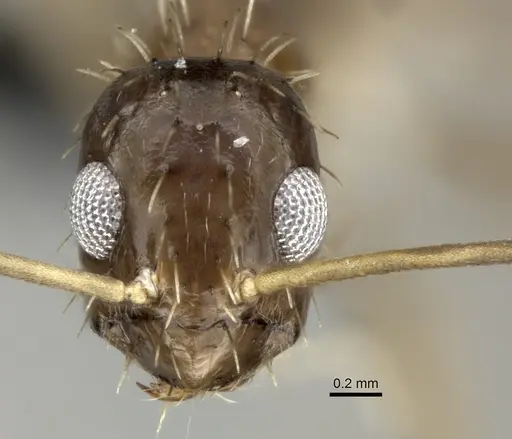
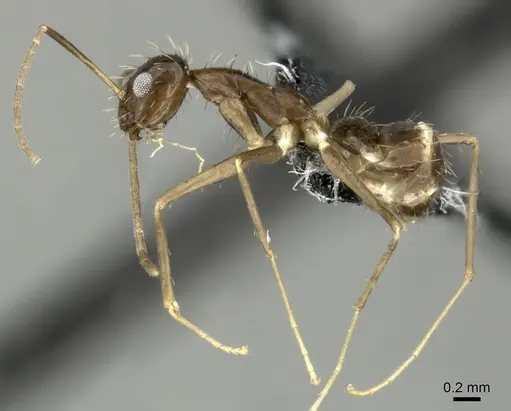
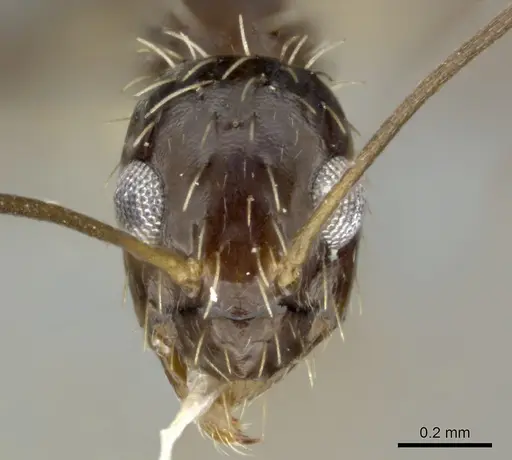
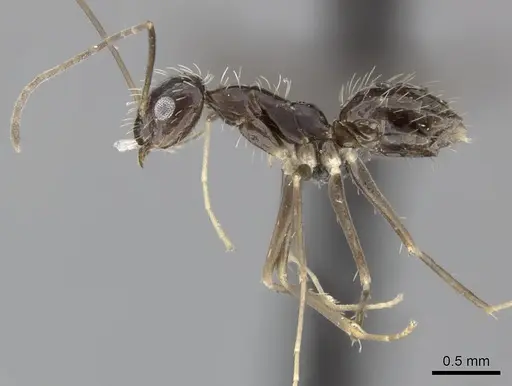
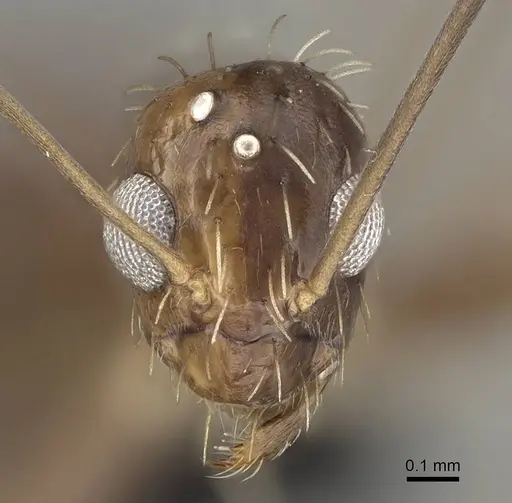
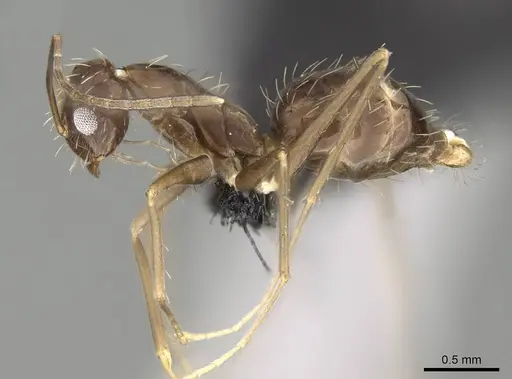
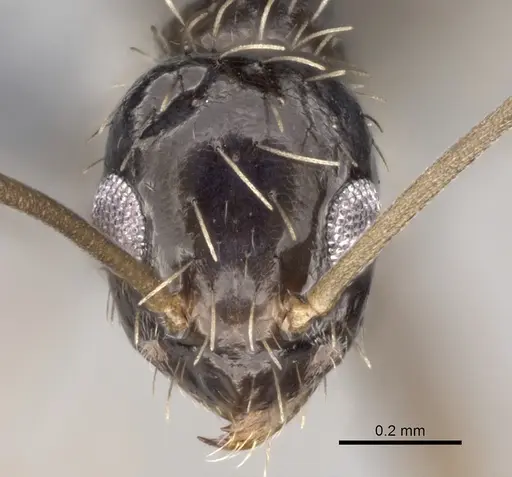
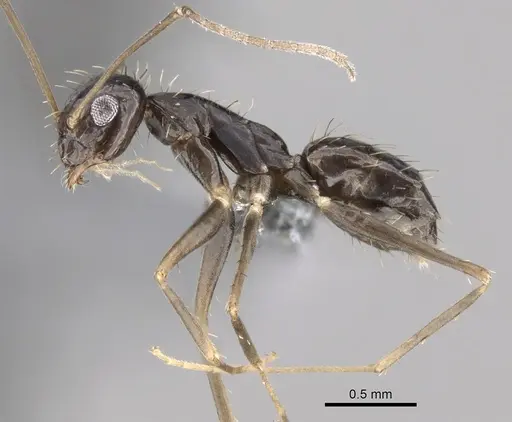
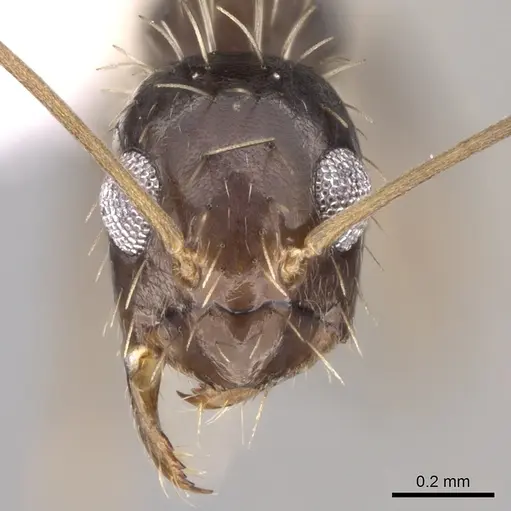
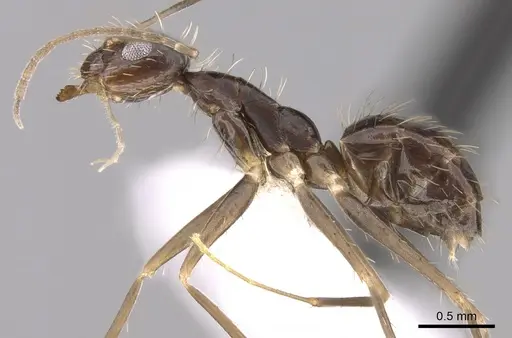
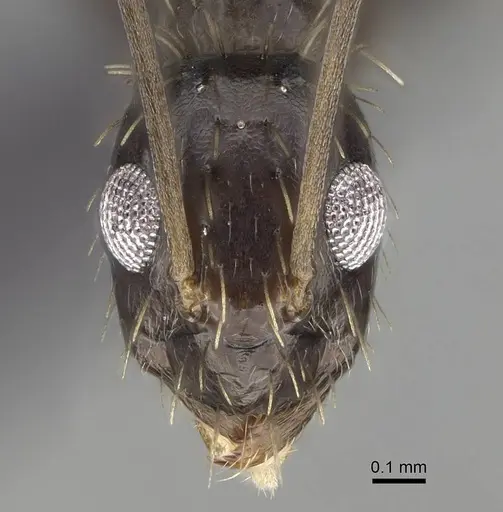
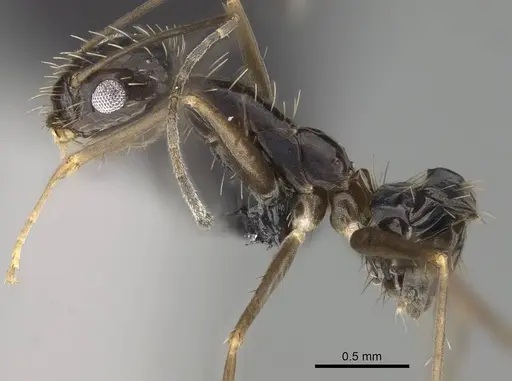
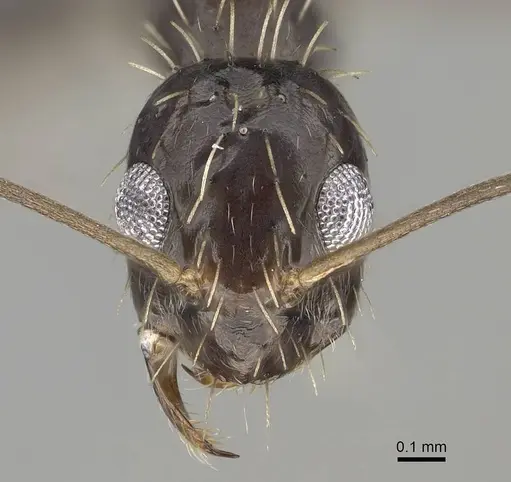
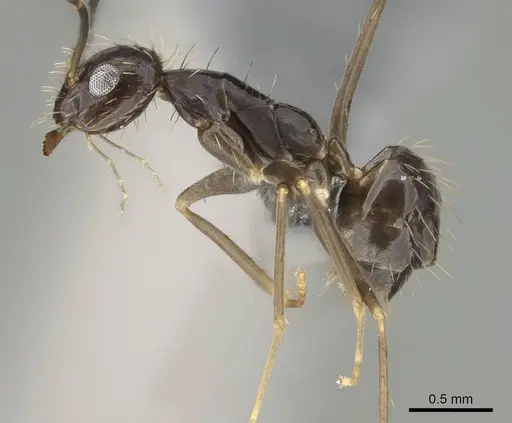
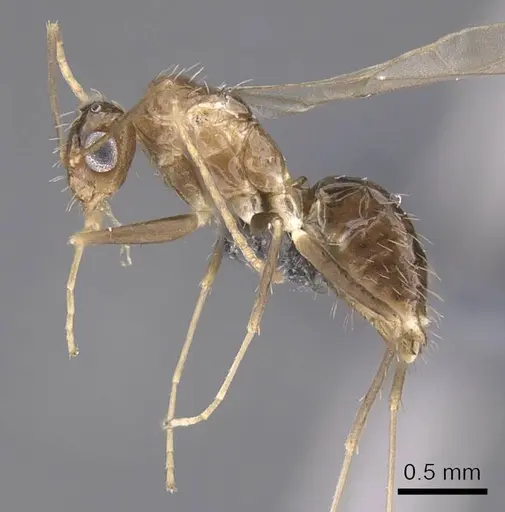
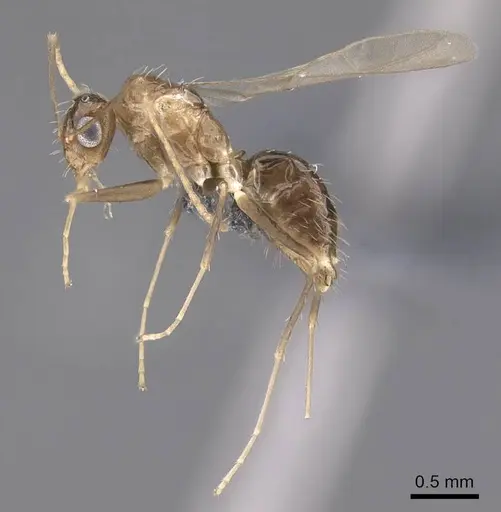
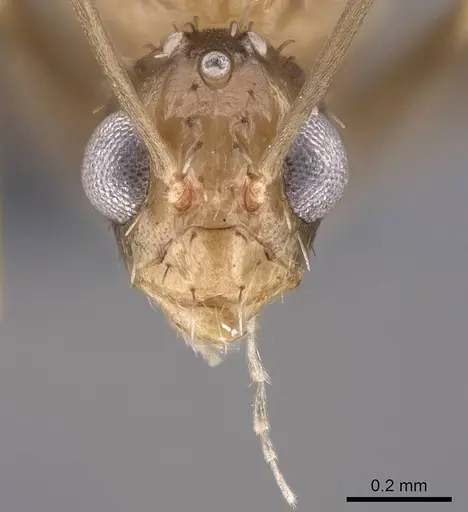
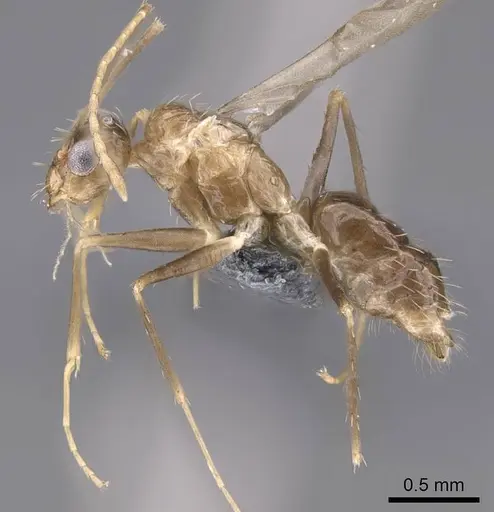
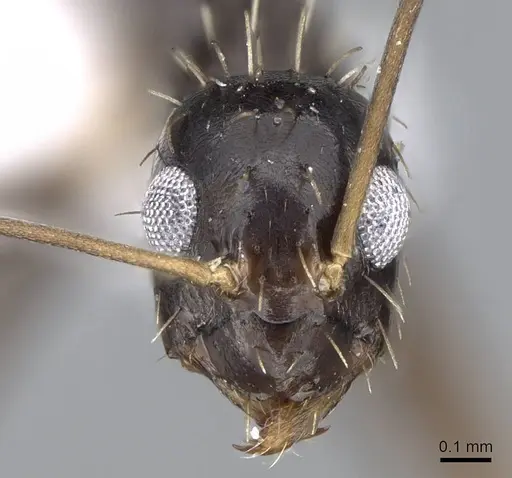
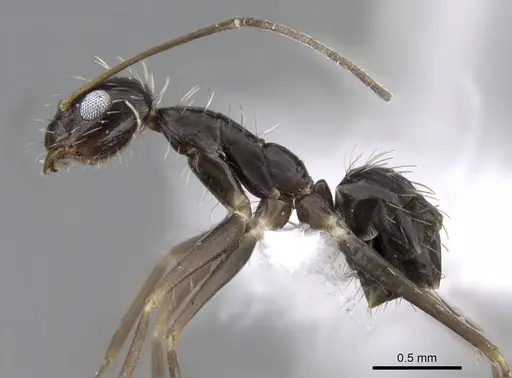
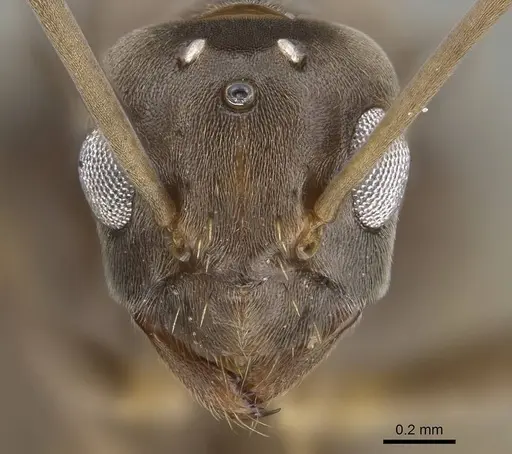
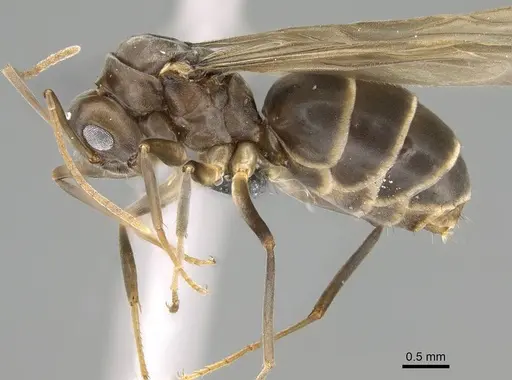
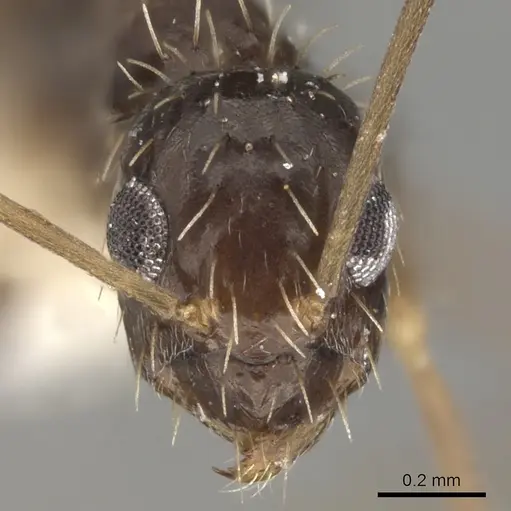
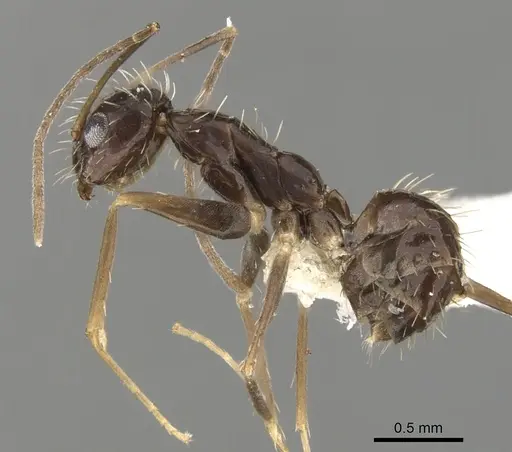
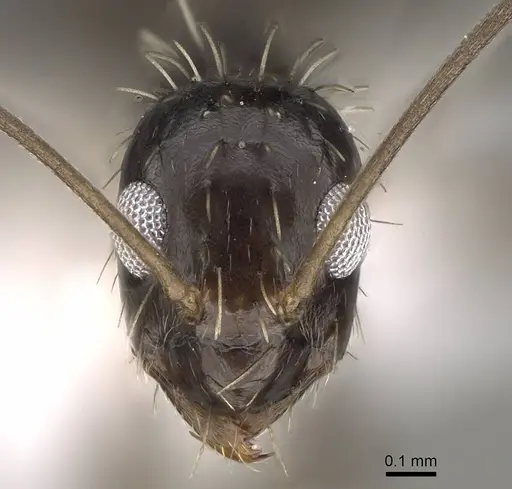
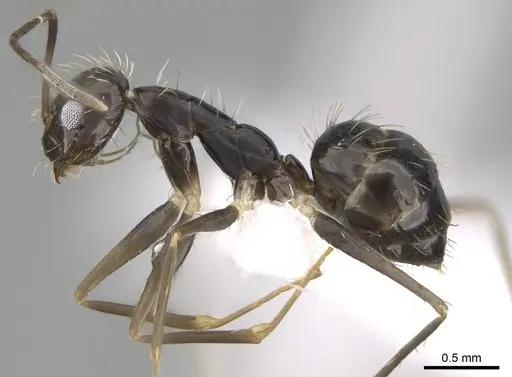
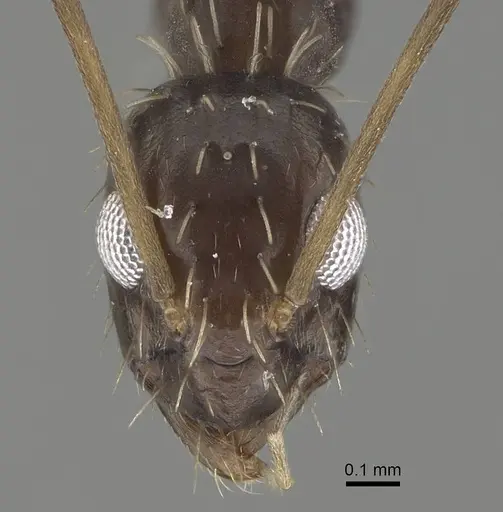
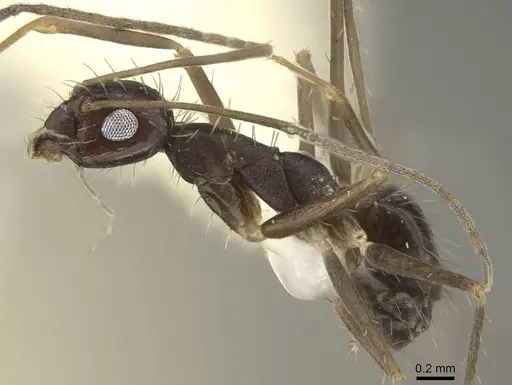
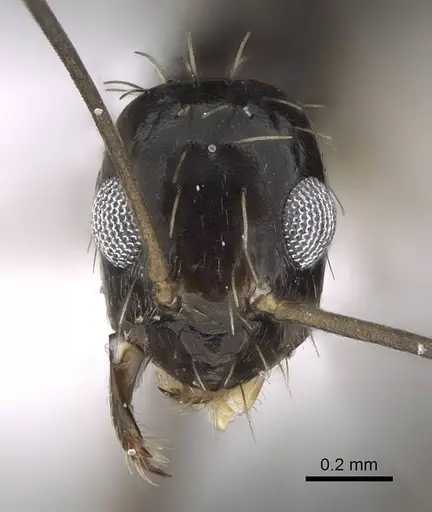
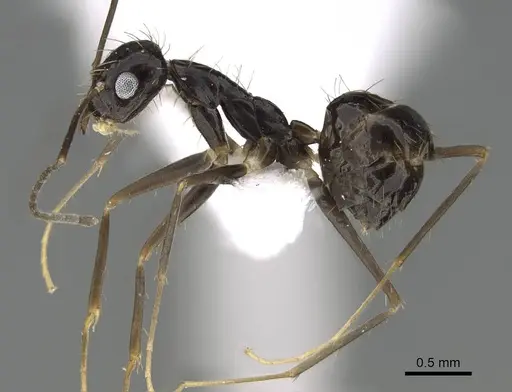
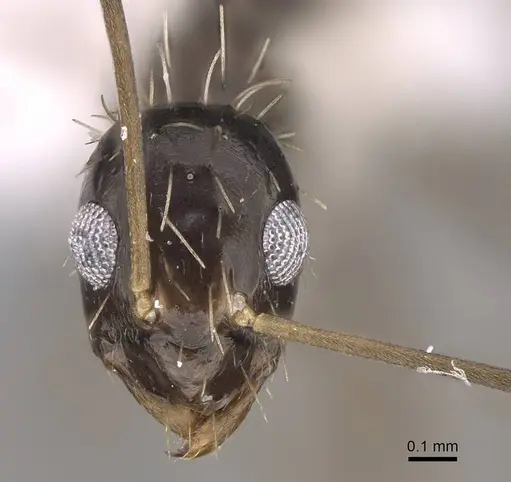
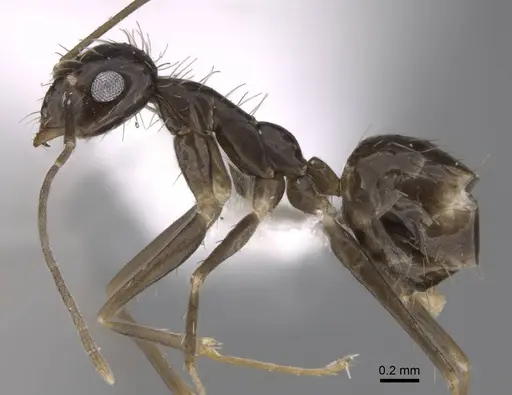
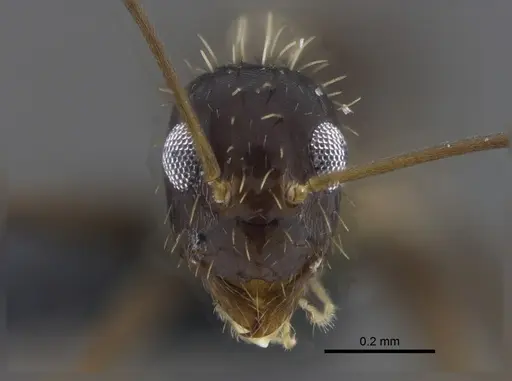
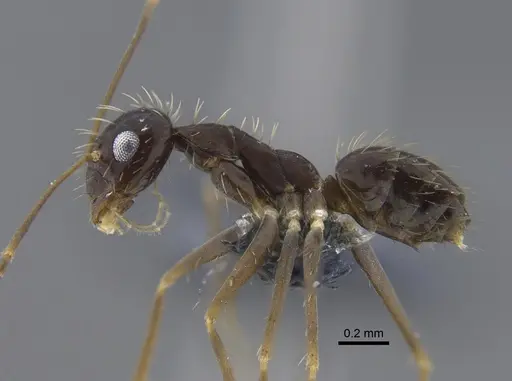
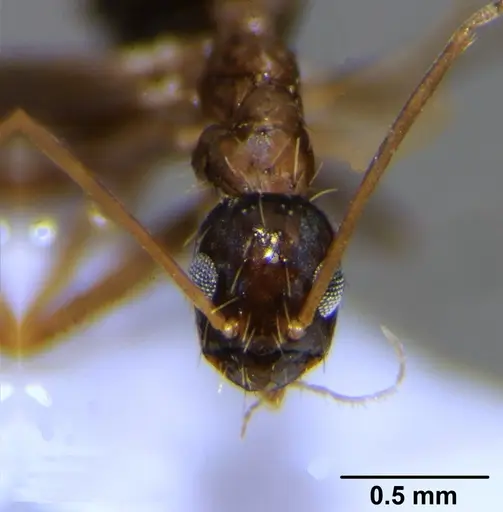
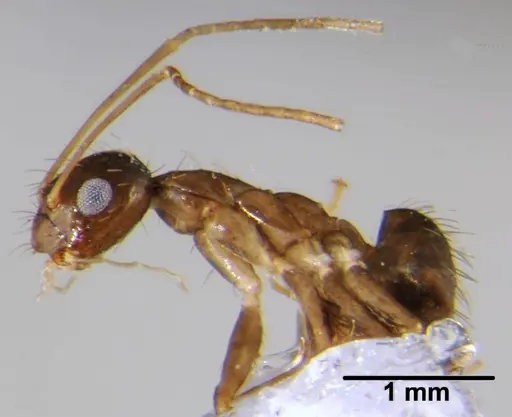
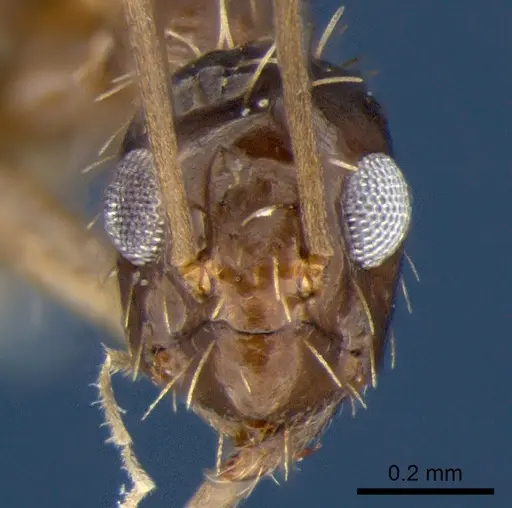
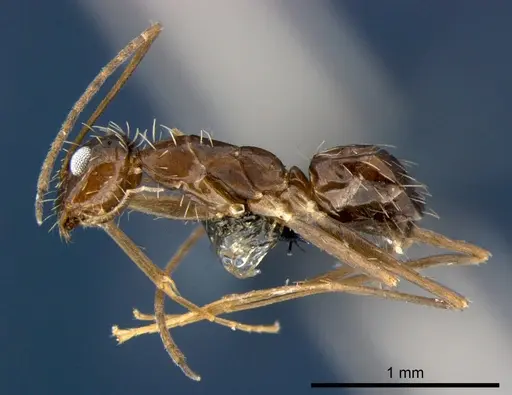
The longhorn crazy ant (Paratrechina longicornis) is one of the most widespread ant species on Earth, known for its extremely long antennae and erratic, fast‐moving foraging behavior that gives it the “crazy” name. Workers are small (2.1-2.5 mm total length), dark brown to black with a faint bluish iridescent sheen, and possess remarkably long scapes that extend well past the head . This pantropical tramp species thrives in disturbed urban environments and can establish in heated buildings in temperate regions . What makes this species particularly interesting is its unusual reproductive system: queens produce daughters clonally via thelytokous parthenogenesis, while males are genetic clones of the queen’s mate, allowing sibling mating without inbreeding depression . They form large polygynous colonies with multiple queens and can dominate food resources through rapid recruitment and mass foraging. This species is notable for its exceptional cooperative transport abilities - they work together to move large food items and navigate obstacles efficiently . They also demonstrate sophisticated chemical detoxification, using formic acid from their acidopore to neutralize venom from competing ant species . However, antkeepers should note this species is considered invasive in many regions and should never be released outside its current range.
Quick Summary
- Difficulty: Expert
- Origin & Habitat: Native range uncertain but likely Southeast Asia or Melanesia [2]. Now found throughout tropical and subtropical regions worldwide, from Africa to Asia to the Americas, introduced through human commerce [2]. Prefers disturbed areas, urban environments, and can live in heated buildings in temperate climates [8].
- Colony Type: Polygynous (multiple queens) with unicolonial structure. Colonies can contain thousands of workers across multiple nests (polydomous). Queens are produced clonally via thelytokous parthenogenesis, while workers result from normal sexual reproduction. Males are produced androgenetically as clones of the queen's mate [3][4].
- Size & Growth:
- Queen: Queen size data unavailable, head length 1.06 mm and mesosoma length 1.92 mm have been reported but total length is not available [9].
- Worker: 2.1-2.5 mm total length [1]
- Colony: Can reach thousands of workers in established colonies, one nest contained 1,092 workers plus brood [10].
- Growth: Fast
- Development: Approximately 4-6 weeks at warm temperatures (estimated based on related Formicinae species) (Development is rapid in warm conditions, colonies can grow quickly once established, especially with multiple queens.)
- Antkeeping:
- Temperature: Keep at 24-28°C. This species has a critical thermal maximum of 44°C but shows peak foraging activity around 24°C and activity declines at higher temperatures [11][12]. Provide a gradient if possible, avoid prolonged temperatures below 20°C.
- Humidity: Provide a humidity gradient with a moist nest area (damp substrate) and a drier foraging zone. Naturally nests in both moist soil under rocks and dry leaf litter [13][8]. Do not leave the nest waterlogged, keep the substrate damp but not saturated.
- Diapause: No true diapause required. As a tropical species, it remains active year‐round in warm conditions. In temperate regions, colonies in heated buildings remain active throughout winter.
- Nesting: Highly adaptable. In captivity they will accept test tubes, Y‑tong (AAC), plaster nests, or soil nests. They often relocate nests when disturbed, so provide stable, connected chambers. Avoid large open spaces, they prefer narrow cavities. Fine mesh or fluon barriers are essential to prevent escapes [14][15].
- Behavior: Workers are extremely fast‐moving with characteristic erratic, ‘crazy’ foraging patterns. They recruit strongly to food sources using short‐lived pheromone trails from the hindgut and Dufour’s gland [16][17]. They are excellent cooperative transporters and can solve obstacle navigation problems collectively [5][6]. While not aggressive toward humans, they dominate resources and can displace other ant species. They possess an acidopore for chemical defense and use formic acid to detoxify alkaloid venoms [7]. Escape prevention is critical due to their small size and speed, use fluon on container edges and fine mesh barriers.
- Common Issues: colonies can fragment and relocate frequently when disturbed, provide stable, secure housing with multiple connected chambers., small size and fast movement make escape prevention critical, use tight‐fitting lids, fluon barriers, and fine mesh., can become a persistent pest in homes if colonies establish in walls, never allow escape., carries pathogenic bacteria in hospital settings, keep colonies away from food preparation areas and maintain good hygiene., invasive species, NEVER release this ant. If you no longer wish to keep the colony, humanely freeze it.
Queen Ant Activity Analysis 178 observations
Queen Activity by Hour 178 observations
Paratrechina longicornis queen activity peaks around 12:00 during the late morning to early afternoon. Activity is spread across a 23-hour window (00:00–22:00). Times may be influenced by human observation patterns.
Housing and Setup
Paratrechina longicornis is highly adaptable and will accept various captive setups. Test tube setups work well for founding colonies and small groups, use a water tube with a cotton plug and connect multiple tubes for larger groups. For established colonies, Y‑tong (AAC) blocks, plaster nests, or soil nests provide good humidity control and visibility. Avoid large open chambers, they prefer narrow, interconnected cavities that mimic natural nest sites (cracks in walls, under stones, tree cavities) [15][19]. Because they frequently relocate nests when disturbed, ensure all connections are secure and use fluon or PTFE on inner container edges to prevent escapes. A simple setup consists of a test tube nest connected to a foraging arena. They do best at room temperature in the low‐to‐mid 20s Celsius but can tolerate warmer conditions if a gradient is provided.
Feeding and Diet
These ants are generalist omnivores with a strong preference for sugary foods. In captivity, offer sugar water (25% solution), honey, or diluted syrup as a constant carbohydrate source. For protein, they readily accept small insects like fruit flies, pinhead crickets, and mealworm pieces. They show strong preference for liquid bait bases over gels or pastes, sugar water in a cotton ball works excellently [20]. They also scavenge on protein baits like tuna, boiled egg, or small pieces of cooked meat. In field experiments they strongly preferred strawberry jam over anchovy powder or egg yolk [14]. Feed small amounts daily or every other day, removing uneaten food within 24 hours to prevent mold. Their erratic foraging style means they discover food quickly, but they also use short‐term recruitment pheromones to bring nestmates to large resources [6]. A varied diet ensures healthy colony development.
Temperature and Seasonal Care
As a tropical species, Paratrechina longicornis thrives at warm temperatures around 24-28°C. Their critical thermal maximum is 44°C, but peak foraging activity occurs at about 24°C and activity declines at higher temperatures [11]. In most homes, room temperature is suitable. If your space is cooler, use a heating cable on one side of the nest to create a gentle gradient, place it on top of the nest material rather than underneath to avoid excessive drying. No diapause or winter rest is required. In temperate climates, this species survives primarily in heated buildings, so maintain consistent warmth year‐round. They are active foragers and continue functioning in well‐heated spaces throughout winter. Avoid temperatures below 20°C for extended periods. Their tempo is the highest among measured ant species (5.0 body oscillations per second), and they become even more active when disturbed [21].
Behavior and Colony Dynamics
This species forms large polygynous colonies with multiple reproductive queens. Colonies are unicolonial, workers from different nests within the same colony do not show aggression toward each other [22]. They exhibit fascinating cooperative transport behavior, working together to move large food items and navigate obstacles using a stochastic strategy that adapts to obstacle complexity [5][6]. Workers forage individually with fast, erratic movements and recruit nestmates via short‐lived pheromone trails from the hindgut [17] and Dufour’s gland [16]. The colony may split (budding) when disturbed or as the colony grows, with workers carrying brood to new locations [18]. Queens are produced clonally, this unusual reproductive system means all queens in a colony are genetically identical [3]. Workers have lifespans of several months, while queens can live for years. When confronted by army ant raids, the entire colony evacuates in a coordinated manner: queens at the center surrounded by brood‐carrying workers, then empty‐handed workers, the ran‘s fast zigzagging motion discourages attackers [23].
Legal and Ethical Considerations
CRITICAL: Paratrechina longicornis is listed among the 100 worst invasive species by the IUCN [24]. It has been spread worldwide through human commerce and is considered a major ecological, agricultural, and household pest [2]. It should NEVER be released outside its current range. If you no longer wish to keep your colony, the most responsible action is to humanely freeze the colony (place in a freezer for 48 hours) rather than release it. This species is also a known vector of pathogenic bacteria in hospital settings, keep colony setups away from food preparation areas and maintain good hygiene [25][26]. In some jurisdictions, keeping this species may require permits due to its invasive status. Always check local regulations before acquiring this species. In New Zealand, for example, incursions have been eradicated as part of biosecurity programs [27].
Frequently Asked Questions
Can I keep Paratrechina longicornis in a test tube?
Yes, test tubes work well for this species. Use a water tube with a cotton plug for humidity, and connect multiple tubes as the colony grows. They readily nest in test tubes and can be moved by connecting the old tube to a new one.
How long until first workers appear?
Development from egg to worker takes approximately 4-6 weeks at warm temperatures (25-28°C). Once established, colonies grow quickly due to multiple queens and the efficient reproductive system.
Are these ants good for beginners?
No, they are recommended for expert keepers only. Although they are adaptable, their extremely small size, high speed, and invasive status require meticulous containment. Any escape could contribute to the spread of an invasive species. Only experienced keepers who can guarantee complete containment should attempt to keep them.
What do Paratrechina longicornis eat?
They are generalist omnivores. Offer sugar water or honey as a constant carbohydrate source, and protein sources like small insects (fruit flies, pinhead crickets, mealworms). They prefer liquid bait bases and will scavenge on protein baits like tuna or egg. In experiments they strongly preferred strawberry jam over other foods [14].
Do they need hibernation?
No. As a tropical species, they do not require diapause or hibernation. They remain active year‐round in warm conditions. In temperate climates, they survive primarily in heated buildings.
Why are they called crazy ants?
Their name comes from their distinctive foraging behavior, workers move in fast, erratic, jerky patterns rather than following orderly trails like many ant species. This ‘crazy’ movement helps them discover food sources quickly and avoid predators.
When do Paratrechina longicornis queens forage?
Queen activity of Paratrechina longicornis typically occurs From January to December. Times may be influenced by human observation patterns.
What time of day are Paratrechina longicornis queens most active?
Queen activity of Paratrechina longicornis peaks around 12:00 during the late morning to early afternoon, with most activity between 00:00 and 22:00. Times may be influenced by human observation patterns.
Report an Issue
The current care sheet is based fully on literature. See inconsistencies, or something that's incorrect? Please , it will be resolved after review from an admin. Contributing to the blogs tab also helps providing information, to make us be able to further improve the caresheets. Thank you for your support!
References

This caresheet is licensed under CC BY-SA 4.0 .
Community Blogs
ANTWEB1008691
View on AntWeb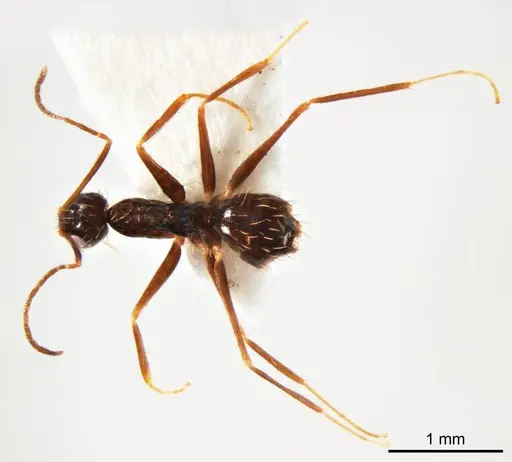
ANTWEB1008692
View on AntWeb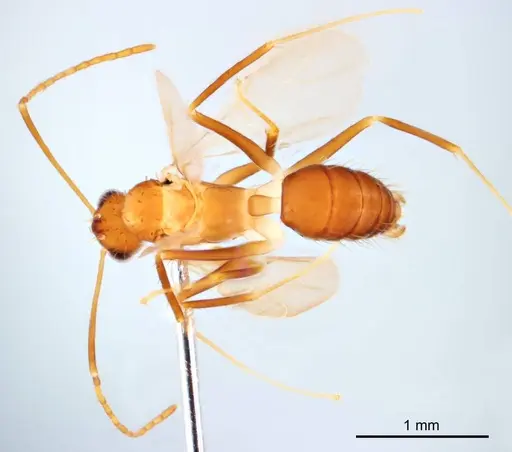
ANTWEB1041927
View on AntWeb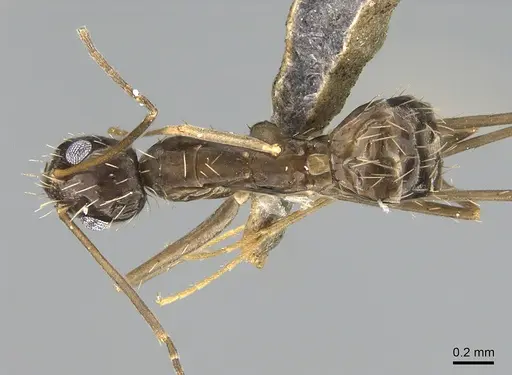
CASENT0005425
View on AntWeb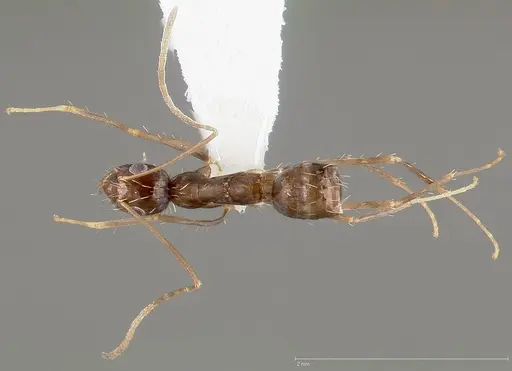
CASENT0048602
View on AntWeb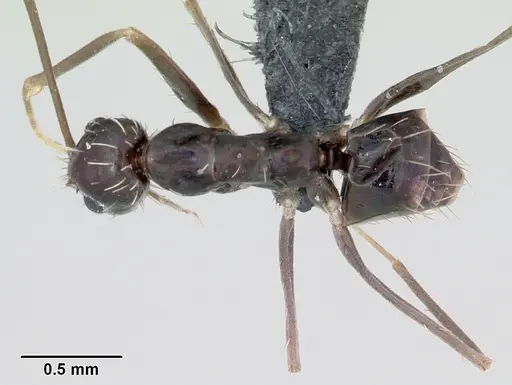
CASENT0055961
View on AntWeb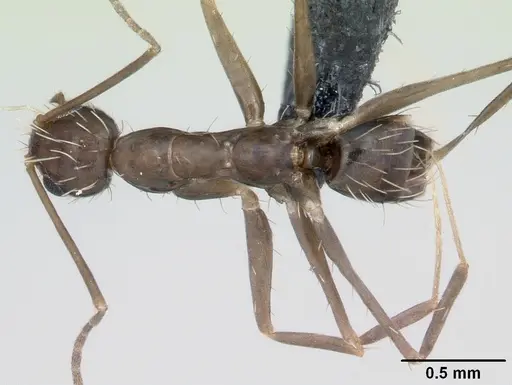
CASENT0063128
View on AntWeb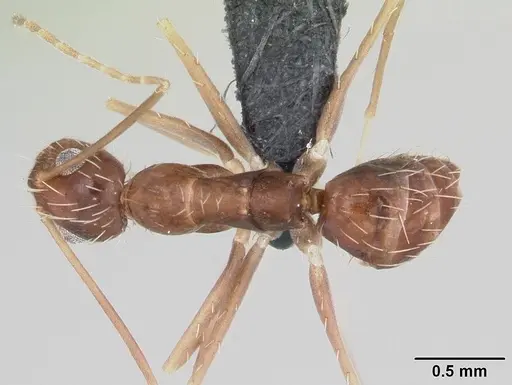
CASENT0101487
View on AntWeb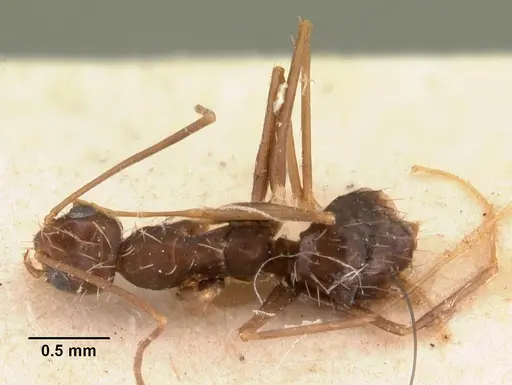
CASENT0101797
View on AntWeb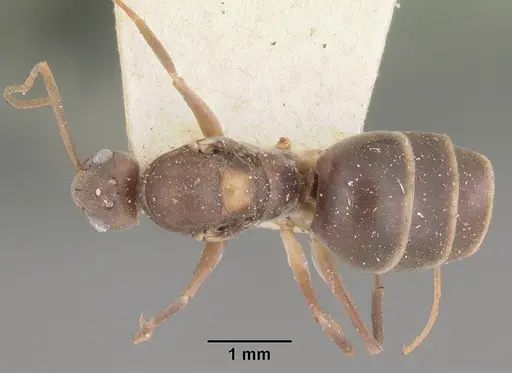
CASENT0102317
View on AntWeb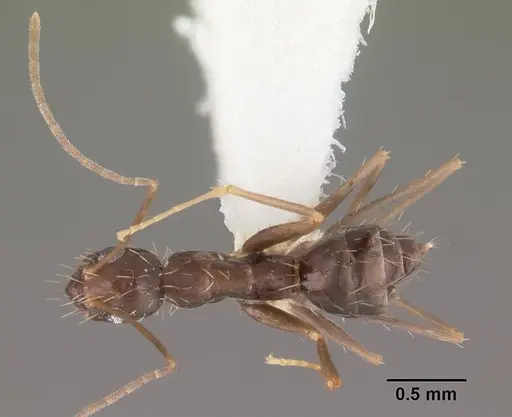
CASENT0104236
View on AntWeb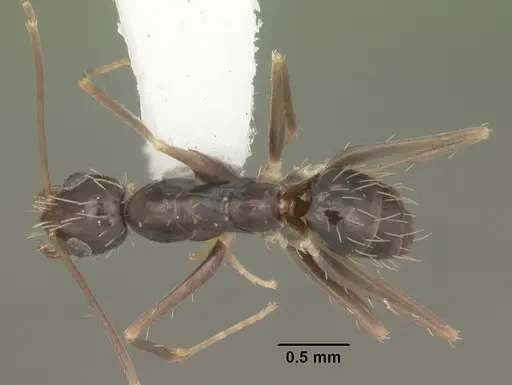
CASENT0106255
View on AntWeb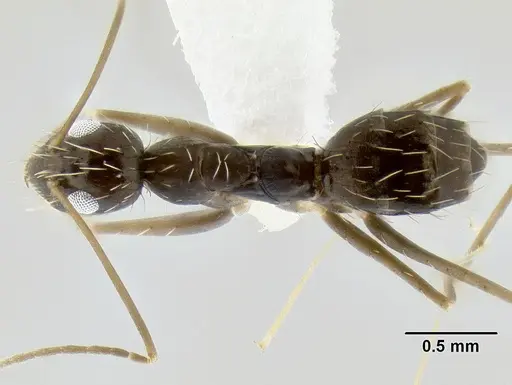
CASENT0125018
View on AntWeb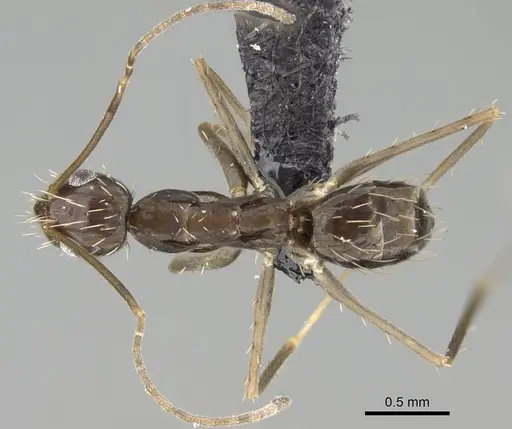
CASENT0125348
View on AntWeb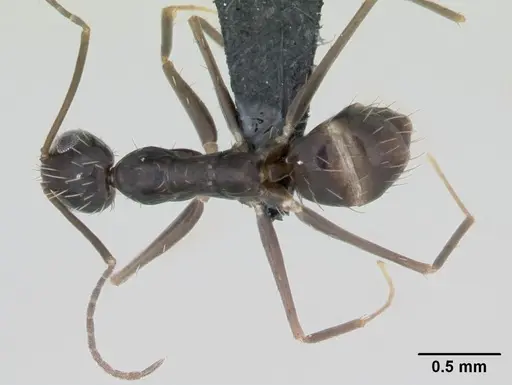
CASENT0132425
View on AntWeb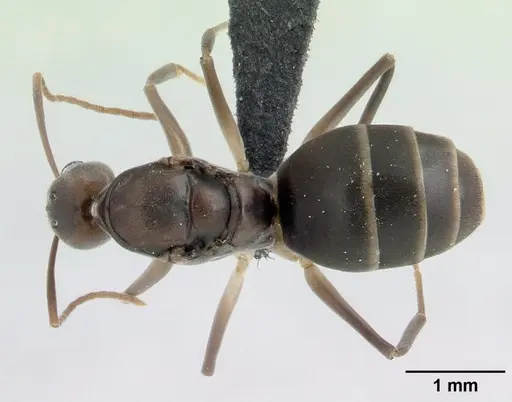
CASENT0134863
View on AntWeb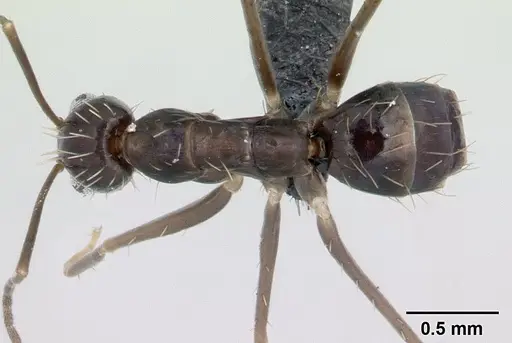
CASENT0137340
View on AntWeb
CASENT0137341
View on AntWeb
CASENT0171035
View on AntWeb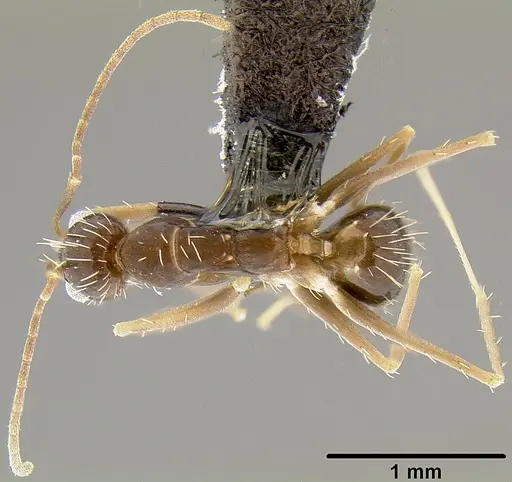
CASENT0171073
View on AntWeb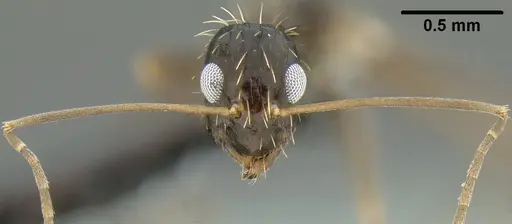
CASENT0173230
View on AntWeb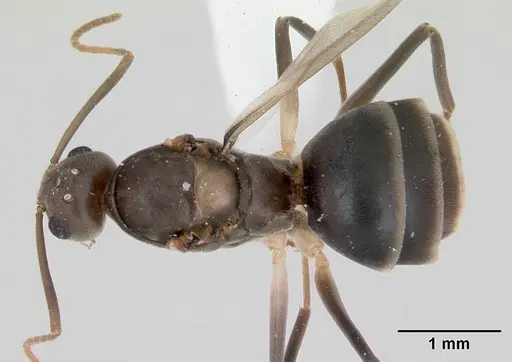
CASENT0173231
View on AntWeb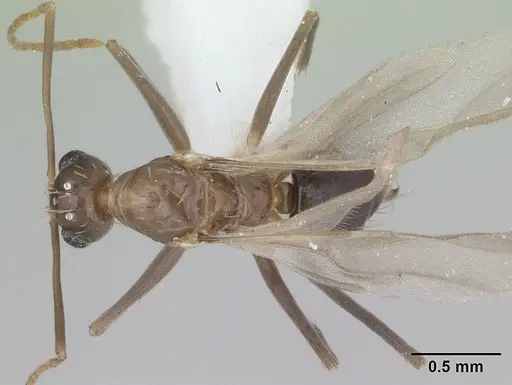
CASENT0173232
View on AntWeb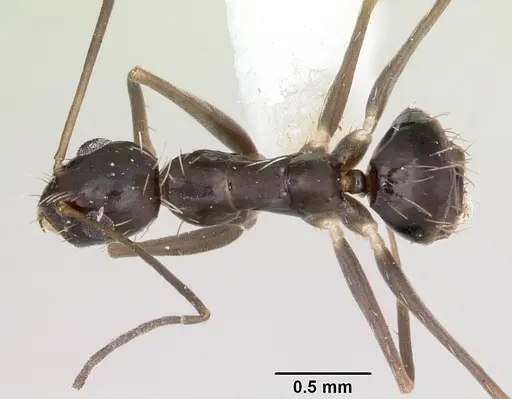
CASENT0173493
View on AntWeb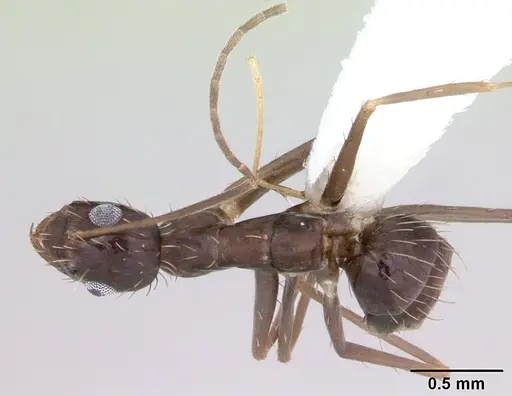
CASENT0178400
View on AntWeb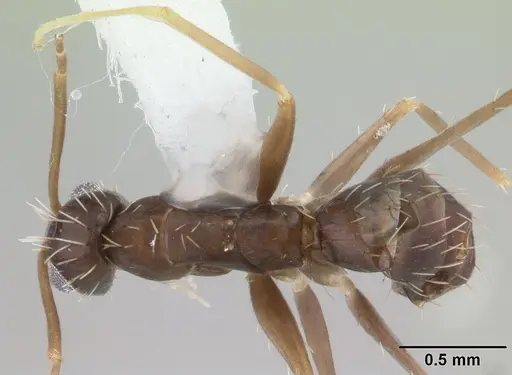
CASENT0219735
View on AntWeb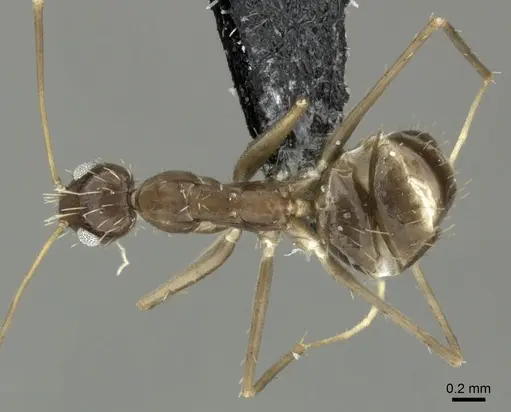
CASENT0235611
View on AntWeb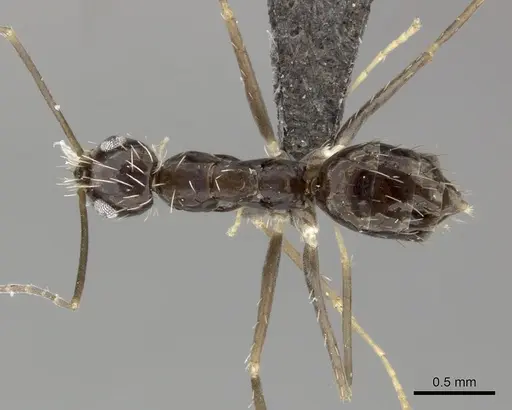
CASENT0244951
View on AntWeb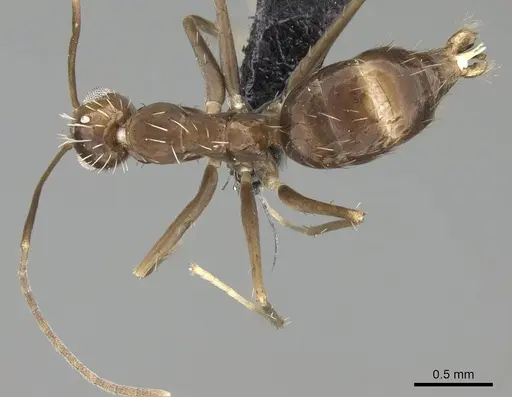
CASENT0264352
View on AntWeb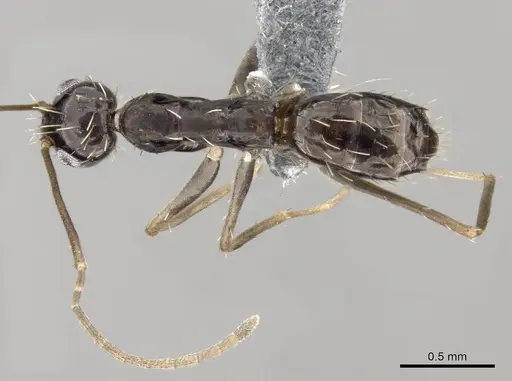
CASENT0281157
View on AntWeb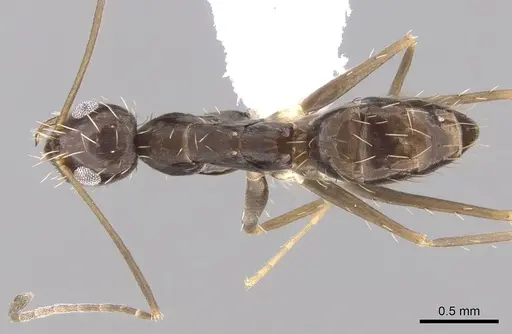
CASENT0318518
View on AntWeb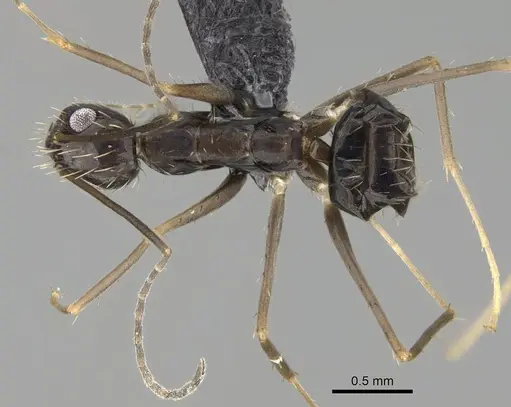
CASENT0729713
View on AntWeb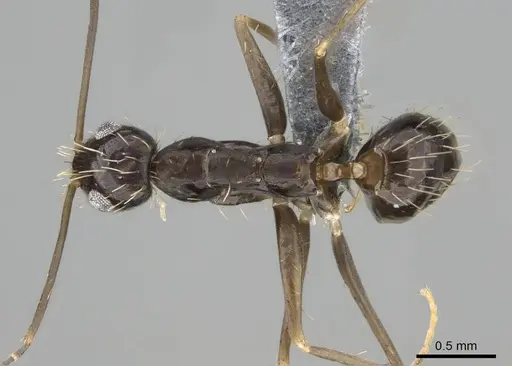
CASENT0740916
View on AntWeb
CASENT0740917
View on AntWeb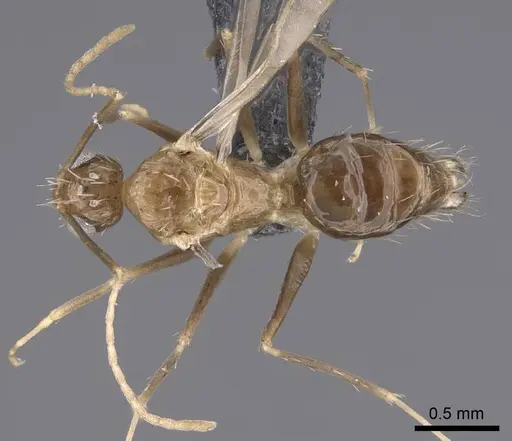
CASENT0746631
View on AntWeb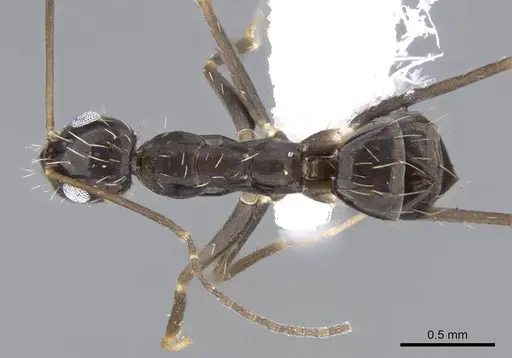
CASENT0766267
View on AntWeb
CASENT0900363
View on AntWeb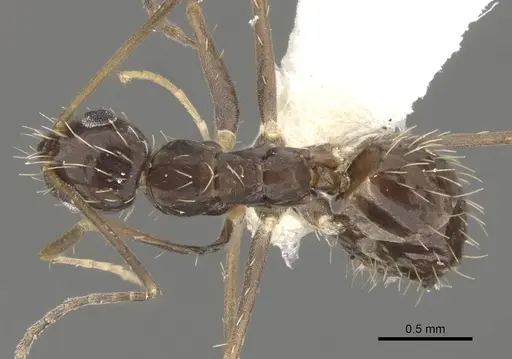
CASENT0919823
View on AntWeb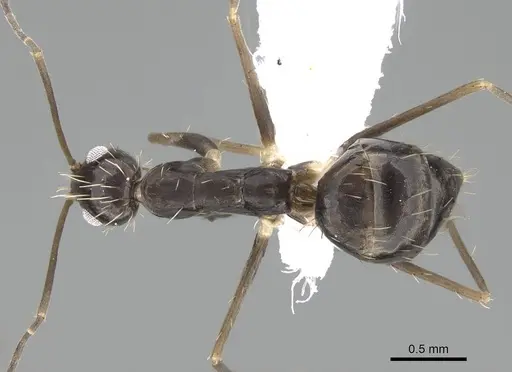
CASENT0919872
View on AntWeb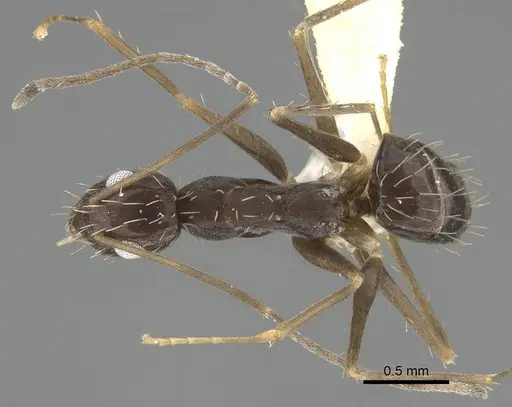
CASENT0922275
View on AntWeb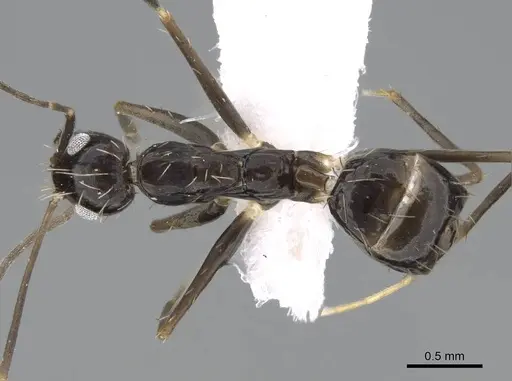
CASENT0922867
View on AntWeb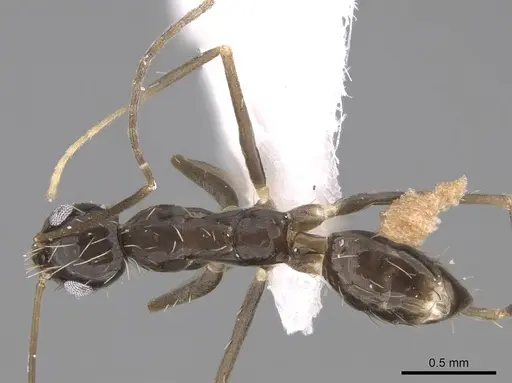
CBUMAGENT41824
View on AntWeb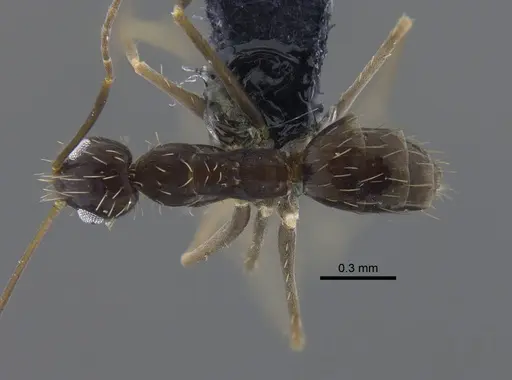
CFH000019
View on AntWeb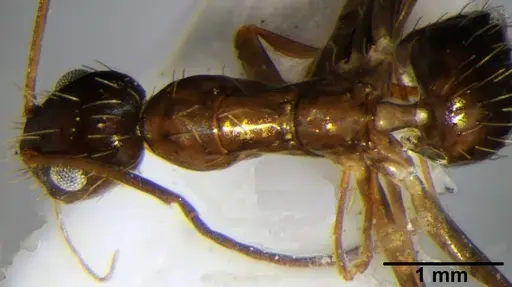
CSIRONC0186
View on AntWeb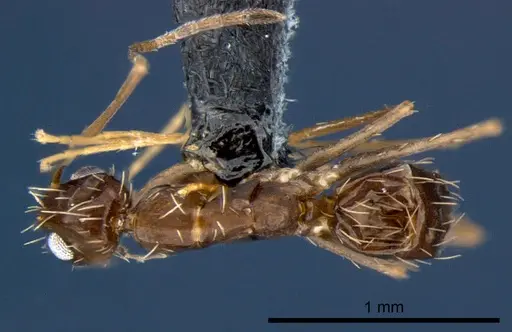
Literature
Loading distribution map...Loading products...