
Paratrechina ankarana
- Sci. Name
- Paratrechina ankarana
- Tribe
- Lasiini
- Subfamily
- Formicinae
- Author
- LaPolla & Fisher, 2014
- Distribution
- Found in 1 countries
Introduction
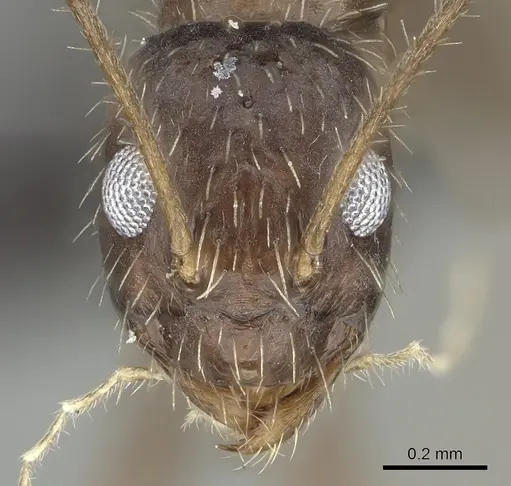
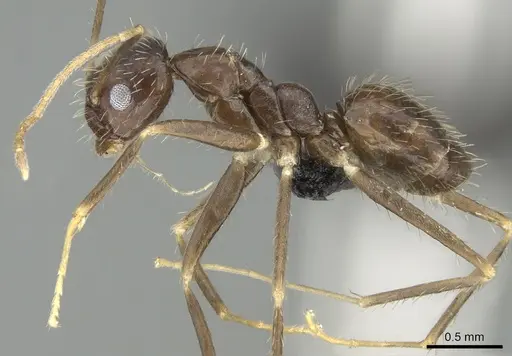
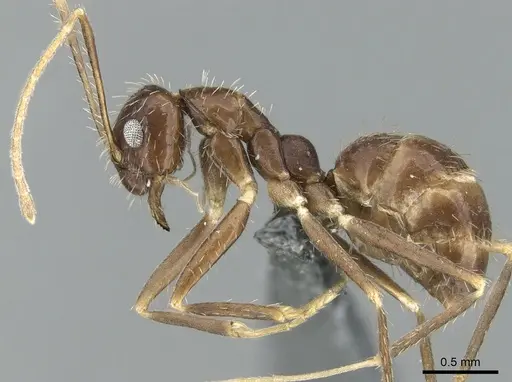
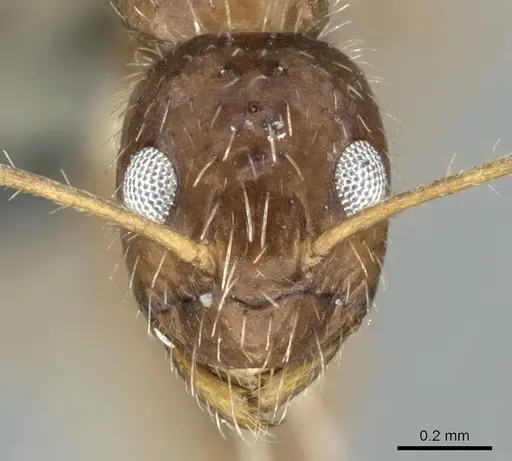
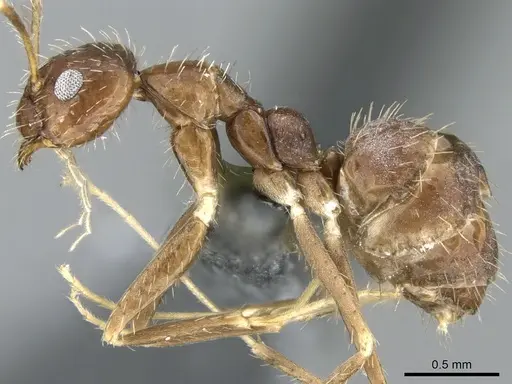
Paratrechina ankarana is a tiny ant species described in 2014,endemic to Madagascar. Workers measure 2.60-2.84 mm in total length and are dark brown with a distinctive faint greenish-blue iridescent reflection on their smooth, shiny cuticle. This species was discovered in the Ankarana Special Reserve in northern Madagascar, where it lives in dry forest habitats on limestone outcrops. Its most unusual feature is the presence of three small ocelli (simple eyes) on the head, which is relatively rare among ants.
Quick Summary
- Difficulty: Medium
- Origin & Habitat: Endemic to northern Madagascar, specifically the Ankarana Special Reserve. Found in dry forest habitats on limestone outcrops at elevations of 80-210 meters. [1]
- Colony Type: Unconfirmed, colony structure has not been documented in scientific literature. [1]
- Size & Growth:
- Queen: Estimated ~5-7 mm, inferred from Paratrechina genus patterns. [1]
- Worker: 2.60-2.84 mm total length [1]
- Colony: Unknown, no colony size data available.
- Growth: Unknown, no development data exists for this species.
- Development: Estimated 4-8 weeks at optimal tropical temperatures, based on typical small ant patterns. (This is an estimate since no species-specific data exists.)
- Antkeeping:
- Temperature: Likely 24-28°C, inferred from tropical dry forest habitat. [1]
- Humidity: Dry forest habitat suggests moderate to low humidity. Provide a humidity gradient with a mostly dry nest and one small moist area. [1]
- Diapause: No, tropical species do not require hibernation.
- Nesting: Prefer tight, enclosed spaces based on limestone habitat. Use small test tube setups or Y-tong nests with narrow chambers. [1]
- Behavior: Behavior is unstudied in captivity. Based on genus patterns, they are likely active foragers. Their small size makes escape prevention critical, use fine mesh barriers.
- Common Issues: captive care is uncertain due to limited species data., no established feeding protocols, experiment with small prey and sugar sources., small size requires excellent escape prevention., founding behavior is unconfirmed., tropical species may be sensitive to temperature drops.
Discovery and Distribution
Paratrechina ankarana was described in 2014 by John LaPolla and Brian Fisher. It is known only from the Ankarana Special Reserve in northern Madagascar, a region with limestone karst formations and dry forests. Type specimens were collected at elevations between 80 and 210 meters. [1] This limited distribution means it is unlikely to be available in the antkeeping hobby, as wild colonies are in a protected area. [1]
Identification and Morphology
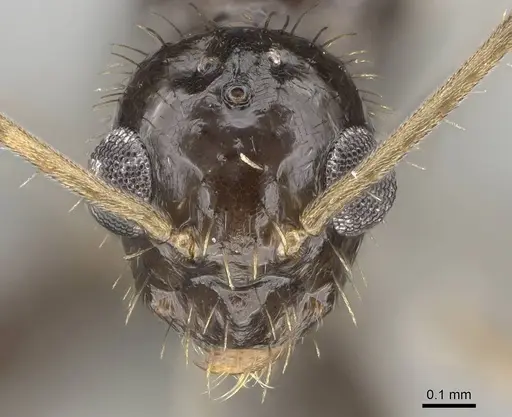
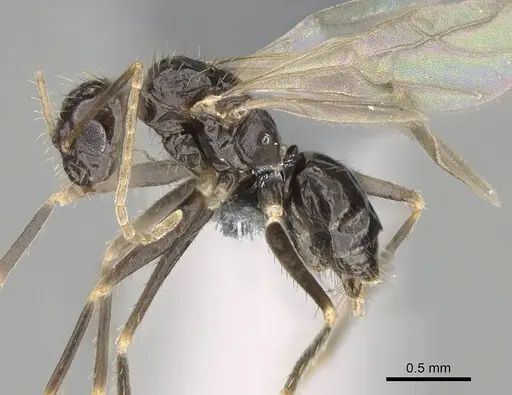
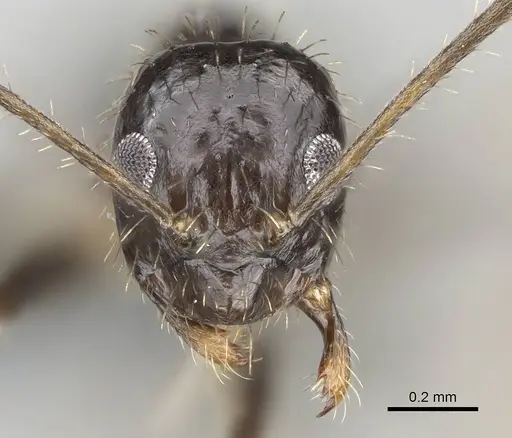
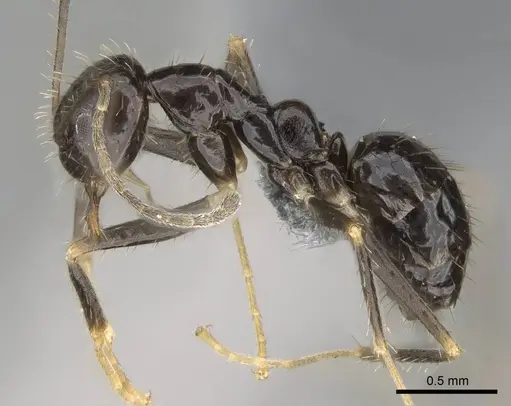
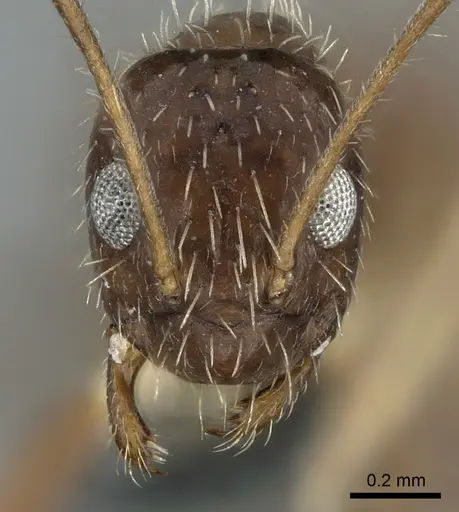
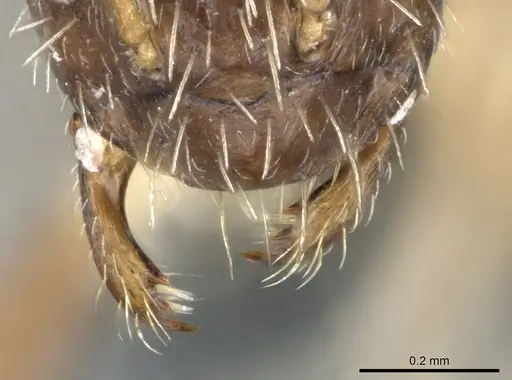
Workers are tiny, measuring 2.60-2.84 mm in total length. The cuticle is dark brown with a faint greenish-blue iridescent reflection under magnification. The propodeum has fine striations, while the rest of the body is smooth and shiny. [1] They have three small ocelli on the head, which is uncommon in ants. Mandibles have five teeth, with the apical tooth longest. Scapes have short pubescence and abundant standing hairs. [1]
Housing and Nesting
Based on dry forest limestone habitat, they prefer tight, enclosed spaces with some humidity control. For their small size, use a small test tube setup or a Y-tong nest with narrow chambers. [1] Provide a humidity gradient to match their natural habitat. Escape prevention is critical due to their tiny size, use fine mesh barriers. [1]
Feeding and Diet
No specific dietary studies exist for this species. Based on typical Paratrechina behavior, they are likely generalist foragers that collect nectar, honeydew, and small insects. Offer small prey like fruit flies or pinhead crickets, along with sugar sources like honey water. Start with small portions and observe what they accept.
Temperature and Seasonal Care
As a tropical species from Madagascar, keep them warm at 24-28°C year-round. [1] Avoid temperatures below 20°C. No diapause is needed. A small heating cable can create a temperature gradient for self-regulation.
Frequently Asked Questions
How long does it take for Paratrechina ankarana to go from egg to worker?
This has not been directly documented. Based on typical small ant patterns, estimate approximately 4-8 weeks at optimal tropical temperatures. This is a rough estimate since no species-specific data exists.
What do Paratrechina ankarana ants eat?
Their exact diet is unstudied. Based on related Paratrechina species, they likely accept small insects, nectar, and honeydew. Offer small prey like fruit flies and sugar sources like honey water.
Are Paratrechina ankarana good for beginners?
This species is not recommended for beginners. It was described in 2014 and has no documented captive care. Wild colonies are in a protected reserve, making them unavailable and uncertain for new keepers. [1]
What temperature do Paratrechina ankarana ants need?
Based on their Madagascar tropical origin, keep them warm at 24-28°C year-round. Do not allow temperatures to drop below 20°C. No hibernation is needed. [1]
How big do Paratrechina ankarana colonies get?
Colony size is unknown, no scientific data exists on maximum colony size. [1]
Can I keep multiple Paratrechina ankarana queens together?
Colony structure is unconfirmed. Without data, combining unrelated queens is not recommended. [1]
Where is Paratrechina ankarana found in the wild?
This species is only known from the Ankarana Special Reserve in northern Madagascar. It lives in dry forest habitats on limestone outcrops at elevations between 80-210 meters. [1]
Is Paratrechina ankarana available in the antkeeping hobby?
Extremely unlikely. This species was described in 2014 and is only known from a protected reserve in Madagascar. Wild collection would be difficult and likely restricted. [1]
What makes Paratrechina ankarana different from other ants?
It has three ocelli on the head, a greenish-blue iridescent cuticle, and is endemic to a limited range in Madagascar. It was discovered in 2014. [1]
Report an Issue
The current care sheet is based fully on literature. See inconsistencies, or something that's incorrect? Please , it will be resolved after review from an admin. Contributing to the blogs tab also helps providing information, to make us be able to further improve the caresheets. Thank you for your support!
References

This caresheet is licensed under CC BY-SA 4.0 .
Community Blogs
CASENT0454372
View on AntWeb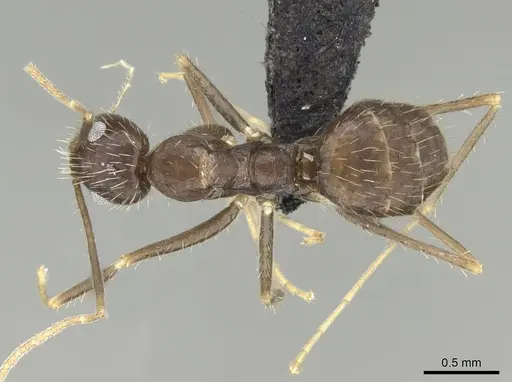
CASENT0701215
View on AntWeb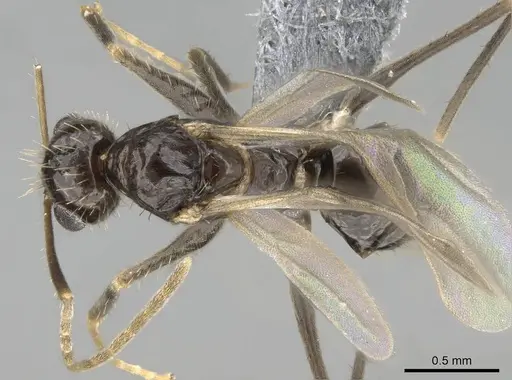
CASENT0701219
View on AntWeb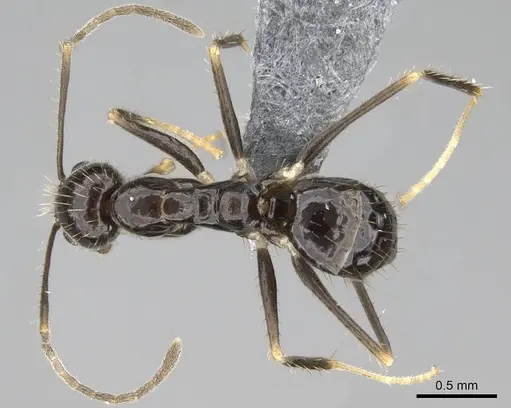
CASENT0906651
View on AntWeb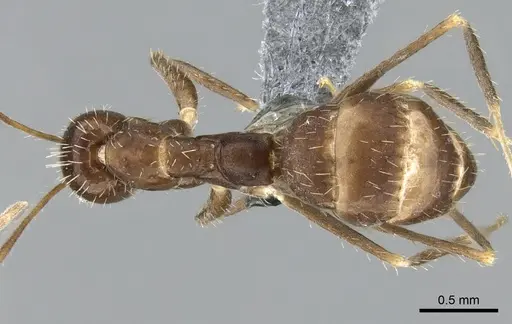
CASENT0906652
View on AntWeb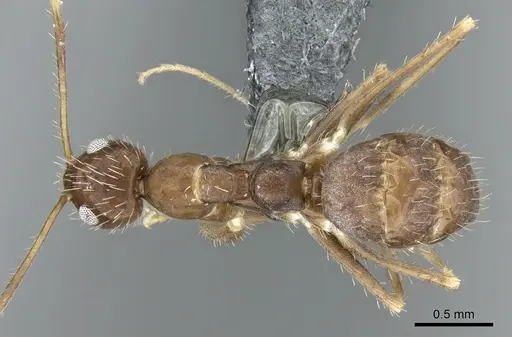
Literature
Loading distribution map...Loading products...