
Parasyscia wittmeri
- Sci. Name
- Parasyscia wittmeri
- Subfamily
- Dorylinae
- Author
- Collingwood, 1985
- Distribution
- Found in 1 countries
Introduction
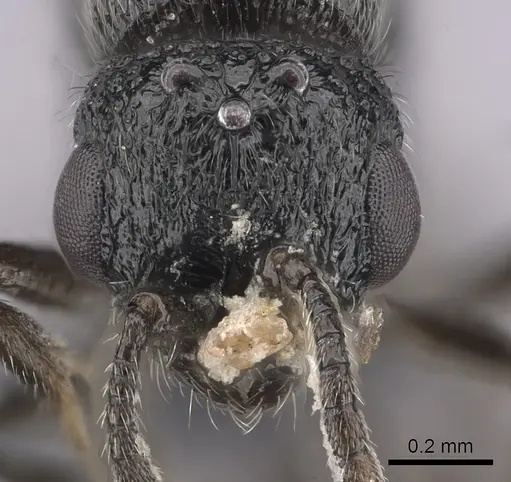
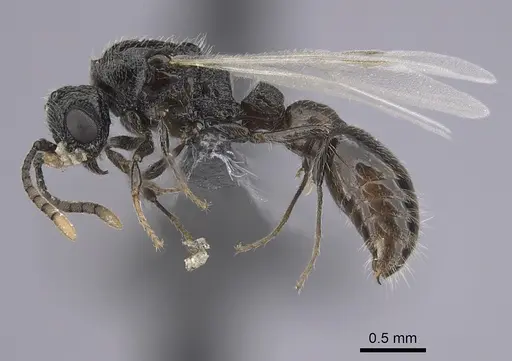
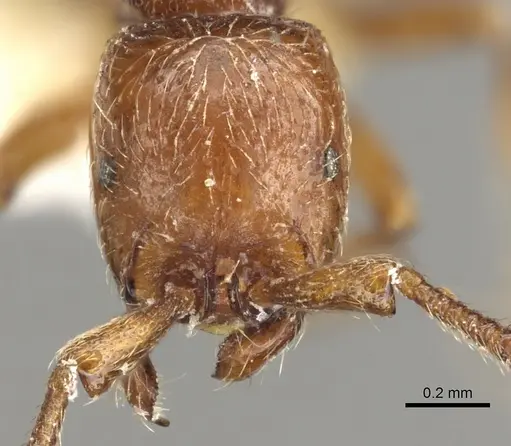
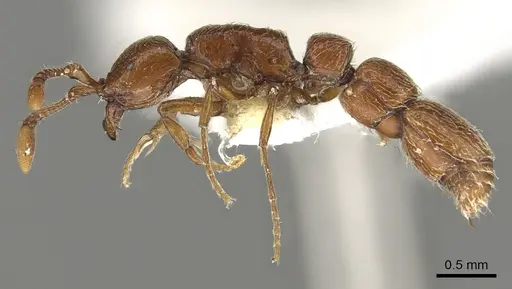
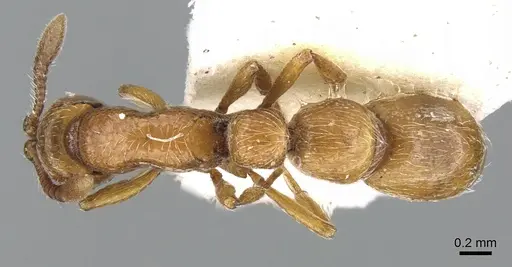
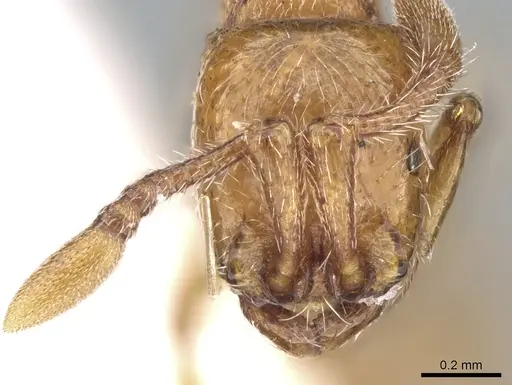
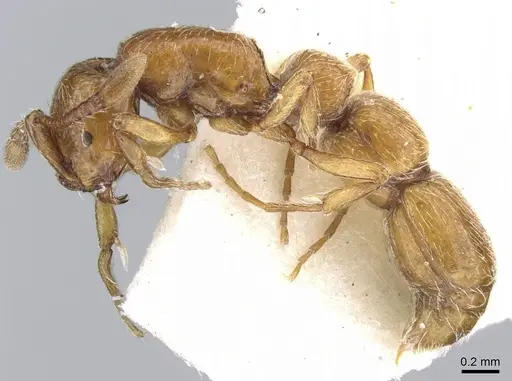
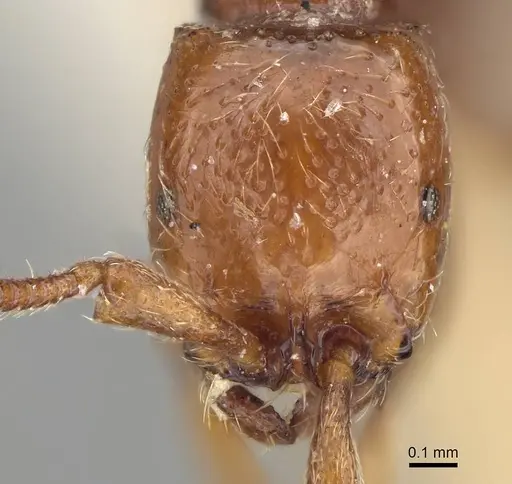
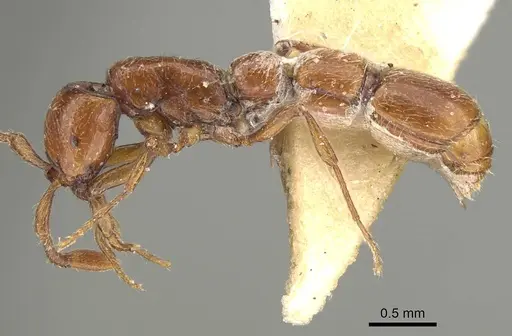
Parasyscia wittmeri is a tiny ant species in the Dorylinae subfamily, native to Asir Province, Saudi Arabia . Workers have a total length of 0.35-0.40 mm , uniform yellow or red-yellow coloration , very small eyes with five ommatidia in the longest row , and 11-segmented antennae . It was originally described as Cerapachys wittmeri in 1985 and transferred to Parasyscia in 2016 . In the wild, it nests in soil under stones in grazed scrubby pasture at high elevations around 2,578 meters . This species is rare in antkeeping, with little known about captive care. They are likely predatory like other Dorylinae, but their small size and high-altitude habitat suggest unique requirements.
Quick Summary
- Difficulty: Expert
- Origin & Habitat: Asir Province, Saudi Arabia, found in soil under stones in grazed scrubby pasture at high elevations around 2,578 meters [1]
- Colony Type: Unknown, colony structure has not been documented. Only individual workers have been collected [1].
- Size & Growth:
- Antkeeping:
- Temperature: Based on high-altitude habitat, likely cooler conditions. Start around 18-22°C and observe colony activity. Avoid overheating [1].
- Humidity: Presumably requires moderate to high humidity. Keep substrate consistently moist but not waterlogged. Provide a gradient [1].
- Diapause: Unknown, no seasonal data exists [1]
- Nesting: In the wild, nests in soil under stones [1]. In captivity, use small naturalistic setup with fine substrate and flat stones, or Y-tong/plaster nest with tight chambers. Escape prevention critical due to tiny size.
- Behavior: Essentially unknown. As Dorylinae, likely predatory on small arthropods. Tiny size and small eyes suggest reliance on chemical cues. Probably cryptic nesters. Exercise caution due to limited data.
- Common Issues: escape prevention is critical, their tiny size means they can squeeze through standard barriers easily [1], no established captive care protocols exist, this is an uncharted species for antkeeping, humidity requirements are unknown, trial and error may be needed, predatory diet needs may be difficult to meet, they likely require live micro-prey, no information on founding behavior means queen care is speculative, high-altitude origin suggests they may not tolerate warm conditions, keep cool [1]
Understanding Parasyscia wittmeri
Parasyscia wittmeri belongs to the Dorylinae subfamily, which includes army ants and other predatory species. However, Parasyscia is a rare genus that doesn't exhibit typical army ant behavior, they are small, cryptic ants that likely live as solitary predators [1]. This species was originally described from Saudi Arabia in 1985 and transferred to Parasyscia in 2016 [1]. The only known specimens are workers from two locations in Asir Province: Al Kola (1983) and Raydah (2014) at 2,578 meters elevation [1]. Only isolated workers have been found, with no documented colonies, suggesting this is a rare or cryptic species [1]. This makes them one of the most challenging ant species to keep, with no captive care history to draw from.
Housing and Nest Setup
Given their tiny size (workers are 0.35-0.40 mm total length), you will need extremely small-scale setups [1]. Standard test tubes may be too large. A small plaster or Y-tong nest with tight chambers scaled to their size is more appropriate. The natural habitat is soil under stones in grazed scrubby pasture, this suggests humid conditions with some open ground [1]. Use fine substrate and provide flat stones for cover. Escape prevention is critical, these ants can squeeze through gaps that hold back larger species. Use tight-fitting lids and fine mesh.
Feeding and Diet
As Dorylinae, these ants are almost certainly predatory [3]. In the wild, they likely hunt small soil arthropods like springtails and mites. In captivity, offer live small prey such as springtails. Do not expect them to accept sugar water, Dorylinae are typically strictly predatory [3]. Feed small amounts every few days and remove uneaten prey promptly.
Temperature and Environmental Conditions
The high-altitude origin (2,578m in Asir Province) suggests they are adapted to cooler conditions [1]. Start with a range around 18-22°C and monitor behavior. Avoid heating elements or direct sunlight. Humidity should be moderate to high, keep substrate damp but not waterlogged, and provide a dry area [1].
Challenges and Expectations
Keeping Parasyscia wittmeri is pioneering work, there is no established care protocol, and you may be the first to attempt captive breeding. Challenges include unknown queen size, colony structure, founding behavior, and environmental requirements. Expect losses and trial and error. Keep detailed records. This species is best for experienced antkeepers who enjoy working with poorly studied species.
Frequently Asked Questions
How long does it take for Parasyscia wittmeri to go from egg to worker?
This is completely unknown, no research has documented the development timeline for this species [1].
Can I keep multiple queens together in one colony?
We don't know. No research has documented colony structure or queen behavior [1]. Without any data, combining unrelated queens is not recommended.
What do Parasyscia wittmeri ants eat?
As Dorylinae, they are likely predatory on small arthropods [3]. The best captive food is live springtails. They probably do not accept sugar sources.
Are Parasyscia wittmeri good for beginners?
No. This is one of the most difficult species you could keep. There is essentially no captive care information available, no established protocols, and no guarantee of success.
What temperature should I keep Parasyscia wittmeri at?
Based on their high-altitude Saudi Arabian origin, they likely prefer cooler conditions. Start around 18-22°C and adjust based on colony behavior [1].
How big do Parasyscia wittmeri colonies get?
Unknown. Only individual workers have been collected in the wild, no established colonies have been studied [1].
When do Parasyscia wittmeri have nuptial flights?
Unknown. No research has documented reproduction, mating behavior, or flight timing for this species.
Do Parasyscia wittmeri need hibernation or diapause?
Unknown. The high-altitude Asir Province habitat suggests seasonal changes, but whether they require dormancy is unconfirmed [1].
Why are my Parasyscia wittmeri dying?
Without established care protocols, colony loss can happen for many reasons, incorrect humidity, temperature issues, inadequate food, or escape-related losses. This is experimental antkeeping with a poorly known species.
Report an Issue
The current care sheet is based fully on literature. See inconsistencies, or something that's incorrect? Please , it will be resolved after review from an admin. Contributing to the blogs tab also helps providing information, to make us be able to further improve the caresheets. Thank you for your support!
References

This caresheet is licensed under CC BY-SA 4.0 .
Community Blogs
CASENT0263903
View on AntWeb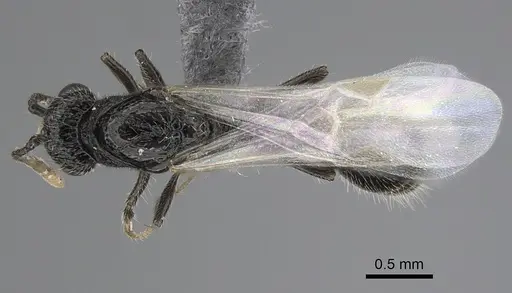
CASENT0902708
View on AntWeb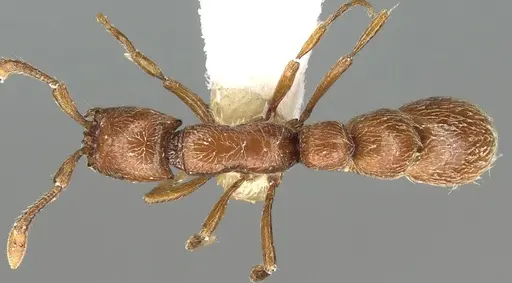
CASENT0906333
View on AntWeb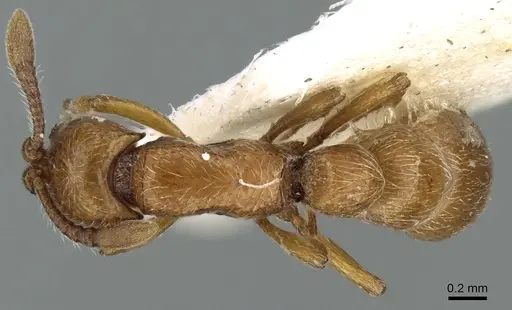
CASENT0922314
View on AntWeb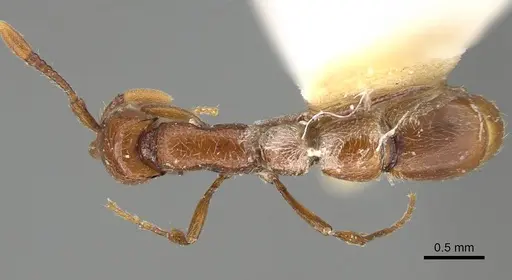
Literature
Loading distribution map...Loading products...