
Parasyscia peringueyi
- Sci. Name
- Parasyscia peringueyi
- Subfamily
- Dorylinae
- Author
- Emery, 1886
- Distribution
- Found in 1 countries
Introduction
Parasyscia peringueyi is a small predatory ant species in the Dorylinae subfamily, native to South Africa. Workers are modest in size, but no body size measurements are available from literature . The species was described by Emery in 1886 from the Cape of Good Hope region . This ant is known for its predatory behavior, hunting small invertebrates in its natural habitat. It has undergone taxonomic revisions, moving from Cerapachys back to Parasyscia in 2016 .
Quick Summary
- Difficulty: Hard
- Origin & Habitat: South Africa, specifically the Cape of Good Hope region and Makapan area in the Afrotropical region [2][1]
- Colony Type: Unconfirmed, colony structure has not been documented in scientific literature
- Size & Growth:
- Queen: size data unavailable
- Worker: size data unavailable
- Colony: Unknown, no colony size data available
- Growth: Unknown
- Development: Unknown, development timeline has not been studied (No direct measurements available. Dorylinae ants typically develop over several weeks to months depending on temperature, but specific data for this species is lacking.)
- Antkeeping:
- Temperature: Unconfirmed, no species-specific studies. Based on South African distribution [1][2], moderate temperatures around 20-26°C may be suitable.
- Humidity: Unconfirmed, no species-specific data. Dorylinae ants generally prefer moderate humidity, so keep the nest substrate consistently moist but not waterlogged.
- Diapause: Unknown, overwintering behavior has not been documented. South African climate suggests reduced activity during cooler months.
- Nesting: Unknown, natural nesting behavior not documented. Dorylinae species typically nest in soil or under stones.
- Behavior: As a small ant, escape risk is high, so standard escape prevention measures should be employed. Predatory diet may be challenging for beginners.
- Common Issues: limited availability of species-specific care information makes proper husbandry challenging., colony establishment may be difficult due to unknown founding requirements., predatory diet requirements may be difficult to meet for beginners., escape prevention should be taken seriously as with any small ant species., unknown diapause requirements could lead to seasonal colony losses if improperly managed.
Species Background and Taxonomy
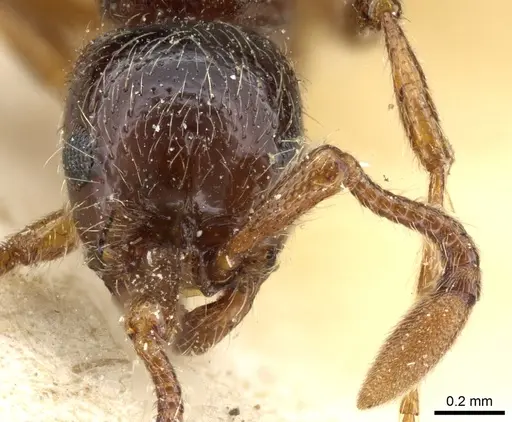
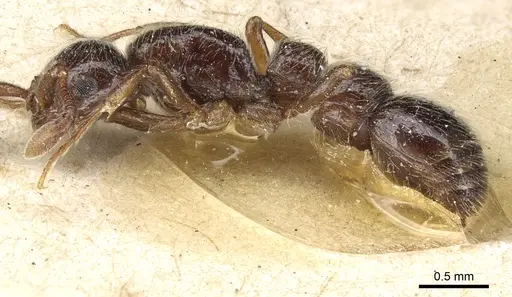
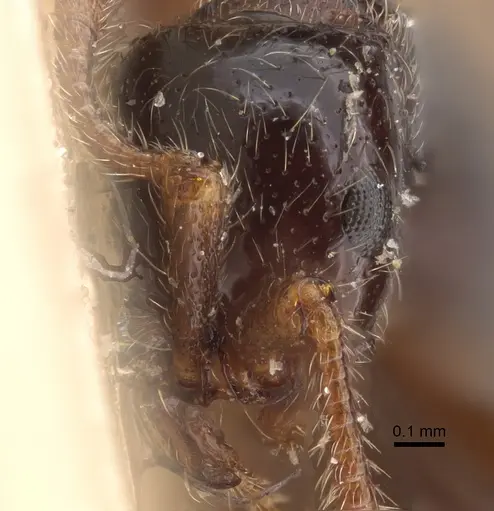
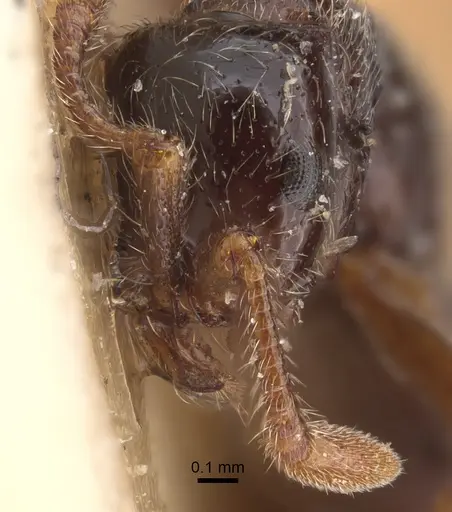
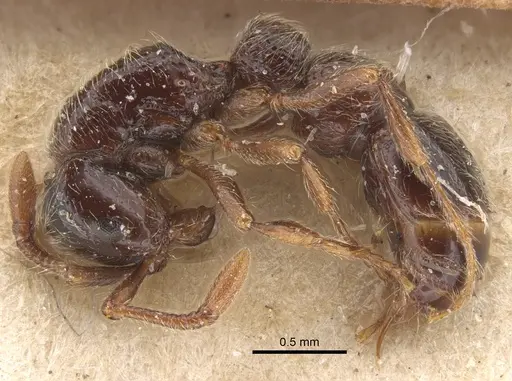
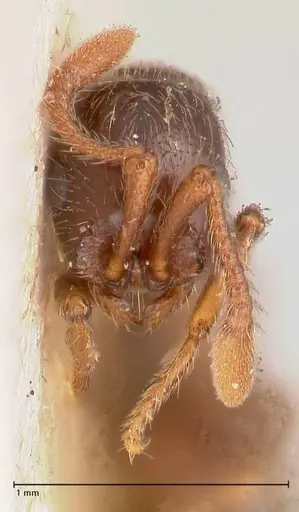
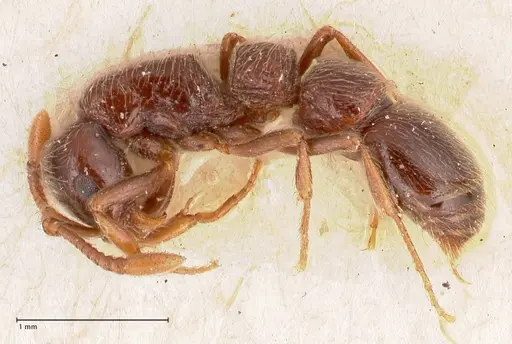
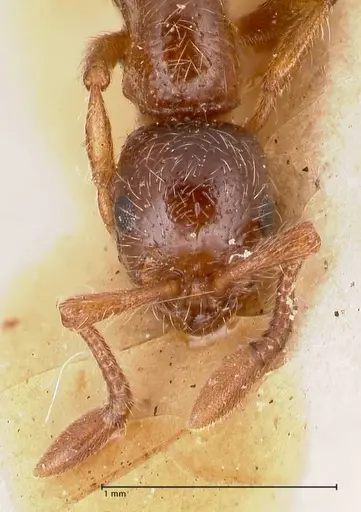
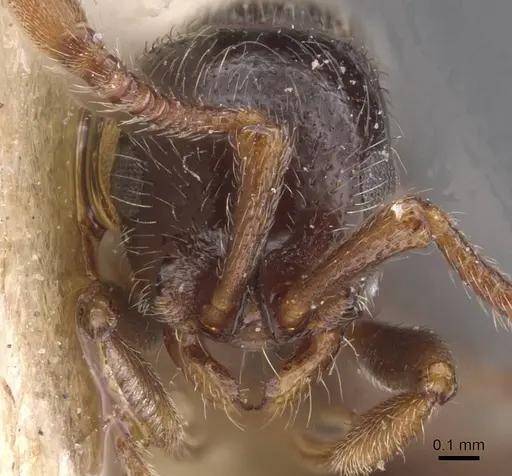
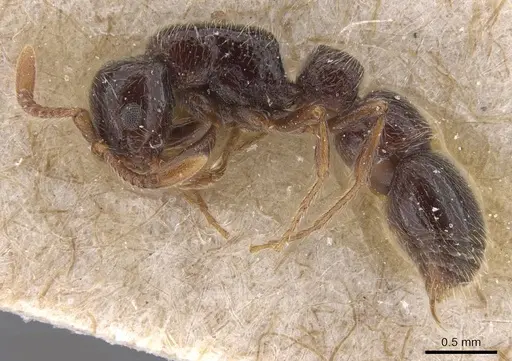
Parasyscia peringueyi was originally described by Carlo Emery in 1886 from worker specimens collected in South Africa at the Cape of Good Hope [2]. The species was later moved to the genus Cerapachys in 1902,where it remained until ML Borowiec's 2016 generic revision of the Dorylinae subfamily returned it to Parasyscia [1]. A synonym, Parasyscia peringueyi, was described in 1895 but was later synonymized with the nominal species by Brown in 1975 [2]. The type material consists of syntype workers from the original collection, with one confirmed syntype worker (CASENT0917743) preserved [2].
Distribution and Habitat
Parasyscia peringueyi is endemic to South Africa, representing one of the few Parasyscia species known from the Afrotropical region [1]. The type locality is the Cape of Good Hope area, with additional specimens recorded from Makapan [2]. The exact habitat preferences of this species have not been documented. The Cape region features a Mediterranean climate with cool, wet winters and warm, dry summers. Other Dorylinae species in similar regions typically nest in soil, under stones, or in decaying organic matter.
Current State of Knowledge
This caresheet reflects the current state of scientific knowledge for Parasyscia peringueyi, which remains one of the least studied ant species in the hobby. The primary literature consists of taxonomic papers dealing with classification and type specimen documentation, with virtually no biological or ecological studies specifically addressing this species [2][1]. This means that nearly all care recommendations must be inferred from what is known about the genus Parasyscia and the broader Dorylinae subfamily rather than from direct observations of P. peringueyi.
Inferred Care Guidelines
While specific care requirements are unconfirmed for Parasyscia peringueyi, keepers can make educated guesses based on Dorylinae biology. Dorylinae ants are typically predatory, so offering small live prey such as springtails or fruit flies would likely be appropriate. Temperature should be moderate (20-26°C) based on South African climate [1][2]. Humidity preferences are unknown but Dorylinae generally favor moderate moisture. Nesting could be in soil or small chambers. Because so little is known, keepers should observe their colonies closely and adjust conditions based on colony health.
Frequently Asked Questions
How do I care for Parasyscia peringueyi ants?
Specific care requirements are not documented. Based on Dorylinae biology, provide moderate temperatures (20-26°C) [1][2], moderate humidity, and a diet of small live prey. This species is considered advanced-level due to the lack of species-specific care information.
What do Parasyscia peringueyi ants eat?
While not directly studied, Dorylinae ants are predatory. Offer small live prey such as springtails, fruit flies, or other tiny arthropods. Sugar sources may or may not be accepted, offer occasionally but do not rely on them.
How big do Parasyscia peringueyi colonies get?
Colony size is unknown, no scientific data exists on maximum colony sizes for this species.
What temperature should I keep Parasyscia peringueyi at?
Temperature requirements are unconfirmed. A reasonable starting point would be 20-26°C, based on South African distribution [1][2]. Adjust based on colony activity.
How long does it take for Parasyscia peringueyi to develop from egg to worker?
The egg-to-worker development timeline has not been studied for this species. Estimates based on related Dorylinae suggest several weeks to months depending on temperature.
Is Parasyscia peringueyi a good species for beginners?
This species is not recommended for beginners due to the complete lack of species-specific care information. The predatory diet and unknown requirements make it challenging to keep successfully.
Do Parasyscia peringueyi queens need to forage during founding?
Founding behavior has not been documented for this species. Most Dorylinae are claustral (queen seals herself in and lives off stored fat), but this is unconfirmed for P. peringueyi.
Can I keep multiple Parasyscia peringueyi queens together?
Colony structure is unconfirmed. Whether they are single-queen or multi-queen colonies has not been documented. Combining unrelated queens is not recommended due to lack of information.
Where is Parasyscia peringueyi native to?
This species is native to South Africa, specifically the Cape of Good Hope region and surrounding areas in the Afrotropical region [2][1].
Report an Issue
The current care sheet is based fully on literature. See inconsistencies, or something that's incorrect? Please , it will be resolved after review from an admin. Contributing to the blogs tab also helps providing information, to make us be able to further improve the caresheets. Thank you for your support!
References

This caresheet is licensed under CC BY-SA 4.0 .
Community Blogs
CASENT0281975
View on AntWeb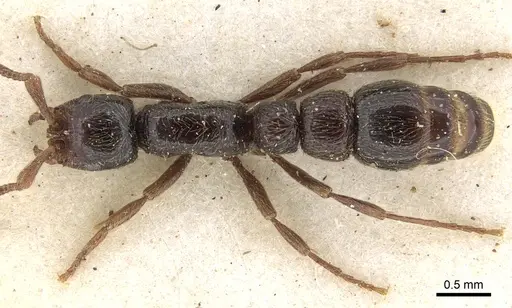
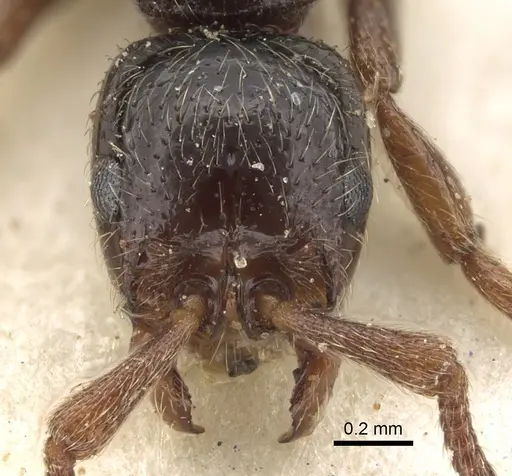
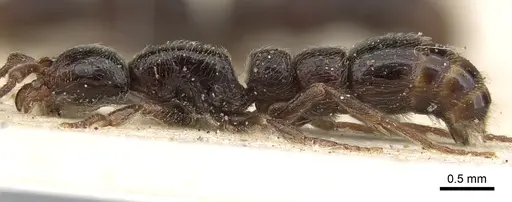
CASENT0903774
View on AntWeb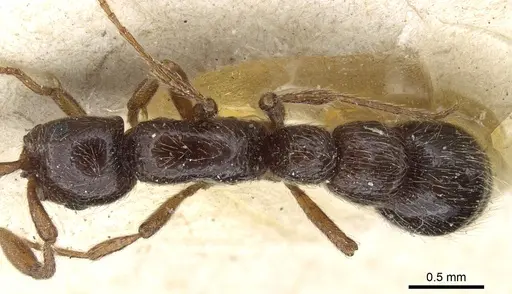
CASENT0917743
View on AntWeb
FOCOL0792
View on AntWeb
FOCOL0793
View on AntWeb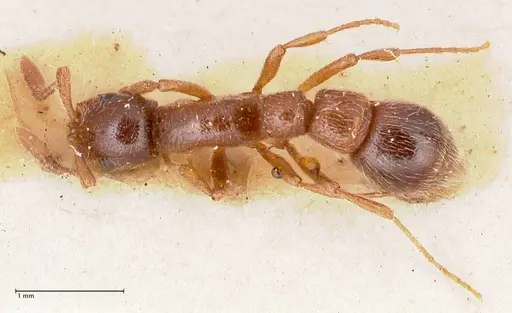
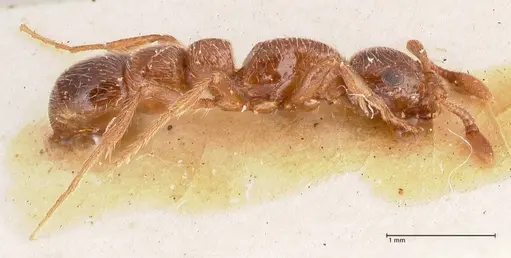
FOCOL0794
View on AntWeb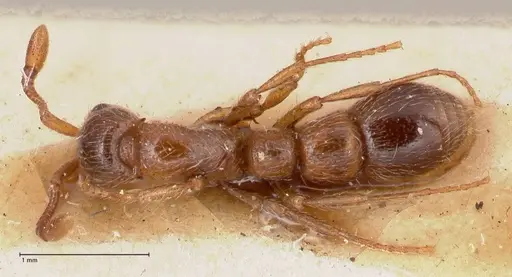
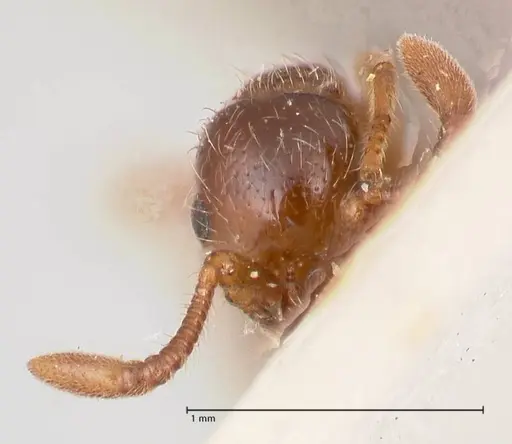
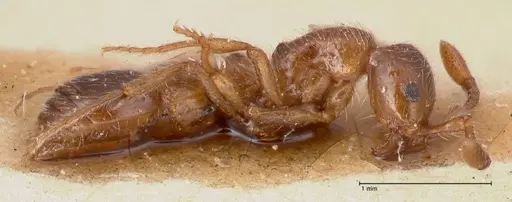
RMCAENT000017719
View on AntWeb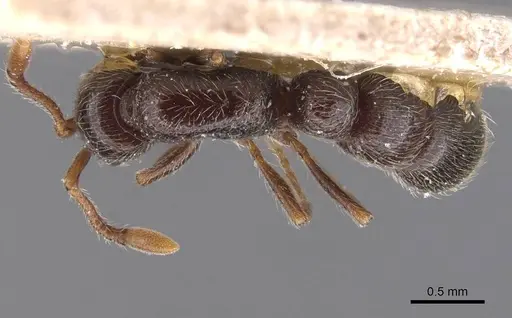
Literature
Loading distribution map...Loading products...