
Parasyscia natalensis
- Sci. Name
- Parasyscia natalensis
- Subfamily
- Dorylinae
- Author
- Forel, 1901
- Distribution
- Found in 1 countries
Introduction
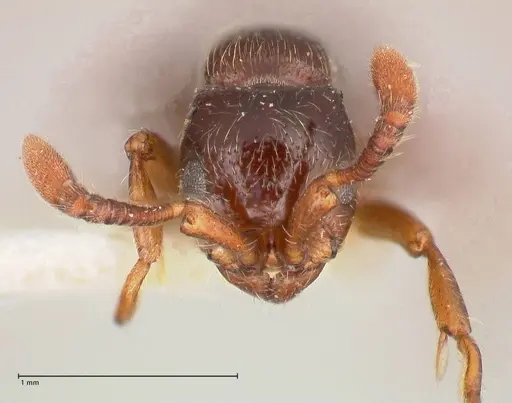
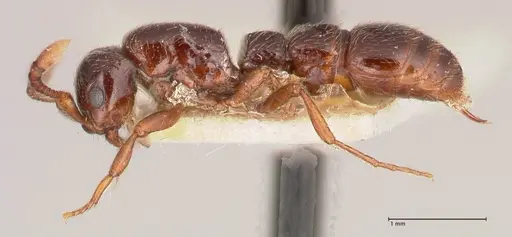
Parasyscia natalensis is a species of ant in the subfamily Dorylinae, found in the Afrotropical region . This species is part of a group known for predatory behavior, but specific details about its biology are limited. As a Dorylinae, it likely hunts small invertebrates, but care requirements for this species are not well-documented.
Quick Summary
- Difficulty: Medium
- Origin & Habitat: Afrotropical region, including southern Africa [1].
- Colony Type: Unconfirmed, research does not specify whether colonies are monogyne or polygyne.
- Size & Growth:
- Queen: size data unavailable
- Worker: size data unavailable
- Colony: Unknown
- Growth: Unknown
- Development: Unknown (No specific data available on development timeline.)
- Antkeeping:
- Temperature: Unknown, no specific data from research. Based on general ant keeping principles, maintain around 22-26°C [2].
- Humidity: Unknown, no specific data from research. Keep substrate moderately moist but not waterlogged [2].
- Diapause: Unknown, research does not specify diapause requirements.
- Nesting: Unknown, research does not specify nesting preferences. Based on general Dorylinae behavior, soil or rotting wood may be suitable [2].
- Behavior: Predatory behavior typical of Dorylinae, but specific temperament for this species is unconfirmed. Escape risk is high due to small size, but no size data available [2].
- Common Issues: escape prevention is critical due to tiny worker size, use fine mesh and tight barriers [2], predatory diet requires live prey, failure to provide adequate protein leads to colony decline [2], founding phase may be slow, queens may take time to produce first workers, patience is required [2], colonies may decline if humidity drops too low or substrate dries out [2], wild-caught colonies may carry parasites, quarantine new colonies [2]
Housing and Nest Setup
Housing requirements for Parasyscia natalensis are not specified in research. Based on general ant keeping principles, use a small nest with moist substrate and fine mesh to prevent escapes [2]. Provide a foraging area connected to the nest, and keep the nest dark and secure.
Feeding and Diet
As a Dorylinae, this species is likely predatory, requiring live small invertebrates [2]. Offer fruit flies, pinhead crickets, or other tiny prey every 2-3 days, and remove uneaten food after 24 hours to prevent mold.
Temperature and Seasonal Care
No specific temperature data from research. Maintain a stable temperature around 22-26°C based on general ant care [2]. Diapause requirements are unknown, monitor colony activity for signs of seasonal rest.
Behavior and Colony Dynamics
Parasyscia natalensis likely exhibits predatory foraging behavior typical of Dorylinae [2]. Specific colony dynamics are unconfirmed, assume single queen unless otherwise noted. Activity may increase after feeding.
Common Challenges
Primary challenges include escape prevention due to small size, providing live prey, and maintaining humidity [2]. Founding colonies may be slow to develop, and wild-caught colonies may carry parasites.
Frequently Asked Questions
How long does it take for Parasyscia natalensis to produce first workers?
Unknown, no specific data from research. Based on general Dorylinae patterns, it may take several weeks to months, but this is unconfirmed for this species.
Can I keep multiple Parasyscia natalensis queens together?
Not recommended, as colony type is unconfirmed. Combining queens may lead to conflict [2].
What do Parasyscia natalensis eat?
Likely predatory, requiring live small invertebrates such as fruit flies or pinhead crickets [2]. Sugar sources are generally not accepted.
Are Parasyscia natalensis good for beginners?
Rated as Medium difficulty due to escape risk and predatory diet, but specific care requirements are unconfirmed [2].
Do Parasyscia natalensis need hibernation?
Unknown, research does not specify diapause requirements. Based on general ant care, some temperate species may benefit from a rest period [2].
When should I move Parasyscia natalensis to a formicarium?
Unknown, no specific data. Based on general advice, wait until the colony is established with several workers before moving [2].
Why are my Parasyscia natalensis dying?
Common causes include escape, insufficient live prey, improper humidity, or temperature stress [2]. Review care parameters and adjust gradually.
How big do Parasyscia natalensis colonies get?
Unknown, no size data available from research.
Report an Issue
The current care sheet is based fully on literature. See inconsistencies, or something that's incorrect? Please , it will be resolved after review from an admin. Contributing to the blogs tab also helps providing information, to make us be able to further improve the caresheets. Thank you for your support!
References

This caresheet is licensed under CC BY-SA 4.0 .
Community Blogs
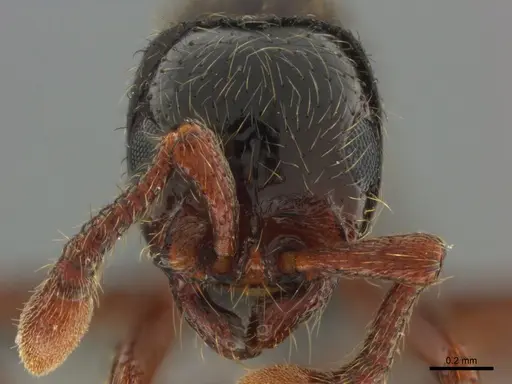
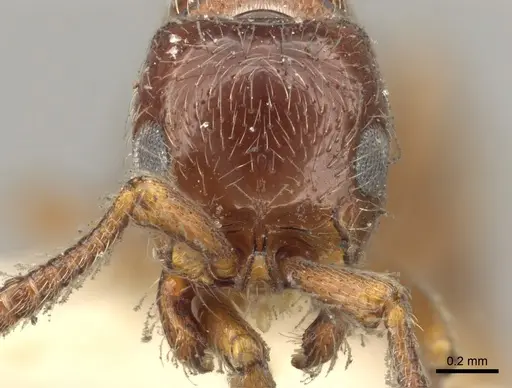
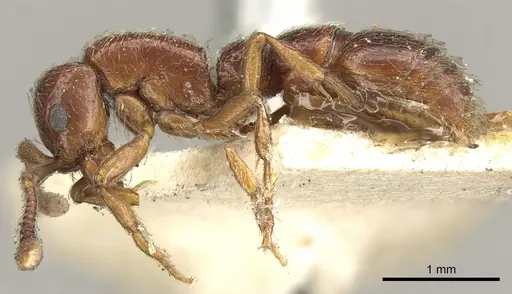
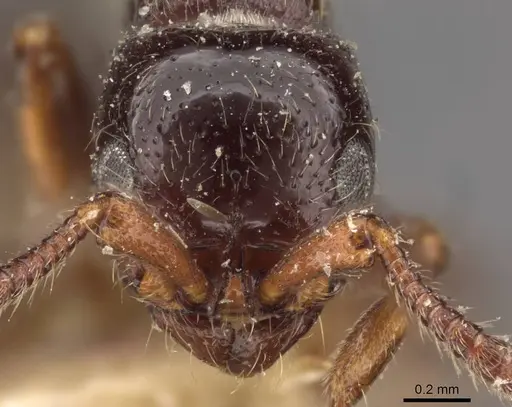
CASENT0235870
View on AntWeb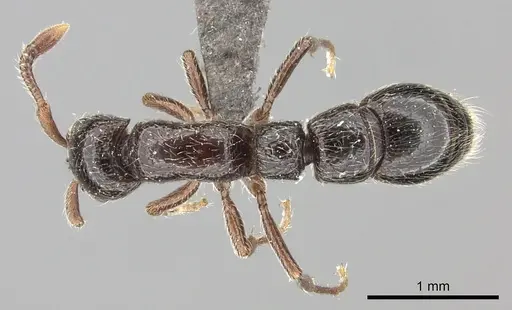
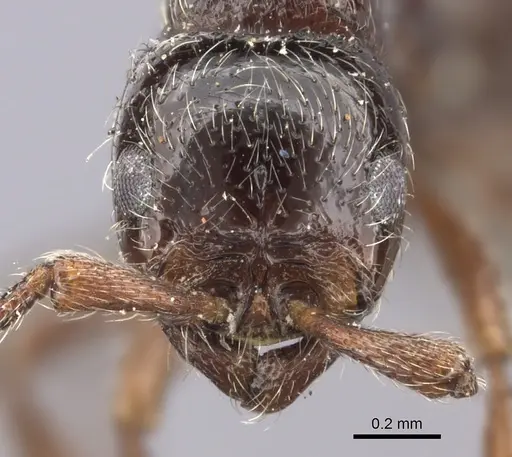
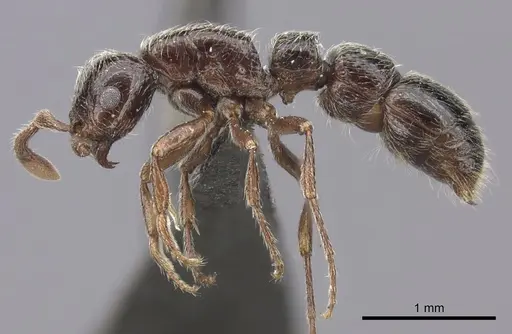
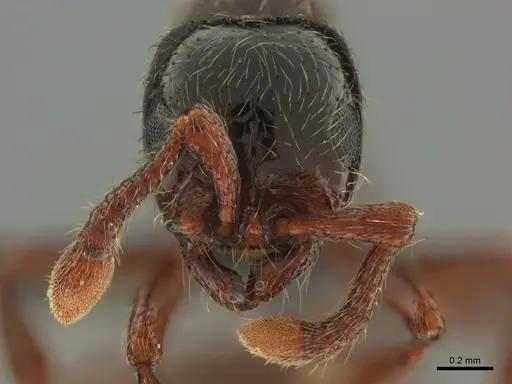
CASENT0815233
View on AntWeb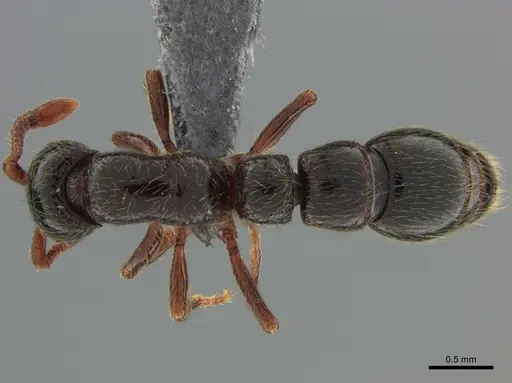
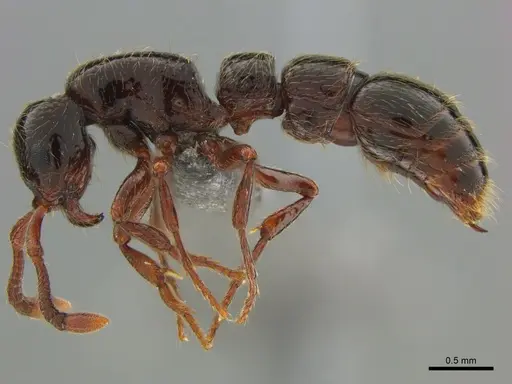
CASENT0902713
View on AntWeb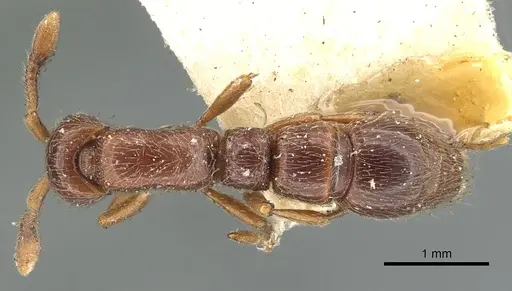
CASENT0907051
View on AntWeb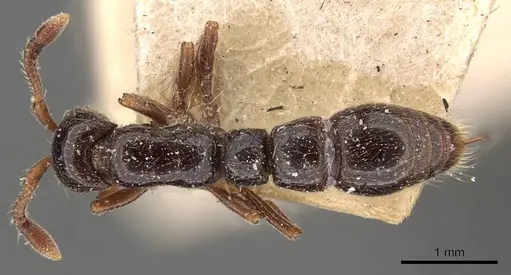
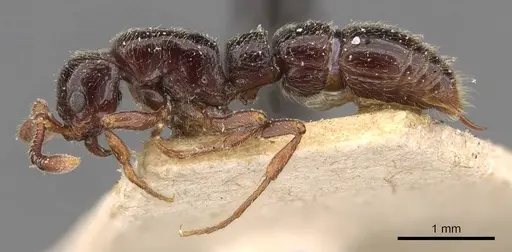
FOCOL0790
View on AntWeb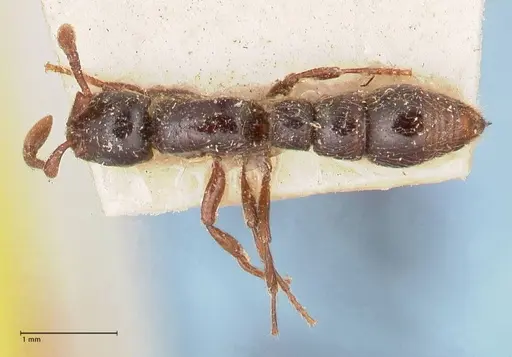
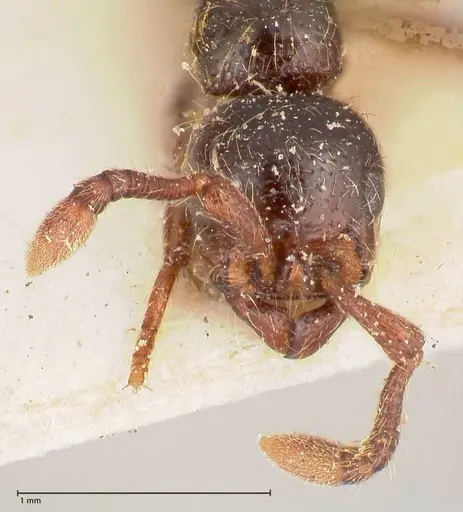
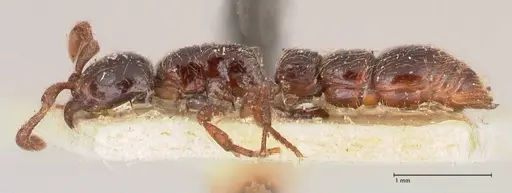
FOCOL0791
View on AntWeb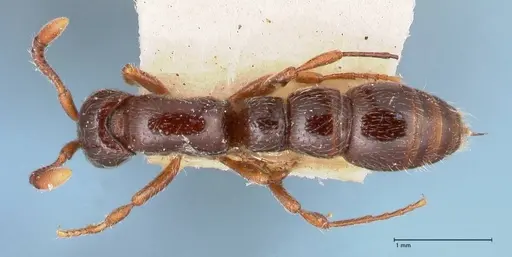
Literature
Loading distribution map...Loading products...