
Parasyscia imerinensis
- Sci. Name
- Parasyscia imerinensis
- Subfamily
- Dorylinae
- Author
- Forel, 1891
- Distribution
- Found in 1 countries
Introduction
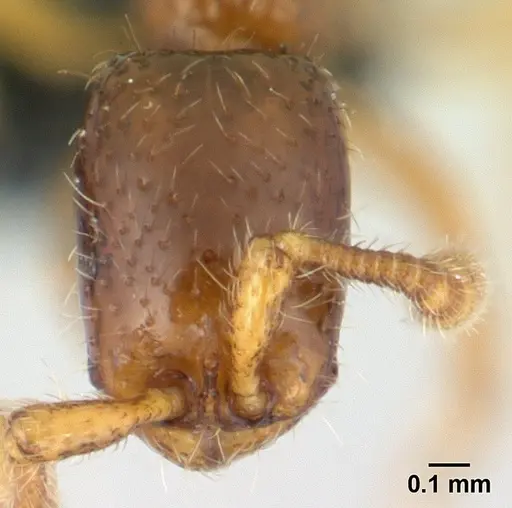
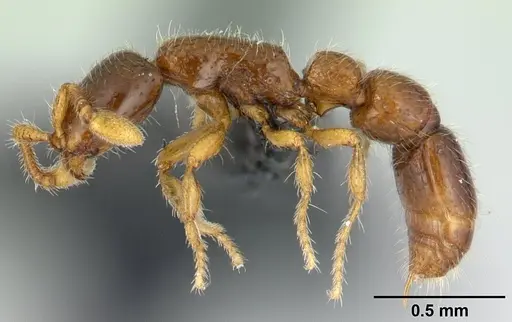
Parasyscia imerinensis is a small predatory ant species native to Madagascar, specifically the Imérina region . It has been observed in urban habitats such as botanical gardens and zoos in Antananarivo . The species belongs to the subfamily Dorylinae, which includes army ants and their relatives. Size data is unavailable for this species . This ant is known for its predatory behavior and ability to adapt to urban environments .
Quick Summary
- Difficulty: Medium
- Origin & Habitat: Native to Madagascar, Imérina region [1], observed in urban habitats [2].
- Colony Type: Colony structure is unconfirmed. Based on Dorylinae patterns, likely single-queen, but no specific data for this species.
- Size & Growth:
- Queen: size data unavailable
- Worker: size data unavailable
- Colony: Unknown
- Growth: Unknown
- Development: Unconfirmed (Development timeline is unknown for this species.)
- Antkeeping:
- Temperature: Keep at warm temperatures, roughly 24-28°C, based on native habitat climate [2].
- Humidity: Keep nest substrate consistently moist but not waterlogged, based on typical ant care for tropical species.
- Diapause: Unknown
- Nesting: Unconfirmed, but Dorylinae typically nest in soil or rotting wood [3].
- Behavior: Parasyscia imerinensis is a predatory ant species, likely hunting small invertebrates [3]. They are defensive if provoked but not aggressive toward humans. Escape prevention is critical due to small worker size.
- Common Issues: limited species-specific information makes care recommendations uncertain., predatory diet requires live prey which can be challenging to provide consistently., escape prevention is important due to small worker size., humidity control is critical, too dry causes brood death, too wet causes mold., wild-caught colonies may carry parasites that are difficult to detect.
Housing and Nest Setup
Parasyscia imerinensis can be housed in standard ant keeping setups. A test tube setup with a water reservoir works well for founding colonies. For established colonies, a small formicarium with plaster or soil chambers connected to a foraging area is appropriate. Because this is a small species, ensure that connections between nest and foraging areas are not too large. Provide a damp substrate in the nest area for brood development. The foraging area should be escape-proof, these tiny ants can squeeze through small gaps. Use fluon on container edges or fine mesh coverings [3].
Feeding and Diet
As a Dorylinae ant, P. imerinensis is predatory and requires live prey. Offer small live insects such as fruit flies, pinhead crickets, or small mealworms. The prey should be small enough for workers to subdue. Feed every 2-3 days, adjusting based on colony size. Remove uneaten prey after 24 hours to prevent mold. Sugar sources are unlikely to be accepted, these are strict predators [3].
Temperature and Seasonal Care
Maintain temperatures between 24-28°C for optimal colony health, based on the native Madagascar climate [2]. A slight temperature gradient is beneficial, allowing workers to move between warmer and cooler areas. Room temperature within this range is acceptable. Avoid temperatures above 32°C. Seasonal changes in activity are possible, reduce feeding slightly during any natural slow periods, but do not cool them dramatically unless the colony shows clear signs of dormancy.
Humidity Requirements
Keep the nest substrate consistently moist but not waterlogged. The substrate should feel damp to the touch. Madagascar has distinct wet and dry seasons, but the Imérina highlands maintain moderate humidity year-round. Mist the nest area occasionally, but allow it to dry slightly between mistings to prevent mold buildup. A water tube or reservoir in the test tube setup provides constant humidity.
Behavior and Colony Dynamics
Dorylinae ants are known for their predatory raids and organized foraging. Workers likely communicate through chemical signals and may form trails to food sources. Colonies probably grow gradually, with the queen laying eggs once established. Unlike some ants, Dorylinae workers typically do not store large amounts of food, they feed the brood directly. The colony may show increased activity at certain times of day. Watch for workers carrying dismembered prey back to the nest, this indicates successful hunting [3].
Frequently Asked Questions
How long does it take for Parasyscia imerinensis to produce first workers?
The egg-to-worker timeline is unconfirmed for this species. Based on typical Dorylinae development, expect several weeks at optimal tropical temperatures [3].
What do Parasyscia imerinensis ants eat?
They are predatory ants that require live prey. Feed small live insects like fruit flies or pinhead crickets. Remove uneaten prey after 24 hours [3].
Can I keep Parasyscia imerinensis in a test tube?
Yes, test tubes work well for founding colonies. Use a test tube with a water reservoir and cotton plug, keeping it horizontal and dark for the first few weeks. Once the colony has workers, you can connect it to a foraging area [3].
What temperature do Parasyscia imerinensis need?
Keep them at 24-28°C, based on their native Madagascar climate [2]. A temperature gradient is beneficial so workers can regulate their own temperature.
Are Parasyscia imerinensis good for beginners?
This species is rated as medium difficulty. The need for live prey and limited species-specific information makes it better suited for keepers with some experience.
How big do Parasyscia imerinensis colonies get?
Colony size is unconfirmed for this species. Based on related Dorylinae, colonies likely reach up to a few hundred workers, but data is unavailable.
Do Parasyscia imerinensis need hibernation?
Hibernation requirements are unknown for this species. As a Madagascar ant, they likely do not require true hibernation but may reduce activity during cooler or drier periods.
Why are my Parasyscia imerinensis dying?
Common causes include: improper humidity (too dry or too wet), temperatures outside their preferred range, lack of live prey, mold from uneaten food, or stress from too-large enclosures. Review each of these factors and adjust accordingly.
Report an Issue
The current care sheet is based fully on literature. See inconsistencies, or something that's incorrect? Please , it will be resolved after review from an admin. Contributing to the blogs tab also helps providing information, to make us be able to further improve the caresheets. Thank you for your support!
References

This caresheet is licensed under CC BY-SA 4.0 .
Community Blogs
CASENT0097099
View on AntWeb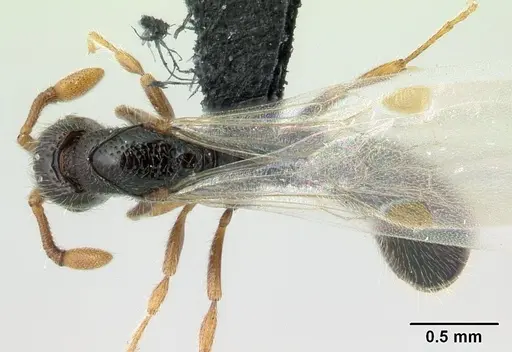
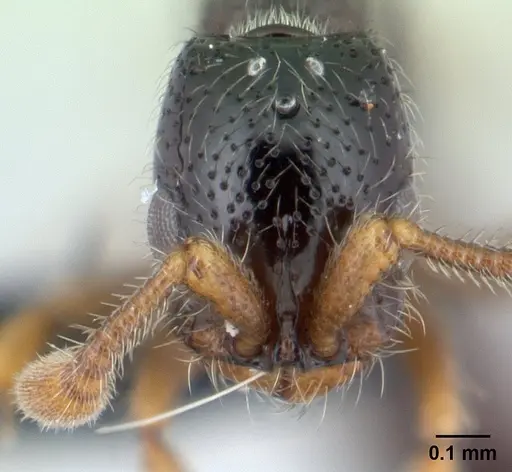
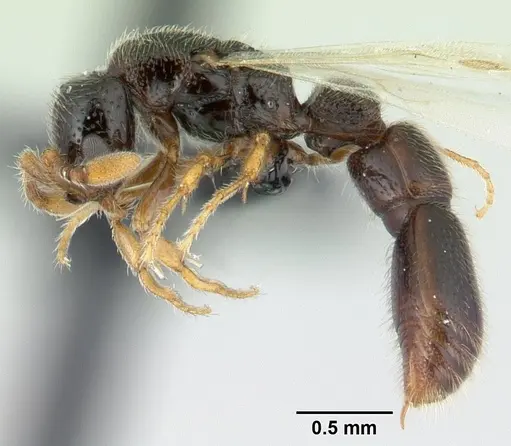
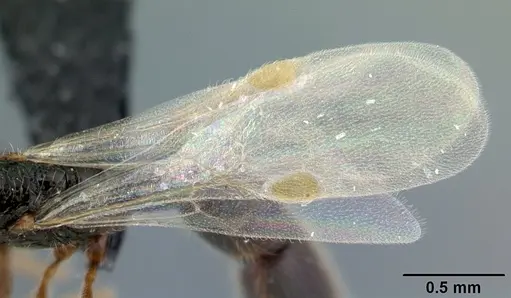
CASENT0492142
View on AntWeb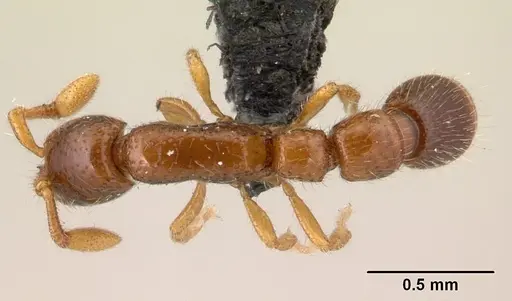
Literature
Loading distribution map...Loading products...