
Parasyscia faurei
- Sci. Name
- Parasyscia faurei
- Subfamily
- Dorylinae
- Author
- Arnold, 1949
- Distribution
- Found in 1 countries
Introduction
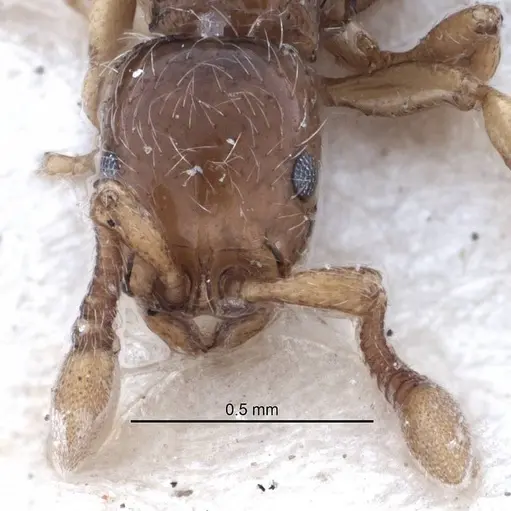
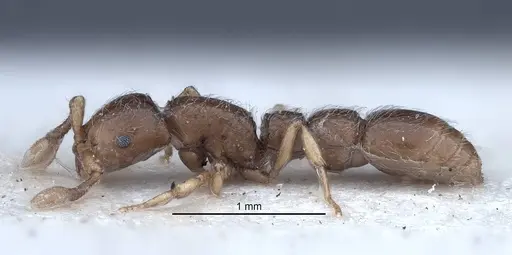
Parasyscia faurei is an ant species in the Dorylinae subfamily. Its distribution is limited to the Afrotropical region . Size, appearance, and habitat details are not documented in the current research literature. Specific behaviors and colony dynamics for this species are unknown.
Quick Summary
- Difficulty: Medium
- Origin & Habitat: Afrotropical region [1]
- Colony Type: Colony structure is unconfirmed for Parasyscia faurei.
- Size & Growth:
- Queen: Size data unavailable
- Worker: Size data unavailable
- Colony: Colony size is unknown
- Growth: Growth rate is unknown
- Development: Development timeline is unknown (No specific data on development is available.)
- Antkeeping:
- Temperature: Temperature needs are unclear, keep at warm temperatures around 24-28°C based on typical tropical ant patterns, but monitor and adjust.
- Humidity: Humidity needs are unclear, keep substrate moist but not waterlogged, as many ants require humidity.
- Diapause: Based on Afrotropical distribution, diapause is unlikely, but not confirmed.
- Nesting: Nesting preferences are unknown, use standard antkeeping setups with humidity control.
- Behavior: Behavior is unconfirmed for this species. Escape prevention may be critical if size is small, but size data is unavailable.
- Common Issues: size data is unavailable, so escape prevention requirements are unclear., humidity needs are unknown, so drying out may be a risk., prey requirements are unconfirmed, but regular protein may be needed.
General Care Advice
Due to limited research on Parasyscia faurei, specific care requirements are unknown. General antkeeping practices apply: maintain appropriate temperature and humidity, provide food, and ensure escape prevention. Use test tube setups for founding colonies and transfer to larger nests as the colony grows. Monitor the colony closely and adjust conditions based on observed behavior.
Frequently Asked Questions
How long does it take for Parasyscia faurei to produce first workers?
Development timeline is unknown for this species, as no research data is available.
Can I keep multiple Parasyscia faurei queens together?
Colony structure is unconfirmed, so it is unknown if multiple queens can be kept together.
Do Parasyscia faurei ants sting?
Stinging behavior is unconfirmed for this species.
What do I feed Parasyscia faurei?
Diet is unconfirmed, but as Dorylinae, they may be predatory. Provide small insects if keeping, but specific needs are unknown.
Are Parasyscia faurei good for beginners?
Due to unknown requirements, they are rated Medium difficulty. Beginners may find it challenging due to lack of specific care data.
How big do Parasyscia faurei colonies get?
Colony size is unknown for this species.
Do Parasyscia faurei need hibernation?
Based on Afrotropical distribution, diapause is unlikely, but not confirmed.
Why are my Parasyscia faurei dying?
Common causes are unknown, but may include improper humidity, temperature, or lack of food. Monitor conditions closely.
When should I move Parasyscia faurei to a formicarium?
Timing is unknown due to lack of growth data. Move when the test tube becomes crowded, but specific thresholds are unconfirmed.
Report an Issue
The current care sheet is based fully on literature. See inconsistencies, or something that's incorrect? Please , it will be resolved after review from an admin. Contributing to the blogs tab also helps providing information, to make us be able to further improve the caresheets. Thank you for your support!
References

This caresheet is licensed under CC BY-SA 4.0 .
Community Blogs
SAM-ENT-011559
View on AntWeb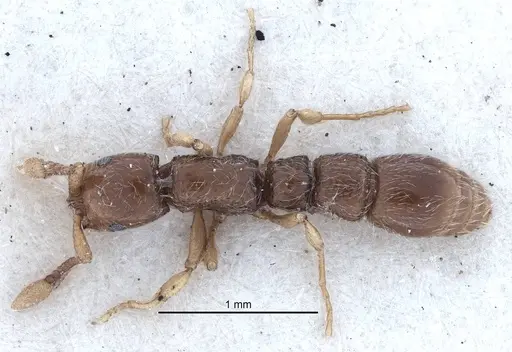
Literature
Loading distribution map...Loading products...