Paraponera clavata shows an extended activity window from January through December, spanning 11 months. This longer season suggests multiple flight events or varying conditions across its range. Peak activity occurs in January. This extended season suggests multiple flight events or varying conditions across its range.
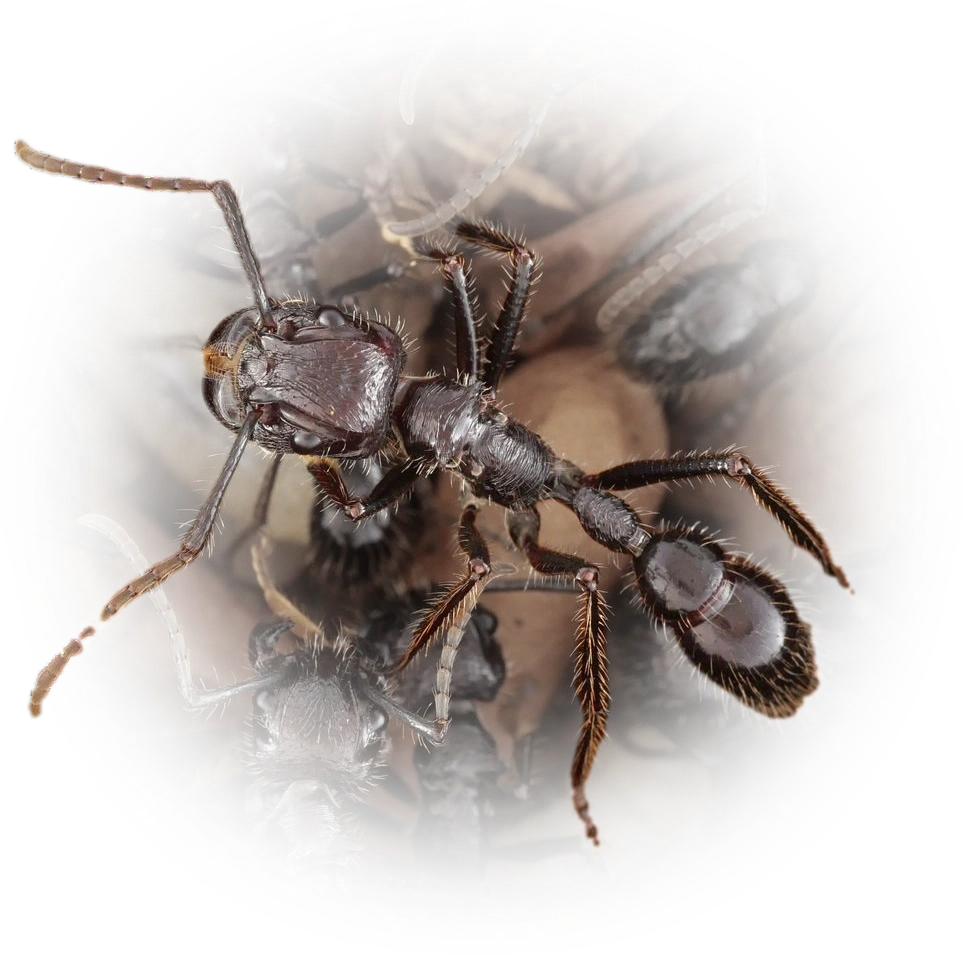
Bullet Ant
Paraponera clavata
- Sci. Name
- Paraponera clavata
- Tribe
- Paraponerini
- Subfamily
- Paraponerinae
- Author
- Fabricius, 1775
- Common Name
- Bullet Ant
- Distribution
- Found in 10 countries
- Queen Activity
- From January to December
- Peak Time
- 20:00
Introduction
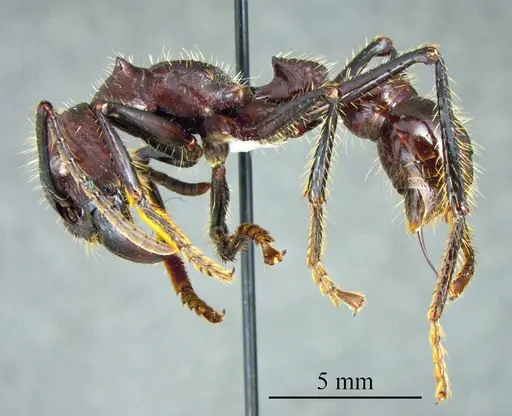
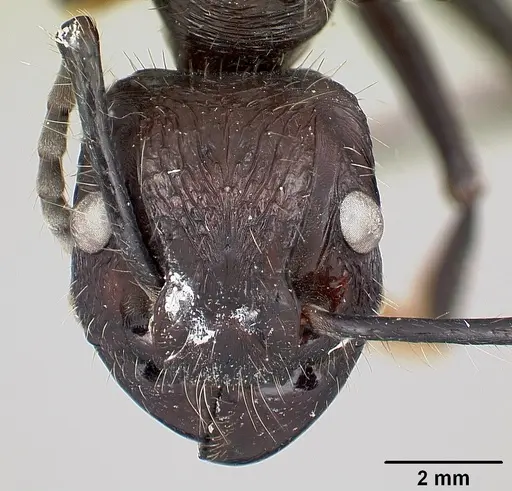
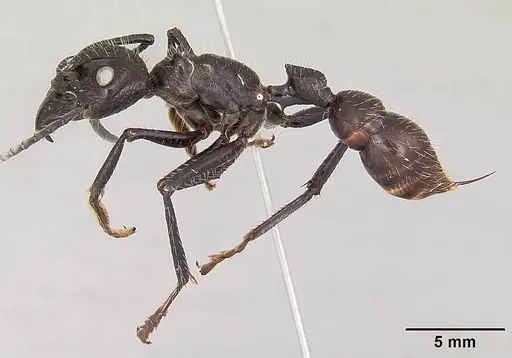
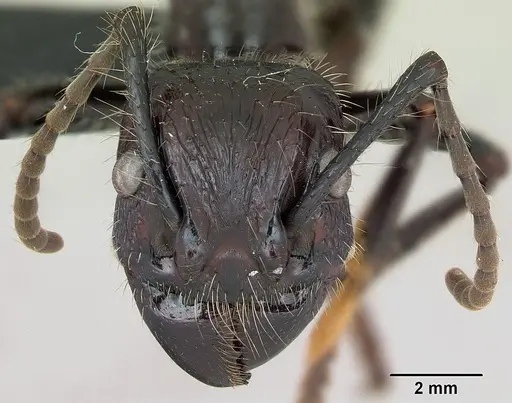
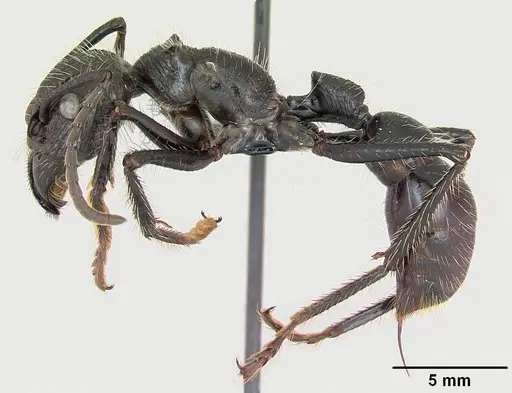
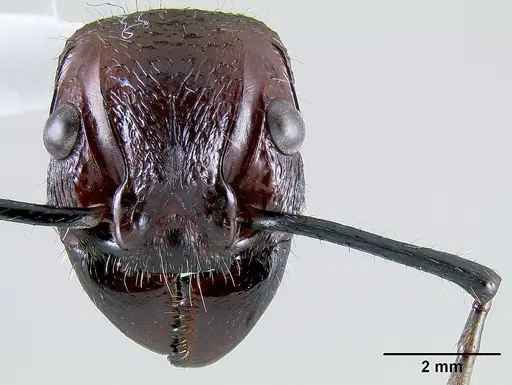
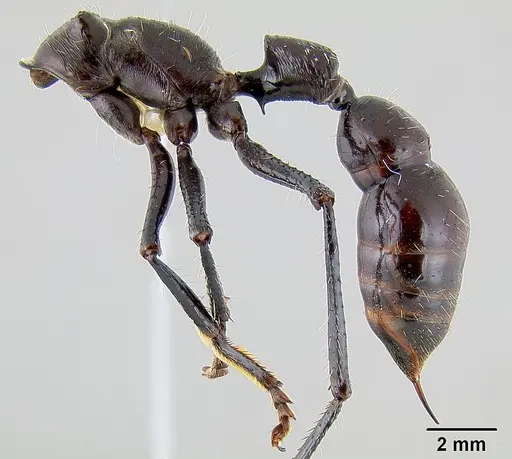
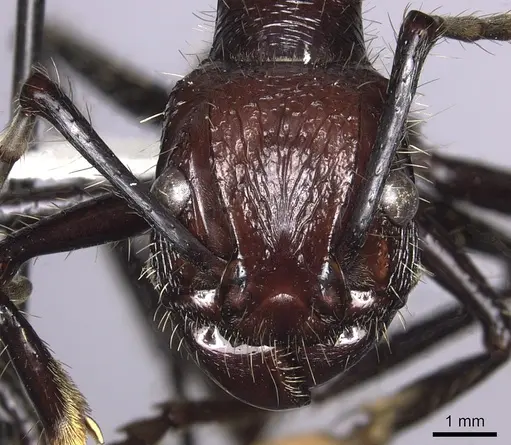
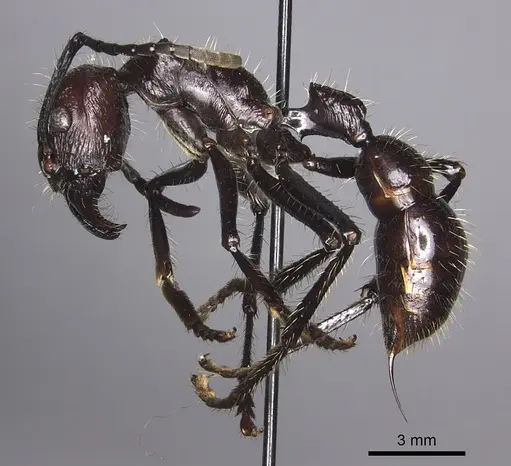
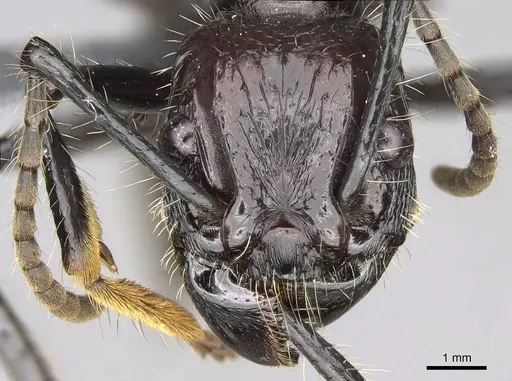
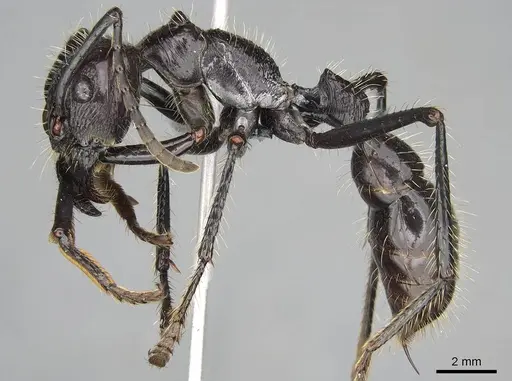
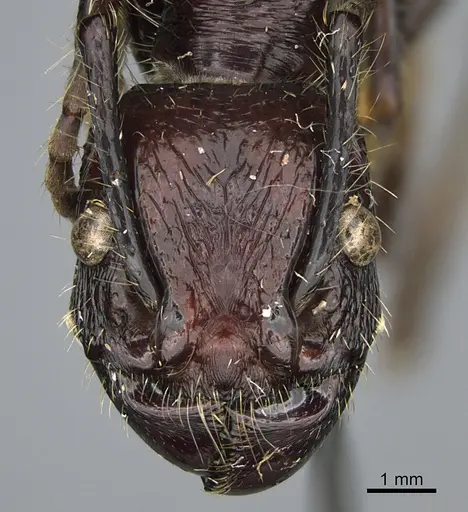
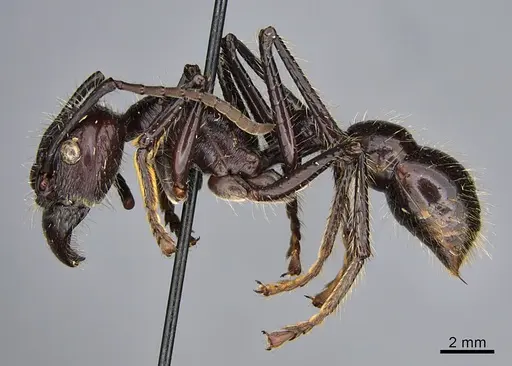
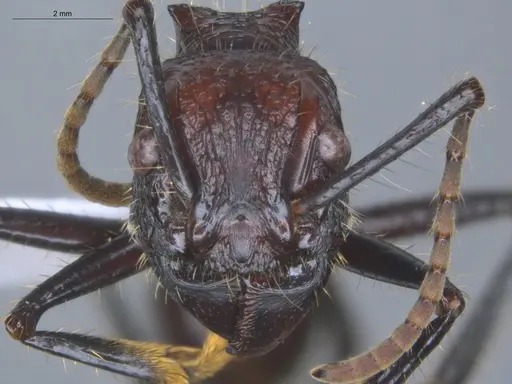
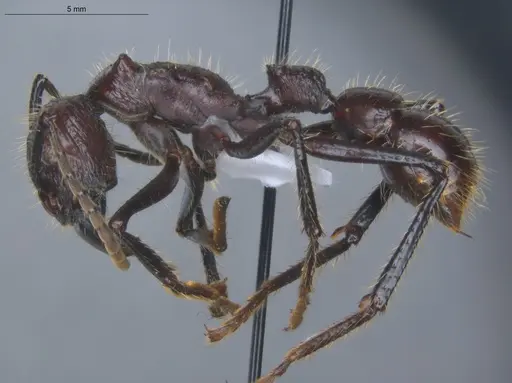
Paraponera clavata is one of the largest ants in the world, with workers measuring up to 30 mm in total length . These ants are easily recognized by their large size, dark coloration, and V-shaped antennal scrobes that curve above the eyes . They are the sole living species in the subfamily Paraponerinae, making them phylogenetically unique . In the wild, they inhabit tropical rainforests from Nicaragua to Paraguay and Brazil, typically nesting at the base of large trees . What sets this species apart is its extraordinarily painful sting, rated maximum on the Schmidt pain index, earning the name 'bullet ant' . The venom contains poneratoxin, causing intense pain lasting 3-5 hours or more, with systemic symptoms like fever and vomiting .
Quick Summary
- Difficulty: Expert
- Origin & Habitat: Tropical rainforests of Central and South America (Nicaragua to Paraguay and São Paulo, Brazil), found in mesophyllous forests below 1000 m elevation [1][3].
- Colony Type: Single-queen colonies (monogyne) [1][3].
- Size & Growth:
- Queen: Size data unavailable, no total length measurements found in literature.
- Worker: Up to 30 mm (total length) [1].
- Colony: Up to 3000 workers [1].
- Growth: Slow [5].
- Development: Approximately 1 year [5]. (First workers emerge after 5-6 months, with full colony development taking up to 18 months for initial brood [5].)
- Antkeeping:
- Temperature: Keep nest area warm and stable, roughly 24-28°C, based on tropical habitat [1].
- Humidity: Maintain high humidity with moist substrate, but avoid waterlogging [1].
- Diapause: No [1].
- Nesting: Provide spacious nesting with deep substrate (20-30 cm) and vertical structures for climbing [1][3].
- Behavior: Nocturnal foragers, solitary in vegetation, use pheromone trails for recruitment, aggressive when defending nest [1].
- Common Issues: slow development, colonies grow very slowly, taking up to a year for first workers., sting hazard, this species has the most painful sting of any ant. handle with extreme caution., large space requirements, colonies need significant space for nesting and foraging., specialized diet, they require a mix of protein prey and sugar sources., colony mortality, wild colonies have high mortality rates, captive colonies can be fragile if conditions aren't optimal [1].
Queen Ant Activity Analysis 839 observations
Queen Activity by Hour 839 observations
Paraponera clavata queen activity peaks around 20:00 during the evening. Activity is spread across a 17-hour window (06:00–22:00). Times may be influenced by human observation patterns.
Housing and Nest Setup
Paraponera clavata requires spacious housing due to their large size. Naturalistic setups with deep soil-based formicaria work best, with chambers sized 13-16 mm height and 5-10 cm diameter [1][3]. Nest depth should be at least 20-30 cm to mimic natural underground nests [1]. Include a water reservoir and maintain high humidity. Provide a vertical structure like a fake tree trunk for climbing to an outworld, allowing canopy-foraging behavior [1]. Use a secure, tall outworld to prevent escapes, as these ants are excellent climbers.
Feeding and Diet
This species is an opportunistic omnivore. In the wild,34-90% of their diet is liquid food like nectar, and 8-30% is prey or carrion [1]. Workers carry liquid food externally between their mandibles [6]. In captivity, offer sugar water or honey constantly, and protein sources like live insects 2-3 times per week [1]. They evaluate food quality based on volume, concentration, and distance from the nest [1].
Temperature and Climate Control
As a tropical species, keep nest temperatures warm and stable, roughly 24-28°C, based on their natural habitat [1]. Avoid temperatures below 22°C. Use a heating mat on one side to create a gentle gradient. High humidity is essential, keep substrate moist but not waterlogged [1].
Colony Development and Reproduction
Colony founding is semi-claustral, queens forage for food while raising first workers [5][1]. Development from egg to worker takes about one year, with first nanitics emerging after 5-6 months [5]. Workers can lay trophic eggs to feed larvae [5]. Colonies are monogynous, and males can live up to 116 days in captivity [1].
Sting and Safety
This species has the most painful sting of any Hymenoptera, rated 4+ on the Schmidt pain index [4]. Venom contains poneratoxin, causing intense pain lasting 3-5 hours or more, with systemic symptoms like fever and cardiac arrhythmia [1][4]. LD50 is approximately 6 mg/kg in vertebrates [1]. Only experienced keepers should handle this species, using protective equipment.
Behavior and Foraging
Workers are primarily nocturnal but forage during cloudy days [1]. They forage solitarily in vegetation, climbing trees to access canopy for nectar and prey [1]. Foraging trips cover up to 60 m from the nest, using pheromone trails and visual landmarks for navigation [1]. They can recruit up to 352 workers to food sources and use a 'bucket brigade' system for liquid transport [1].
Frequently Asked Questions
How long does it take for Paraponera clavata to produce first workers?
Expect approximately one year from egg to first workers, with nanitics emerging after 5-6 months [5].
Can I keep multiple Paraponera clavata queens together?
No, this species is monogyne, colonies have a single queen. Multiple queens will fight [1][3].
What do bullet ants eat?
They are omnivores: offer sugar water constantly and live insects for protein 2-3 times per week [1].
Do Paraponera clavata need hibernation?
No, as a tropical species, they do not require diapause [1].
How big do Paraponera clavata colonies get?
Mature colonies reach up to 3000 workers [1].
Are Paraponera clavata dangerous?
Yes, they have the most painful sting, causing severe pain and systemic symptoms. Only experienced keepers should attempt this species [4][1].
What size nest do I need for bullet ants?
They need large chambers and deep substrate (20-30 cm) [1][3].
How often should I feed my Paraponera clavata colony?
Offer protein (live insects) 2-3 times per week and sugar water constantly [1].
Why is my Paraponera clavata colony dying?
Common causes include incorrect temperature, humidity, space, or diet. Wild colonies have high mortality, so ensure optimal conditions [1].
When do Paraponera clavata queens forage?
Queen activity of Paraponera clavata typically occurs From January to December. Times may be influenced by human observation patterns.
What time of day are Paraponera clavata queens most active?
Queen activity of Paraponera clavata peaks around 20:00 during the evening, with most activity between 06:00 and 22:00. Times may be influenced by human observation patterns.
Report an Issue
The current care sheet is based fully on literature. See inconsistencies, or something that's incorrect? Please , it will be resolved after review from an admin. Contributing to the blogs tab also helps providing information, to make us be able to further improve the caresheets. Thank you for your support!
References

This caresheet is licensed under CC BY-SA 4.0 .
Community Blogs
ANTWEB1008572
View on AntWeb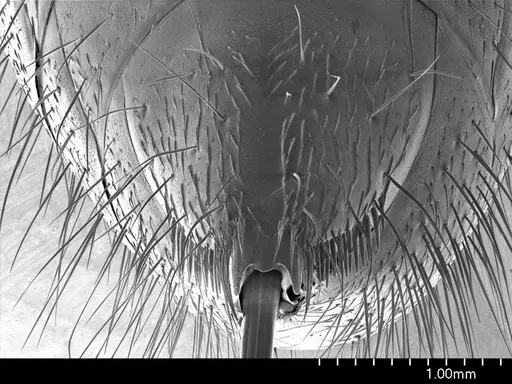
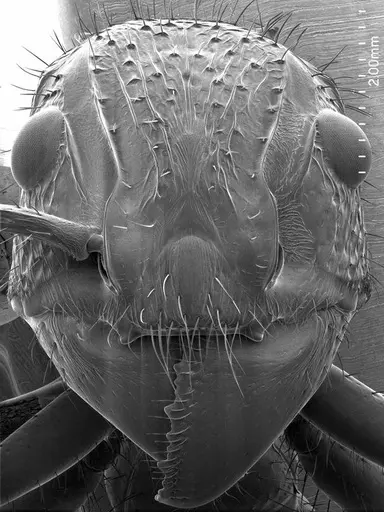
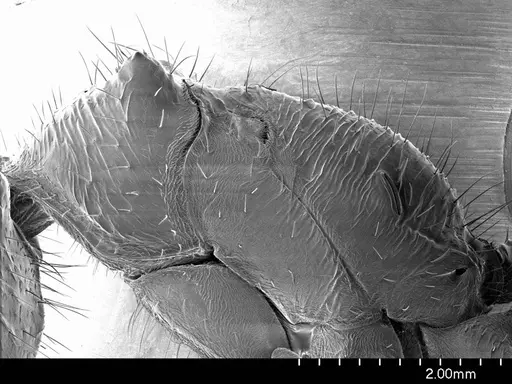
ANTWEB1041410
View on AntWeb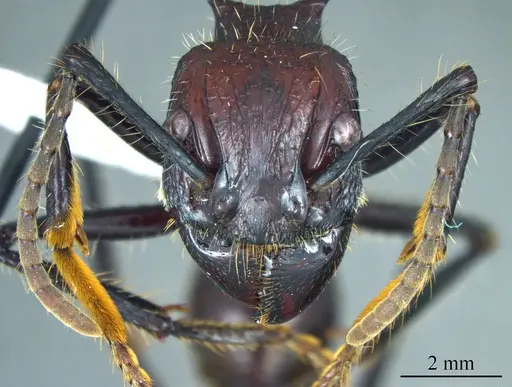
CASENT0003165
View on AntWeb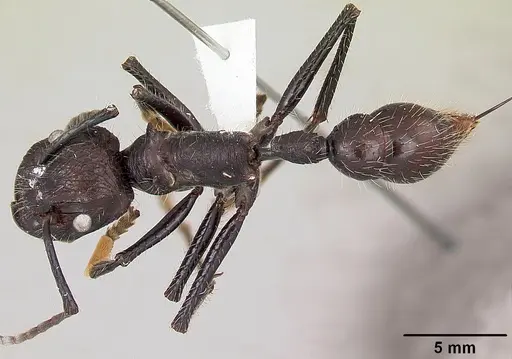
CASENT0006789
View on AntWeb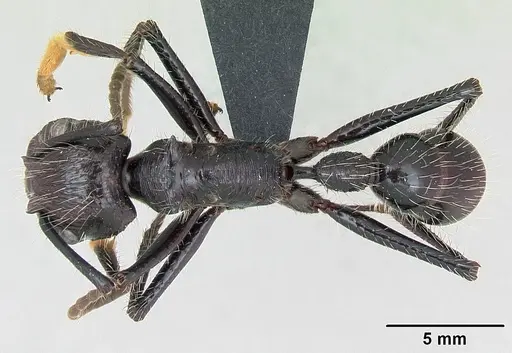
CASENT0106092
View on AntWeb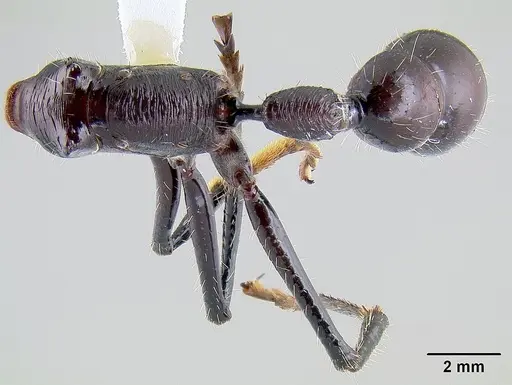
CASENT0260470
View on AntWeb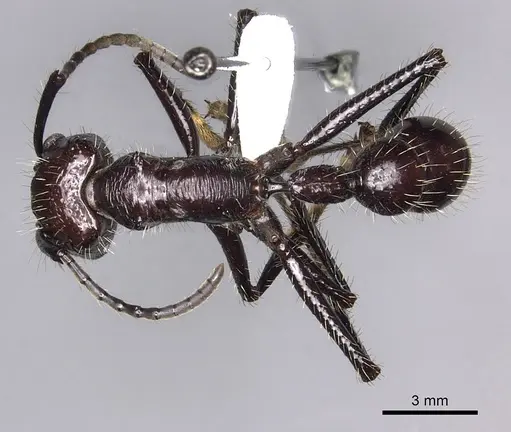
CASENT0370946
View on AntWeb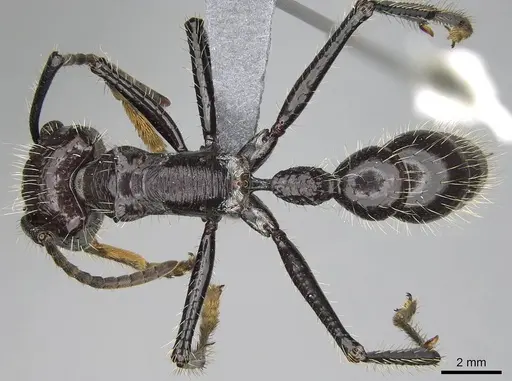
CASENT0902407
View on AntWeb
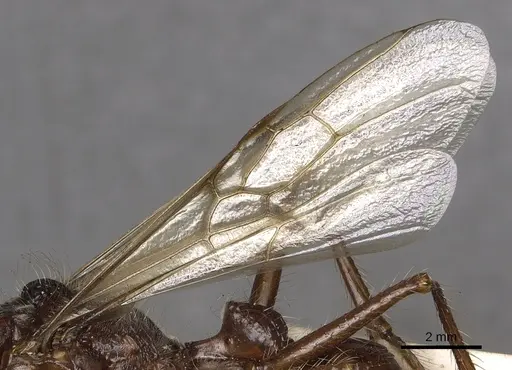
CASENT0913717
View on AntWeb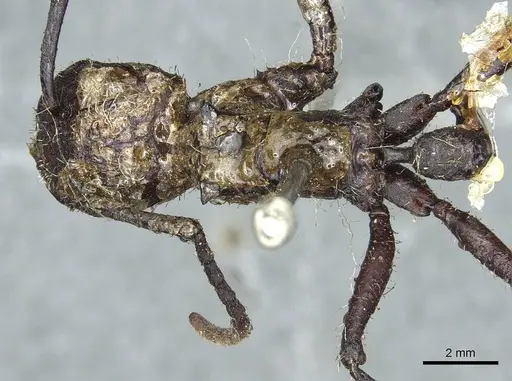
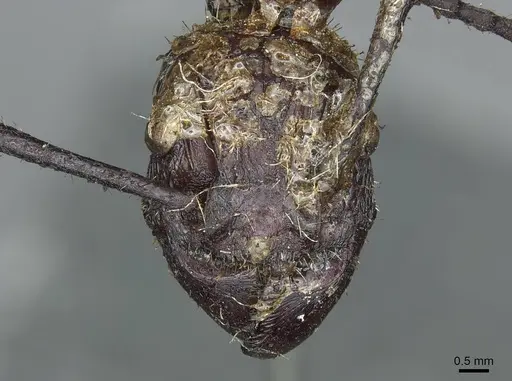
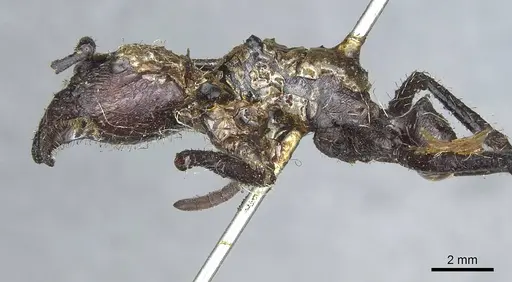
CASENT0923638
View on AntWeb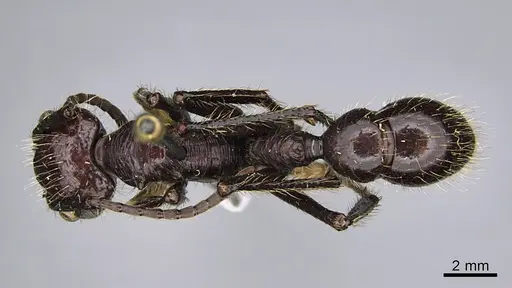
ECOFOG-BUG-2060-04
View on AntWeb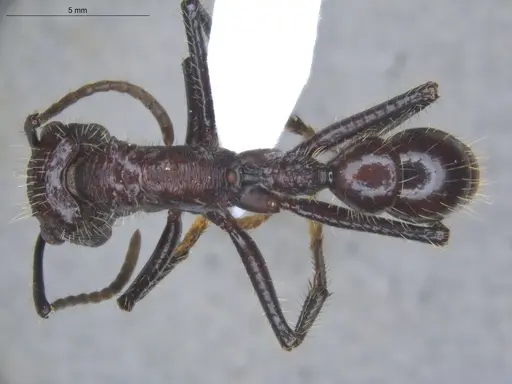
Literature
Loading distribution map...Loading products...