
Paraparatrechina weissi
- Sci. Name
- Paraparatrechina weissi
- Tribe
- Lasiini
- Subfamily
- Formicinae
- Author
- Santschi, 1910
- Distribution
- Found in 10 countries
Introduction
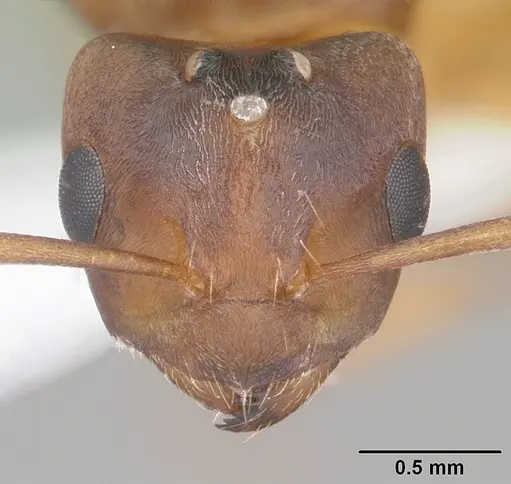
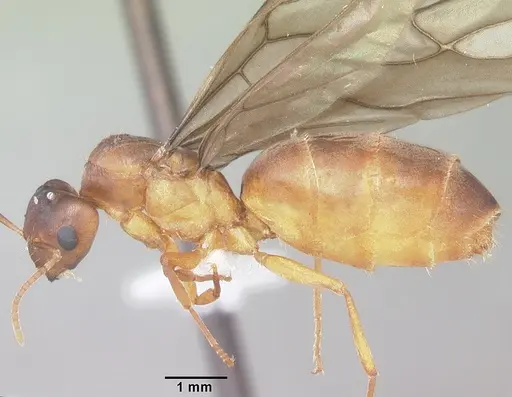
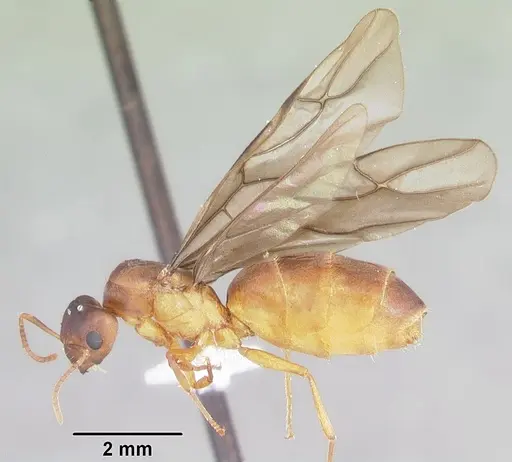
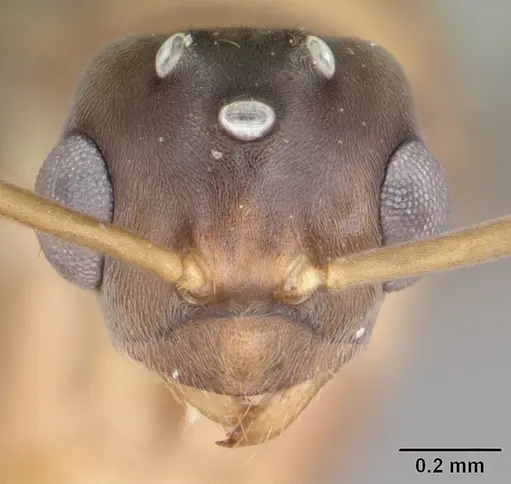
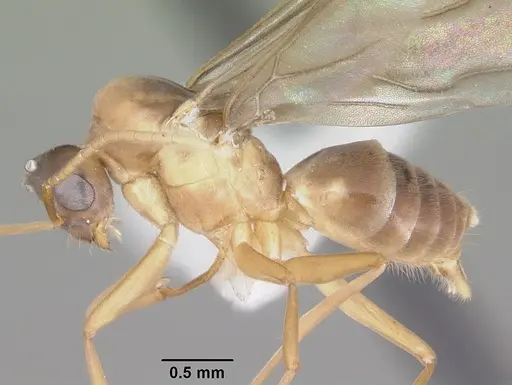
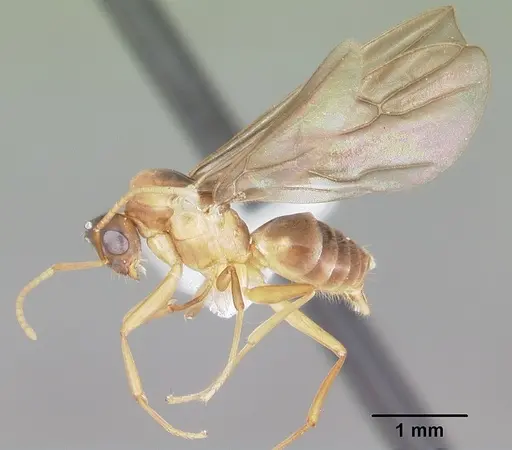
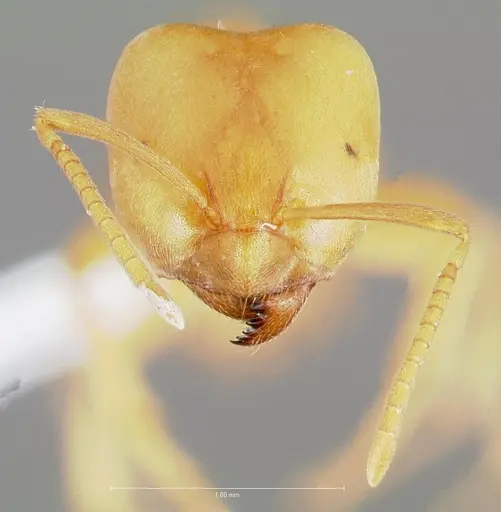
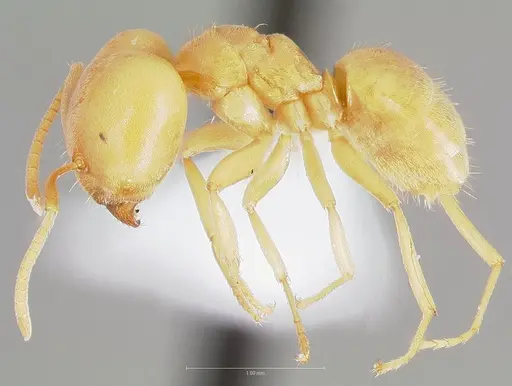
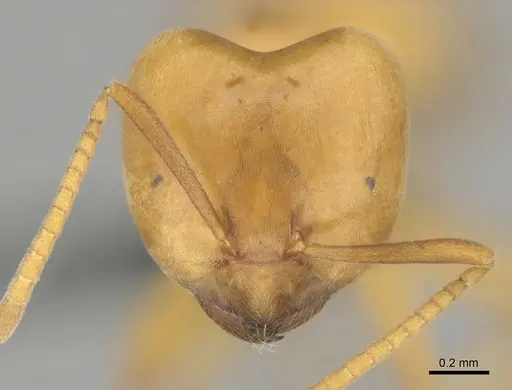
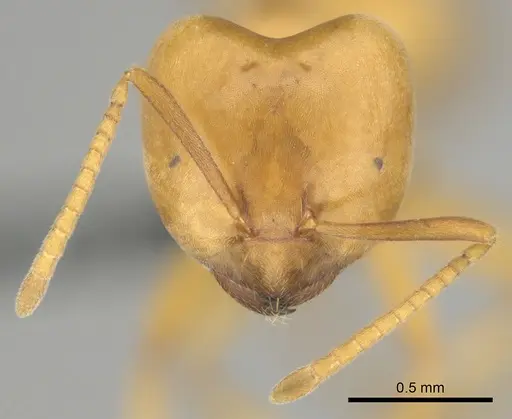
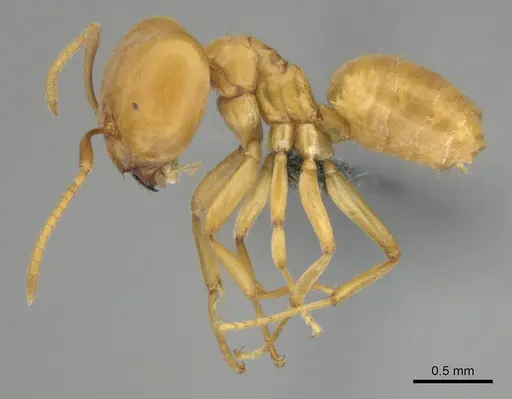
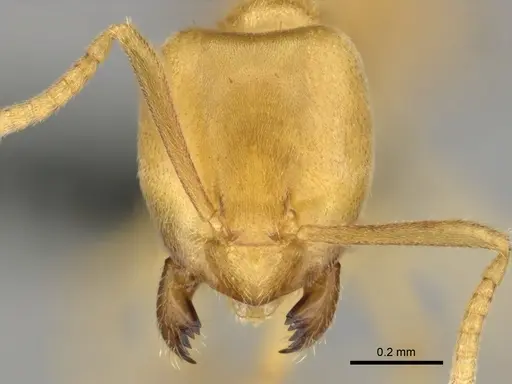
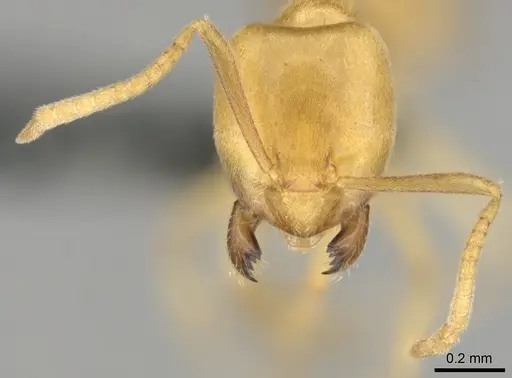
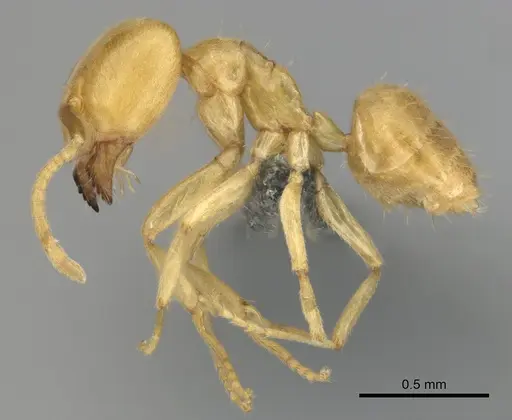
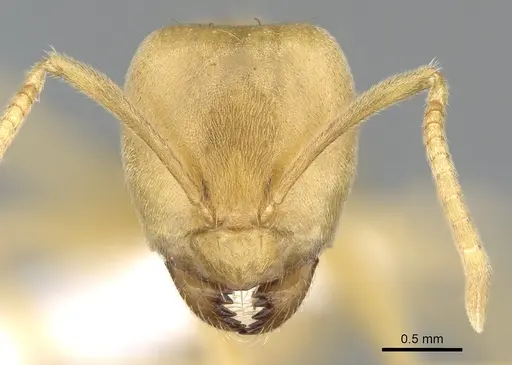
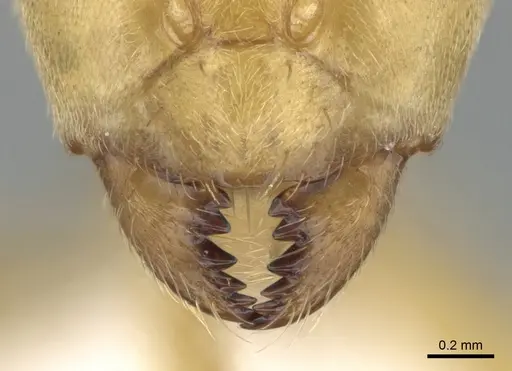
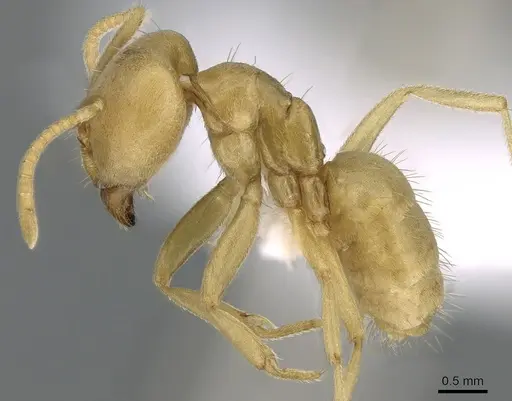
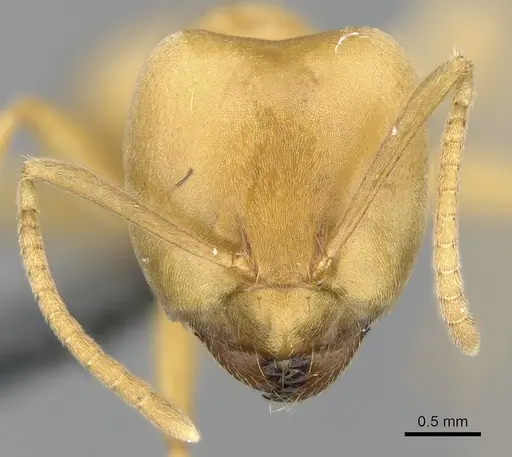
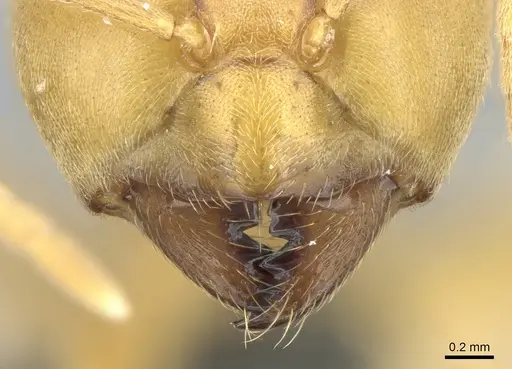
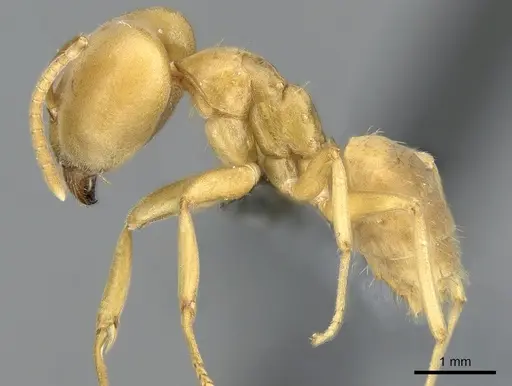
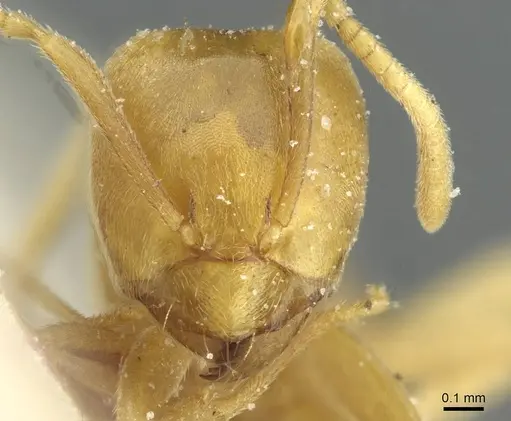
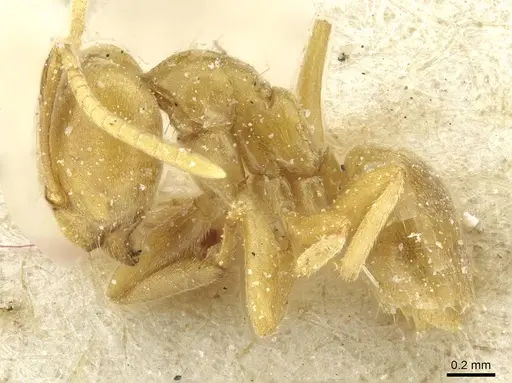
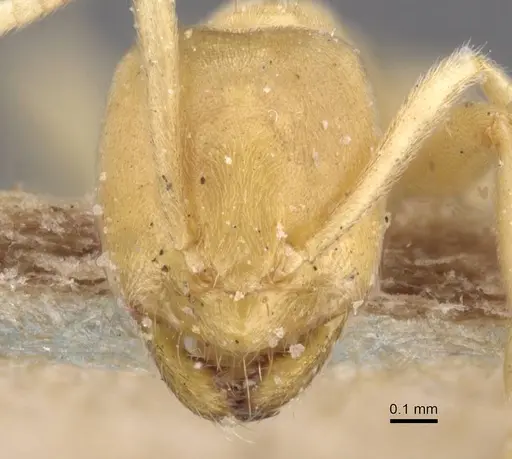
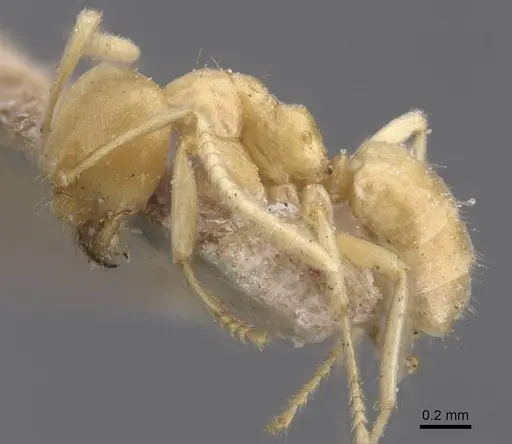
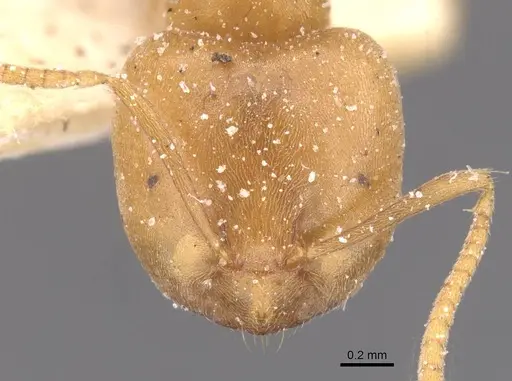
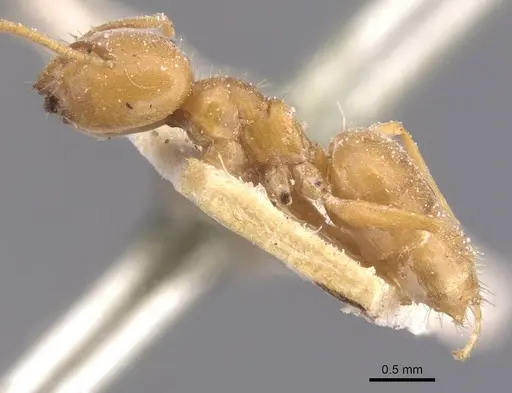
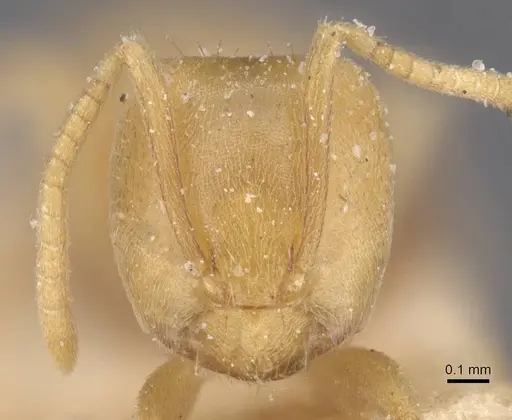
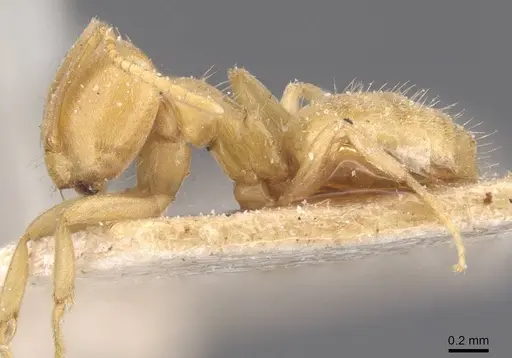
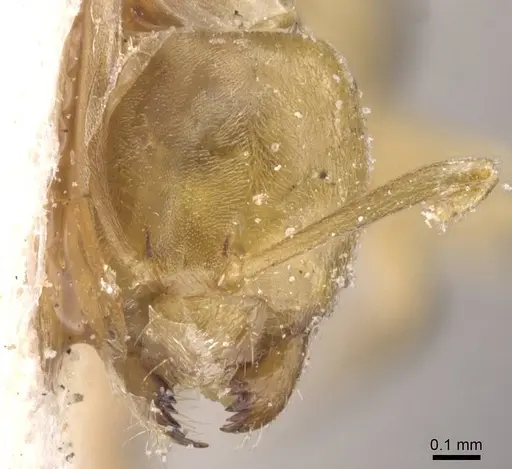
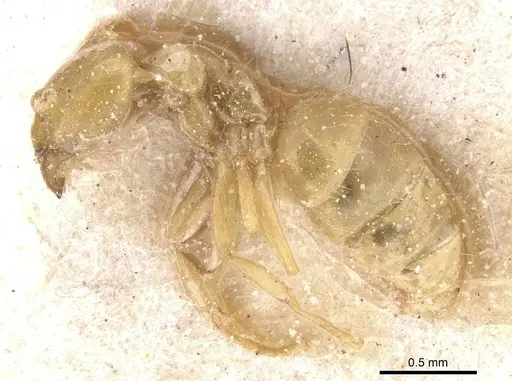
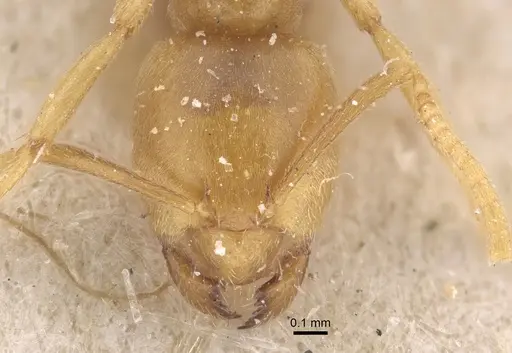
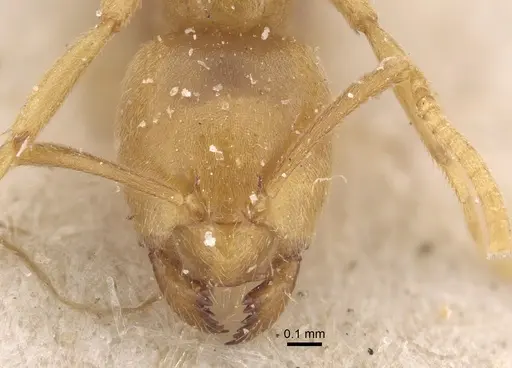
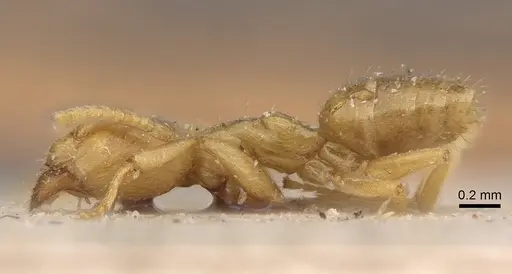
Paraparatrechina weissi is a small ant with pale to yellowish-brown coloration, native to the Afrotropical region from Ivory Coast to Uganda and southeastern Sudan . Workers are polymorphic, with major workers having a heart-shaped head and minor workers being smaller . This species has extremely reduced or absent eyes, adapting to a hypogaeic lifestyle . They nest in leaf-litter and rotting wood, often around roots, and are known for their extreme photophobia .
Quick Summary
- Difficulty: Hard
- Origin & Habitat: Afrotropical region, found in Central African Republic, Congo, Democratic Republic of Congo, Gabon, Ivory Coast, Kenya, Sudan, and Uganda [1]. They live in leaf-litter and rotting wood, nesting around roots [1].
- Colony Type: Unconfirmed, colony structure has not been documented in scientific literature
- Size & Growth:
- Queen: size data unavailable
- Worker: size data unavailable
- Colony: Unknown, no colony size data available
- Growth: Unknown, no growth rate data available
- Development: Estimated 4-8 weeks based on tropical Formicinae patterns, but no species-specific data available [2] (Development time may vary with temperature.)
- Antkeeping:
- Temperature: Keep warm and stable, roughly 24-28°C, based on tropical Formicinae patterns [2]
- Humidity: Keep substrate consistently moist but not waterlogged, as they nest in leaf-litter and rotting wood [1]
- Diapause: No, as a tropical species, they do not require diapause
- Nesting: Provide a naturalistic setup with damp substrate or a moisture-retaining Y-tong/plaster nest. Avoid bright lighting due to extreme photophobia [5][1]
- Behavior: This species is extremely photophobic and avoids light [5]. They are shy and reclusive, navigating by touch and chemical cues. Major workers have heart-shaped heads but are not aggressive. Escape risk is moderate due to small size, use standard barriers.
- Common Issues: stress from bright lighting due to extreme photophobia, difficulty observing colony due to underground lifestyle, limited captive data makes care challenging
Nest Preferences
In the wild, Paraparatrechina weissi nests in leaf-litter and rotting wood, typically around plant roots [1]. They are one of only two known polymorphic Paraparatrechina species and show clear adaptations to a hypogaeic lifestyle, including extremely reduced or completely lacking eyes [3][4]. For captivity, a naturalistic setup with damp substrate works well, or a Y-tong/plaster nest that retains moisture. Provide plenty of cover and avoid bright lighting, they are extremely photophobic and will avoid lit areas [5]. Keep the nest area dark by covering three sides of any formicarium with a dark background.
Feeding and Diet
Diet is not specifically documented for Paraparatrechina weissi. As a Formicine ant, they likely consume carbohydrates like honeydew and proteins from small insects, but this is inferred from related genera [2]. In captivity, offer sugar water or honey as a carbohydrate source, and small insects like fruit flies or pinhead crickets for protein. Start with small offerings and observe what they accept.
Temperature and Care
As a tropical Afrotropical species, Paraparatrechina weissi likely prefers warm, stable temperatures. Start around 24-28°C and observe colony behavior [2]. If workers are consistently clustered together, they may want it warmer, if they avoid the heated area, reduce temperature. Unlike temperate species, they likely do not require a diapause period, maintain warm conditions year-round. The most important care consideration is their extreme photophobia [5], keep them in low-light conditions and avoid exposing the nest to bright lights or direct sunlight.
Behavior and Temperament
This species is characterized by extreme photophobia, they actively avoid light [5]. Combined with their reduced or absent eyes, they are likely nocturnal or active primarily in low-light conditions, navigating primarily through touch and chemical cues (pheromones). They are polymorphic with major and minor worker castes [1]. Major workers have distinctive roughly heart-shaped heads with posterior margins that are medially impressed. They are not known to be aggressive and are likely a shy, reclusive species. Handle minimally and keep disturbance to a minimum.
Colony Structure and Growth
Paraparatrechina weissi is polymorphic, meaning colonies contain both major (larger) and minor (smaller) workers [1]. Considerable morphological variation exists between castes, with majors having much wider heads proportionate to their mesosoma than minors. Blending between castes can occur, meaning some workers show intermediate characteristics [1]. The maximum colony size is unknown, no published data exists on wild or captive colony sizes. Colony structure (whether single-queen or multi-queen) has also not been documented. This is one of only two known polymorphic Paraparatrechina species, along with P. bufona [4].
Frequently Asked Questions
How do I keep Paraparatrechina weissi?
This is a rarely kept species with limited captive data. Provide a naturalistic setup with damp substrate or a moisture-retaining Y-tong/plaster nest. Keep temperatures warm (24-28°C) and most importantly, keep them in low-light conditions, they are extremely photophobic and will stress in bright environments [5][1].
What do Paraparatrechina weissi eat?
Diet is not specifically documented, but as Formicine ants they likely accept sugar sources (honey, sugar water) and small insects. Offer small prey items appropriate to their tiny size [2].
Do Paraparatrechina weissi need hibernation?
No, as a tropical species from central Africa, they do not require a diapause period. Maintain warm temperatures year-round.
Are Paraparatrechina weissi good for beginners?
Not recommended for beginners. This species has almost no captive husbandry data, and their extreme photophobia and hypogaeic lifestyle make them challenging to observe and care for properly [5].
How big do Paraparatrechina weissi colonies get?
Unknown, no published data exists on maximum colony size for this species.
Do Paraparatrechina weissi have majors and minors?
Yes, they are polymorphic with major and minor worker castes. Major workers have distinctive roughly heart-shaped heads, while minor workers are smaller with more typical ant morphology [1].
Why are my Paraparatrechina weissi avoiding light?
This is normal behavior, they are extremely photophobic and likely nocturnal or active in low-light conditions. Their eyes are extremely reduced or completely absent, indicating an underground lifestyle [3][5]. Keep their formicarium in a dark location and avoid exposing them to bright lights.
How long does it take for Paraparatrechina weissi to develop from egg to worker?
Estimated 4-8 weeks based on tropical Formicinae patterns, but no species-specific data exists [2].
Can I keep multiple queens together?
Not documented. The colony structure (single-queen or multi-queen) has not been studied for this species. Without data, combining unrelated queens is not recommended.
Report an Issue
The current care sheet is based fully on literature. See inconsistencies, or something that's incorrect? Please , it will be resolved after review from an admin. Contributing to the blogs tab also helps providing information, to make us be able to further improve the caresheets. Thank you for your support!
References

This caresheet is licensed under CC BY-SA 4.0 .
Community Blogs
CASENT0104153
View on AntWeb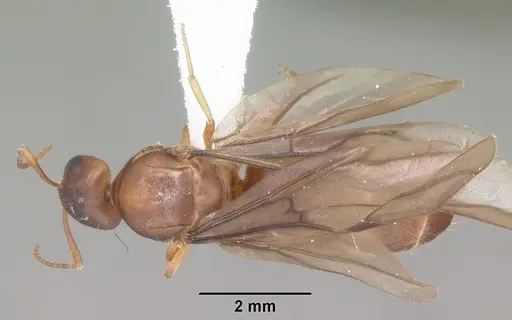
CASENT0104154
View on AntWeb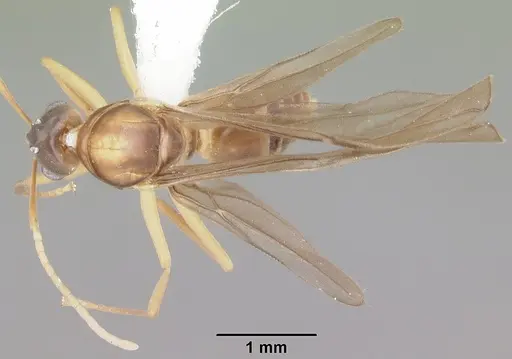
CASENT0357343
View on AntWeb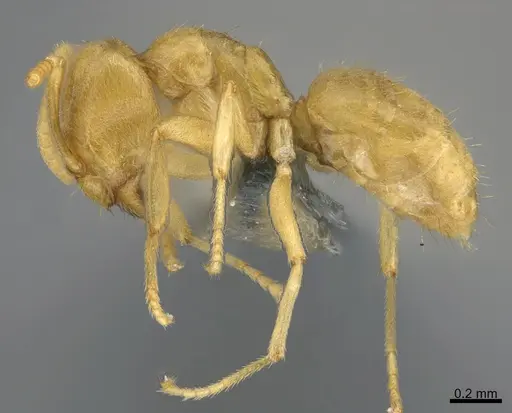
CASENT0406725
View on AntWeb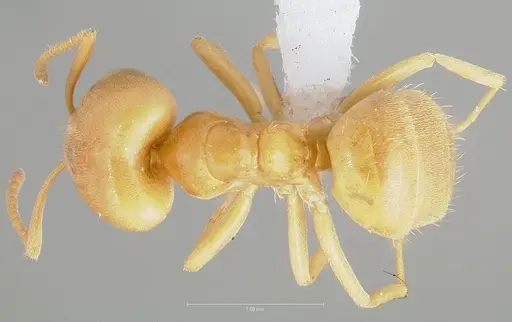
CASENT0815907
View on AntWeb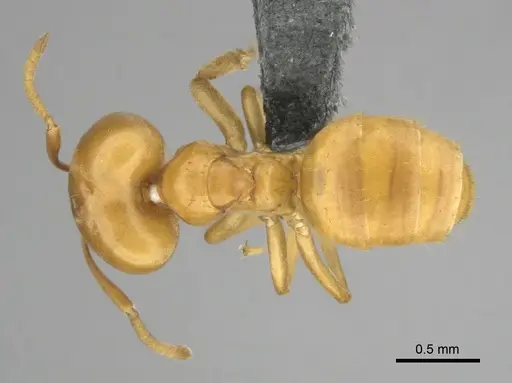
CASENT0815908
View on AntWeb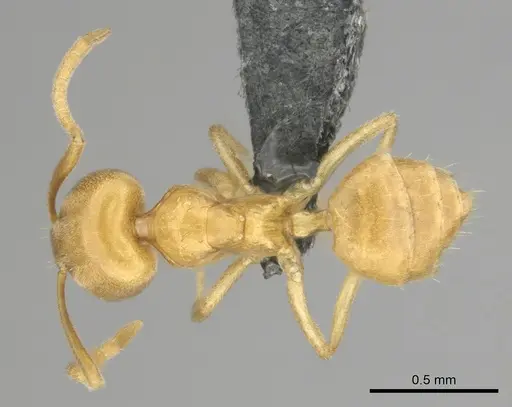
CASENT0906210
View on AntWeb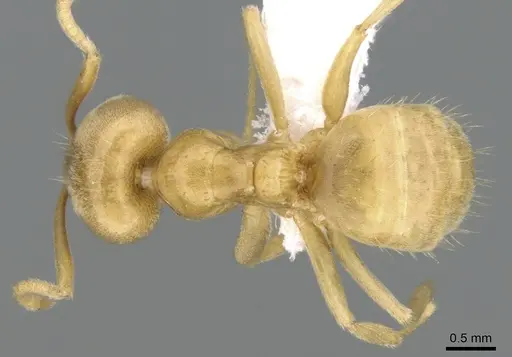
CASENT0906211
View on AntWeb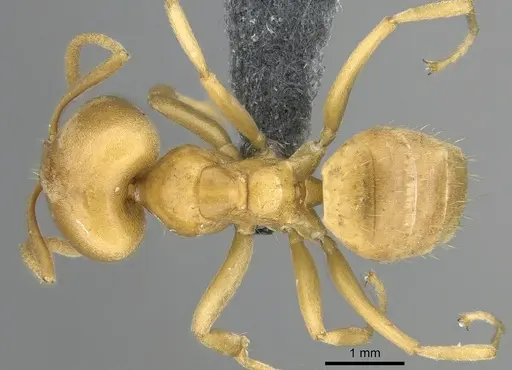
CASENT0912317
View on AntWeb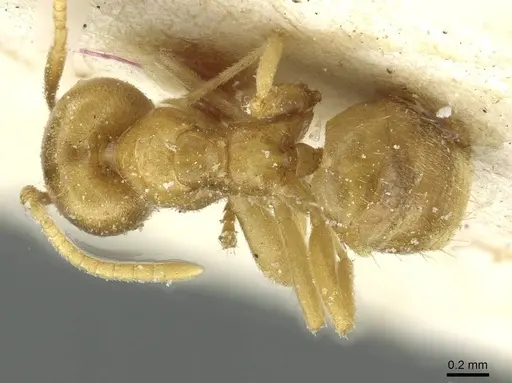
CASENT0912320
View on AntWeb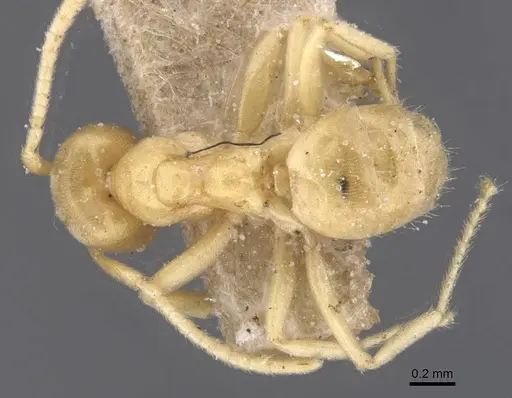
CASENT0912328
View on AntWeb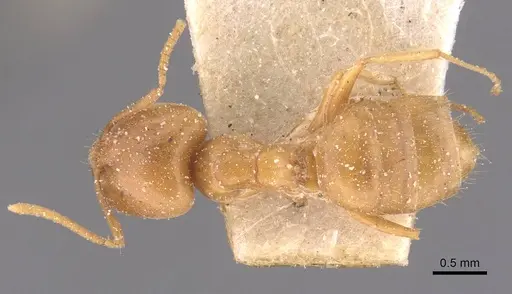
CASENT0912329
View on AntWeb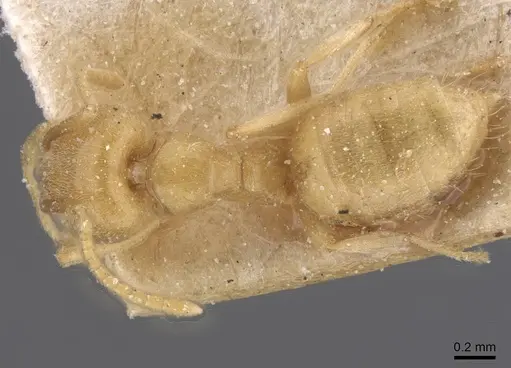
CASENT0912330
View on AntWeb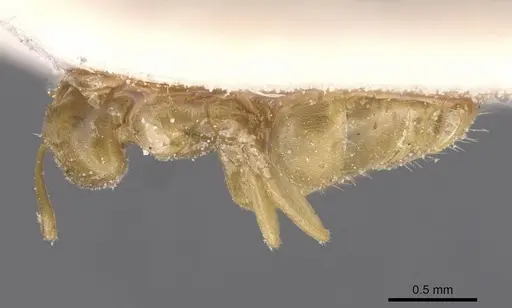
CASENT0917866
View on AntWeb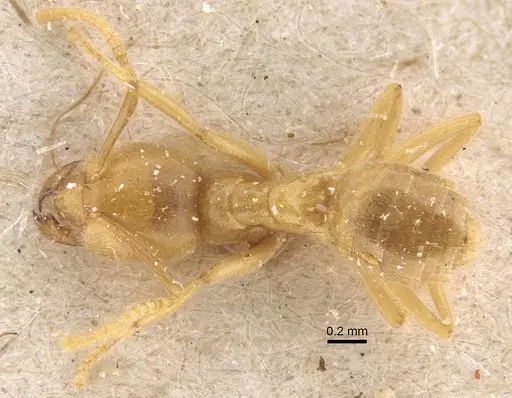
Literature
Loading distribution map...Loading products...