
Paraparatrechina umbranatis
- Sci. Name
- Paraparatrechina umbranatis
- Tribe
- Lasiini
- Subfamily
- Formicinae
- Author
- LaPolla & Cheng, 2010
- Distribution
- Found in 5 countries
Introduction
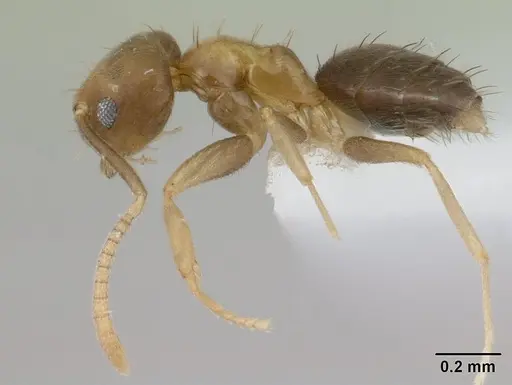
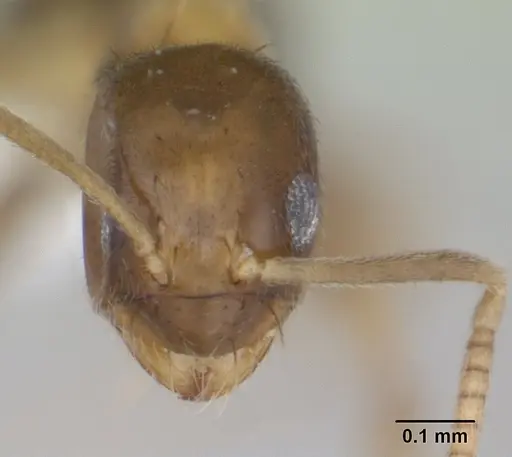
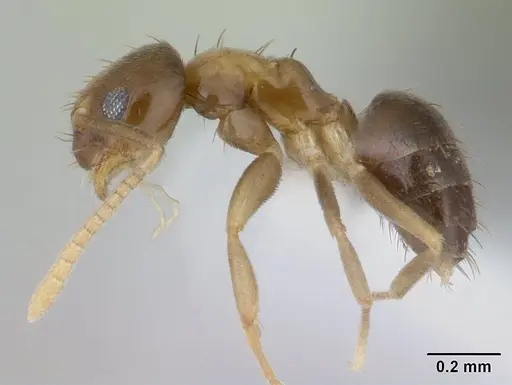
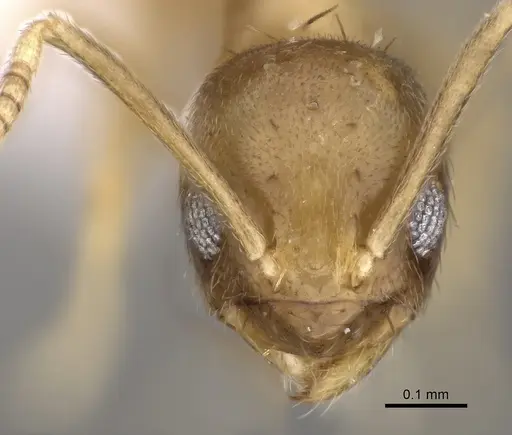
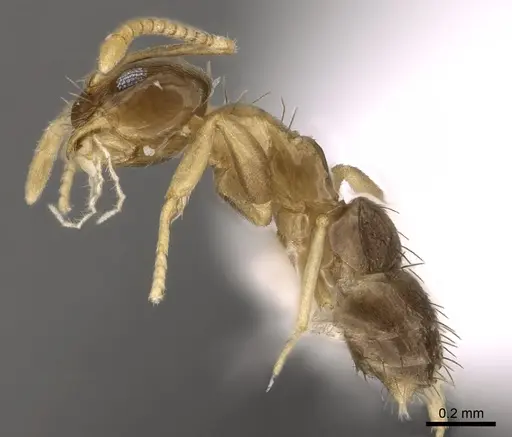
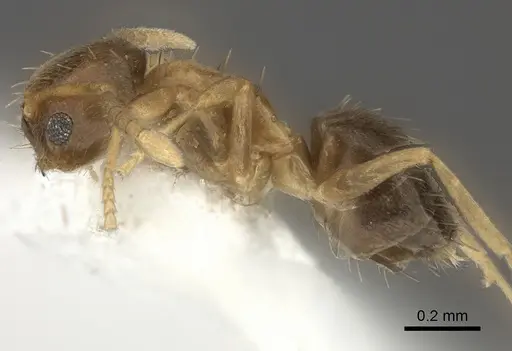
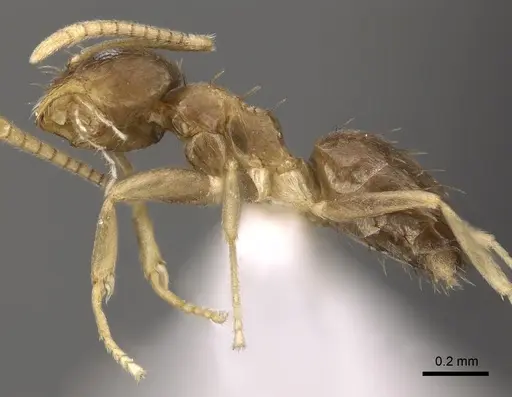
Paraparatrechina umbranatis is a tiny ant species native to Central and East African rainforests. Workers measure 1.19-1.57 mm in total length . Their most distinctive feature is their bicolored appearance: the head and mesosoma are yellowish-brown while the gaster is conspicuously darker brown - this is the only Paraparatrechina species considered truly bicolored . Described in 2010,only the worker caste is known . They inhabit tropical rainforests and cleared forests, nesting in leaf litter or rotten logs, and are generalistic feeders that often tend hemipterans for honeydew .
Quick Summary
- Difficulty: Medium
- Origin & Habitat: Found in Angola, Gabon, Kenya, and Rwanda in tropical rainforests and cleared forests, nesting in leaf litter or rotten logs [1][2][4].
- Colony Type: Colony structure is unconfirmed, only workers have been documented, so queen number and social organization are unknown [1].
- Size & Growth:
- Queen: Unknown, queen caste has not been described [1].
- Worker: 1.19-1.57 mm total length [1][2].
- Colony: Unknown, no colony size data available.
- Growth: Unknown, no development data exists.
- Development: Unknown, no direct measurements. Based on similar tiny tropical Formicinae, expect approximately 4-8 weeks at warm temperatures, but this is an estimate. (No published development data exists. Growth rate is inferred from genus patterns and tropical climate.)
- Antkeeping:
- Temperature: Keep at 24-28°C. As a tropical species from African rainforests, they need warm conditions [4].
- Humidity: Keep the nest substrate consistently moist but not waterlogged, as they nest in moist leaf litter or logs [4].
- Diapause: Unknown, tropical species may not require formal hibernation.
- Nesting: Based on genus behavior, they prefer nesting in moist substrate like leaf litter, rotting wood, or soil. In captivity, a small test tube setup works well for founding colonies. For established colonies, a small Y-tong nest or plaster nest with moist substrate maintains needed humidity [4].
- Behavior: These are tiny, generally docile ants. They are generalist feeders that likely accept sugar sources and small protein prey. Their small size makes them excellent escape artists, use fine mesh barriers. Workers forage individually and may tend to hemipterans for honeydew [4].
- Common Issues: tiny size means escapes are likely without fine mesh barriers., high humidity requirements can lead to mold if ventilation is poor., slow growth and small size make them easy to lose or overlook., no published care information means experimentation is required., wild-caught colonies may have parasites that affect survival.
Appearance and Identification
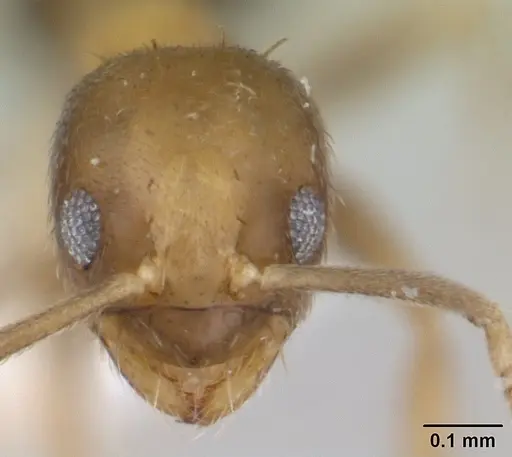
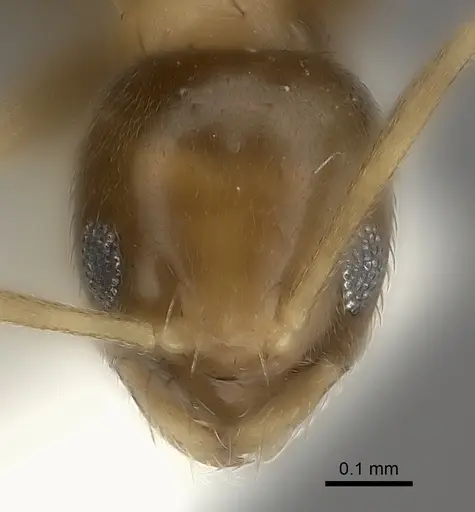
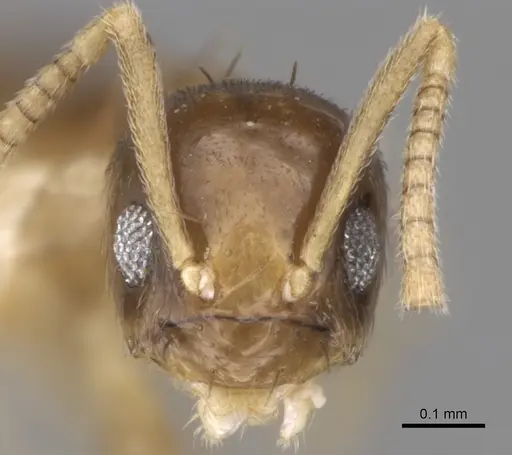
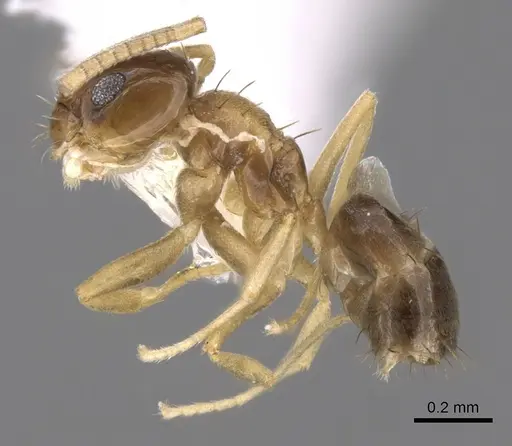
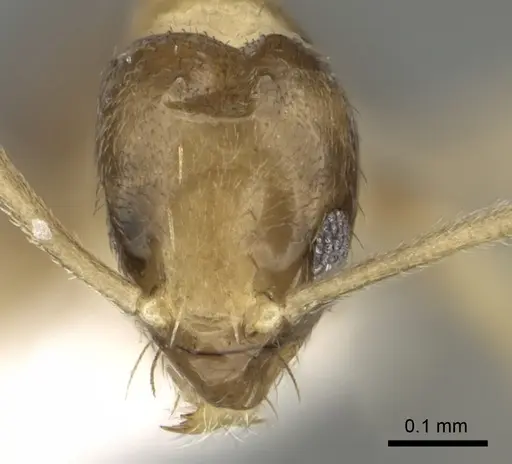
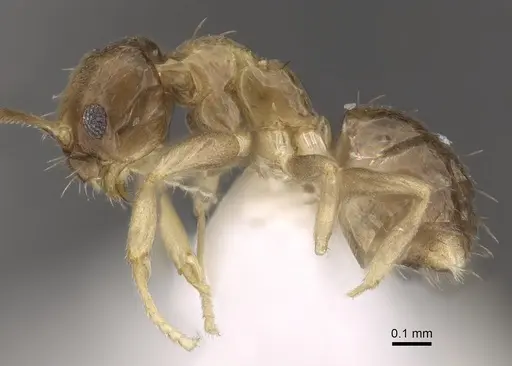
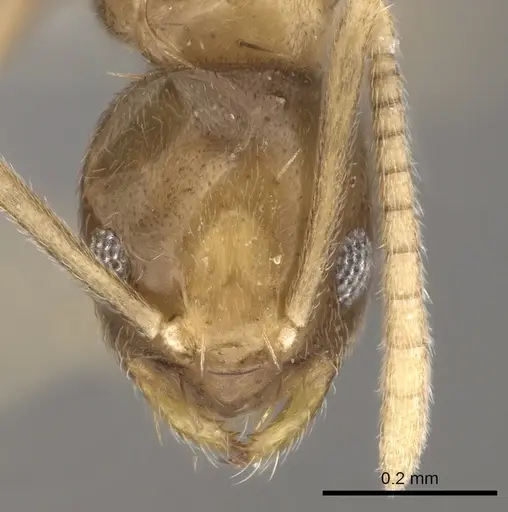
Paraparatrechina umbranatis workers are tiny, measuring 1.19-1.57 mm in total length [1][2]. Their most distinctive feature is their bicolored appearance: the head and mesosoma are yellowish-brown to light brown, while the gaster is conspicuously darker brown, this is the only Paraparatrechina species considered truly bicolored [1][2][3]. The head is slightly longer than broad, covered in fine pubescence. The scapes extend past the back of the head by about the length of the first funicular segment. Legs are generally lighter than the mesosoma, becoming whitish toward the tarsi [1][2].
Natural History and Habitat
This species is known from Angola, Gabon, Kenya, and Rwanda, inhabiting tropical rainforests and cleared forests [1][2][4]. They nest in leaf litter or rotten logs and are generalistic feeders. They often form trophobiotic relationships with hemipterans like aphids, farming them for honeydew [4].
Housing and Nest Setup
Due to their tiny size, careful housing is needed. For founding colonies, a test tube setup works well, fill one-third with water, plug with cotton, and keep horizontal for water access. For established colonies, use a small Y-tong nest or plaster nest with moist substrate to maintain humidity. Cover air holes with fine mesh to prevent escapes. Avoid large open spaces and ensure chambers are appropriately sized [4].
Feeding and Diet
They are generalist feeders. Offer sugar sources like honey water or diluted maple syrup, and protein foods like fruit flies or small mealworms. Prey should be appropriately sized for their small workers. They may accept honeydew substitutes, reflecting their natural trophobiotic relationships [4].
Temperature and Humidity Requirements
Maintain temperatures between 24-28°C, as they are tropical species [4]. Humidity is critical: keep nest substrate consistently moist but not waterlogged, mimicking their natural moist forest floor. Provide a water tube and mist the outworld occasionally, but ensure good ventilation to prevent mold [4].
Colony Development and Expectations
No published data exists on colony development. Based on similar tiny tropical Formicinae, expect egg-to-worker development of approximately 4-8 weeks at warm temperatures, but this is an estimate. Colony size in the wild is unknown, but given their tiny size, colonies likely remain small.
Behavior and Temperament
Workers are small and generally docile, not aggressive toward keepers. Their tiny size makes escape prevention critical, use fine mesh barriers. They forage individually and may tend hemipterans for honeydew, as is common in the genus [4].
Frequently Asked Questions
How long does it take for Paraparatrechina umbranatis to produce first workers?
The exact development time is unknown, no published data exists. Based on similar tiny tropical Formicinae, expect approximately 4-8 weeks from egg to worker at optimal temperatures (24-28°C).
What do Paraparatrechina umbranatis ants eat?
They are generalist feeders. Offer sugar water, honey water, or diluted maple syrup as a constant energy source. For protein, provide tiny insects like fruit flies or small mealworms [4].
Can I keep Paraparatrechina umbranatis in a test tube?
Yes, a test tube setup works well for founding colonies. Use a small test tube filled one-third with water, plugged with cotton, and keep it horizontal for queen access [4].
What temperature do Paraparatrechina umbranatis need?
Keep them warm at 24-28°C. As a tropical African species, they need consistent warmth [4].
Are Paraparatrechina umbranatis good for beginners?
This species is challenging for beginners because no published care information exists, you'll be experimenting. Their tiny size and high humidity requirements make them difficult. Recommended for experienced keepers.
How big do Paraparatrechina umbranatis colonies get?
Colony size is unknown, no published data exists. Based on their tiny worker size, colonies likely remain small.
Do Paraparatrechina umbranatis need hibernation?
Unknown, as a tropical species, they likely do not require formal hibernation. They may slow down during cooler periods.
Why are my Paraparatrechina umbranatis dying?
Common causes include low humidity, temperatures outside 24-28°C, escapes due to inadequate barriers, mold from poor ventilation, or stress from handling. Review these factors when troubleshooting [4].
Can I keep multiple queens together?
Colony structure is unconfirmed, only workers are known. Combining unrelated queens is not recommended due to lack of information [1].
When should I move my colony to a formicarium?
Move to a Y-tong or plaster nest once the colony reaches 20-30 workers and the test tube is crowded. Ensure the new nest maintains high humidity [4].
Is Paraparatrechina umbranatis invasive anywhere?
This species is native to Central and East Africa. There is no documentation of it being invasive. Never release them outside their native range [5].
Report an Issue
The current care sheet is based fully on literature. See inconsistencies, or something that's incorrect? Please , it will be resolved after review from an admin. Contributing to the blogs tab also helps providing information, to make us be able to further improve the caresheets. Thank you for your support!
References

This caresheet is licensed under CC BY-SA 4.0 .
Community Blogs
CASENT0178764
View on AntWeb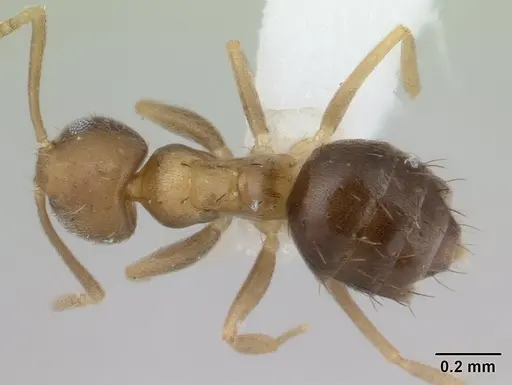
CASENT0178765
View on AntWeb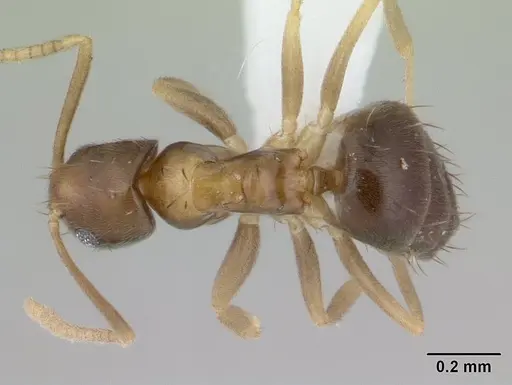
CASENT0192284
View on AntWeb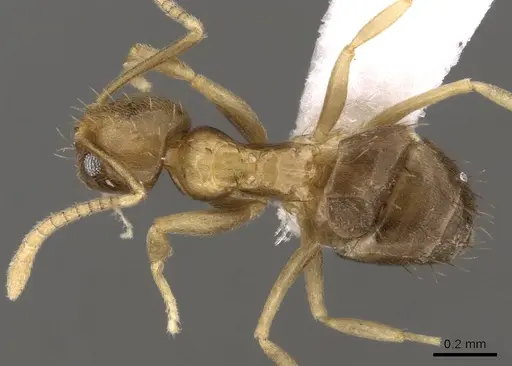
CASENT0217204
View on AntWeb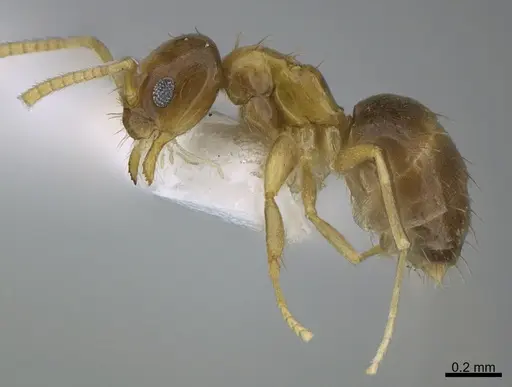
CASENT0217736
View on AntWeb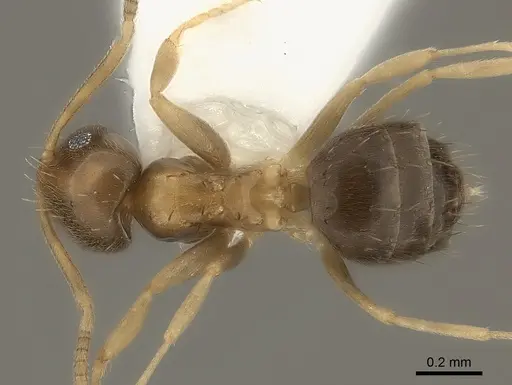
CASENT0281151
View on AntWeb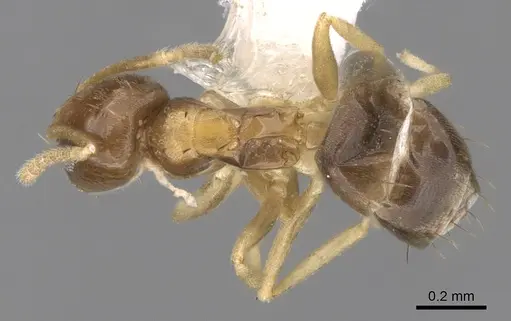
CASENT0317049
View on AntWeb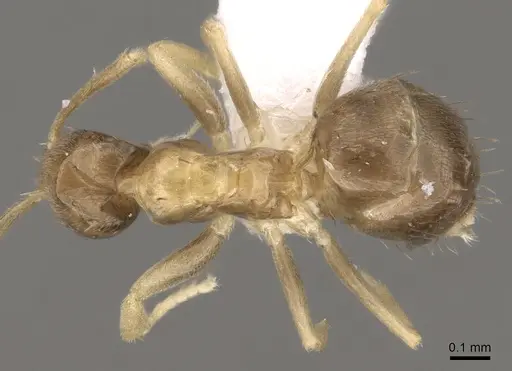
CASENT0317050
View on AntWeb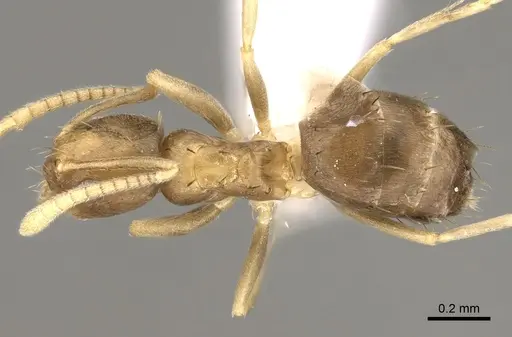
Literature
Loading distribution map...Loading products...