
Paraparatrechina sauteri
- Sci. Name
- Paraparatrechina sauteri
- Tribe
- Lasiini
- Subfamily
- Formicinae
- Author
- Forel, 1913
- Distribution
- Found in 4 countries
Introduction
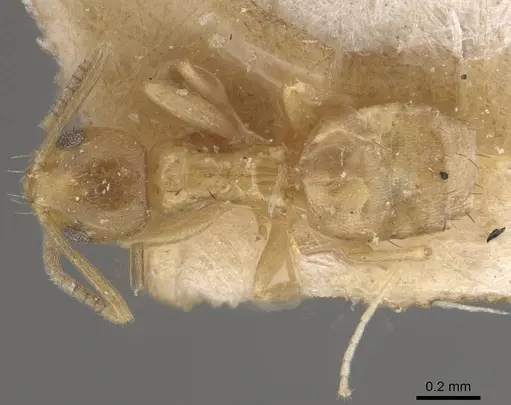
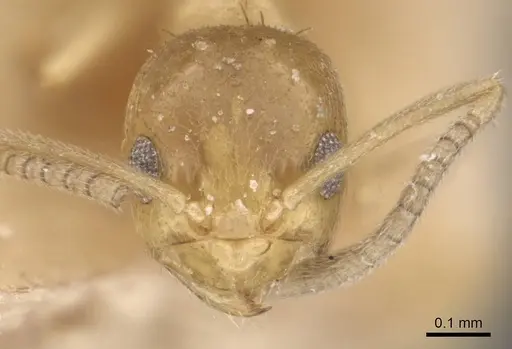
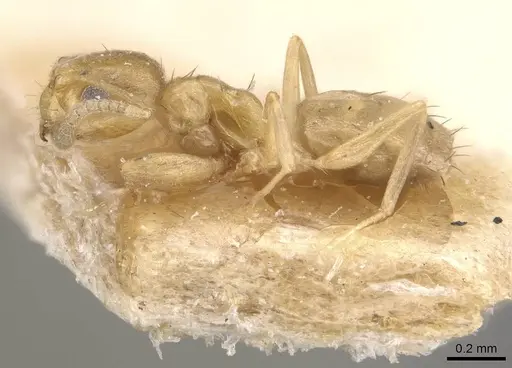
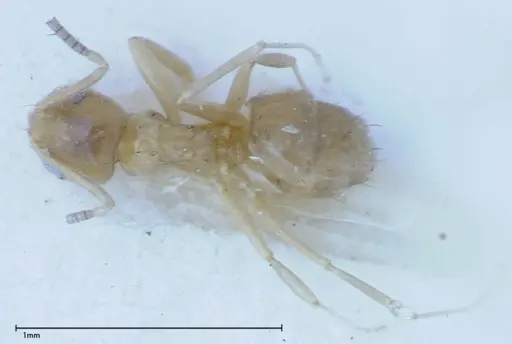
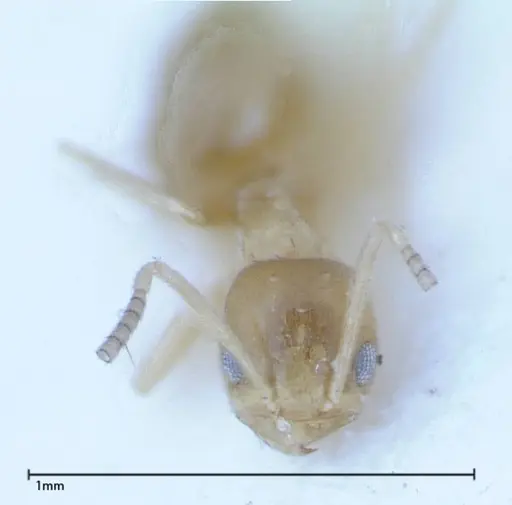
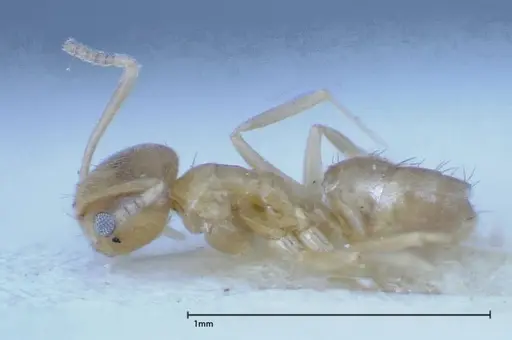
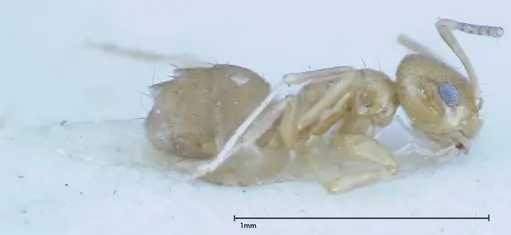
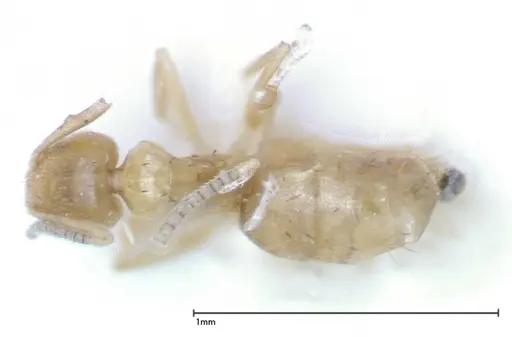
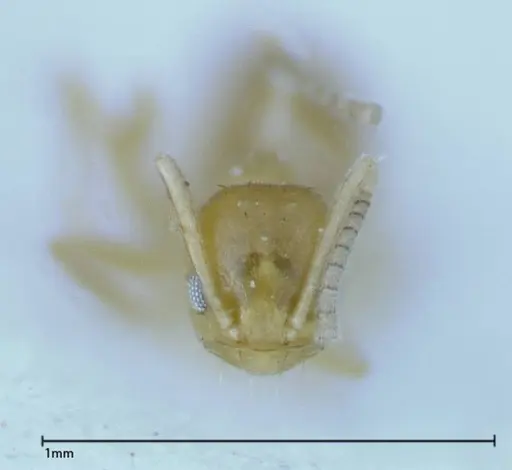
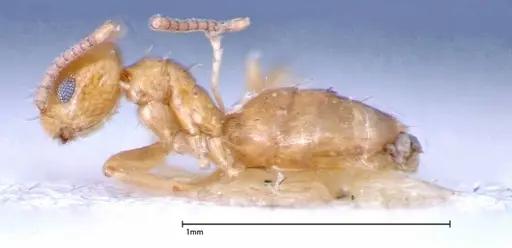
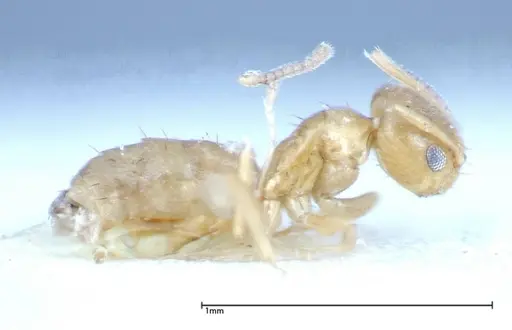
Paraparatrechina sauteri is a tiny ant species native to East Asia, found in Taiwan, China, and the Korean Peninsula. Workers are small and slender, typically measuring 1.5-2.5mm, with a pale to yellowish-brown coloration that helps them blend into leaf litter and soil environments. This species belongs to the Formicinae subfamily and Lasiini tribe, and they thrive in diverse habitats from natural forests to disturbed urban areas . This species is notable for its ability to colonize urban environments, first recorded in urban areas of Asia in 2006 and found in highly disturbed landscapes while maintaining healthy populations . This adaptability may make them more forgiving of captive conditions, but their small size requires careful escape prevention and attention to humidity.
Quick Summary
- Difficulty: Medium
- Origin & Habitat: Native to East Asia, including Taiwan, China, and both North and South Korea, in Indomalaya and Palaearctic regions. In nature, they inhabit leaf litter, soil, and rotting wood in forests and disturbed areas [1][2].
- Colony Type: Colony structure is unconfirmed. Based on genus patterns, likely single-queen colonies (monogyne), but no specific literature confirms this.
- Size & Growth:
- Queen: Size data unavailable, no total length measurements in research context
- Worker: 1.5-2.5mm [1]
- Colony: Unknown, no research data on maximum colony size
- Growth: Moderate, inferred from typical litter ant colonies
- Development: Unknown, no species-specific data available (Development time is unclear, warmer conditions may speed up growth based on genus patterns.)
- Antkeeping:
- Temperature: Keep at 22-26°C based on genus patterns from temperate East Asia. A gentle gradient allows workers to regulate temperature.
- Humidity: Keep the nest substrate consistently moist but not waterlogged, based on their natural leaf litter habitat [1].
- Diapause: Yes, inferred from genus patterns and temperate range, reduce temperature to 10-15°C for 2-3 months during winter.
- Nesting: Naturally nest in soil, under stones, and in rotting wood [1]. In captivity, use test tubes for founding and Y-tong or plaster nests for established colonies.
- Behavior: These ants are docile and typically flee from threats rather than attack. Their tiny size makes escape prevention critical. They are active foragers in the leaf litter layer.
- Common Issues: escape prevention is critical due to their very small size, they can squeeze through standard barriers, founding phase may be slow, requiring patience without disturbance, wild-caught colonies may carry parasites that harm the colony in captivity, overfeeding can lead to mold in small nest setups, dry conditions cause founding colonies to fail quickly
Housing and Setup
For founding colonies, use a test tube setup with water and cotton plug, kept dark and undisturbed. Once workers emerge and the colony grows, move to a small formicarium like Y-tong or plaster nests with chambers scaled to their tiny size. Maintain moderate humidity by keeping the nest substrate damp [1].
Feeding and Diet
Offer sugar water or honey as a constant energy source. For protein, provide small live prey like fruit flies or pinhead crickets, sized appropriately for their tiny workers. Feed sugar water every few days and protein 2-3 times per week, removing uneaten portions to prevent mold.
Temperature and Seasonal Care
Keep at 22-26°C during active seasons, based on their temperate East Asia range. Provide a temperature gradient using a heating cable if needed. They require winter diapause at 10-15°C for 2-3 months, with reduced feeding and slightly drier conditions.
Escape Prevention and Handling
Use fine mesh (0.5mm or smaller) on ventilation holes and ensure tight-fitting lids. Apply fluon or petroleum jelly to rim edges. Avoid direct handling, use soft brushes if necessary to minimize stress.
Frequently Asked Questions
How long does it take for Paraparatrechina sauteri to produce first workers?
No specific data exists, development time is unknown. Warmer temperatures may speed growth based on genus patterns [1].
Can I keep Paraparatrechina sauteri in a test tube setup?
Yes, test tubes work well for founding colonies. Use a standard setup with water and cotton plug, kept dark and undisturbed [1].
What temperature do Paraparatrechina sauteri need?
Keep them at 22-26°C during active seasons, based on their temperate range. A slight gradient allows workers to regulate comfort.
Do Paraparatrechina sauteri need hibernation?
Yes, they require a winter rest period at 10-15°C for 2-3 months, inferred from their temperate habitat.
Are Paraparatrechina sauteri good for beginners?
They are moderate difficulty due to small size and slow founding, but adaptable once established. Beginners should be prepared for escape prevention and patience.
How big do Paraparatrechina sauteri colonies get?
Unknown, no research data on maximum colony size.
Why are my Paraparatrechina sauteri escaping?
Their tiny size allows them to squeeze through barriers. Use fine mesh, tight lids, and fluon on edges [1].
What do Paraparatrechina sauteri eat?
Feed sugar water or honey for energy, and small live prey like fruit flies for protein, sized appropriately for their workers.
When should I move my colony to a formicarium?
Move when the colony has enough workers and the test tube is crowded, but avoid early moves to reduce stress.
Report an Issue
The current care sheet is based fully on literature. See inconsistencies, or something that's incorrect? Please , it will be resolved after review from an admin. Contributing to the blogs tab also helps providing information, to make us be able to further improve the caresheets. Thank you for your support!
References

This caresheet is licensed under CC BY-SA 4.0 .
Community Blogs
Literature
Loading distribution map...Loading products...