
Paraparatrechina opaca
- Sci. Name
- Paraparatrechina opaca
- Tribe
- Lasiini
- Subfamily
- Formicinae
- Author
- Emery, 1887
- Distribution
- Found in 3 countries
Introduction
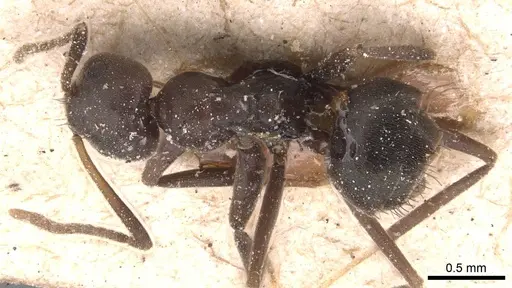
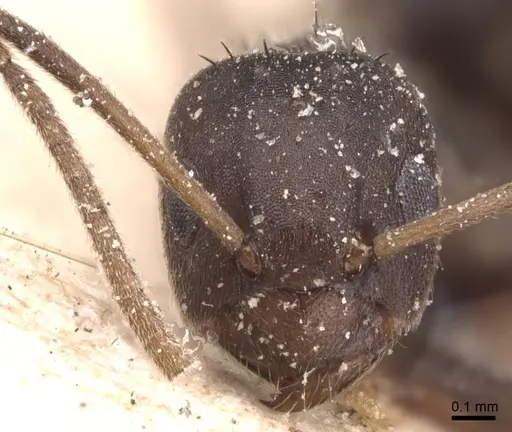
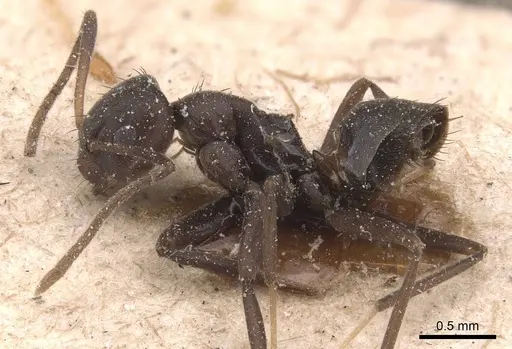
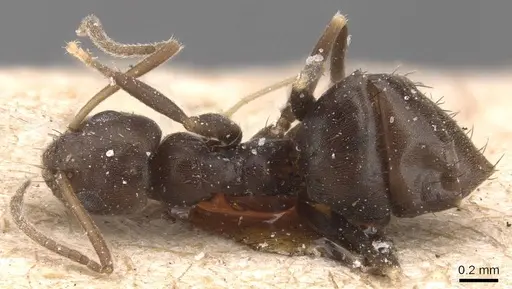
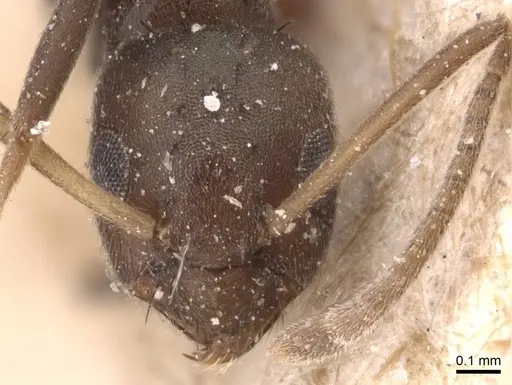
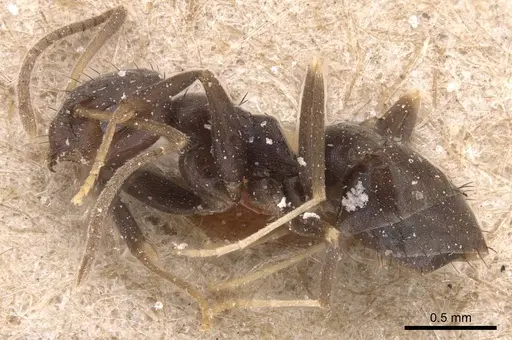
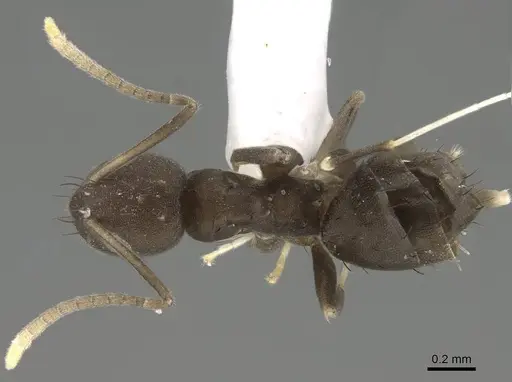
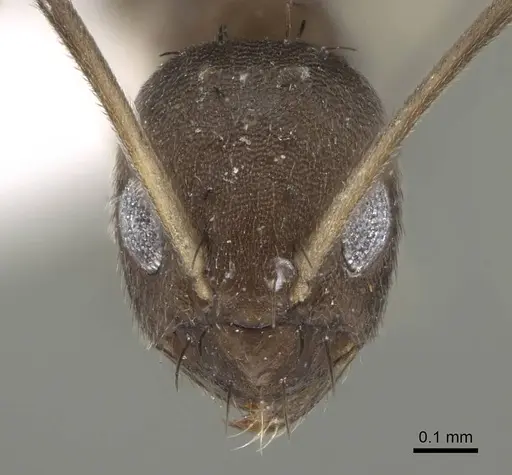
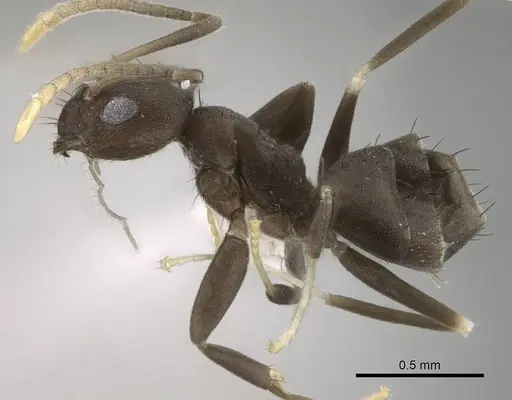
Paraparatrechina opaca is a small ant species native to Southeast Asia and New Guinea. Workers are 2-3mm in length , with a dark, opaque appearance. They belong to the Formicinae subfamily and are found in forest environments across the Indomalayan region, including Borneo, Indonesia, Malaysia, Singapore, and Thailand, with recent records from Hainan Province, China . This species is active foragers in captivity, with moderate colony growth rates, making them suitable for antkeepers who can provide tropical conditions .
Quick Summary
- Difficulty: Medium
- Origin & Habitat: Native to Southeast Asia and New Guinea, inhabiting lowland to montane tropical forests. Recent records from forest areas in Hainan Province, China [2], and across the Indomalayan region [1].
- Colony Type: Colony structure is not well-documented in scientific literature. Unconfirmed whether single-queen or multiple-queen colonies.
- Size & Growth:
- Queen: Size data unavailable, no specific measurements found in research [1]
- Worker: 2-3mm [1]
- Colony: Unknown, no specific data on maximum colony size available
- Growth: Moderate
- Development: Estimated 6-8 weeks at tropical temperatures, based on genus patterns [1] (Development time is inferred from related species, direct measurements for P. opaca are not available)
- Antkeeping:
- Temperature: Keep at 24-28°C for optimal brood development [1]
- Humidity: Keep nest substrate consistently moist but not waterlogged, as they inhabit damp forest environments [1]
- Diapause: No true diapause required, as a tropical species, they remain active year-round [1]
- Nesting: In nature, nest in rotting wood, under stones, or in soil. In captivity, use Y-tong (AAC) or plaster nests that retain moisture [1]
- Behavior: Workers are active foragers that climb well and are non-aggressive, avoiding confrontation. Due to their small size, they can escape through tiny gaps, so escape prevention is critical [1].
- Common Issues: escape prevention is critical due to their small size, they can squeeze through tiny gaps, tropical humidity requirements can lead to mold issues if ventilation is poor, wild-caught colonies may carry parasites that can cause colony failure, slow initial colony growth during founding phase can lead to beginner impatience and overfeeding, temperature drops below 20°C can slow or stop colony development
Housing and Nest Setup
Use nests that retain moisture while providing good ventilation. Y-tong (AAC) nests work well due to narrow chambers scaled for small size and humidity retention [1]. Plaster nests are another option for observing tunneling behavior. For founding, a test tube setup with a cotton ball for water is suitable, ensuring darkness and quiet [1]. When the colony reaches 20-30 workers, connect to a small outworld. Make the outworld escape-proof using fluon on rims and sealed connections [1].
Feeding and Diet
In the wild, they forage for honeydew and small insects. In captivity, offer sugar water or honey water constantly, and protein sources like fruit flies or small mealworms 2-3 times per week [1]. Remove uneaten prey after 24-48 hours to prevent mold. Young colonies may take time to accept new foods, be patient and try different protein sources if needed [1].
Temperature and Humidity Management
Maintain nest temperatures between 24-28°C for optimal development [1]. Use a heating cable on top of the nest to create a gradient if room temperature is cool. Humidity should be managed by keeping the nest substrate damp but not waterlogged, monitor condensation to avoid mold [1].
Colony Development and Growth
A newly mated queen may seal herself in a chamber and lay eggs. The founding phase typically lasts 4-6 weeks before first workers emerge [1]. Colony growth is moderate, expect several months to reach 50 workers and a year or more for larger colonies. Consistent warmth, humidity, and proper feeding are key to healthy growth [1].
Handling and Observation
These ants are small and fast-moving, making direct handling challenging. They are not aggressive and rarely sting. Observation is their main appeal: watch workers patrol, tend to brood, and forage [1]. Use red light or cover the nest to observe without disturbance, as ants perceive red light similarly to darkness [1].
Frequently Asked Questions
How long does it take for Paraparatrechina opaca to produce first workers?
From egg to first worker, expect approximately 6-8 weeks at optimal temperatures (25-28°C), based on genus patterns [1]. The queen remains sealed in her founding chamber until nanitics emerge.
What do Paraparatrechina opaca ants eat?
They accept sugar water or honey water constantly, plus small protein prey like fruit flies or mealworms 2-3 times per week [1]. Remove uneaten prey after 24-48 hours to prevent mold.
Are Paraparatrechina opaca good for beginners?
They are rated as Medium difficulty. The main challenges are escape prevention due to their tiny size and maintaining tropical humidity levels [1]. Beginners should research humidity management before attempting this species.
What temperature do Paraparatrechina opaca need?
Keep them at 24-28°C for proper brood development [1]. A heating cable on top of the nest can help maintain temperatures if your room is cooler.
How big do Paraparatrechina opaca colonies get?
No specific data on maximum colony size is available. Based on genus patterns, they may reach several hundred workers, but this is estimated [1].
Do Paraparatrechina opaca need hibernation?
No true diapause is required. As a tropical species, they remain active year-round [1].
When should I move Paraparatrechina opaca to a formicarium?
Keep them in a test tube or small setup until the colony reaches 20-30 workers. Then connect a small outworld, ensuring all connections are escape-proof [1].
Why are my Paraparatrechina opaca escaping?
Their small size allows them to squeeze through tiny gaps. Use fine mesh, apply fluon to rim edges, and check all connections [1].
Can I keep multiple Paraparatrechina opaca queens together?
The colony structure is unconfirmed. Based on related species, they likely form single-queen colonies, but combining unrelated queens is not recommended as it could result in fighting [1].
Report an Issue
The current care sheet is based fully on literature. See inconsistencies, or something that's incorrect? Please , it will be resolved after review from an admin. Contributing to the blogs tab also helps providing information, to make us be able to further improve the caresheets. Thank you for your support!
References

This caresheet is licensed under CC BY-SA 4.0 .
Community Blogs
Literature
Loading distribution map...Loading products...