
Paraparatrechina ocellatula
- Sci. Name
- Paraparatrechina ocellatula
- Tribe
- Lasiini
- Subfamily
- Formicinae
- Author
- LaPolla & Fisher, 2010
- Distribution
- Found in 1 countries
Introduction
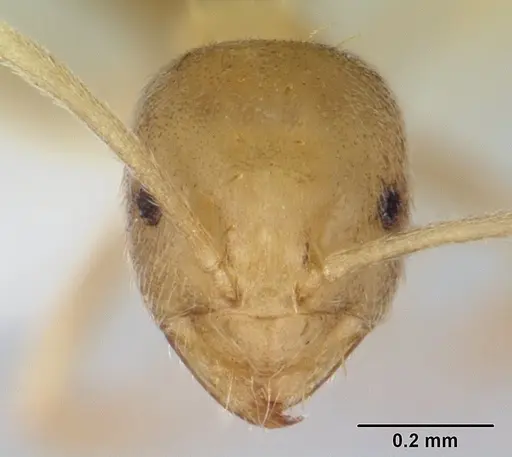
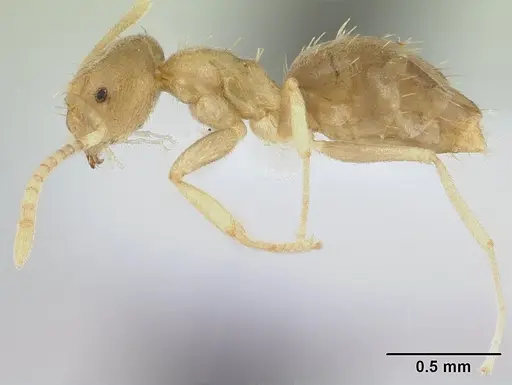
Paraparatrechina ocellatula is a tiny ant species endemic to Madagascar, with workers measuring just 1.42-2.10 mm in total length . Its extremely small eyes inspired the Latin name 'ocellatula, ' meaning 'very small-eyed' . It belongs to the subfamily Formicinae and is closely related to Paraparatrechina myops, though this species is generally smaller . It is found only in mountainous regions of Madagascar at elevations of 400-1680 m, in montane rainforest and rainforest habitats . Only the worker caste is known - queens and males have never been described . This ant is one of the smallest in the antkeeping hobby, making escape prevention a major challenge. Its antennae (scapes) are covered with flattened appressed hairs and extend past the rear of the head by about the length of the first two to three funicular segments . As a montane species from Madagascar’s cool, humid forests, it prefers cooler temperatures than typical tropical ants.
Quick Summary
- Difficulty: Expert
- Origin & Habitat: Endemic to Madagascar, found in montane rainforest and rainforest at 400-1680 m elevation [1][2]
- Colony Type: Unknown, only the worker caste has been documented, colony structure is unstudied [3]
- Size & Growth:
- Queen: Unknown, queen caste has not been described [1]
- Worker: 1.42-2.10 mm total length [1]
- Colony: Unknown, likely small based on tiny worker size, but no data
- Growth: Unknown, expected slow due to montane origin and small body size
- Development: Unknown, no published timeline exists. Related Paraparatrechina species suggest 4-8 weeks at warm temperatures, but this is speculative. (Development has not been studied. Expect slow growth because of their cool environment and tiny size.)
- Antkeeping:
- Temperature: Keep cool, around 18-22 °C. As a montane species from Madagascar’s highlands, they prefer cooler conditions than lowland tropical ants. Room temperature is likely ideal. Avoid heat sources and direct sunlight.
- Humidity: High humidity is essential, think damp forest floor. Keep the nest substrate consistently moist but not waterlogged. A test‑tube water reservoir works well. Mist occasionally, but avoid condensation. Mold risk is real, so ensure ventilation while maintaining moisture.
- Diapause: Unknown, no data on overwintering. Given their montane origin, they may experience cooler seasonal weather. A slight temperature drop to 15-18 °C during the coolest months could be tried if growth stalls, but there is no evidence it is required.
- Nesting: Small chambers are critical for these tiny ants. Test tubes with tightly packed cotton, or small Y‑tong, plaster, or soil nests with narrow corridors. Avoid large open spaces. Escape prevention must be exceptional, they can slip through gaps you cannot see.
- Behavior: These ants are very small and likely shy. In the wild they probably nest in small cavities in rotting wood or under leaf litter. Their tiny size makes them excellent escape artists, standard barriers may fail. Foraging style is unknown but likely includes honeydew and tiny prey. Handle them with extreme care, they are fragile. Use fine mesh and tight‑fitting barriers, fluon alone may not work.
- Common Issues: escape prevention is critical, they can escape through standard barriers due to their under‑2 mm size, queen biology is unknown, finding a mated queen may be impossible since only workers are documented, no established care guidelines exist, everything is inferred from related species and habitat, humidity management is challenging, they need damp conditions but high mold risk, growth will be very slow and colonies may stay tiny for a long time
Housing and Escape Prevention
Housing Paraparatrechina ocellatula is challenging because the workers are so tiny, only 1.42-2.10 mm total length [1]. Standard test tube setups can work, but the cotton plug must be extremely tight, loose cotton will let them through. Use fine‑mesh barriers, even standard ant‑keeping mesh may be too coarse. Many keepers add multiple layers (cotton + fluon + fine mesh) for such small species. The nest should have very small chambers and narrow passages scaled to their body size. Avoid tall, open spaces in the outworld, these ants can get lost or stressed in large areas. A small, well‑structured formicarium with tight corridors is best. Moving the colony requires extreme care because they are nearly invisible and can slip through microscopic gaps during transfers.
Temperature Requirements
Paraparatrechina ocellatula lives in Madagascar's montane rainforests at elevations of 400-1680 m, where temperatures are cooler than in lowlands [2]. Keep them at 18-22 °C, much cooler than most tropical ants need. Room temperature is usually ideal. Never place the nest near heat sources or in direct sunlight, overheating can be fatal. If your room runs warm, move the nest to a cooler spot or use a small cooling method. The cool temperature also means growth will be slow, which is normal. Watch the ants: if they cluster on the cool side of the nest, the setup is probably right.
Humidity and Moisture
Because Paraparatrechina ocellatula comes from montane rainforest and rainforest, it needs high humidity [3]. Keep the nest substrate consistently damp to the touch, but never waterlogged, standing water will drown these tiny ants. A good setup is a test‑tube water reservoir connected to the nest, letting moisture wick through the substrate. Mist the nest occasionally, but avoid condensation that drips onto the ants. The outworld can be drier, but provide a water source like a damp cotton ball. Their tiny bodies dry out quickly, so check moisture levels daily. Mold is a risk in humid conditions, ensure some ventilation while keeping humidity up.
Feeding and Diet
The natural diet of Paraparatrechina ocellatula has not been studied. Based on related Paraparatrechina species, they probably feed on honeydew and tiny insects. In captivity, provide a constant source of sugar water or honey mixed 1:1 with water. For protein, offer very small prey such as fruit flies (Drosophila), pinhead crickets, small mealworms, or springtails. Offer small amounts, these ants eat very little. Remove uneaten protein after 24-48 hours to prevent mold. Feed protein two to three times a week, and always have sugar water available. If the ants ignore a food, try something smaller or different.
Colony Structure and Founding
The colony structure of Paraparatrechina ocellatula is completely unknown, only the worker caste has ever been found [1]. No queens or males have been described, so we do not know if colonies are monogyne (single queen) or polygyne (multiple queens). This makes starting a colony very difficult, finding a mated queen may be impossible. If you manage to get a colony, it will likely be small. Founding behavior has not been observed, do not assume it is claustral. Growth will be slow because these are tiny ants from a cool environment. Be patient and keep conditions stable.
Challenges and Limitations
Keeping Paraparatrechina ocellatula is a major challenge for even experienced antkeepers. No one has kept this species in the hobby before, so there are no proven care methods. Everything must be inferred from related species and limited scientific data. Finding a queen may be impossible because only workers have been documented. If you find a wild colony, it may have parasites or diseases that are hard to treat. Their tiny size makes them fragile and hard to handle. They need very specialized escape‑proof setups. Growth will be extremely slow, which can be frustrating. This species is only for advanced keepers who enjoy pioneering care for rare, poorly understood ants.
Frequently Asked Questions
How long does it take for Paraparatrechina ocellatula to develop from egg to worker?
Unknown, no research has documented development time. Based on related small Paraparatrechina species, it might take 4-8 weeks at warm temperatures, but this is a guess. Expect slow development given their cool montane origin.
Can I keep Paraparatrechina ocellatula in a test tube?
Yes, but you must use a very tightly packed cotton plug and add a fine‑mesh barrier. Their 1.42-2.10 mm size means standard barriers may not work. Consider multiple layers (cotton + fluon + mesh) for safety [1].
What temperature do Paraparatrechina ocellatula need?
Keep them at 18-22 °C, much cooler than most tropical ants. Room temperature is usually fine. Avoid heat sources and direct sun [2].
Do Paraparatrechina ocellatula need hibernation?
Unknown, no data exists. Because they come from a tropical montane area with stable cool temperatures, they may not need a true hibernation. A slight winter drop to 15-18 °C could be tried if activity slows, but it is not proven necessary.
Are Paraparatrechina ocellatula good for beginners?
No, this species is not recommended for beginners. Only workers are known, so getting a queen is almost impossible. They require extreme escape prevention, have unknown biology, and no established care guides exist [1].
How big do Paraparatrechina ocellatula colonies get?
Unknown, colony size has not been documented. Based on the tiny worker size (1.42-2.10 mm), colonies are probably small, likely under 100 workers.
What do Paraparatrechina ocellatula eat?
Their natural diet is unstudied. In captivity, offer sugar water or honey for energy, and tiny protein sources like fruit flies, springtails, small mealworms, or pinhead crickets.
Why are my Paraparatrechina ocellatula escaping?
Because workers are under 2 mm, they can slip through gaps in standard ant setups. Use fine mesh, tightly packed cotton, and multiple barrier layers. Check for microscopic openings [1].
Can I keep multiple queens together?
Unknown, colony structure has not been studied. Only the worker caste is known, so we do not know whether this species is monogyne or polygyne. Do not try to combine queens [1].
Report an Issue
The current care sheet is based fully on literature. See inconsistencies, or something that's incorrect? Please , it will be resolved after review from an admin. Contributing to the blogs tab also helps providing information, to make us be able to further improve the caresheets. Thank you for your support!
References

This caresheet is licensed under CC BY-SA 4.0 .
Community Blogs
CASENT0416898
View on AntWeb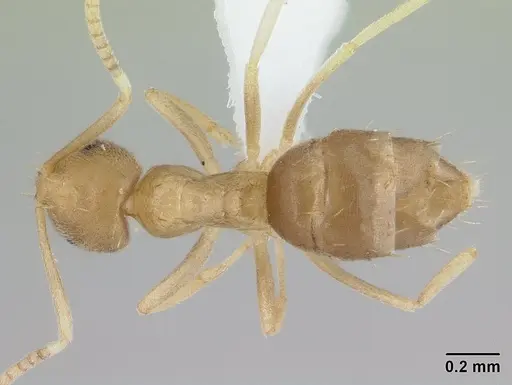
Literature
Loading distribution map...Loading products...