
Paraparatrechina minutula
- Sci. Name
- Paraparatrechina minutula
- Tribe
- Lasiini
- Subfamily
- Formicinae
- Author
- Forel, 1901
- Distribution
- Found in 4 countries
Introduction
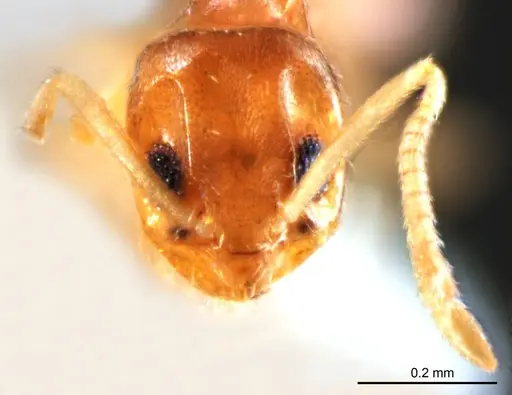
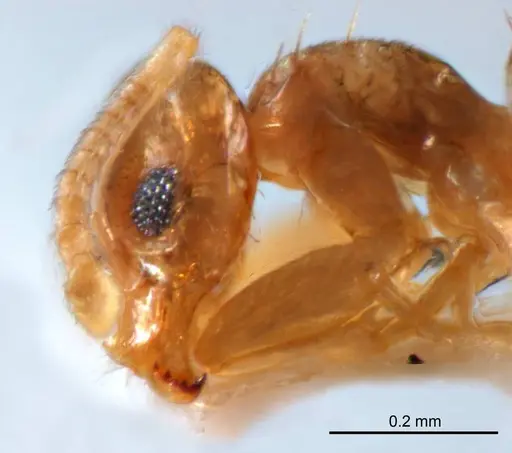
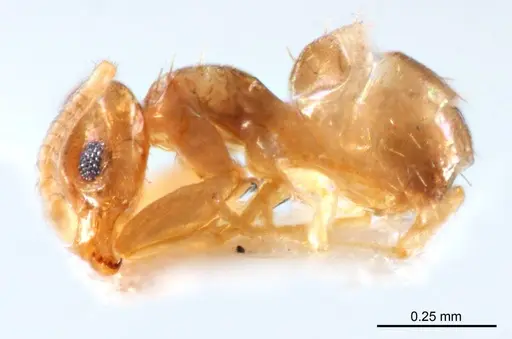
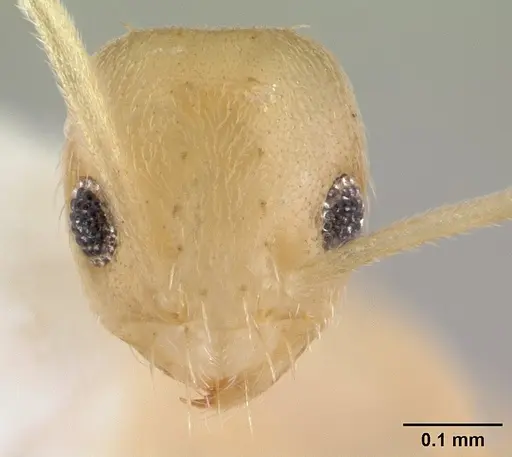
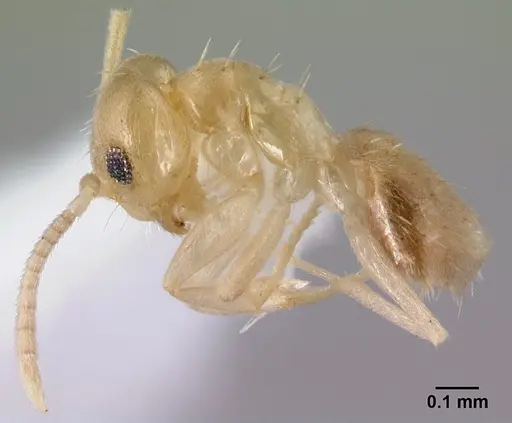
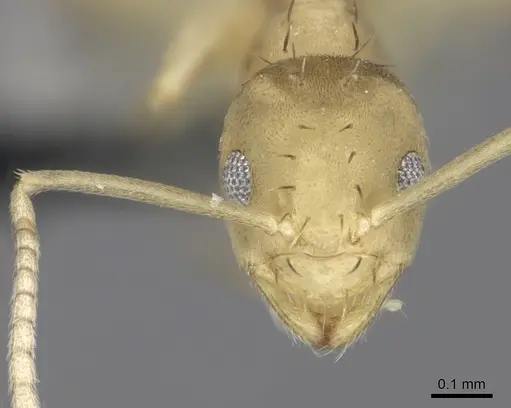
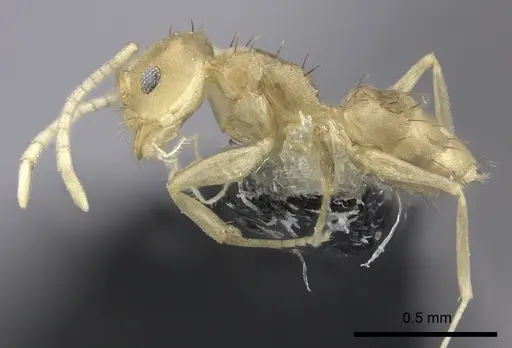
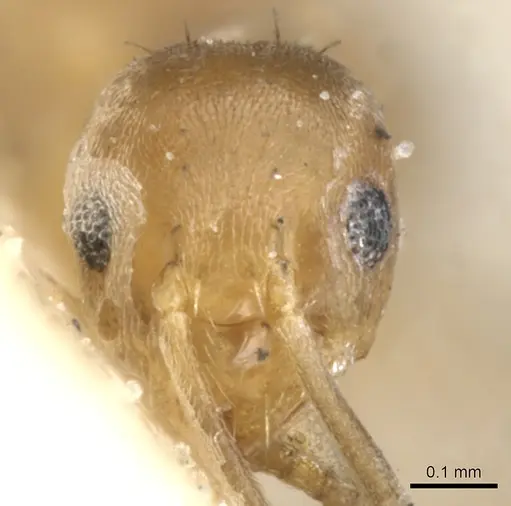
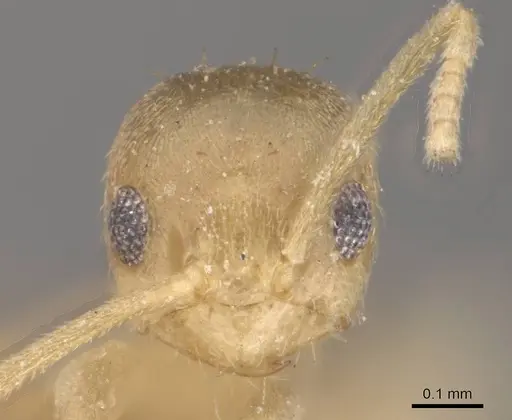
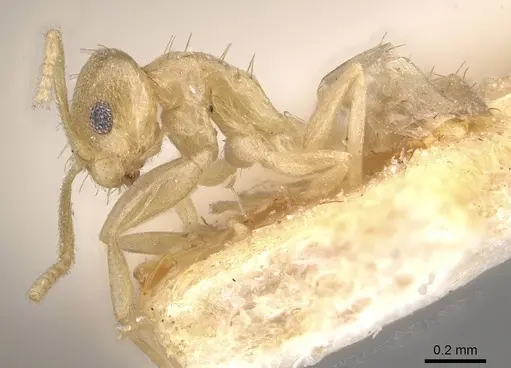
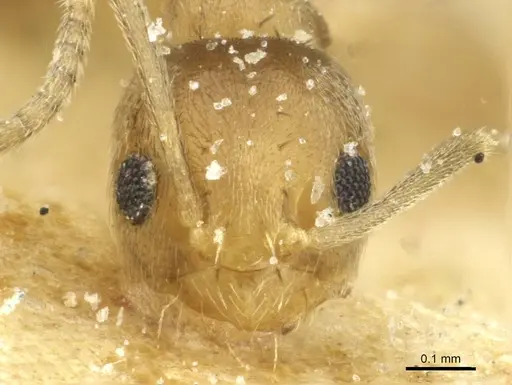
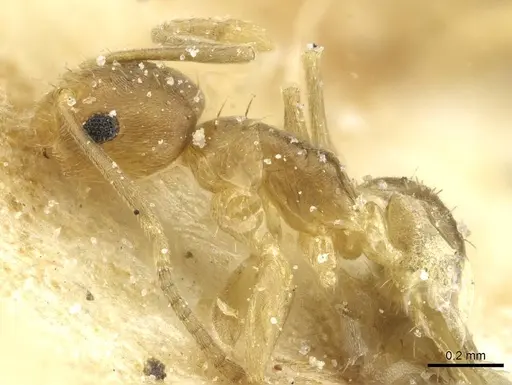
Paraparatrechina minutula is a small, yellowish ant native to Australia and the Pacific Islands, including Fiji, Samoa, Vanuatu, and the Solomon Islands . It is the only Paraparatrechina species found in Western Australia . Workers have erect bristles confined to the top of the head , and the species nests in rotting wood in urban bushland areas . It occurs from sea level up to 2300m elevation, showing notable elevational flexibility .
Quick Summary
- Difficulty: Easy
- Origin & Habitat: Australia (east and south-east coasts) and Pacific Islands including Fiji, Samoa, Vanuatu, Solomon Islands, Guam, and Micronesia. In Western Australia, found in urban bushland around Perth and on Rottnest Island, nesting in rotting wood [1][3].
- Colony Type: Unconfirmed, no specific research on colony structure for this species.
- Size & Growth:
- Queen: Size data unavailable, no total length measurements provided in research.
- Worker: Size data unavailable, no total length measurements provided in research.
- Colony: Unknown, no colony size data available.
- Growth: Unknown
- Development: Unknown, no species-specific development data available. (Development time is unconfirmed, warm conditions may accelerate growth based on tropical distribution.)
- Antkeeping:
- Temperature: Keep warm, roughly 22-28°C, based on tropical and subtropical distribution.
- Humidity: Keep nest substrate consistently moist but not waterlogged, as they nest in rotting wood that retains moisture [1].
- Diapause: No, based on tropical distribution, no winter diapause is required.
- Nesting: Rotting wood is natural, in captivity, use Y-tong (AAC), plaster, or soil nests that hold moisture [1].
- Behavior: Peaceful and non-aggressive, with no stinging ability. Workers forage individually and are small, requiring excellent escape prevention due to their tiny size. They persist during invasive ant outbreaks in their native range [6][7].
- Common Issues: escape prevention is critical due to tiny size, use fine mesh barriers and tight-fitting lids., dry conditions cause colony decline, monitor humidity closely and keep nesting material moist., slow founding, queens may take time to produce first workers, patience is required., limited availability, this species is rarely available in the antkeeping hobby., wild-caught colonies may carry parasites, quarantine and observe new colonies carefully.
Housing and Nest Setup
Paraparatrechina minutula does well in various nest types. For founding colonies, a test tube setup works, fill one-third with water, plug with cotton, and leave the end open for the queen. For established colonies, use Y-tong (AAC) or plaster nests that hold moisture, as they naturally nest in rotting wood [1]. Maintain moderate humidity by keeping the nesting material damp but not waterlogged. Attach a water tube for constant access. Due to their small size, seal all gaps with cotton or fine mesh to prevent escapes [1].
Feeding and Diet
Offer sugary liquids like sugar water or honey as a constant carbohydrate source. Provide small protein sources such as fruit flies or tiny crickets 2-3 times per week. Prey should be appropriately sized for their small mandibles. Remove uneaten food after 24-48 hours to prevent mold [1].
Temperature and Seasonal Care
Keep temperatures warm, roughly 22-28°C, based on their tropical distribution. A temperature gradient allows ants to self-regulate. No diapause is needed, but reduced activity in cooler months is natural. Consistent warmth supports growth and foraging.
Behavior and Handling
These ants are peaceful and non-aggressive, posing no threat to keepers. Workers forage individually and are excellent escape artists due to their tiny size. Use fine mesh (0.5mm or smaller) on ventilation and ensure tight lids. Cotton balls work for blocking openings while allowing airflow [6][7].
Colony Establishment and Growth
Starting a colony requires patience. Queens may seal themselves in during founding, but specific behavior is unconfirmed. Do not disturb the founding chamber excessively. Once workers emerge, growth is likely slow. Maintain warm, humid conditions without overfeeding to avoid mold [1].
Frequently Asked Questions
How long does it take for Paraparatrechina minutula to produce first workers?
Development time is unknown, no species-specific data available. Based on related species, it may take several weeks at warm temperatures, but this is an estimate.
What do Paraparatrechina minutula ants eat?
They accept sugary liquids and small protein sources like fruit flies or tiny crickets. Keep sugar water available and offer protein 2-3 times per week [1].
What temperature do Paraparatrechina minutula ants need?
Keep them warm, roughly 22-28°C, based on their tropical distribution. A temperature gradient is ideal for self-regulation.
How big do Paraparatrechina minutula colonies get?
Colony size is unknown, no data available from research.
Do Paraparatrechina minutula ants need hibernation?
No, they do not require diapause due to their tropical distribution. Reduced activity in cooler months is natural.
Why are my Paraparatrechina minutula ants escaping?
Their tiny size makes them excellent escape artists. Use fine mesh on all ventilation, ensure lids fit tightly, and plug gaps with cotton or barriers [1].
Is Paraparatrechina minutula a good species for beginners?
Yes, it is relatively easy if you maintain warm, humid conditions and prevent escapes. The main challenges are escape prevention and limited availability in the hobby.
Can I keep multiple Paraparatrechina minutula queens together?
Not recommended, colony structure is unconfirmed, and combining queens may lead to aggression. Start with a single queen.
What humidity level do Paraparatrechina minutula ants need?
Keep the nest substrate consistently moist but not waterlogged, as they nest in rotting wood that retains moisture [1].
Report an Issue
The current care sheet is based fully on literature. See inconsistencies, or something that's incorrect? Please , it will be resolved after review from an admin. Contributing to the blogs tab also helps providing information, to make us be able to further improve the caresheets. Thank you for your support!
References

This caresheet is licensed under CC BY-SA 4.0 .
Community Blogs
ANTWEB1008689
View on AntWeb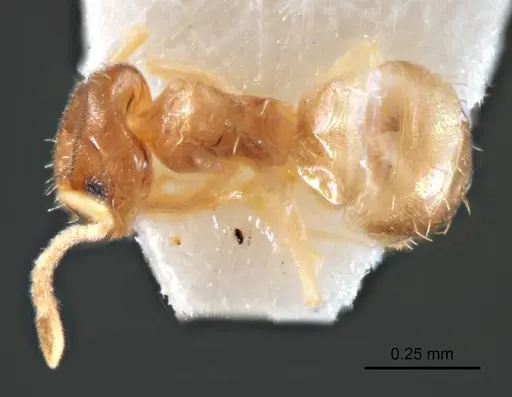
CASENT0178393
View on AntWeb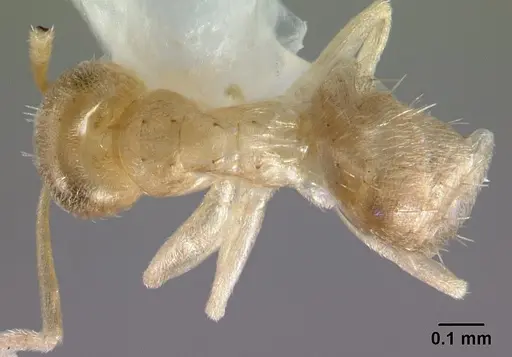
CASENT0219729
View on AntWeb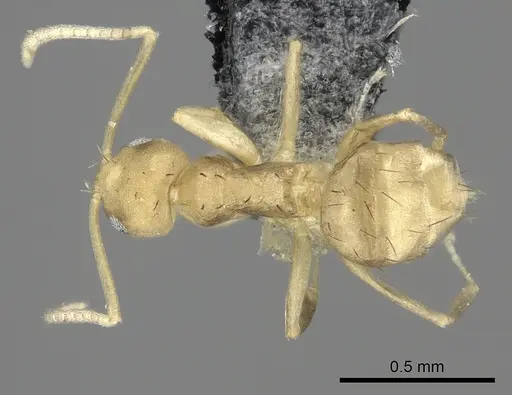
CASENT0903139
View on AntWeb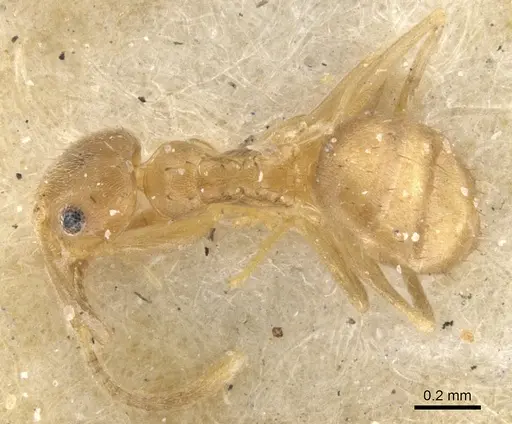
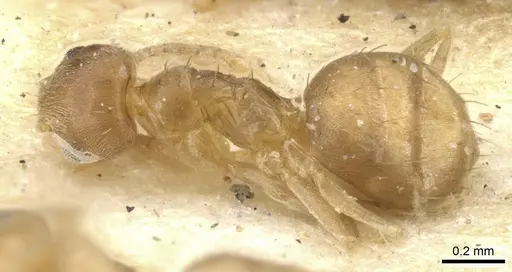
CASENT0911017
View on AntWeb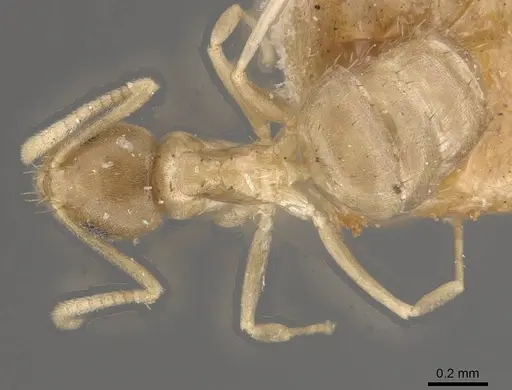
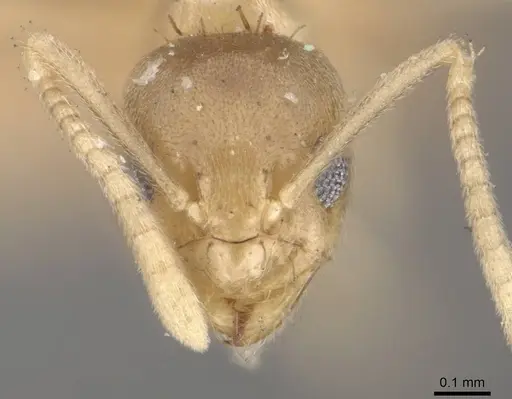
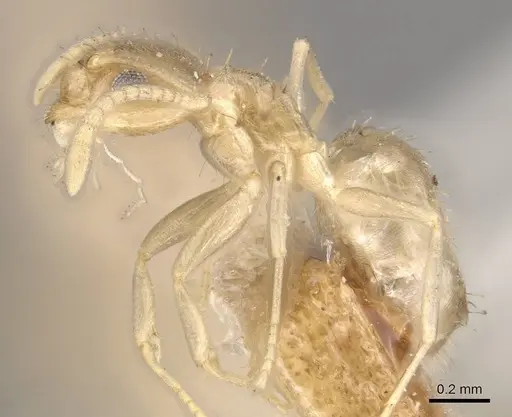
CASENT0911018
View on AntWeb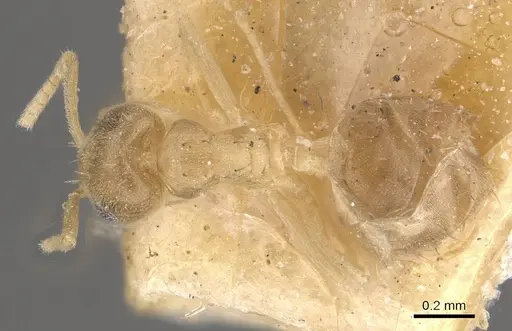
CASENT0912306
View on AntWeb
Literature
Loading distribution map...Loading products...