
Paraparatrechina iridescens
- Sci. Name
- Paraparatrechina iridescens
- Tribe
- Lasiini
- Subfamily
- Formicinae
- Author
- Donisthorpe, 1942
- Distribution
- Found in 1 countries
Introduction
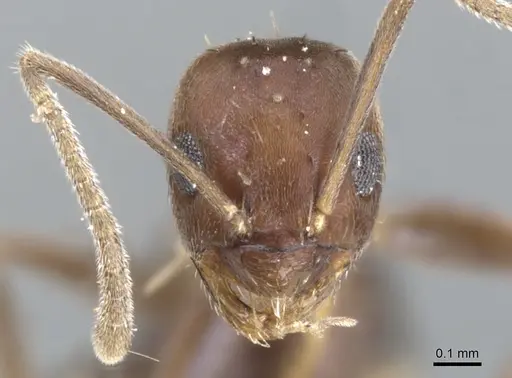
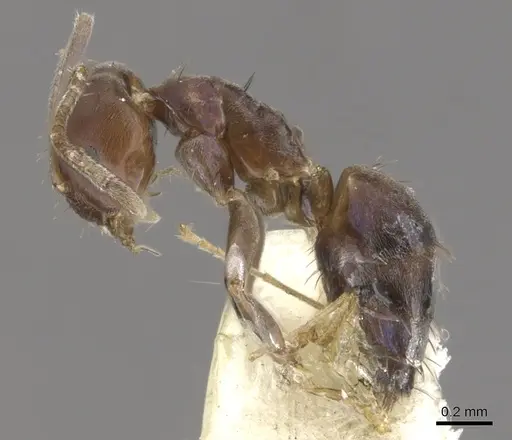
Paraparatrechina iridescens is a small ant species with iridescent coloration, native to the Philippines . It is documented in Mindanao Island, specifically in the Mt. Pantaron Range, where it inhabits leaf litter in forests . Workers are tiny, with size inferred from genus patterns as approximately 2-3 mm, though no total length data is available. The most notable feature is its iridescent body, which produces color reflections similar to the metallic blue of related species P. neela .
Quick Summary
- Difficulty: Medium
- Origin & Habitat: Philippines, specifically Mindanao Island and the Mt. Pantaron Range in Bukidnon Province [2]. Found in leaf litter in forest environments.
- Colony Type: Colony structure is unconfirmed. Based on typical Paraparatrechina patterns, likely single-queen colonies.
- Size & Growth:
- Queen: Unknown, not documented in species descriptions
- Worker: ~2-3 mm, inferred from Paraparatrechina genus patterns
- Colony: Unknown, no colony size data available
- Growth: Unknown, no development data available
- Development: Unknown, no direct measurements. Based on typical Formicinae patterns, estimate 6-10 weeks at warm temperatures. (This estimate is based on genus-level patterns and should be treated as a rough starting point.)
- Antkeeping:
- Temperature: Based on their Philippine forest floor habitat, they likely prefer warm, stable conditions around 24-28°C. Avoid temperatures below 20°C.
- Humidity: Keep nest substrate consistently moist but not waterlogged, as they inhabit humid forest leaf litter [2].
- Diapause: Unknown, Philippine species may not enter true diapause but may show reduced activity during cooler seasons.
- Nesting: Natural nesting occurs in leaf litter and topsoil layers [2]. In captivity, use a small test tube setup or a naturalistic formicarium with moist substrate scaled to their tiny size.
- Behavior: Based on genus patterns, they are likely active foragers that search for small prey and honeydew. Their tiny size makes them prone to escapes, use fine mesh barriers and excellent escape prevention. They are not aggressive and likely form small, peaceful colonies.
- Common Issues: their very small size makes escape prevention critical, they can squeeze through standard mesh., lack of species-specific care data means keepers must adapt from related species., humidity control is challenging, too wet causes drowning, too dry causes desiccation., no documented diet acceptance, must experiment with small prey and sugar sources., wild-caught colonies may be stressed from collection methods.
Appearance and Identification
Paraparatrechina iridescens is a small ant species with a distinctive feature: iridescent coloration that produces color reflections on their body surface [1]. This iridescence is similar to the metallic blue seen in the related species P. neela, making these ants visually striking despite their small size. Workers are tiny, likely measuring around 2-3 mm based on typical genus dimensions. The species was originally described by Donisthorpe in 1942 from Philippine specimens. The iridescent quality can help distinguish them from other small Formicinae in the region, though a microscope examination of morphological features may be needed for definitive identification.
Natural Distribution and Habitat
This species is endemic to the Philippines, specifically documented in the Indomalaya region. Known populations include Mindanao Island, particularly the Mt. Pantaron Range in Bukidnon Province where they were collected using Winkler extraction from leaf litter samples [2]. This collection method involves sifting through leaf litter and decaying material from the forest floor, indicating they are ground-dwelling ants that live in humid microhabitats within forest ecosystems. The Philippine archipelago provides a tropical environment with consistent warmth and high humidity year-round, which should inform captive care conditions.
Nest Preferences and Housing
In their natural habitat, P. iridescens lives in leaf litter and the top layers of forest soil [2], a humid, shaded microhabitat rich in organic matter. For captive care, replicate these conditions using a small test tube setup with a water reservoir, or a naturalistic terrarium-style formicarium with moist substrate. The key is maintaining high humidity while ensuring good ventilation to prevent mold. Because they are tiny ants, the nest chambers and passages should be small and tight-fitting. Avoid tall, open spaces that could cause them stress. A layer of moist coconut fiber or peat moss works well as substrate. Always use excellent escape prevention, their small size allows them to squeeze through gaps that larger ants cannot.
Feeding and Diet
Specific dietary preferences for P. iridescens have not been documented. Based on typical Formicinae behavior and their forest floor habitat, they likely forage for small insects, springtails, and other micro-arthropods found in leaf litter. They probably also collect honeydew from aphids and scale insects. In captivity, start by offering small live prey such as springtails, fruit flies, or tiny mealworm pieces. Sugar water or honey can be offered occasionally, though acceptance is uncertain. Given their tiny size, prey items must be appropriately scaled, anything larger than themselves will be ignored. Feed small amounts of protein every few days and remove uneaten food promptly to prevent mold.
Temperature and Humidity Requirements
As a Philippine species from humid forest environments [2], P. iridescens requires warm and humid conditions. Aim for temperatures in the range of 24-28°C, avoiding drops below 20°C. A heating cable on one side of the nest can create a gentle temperature gradient if room temperature is insufficient. Humidity is critical, the nest substrate should feel consistently moist but never waterlogged. The forest floor environment they inhabit naturally has high ambient humidity, so consider using a covered setup that retains moisture. However, ensure some ventilation to prevent stagnant air and mold growth. A hygrometer can help monitor conditions, aiming for 70-80% relative humidity in the nest area.
Colony Development and Growth
No specific development timeline exists for Paraparatrechina iridescens. Based on typical Formicinae patterns, expect the following general timeline: eggs develop into larvae and then pupae before emerging as workers. First workers (nanitics) will be smaller than mature workers and typically appear within 6-10 weeks at optimal warm temperatures, though this is a rough estimate. The colony will grow slowly at first, founding colonies often take months to establish more than a handful of workers. Patience is essential with this species. Monitor colony health by observing worker activity levels and brood development. A healthy founding colony should show increasing activity and brood piles over time.
Frequently Asked Questions
How long does it take for Paraparatrechina iridescens to produce first workers?
The exact timeline is unknown for this species. Based on typical Formicinae development, expect approximately 6-10 weeks from egg to first worker at optimal warm temperatures (around 24-28°C). This is a rough estimate since no species-specific data exists.
What do Paraparatrechina iridescens ants eat?
Specific diet preferences are unconfirmed. Based on genus patterns, they likely accept small live prey (springtails, fruit flies, tiny insects) and may collect honeydew or sugar sources. Start with small live prey and offer sugar water occasionally. Remove uneaten food promptly.
Are Paraparatrechina iridescens good for beginners?
This species is not ideal for beginners due to limited species-specific care data and their very small size. The lack of documented care information means keepers must adapt from related species and monitor carefully. If you're experienced with tiny Formicinae like Nylanderia, this could be a rewarding challenge.
What temperature do Paraparatrechina iridescens need?
Keep them warm at 24-28°C. Avoid temperatures below 20°C. A heating cable on part of the nest can provide warmth if room temperature is insufficient.
How big do Paraparatrechina iridescens colonies get?
Colony size is unknown, no data exists on maximum colony size for this species. Based on their small size and forest floor habitat, colonies are likely modest, probably under a few hundred workers.
Can I keep multiple Paraparatrechina iridescens queens together?
Colony structure is unconfirmed for this species. Combining unrelated queens is not recommended since this has not been documented and could result in aggression.
Do Paraparatrechina iridescens need hibernation?
Diapause requirements are unknown. As a Philippine species from a tropical environment, they likely do not require true hibernation but may show reduced activity during cooler periods. Keep temperatures stable year-round.
Why are my Paraparatrechina iridescens escaping?
Their tiny size allows them to squeeze through the smallest gaps. Use fine mesh (at least 0.5mm or finer), tight-fitting lids, and apply barrier tape or fluon to all edges. Check all connections and seams regularly.
What type of nest should I use for Paraparatrechina iridescens?
A small test tube setup works well for founding colonies. For established colonies, a naturalistic setup with moist substrate or a small acrylic nest with tight chambers scaled to their tiny size is appropriate. Maintain high humidity regardless of nest type.
Report an Issue
The current care sheet is based fully on literature. See inconsistencies, or something that's incorrect? Please , it will be resolved after review from an admin. Contributing to the blogs tab also helps providing information, to make us be able to further improve the caresheets. Thank you for your support!
References

This caresheet is licensed under CC BY-SA 4.0 .
Community Blogs
CASENT0903140
View on AntWeb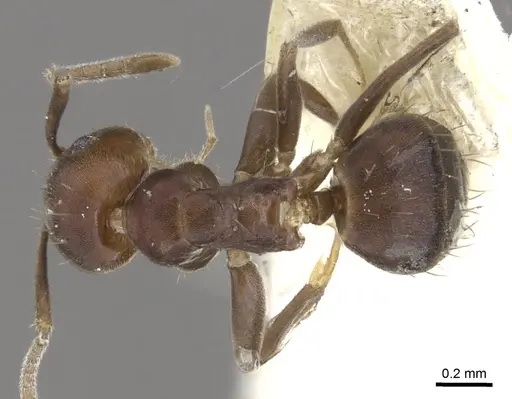
Literature
Loading distribution map...Loading products...